When a Business Trip to India Becomes a Journey into Yoga
For professionals working in today’s fast-moving global economy, maintaining focus, energy, emotional balance, and healthy relationships can be as important as technical expertise.
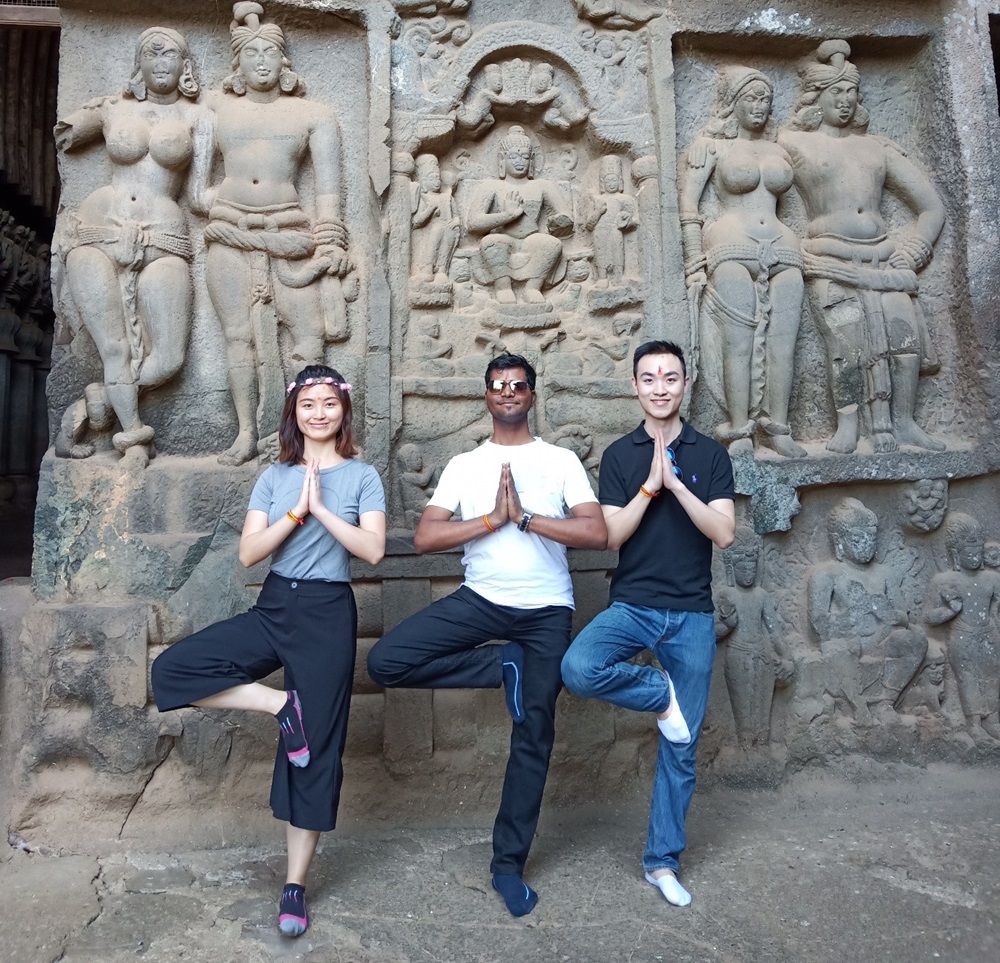
For Jin Long and Young from China, a visit to Pune, India, became an opportunity to explore these dimensions through yoga.
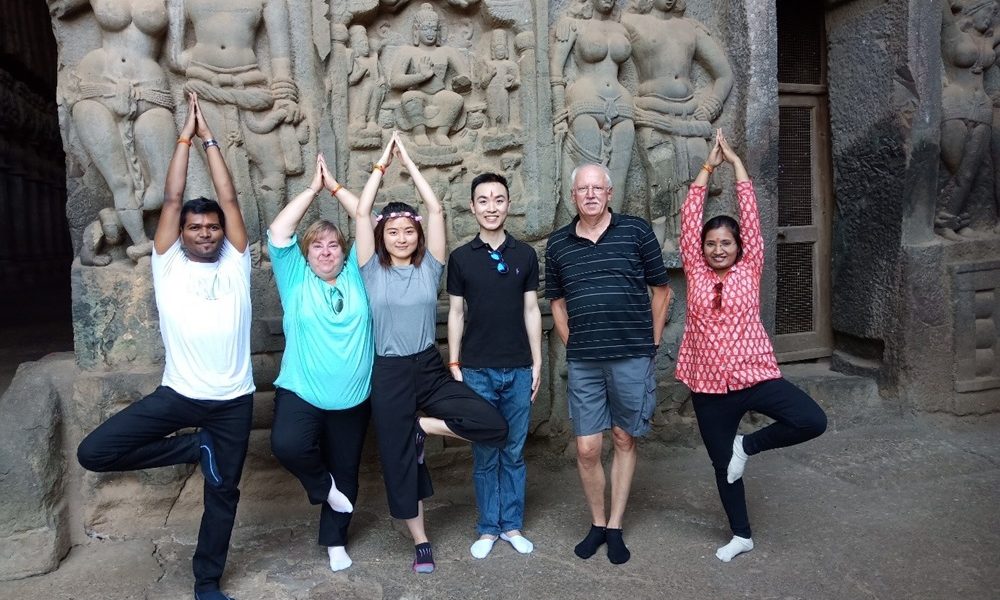
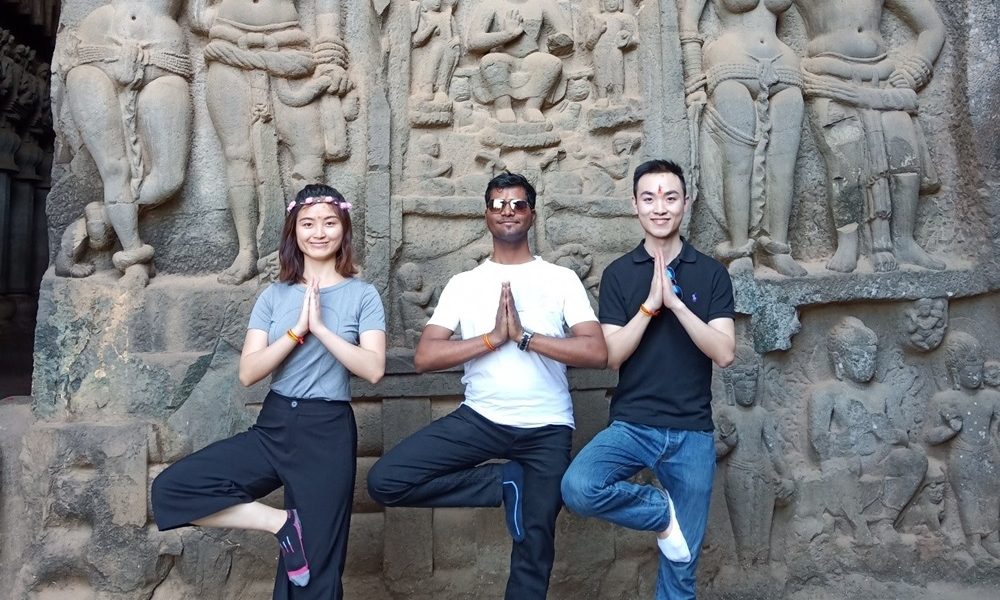
As engineers and professionals accustomed to demanding work environments, they came to Swasti Yoga Center, Pune, to undertake the YCB–AYUSH Yoga Foundation Program through an intensive one-to-one residential yoga training experience.
They expected to learn yoga practices.
What they discovered was considerably broader: yoga philosophy, meditation, practical techniques, cultural exchange, and ideas that could be applied not only to personal wellbeing but also to professional life.
Their experience raises an increasingly relevant question for global professionals:
What if a business trip to India could become an opportunity to learn authentic yoga at its source?
Why Would Professionals Travel to India to Learn Yoga?
Yoga has become a global phenomenon.
Today, yoga studios, teachers, retreats, and online programmes can be found almost everywhere—from Shanghai and Singapore to London, Paris, New York, and São Paulo.
Yet learning yoga in India offers a different context.
India is the historical home of yoga, and its traditions developed alongside philosophical, contemplative, medical, and cultural knowledge systems.
For Jin Long and Young, studying in Pune created an opportunity to explore yoga not simply as exercise, but as a structured discipline involving:
- Physical practices
- Breath regulation
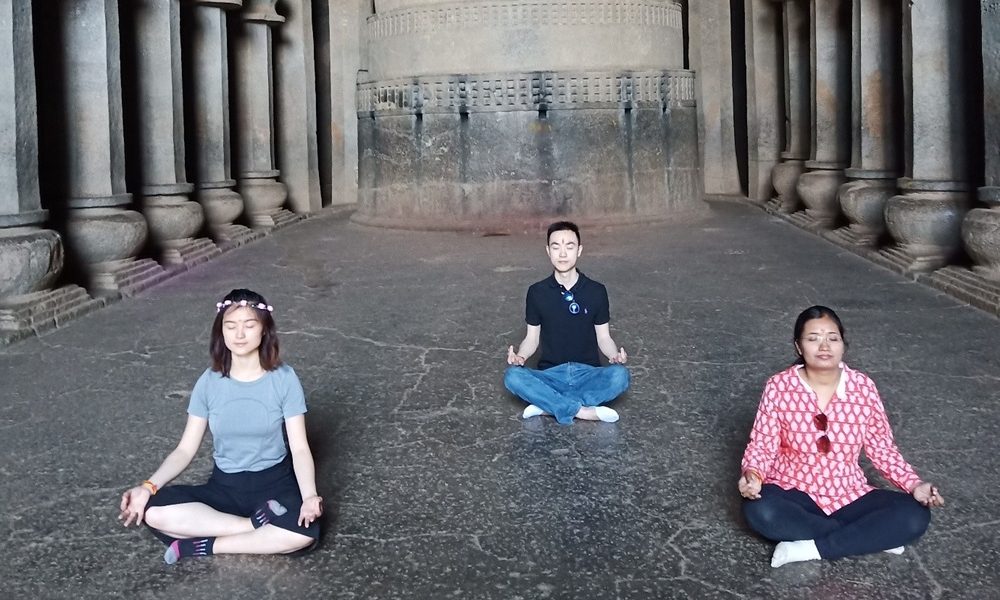
- Meditation
- Yoga philosophy
- Self-awareness
- Concentration
- Lifestyle
- Emotional balance
- Relationships and responsible action
This broader perspective became one of the most valuable aspects of their experience.
From Engineering to Inner Engineering
Engineering teaches people to understand systems.
Yoga invites us to understand another system: ourselves.
For professionals working with complex problems, deadlines, teams, uncertainty, and constant decision-making, this can be a powerful complement to technical knowledge.
During their programme, Jin Long and Young explored how yogic practices could support greater focus and awareness.
They found that regular practice helped them feel more energetic and attentive in their professional lives.
This does not mean yoga replaces professional skills or medical care. Rather, it can become one component of a broader approach to healthy living and stress management.
The value lies in developing practical habits that can be carried from the yoga hall into everyday life.
Yoga Philosophy for Relationships and Crisis Management
One of the most interesting aspects of Jin Long and Young’s experience was their observation that yogic philosophy could be applied beyond personal practice.
They found the ideas useful when thinking about relationships, difficult situations, and crisis management.
Modern professional environments require people to communicate across cultures, manage disagreements, make decisions under pressure, and respond to uncertainty.
Yoga philosophy does not provide a formula for solving every workplace problem.
What it can offer is a framework for cultivating qualities such as awareness, self-regulation, reflection, and thoughtful action.
These qualities can be relevant when dealing with:
- Workplace pressure
- Interpersonal disagreements
- Leadership challenges
- Cross-cultural communication
- Uncertainty
- Difficult decisions
- Emotional reactions
For Jin Long and Young, this was one of the most practical dimensions of their learning.
Yoga became less about what happens during a class and more about how one responds to what happens outside the class.
From Practice to Professional Wellbeing
There is growing scientific interest in yoga-based practices for aspects of mental and physical wellbeing, including stress management, psychological wellbeing, sleep, and physical function.
However, evidence varies by intervention, population, and outcome, and yoga should not be presented as a universal treatment or replacement for professional healthcare.
For professionals, its practical value may also lie in something simpler: creating a regular period during the day for movement, breathing, attention, and reflection.
For Jin Long and Young, these practices became particularly relevant to maintaining focus and energy during work.
The lesson was straightforward:
Wellbeing does not have to be separated from professional life.
A Different Way to Use a Business Trip to Pune
Pune is an important educational, technology, industrial, and business centre in Maharashtra.
Professionals from around the world regularly visit the city for meetings, conferences, projects, and corporate engagements.
Jin Long and Young’s experience suggests another possibility.
A professional visiting Pune could potentially combine business commitments with a structured introduction to yoga and Indian knowledge traditions.
Instead of spending every free hour in a hotel or following a conventional tourist itinerary, a professional could use part of the visit to explore:
Yoga → Philosophy → Meditation → Wellbeing → Indian Culture
The result can be a more meaningful experience of India.
What Jin Long and Young’s Experience Teaches Global Professionals
Their journey offers several lessons for professionals considering yoga education in India.
- Yoga Can Complement Professional Life
Yoga does not have to be separated from work. Practices involving movement, breathing, attention, and reflection can become part of a balanced professional routine.
- Philosophy Has Practical Relevance
Ancient philosophical ideas can stimulate modern reflection about relationships, decision-making, responsibility, and emotional responses.
- Cultural Understanding Matters
Learning about the cultural roots of yoga can deepen appreciation of the tradition and encourage respectful practice.
- Learning Can Happen During a Business Trip
A short professional visit to Pune can potentially include meaningful educational experiences alongside business commitments.
- Yoga Is a Lifelong Learning Process
A foundation programme is not an endpoint. It can become the starting point for continued personal practice and deeper study.
A Journey from Professional Skill to Personal Awareness
Jin Long and Young arrived from China with professional experience and a curiosity about yoga.
In Pune, they discovered that yoga could offer something relevant to both sides of their lives.
At work, they found practices that helped them focus and feel energetic.
In relationships, yogic philosophy offered new perspectives.
During challenging situations, reflection and awareness became useful tools.
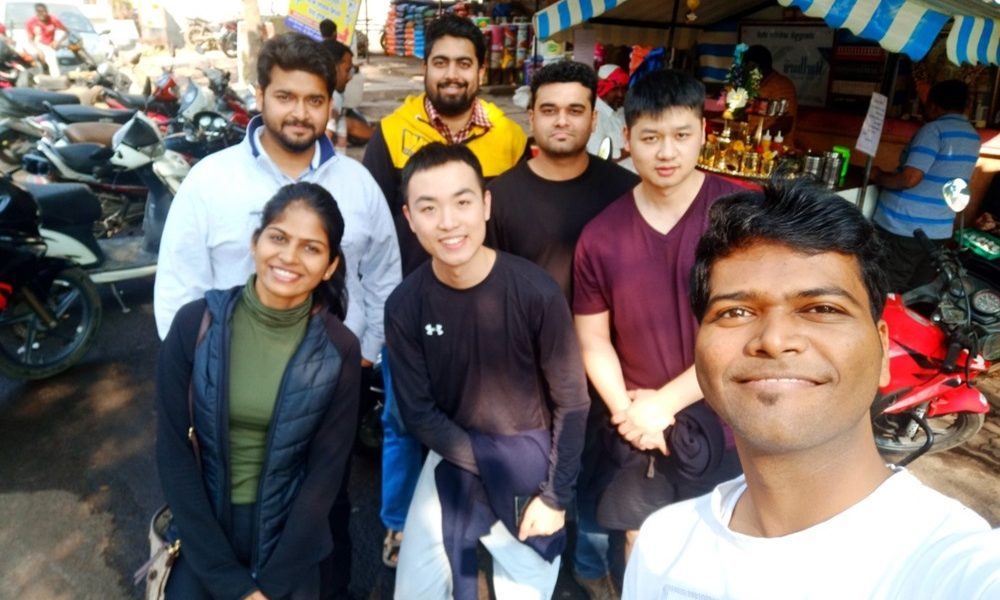
And through cultural exchange, they developed a deeper appreciation of India and its traditions.
Their experience illustrates an important idea:
The most valuable yoga education does not end when the class ends.
It begins to matter when its principles influence how we work, communicate, respond, and live.
For Global Professionals Visiting Pune: Consider Learning Yoga at Its Source
If you are travelling to Pune from China, Europe, North America, Southeast Asia, or elsewhere for business, consider making space for something beyond meetings and deadlines.
An immersive yoga programme can offer an opportunity to:
Learn. Practise. Reflect. Connect.
At Swasti Yoga Center, Pune, international students and professionals can explore structured YCB–AYUSH yoga education, one-to-one learning, residential programmes, yoga philosophy, meditation, and Indian cultural experiences in an educational environment.
You may arrive in India for business.
You may leave with a new perspective on wellbeing, work, relationships, and yourself.
Sometimes the most valuable part of a journey is not what you accomplish on the agenda—but what you discover beyond it.