Discover how a solo journey to Pune can combine personal space, traditional yoga, Maharashtrian culture and a more considered way to experience India.
Travelling alone can be an act of independence. It can also be an opportunity to make decisions without having to accommodate anyone else’s schedule, interests or expectations.
For many women, the appeal of a solo retreat lies in this freedom. There is time to wake without rushing, learn something new, enjoy a meal without distraction and spend a few days following a rhythm that feels appropriate to one’s own needs.
India offers a particularly rich setting for such a journey. Yoga has deep roots in the country’s philosophical and cultural traditions, while its regional cuisines, historic neighbourhoods, religious architecture and everyday customs offer countless opportunities for discovery.
Yet a rewarding solo journey requires more than choosing an appealing destination. Privacy, accommodation, transport, communication and clear expectations all matter, particularly when travelling internationally or visiting India for the first time.
A solo female wellness retreat in India should therefore offer more than an attractive programme. It should make practical arrangements transparent, respect personal boundaries and give guests the information they need to make informed decisions.
Why choose a solo yoga retreat?
A solo retreat differs from a conventional holiday because the experience can be organised around one person’s interests rather than a group’s preferences.
You might be a beginner who wants to learn the foundations of yoga without feeling self-conscious in a large class. You might already have a regular practice and want to explore Indian yoga philosophy in greater depth. Or you might simply be curious about experiencing daily life in India while setting aside time for movement, reading and reflection.
A private or individually tailored programme can accommodate different levels of experience. Sessions may focus on foundational postures, appropriate breathing practices, guided relaxation or meditation, depending on the instructor’s assessment and the guest’s preferences.
There can also be time to explore the local area, learn about Maharashtrian food, visit heritage sites or discuss aspects of Indian culture with knowledgeable hosts.
The advantage is flexibility. You can choose the balance between structured learning and independent time, provided the retreat’s actual arrangements allow it.
A solo retreat is not necessarily a journey of isolation. It can offer the opportunity to meet teachers, local residents and fellow travellers while retaining control over how much social interaction you want.
Privacy begins with the details
Privacy is one of the most important considerations when choosing a women-friendly retreat.
Marketing photographs may show a peaceful garden or a beautifully arranged room, but they do not tell you whether the room has a private bathroom, whether staff enter without notice or whether the property has shared spaces that guests should know about.
Before booking, ask specific questions.
Accommodation:
Is a private room available? Does it have an attached bathroom? Is the room air-conditioned if required? Are there locks on the room door, secure windows and a clear procedure for reporting maintenance or safety concerns?
Shared spaces:
Are the kitchen, dining room, garden, meditation room or terrace shared with other residents? Who else normally uses these spaces?
Staff and access:
Who has access to the property? Are staff present during stated operating hours? How are visitors managed, and what arrangements are in place for unexpected arrivals?
Personal boundaries:
Can you decline activities, social meals or excursions without affecting your accommodation or the rest of your programme?
These questions are reasonable, not demanding. A responsible organiser should be able to explain the actual arrangements rather than relying on general assurances.
For Swasti, it is particularly important to distinguish between the facilities available at the yoga centre and those available at any separate accommodation arranged for retreat guests. They may not be the same property, and their facilities and access arrangements should be described separately.
Is Pune a suitable destination for solo female travel?
Pune is a major city in Maharashtra, with universities, cultural institutions, residential neighbourhoods, restaurants and access to historic sites and the Sahyadri landscape.
For a woman travelling alone, the practical experience will depend on the neighbourhood, time of day, transport arrangements, accommodation and personal preferences. No city or retreat can guarantee complete safety, and conditions can vary.
Pune can be a useful base for visitors interested in yoga education and Maharashtrian culture, particularly when the itinerary is planned in advance.
A few measures can make the journey easier to manage:
- Arrange your first transfer from the airport or railway station through a provider you can verify.
- Confirm the accommodation address, check-in procedure and arrival contact before travelling.
- Save the accommodation details offline and keep a reliable way to communicate with your host.
- Use reputable transport services and verify the vehicle and driver details before entering.
- For unfamiliar areas, plan routes and return transport in advance, especially after dark.
- Keep a charged phone, access to emergency funds and copies of important travel documents.
- Share your itinerary and arrival details with a trusted person if that makes you more comfortable.
These are practical travel precautions, not reasons to avoid cultural exploration. The purpose is to give yourself more control over the experience.
For current travel advice, consult your country’s official travel advisory for India before departure. Local conditions and recommendations can change.
Transport: Plan the arrival, not just the retreat
The first journey from an airport or railway station can shape how comfortable the rest of a trip feels.
Before departure, ask the retreat organiser whether airport transfers are available, whether they are included in the quoted price and who will provide them. If a transfer is not offered, request clear directions and advice on reputable transport options.
Confirm the destination address in writing. If someone is collecting you, agree on where to meet and how to identify the driver or representative. Avoid relying solely on an informal message or an unverified person offering transport at the last minute.
For excursions outside Pune, ask who is organising the journey, how long it is expected to take, what happens if weather changes the plan and whether the return transport is included.
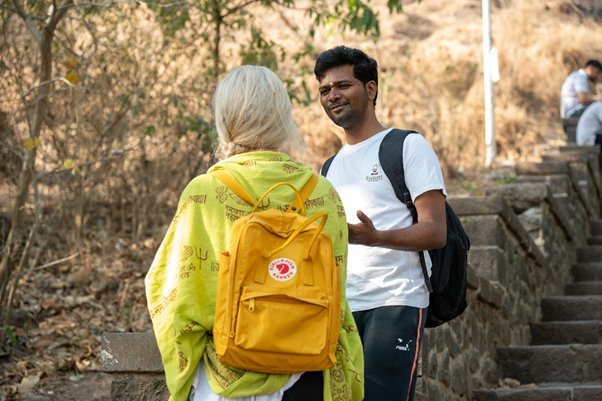
This is especially relevant if you intend to visit the Buddhist caves near Pune or explore the Sahyadri mountains. Some heritage sites involve steps or uneven surfaces, while hill routes can be affected by monsoon rain, reduced visibility and slippery conditions.
A thoughtful itinerary should take account of daylight, travel time, mobility and the conditions at the destination rather than trying to fit in as many attractions as possible.
Cultural immersion without pressure
One of the most rewarding aspects of visiting India is the opportunity to encounter its traditions through everyday life rather than through sightseeing alone.
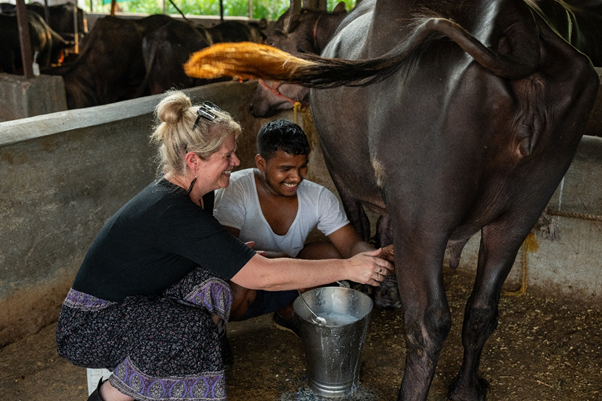
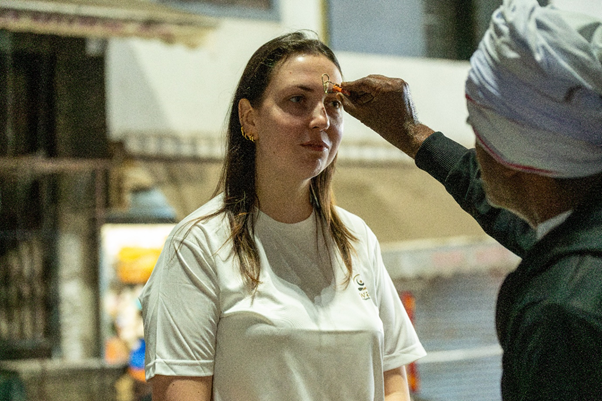
In Pune, that might mean learning about Maharashtrian cuisine, exploring a historic neighbourhood, discussing yoga philosophy with a teacher or discovering the customs associated with a local festival.
Cultural immersion should be an invitation, not an obligation. A guest should be able to participate in a cooking session, a heritage walk or a cultural gathering without feeling that every activity is compulsory.
A few practical courtesies can make these encounters more comfortable.
When visiting a temple or another place of worship, observe local dress and footwear requirements and follow instructions about photography. Ask permission before photographing people, particularly during religious activities. Dress according to the setting and your own comfort, while recognising that expectations vary between places.
If you are unsure about a custom, ask your host or guide. Most cultural misunderstandings are easier to navigate when questions are asked respectfully rather than answered through assumptions.
Authentic cultural exchange also involves recognising that India is diverse. A custom found in one community or region should not be treated as universal across the country.
One-on-one yoga: Learn at your own pace
For women who are new to yoga, an individual session can offer a more comfortable introduction than joining a large class.
The instructor can ask about previous experience, movement preferences and any relevant limitations, then adapt the session accordingly. A beginner may start with basic postures, gentle movement and an introduction to breathing or relaxation practices.
An experienced practitioner may prefer to explore alignment, yoga philosophy or a more consistent personal practice.
The format also allows you to ask questions without worrying about holding up a group. You can request clarification, take breaks and discuss which practices are appropriate to continue independently.
Professional boundaries matter in private instruction. Before a session begins, you should know what it involves, what kind of physical assistance may be offered and how to request an adjustment or decline contact. A teacher should respect those boundaries without pressure.
A private retreat can introduce you to yoga in India, but it should not be represented as a professional teaching qualification unless it is part of a separately defined and appropriately assessed programme.
Meditation and quiet time, on your terms
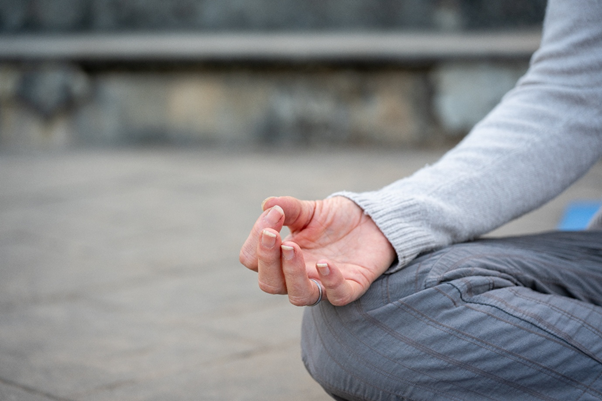
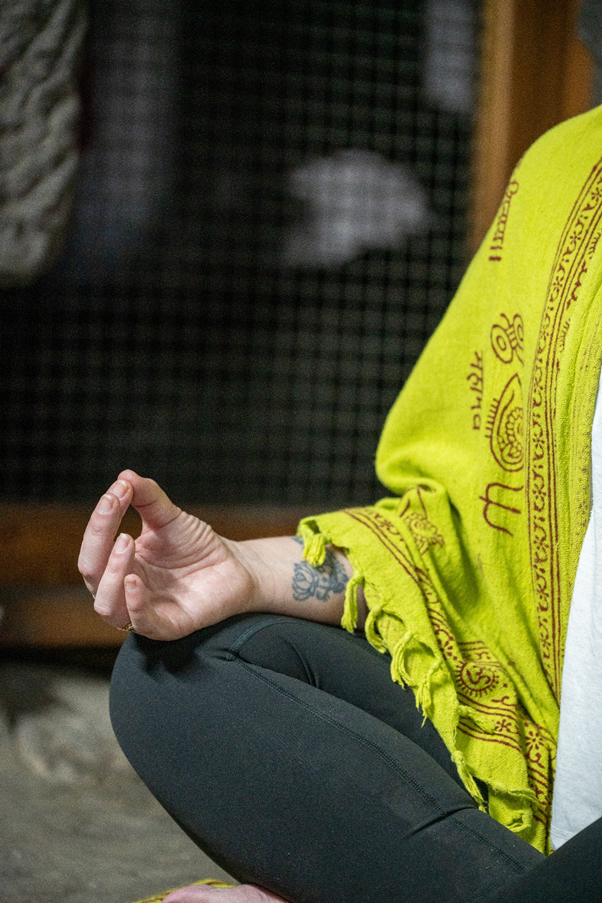
A retreat can include guided meditation, relaxation or unstructured time for reading and reflection.
Some guests enjoy beginning the day with a short practice before breakfast. Others prefer a walk, a period of reading or a slow start. A flexible schedule can accommodate these differences, provided the programme is designed to allow them.
Meditation does not require a particular spiritual belief, and a guest should not be pressured to participate in a religious activity. It is reasonable to ask what a session involves before agreeing to join.
Likewise, quiet time need not mean being alone all day. You may enjoy a conversation over tea, an optional group meal or a guided cultural visit while keeping the rest of the schedule private.
The point is to have meaningful choices about how you spend your time.
Food, dietary needs and the comfort of familiar routines
Food is an important part of experiencing India, but dietary arrangements can also affect how comfortable a solo retreat feels.
Maharashtrian cuisine offers a variety of grains, pulses, vegetables, breads, chutneys and regional preparations. Depending on the retreat’s actual services, a visitor may be able to try traditional vegetarian meals, discuss sattvic food or take part in a cooking experience.
Before booking, explain any allergies, dietary restrictions, spice preferences or medical dietary requirements. Ask how meals are prepared, whether ingredients can be adjusted and whether food is included in the package.
If you have a severe allergy or a condition requiring careful dietary management, discuss the practical arrangements in detail rather than assuming a kitchen can meet every need.
It is also reasonable to ask whether you can eat at a time that suits your routine or opt out of shared meals when you prefer privacy.
Food should enrich the cultural experience, not become a source of uncertainty.
Should you choose a women-only yoga retreat?
Some women prefer a women-only environment, while others are comfortable attending a mixed programme with private accommodation and individual instruction.
Neither preference is inherently better. The right choice depends on personal comfort, the programme structure and the arrangements available.
If a women-only retreat is important to you, ask the organiser to confirm exactly what “women-only” means.
Does it apply to the participants, the accommodation, the yoga sessions or the entire property? Are all staff women, or are some services delivered by mixed-gender teams? Are shared spaces used by other residents? Is the programme available on your preferred dates, or only for specific group departures?
What to ask before booking a solo retreat
Before making a payment, request written answers to the following questions:
- Is a private room available, and does it have an attached bathroom?
- What are the actual facilities at the accommodation, and who else uses the property?
- Who will be teaching the yoga sessions, and what are their qualifications?
- Are sessions one-on-one, group-based or a combination?
- Can I decline activities or request changes to the schedule?
- Are airport transfers available, and what do they cost?
- What meals and excursions are included?
- Are women-only sessions or accommodation arrangements available on my dates?
- What is the procedure for raising a concern or requesting assistance?
- What are the cancellation, refund and payment terms?
Clear answers help you assess whether the experience matches your expectations. They also help the organiser understand what you need before you arrive.
A more personal way to experience India with Swasti
Travelling alone does not mean having to organise every detail without assistance. A well-planned solo retreat can combine independence with access to experienced teachers, practical information and optional cultural experiences.
At Swasti Yoga Center in Pune, the guiding principles are personal attention, professional yoga education, authentic Indian culture and a quieter way to experience India.
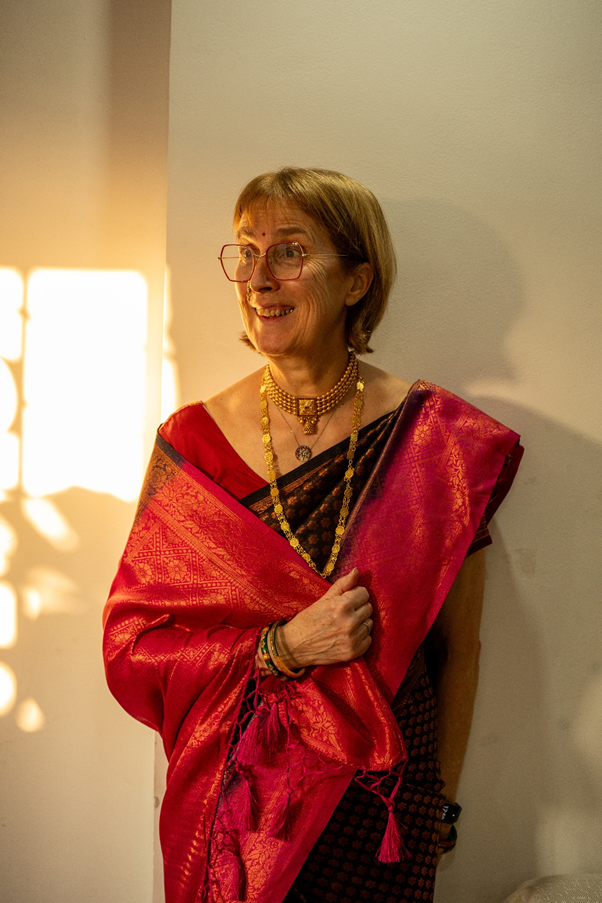
For women considering a visit, the opportunity is to explore yoga in its Indian context, learn from experienced faculty and encounter Maharashtrian culture at a pace that feels comfortable. Depending on availability, a stay may be shaped around individual yoga instruction, cultural learning and time for independent exploration.
The most important details should be discussed before booking: the accommodation, privacy arrangements, transport, available facilities, session format and the level of personalisation that can genuinely be provided.
A meaningful solo journey does not require a promise of perfect safety or a prescribed outcome. It begins with clear information, thoughtful planning and the freedom to choose the experience that suits you.
Plan your solo yoga retreat in Pune
Discover a more personal way to experience yoga, Indian culture and everyday life in Maharashtra.
Enquire about a solo retreat or individual yoga programme at Swasti Yoga Center, Pune. At Swasti Yoga Center in Pune, the guiding principles are personal attention, professional yoga education, authentic Indian culture and a quieter way to experience India. For women considering a solo visit, these can provide a useful starting point for planning a stay that combines individual learning with cultural discovery.
Accommodation, private bathrooms, transport, women-only arrangements, faculty availability and cultural activities must be confirmed with Swasti before booking. No destination or retreat can guarantee complete safety; travellers should review current official travel advice and make arrangements suited to their circumstances.