
🇮🇳 India | 🇺🇸 USA | 🇫🇷 France | 🇦🇪 UAE

🇮🇳 India | 🇺🇸 USA |
 🇫🇷 France | 🇦🇪 UAE

Blog

News & Articles

Yoga Teacher Training as a Second Career What to Expect?

Yoga Teacher Training as a Second Career: What to Expect?

At some point, many professionals pause and ask a quiet but persistent question: Is this all there is? The work may be stable, the routine familiar, yet something feels misaligned. The search is not always for success, but for meaning, balance, and a deeper sense of contribution. This is where yoga teaching often enters the conversation. Not as an impulsive escape from a career, but as a thoughtful second chapter. For many, yoga teacher training becomes a way to realign skills, values, and lifestyle. This guide is here to help you understand what that transition actually looks like, without hype, without pressure, and with clarity you can trust. By the end, you will have a realistic picture of what yoga teacher training involves, who it is suited for, and how it can grow into a sustainable second career. Why Yoga Teaching Is Increasingly Chosen as a Second Career? Yoga teacher training is often misunderstood as a relaxed or purely physical experience. In reality, it is a structured and immersive educational process. A typical training day follows a disciplined routine that includes asana practice, meditation, anatomy, philosophy, teaching methodology, and supervised teaching practice. Each component plays a specific role in developing a competent and responsible teacher. Common reasons professionals transition into yoga teaching include: Burnout and health concerns – Long working hours, chronic stress, and sedentary routines often lead to physical and mental fatigue. Desire for meaningful contribution – Yoga teaching directly supports wellbeing, recovery, and self-awareness in others. Global demand for qualified teachers – Yoga is now taught in studios, corporations, schools, hospitals, retreats, and online platforms worldwide. Career flexibility – Teaching can begin part-time, expand gradually, or integrate with an existing profession. This combination makes yoga teaching a practical and purpose-driven second career rather than a risky leap. What Yoga Teacher Training Really Involves? It’s more structured and transformative than most people expect. Yoga teacher training is not a retreat. It is an intensive learning process. Most programs follow a disciplined daily routine: Early morning meditation and asana practice Anatomy and alignment sessions Yoga philosophy and lifestyle studies Teaching methodology and practice classes Self-study, reflection, and feedback Physical practice is only one layer. You learn how the body works, how to teach safely, and how to adapt practices for different people. Philosophy introduces you to the ethical and mental foundations of yoga. This often challenges existing beliefs and habits, which is where real transformation begins. There is also a mental and emotional shift. Many trainees experience increased self-awareness, emotional release, and a stronger sense of discipline. This can feel intense at times, but it is part of what makes the training meaningful. Commitment matters more than flexibility or strength. Beginners are welcome, but consistency and openness to learning are essential. Skills You Already Have That Transfer Seamlessly One of the biggest misconceptions is that yoga teaching requires starting from zero. If you have worked in corporate roles, you already understand communication, leadership, time management, and responsibility. These skills are vital in a yoga classroom. Healthcare and fitness professionals bring body awareness, injury prevention knowledge, and empathy. Educators and coaches already know how to guide, observe, and support learners. Even creative professionals contribute strong observation skills, adaptability, and expression. Yoga teaching does not erase your professional identity. It reshapes it into a more conscious and service-oriented form. You may like to read: Best Career Options After a Yoga Teacher Training Challenges You Should Expect and Prepare For An honest understanding of challenges is essential when considering yoga teaching as a second career. Common challenges during training include: Physical adaptation – Strength and flexibility improve progressively, not instantly. Academic learning curve – Anatomy, Sanskrit terminology, and philosophy require focused study. Confidence gaps – Many trainees question their readiness to teach, especially initially. Cultural adjustment (for international students) – Living and learning in India involves adapting to different routines and expectations. These challenges are not red flags. They are indicators of professional-level training rather than superficial certification. Why India Is Ideal for a Second-Career Yoga Teacher Because yoga here is lived, not packaged. Training in India offers depth that is difficult to replicate elsewhere. Yoga is not separated from daily life. Practice, philosophy, and lifestyle are integrated naturally, creating a fully immersive learning environment. From a practical perspective, teacher training in India is significantly more cost-effective compared to many Western programs, without compromising educational quality. Most importantly, training here builds a strong foundation. Graduates are prepared to teach internationally with authenticity, cultural understanding, and confidence. For those seeking substance over surface-level certification, India remains the most respected place to study. You may like to read: Why Your Next Vacation Should Be a Yoga Teacher Training Course in India? Conclusion: A Second Career Built on Clarity, Not Escape Yoga teacher training is most effective as a second career when approached with patience and realism. It is not a quick exit from professional life, but a structured learning path that builds clarity, responsibility, and long-term sustainability. For many professionals, it offers a rare balance of physical well-being, mental focus, and meaningful contribution. With the right guidance, yoga teaching becomes an evolution of existing skills rather than a break from the past, allowing your experience to grow into a more aligned and purposeful career. Lay the Right Foundation for Your Next Professional Chapter Choosing where and how you train matters as much as the decision to train itself. At Swasti Yoga Center, programs are designed for professionals and career changers who value depth, structure, and responsible teaching over quick outcomes. The learning environment supports steady development, strong fundamentals, and long-term confidence in teaching. If you are exploring a yoga teacher training institute in India, take time to understand the curriculum, teaching methodology, and learning culture. The right program does not rush you. It prepares you. When you are ready to begin, start with clarity, not pressure. That is how second careers grow into lasting ones.
Read More »
Is 2026 a Good Time to Join Yoga Teacher Training in India?

Is 2026 a Good Time to Join Yoga Teacher Training in India?

If you’ve been practicing yoga regularly and feeling a quiet pull to go deeper, you’re not alone. A lot of people, both in India and abroad, are asking the same question right now: Is 2026 actually a good time to commit to Yoga Teacher Training in India, or should I wait? The world has changed how it looks at health, work, and purpose. Yoga has moved from being a personal practice to a respected professional path. India, meanwhile, continues to hold a unique position as the birthplace and academic home of yoga. What this really means is that timing matters more than ever. By the end of this guide, you’ll have clarity on whether 2026 aligns with your goals, what makes India the preferred destination, and how to decide if Yoga Teacher Training is the right step for you now. Why is Interest in Yoga Teacher Training Growing in 2026? Yoga has matured. What once felt like a fitness trend has settled into something more stable and respected. Three shifts are driving this. First, well-being is now non-negotiable. Burnout, stress, hormonal health, and mental resilience are no longer fringe topics. Yoga is increasingly integrated into healthcare, workplaces, and rehabilitation settings. Second, the bar for teachers is higher. Studios and wellness centers want teachers who understand anatomy, safety, and how to adapt practices for real people, not just demonstrate postures. Third, education is becoming more evidence-based. Therapeutic yoga, pregnancy yoga, and lifestyle-based programs are expanding. That requires structured learning, not casual workshops. For many practitioners, 2026 feels like the right moment to move from self-practice to formal education. Why India Remains the Best Place for Yoga Teacher Training? People travel across continents to study yoga in India, and that’s not accidental. Authentic education, not surface-level training Yoga in India is taught as a complete system. Asana is just one part. Philosophy, breathwork, ethics, and self-discipline are treated with equal seriousness. Depth of learning Teacher training in India typically includes: Yoga philosophy and classical texts Anatomy and physiology aligned with yoga practice Teaching methodology and sequencing Lifestyle discipline and self-study This depth is difficult to replicate in short, commercial programs elsewhere. Cultural immersion Living and learning in India exposes you to yoga as a way of life, not a class you attend twice a week. That immersion changes how people understand and teach yoga later. Practical value for money Compared to Western countries, India offers longer, more comprehensive training at a fraction of the cost, without compromising educational quality. Teachers are educators, not influencers Many Indian yoga faculty come from academic, clinical, or long-term teaching backgrounds. The focus is on clarity, safety, and understanding, not performance. What Makes 2026 a Strong Year to Start Yoga TTC? 2026 isn’t just another year on the calendar. Several shifts make it particularly relevant. More structured curriculum standards Teacher training programs are increasingly standardized, with clearer learning outcomes and academic rigor. Wider global acceptance Certifications from reputable Indian institutes are now widely accepted by studios and organizations worldwide, especially when backed by strong teaching foundations. Improved learning environments for international students Training centers have adapted to global students’ needs with better infrastructure, safety measures, and student support systems. Rise of specialization General teaching is no longer the only path. In 2026, many students are choosing focused areas such as: Pregnancy and women’s health yoga Therapeutic and rehabilitation yoga Wellness and lifestyle coaching Mindfulness and stress management Starting now allows you to build expertise, not just certification. Who Should Consider Joining Yoga Teacher Training in 2026? Yoga Teacher Training isn’t limited to one type of person. Here’s how it fits different paths. Beginners with commitment You don’t need years of advanced practice. What matters is consistency, openness to learning, and readiness for disciplined study. Experienced practitioners If yoga is already part of your life, formal training helps refine technique, deepen understanding, and improve confidence in teaching. Career changers Many professionals step into yoga after burnout or dissatisfaction. Training in 2026 gives time to transition gradually, not abruptly. Healthcare and wellness professionals Doctors, physiotherapists, psychologists, and fitness trainers increasingly add yoga to their skill set for holistic care. International students Those seeking immersive, authentic learning find India unmatched in both depth and experience. You may like to read: Complete Guide to Yoga Teacher Training in Pune for International Students What to Look for Before Choosing a Yoga TTC in India? Not all teacher training programs are equal. Before committing, carefully evaluate these essentials. Accreditation and certification Ensure the program adheres to recognized standards and offers certifications that are internationally accepted. Like YCB and AYUSH certifications. Faculty experience Teachers should have both academic grounding and years of practical teaching experience, not just personal practice. Curriculum balance Look for equal focus on: Practice Theory Teaching methodology Safety and anatomy Student support Accommodation, food, health support, and cultural guidance matter, especially for international students. Post-training guidance Good institutes help students understand teaching pathways, further studies, or specialization options after graduation. Conclusion So, is 2026 a good time to join Yoga Teacher Training in India? For many, the answer is yes. The global respect for qualified yoga teachers is growing. Education standards are stronger. Specialization opportunities are wider. Most importantly, people are seeking meaningful, sustainable paths that support both personal growth and professional purpose. Yoga Teacher Training is not a shortcut to a new career. It’s a commitment to learning, discipline, and service. Starting in 2026 gives you the time and structure to build that path thoughtfully. Ready to Begin Your Yoga Teaching Journey in 2026? If you feel drawn to yoga not just as a practice, but as a meaningful path of learning and teaching, this may be the right time to take that step. With experienced faculty, structured curriculum, and a supportive learning environment, Swasti Yoga Center offers programs designed for both Indian and international students who want depth, clarity, and confidence, not rushed certification. Take a closer look at our yoga teacher training courses in India, connect with

Read More »
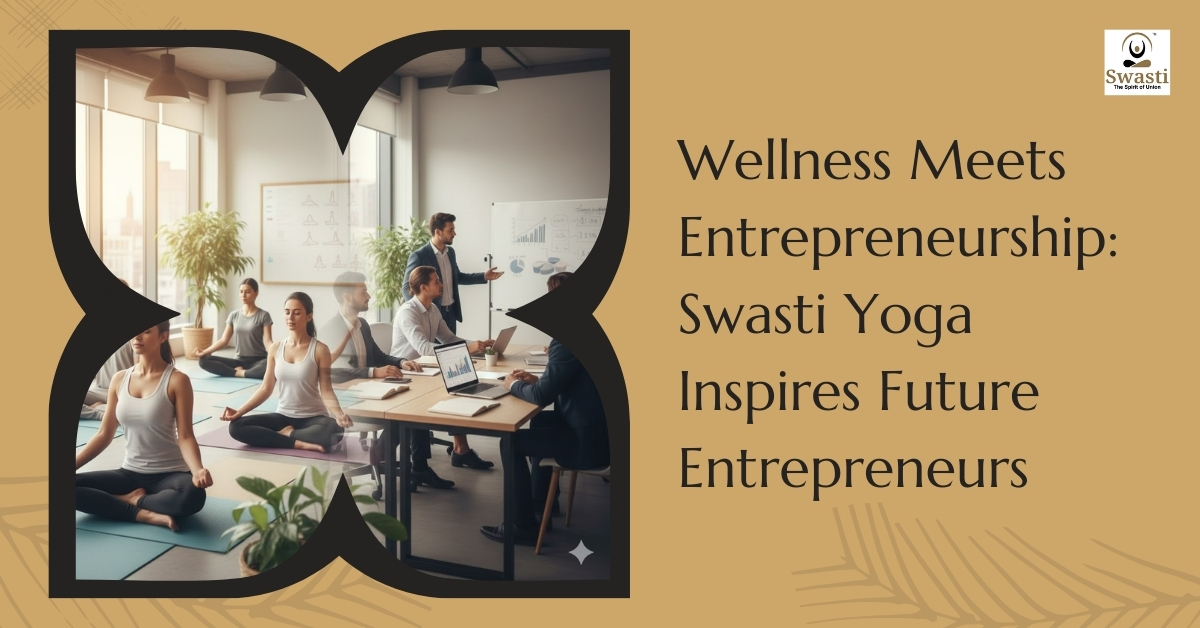
Wellness Meets Entrepreneurship Swasti Yoga Inspires Future Entrepreneurs

Wellness Meets Entrepreneurship: Swasti Yoga Inspires Future Entrepreneurs

Most people first meet yoga on a mat learning postures, feeling their muscles stretch, enjoying the breath slowing down. It’s a beautiful beginning. But the deeper you go, the more you realize something profound: Yoga isn’t only about what the body can do. Yoga is about discovering who you are. That realization takes us to the three great pillars of yogic wisdom: The Upanishads • The Yoga Sutras • Vedanta They are not separate streams. They form one continuous river flowing toward inner freedom. The Upanishads — Where the Search Begins If yoga is a journey, the Upanishads are the first whisper of adventure. Thousands of years ago, sages sat in forests and caves asking the boldest questions: Who am I? What is the purpose of life? Is there something eternal within me? Their answers weren’t blind beliefs — they came from direct experience. The Upanishads declare: The true Self (Atman) is limitless and divine. Happiness isn’t outside; it is our deepest nature. This isn’t philosophy for intellectuals. It’s a spark meant to ignite inquiry within anyone who wonders: There must be more to life than survival and stress… right? Patanjali’s Yoga Sutras — The Training to Realize Truth Once this spark awakens, Patanjali steps in like a skillful guide. He knew a restless mind cannot recognize truth, no matter how beautiful the teachings are. So he gave a clear, practical structure — the Eight Limbs of Yoga: Ethics • Discipline • Posture • Breath • Sense Withdrawal • Focus • Meditation • Absorption Through practice, the inner noise settles. And when the mind becomes still — even for a moment — something breathtaking is revealed: The one who watches the thoughts is not the thoughts. Yoga becomes a lived experience, not an idea. Vedanta — The Clarity of Oneness Vedanta arrives like a sunrise after a long night. It explains in clear terms what glimpses in meditation really mean: The Self (Atman) is pure consciousness This consciousness is the essence of everything (Brahman) Real freedom is recognizing this oneness Vedanta says enlightenment is not a goal somewhere in the distant future — It is a shift in understanding right now: I am not the body. I am not the mind. I am the awareness behind both. How They Perfectly Connect — The Unified Path Stage Scripture’s Role Experience 1. Inquiry Upanishads “There is a higher truth. What is it?” 2. Practice Yoga Sutras Focus, discipline, purification 3. Realization Vedanta Inner freedom, Self-knowledge One beautifully flows into the other. It’s like head → hands → heart working together for awakening. Real Stories: When Yoga Meets Scriptural Wisdom Aarav — The Engineer Who Found Silence Aarav joined yoga during a stressful phase in his IT job. At first, he rushed through asanas like tasks on a checklist. During a Yoga Sutras session, he came across one line: “Yogaḥ cittavṛtti nirodhaḥ” — Yoga is cessation of mental fluctuations. For the first time, he understood yoga wasn’t about achieving the perfect pose — but about achieving inner stillness. He started practicing breath awareness and short meditation daily. Two months later, he told his teacher: “I still have the same job… but now the job doesn’t have me.” His anxiety softened. His decisions became clearer. He smiles more — and it’s real. One Path, Three Expressions Think of it this way: Upanishads plant the question: Who am I? Yoga Sutras teach how to remove everything false Vedanta reveals the truth that remains Inquiry → Practice → Realization Head → Heart → Self This is the unified path of yoga’s origin. Why This Matters Today? The world is full of anxiety, ambition, comparison and noise. People bend their bodies in yoga class… yet feel broken inside. When yoga reconnects with the wisdom of these scriptures: Asana becomes meditation in motion Breath becomes a doorway to inner peace Life becomes spiritual practice Yoga stops being a performance — and becomes a remembrance. You don’t become a “better version of yourself.” You discover the truth of yourself. A Personal Invitation If you’ve ever felt yoga calling you deeper… follow that feeling. Explore a verse of the Upanishads. Reflect on a Yoga Sutra each morning. Sit in silence with Vedantic guidance. Not to collect knowledge — but to return home to the Self that never left. Yoga begins on the mat. But it blossoms in the heart of awareness.

Read More »
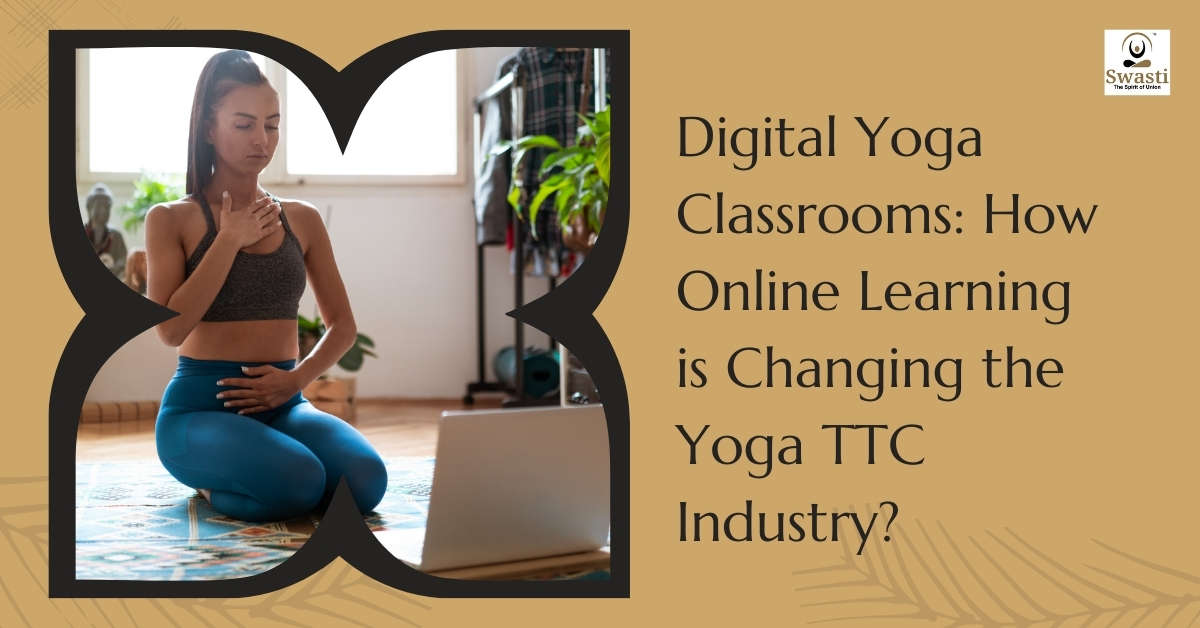
Digital Yoga Classrooms How Online Learning is Changing the Yoga TTC Industry?

Digital Yoga Classrooms: How Online Learning is Changing the Yoga TTC Industry

Every trek, hike, or retreat should leave you feeling renewed, grounded — not burdened by guilt over the environmental footprint. Lately a powerful shift is emerging: travellers who weave sustainability and climate action into their adventures, transforming vacations into conscious caretaking of the Earth. This movement is called Eco-Conscious Trail Cleaning which is redefining what it means to travel well. What Is Eco-Conscious Trail Cleaning? Eco-Conscious Trail Cleaning refers to travellers intentionally combining their outdoor adventures — hiking, trekking, yoga retreats, meditation journeys — with active environmental stewardship: cleaning litter, clearing trails, practicing “leave no trace,” and supporting local conservation efforts. Rather than being passive visitors, these are active guardians of nature. Their goal? Leave the trails cleaner than they found them, protect wildlife and biodiversity, and help ecosystems stay resilient. Why This Movement Matters — For Nature and for Us Protecting Ecosystems from Pollution & Degradation When hikers and wellness tourists pick up trash, avoid plastic waste, and follow responsible practices, they help reduce pollution and preserve fragile ecosystems. By cleaning and maintaining them, we help these natural systems thrive. Minimizing Carbon Footprint & Waste Eco-conscious travellers often adopt sustainable habits: reusable bottles, minimal waste, avoiding single-use plastics, and carefully disposing of trash. These habits drastically cut down pollution and reduce carbon emissions linked with tourism. It physically cleans up past damage. Supporting Conservation & Local Communities Through community-based eco-tourism and trail maintenance, travellers support conservation projects, habitat protection, and local economies — all of which shift tourism from exploitative to regenerative. Raising Awareness — And Inspiring Others Every time a traveller cleans a trail or picks trash, it’s a small act — but shared in social media or among communities, it becomes a statement: “Travel doesn’t have to cost the planet.” Such visible acts encourage others to adopt the same mindset, amplifying impact. The Shift: From “Leave No Trace” to “Leave Better Than You Found” Originally, many hikers followed the Leave No Trace principles — don’t litter, stay on the path, minimize impact. Now the mindset is evolving: instead of simply avoiding harm, travellers are choosing to actively heal the land. Trails once marred by plastic wrappers and cigarette butts are getting cleared. Hikers are carrying reusable water bottles, packing out all trash, using biodegradable gear. Trekking groups and wellness retreats are planning cleanup drives as part of their itinerary. This isn’t occasional volunteering. It’s becoming a core part of what “sustainable tourism” truly means: responsible regenerative travel. What Eco-Conscious Trail Cleaning Looks Like in Real Trips? Here’s how it plays out on a typical eco-friendly retreat: Pre-trip preparation: Travellers pack reusable bottles, cloth bags, eco-friendly utensils — leaving plastic behind. Hike + Clean: While hiking or trekking through forests, mountains or hills, participants carry trash-bags and pick up litter — plastic wrappers, paper, bottles. Respecting Trail Etiquette: They stay on marked trails, avoid disturbing wildlife or vegetation, and follow ethical hiking standards. Community Engagement: Some trips partner with local guides or conservation groups to maintain trails, manage waste, and support local livelihoods. Education & Awareness: Travelers share stories and photos — raising awareness among fellow travelers, inspiring more people to travel responsibly. Bigger Picture: Why Eco-Conscious Trail Cleaning Is Climate Action Too Pristine natural ecosystems — forests, hills, reserve areas — act as carbon sinks, capturing CO₂ and helping offset climate change. Maintaining them matters. By reducing waste, plastics, pollution and avoiding overuse of motorized transport — eco-tourism helps cut down greenhouse gas emissions associated with travel. Clean, healthy ecosystems are more resilient to climate change — better water retention, biodiversity, soil protection — which helps local communities and global environmental stability. In essence: when you clean a trail, you help preserve a carbon sink. You help protect species. You contribute to climate resilience. It’s small acts — but globally, that adds up. How You Can Join the Movement — Even as an Everyday Traveller Choose “eco-trekking” or “eco-hiking” options when you travel. Follow Leave No Trace ethics: carry reusable gear, pack out all trash, avoid plastics and minimize waste. Offer to help clean trails — even small acts like picking up litter or clearing fallen garbage. Spread awareness: share your journey, tell others what you did — social media can amplify impact. Treat travel as responsibility, not just recreation. Conclusion — Travel With Purpose, Leave a Positive Mark The rise of Eco-Conscious Trail Cleaning marks a beautiful transformation in how we see travel. It’s no longer about just “seeing the world.” It’s about being a guardian of it. Every backpack, every mountain trek, every yoga retreat — becomes an opportunity: to heal ourselves, and to heal our planet. And if you are traveling soon — hike with awareness. Clean with intention. Leave better than you found.

Read More »
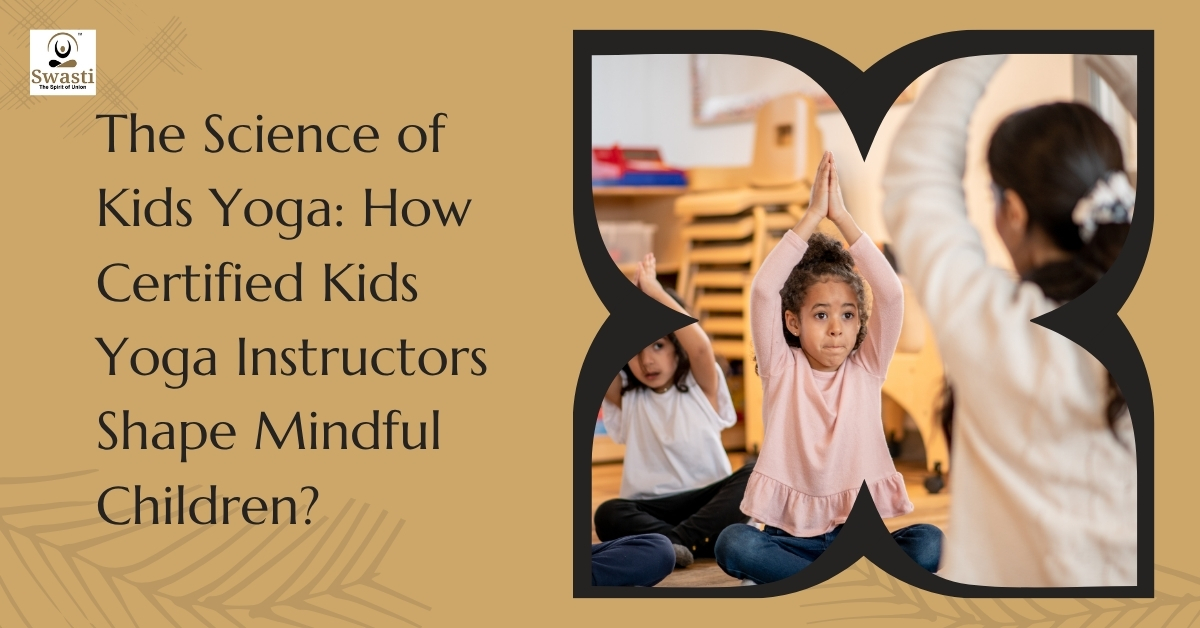
The Science of Kids Yoga How Certified Kids Yoga Instructors Shape Mindful Children

The Science of Kids Yoga: How Certified Kids Yoga Instructors Shape Mindful, Confident, and Emotionally Resilient Children

In a world where children are growing up amidst information overload, academic pressure, and increasing screen time, mindfulness and self-regulation have become essential life skills—not optional extras. Yoga, when introduced early, offers a holistic path to building these qualities. But effective children’s yoga teaching requires more than enthusiasm; it needs knowledge of child development, pedagogy, safety, and evidence-based practice.This is where becoming a Certified Kids Yoga Instructor makes all the difference. Let’s explore the science behind why yoga works so well for children—and how certified instructors can transform young lives while establishing themselves as credible wellness professionals. Why Kids Yoga Matters: From Play to Neuroplasticity Children’s brains are incredibly plastic—constantly forming and pruning neural connections in response to experiences. Repetitive, mindful movement and breath practices strengthen neural circuits involved in attention, emotional regulation, and memory. According to research from Harvard Medical School and the University of Illinois, mindfulness and yoga practices stimulate structural and functional changes in the prefrontal cortex—the brain’s executive center responsible for focus, decision-making, and self-control. In children, these changes are even more profound because their brains are in rapid development phases. Introducing yoga early literally rewires the brain for calmness, focus, and empathy. The Neuroscience of Kids Yoga 1. Yoga and Neuroplasticity Neuroplasticity is the brain’s ability to adapt and reorganize. Regular yoga practice activates the parasympathetic nervous system, reduces cortisol levels, and enhances synaptic efficiency in areas linked with learning and emotion regulation. A 2022 systematic review in Frontiers in Psychology reported that school-based yoga programs improved executive function and working memory in children aged 6–12, directly impacting attention span and academic performance. 2. The Sanskrit Effect: Language, Memory, and Sound Recent cognitive studies, including those by Dr. James Hartzell and others, describe the “Sanskrit Effect”—how memorization and recitation of Sanskrit verses improve verbal memory, attention, and brain structure integrity in regions associated with verbal cognition and working memory. Introducing simple, age-appropriate chanting or mantra-based sound work in kids’ yoga can thus enhance focus and auditory sequencing—skills that support reading, music, and mathematics. Children who chant rhythmically show better synchronization of neural oscillations, improving cognitive timing and emotional balance. 3.Yoga, Stress Response, and Emotional Regulation Children today face chronic stress similar to adults. Yoga reduces the overactivation of the amygdala (the brain’s fear center) and strengthens the prefrontal cortex–amygdala connection, allowing children to respond thoughtfully rather than react impulsively. In a 2021 meta-analysis published in the Journal of Developmental & Behavioral Pediatrics, school-based yoga interventions led to significant reductions in anxiety, hyperactivity, and emotional dysregulation among participants. 4. Mindfulness, Attention, and Classroom Behavior When children practice breathing, guided relaxation, or simple asanas regularly, they learn to notice bodily sensations and emotions—an ability called interoceptive awareness. This builds the foundation for self-awareness and emotional intelligence.Teachers report that children who participate in structured yoga sessions show: Longer attention spans Improved impulse control Reduced aggression and restlessness Greater empathy toward peers  Long-Term Developmental Benefits (Evidence-Based) Domain Research-Backed Benefits Supporting Evidence Cognitive Improved attention, memory, and academic performance Butzer et al., Mindfulness, 2016; Telles et al., Int J Yoga, 2021 Emotional Decreased anxiety, better mood regulation Hagen & Nayar, Children, 2014 Behavioral Reduced impulsivity and classroom disruptions Noggle et al., J Dev Behav Pediatr, 2012 Physical Better coordination, posture, and balance Khalsa & Butzer, Front Public Health, 2016 Social Enhanced empathy, teamwork, and compassion Telles et al., Front Psychol, 2020 Why Certification Matters for Yoga Professionals Becoming a Certified Kids Yoga Instructor is not just about teaching small humans to stretch and breathe — it’s about understanding how children learn, think, and process emotions. A certified program equips you with: Child development insights — Understanding age-specific attention spans, motivation, and safety. Evidence-based pedagogy — Techniques backed by neuroscience and behavioral psychology. Ethical and professional standards — Consent, inclusivity, trauma-sensitive approaches. Credibility — Recognized credentials trusted by schools, parents, and healthcare providers. “A certified instructor is not only teaching yoga — they’re shaping the neural and emotional architecture of the next generation.” The Ripple Effect: How Kids Yoga Shapes Future Adults Long-term, kids who practice yoga regularly show: Improved academic engagement and learning motivation Reduced likelihood of anxiety and attention disorders Stronger self-concept and confidence Better emotional resilience in adolescence The neuroplastic benefits of yoga during formative years create lifelong adaptive patterns, supporting healthier relationships, better stress management, and stronger self-awareness. Why the World Needs Certified Kids Yoga Teachers Now As global education systems acknowledge the importance of social-emotional learning (SEL), yoga professionals have a unique opportunity to bridge ancient wisdom and modern science. Certified Kids Yoga Instructors are not just teachers—they are architects of mindful, resilient futures. Become an Architect of Mindful Futures You’ve seen the science—now empower yourself to shape the next generation’s emotional and neurological architecture. Choose Swasti Yoga Center, one of the most trusted YCB-accredited institutes offering specialized kids yoga teacher training courses in India. Our program provides the child development insights, evidence-based pedagogy, and international credibility you need to stand out as a certified professional. Don’t just teach poses; transform lives by enrolling in our expert-led Kids Yoga TTC today and be part of the global movement for mindful childhoods.

Read More »
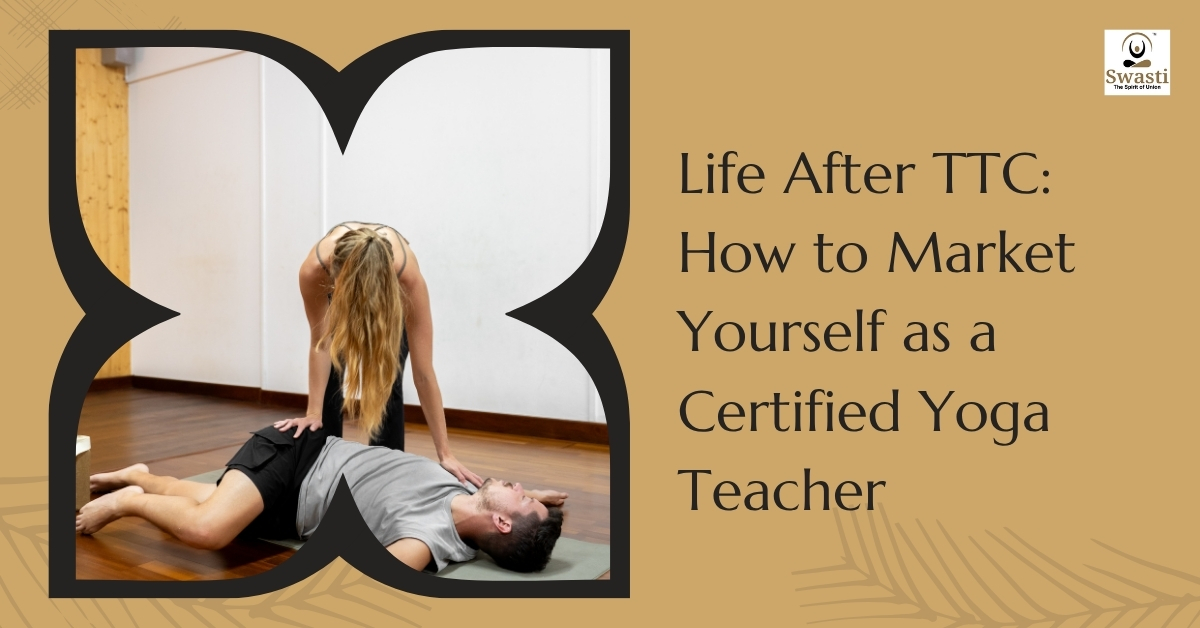
Life After TTC How to Market Yourself as a Certified Yoga Teacher

Life After TTC: How to Market Yourself as a Certified Yoga Teacher

Becoming a certified yoga teacher is a life-transforming journey. Completing a Teacher Training Course (TTC), especially from a YCB-accredited yoga school, opens countless doors for a rewarding and sustainable career in the field of yoga and wellness. Yet, success after certification depends not only on your teaching skills but also on how effectively you position and market yourself. This guide offers a comprehensive roadmap for certified yoga teachers to build visibility, trust, and long-term career growth in India and globally. 1. Choose the Gold Standard – YCB Certification In today’s wellness industry, authentic certification matters. The Yoga Certification Board (YCB), established by the Ministry of AYUSH, Government of India, is recognized as the gold standard in yoga education.Graduates from YCB-accredited institutes such as Swasti Yoga Center enjoy international credibility, greater employability, and professional recognition. YCB-certified teachers are preferred by: International yoga studios and schools AYUSH-recognized institutions Wellness resorts and hospitals Corporate wellness programs When marketing yourself, highlight your YCB credential prominently on resumes, social media profiles, and websites. This single step instantly distinguishes you from unregulated or uncertified instructors.  2. Gain Practical Experience through Internships Before launching independent classes, gain hands-on experience by interning with: Senior yoga masters and lead YCB examiners Yoga therapy centers, hospitals, or schools Online community programs Such exposure deepens your understanding of teaching diverse age groups and health conditions. Many YCB schools, including Swasti Yoga Center, offer structured internships under expert supervision, allowing you to refine class design, therapeutic applications, and communication skills. 3. Build Your Personal Brand and Professional Identity Marketing in yoga does not mean aggressive selling; it means sharing your authentic journey and purpose. Start with: A professional teacher profile including credentials, specializations, and teaching philosophy High-quality photographs and short demonstration videos A consistent visual identity (logo, color palette, tone of communication) Use platforms such as Instagram, LinkedIn, and YouTube to showcase your teaching style, testimonials, and snippets of your classes. Authentic storytelling is your most powerful marketing tool.  4. Approach Communities, Corporates, and Wellness Spaces Proactively Do not wait for opportunities—create them.Reach out to: Corporate HR and wellness departments to conduct employee wellness workshops Local schools for kids yoga and mindfulness programs Community centers, temples, and clubs to offer weekend classes or workshops Every collaboration enhances visibility and helps build local trust networks. Start small, deliver excellence, and let referrals do the talking. 5. Keep Learning: Upskill to Create Your Blue Ocean The most successful yoga professionals are lifelong learners. After your basic TTC, pursue specialized diploma programs such as: Kids Yoga TTC – for educators and child wellness specialists Prenatal and Postnatal Yoga TTC – for women’s health and maternity care Geriatric Yoga TTC – for senior citizens and therapeutic sessions Diploma in Yoga Therapy – for medical and rehabilitation applications By combining traditional wisdom with modern therapeutic approaches, you can differentiate yourself in a crowded market and create a “blue ocean” career with unique offerings that few can match. 6. Establish Your Online Presence A professional digital presence builds credibility and attracts global students. Begin with: A personal website (with a booking link and blog section) Consistent posting on social media platforms Testimonials, certifications, and teaching videos A simple email newsletter sharing yoga insights, events, and tips Invest in learning basic digital marketing skills—SEO, social media strategy, and video production. In today’s world, these are as essential as asanas. 7. Participate in International Conferences and Networking Events Expanding your professional network opens global opportunities. Attend: AYUSH or International Yoga Conferences to meet leaders and potential collaborators Poster or paper presentation sessions to share research and gain visibility Workshops and retreats abroad to experience different teaching traditions Such experiences help you evolve as a global ambassador of authentic Indian yoga and increase your credibility among international audiences. 8. Explore International Travel and Teaching Opportunities With YCB certification, you become eligible to teach in many countries that recognize AYUSH and WHO-aligned programs. Explore: Teaching residencies at yoga studios abroad Cultural exchange programs or wellness tourism collaborations Online international classes targeting regions like Europe, Japan, or the Middle East Your certification and Swasti’s global alumni network can become a bridge to global recognition. 9. Share Knowledge: Write, Teach, and Inspire Writing enhances authority and attracts attention. Start by: Publishing articles on yoga, health, or philosophy Writing blogs for your website or reputed wellness magazines Creating short educational videos or online courses Eventually, authoring a book or research paper in your area of expertise Every piece of content builds your digital footprint and positions you as a thought leader. 10. Consistency is the Real Secret Building a thriving yoga career is not an overnight process. It requires discipline, patience, and consistency, just like your practice.Continue: Teaching regularly (even small classes) Learning new methods Updating your digital presence Staying aligned with yogic ethics and authenticity Your steady presence will inspire trust—and trust brings students. Conclusion: Be the Change, Share the Light A YCB-certified yoga teacher carries the legacy of authentic Indian yoga, rooted in scientific understanding and ancient wisdom. By marketing yourself ethically, staying committed to learning, and sharing yoga’s benefits with sincerity, you not only build a successful career but also contribute to a healthier, more conscious world. Ready to Start Your Gold Standard Yoga Career? Success in the global wellness industry begins with the right foundation. Choose Swasti Yoga Center, recognized as a trusted AYUSH Yoga TTC center in India, which provides the essential international credibility, expert mentorship, and specialized advanced courses you need. As a YCB-accredited institute, Swasti ensures your certification truly opens doors worldwide, allowing you to stop searching and confidently start teaching your authentic, high-standard yoga. Enroll in a YCB-Accredited TTC or Diploma Program at Swasti Yoga Center today.

Read More »
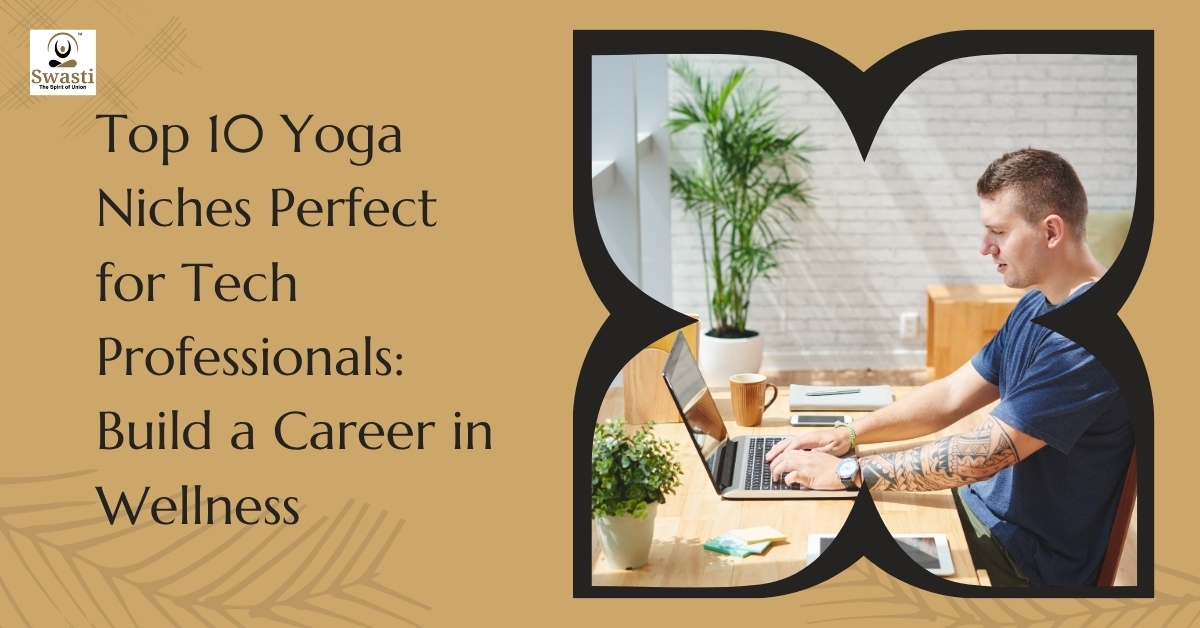
Top 10 Yoga Niches Perfect for Tech Professionals Build a Career in Wellness

Top 10 Yoga Niches Perfect for Tech Professionals: Build a Career in Wellness

The tech world is fast-paced, stressful, and often sedentary. Many IT professionals experience burnout, back and neck pain, eye strain, and emotional fatigue. While the industry offers high salaries, it often lacks fulfillment and personal wellness. Yoga offers a meaningful alternative—a career that combines health, purpose, and flexibility. And for IT professionals, the skills honed in technology—analytical thinking, discipline, and digital proficiency—translate seamlessly into successful yoga careers. Specializing in a niche area of yoga helps new teachers stand out, gain credibility, and create a sustainable career. Here are top 10 yoga niches ideal for tech professionals looking to grow in wellness. 1. Corporate Yoga IT professionals understand office stress, long hours, and tight deadlines. Corporate yoga programs allow you to design practices that reduce burnout, improve posture, and boost productivity—directly connecting your work experience with client needs. 2. Yoga for Stress and Anxiety Having firsthand experience of workplace stress gives tech professionals a unique empathy. You can teach mindfulness, breathing techniques, and therapeutic yoga practices that help clients manage anxiety and restore balance. 3. Kids Yoga + Mindful Tech Habits As technology shapes childhood, kids often face digital overload. IT professionals can create programs that combine fun yoga practices with mindful tech habits, helping children develop healthy routines from an early age. 4. Prenatal and Postnatal Yoga There is a growing demand for certified teachers in prenatal and postnatal yoga. Understanding anatomy and structured sequencing makes tech professionals ideal candidates to guide mothers safely during pregnancy and recovery. 5. Yoga Therapy for Back and Neck Pain Years of coding and long screen time cause musculoskeletal issues. With proper training, IT professionals can teach therapeutic yoga targeting common tech-related injuries, helping clients regain mobility and reduce chronic pain. 6. Chair Yoga for Seniors Structured and methodical teaching suits the logical mindset of IT professionals. Chair yoga allows older adults to gain flexibility, strength, and balance safely—a niche that is growing rapidly in corporate wellness and community programs. 7. Yoga for Chronic Pain Analytical skills help tech professionals approach chronic pain scientifically. Evidence-based yoga therapy and therapeutic sequences provide measurable results for clients dealing with long-term conditions. 8. Beginner Yoga Teaching beginners requires patience, clarity, and logical structuring of sequences—all qualities IT professionals often possess. This niche allows you to guide students confidently while building your reputation. 9. Online Yoga Coaching With tech comfort comes the ability to reach a global audience. Online yoga coaching, virtual workshops, and hybrid teaching models are perfect for IT professionals who want location-independent careers. 10. Wellness Retreats and Digital Detox Programs Tech professionals understand the challenges of digital overload. Designing retreats and digital detox programs combines your insight into tech stress with wellness solutions, offering transformative experiences for clients. Why Specialization Matters? Specializing in a yoga niche helps you: Stand out in a competitive market Build expertise and credibility Command higher earning potential Align your career with personal strengths and interests Your Path to a Successful Yoga Career Tech professionals have a unique advantage in the wellness industry. By combining analytical skills, discipline, and tech-savviness with YCB-certified yoga training from an AYUSH accredited institute, you can create a fulfilling career that blends purpose and professionalism. Explore our certified diploma programs today to gain hands-on expertise in these niches, start teaching from day one, and build a rewarding career in yoga and wellness.

Read More »
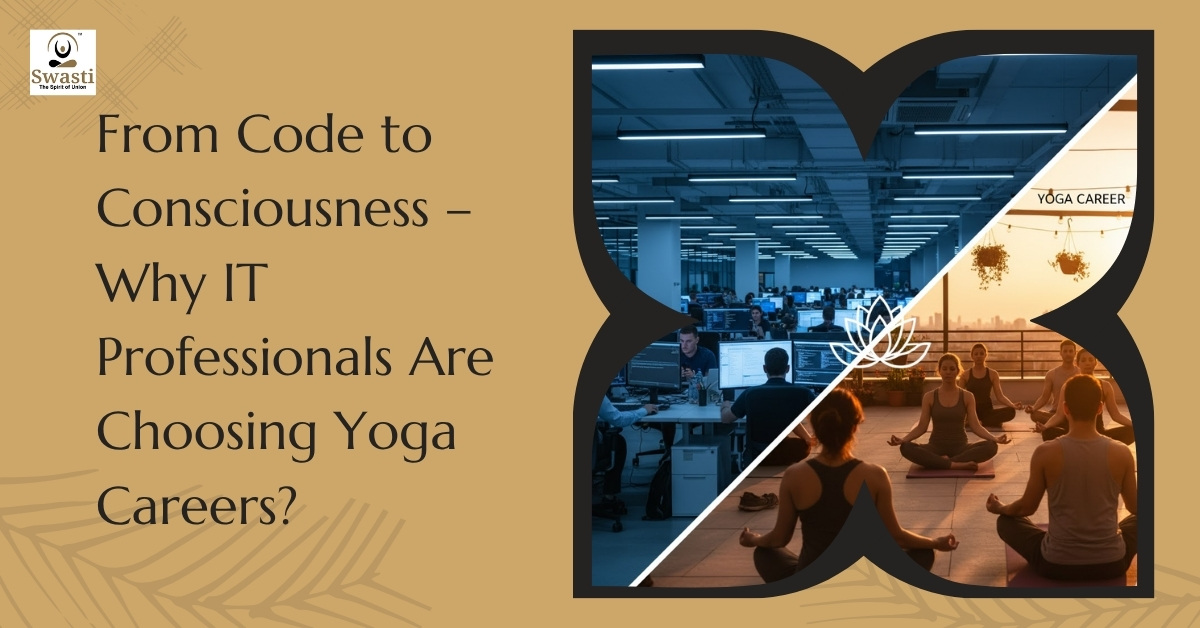
From Code to Consciousness – Why IT Professionals Are Choosing Yoga Careers

From Code to Consciousness – Why IT Professionals Are Choosing Yoga Careers?

Feeling Stressed, Overworked, or Facing Layoffs? Yoga Could Be Your Next Career The technology sector is evolving at lightning speed. While this brings innovation, it also brings pressure. Layoffs, tight deadlines, and long hours at the desk are leaving IT professionals exhausted, anxious, and often disconnected from their own wellbeing. If you’ve been feeling burnt out or uncertain about your career, you are not alone. Increasingly, IT professionals are discovering yoga—not just as a personal practice but as a meaningful, sustainable career path. Yoga offers a unique combination: a way to heal yourself while creating a fulfilling profession that aligns with your values. Why IT Professionals Are Transitioning to Yoga Careers? 1. Use Your Analytical Skills for Mindful Teaching Working in IT trains you to think logically, solve complex problems, and manage processes. These same skills are highly valuable in yoga, whether you’re teaching anatomy, designing sequences, or guiding students safely through therapeutic practices. 2. Heal Your Body While Building Your Career Years of sitting, staring at screens, and tight deadlines often lead to: Back, neck, and shoulder pain Eye strain and headaches Stress, anxiety, and sleep disruption Yoga allows you to address these issues personally while empowering others to prevent or manage them. Transitioning into a yoga career can be a pathway to health, balance, and purpose. 3. Find Meaning and Flexibility in Your Work Unlike high-pressure IT roles, yoga offers flexibility, personal growth, and fulfillment. You can: Teach in corporates or wellness studios Conduct online classes for global students Create specialized programs like prenatal yoga, kids yoga, or chair yoga Run retreats and workshops This makes yoga an attractive career for IT employees seeking both stability and life satisfaction. Opportunities for YCB-AYUSH Certified Yoga Professionals The global wellness industry is booming. Certified yoga teachers are in high demand in: Corporate wellness programs to reduce stress Hospitals and clinics offering yoga therapy Schools promoting mindfulness and physical activity Retreats and wellness tourism for holistic experiences Online teaching platforms reaching international clients With the right training, yoga can become both a stable income source and a purpose-driven career. Common Myths About Switching from IT to Yoga Myth Reality Yoga is only for flexible people Yoga is a gradual practice; beginners of all body types can learn and excel Yoga doesn’t pay well Certified yoga professionals, especially in corporate wellness and therapy, often earn more than entry-level IT roles You need to be spiritual to teach yoga Yoga is rooted in science, anatomy, and mental health, not just spirituality Career change is risky Many IT professionals start part-time and transition once they feel confident in teaching and earnings Why Accredited Training Matters? To thrive as a yoga professional, certification matters. Programs accredited by the Yoga Certification Board (YCB) ensure: Evidence-based learning in anatomy, physiology, and yoga therapy Safety protocols and injury prevention strategies Professional credibility recognized nationally and internationally Institutes run by doctors and experienced yoga examiners provide a robust foundation to help you succeed. You may like to read: How to Check If a Yoga Institute Is Truly YCB Certified? How to Begin Your Transition? Start with daily self-practice to understand your body and mind Attend workshops and weekend classes to gain practical exposure Begin teaching friends, family, or colleagues part-time Enroll in a YCB-certified Level 1 or diploma course Explore niche areas like corporate yoga, prenatal yoga, or online coaching With structured learning and gradual exposure, you can transition smoothly from IT to a sustainable yoga career. From Stress to Purpose: Your Next Step A layoff or burnout is not the end—it’s an opportunity to rethink your career and wellbeing. Yoga offers a path to transform stress into purpose, fatigue into energy, and uncertainty into a meaningful profession. Take the first step today: Explore certified yoga programs in India designed for IT professionals who want to create a fulfilling career while improving their own health and wellbeing.

Read More »
How to Choose the Right Yoga Course for a Long-Term Career in Yoga?

How to Choose the Right Yoga Course for a Long-Term Career in Yoga?

Yoga is more than a practice — it’s a lifelong journey of learning, teaching, and transformation. With yoga’s global popularity and recognition as a wellness profession, choosing the right yoga course can define your future path — whether you dream of teaching, healing, or simply deepening your own sadhana. At Swasti Yoga Center, we often meet aspiring teachers who ask, “Which course should I do next?” or “Should I study online or offline?” Let’s decode how to choose your next step wisely for a fulfilling and sustainable yoga career. 🌱 Step 1: Build a Strong Foundation — Start with Level 1 Before exploring advanced specializations, it’s essential to master the fundamentals. The Level 1 – Yoga Protocol Instructor course lays the foundation of yoga philosophy, asanas, pranayama, meditation, and teaching methodology. This course prepares you to teach basic yoga practices safely and effectively while understanding the essence of yoga beyond physical postures. ➡️ Ideal for: Beginners, enthusiasts, or anyone planning a yoga teaching journey. 🌿 Step 2: Deepen Your Knowledge — Move to Level 2, 3 Once your base is strong, go deeper. Level 2 – Yoga Wellness Instructor: Focuses on yoga for health promotion and preventive care. You’ll learn how to adapt yoga for different populations and lifestyles. ➡️ Best for: Aspiring professional instructors, wellness coaches, and yoga entrepreneurs. Level 3 – Yoga Teacher & Evaluator: A prestigious certification for experienced teachers who wish to assess and mentor others. ➡️ Best for: Senior instructors, teacher trainers, and yoga school leaders. 🌸 Step 3: Attain Mastery — Level 4 and Beyond For those aspiring to the highest level of yogic competence, the Level 4 – Yoga Master TTC helps you integrate yoga philosophy, therapy, research, and leadership. It’s where your practice becomes your dharma — teaching others the complete path of yoga. ➡️ Best for: Advanced teachers, yoga researchers, and those seeking global recognition. 💚 Step 4: Explore Specializations — Choose Your Yogic Calling After completing foundational level 1, you can specialize based on your interests and professional goals: Yoga Therapy TTC (Level 1 & 2): Learn therapeutic applications of yoga for lifestyle diseases, stress management, and holistic healing. Kids Yoga TTC: Train to nurture mindfulness, creativity, and discipline in children. Pregnancy Yoga TTC: Empower expectant mothers through safe and mindful yoga practices. Green Yoga Instructor Program: A unique Swasti initiative integrating yoga, sustainability, and environmental consciousness — ideal for modern yogapreneurs. 🌍 Step 5: Choose the Right Mode of Learning — Online vs Offline, Live vs Self-Paced ✅ Offline (In-person) Best for those who love personal interaction, hands-on adjustments, and traditional gurukul-style learning. You’ll experience community energy and a deeper connection with teachers. ✅ Online (Live Classes) Great for busy professionals and international students. Interactive, flexible, and guided — you get real-time feedback and mentorship from Swasti’s expert faculty. ✅ Online (Self-Paced) Perfect for independent learners who prefer studying anytime, anywhere. Combine it with live Q&A sessions to stay engaged and supported. Pro Tip: Many Swasti students begin with online Level 1 and later visit India for advanced or therapeutic training — blending flexibility with authenticity. 🙏 Take the Next Step Today Whether you’re starting your yoga journey or ready to specialize, Swasti Yoga Center will guide you with clarity, authenticity, and care. 🌐 Explore upcoming batches: www.swastiyogacenter.com 📩 Connect with us: info@swastiyogacenter.com Begin your yogic journey today — grow from student to master, and let yoga become your lifelong path.

Read More »
Before You Enroll How to Check If a Yoga Institute Is Truly YCB Certified

Before You Enroll: How to Check If a Yoga Institute Is Truly YCB Certified?

Yoga teacher training has become one of the most trusted ways to build a career rooted in wellness and purpose. With the Yoga Certification Board (YCB) under the Ministry of AYUSH setting national standards, thousands of students are now seeking certified courses that hold real value in India and abroad. But here’s what most people don’t realize. Many institutes across India are claiming to offer “YCB-certified” courses without any genuine approval. The names look official, the certificates look authentic, and the trainers sound convincing. Yet when students apply for jobs, higher studies, or international visas, their certificates are rejected because the institute was never on the official YCB accreditation list. It’s a quiet crisis that’s growing fast, and it’s costing students time, money, and trust. This guide will help you understand how fake YCB yoga institutes operate, how to verify the real ones, and how to make sure your certification truly supports your future. What’s Really Happening? The Yoga Certification Board (YCB) was established to bring structure, credibility, and accountability to yoga education in India. Its purpose is simple: to ensure that every certified yoga teacher meets national standards of knowledge, ethics, and practice. But that credibility is now being misused. Some institutes have started using the YCB name and logo without any official approval. They promote “YCB-certified” courses, collect fees, and even issue certificates that look legitimate. Students, trusting these claims, join in good faith and spend months training. Only later do they discover that their institute was never listed on the official YCB website and that their certification holds no real value. The damage goes beyond individual disappointment. It undermines the hard work of genuine YCB-accredited institutions that follow every rule and maintain the quality yoga education deserves. The consequences for students are severe: Wasted investment: Months of training and significant fees lost to worthless certification Career delays: Having to repeat the entire course with a genuine institute Visa rejections: International opportunities lost due to unrecognized credentials Lost confidence: Emotional toll of discovering you’ve been deceived Legal complications: Some students face issues when employers discover fraudulent certifications The most troubling aspect is that many victims only discover the fraud months or even years later, when they attempt to use their certification professionally. How to Identify a Fake YCB Institute? Understanding how these fraudulent institutes operate helps you avoid becoming their next victim. Here are the most common deceptive practices: Red Flags That Should Alert You Immediately Invisible on Official Records The institute prominently displays “YCB Certified” or “YCB Approved” on their website and marketing materials, but their name doesn’t appear on the official YCB accreditation list. This is the single biggest warning sign. Unverified Trainers The institute’s trainers lack YCB Examiner status or empanelment. Genuine YCB training must be conducted by officially recognized lead examiners whose credentials can be verified on the YCB website. No Examination History. When asked about their track record, these institutes cannot provide clear evidence of conducting official YCB examinations. Legitimate centers have documented histories of multiple successful exam cycles. Unrealistic Guarantees Claims like “100% pass guarantee” or “instant certification” should raise immediate suspicion. YCB certification is a rigorous process with standardized evaluation criteria—no legitimate institute can guarantee results. Missing Alumni Evidence Fake institutes often display testimonials with stock photos, generic praise, or unverifiable claims. They cannot connect you with real alumni working in the field or provide transparent placement records. Misused Logos and Language Look carefully at how they describe their affiliation. Phrases like “affiliated with YCB-style training” or “YCB-equivalent certification” are red flags. Either an institute is officially accredited or it isn’t—there’s no middle ground. High-Pressure Sales Tactics Fraudulent institutes often create artificial urgency: “Last 3 seats available!” or “Special discount expires tomorrow!” Legitimate training centers focus on educational value, not aggressive sales tactics. What do Genuine YCB Institutes Always Have? Now, here’s what an authentic, accredited yoga center looks like. The institute’s name appears clearly on the YCB official accreditation list. Trainers are empanelled YCB lead examiners — real people you can verify online. The center has a track record of conducting YCB exams and supporting students through the entire process. You’ll find visible, authentic alumni stories with real career outcomes. Their course structure feels professional, with strong practical training and ethical guidelines. These are small but crucial signals of credibility. Three Questions Every Student Should Ask Before enrolling, take a minute to ask these: Is this institute officially accredited by YCB under the Ministry of AYUSH? Are the trainers recognized as YCB Lead Examiners, and how long have they been certified? How many YCB exams has this institute conducted as a lead examiner? If they hesitate to answer or can’t show proof, that’s your answer. How to Verify It Yourself? Visit the official Yoga Certification Board website: https://yogacertificationboard.nic.in/, and under menu navigation, you will find YCB Certified -> Accredited Yoga Institution. Confirm the institute’s name under the list of accredited centers and examiners before enrolling. It takes two minutes and can save you from months of regret. Why Choose Swasti Yoga Center? If you’re looking for a trusted, government-recognized, and medically backed institute, Swasti Yoga Center stands among the most respected YCB-accredited yoga teacher training centers in India. Here’s why: Doctor-led yoga teacher training backed by medical science. Officially recognized by the Yoga Certification Board, Ministry of AYUSH, Government of India. 8+ years of experience as YCB Lead Examiners with 5,000+ students assessed. Advanced anatomy learning through real medical college visits and dissections. Global exposure via international study tours and yoga conferences. Courses aligned with the WHO Traditional Medicine Strategy for holistic learning. Safety-first training, including CPR and emergency care modules. Worldwide career and visa recognition through genuine YCB certification. Flexible online and offline course options. A strong global community of 3,000+ certified alumni from 35+ countries. At Swasti Yoga Center, your certification is not just a paper — it’s a passport to real, recognized opportunities in teaching, therapy, and holistic health worldwide. Conclusion The rise of fake YCB

Read More »

Add Yoga To Retain The Beauty Of Body And Mind

Vitae aliquam porta sed augue consectetuer. Parturient posuere sed habitasse quisque malesuada platea. Dis suspendisse integer ut facilisis maximus mus.

Ready to Unlock International Opportunities in Wellness & Yoga with Industry Upskilling 1.0 Program?