๐Ÿ‡ฎ๐Ÿ‡ณ India | ๐Ÿ‡บ๐Ÿ‡ธ USA | ๐Ÿ‡ซ๐Ÿ‡ท France | ๐Ÿ‡ฒ๐Ÿ‡ฝ Mexico | ๐Ÿ‡ฆ๐Ÿ‡ช UAE

๐Ÿ‡ฎ๐Ÿ‡ณ India | ๐Ÿ‡บ๐Ÿ‡ธ USA | ๐Ÿ‡ซ๐Ÿ‡ท France | ๐Ÿ‡ฒ๐Ÿ‡ฝ Mexico | ๐Ÿ‡ฆ๐Ÿ‡ช UAE

Blog

News & Articles

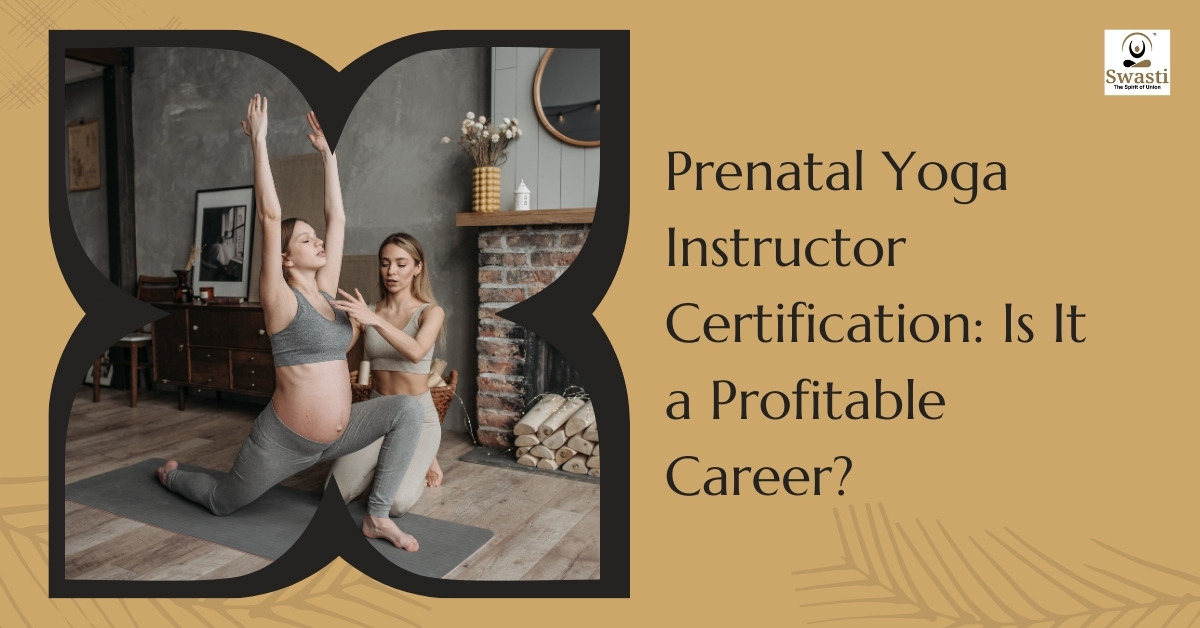
Prenatal Yoga Instructor Certification Is It a Profitable Career

Prenatal Yoga Instructor Certification: Is It a Profitable Career?

Floating in water or moving through a gentle yoga flow can bring a deep sense of peace and tranquility. Now, imagine combining these two calming experiences into one meaningful career. Aqua Yoga offers a beautiful blend of fluid movement, strength, relaxation, and mindfulness. If you love being in the water and have a deep appreciation for yoga, becoming an Aqua Yoga instructor could be your perfect calling. Letโ€™s dive deeper into how you can turn this passion into a professional journey. What is Aqua Yoga? Aqua Yoga is a practice where traditional yoga poses are adapted and performed in water, typically in a warm pool. The water provides natural resistance and support, making movements more fluid and less stressful on the joints. It is often described as a soothing, meditative experience that feels like a blend of yoga and hydrotherapy. Because water supports the bodyโ€™s weight, Aqua Yoga is accessible to people of all ages, body types, and fitness levels. It is especially beneficial for individuals dealing with injuries, arthritis, or mobility challenges. At the same time, it offers a full-body workout that strengthens muscles, improves flexibility, enhances balance, and promotes deep relaxation. Why is Aqua Yoga growing in Popularity? Over the past few years, Aqua Yoga has started gaining recognition not just among yoga enthusiasts but also among health and wellness professionals. More people are discovering the incredible physical and emotional benefits of practicing yoga in water. It is gentle on the body, yet deeply effective in building strength and promoting recovery. With wellness retreats, luxury resorts, rehabilitation centers, and fitness clubs looking for specialized programs to offer their clients, the demand for certified Aqua Yoga instructors is steadily rising. People are searching for new ways to stay healthy, heal from injuries, and connect with themselves, and Aqua Yoga beautifully meets all these needs. Who Should Consider Aqua Yoga TTC? Wondering if Aqua Yoga Teacher Training is right for you? Hereโ€™s who should consider it: Yoga instructors: Already teaching yoga? Expanding to Aqua Yoga helps you reach a wider audience and add a unique skill to your resume. Water enthusiasts: If you love being in water and practicing yoga, this training is your chance to blend both passions. Fitness professionals: Trainers, physiotherapists, or anyone in the fitness field looking for a niche skill can benefit from the Aqua Yoga certification. Beginners: No yoga experience? No problem! Aqua Yoga is beginner-friendly and a great entry point into the world of yoga. What Youโ€™ll Learn in Aqua Yoga Teacher Training? Aqua Yoga Teacher Training (TTC) isnโ€™t just about learning poses. Itโ€™s about understanding how to teach effectively in a water environment. Hereโ€™s a breakdown of what youโ€™ll learn: Water anatomy and physiology: Understand how the body moves in water and how Aqua Yoga can benefit it. Safety in the water: Learn important safety protocols to ensure you and your students are safe during class. Modifying poses for the water: Discover how to adjust traditional yoga poses to suit the aquatic environment. Breathing techniques: Master water-friendly breathing practices to enhance relaxation and connection during the practice. Class management skills: Learn how to lead and manage classes effectively, keeping the flow smooth and your students engaged. The training is designed to give you everything you need to confidently teach Aqua Yoga, whether in a private pool, wellness retreat, or a larger fitness center. The Benefits of Becoming an Aqua Yoga Instructor Becoming an Aqua Yoga instructor comes with unique advantages. Hereโ€™s why itโ€™s worth considering: Stand out from the crowd: Aqua Yoga is a specialized skill, making you an expert in a growing niche. Work in diverse settings: You can teach Aqua Yoga at wellness retreats, resorts, rehabilitation centers, or even private pools. Help people heal: Aqua Yoga isnโ€™t just a workoutโ€”itโ€™s a therapeutic experience that helps people recover from injuries and improve mobility. Personal growth: Teaching Aqua Yoga offers a chance for personal transformation as you connect deeply with students and water. The opportunities are endless, and the impact you can have on others is profound. How to Get Started with Aqua Yoga Teacher Training? Ready to become an Aqua Yoga instructor? Hereโ€™s how to get started: Research the right training: Look for a TTC that covers all the key areas, including water anatomy, safety protocols, and teaching techniques. Prepare mentally: While swimming experience isnโ€™t a requirement, comfort in water is important. If you’re not a swimmer, no worriesโ€”just make sure you feel confident in the water. Sign up and start learning: Once you’re enrolled, dive into the coursework. Focus on absorbing all the theoretical knowledge and practical techniques. Practice and teach: The more you practice, the more confident youโ€™ll become. Start teaching small classes or offer one-on-one sessions to build experience. With the right training, youโ€™ll be ready to lead your own Aqua Yoga classes in no time! Conclusion: A Career That Floats Your Boat Aqua Yoga offers a unique and rewarding career path for anyone passionate about water, yoga, and helping others. Whether youโ€™re looking to teach in luxury resorts, rehabilitation centers, or private sessions, Aqua Yoga provides endless opportunities to grow personally and professionally. So, if youโ€™re ready to blend your love for yoga and water, why not take the plunge? Start your journey as an Aqua Yoga instructor today, and transform your passion into a career that benefits both you and your future students! Begin Your Aqua Yoga Career with Swasti Yoga Center Turn your passion for yoga and water into a rewarding career with Swasti Yoga Centerโ€™s Aqua Yoga Instructor Certification TTC in India. Our program is designed to give you the skills and confidence to teach Aqua Yoga effectively and with purpose. With expert trainers, a comprehensive curriculum, and a certification recognized worldwide, youโ€™ll be prepared to offer Aqua Yoga classes in diverse settings. Whether youโ€™re looking to teach in resorts, wellness centers, or private sessions, this training will set you on the path to success. Start your journey today and take the first step

Read More ยป
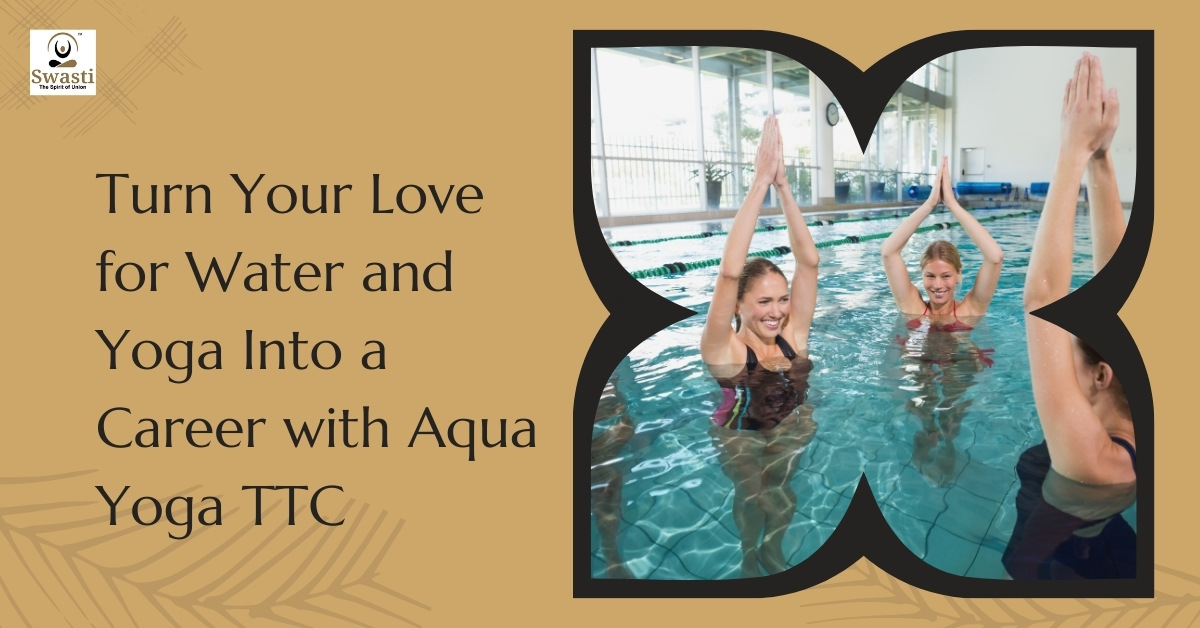
Turn Your Love for Water and Yoga Into a Career with Aqua Yoga TTC

Turn Your Love for Water and Yoga Into a Career with Aqua Yoga TTC

Floating in water or moving through a gentle yoga flow can bring a deep sense of peace and tranquility. Now, imagine combining these two calming experiences into one meaningful career. Aqua Yoga offers a beautiful blend of fluid movement, strength, relaxation, and mindfulness. If you love being in the water and have a deep appreciation for yoga, becoming an Aqua Yoga instructor could be your perfect calling. Letโ€™s dive deeper into how you can turn this passion into a professional journey. What is Aqua Yoga? Aqua Yoga is a practice where traditional yoga poses are adapted and performed in water, typically in a warm pool. The water provides natural resistance and support, making movements more fluid and less stressful on the joints. It is often described as a soothing, meditative experience that feels like a blend of yoga and hydrotherapy. Because water supports the bodyโ€™s weight, Aqua Yoga is accessible to people of all ages, body types, and fitness levels. It is especially beneficial for individuals dealing with injuries, arthritis, or mobility challenges. At the same time, it offers a full-body workout that strengthens muscles, improves flexibility, enhances balance, and promotes deep relaxation. Why is Aqua Yoga growing in Popularity? Over the past few years, Aqua Yoga has started gaining recognition not just among yoga enthusiasts but also among health and wellness professionals. More people are discovering the incredible physical and emotional benefits of practicing yoga in water. It is gentle on the body, yet deeply effective in building strength and promoting recovery. With wellness retreats, luxury resorts, rehabilitation centers, and fitness clubs looking for specialized programs to offer their clients, the demand for certified Aqua Yoga instructors is steadily rising. People are searching for new ways to stay healthy, heal from injuries, and connect with themselves, and Aqua Yoga beautifully meets all these needs. Who Should Consider Aqua Yoga TTC? Wondering if Aqua Yoga Teacher Training is right for you? Hereโ€™s who should consider it: Yoga instructors: Already teaching yoga? Expanding to Aqua Yoga helps you reach a wider audience and add a unique skill to your resume. Water enthusiasts: If you love being in water and practicing yoga, this training is your chance to blend both passions. Fitness professionals: Trainers, physiotherapists, or anyone in the fitness field looking for a niche skill can benefit from the Aqua Yoga certification. Beginners: No yoga experience? No problem! Aqua Yoga is beginner-friendly and a great entry point into the world of yoga. What Youโ€™ll Learn in Aqua Yoga Teacher Training? Aqua Yoga Teacher Training (TTC) isnโ€™t just about learning poses. Itโ€™s about understanding how to teach effectively in a water environment. Hereโ€™s a breakdown of what youโ€™ll learn: Water anatomy and physiology: Understand how the body moves in water and how Aqua Yoga can benefit it. Safety in the water: Learn important safety protocols to ensure you and your students are safe during class. Modifying poses for the water: Discover how to adjust traditional yoga poses to suit the aquatic environment. Breathing techniques: Master water-friendly breathing practices to enhance relaxation and connection during the practice. Class management skills: Learn how to lead and manage classes effectively, keeping the flow smooth and your students engaged. The training is designed to give you everything you need to confidently teach Aqua Yoga, whether in a private pool, wellness retreat, or a larger fitness center. The Benefits of Becoming an Aqua Yoga Instructor Becoming an Aqua Yoga instructor comes with unique advantages. Hereโ€™s why itโ€™s worth considering: Stand out from the crowd: Aqua Yoga is a specialized skill, making you an expert in a growing niche. Work in diverse settings: You can teach Aqua Yoga at wellness retreats, resorts, rehabilitation centers, or even private pools. Help people heal: Aqua Yoga isnโ€™t just a workoutโ€”itโ€™s a therapeutic experience that helps people recover from injuries and improve mobility. Personal growth: Teaching Aqua Yoga offers a chance for personal transformation as you connect deeply with students and water. The opportunities are endless, and the impact you can have on others is profound. How to Get Started with Aqua Yoga Teacher Training? Ready to become an Aqua Yoga instructor? Hereโ€™s how to get started: Research the right training: Look for a TTC that covers all the key areas, including water anatomy, safety protocols, and teaching techniques. Prepare mentally: While swimming experience isnโ€™t a requirement, comfort in water is important. If you’re not a swimmer, no worriesโ€”just make sure you feel confident in the water. Sign up and start learning: Once you’re enrolled, dive into the coursework. Focus on absorbing all the theoretical knowledge and practical techniques. Practice and teach: The more you practice, the more confident youโ€™ll become. Start teaching small classes or offer one-on-one sessions to build experience. With the right training, youโ€™ll be ready to lead your own Aqua Yoga classes in no time! Conclusion: A Career That Floats Your Boat Aqua Yoga offers a unique and rewarding career path for anyone passionate about water, yoga, and helping others. Whether youโ€™re looking to teach in luxury resorts, rehabilitation centers, or private sessions, Aqua Yoga provides endless opportunities to grow personally and professionally. So, if youโ€™re ready to blend your love for yoga and water, why not take the plunge? Start your journey as an Aqua Yoga instructor today, and transform your passion into a career that benefits both you and your future students! Begin Your Aqua Yoga Career with Swasti Yoga Center Turn your passion for yoga and water into a rewarding career with Swasti Yoga Centerโ€™s Aqua Yoga Instructor Certification TTC in India. Our program is designed to give you the skills and confidence to teach Aqua Yoga effectively and with purpose. With expert trainers, a comprehensive curriculum, and a certification recognized worldwide, youโ€™ll be prepared to offer Aqua Yoga classes in diverse settings. Whether youโ€™re looking to teach in resorts, wellness centers, or private sessions, this training will set you on the path to success. Start your journey today and take the first step

Read More ยป
Healing in Water Why Women Should Consider Aqua Yoga Therapy Courses

Healing in Water: Why Women Should Consider Aqua Yoga Therapy Courses?

Have you ever noticed how being in water instantly makes you feel lighter, calmer, and more relaxed? Whether itโ€™s a warm bath after a long day or floating gently in a pool, water has a natural way of soothing the body and mind. Now, imagine combining that with the wisdom of yoga. Thatโ€™s what Aqua Yoga Therapy offers: a unique, healing experience, especially beneficial for women. Aqua Yoga Therapy isnโ€™t just about stretching in water. Itโ€™s a thoughtfully designed therapeutic practice that merges the principles of yoga with the healing properties of water. And for many women dealing with physical, emotional, or hormonal challenges, this gentle yet powerful approach can be truly transformative. Letโ€™s explore why women should consider taking Aqua Yoga Therapy courses and how this practice can bring balance, strength, and deep healing. What Is Aqua Yoga Therapy? Aqua Yoga Therapy is a form of yoga practiced in warm water, usually in a pool. It combines traditional yoga postures, breathing techniques, and mindful movement with the therapeutic resistance and support of water. The water acts as both a cushion and a challenge. It supports the body, making it easier to move without strain, while also adding gentle resistance to build strength and stability. Since the body becomes lighter in water, movements feel more fluid and less taxing on the joints and muscles. This makes Aqua Yoga especially suitable for women recovering from injuries, living with chronic pain, or simply looking for a more nurturing form of exercise. Why Women Can Benefit Deeply from Aqua Yoga? Gentle on Joints and Muscles One of the standout benefits of Aqua Yoga is how joint-friendly it is. For women dealing with arthritis, back pain, stiffness, or physical fatigue, the water provides a safe space to move without putting pressure on the joints. Even those new to yoga or fitness will find it accessible and enjoyable. Itโ€™s a wonderful way to reintroduce movement into your life, especially if traditional workouts have felt too intense or painful. Safe and Supportive During Pregnancy and Postpartum Pregnancy is a time when the body undergoes massive changes, both physically and emotionally. Aqua Yoga offers a safe, soothing environment for pregnant women to stay active, stretch gently, and connect with their breath and body. The buoyancy of water relieves pressure from the lower back and joints, while the practice helps prepare the body for childbirth through mindful breathing and gentle strengthening. After childbirth, Aqua Yoga continues to help rebuild strength, toning the pelvic floor, and supporting emotional well-being. Balancing Hormones and Menstrual Health Women often experience hormonal fluctuations throughout their lives, from puberty to menopause. Aqua Yoga, with its calming and grounding nature, can help regulate stress hormones and support hormonal balance. Regular practice can also relieve menstrual discomfort, ease mood swings, and reduce symptoms of conditions like PCOS or endometriosis. The water element adds a layer of emotional release, helping many women feel more connected and centered in their bodies. Boosting Circulation and Reducing Inflammation The hydrostatic pressure of water naturally improves blood circulation and helps the lymphatic system drain excess fluids. For women experiencing swelling, heaviness in the legs, or fatigue, this can bring noticeable relief. Better circulation also means improved oxygen delivery to muscles and organs, faster recovery from physical strain, and an overall sense of renewed energy. Mental and Emotional Rejuvenation Life can be overwhelming at times, and women often carry the emotional weight of many roles โ€” caregiver, professional, partner, daughter, and more. Aqua Yoga becomes a space to just be, without judgment or pressure. The rhythmic movements, deep breathing, and calming effect of water help quiet the mind. Many women find it easier to let go of stress, anxiety, and overthinking during these sessions. The practice can also support body image healing, encouraging self-acceptance in a gentle, nurturing environment. Who Should Consider Aqua Yoga Therapy Courses? Aqua Yoga Therapy is ideal for women across all walks of life. Whether you’re in your 20s or 60s, a beginner or an experienced yoga practitioner, this practice can meet you where you are. Itโ€™s especially helpful for: Women recovering from injuries or surgeries Those managing chronic conditions like arthritis, fibromyalgia, or autoimmune disorders Pregnant women or new mothers Women looking to reduce stress, improve flexibility, and feel more connected to themselves Wellness professionals and yoga teachers who want to specialize in therapeutic practices If youโ€™ve been seeking a path of healing that respects your bodyโ€™s rhythms, Aqua Yoga might be the perfect fit. What Youโ€™ll Learn in an Aqua Yoga Therapy Course? Aqua Yoga Therapy courses are not just about learning a few water-based poses. They are carefully designed to equip you with a deep understanding of both yoga principles and aquatic therapy techniques. Hereโ€™s what you can typically expect: Foundational knowledge of water therapy and anatomy Adaptation of classical yoga postures in water Breathing techniques and relaxation practices for therapeutic effect Safety and alignment considerations specific to water environmentsSpecialized modules for pregnancy, injuries, and lifestyle-related health conditions Practical teaching experience in water-based settings Courses may vary in structure, but a good program will include both theory and hands-on learning. By the end of the course, youโ€™ll feel confident not just in practicing Aqua Yoga but also in guiding others through a safe and healing journey. Why Now Is the Perfect Time to Explore Aqua Yoga The world is gradually waking up to the importance of gentle, personalized healing approaches. Women, in particular, are seeking ways to care for themselves that feel empowering and sustainable, not just physically, but emotionally and spiritually too. Aqua Yoga aligns beautifully with this shift. Itโ€™s a practice that honors the bodyโ€™s needs, works in harmony with nature, and brings deep peace. Whether youโ€™re looking for personal healing or aiming to support others as a yoga therapist, this is a space worth stepping into. Final Thoughts Healing doesnโ€™t always have to come from effort and intensity. Sometimes, it comes from softness, surrender, and letting go. Aqua Yoga Therapy offers

Read More ยป
Why Corporate Yoga Is in High Demand and How to Get Certified

Why Corporate Yoga Is in High Demand and How to Get Certified?

Stress at work is no longer a rare exception. It has quietly become the norm. Long hours, constant screen time, back-to-back meetings, and the pressure to always stay ahead are making people feel more exhausted than ever. In the middle of all this, something simple yet powerful is making a comeback in modern offices yoga. But not the kind you do with a mat in a studio. We are talking about corporate yoga. The kind of yoga designed to work around meetings, deadlines, and laptops. And here’s the interesting part. As the demand for workplace wellness grows, companies are actively looking for trained professionals who can bring calm, energy, and focus to their teams. If you are a yoga teacher or wellness professional, this could be the perfect opportunity to expand your impact and your career. Letโ€™s look at why corporate yoga is on the rise and how you can get certified to become a trusted instructor in this space. Why Companies Are Embracing Corporate Yoga? Burnout is becoming a serious business challenge Many companies are starting to understand how burnout affects more than just individuals. When employees feel drained, anxious, or unfocused, it directly affects performance, decision-making, and overall team culture. The cost of burnout shows up in absenteeism, low morale, and high turnover. Corporate yoga offers a practical way to reduce stress, increase mental clarity, and improve overall well-being. And it can be done in short sessions during the day, without disrupting work. Wellness programs are now part of the strategy What used to be considered a bonus or extra perk is now a core part of how businesses operate. Workplace wellness is no longer about occasional health talks or gym memberships. It is about creating an environment where people can truly take care of their mental and physical health. Yoga has become one of the most trusted tools in this space. It fits into the workday. It is accessible to all body types. And it actually helps people feel better, not just physically, but mentally too. Better health leads to better collaboration When people feel good, they work better together. Corporate yoga has a way of creating shared moments of calm and connection within teams. A simple five-minute breathing session or group stretch can ease tension, improve communication, and build a stronger team dynamic. It is a quiet shift, but it changes how people show up at work. Why Corporate Yoga Is a Great Opportunity for Yoga Teachers? If you already teach yoga or are planning to, corporate yoga is a great space to grow your career. It is different from studio teaching. The pace, the format, and the goals are tailored to modern professionals. But it is rewarding and impactful. Here is why it makes sense. You get to work with professionals who are actively looking for support. You can create a steady income through long-term partnerships with businesses. Your sessions can be offered in person, online, or both. And most importantly, you get to offer practical tools that make a real difference in peopleโ€™s everyday lives. The demand is growing, but trained professionals who understand how to teach in corporate settings are still limited. That means if you do this right, you will stand out. What to Look for in a Corporate Yoga Certification? Not every yoga teacher training prepares you to teach in the workplace. Corporate settings come with their challenges and expectations. The right course will give you not only the knowledge but also the confidence to teach professionally in this space. Here are a few things your training should include. Workplace-friendly yoga techniques Your training should focus on practices that work well in an office environment. That means desk yoga, chair-based stretches, simple breathwork, and short mindfulness exercises that do not require special clothes or equipment. You should learn how to address common workplace problems like screen fatigue, poor posture, and mental overload with simple, effective techniques. Communication that fits the professional setting Corporate yoga is not about using complicated yoga terms or spiritual language. You need to speak in a way that is clear, professional, and relatable to employees who may have never done yoga before. A good training program will show you how to lead with confidence, explain concepts simply, and make everyone in the room feel included and comfortable. Practical experience and real-world practice The best certifications include hands-on training. That means getting to lead sample sessions, receive feedback, and work through real-world case studies. The goal is to make sure you are fully prepared to step into a professional space and guide a session with confidence and ease. What Can You Do After Getting Certified? Once you complete your certification, there are many directions you can take. You can work independently, partner with wellness agencies, or even design your programs. Some options include: – Offering weekly or monthly sessions for companies, either online or onsite– Running wellness workshops or stress management sessions for leadership teams– Creating short programs focused on posture correction, breathing, or mindfulness– Collaborating with coworking spaces or startup hubs to bring yoga into their routines The beauty of this field is that it is flexible, growing, and deeply needed. You get to create a path that fits your lifestyle while making a meaningful impact. Step into a High-Growth Space with the Right Training Corporate yoga is not just a passing trend anymore. It is becoming a key part of many companiesโ€™ wellness programs. As businesses continue to see the benefits of yoga for reducing stress, increasing focus, and improving overall employee well-being, the demand for qualified corporate yoga instructors is rising. This is a great opportunity for you if you are looking to grow your career and make a real difference in the workplace. With the right certification, you will be equipped to teach in offices, online spaces, and corporate settings, opening doors to long-term professional opportunities. Take the Next Step in Your Yoga Career If you’re ready to make a real difference in

Read More ยป
Why Summer Is the Perfect Time to Enroll in Aqua Yoga Therapy TTC

Why Summer Is the Perfect Time to Enroll in Aqua Yoga Therapy TTC?

Are you looking to start a transformative journey in Aqua Yoga Therapy? Summer is the ideal time to enroll in a Yoga Teacher Training Course (TTC) that focuses on Aqua Yoga Therapy. Whether youโ€™re seeking a career shift, a healing practice, or simply want to deepen your yoga skills, summer offers unique benefits that make it the perfect season to begin this life-changing course. In this blog, weโ€™ll explore why summer is the best time to start your Aqua Yoga Therapy TTC and how it can elevate your practice and your career. Why Aqua Yoga Therapy? Before we dive into why summer is ideal, letโ€™s take a moment to understand why Aqua Yoga Therapy is a powerful and growing field within yoga. Key Benefits of Aqua Yoga Therapy: Therapeutic Healing: The waterโ€™s buoyancy alleviates pressure on your joints and muscles, making it perfect for injury recovery, rehabilitation, and chronic pain relief. Mind-Body Connection: Aqua Yoga fosters deep relaxation and mindfulness, helping you connect with both your body and mind. Unique Career Path: Aqua Yoga Therapy instructors are in high demand, especially in wellness centers, resorts, and rehabilitation centers. Accessible for All Levels: Whether youโ€™re a beginner or a seasoned yogi, Aqua Yoga Therapy can be adapted to meet everyoneโ€™s needs, from injury recovery to advanced practice. Why Summer is the Perfect Time to Start Your Aqua Yoga Journey? Summer is not just about warm weatherโ€”itโ€™s a season that naturally brings people together, boosts energy, and invites personal growth. Hereโ€™s why itโ€™s the perfect time to begin your Aqua Yoga Therapy TTC. 1. Warm Weather Enhances Practice Conditions Comfortable Water Practice: In summer, the water temperature is just right for Aqua Yoga. Whether youโ€™re practicing in a pool, lake, or ocean, the warm conditions make the experience more enjoyable and beneficial. Better Flexibility: Warm temperatures help your muscles relax and stretch more easily, so you can deepen your poses and maximize the physical benefits of Aqua Yoga. 2. Longer Days, More Training Time More Daylight Hours: Summer days are longer, giving you more time to focus on your Aqua Yoga TTC. You wonโ€™t feel rushed to fit in your practice or training. The extended daylight hours give you flexibility to balance learning and personal time. Less Stress: With more daylight and the joy of being outdoors, youโ€™ll feel less stressed and more energized to absorb new teachings. 3. The Season of Transformation Summer is often viewed as a time for personal growth and new beginnings. This aligns perfectly with the journey of becoming an Aqua Yoga Therapy instructor. Youโ€™ll be embracing the energy of the season, which is all about growth, change, and renewal. Increased Motivation: The season naturally motivates people to embark on fresh journeys. Starting your TTC in the summer gives you the mental clarity and excitement to fully engage with your training. Mindful Practice: With summerโ€™s high energy and abundance of natural sunlight, youโ€™ll feel more connected to nature and your yoga practice, allowing for a deeper, more focused experience. Therapeutic Benefits of Aqua Yoga Therapy Aqua Yoga Therapy is more than just a workoutโ€”itโ€™s a healing practice that provides numerous physical and mental benefits. Letโ€™s break down how this form of yoga can improve your well-being and why itโ€™s an ideal practice for the summer. 1. Stress Relief and Mental Clarity Soothing for the Mind: Water has a natural calming effect. Aqua Yoga helps to reduce mental tension, calm your nerves, and clear your mind. Increased Mindfulness: The slow and controlled movements in Aqua Yoga promote mindfulness, allowing you to stay present and focused in each pose. 2. Injury Recovery and Pain Relief Gentle on Joints: Aqua Yoga provides the perfect setting for joint-friendly movement. The water supports your body and relieves stress on your joints, making it ideal for individuals recovering from injuries or dealing with chronic pain. Healing Powers: Aqua Yogaโ€™s therapeutic properties make it highly effective in physical rehabilitation. Itโ€™s a fantastic way to restore flexibility, strength, and mobility without the risk of further injury. 3. Full-Body Benefits Strength and Flexibility: Aqua Yoga strengthens muscles, increases flexibility, and improves balance. The resistance of water adds an extra challenge to your practice, allowing for an all-around body workout. Low Impact, High Results: The buoyancy of water makes Aqua Yoga ideal for anyone with physical limitations. Youโ€™ll be able to perform poses that are often difficult on land, but with greater ease and comfort. Building Community and Connection in Summer In addition to the physical and mental benefits, summer is a time when people are more social and connected. Aqua Yoga Therapy TTCs often foster a sense of community that can enhance your learning experience. 1. Outdoor Practice Opportunities Summer makes it easy to take your practice outdoors. Imagine practicing Aqua Yoga on a beach, by a serene lake, or in a warm outdoor pool. Nature offers the perfect backdrop to deepen your practice and connect with your fellow students. 2. Networking and Friendships Summer is a time when people are generally more open, relaxed, and eager to connect. By enrolling in an Aqua Yoga Therapy TTC, youโ€™ll be joining a community of like-minded individuals who share your passion for yoga and healing. This creates an excellent environment for networking and building long-lasting friendships. Why Choose Swasti Yoga Center for Aqua Yoga Therapy TTC? If youโ€™re ready to begin your Aqua Yoga Therapy journey, thereโ€™s no better place than Swasti Yoga Center. Hereโ€™s why our courses stand out from the rest: Expert Instructors: Our team of experienced instructors is dedicated to guiding you every step of the way, ensuring that you gain both practical and theoretical knowledge of Aqua Yoga Therapy. Holistic Training Approach: Our curriculum blends hands-on practice with in-depth theoretical knowledge, covering everything from anatomy to the therapeutic benefits of Aqua Yoga. Immersive Experience: At Swasti Yoga Center, we offer a supportive learning environment where you can fully immerse yourself in Aqua Yoga Therapy, surrounded by beautiful, natural settings. Reputation and Certification: We

Read More ยป
Already Yoga Alliance Certified Hereโ€™s Why You Should Add an AYUSH Certification

Already Yoga Alliance Certified? Hereโ€™s Why You Should Add an AYUSH Certification

If youโ€™ve completed your Yoga Alliance certification, youโ€™re likely already on the path to being a recognized yoga teacher. Yoga Alliance is an excellent credential that opens doors in many countries and yoga communities worldwide. But if youโ€™re looking to take your teaching to the next level and be truly recognized for your depth of knowledge, thereโ€™s one thing missing: AYUSH certification. While Yoga Alliance is a private organization, AYUSH certification comes from the Ministry of AYUSH, a government body in India. Itโ€™s a unique qualification that sets you apart in ways Yoga Alliance simply canโ€™t. AYUSH certification isnโ€™t just about checking a boxโ€”itโ€™s a mark of authenticity and deeper knowledge, rooted in Indiaโ€™s ancient yoga traditions. Letโ€™s explore why adding an AYUSH certification to your Yoga Alliance qualification can completely transform your yoga career. What is AYUSH Certification? A Deeper Dive into AYUSH The Ministry of AYUSH governs yoga and other traditional health practices like Ayurveda and Naturopathy in India. The Yoga Certification Board (YCB), under the Ministry of AYUSH, sets the standards for yoga education, ensuring it is taught in a way that preserves both the traditional wisdom and modern applications of yoga. AYUSH certification is not just a piece of paperโ€”itโ€™s a government-backed validation of your skills and knowledge in teaching yoga. It includes multiple levels of certification, from beginner to advanced. These certifications ensure youโ€™re well-prepared to teach students of all backgrounds, whether youโ€™re focused on wellness or yoga therapy. What Makes AYUSH Certification Special? AYUSH is official and structuredโ€”it is designed to be comprehensive, covering everything from yoga philosophy to its scientific and therapeutic applications. When you hold an AYUSH certification, it means your training was assessed by an official body that ensures youโ€™re teaching yoga correctly and ethically. Why Add AYUSH Certification to Your Yoga Alliance Credentials? 1. Official Government Recognition Yoga Alliance is a private organization, which means the Indian government or any other regulatory body does not officially recognize its certification. AYUSH certification, however, is backed by the Government of India, which means you can teach in a wider range of settings, including hospitals, universities, wellness programs, and government institutions. The syllabus and process are curated by global best yoga masters and yoga institutions under India’s Ministry for Yoga (AYUSH,) creating high-quality standards and reducing risk for injuries. In India, many government wellness programs, health centers, and medical institutions require their yoga teachers to have AYUSH certification. If you want to teach at these places or be part of official wellness programs, an AYUSH certification is a must. 2. Strengthening Your Career Opportunities While Yoga Alliance is widely recognized in studios and retreats, AYUSH certification opens the door to more diverse career options, especially in medical yoga, yoga therapy, and research. Many health-conscious businesses are looking for instructors who are qualified beyond the basic levelโ€”AYUSH certification proves youโ€™ve received a more in-depth education in yogaโ€™s healing potential. Here are some of the areas where AYUSH-certified instructors are highly sought after: Yoga in hospitals and medical centers Yoga therapy for specific health conditions Corporate wellness programs International yoga and wellness retreats Yoga research and development Having both Yoga Alliance and AYUSH certifications can set you apart as a truly qualified professional in the eyes of potential employers and students. 3. More Recognition Globally AYUSH certification is gaining international recognition, accepted by the World Health Organization (WHO), especially in regions like the Middle East, Europe, and Asia. These regions are increasingly looking for instructors who bring an authentic, government-recognized qualification. Whether you want to teach in international wellness programs or lead yoga retreats abroad, AYUSH certification adds a layer of credibility that Yoga Alliance alone might not provide. 4. A Deeper, More Structured Yoga Education AYUSH certification offers a comprehensive curriculum that goes beyond what is typically covered in a Yoga Alliance course. Itโ€™s not just about learning poses; itโ€™s about understanding yogaโ€™s history, philosophy, ethics, and therapeutic applications. Youโ€™ll delve deeper into the ancient teachings and how they apply in todayโ€™s world, making you a more knowledgeable and confident teacher. The AYUSH training includes a thorough exploration of: Yoga philosophy and ethics Traditional yoga practices Yoga therapy and its medical benefits Scientific understanding of yoga By earning AYUSH certification, youโ€™re not just getting another qualificationโ€”youโ€™re strengthening your foundation and deepening your knowledge of yoga as a whole. What Are the Benefits of AYUSH Certification for Your Career? 1. Access to Government-Backed Jobs In India, the AYUSH certification is a requirement for teaching in government-run yoga centers or any official wellness program. This is important if you want to work with hospitals, rehabilitation centers, or any institution that requires regulatory certification. Internationally, many wellness retreats, yoga hospitals, and medical organizations are also beginning to recognize the value of government-backed certification, making you a much more attractive candidate for high-profile yoga teaching roles. 2. Improve Your Earning Potential While Yoga Alliance-certified instructors typically work in private yoga studios or freelance, AYUSH-certified instructors can access higher-paying opportunities in corporate wellness, therapy centers, and international wellness retreats. AYUSH-certified teachers are seen as more qualified and reliable, which can lead to better-paid positions and long-term job security. Conclusion While Yoga Alliance certification gives you a solid foundation, adding AYUSH certification can completely transform your yoga career. It offers official recognition, and an in-depth education, and opens up new doors in healthcare, corporate wellness, and international opportunities. By becoming AYUSH-certified, youโ€™re not just teaching yogaโ€”youโ€™re teaching it with authenticity, depth, and official backing, which sets you apart in an increasingly competitive industry. Ready to Take Your Career to the Next Level? If youโ€™re serious about expanding your teaching opportunities and stepping into higher-paying, more official roles, itโ€™s time to consider AYUSH certification. Enroll in AYUSH Yoga Certification Classes in India at Swasti Yoga Centerโ€”an institution recognized for offering the best-in-class training. With expert instructors and a comprehensive curriculum, youโ€™ll be ready to elevate your career and make a bigger impact as a qualified yoga teacher.

Read More ยป
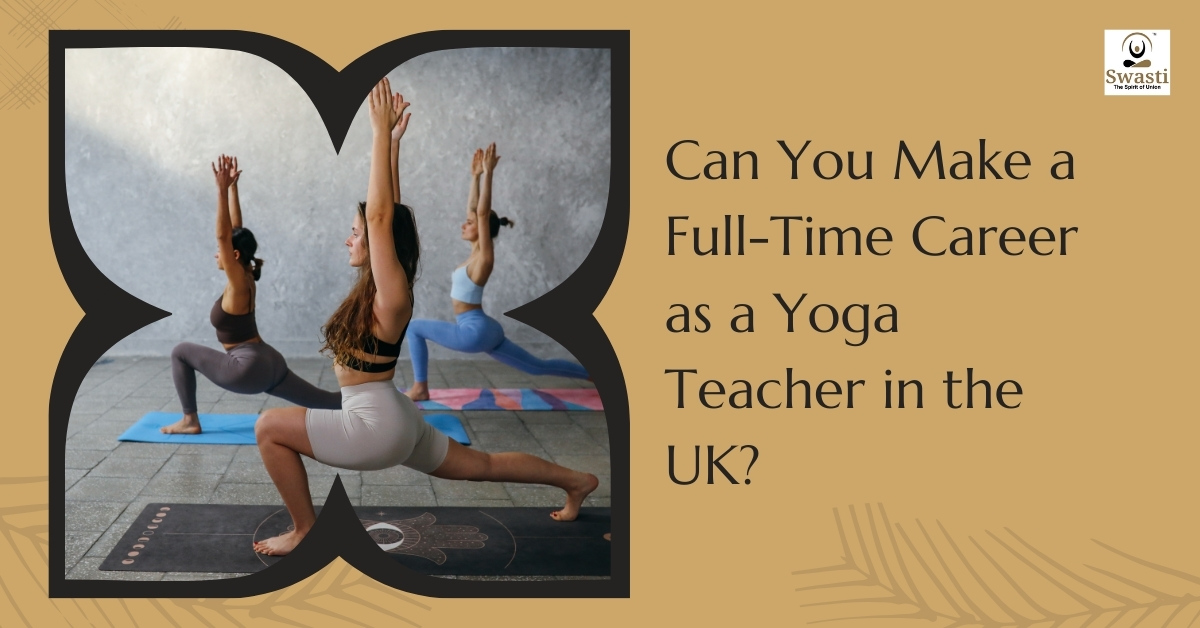
Can You Make a Full-Time Career as a Yoga Teacher in the UK

Can You Make a Full-Time Career as a Yoga Teacher in the UK?

If you’re passionate about yoga and love the idea of sharing its benefits with others, you’ve probably wondered if you can actually make a full-time career as a yoga teacher in the UK. The short answer is yes, but it’s not as simple as just getting certified and expecting classes to fill up overnight. Like any profession, building a stable career as a yoga teacher requires dedication, proper training, and a clear plan. Some teachers succeed in studios, others prefer private sessions, and many are now expanding into online teaching. The good news? Yoga is growing in popularity, and with the right approach, you can turn your passion into a sustainable profession. Let’s explore what it takes to build a successful yoga teaching career in the UK. The Yoga Industry in the UK: Whatโ€™s the Opportunity? Yoga has become an integral part of the wellness industry in the UK. From boutique yoga studios to corporate wellness programs, more people are turning to yoga for its physical, mental, and emotional benefits. Thereโ€™s also a wide variety of yoga styles that people look for. Some prefer the structure of Hatha Yoga, others enjoy the dynamic flow of Vinyasa, while many seek the deep relaxation of Yin or Restorative Yoga. Additionally, specialized areas like prenatal yoga, therapeutic yoga, and chair yoga for seniors are gaining popularity. Finding your niche can help you establish a strong presence in the market. Do You Need a Certification to Teach Yoga in the UK? While there is no legal requirement to have a certification to teach yoga in the UK, most studios, wellness centers, and private clients prefer instructors with recognized training. One of the most respected options for authentic yoga education is an AYUSH-certified training program from India. These programs focus on traditional yogic wisdom, combining theory, practice, and philosophy for a well-rounded teaching approach. Many aspiring teachers choose to complete their training in India, where they can immerse themselves in authentic teachings under experienced mentors. Specializing in areas like yoga therapy, Ayurveda, or meditation can also help you stand out in a competitive market. Career Paths: Where Can You Teach? One of the best things about being a yoga teacher is the flexibility. Youโ€™re not limited to just one type of teachingโ€”there are multiple ways to build your career. 1. Teaching at Yoga Studios & Fitness Centers Studios and fitness centers are common places for new teachers to start. Many instructors begin by leading community classes or covering for other teachers before securing their own regular classes. Working at a studio provides valuable experience, but it’s also important to build relationships with students to create opportunities outside of the studio setting. 2. Private & Small Group Sessions Many teachers eventually transition to private classes, which allow for personalized instruction and deeper connections with students. These sessions can be tailored to specific needs, such as back pain relief, stress management, or flexibility training. Small group classes, such as workplace yoga or community sessions, are also a great way to expand your reach. 3. Online Yoga Classes & Courses The demand for online yoga has grown significantly, providing teachers with new ways to reach students beyond their local area. Some instructors offer live classes through platforms like Zoom, while others create pre-recorded courses for passive income. Social media channels like YouTube and Instagram also provide opportunities to build an audience and establish credibility. 4. Corporate Wellness & Retreats Businesses are investing in wellness programs, and yoga is a key part of that trend. Teaching corporate yoga classes or leading workshops at retreats can provide a stable and rewarding career path. Some teachers also collaborate with wellness resorts or retreat centers, offering immersive yoga experiences for travelers seeking relaxation and rejuvenation. Challenges You Need to Be Ready For While yoga teaching is a fulfilling career, it’s important to be aware of the challenges that come with it. 1. Competition is Real The yoga industry is growing, but so is the number of yoga teachers. To stand out, itโ€™s important to find your unique voice, develop your teaching style, and build a strong connection with students. 2. Inconsistent Schedule Unlike traditional jobs with fixed hours, yoga teaching often requires flexibility. Some teachers prefer morning classes, while others teach in the evenings. Managing your time effectively is key to maintaining a balanced lifestyle. 3. Physical & Mental Demands Teaching multiple classes a day can be exhausting, both physically and mentally. Practicing self-care, setting boundaries, and continuing your yoga practice are essential to staying energized and inspired. How to Build a Thriving Yoga Career in the UK? So, how do you go from completing your training to establishing a successful career? Hereโ€™s a roadmap: 1. Find Your Niche & Strengths Instead of trying to teach every type of yoga, focus on what resonates with you. Are you passionate about helping beginners? Do you enjoy teaching meditation or yoga therapy? Identifying your niche will make you more recognizable in a crowded industry. 2. Build Your Online Presence In todayโ€™s digital world, having an online presence is crucial. Even a simple website or active social media profile can help potential students discover your classes. Sharing valuable content, success stories, and class schedules can help grow your community. 3. Network & Connect with the Right People Building relationships with other yoga teachers, studio owners, and wellness professionals can open doors to new opportunities. Attending yoga workshops, events, and retreats can also help expand your network. 4. Keep Learning & Growing The best yoga teachers never stop learning. Whether it’s advanced teacher training, workshops, or continuing education in areas like anatomy or Ayurveda, expanding your knowledge will make you a better teacher and help you attract more students. Final Thoughts: Is Teaching Yoga Full-Time Worth It? Absolutelyโ€”if youโ€™re willing to put in the effort. Yoga teaching isnโ€™t just about leading classes; itโ€™s about guiding students on their wellness journey, building relationships, and continuously growing in your practice. While the path may not always be

Read More ยป
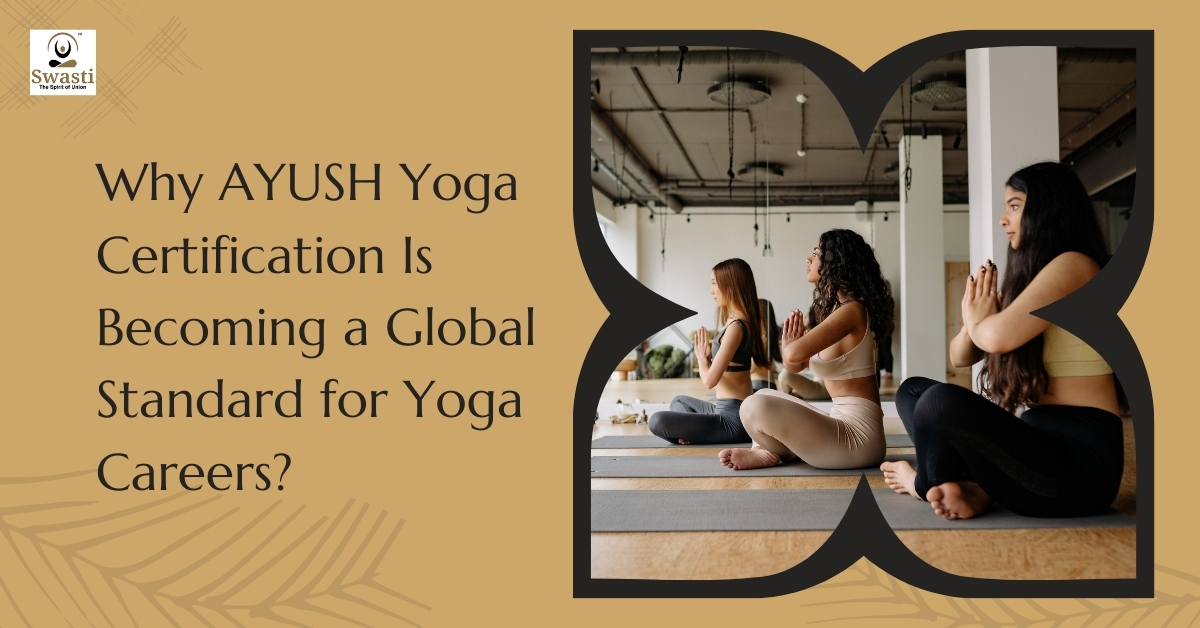
Why AYUSH Yoga Certification Is Becoming a Global Standard for Yoga Careers?

Why AYUSH Yoga Certification Is Becoming a Global Standard for Yoga Careers?

If youโ€™re passionate about yoga and thinking of making it a full-time career, youโ€™ve probably come across different certification options. With yoga becoming more popular worldwide, studios, wellness centers, and even hospitals are looking for well-trained instructors. But how do you stand out in a field thatโ€™s getting more competitive every day? Thatโ€™s where AYUSH Yoga Certification comes in. Unlike private yoga certifications, this one is backed by the Government of India, making it one of the most credible and globally recognized certifications available today. Whether you want to teach in India or abroad, an AYUSH certification can open doors to opportunities that other certifications might not. Letโ€™s explore why itโ€™s becoming the gold standard in yoga education. What Is AYUSH Yoga Certification? A Quick Look at AYUSH AYUSH stands for Ayurveda, Yoga & Naturopathy, Unani, Siddha, and Homeopathy. Itโ€™s a government body in India that promotes traditional wellness practices. Since yoga has been an essential part of Indian culture for centuries, AYUSH introduced a structured certification system to maintain the authenticity and quality of yoga training. Different Levels of Certification The AYUSH Yoga Certification isnโ€™t just a one-size-fits-all program. It offers four different levels, so you can choose the one that matches your experience and career goals: Level 1: Yoga Protocol Instructor โ€“ Perfect for those who want to teach basic yoga practices. Level 2: Yoga Wellness Instructor โ€“ Focuses on yoga for overall well-being and holistic health. Level 3: Yoga Teacher & Evaluator โ€“ Ideal for those who want to professionally teach yoga at an advanced level. Level 4: Yoga Master โ€“ The highest certification level, meant for seasoned yoga practitioners and researchers. Each level ensures that yoga teachers are well-trained and ready to teach yoga the right way, whether in a studio, corporate setup, or therapeutic environment. Why Is AYUSH Yoga Certification Gaining Global Recognition? 1. Itโ€™s Backed by the Government Unlike private organizations, which may have different standards, AYUSH certification is officially recognized by the Government of India. That means it holds more weight when applying for jobs, opening a yoga school, or looking for international teaching opportunities. 2. A Balance of Tradition and Science Many modern yoga certifications focus only on physical postures, leaving out essential aspects like breathwork, meditation, and yoga philosophy. AYUSH certification ensures that instructors understand both the traditional and scientific aspects of yoga, making them more well-rounded and credible teachers. 3. A Standardized Curriculum The problem with many yoga certifications is that their curriculum varies widely. Some focus only on physical fitness, while others donโ€™t have a structured approach. AYUSH certification ensures that every certified teacher follows a rigorous, well-defined syllabus, so students get the best training possible. 4. Recognized Worldwide As yoga becomes more mainstream, many wellness centers, corporate programs, and even hospitals are looking for certified yoga instructors. Since AYUSH is government-approved, itโ€™s easier for certified teachers to find work in India and internationally. How Does It Compare to Other Certifications? If youโ€™ve looked into yoga certifications, youโ€™ve probably come across Yoga Alliance. While itโ€™s one of the most recognized certifications worldwide, itโ€™s a private organization based in the U.S. This means it doesnโ€™t have the same level of regulation or standardization as AYUSH. Many Yoga Alliance schools offer great training, but the quality can vary. AYUSH certification, on the other hand, follows a strict government-approved syllabus, ensuring that all certified instructors meet the same high standards. What Are the Career Benefits of an AYUSH Certification? 1. More Job Opportunities Since AYUSH certification is becoming the gold standard, many employers now prefer hiring AYUSH-certified instructors. Whether you want to teach in a yoga studio, corporate office, or rehabilitation center, this certification gives you an edge over others. 2. Recognized in Government and Corporate Wellness Programs More companies and government organizations are integrating yoga into employee wellness programs. Having an AYUSH certification makes it easier to get opportunities in government projects, hospitals, and universities. 3. Pathway to Higher Education and Research If youโ€™re interested in furthering your knowledge, an AYUSH certification is a great foundation for advanced yoga studies. Many universities and research institutions prefer AYUSH-certified teachers because of their well-rounded training. 4. Start Your Own Yoga Business If your goal is to open a yoga studio or teach online, having an AYUSH certification instantly builds credibility. Since this certification is well-recognized, students are more likely to trust you over someone with an uncertified or lesser-known qualification. How to Get AYUSH Yoga Certified? Who Can Apply? Anyone with an interest in yoga can start with Level 1, but higher levels require prior training and experience. The Examination Process To get certified, you need to pass an exam that tests both your practical skills and theoretical knowledge. This ensures that only qualified instructors receive certification, maintaining high standards in yoga teaching.70 % passing in both theory and practical following the ISO 17024 Global norms for professional certification. Where to Get Certified? There are many AYUSH-approved yoga training centers across India. Itโ€™s essential to choose a reputable institute to ensure you get high-quality training and proper certification. The Future of AYUSH Yoga Certification 1. Yogaโ€™s Growing Role in Healthcare As more research highlights the health benefits of yoga, itโ€™s being integrated into medical and therapeutic practices. This means there will be a greater demand for well-trained yoga professionals in hospitals, rehabilitation centers, and wellness retreats. 2. More Global Opportunities With more people seeking authentic yoga instruction, AYUSH-certified teachers will have better career prospects in India and internationally. From yoga tourism to corporate wellness, the demand for qualified instructors is only going to increase. Final Thoughts If youโ€™re serious about a career in yoga, choosing the right certification can make all the difference. The AYUSH Yoga Certification is quickly becoming the most trusted and globally recognized qualification for yoga teachers. With its government approval, structured training, and international recognition, itโ€™s an excellent choice for anyone looking to build a long-term career in yoga. Get Certified with a Globally Recognized AYUSH Yoga Program

Read More ยป
How Can an Advanced Yoga Certification Boost Your Earning Potential

How Can an Advanced Yoga Certification Boost Your Earning Potential?

Yoga has become more than just a wellness trendโ€”itโ€™s a full-fledged profession that offers a fulfilling career and financial stability. But if youโ€™re a yoga instructor or planning to become one, youโ€™ve probably wondered: Can I make a good living from teaching yoga? The answer is yes, but it depends on how you position yourself in the industry. With the increasing number of yoga teachers worldwide, standing out is more important than ever. Thatโ€™s where an advanced yoga certification comes into play. It not only deepens your practice and teaching abilities but also opens doors to higher-paying opportunities. Whether you want to teach at luxury retreats, run corporate wellness programs, or conduct your own training courses, an advanced certification can significantly boost your income. Letโ€™s dive into how it works. What Exactly is an Advanced Yoga Certification? If you already have a basic yoga certification, you might feel like youโ€™ve got the essentials covered. But yoga is a lifelong journey, and an advanced certification takes you beyond just teaching asanas. These programs go deeper into yoga philosophy, anatomy, therapeutic applications, and advanced teaching techniques. You learn how to tailor sessions for different groups, from corporate employees to seniors, pregnant women, and even people recovering from injuries. This kind of expertise makes you more valuableโ€”and more valuable means higher pay. In India, where yoga has its roots, AYUSH-certified courses provide authentic, structured training that gives you credibility, both locally and internationally. This recognition makes a big difference when youโ€™re pitching your services to studios, wellness centers, or high-paying private clients. Why Are Advanced Yoga Teachers in Demand? Yoga isnโ€™t just about stretching anymore. More and more people are looking for personalized yoga programs, whether itโ€™s for stress relief, chronic pain, mental health, or fitness. That means studios and wellness centers want instructors who can offer specialized expertise rather than just leading general classes. Corporate yoga is also on the rise. Many companies now invest in workplace wellness programs to help employees reduce stress and improve productivity. If youโ€™re certified to conduct these sessions, you can charge premium rates and even secure long-term contracts. Then thereโ€™s the booming yoga retreat and wellness tourism industry. Resorts and retreat centers actively seek experienced instructors with advanced training to lead workshops and immersive programs. These gigs often come with higher pay, travel perks, and even accommodation benefits. How Much More Can You Earn with an Advanced Certification? Letโ€™s talk numbers. A yoga teacher with only a basic certification might start with group classes at a studio, making a modest income. But once you have advanced certification, your earning potential increases dramatically. Private sessions: With an advanced certification, you can charge 30-50% more per private class because you bring more expertise. Corporate yoga: Companies are willing to pay premium rates for stress management and wellness programs. A single corporate session can earn you what multiple group classes would. Workshops and retreats: Hosting specialized workshops (like yoga for back pain or breathwork for stress) lets you set your rates and attract serious students willing to invest in quality training. Online coaching: Advanced certification lets you offer structured online programs, including Green Yoga courses, making it a great way to scale your income without being tied to one location.ย  Many instructors who upgraded to advanced certification have seen their income double or even triple within a year simply because they could offer more value and position themselves as experts. Specializing for Higher Pay: Find Your Niche One of the best ways to increase your earnings is to specialize in a high-demand area. Here are some specializations that can significantly boost your income: Therapeutic Yoga: Many people turn to yoga for relief from back pain, stress, anxiety, or injuries. Being trained in therapeutic yoga allows you to charge premium rates for private sessions. Prenatal & Postnatal Yoga: Expecting mothers need skilled instructors who understand the physical and emotional changes of pregnancy. If you specialize in this, youโ€™ll always be in demand. Breathwork & Meditation: Stress relief is a huge market. Learning advanced pranayama and meditation techniques can help you offer unique programs to both individuals and corporate clients. Yoga for Athletes: Many sports professionals and fitness enthusiasts look for yoga instructors who understand body mechanics and injury prevention. This niche can be very rewarding. Ayurveda & Holistic Yoga: Combining yoga with Ayurveda opens up opportunities to work in wellness centers, retreats, and personalized coaching. The more specific and specialized your skills, the more you can charge. People are always willing to pay more for expertise. How to Market Yourself as a High-Value Yoga Instructor Having an advanced certification isnโ€™t just about learning new techniquesโ€”it also helps you build a strong professional reputation. Hereโ€™s how you can use your certification to attract higher-paying clients: Showcase Your Credentials: Mention your advanced certification on your website, social media, and promotional materials. Students and clients will see you as a trusted expert. Use Testimonials & Success Stories: If youโ€™ve helped students overcome pain, stress, or other challenges, share their experiences. Social proof builds credibility. Leverage Online Platforms: Offer online classes, workshops, or recorded programs. This way, you can reach a global audience and create passive income streams. Network & Collaborate: Connect with wellness centers, corporate HR teams, and other yoga professionals. A strong network can open doors to better opportunities like a Career in Corporate ESG Yoga consulting. Positioning yourself as a high-value instructor takes time, but an advanced certification gives you the edge you need to command higher fees and secure premium clients. Is the Investment Worth It? Many yoga teachers hesitate to invest in advanced certification because of the cost and time commitment. But when you look at the bigger picture, itโ€™s an investment that pays off quickly. Higher certification gives you access to better-paying jobs, more diverse career paths, and long-term stability. Instead of competing with thousands of instructors offering basic yoga classes, youโ€™ll stand out as an expert who can offer something unique and valuable. If you plan

Read More ยป
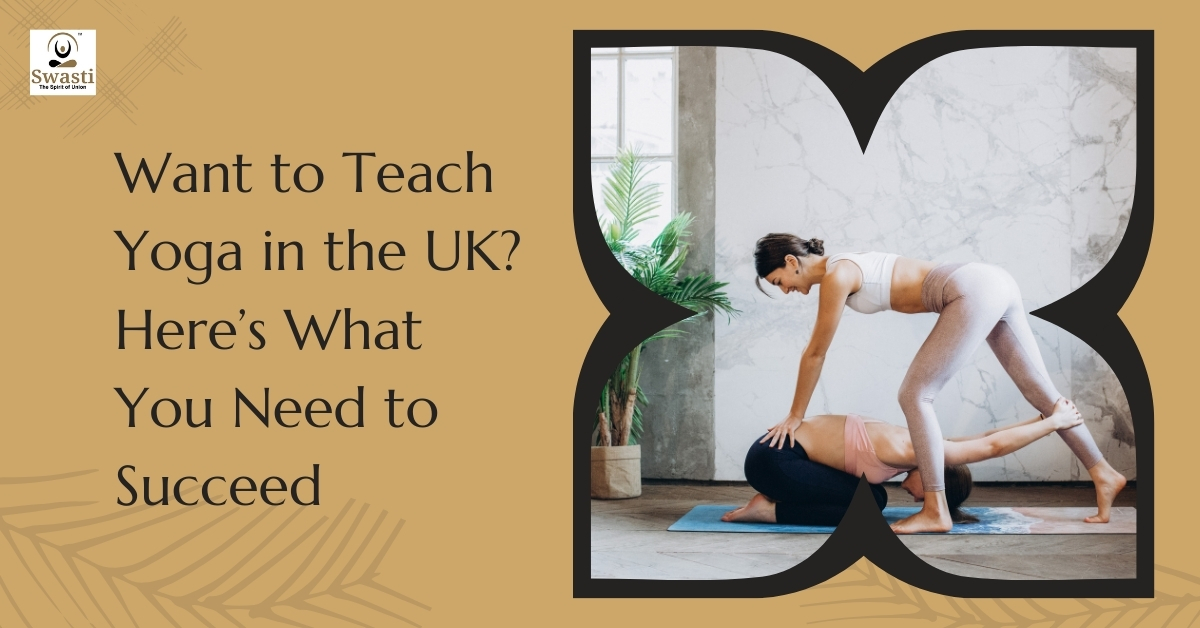
Want to Teach Yoga in the UK Hereโ€™s What You Need to Succeed

Want to Teach Yoga in the UK? Hereโ€™s What You Need to Succeed

Yoga has become a major part of the wellness industry in the UK, with thousands of people practicing it for physical and mental well-being. If youโ€™re passionate about yoga and want to turn it into a career, becoming a yoga teacher in the UK can be a rewarding journey. However, success in this field requires more than just knowing yoga. You need proper certification, an understanding of legal requirements, teaching experience, and the ability to market yourself. This guide will walk you through everything you need to build a successful yoga teaching career in the UK. Step 1: Get Certified with the Right Yoga Teacher Training To teach yoga professionally in the UK, certification is a must. Studios, wellness centers, and even private clients prefer teachers who have completed formal training from a recognized institution. There are different types of certifications, but the most respected ones ensure you have in-depth knowledge of yoga techniques, anatomy, teaching methodology, and philosophy. Swasti Yoga Center offers AYUSH-certified training, which is globally recognized and rooted in traditional yoga teachings. Choosing a comprehensive program will give you the confidence and skills needed to teach effectively. Step 2: Understand the Legal and Administrative Requirements Before you start teaching, itโ€™s essential to understand the legal requirements of working as a yoga instructor in the UK. If you are from outside the UK, you need to check visa and work permit regulations to ensure you are legally allowed to work as a yoga teacher. Additionally, most studios and private clients will expect you to have public liability insurance to cover potential risks during classes. If you plan to teach children or vulnerable individuals, you may also need a Disclosure and Barring Service (DBS) check, which verifies your background for safety reasons. Ensuring all legalities are in place will help you establish yourself as a professional instructor. Step 3: Gain Experience and Develop a Specialization Having a certification is just the beginning. To stand out in the UKโ€™s competitive yoga industry, experience and specialization matter. Many new teachers struggle to find students initially, so gaining hands-on experience is key. Consider: Volunteering at community centers or online platforms to build confidence. Assisting senior teachers to learn practical classroom management. Specializing in a niche such as prenatal yoga, therapeutic yoga, or corporate yoga, increases your value in the industry. The more refined your skills and experience, the better your chances of securing regular teaching opportunities. Step 4: Find the Right Teaching Opportunities There are many ways to teach yoga in the UK. Some instructors prefer to work in established yoga studios, while others choose to build their client base. Here are some of the common options: Yoga Studios: Many studios look for certified and experienced instructors. Start by applying for part-time roles or covering classes for existing teachers. Corporate Yoga Programs: Companies are investing in employee wellness, and corporate yoga is in high demand. Private Classes: Teaching one-on-one sessions allows for flexible schedules and higher earnings. Online Teaching: The rise of virtual yoga classes has made it possible to teach students worldwide. Finding the right fit depends on your personal preferences and career goals. Experimenting with different settings can help you discover what works best for you. Step 5: Build Your Brand and Market Yourself In todayโ€™s digital world, marketing is crucial for yoga teachers. Whether you want to teach in studios or build your client base, you need to establish an online presence. Start by: Creating a professional website showcasing your certifications, experience, and services. Using social media to share yoga tips, live sessions, and student testimonials. Networking with local yoga communities to stay connected and find opportunities. Collaborating with wellness brands or fitness influencers to increase visibility. Consistency in marketing efforts helps attract students and build trust in your expertise. Step 6: Keep Learning and Stay Committed The journey of a yoga teacher doesnโ€™t stop after certification. The best instructors are lifelong learners who continuously refine their practice. Attending workshops, retreats, and advanced training courses will not only enhance your skills but also open new career opportunities. Additionally, staying connected with other yoga professionals can be motivating. Joining yoga teacher networks, attending industry events, and participating in yoga conferences can keep you inspired and informed about trends in the field. Conclusion Becoming a yoga teacher is more than just a careerโ€”itโ€™s a commitment to continuous learning and personal growth. Every yoga instructor brings their unique style and approach to teaching, making yoga accessible to more people. While certifications and experience are essential, your dedication, authenticity, and passion for yoga will truly define your success. No matter where you are in your journey, staying open to new learning opportunities and building meaningful connections will help you grow both personally and professionally. Take the First Step Toward a Successful Yoga Teaching Career Becoming a yoga instructor in the UK requires the right training, expertise, and confidence to guide students effectively. A globally recognized certification is essential if you want to stand out in this growing industry. As theย premier yoga teacher training institute in India for UK yogis,ย Swasti Yoga Center offers online yoga teacher training certification courses specifically designedย for learners in the United Kingdom. Our programs combine traditional Indian yogic wisdom with modern teaching methodologies, enabling you to develop a profound understanding of yogaโ€™s philosophy, practice, and application. With expert guidance, structured learning, and flexible online modules, you can gain the skills you need to teach professionallyโ€”whether in studios, corporate spaces, or private sessions. Start your journey today with Swasti Yoga Center and turn your passion for yoga into a fulfilling and globally recognized career.

Read More ยป

Add Yoga To Retain The Beauty Of Body And Mind

Vitae aliquam porta sed augue consectetuer. Parturient posuere sed habitasse quisque malesuada platea. Dis suspendisse integer ut facilisis maximus mus.