๐Ÿ‡ฎ๐Ÿ‡ณ India | ๐Ÿ‡บ๐Ÿ‡ธ USA | ๐Ÿ‡ซ๐Ÿ‡ท France | ๐Ÿ‡ฒ๐Ÿ‡ฝ Mexico | ๐Ÿ‡ฆ๐Ÿ‡ช UAE

๐Ÿ‡ฎ๐Ÿ‡ณ India | ๐Ÿ‡บ๐Ÿ‡ธ USA | ๐Ÿ‡ซ๐Ÿ‡ท France | ๐Ÿ‡ฒ๐Ÿ‡ฝ Mexico | ๐Ÿ‡ฆ๐Ÿ‡ช UAE

Blog

News & Articles

Exploring Indian Culture Through Yoga for Expats in Pune

Exploring Indian Culture Through Yoga for Expats in Pune

As an expat in Pune, India, the cultural richness of the city can be both fascinating and overwhelming. From vibrant festivals to ancient traditions, Pune offers a unique window into the heart of India. One of the best ways to truly experience and connect with this rich heritage is through the practice of yoga. Rooted deeply in Indian culture, yoga provides an opportunity to not only improve your physical and mental well-being but also to immerse yourself in the spiritual and philosophical aspects of Indian life. For expats seeking to integrate into the local culture, yoga offers the perfect gateway. The Deep Roots of Yoga in Indian Culture Yoga has been an integral part of Indian culture for over 5,000 years. Itโ€™s more than just a physical practiceโ€”it is a holistic discipline that encompasses physical, mental, and spiritual growth. The word “yoga” itself means union, symbolizing the connection between the mind, body, and spirit. For many Indians, yoga is a way of life, reflecting the country’s philosophy of balance, peace, and harmony. Practicing yoga in India allows you to experience its cultural essence firsthand. In Pune, the ancient tradition of yoga thrives in various centers that focus not just on the physical aspects but also on meditation, breathing techniques, and the understanding of Indian philosophy. Through yoga, expats can explore the deeper meanings of life, spirituality, and cultural mindfulness. Why Expats in Pune are Choosing Yoga? For many expats, moving to a new country brings both excitement and challenges. Pune, known as an educational and cultural hub, attracts a large international community. However, adapting to new environments and cultural norms can sometimes feel overwhelming. This is where yoga can play a crucial role. Expats in Pune are increasingly turning to yoga as a way to maintain mental clarity, relieve stress, and understand Indian traditions. Yoga helps individuals reconnect with themselves and their surroundings, making it easier to adapt to life in a new city. Furthermore, learning yoga from a certified center allows expats to experience Indian culture authentically, blending physical wellness with spiritual enlightenment. Exploring Puneโ€™s Yoga Scene: A Cultural Journey Pune has a long-standing history with yoga, being home to various yoga centers and retreats that promote traditional practices. The city’s yoga scene is diverse, ranging from large-scale institutions to intimate workshops that focus on individual growth. As an expat, joining this community offers more than just yogaโ€”it opens a door to experiencing Indiaโ€™s rich cultural heritage. Yoga centers in Pune also organize activities such as Satsang (spiritual discussions), kirtans (devotional songs), and meditation sessions, providing expats with a holistic cultural experience. Many yoga retreats in and around Pune allow practitioners to escape the hustle and bustle of city life, diving deep into personal development and cultural understanding. How Yoga Helps Expats Adapt to Life in Pune? Adjusting to a new culture can be challenging for anyone, especially for expats. Yoga serves as a powerful tool in helping individuals find balance, mindfulness, and a sense of belonging. In Pune, yoga is more than just a fitness regimeโ€”itโ€™s a way to foster inner peace and strengthen mental resilience. Reduces Stress: Yoga helps expats manage the stress of adjusting to a new environment, promoting mental calmness and emotional stability. Improves Focus: Regular practice enhances concentration, aiding in better decision-making and productivity during the adjustment phase. Cultivates Mindfulness: Yoga encourages mindfulness, allowing expats to live in the present moment, easing feelings of overwhelm. Promotes Balance: It helps individuals maintain a balance between personal and professional life while adapting to new cultural norms. Builds Community: Through yoga classes, expats can connect with a supportive community of like-minded individuals, creating a sense of belonging. Boosts Physical Health: Regular yoga practice improves physical fitness and flexibility, helping expats stay energized and healthy while adapting to a new lifestyle. Fosters Cultural Connection: Practicing yoga in India gives expats insight into Indian spirituality and traditions, enriching their understanding of local culture. Swasti Yoga Center: Your Gateway to Authentic Indian Yoga Swasti Yoga Center in Pune offers a comprehensive approach to yoga, embracing the true spirit of Indian culture. At Swasti, yoga is more than just physical posturesโ€”itโ€™s about connecting with the ancient traditions that define Indian spirituality and wellness. Our center welcomes expats to explore Indian culture through various enriching activities and programs. Embracing Indian Culture at Swasti Yoga Center At Swasti Yoga Center, we integrate the essence of Indian culture into our practices through diverse activities: Festivals and Cultural Events: We actively participate in Indian festivals, providing expats the chance to celebrate and understand the deeper meanings behind them. Whether itโ€™s Diwali, Holi, or Ganesh Chaturthi, our community events offer a vibrant introduction to Indian traditions. Holistic Retreats: Our retreats allow practitioners to dive deep into yoga and meditation while also learning about Indiaโ€™s natural beauty and spiritual heritage. Set in peaceful surroundings, these retreats offer the perfect escape to rejuvenate both body and mind. Ayurveda Consultations: Ayurveda, Indiaโ€™s ancient system of medicine, is a core aspect of our offerings. We provide personalized Ayurveda consultations for those looking to balance their bodyโ€™s energies through diet, herbal remedies, and lifestyle practices. Yoga Teacher Training Courses (TTC): Swasti offers AYUSH-certified TTC courses for those interested in becoming yoga instructors. Our courses emphasize the authentic teachings of yoga, combining physical practice with an understanding of Indian philosophy, ensuring a well-rounded experience. Through these activities, Swasti Yoga Center offers expats an authentic and enriching journey into Indian culture, helping them embrace not just the practice of yoga but also the lifestyle it promotes. Experience the True Spirit of India Through Yoga For expats living in Pune, yoga presents a unique opportunity to not only improve personal well-being but also to immerse themselves in Indian culture. The practice of yoga transcends physical exercise, offering insights into the spiritual and philosophical traditions that define Indiaโ€™s heritage. At Swasti Yoga Center, we invite expats to join our community and explore the beauty of Indian culture through our various programs, retreats, and workshops.

Read More ยป
Navratri Nights Dancing Through Puneโ€™s Festivals While Mastering Yoga

Navratri Nights: Dancing Through Puneโ€™s Festivals While Mastering Yoga

Navratri, a festival that spans nine nights, is a celebration of the divine feminine energy in India. In Pune, this vibrant festival brings a wave of cultural and spiritual activities that transform the city into a lively canvas of tradition and festivity. Simultaneously, for those on a journey of self-discovery and spiritual growth, mastering yoga offers a path to inner peace and transformation. The synergy between the energetic celebrations of Navratri and the disciplined practice of yoga creates a unique opportunity for profound personal growth. This blog explores how you can immerse yourself in Pune’s festive ambiance while deepening your yoga practice, blending cultural celebration with spiritual discipline. Navratri in Pune: A Cultural and Spiritual Celebration Navratri in Pune is a spectacular affair. The cityโ€™s streets are adorned with colorful lights, elaborate decorations, and lively music. Each night is dedicated to different forms of the goddess Durga, and the celebrations include traditional dance forms like garba and dandiya. These dances are not only a cultural highlight but also a joyous expression of devotion and community spirit. The vibrancy of Navratri provides a perfect backdrop for personal enrichment. The festivalโ€™s energy aligns well with the principles of yoga, creating an environment that is both stimulating and serene. For international students and visitors, Navratri offers a rich cultural experience, allowing them to engage deeply with Indian traditions while pursuing their yoga journey. The Intersection of Dance and Yoga: A Holistic Approach to Well-Being The dance forms celebrated during Navratri, such as garba and dandiya, involve rhythmic, flowing movements that resonate with the principles of yoga. Both dance and yoga emphasize the importance of fluid motion, rhythm, and mindfulness. During Navratri, the repetitive and graceful movements of these dances can enhance physical fitness and mental focus, much like yoga practice. Combining the rhythmic energy of dance with the mindful practice of yoga creates a holistic approach to well-being. The dance movements of Navratri complement yoga postures by promoting flexibility, strength, and coordination. This synergy not only enhances physical health but also nurtures mental clarity and emotional balance. Embracing this integration allows practitioners to experience a more profound sense of harmony and vitality. Yoga for Inner Balance During Festivities Festivals like Navratri bring an atmosphere of excitement and celebration, which can sometimes lead to overstimulation and imbalance. Yoga offers a counterbalance to this high-energy environment, helping practitioners maintain mental and physical equilibrium. Incorporating yoga into your daily routine during Navratri can help manage stress and promote relaxation. Techniques such as meditation and pranayama (breathing exercises) are especially beneficial. Meditation fosters mental calmness and clarity, while pranayama helps regulate the breath, which is essential for maintaining energy levels and emotional stability. Gentle yoga asanas can also aid in physical relaxation, reducing any tension that might arise from the festivities. Mastering Yoga Amidst Puneโ€™s Festive Vibes For those seeking to deepen their yoga practice, Pune during Navratri offers an ideal setting. The city’s festive energy creates a dynamic environment for yoga teacher training programs. These programs provide a comprehensive approach to yoga, blending physical practice with philosophical teachings. Yoga teacher training courses in Pune offer the opportunity to engage with experienced instructors and practice in a culturally rich environment. The festive atmosphere of Navratri enhances the learning experience, providing inspiration and motivation for students. The training covers various aspects of yoga, including asanas, meditation, philosophy, and teaching techniques, enabling students to immerse themselves fully in their practice. Celebrating Navratri with Yoga Philosophy Navratriโ€™s nine nights symbolize a period of transformation and renewal, themes that are central to yoga philosophy. The festivalโ€™s focus on the divine feminine and inner strength resonates with the core principles of yoga, which emphasize self-discovery, inner growth, and spiritual awakening. Yoga teaches that true transformation comes from within, aligning closely with the festivalโ€™s themes of devotion and personal growth. Celebrating Navratri provides a meaningful context for reflecting on these principles, and integrating the festivalโ€™s energy into your yoga practice. By connecting the festive spirit with yoga philosophy, you can deepen your understanding of both and enhance your overall experience. The Perfect Time for Transformation: Why Navratri is Ideal for Yoga Teacher Training Navratri is considered an auspicious period for personal and spiritual development. The festivalโ€™s emphasis on transformation and renewal makes it an ideal time to begin or deepen your yoga journey. The heightened energy and reflective nature of the festival complement the transformative aspects of yoga practice. Starting yoga teacher training during Navratri allows you to harness the festivalโ€™s positive energy and apply it to your personal growth. The combination of the festivalโ€™s vibrant atmosphere and the disciplined practice of yoga creates a powerful setting for transformation. This period offers a unique opportunity to embark on a journey of self-discovery and spiritual development. Conclusion: Dance, Celebrate, and Learn Yoga in Pune Puneโ€™s Navratri celebrations provide a vibrant and enriching experience, creating an ideal backdrop for mastering yoga. By blending the cultural festivities with yoga practice, you can enjoy a holistic approach to personal growth and well-being. The festivalโ€™s energy enhances the yoga journey, making it a perfect time to explore both the cultural and spiritual aspects of Pune. Begin Your Transformative Journey with Swasti Yoga Center Embrace the magic of Puneโ€™s festivals and deepen your yoga practice by joining a comprehensive yoga teacher training course at Swasti Yoga Center. Our programs offer the perfect balance of cultural immersion and professional growth, allowing you to celebrate Navratri while advancing your yoga journey. Join our Ayush certified yoga teacher training courses and take the first step toward a transformative experience.

Read More ยป
Why Yoga Deserves a Place in the Olympics & Other Multisport Events

Why Yoga Deserves a Place in the Olympics & Other Multisport Events?

Yoga has gained immense popularity worldwide, yet it remains absent from major competitive platforms like the Olympics and other Multisport Events like the Asian Games. With its profound history, cultural significance, and numerous benefits, itโ€™s time to ask why yoga isnโ€™t included in these prestigious events. In this blog, we will explore why yoga deserves a place among the worldโ€™s elite sports and how it can enrich the spirit of these multisport events. The Deep Roots of Yoga Yoga is an ancient practice that originated in India over 5,000 years ago. It is not merely a physical exercise; it encompasses a philosophy that promotes mental and emotional well-being. “yoga” comes from the Sanskrit word “yuj,” which means to unite or join. This concept of unity is at the heart of yoga, emphasizing the connection between mind, body, and spirit. Historical Significance In ancient texts like the Yoga Sutras of Patanjali, the principles of yoga are outlined, focusing on ethics, mental discipline, and physical practices. Yoga was traditionally a spiritual discipline aimed at self-realization and enlightenment. Over the centuries, it has evolved and diversified into various styles and practices, each offering unique benefits. The Global Transformation Yoga began to spread to the West in the late 19th and early 20th centuries. Pioneers like Swami Vivekananda introduced yoga philosophy to a global audience, and today, millions of people practice yoga across the world. This global transformation has led to a greater understanding and appreciation of yoga as a holistic practice that can enhance overall well-being. The Essence of Yoga as a Sport When we think of sports, we often envision competitive environments focused on winning. However, yoga redefines this notion by emphasizing self-improvement, mindfulness, and balance. Hereโ€™s how yoga aligns with the core values of sports: Mindfulness and Focus Yoga teaches practitioners to be present in the moment. This mindfulness is crucial for athletes, helping them manage stress and enhance performance. By incorporating yoga into their training, athletes can cultivate mental clarity, leading to improved focus during competitions. Physical Benefits The physical practice of yoga builds strength, flexibility, and balance. Unlike many traditional sports, yoga encourages practitioners to listen to their bodies and move at their own pace. This approach can prevent injuries and promote long-term health. Emotional Resilience Yoga also fosters emotional well-being. The practice encourages self-acceptance and resilience, helping athletes cope with the pressures of competition. By learning to manage their emotions, athletes can maintain composure during high-stakes situations. The Growing Popularity of Yoga Statistics on Participation Yogaโ€™s popularity has skyrocketed in recent years. According to recent studies, over 300 million people practice yoga worldwide, and this number continues to grow. From children to seniors, individuals of all ages and backgrounds are embracing yoga for its myriad benefits. Yoga Festivals and Competitions Yoga festivals and competitions are becoming increasingly popular, showcasing talented practitioners from around the world. Events like the International Yoga Sports Federation’s championships highlight the skills and dedication of yoga athletes. These competitions provide a platform for practitioners to demonstrate their abilities, further establishing yoga as a competitive practice. Why Yoga Deserves Olympic Recognition? A. Inclusivity and Diversity One of the most beautiful aspects of yoga is its inclusivity. Unlike many traditional sports that require specific physical attributes or skills, yoga welcomes everyone. People of all ages, sizes, and backgrounds can practice yoga, making it a truly universal activity. B. Mental and Emotional Well-Being The importance of mental health in sports cannot be overstated. Yoga offers valuable tools for managing stress, anxiety, and pressureโ€”issues that many athletes face. By including yoga in the Olympics and the other Multisport Events, we promote the message that mental well-being is just as vital as physical performance. C. Cultural Significance Yoga is deeply rooted in various cultures and traditions. Its inclusion in the Olympics, the Asian Games, and other Multisport Events would honor this rich heritage and promote cultural exchange. Imagine athletes from around the world showcasing their unique yoga styles at these events, celebrating diversity while fostering global unity. Addressing Misconceptions About Yoga as a Sport Overcoming Skepticism Despite its benefits, some skeptics argue that yoga isnโ€™t a โ€œrealโ€ sport. This misconception often stems from a lack of understanding of what yoga truly entails. Yoga is not merely stretching or relaxation; it requires discipline, skill, and practice. Standardization of Competition For yoga to be recognized as a sport, it must be standardized. Establishing clear rules and formats for competitions would help legitimize yoga as a competitive practice. This could include various categories, such as individual performances, team competitions, or even collaborative displays. A Vision for Yoga in the Olympics and Asian Games Imagining the Olympic and Asian Games Stage Picture a vibrant Olympic arena or an Asian Games venue where athletes showcase their yoga skills. Each competitor could perform a sequence of postures that highlight their strength, flexibility, and grace. Judges would evaluate not only the physical execution but also the mindfulness and presence displayed during the performance. Integration with Other Sports Yoga can complement other Olympic and Asian Games sports as well. Many athletes from various disciplines already incorporate yoga into their training routines to enhance flexibility, strength, and focus. By recognizing yoga as a sport, these events could promote a more holistic approach to athletic training. Learning from Other Non-Traditional Sports The Olympics have successfully integrated non-traditional sports like skateboarding and surfing. These sports have gained immense popularity and attracted younger audiences. Similarly, yoga could bring a fresh perspective to these Games, appealing to a diverse range of spectators. The Benefits of Yoga for Athletes Enhancing Performance Incorporating yoga into training regimens can provide numerous benefits for athletes: Improved Flexibility: Increased flexibility can lead to better performance in various sports. Enhanced Strength: Many yoga poses require core strength, helping athletes build stability and power. Better Recovery: Yoga promotes relaxation and aids in recovery, reducing the risk of injuries. The Time is Now for Yoga in the Olympics and other Multisport Events In conclusion, yoga embodies the spirit of

Read More ยป
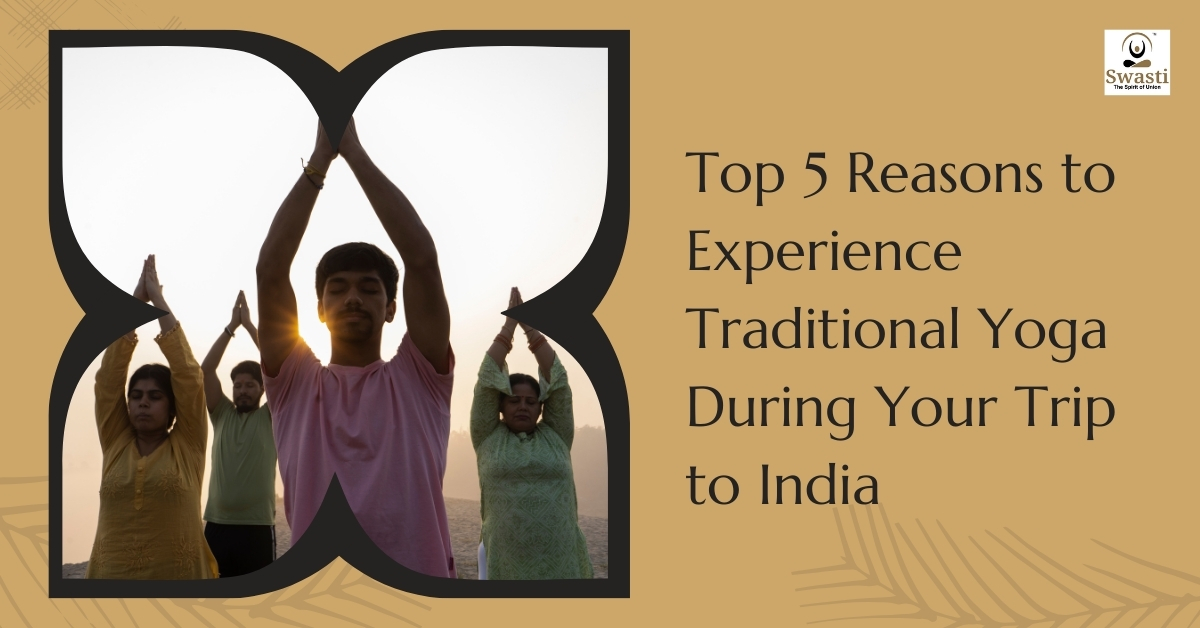
Top 5 Reasons to Experience Traditional Yoga During Your Trip to India

Top 5 Reasons to Experience Traditional Yoga During Your Trip to India

When planning a trip to India, you might think of famous landmarks, bustling markets, and delicious food. But have you ever considered yoga? Practicing traditional yoga in India offers a unique experience that goes beyond sightseeing. Itโ€™s a way to connect with the countryโ€™s spiritual roots and transform your journey. Whether you’re new to yoga or have been practicing for years, here are the top 5 reasons why you should try traditional yoga during your trip to India. 1. Practice Authentic Yoga in Its Place of Origin Yoga originated in India over 5,000 years ago, making it the spiritual home of this ancient practice. When you practice yoga in India, you’re not just doing stretchesโ€”you’re connecting with a practice that has been passed down through generations. Whether you’re practicing on the banks of the Ganges River or in the peaceful foothills of the Himalayas, you’ll feel the energy of the land that has nurtured yoga for centuries. Thereโ€™s a special kind of magic in doing yoga where it all began, surrounded by the rich cultural and spiritual history that makes India so unique. Unlike in other parts of the world, yoga in India is more than just a fitness routine. Itโ€™s a holistic practice that incorporates meditation, breathwork, and a deep understanding of how the body and mind connect. Practicing yoga in its birthplace allows you to experience it in its purest form. Here, the focus isnโ€™t on perfecting postures for Instagram, but on inner growth and spiritual balance. This authenticity makes practicing yoga in India a life-changing experience. 2. Learn from Experienced Yoga Masters (Gurus) In India, yoga is taught by highly experienced teachers, often referred to as gurus, who have spent their lives studying and practicing this ancient tradition. These gurus arenโ€™t just fitness instructors; they are spiritual guides who pass down the wisdom of yoga from one generation to the next. Learning from a traditional Indian guru offers a personalized experience that goes beyond what youโ€™d find in a typical yoga class. The close relationship between teacher and student, known as the guru-shishya relationship, is an important part of the learning process. These gurus not only teach the physical postures of yoga but also share the deeper aspects of the practice, such as philosophy, meditation, and breath control. By learning from these masters, youโ€™ll gain insights into the true purpose of yoga, which is to unite the mind, body, and spirit. This personalized guidance and deep-rooted knowledge make practicing yoga in India a unique and enriching experience, unlike anything youโ€™ll find elsewhere. 3. Achieve Holistic Wellness through Integrated Practices In India, yoga isnโ€™t just about physical fitnessโ€”itโ€™s about achieving holistic wellness. Traditional yoga practices in India are often combined with pranayama (breath control), meditation, and Ayurveda, an ancient Indian system of healing. Together, these practices help you achieve a balance between mind, body, and soul. By practicing yoga in India, youโ€™ll experience how these elements work together to create overall well-being, reducing stress and improving mental clarity while strengthening the body. Incorporating pranayama and meditation into your yoga routine allows you to focus on your breath and calm your mind, enhancing both your physical and emotional health. Ayurveda complements yoga by offering dietary and lifestyle advice that aligns with the principles of balance and harmony. This integrated approach to wellness is something youโ€™ll rarely find in modern yoga studios, and itโ€™s one of the key reasons why practicing yoga in India can lead to a profound transformation. 4. Find Peace in Nature through Immersive Retreats India is home to some of the most serene and beautiful yoga retreats in the world. Whether you want to meditate in the quiet Himalayan mountains, practice yoga on a beach in Goa, or find tranquility in a lush forest, there are countless options for practicing yoga in nature. These yoga retreats are designed to provide a peaceful environment where you can disconnect from your daily life and focus on deepening your practice. Surrounded by nature, youโ€™ll find it easier to quiet your mind and tap into the inner peace that yoga offers. These immersive retreats not only offer stunning natural surroundings but also provide structured schedules that include yoga, meditation, and spiritual learning. The peaceful settings amplify the benefits of yoga, allowing you to rejuvenate both physically and mentally. Whether you choose a simple ashram or a luxury retreat, practicing yoga in Indiaโ€™s natural landscapes adds another layer of calm and healing to your journey, making it an ideal destination for those seeking inner peace and self-reflection. 5. Connect with Indiaโ€™s Spiritual and Cultural Heritage Yoga is deeply rooted in Indiaโ€™s spiritual and cultural traditions. When you practice yoga in India, youโ€™re not only working on your physical healthโ€”youโ€™re engaging with the spiritual side of the practice. Yoga is mentioned in sacred Indian texts like the Vedas, Upanishads, and Bhagavad Gita, and itโ€™s closely connected to the countryโ€™s religious and philosophical systems. Practicing yoga in India allows you to experience this rich cultural heritage firsthand, deepening your understanding of yogaโ€™s spiritual significance. By immersing yourself in traditional yoga, youโ€™ll also gain insight into Indian culture. You may have the opportunity to participate in ancient rituals, visit sacred sites, or witness daily spiritual practices that are an integral part of Indian life. This deeper connection with yogaโ€™s cultural roots can make your practice more meaningful, helping you understand not just the postures but the philosophy behind them. Itโ€™s an experience that goes beyond physical benefits, offering a chance for personal and spiritual growth. Make Your Trip Transformational So, when planning your trip to India, donโ€™t just think about temples and tourist spotsโ€”consider yoga! Whether youโ€™re looking to deepen your practice or try it for the first time, traditional yoga in India offers a unique, life-changing experience. Youโ€™ll leave feeling more connected to yourself, your surroundings, and the world around you. Experience Traditional Yoga with Swasti Yoga Center If you’re ready to dive into the world of traditional yoga during your trip

Read More ยป
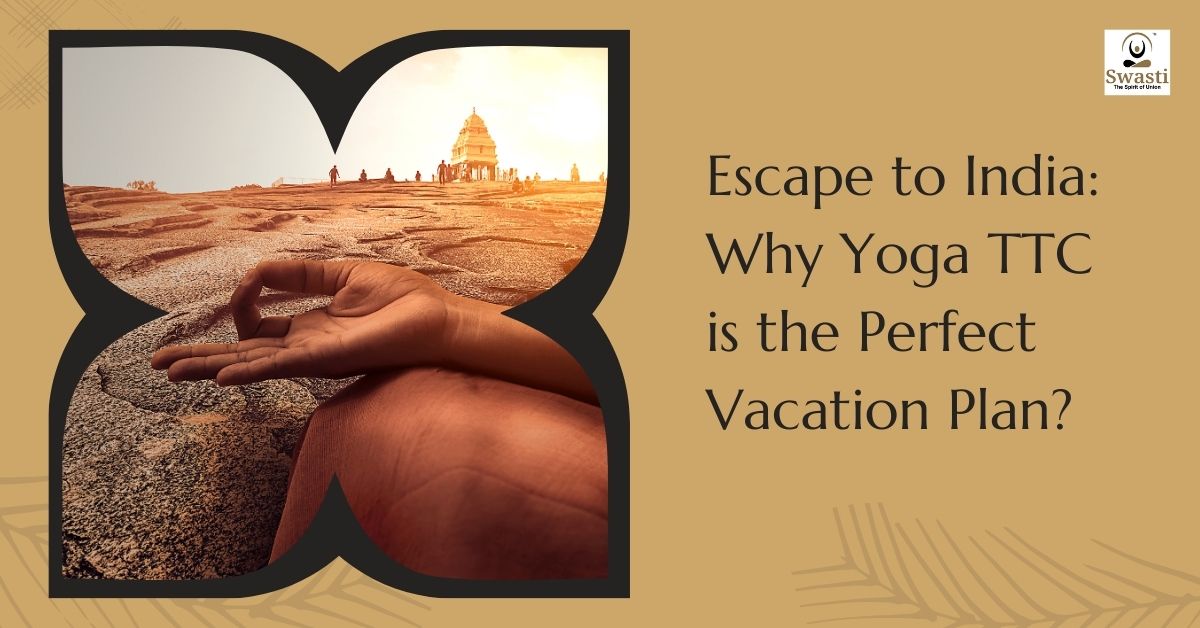
Escape to India Why Yoga TTC is the Perfect Vacation Plan

Escape to India: Why Yoga TTC is the Perfect Vacation Plan?

When planning a vacation, most people envision relaxing on a beach or exploring a new city. But what if your vacation could be something moreโ€”a journey of transformation that enhances both your body and mind? Thatโ€™s exactly what a Yoga Teacher Training Course (TTC) offers. A Yoga TTC combines personal growth, relaxation, and cultural exploration, making it the perfect choice for a meaningful vacation. Hereโ€™s why you should consider a Yoga TTC in India for your next getaway. Why India is the Ultimate Destination for Yoga India is not only the birthplace of yoga but also the ideal setting to deepen your practice and learn the philosophy behind this ancient tradition. The countryโ€™s spiritual ambiance is unmatched, offering an authentic experience that goes beyond the physical aspects of yoga. From traditional ashrams to modern yoga centers, India provides a rich cultural backdrop for your Yoga TTC. One of the unique aspects of practicing yoga in India is the access to revered gurus and teachers who carry the lineage of yoga forward. Being in the country where yoga originated allows students to grasp the essence of this spiritual practice. Whether youโ€™re in the sacred city of Varanasi or the peaceful Himalayas, the energy of India naturally enhances your yoga journey. Indiaโ€™s diverse landscapesโ€”from the tranquil beaches of Goa to the spiritual centers in Rishikesh, Puneโ€”offer a range of environments to suit different preferences. Each destination provides its own unique yoga experience, making it a deeply enriching and personal journey. The Benefits of Choosing a Yoga TTC for Your Vacation Holistic Wellness A Yoga TTC goes beyond the physical practice of asanas (postures). Itโ€™s a holistic experience that nurtures your mental, emotional, and physical well-being. The TTC curriculum is designed to help participants achieve mindfulness through meditation, pranayama (breathing techniques), and philosophy. This all-encompassing approach leads to a better understanding of the self and promotes long-lasting peace and balance. Unlike other vacations that focus solely on relaxation, a Yoga TTC helps you achieve wellness that continues long after your trip is over. It offers tools for mental clarity, stress reduction, and emotional resilienceโ€”benefits that have a profound impact on daily life once you return home. A Break with Purpose Many vacations provide a temporary escape from everyday life, but few offer long-term value. A Yoga TTC allows you to enjoy your time off while gaining a certification that can open up new career opportunities. After completing a TTC, youโ€™ll be equipped to teach yoga anywhere in the world, adding a professional skill to your resume. Whether you plan to teach yoga or simply deepen your personal practice, the course offers tangible results. Rather than just sightseeing, a TTC combines learning, self-discovery, and personal development with relaxation. You leave with something much more valuable than souvenirsโ€”a new set of skills and a certification that allows you to teach and share the practice of yoga with others. Community and Connection Yoga TTCs bring together people from all over the world, creating a supportive and enriching community. The connections you make during a TTC can lead to lifelong friendships. Sharing the journey with like-minded individuals enhances the experience, as you bond over similar interests and challenges. Many TTC participants say that the friendships formed during the course are as transformative as the yoga practice itself. The sense of camaraderie, mutual support, and shared growth fosters a sense of belonging, adding an important social aspect to the experience. Pune: A Serene Hub for Yoga Enthusiasts While India has many destinations perfect for a Yoga TTC, Pune stands out as an ideal location. Pune is known for its spiritual heritage and peaceful environment, making it a sought-after destination for yoga enthusiasts. The city has a rich yoga history, and its blend of tradition and modernity makes it an attractive option for both seasoned practitioners and beginners. Puneโ€™s location is another advantage. Nestled near the Western Ghats, the city offers a tranquil atmosphere, surrounded by nature, perfect for an immersive yoga experience. Whether youโ€™re meditating in a serene yoga hall or practicing asanas outdoors, the calmness of the environment helps deepen your practice. Apart from its natural beauty, Pune also has a vibrant cultural scene, offering the opportunity to explore local traditions, cuisine, and heritage during your stay. This combination of serenity and cultural richness makes Pune an exceptional destination for a TTC. A Structured, Enriching Experience Yoga TTCs are carefully structured to offer a comprehensive learning experience. A typical day begins with morning meditation and asana practice, followed by lessons in yoga philosophy, anatomy, and teaching methodology. Afternoons usually include workshops, practical teaching sessions, and personal study time. This structured schedule ensures a balanced mix of learning, practice, and relaxation. Participants have the opportunity to immerse themselves fully in the training, while also having time for personal reflection and rest. The program is designed to nurture not just the body, but the mind and soul as well. Even with a packed schedule, there is time for relaxation and personal exploration. Many students find that the routine of a TTC offers the perfect balance between discipline and free time, making the experience both enriching and enjoyable. Beyond Yoga: Exploring Indiaโ€™s Culture and Heritage Indiaโ€™s rich cultural heritage is an integral part of the Yoga TTC experience. During your stay, youโ€™ll have the opportunity to explore local temples, participate in festivals, and visit historic sites. These cultural experiences enhance your yoga journey by offering a deeper understanding of Indiaโ€™s traditions and values. From the bustling markets of Delhi to the serene backwaters of Kerala, Indiaโ€™s diversity offers endless opportunities for exploration. Many TTC programs include excursions to nearby cultural or natural landmarks, allowing students to experience the broader spiritual and cultural context of yoga. Whether youโ€™re attending a traditional Indian festival or exploring the natural beauty of Indiaโ€™s landscapes, these experiences will complement your yoga practice, offering both spiritual and personal growth. The Perfect Balance: Relaxation Meets Personal Growth Unlike typical vacations, which may offer only short-term relaxation,

Read More ยป
Why Foreigners are Choosing Yoga TTC in Pune for a Meaningful Vacation

Why Foreigners are Choosing Yoga TTC in Pune for a Meaningful Vacation?

In todayโ€™s fast-paced world, vacations are no longer just about ticking off tourist destinations or lying on a beach. Many travelers, especially from Europe and the United States, are seeking experiences that help them disconnect from the daily grind and reconnect with their inner selves. One trend that has gained significant momentum is combining travel with wellness activities, specifically yoga. A yoga vacation offers the chance not just to relax but to rejuvenate the mind, body, and soul. Among the many destinations offering yoga teacher training courses (TTC), Pune in India has emerged as a preferred choice for foreigners. Known for its spiritual and academic history, Pune offers a harmonious blend of tradition and modernity that draws yoga enthusiasts from across the globe. More than just a tourist destination, Pune invites travelers to embark on a journey of personal transformation through yoga teacher training. Why Pune? A Yoga Capital with Cultural Depth When it comes to yoga, India is the birthplace of this ancient practice. While many Indian cities offer yoga training, Pune stands out as a yoga capital for several reasons. First, it is home to a rich history of spiritual and wellness practices. The city has long been a center for learning and growth. Puneโ€™s atmosphere is calm and conducive to introspection. The city provides the ideal environment for yoga practice, with access to lush green spaces, peaceful surroundings, and a mild climate that allows for year-round practice. For foreigners, the cultural depth that Pune offers goes beyond just yoga. Here, visitors can immerse themselves in the teachings of yoga while experiencing the vibrancy of Indian culture, be it through festivals, temple visits, or spiritual gatherings. The blend of culture and yoga is a big reason why many foreigners feel called to come to Pune for a deeper experience. Additionally, Pune is highly accessible for international travelers, with its well-connected Pune International Airport and developed infrastructure. The city’s welcoming environment and the presence of many international students make it easier for visitors to acclimate to life in India, enhancing their overall experience during their yoga teacher training course. You may like to read:ย What Foreign Students Should Know Before Joining a Yoga TTC in India? The Unique Appeal of Yoga TTC for Foreigners Foreigners have been flocking to India for years to discover the deeper roots of yoga, and Pune is a perfect location for such an exploration. The idea of a yoga vacation, combining physical and mental well-being with travel, appeals to those seeking more than a break from work. Itโ€™s a vacation where they get to work on themselves. Rather than returning from a trip feeling tired or uninspired, yoga TTC attendees leave with a sense of fulfillment and a new skill set they can carry into their everyday lives. The appeal lies in the holistic nature of a yoga TTC. It isnโ€™t just a series of physical exercises; it is an immersive experience in yogic philosophy, meditation, breathing techniques (pranayama), and a deep understanding of oneself. Many foreigners find this a meaningful alternative to typical vacations, which may not provide the same lasting benefits. Moreover, yoga TTC in Pune offers a perfect balance between learning and leisure. Students can spend their mornings in yoga training and afternoons exploring the cultural richness of Pune or enjoying its natural beauty. By the end of the training, students have not only gained certification but also an enriching life experience that resonates deeply on a personal level. What Makes Yoga TTC in Pune Special? Pune offers yoga TTC programs that are rooted in authenticity and tradition, a key attraction for international students. What makes these courses special is the depth of training they provide. With instructors who are not just teachers but lifelong practitioners of yoga, students receive teachings that go beyond mere physical postures (asanas). These instructors bring a wealth of knowledge about yogic philosophy, Ayurveda, and spirituality, ensuring that each participant leaves with a comprehensive understanding of yoga. Yoga TTC in Pune also stands out because the certifications obtained here are globally recognized. Whether one is pursuing a 200-hour course to become a certified yoga teacher or more advanced certifications, Puneโ€™s yoga centers offer a range of courses tailored to international standards. The AYUSH-certified programs, in particular, are highly sought after, providing credibility and recognition in the international yoga community. The curriculum typically covers not just physical postures but also meditation, pranayama, anatomy, and teaching methodology. The goal is to turn students into competent and confident yoga instructors who can share their knowledge with others. This holistic approach makes the training programs in Pune unique and highly respected worldwide. You may like to read: What Makes Pune the Perfect Place for a Certified Yoga TTC?ย  Combining Yoga and Local Experiences One of the most appealing aspects of pursuing yoga TTC in Pune is the opportunity to combine it with rich local experiences. While the primary focus is on learning and self-growth, students are also encouraged to explore Pune and its surroundings. From visiting ancient temples to participating in local festivals like Ganesh Chaturthi and Navratri, students can experience the vibrant traditions of India. These experiences provide a deeper connection to Indian spirituality, which complements the yoga practice. For instance, visiting ancient yoga ashrams, meditating at sacred sites, or simply enjoying nature in Puneโ€™s serene surroundings enhances the overall yoga training experience. Additionally, the chance to explore Indian cuisine, learn about Ayurvedic practices, and enjoy the unique blend of Indian music and art adds to the meaningfulness of the vacation. Yoga TTC in Pune is not just about completing a course; itโ€™s about immersing oneself fully into the culture and traditions that have kept yoga alive for centuries. A Community of Like-Minded Learners Yoga TTC in Pune attracts a diverse group of international students, all united by a shared goal: to deepen their yoga practice. This creates a unique sense of community, where people from different parts of the world come together and form lasting friendships. Being surrounded

Read More ยป
Caring for Desi Cows The Sacred Connection in Bhakti Yoga

Caring for Desi Cows: The Sacred Connection in Bhakti Yoga

In Indian culture, cows are honored as sacred beings that symbolize nurturing, compassion, and abundance. Desi cows, in particular, hold a significant spiritual role, especially in the practice of Bhakti Yoga. This ancient yogic path, which emphasizes devotion and selfless service, finds a deep connection in the act of caring for these animals. This blog explores how the relationship between Desi cows and Bhakti Yoga enhances spiritual growth and promotes harmony with nature. The Spiritual Significance of Desi Cows in Yoga Tradition Cows have been revered in India for centuries, not just for their material contributions, but for their deeper symbolic meanings. In Hinduism, cows are considered sacred and referred to as “Gau Mata” or Mother Cow. They represent life, prosperity, and nurturing, much like a mother caring for her children. In Bhakti Yoga, which is a path of devotion, caring for cows goes beyond physical serviceโ€”it’s an act of worship. Each action taken in caring for them is seen as an expression of love and reverence for the divine. Bhakti Yoga teaches that every living being is connected to the divine, and tending to cows provides practitioners with a tangible way to live out this belief. The Role of Cows in Indian Spirituality and Culture The importance of cows in Indian spirituality is deeply embedded in ancient scriptures like the Vedas, Upanishads, and the Bhagavad Gita. Cows are seen as symbols of Dharma, or righteousness, and have been worshipped in religious rituals for millennia. In many of these rituals, cow products such as milk, ghee, and dung are used for their purifying properties. Perhaps the most famous association of cows with Bhakti Yoga comes from the stories of Lord Krishna. Krishna, as a cowherd in his youth, shared a special bond with the cows of Vrindavan. His love and care for them serve as a model for devotion in Bhakti Yoga. These stories illustrate the belief that serving cows is a path toward spiritual enlightenment, offering an opportunity to practice humility, compassion, and selfless love. Bhakti Yoga: Connecting with the Divine Through Service Bhakti Yoga is one of the key branches of yoga and focuses on the idea of connecting with the divine through love and service. It teaches that devotion to the divine can be expressed through serving others, including animals and nature. This idea of service, or Seva, is central to Bhakti Yoga, where every action is seen as an offering to the divine. Caring for Desi cows is a practice that aligns perfectly with these teachings. The daily tasks of feeding, cleaning, and looking after cows become acts of devotion, providing opportunities for mindfulness and meditation. Each interaction with a cow becomes a sacred moment, where the practitioner offers love and attention, deepening their connection with the divine. Desi Cows and Their Special Connection to Nature Desi cows, native to India, have a deep connection to the land. They are naturally suited to the local climate and play an important role in traditional agriculture. Their dung is used as a natural fertilizer, and their urine serves as an effective natural disinfectant. Unlike the industrialized systems of farming that often harm the environment, Desi cows are part of a sustainable, eco-friendly lifestyle. The connection between Desi cows and nature is a reflection of the broader yogic principle of living in harmony with the environment. Yogic teachings emphasize non-violence (Ahimsa) and the importance of protecting all forms of life. Caring for cows is an embodiment of this principle, as it fosters a sense of responsibility toward the earth and all living beings. In Bhakti Yoga, the relationship with Desi cows extends beyond the material. Cows are seen as representatives of the earthโ€™s abundance and nurturing spirit. By taking care of them, practitioners develop a deeper sense of gratitude and respect for the natural world. Daily Practices: How Caring for Cows Enhances Bhakti Yoga Caring for cows can be seen as a form of active meditation. The daily tasks of feeding, cleaning, and spending time with cows are not just chores but acts of devotion. These simple activities offer moments of mindfulness, allowing the practitioner to remain present and focused. Each task requires patience and dedication, mirroring the principles of Bhakti Yoga, which teach surrender to the divine will. As practitioners care for cows, they naturally cultivate qualities like compassion, humility, and selflessness. These are key aspects of Bhakti Yoga, and cow care provides a practical way to embody these values. Engaging in these daily rituals allows for a deeper connection with the divine. It becomes easier to see the divine in all living beings and recognize the interconnectedness of life. The practice of cow care, therefore, enhances both the outer and inner aspects of Bhakti Yoga, merging physical service with spiritual growth. Cow Protection and Its Ethical Dimensions in Modern Yoga In todayโ€™s world, industrial farming practices often prioritize profit over the well-being of animals. This exploitation stands in contrast to the teachings of Bhakti Yoga and yoga as a whole, which promote non-violence and respect for all living beings. Cow protection, or Goseva, is an important aspect of Bhakti Yoga and addresses these ethical concerns. Goseva encourages the care and protection of cows as a way of practicing Ahimsa, the yogic principle of non-harming. By caring for cows, practitioners take a stand against cruelty and exploitation, reinforcing the idea that yoga is not just about personal development but also about creating a more compassionate and ethical world. For modern yoga practitioners, Goseva is a powerful reminder that yoga extends beyond the mat. It teaches that every aspect of life, including how we treat animals and the environment, is part of the spiritual journey. Swasti Yoga Centerโ€™s Approach to Bhakti Yoga and Cow Care Swasti Yoga Center has long recognized the importance of integrating traditional practices like cow care into its teacher training programs. Students who come to Swasti Yoga Center not only learn the physical aspects of yoga but also immerse themselves in the deeper spiritual

Read More ยป
Celebrate Ganesha with Yoga and Nature Tips for an Eco-Friendly Festival

Celebrate Ganesha with Yoga and Nature: Tips for an Eco-Friendly Festival

Ganesh Chaturthi is one of the most celebrated festivals across India. With its vibrant processions, colorful idols, and joyful gatherings, the festival honors Lord Ganesha, the deity of wisdom and new beginnings. However, as the grandeur of the celebrations has grown, so has its environmental impact. The immersion of non-biodegradable idols in water bodies, excessive plastic use, and waste accumulation have taken a toll on nature. In a world where environmental consciousness is becoming increasingly important, aligning our spiritual practices with sustainable actions is the need of the hour. Just as yoga teaches us to be mindful of our bodies and minds, we can also practice mindfulness toward the planet. This year, let’s embrace Ganesh Chaturthi with an eco-friendly mindset, blending the celebration with the principles of yoga and nature conservation. The Connection Between Yoga and Nature At its core, yoga is about finding balanceโ€”not just within ourselves but also with the world around us. It teaches us the importance of harmony, unity, and respect for nature. Just as we strive for inner peace through yoga, we must also work towards creating peace with the environment. One of the core principles of yoga is ahimsaโ€”non-violence. This principle can guide us in making environmentally responsible choices, reducing the harm we inflict on the planet during our festivities. By adopting eco-friendly practices, we honor not only Lord Ganesha but also the natural world that sustains us. Eco-Friendly Tips for Celebrating Ganesh Chaturthi Opt for Clay or Eco-Friendly Ganesh Idols Traditionally, idols made from plaster of Paris (PoP) are used for immersion, but these materials do not dissolve easily, leading to pollution in water bodies. This year, consider choosing idols made from clay, natural fibers, or even plantable seeds. Clay idols dissolve in water quickly without harming aquatic life, while plantable idols allow you to grow a plant after the immersion, symbolizing growth and new beginnings. In many communities, eco-friendly Ganesha idols are becoming popular, with a focus on materials that return to the earth harmlessly. By opting for these alternatives, you contribute to cleaner rivers and lakes while still honoring the spiritual essence of the festival. Natural Decoration Ideas Decorating the home and puja area is an important aspect of Ganesh Chaturthi. However, plastic and synthetic decorations can contribute to waste. Instead, use natural items such as flowers, leaves, and biodegradable materials for your decorations. Flowers like marigolds and lotuses not only add beauty but are also compostable. You can also upcycle old fabrics, newspapers, and other household materials to create creative, sustainable decorations. For instance, making garlands out of paper or crafting lanterns from discarded glass jars can add a unique and eco-friendly touch to your decor. Organic Rangoli Designs Rangoli, the beautiful art created at the entrance of homes, can also be made more eco-friendly. Instead of synthetic colors, use natural ingredients such as turmeric, rice flour, flower petals, or coffee grounds. These ingredients not only bring out vibrant colors but also decompose naturally without leaving any harmful residues. Eco-Friendly Puja Thali A traditional puja thali often includes items that are wrapped in plastic or made from non-biodegradable materials. You can switch to eco-friendly alternatives by using metal or bamboo thalis and replacing plastic-wrapped offerings with items stored in reusable containers. Additionally, consider using organic, cruelty-free incense sticks and diyas made from recycled materials. These small but significant changes can greatly reduce the amount of waste generated during the festival. Reduce Waste and Go Plastic-Free Say No to Single-Use Plastic A significant part of the environmental damage caused by Ganesh Chaturthi comes from single-use plastics, often in the form of cups, plates, and bags. By opting for reusable alternatives, such as cloth bags, steel utensils, or biodegradable cutlery, you can reduce the amount of plastic waste. Encourage your family and friends to join you in avoiding plastic during the festival and beyond. Composting Offerings During the festival, many households use flowers and leaves as offerings to the deity. These organic materials can be easily composted instead of being thrown away. By setting up a small compost bin at home, you can turn these offerings into rich compost that nourishes your garden, thereby completing the cycle of sustainability. Recyclable Decorations and Sustainable Gift Wrapping When gifting during the festival, consider wrapping presents in recyclable or reusable materials such as newspaper, cloth, or brown paper. Not only does this reduce waste, but it also adds a personal touch to your gifts. You can also opt for sustainable and recyclable decorations like paper lanterns or glass candle holders, which can be reused year after year. Practice Yoga and Meditation During the Festivities While Ganesh Chaturthi is a time of celebration, it can also be overwhelming with all the preparations and gatherings. Incorporating yoga and meditation into your daily routine during the festival can help you maintain a sense of calm and mindfulness. Simple yoga poses like Tadasana (Mountain Pose) or Vrikshasana (Tree Pose) can help ground your energy, while breathwork exercises like Pranayama can enhance your focus and inner peace. Meditation is another powerful tool during festivities. It allows you to connect more deeply with the spiritual essence of Ganesh Chaturthi, fostering gratitude and reflection. Even a few minutes of meditation each day can make a significant difference in how you experience the festival. Encouraging Community Involvement in Green Celebrations Green Community Ganesha Celebrations If you’re celebrating Ganesh Chaturthi with your community, advocate for eco-friendly practices. You can suggest using clay idols for community immersion, organizing collective composting systems, or encouraging participants to bring their own reusable utensils to community meals. Public immersion events can also be designed to reduce pollution, with designated areas for eco-friendly idol immersions in local water bodies. Volunteer for Clean-Up Drives Festivals often leave behind a significant amount of waste, and volunteering for clean-up drives is a great way to give back to the environment. You can organize or join a group that collects and properly disposes of plastic and other waste left behind after the festival.

Read More ยป
From Tourist to Yogi How a Vacation in India Can Transform Your Life

From Tourist to Yogi: How a Vacation in India Can Transform Your Life?

Traveling is a beautiful way to rejuvenate the mind, body, and soul. But what if you could go beyond the typical vacation? Imagine returning home not only refreshed but transformedโ€”healthier, more mindful, and connected to something deeper within yourself. This is the experience many travelers to India find when they embark on a yoga journey. More than just a destination, India is a spiritual homeland where visitors can transition from tourists to yogis through an immersive yoga teacher training course. India, the birthplace of yoga, holds a magnetic allure for those looking for more than just physical relaxation. Yoga, with its deep-rooted spiritual, physical, and mental practices, offers an opportunity to transform your life in ways you may never have imagined. Through yoga teacher training courses (TTC), you can immerse yourself in this ancient practice, not just as a student but as a practitioner with the potential to teach and inspire others. As we explore how a vacation in India can turn into a life-altering journey, you’ll discover why this country remains the ultimate destination for those seeking authentic yoga experiences. Why India is the Perfect Place for Yoga Training? The rich spiritual heritage of India makes it the most authentic place to learn and practice yoga. For centuries, seekers of knowledge and enlightenment have flocked to the mountains, rivers, and ashrams of India to practice yoga in its purest form. In cities like Rishikesh, Pune, and Kerala, youโ€™ll find world-class yoga schools where the philosophy of yoga is not just taught but lived. Yoga is interwoven with the very fabric of Indian culture, and itโ€™s in this environment that your practice will deepen. In places like the Swasti Yoga Center, internationally recognized by AYUSH and YCB certifications, youโ€™ll have the opportunity to study with master teachers who guide you through every aspect of yoga. Whether you’re a beginner or an experienced practitioner, India offers an unmatched environment to learn the philosophical, spiritual, and physical aspects of this ancient tradition. How Yoga Can Transform Your Life? The practice of yoga can be life-changing, as it affects not only the body but also the mind and spirit. Hereโ€™s how yoga transforms lives on multiple levels. Physically, yoga builds strength, flexibility, and balance. Throughout a yoga teacher training program, students often notice significant physical improvements. Regular practice of asanas (yoga postures) tones the muscles, improves posture, and enhances overall well-being. Whether youโ€™re new to yoga or have been practicing for years, the daily routines you follow during your training can leave you feeling physically empowered and revitalized. Mentally and emotionally, yoga has the power to center your mind, helping you to focus and healthily deal with stress. Through meditation and pranayama (breath control techniques), youโ€™ll learn to manage anxiety and enhance mental clarity. Many visitors who enroll in yoga courses are surprised by how much calmer and more focused they become after just a few weeks of consistent practice. By quieting the mind and connecting with the present moment, you develop emotional resilience that carries over into daily life long after your training ends. On a deeper level, yoga offers the potential for spiritual awakening. Practicing in a country like India, where spirituality is woven into the culture, can be profoundly moving. The spiritual energy of India, combined with the guidance of experienced teachers, helps many people reconnect with their inner selves and find deeper meaning in their lives. This is why many tourists find themselves transitioning into a yogic lifestyle, where they are no longer just visitors in a foreign country but participants in a global tradition that dates back thousands of years. Combining Yoga with Travel: A Unique Vacation Experience One of the greatest things about a yoga-centered vacation in India is the way it seamlessly blends travel and self-improvement. India is a country of immense diversity, both culturally and geographically, which means you can explore and experience much more than just yoga. From the snow-capped mountains of the Himalayas to the serene beaches of Kerala, every region of India has something unique to offer. Choosing the Right Yoga Teacher Training Course in India Not all yoga teacher training programs are the same, so choosing the right one is critical to making the most of your time in India. A certified program like those offered at Swasti Yoga Center ensures that you receive a comprehensive education, from mastering physical postures to learning the deeper philosophical and spiritual aspects of yoga. Certifications from AYUSH and YCB guarantee that the training you receive will be recognized internationally, opening doors for you to teach yoga around the world. For beginners, courses such as the Yoga Protocol Instructor provide a solid foundation in basic asanas and pranayama. For more advanced practitioners, programs like the Yoga Master TTC delve into advanced techniques and teacher training methodologies. With a variety of programs tailored to different skill levels, yoga TTCs in India offer something for everyone, whether you’re simply looking to deepen your practice or start a career as a yoga teacher. What to Expect During Your Yoga Vacation? A yoga vacation in India is far more structured and immersive than a typical getaway. Most yoga teacher training courses follow a set routine designed to help you stay focused, disciplined, and fully engaged in the learning process. Typically, the day starts early with a morning yoga session, followed by meditation and pranayama practices. The afternoons are often filled with lectures on yoga philosophy, anatomy, and the science behind the poses. In the evenings, you return to asanas and group discussions to integrate what youโ€™ve learned. Final Thoughts: Why Yoga in India is Life-Changing A yoga vacation in India is unlike any other holiday. Itโ€™s a journey of self-discovery, growth, and transformation that goes far beyond sightseeing. The skills and insights you gain during your yoga teacher training will not only improve your physical and mental health but will also equip you with the tools to lead a more mindful and fulfilling life. Whether you leave as

Read More ยป
Why Your Next Vacation Should Be a Yoga Teacher Training Course in India

Why Your Next Vacation Should Be a Yoga Teacher Training Course in India?

When you think of taking a vacation, the typical ideas that come to mind might be lounging on a beach, exploring a city, or embarking on an adventurous hike. But what if your next vacation could be transformative, not just for your body, but for your mind and soul as well? This is where a Yoga Teacher Training Course (TTC) in India offers a unique and meaningful way to spend your time off. Combining travel with a holistic experience that helps you grow personally and professionally, a yoga TTC in India can make your vacation one youโ€™ll never forget. Why India for Yoga Teacher Training? The Birthplace of Yoga: India is not only the birthplace of yoga but also a place deeply rooted in its teachings and philosophies. Yoga originated thousands of years ago in the Indian subcontinent, and it has since been passed down through generations. Training in the land where yoga was born allows you to experience the practice in its most authentic form. From the Himalayan ranges to the southern coasts, India is filled with ashrams, retreats, and schools dedicated to the ancient art of yoga. Authentic Learning Experience: Thereโ€™s a distinct difference between learning yoga in a fitness studio and immersing yourself in its true spiritual depth in India. Yoga training in India goes beyond the physical asanas (poses); it encompasses a holistic understanding of yogic philosophies, breathing techniques (pranayama), meditation, and Ayurveda. The experience of learning yoga in India connects you to the deeper purpose of yoga: to unite the mind, body, and spirit. Spiritual Connection: Indiaโ€™s cultural and spiritual heritage provides an unmatched backdrop for your training. Being surrounded by ancient temples, holy rivers, and sacred sites creates a profound atmosphere for yoga practice. Many training centers offer meditation retreats and spiritual immersions, giving you the chance to experience yoga as a spiritual journey rather than just a physical practice. A Holistic Vacation Experience Wellness for the Body and Mind: One of the major benefits of a yoga TTC is the focus on holistic well-being. This isnโ€™t just a course where youโ€™re taught physical poses. The training is designed to nurture your overall health, promoting mental clarity, physical strength, emotional balance, and spiritual growth. By integrating these elements, yoga teacher training becomes a path to long-term wellness and happiness. Cultural Immersion: Choosing India as the destination for your yoga training means you also get to immerse yourself in one of the worldโ€™s oldest and most diverse cultures. The country is a mosaic of different languages, cuisines, traditions, and festivals. From tasting local food to witnessing festivals like Holi and Diwali, youโ€™ll return with a richer cultural experience. Adventure and Exploration: While yoga will be the main focus of your vacation, it doesnโ€™t mean there wonโ€™t be time for adventure. India offers a variety of landscapes to explore, whether itโ€™s the serene beaches of Goa, the spiritual city of Rishikesh, the backwaters of Kerala, or the vibrant life in Pune. Many yoga teacher training programs are designed with flexibility so you can take time off to explore these incredible places. Benefits of a Yoga Teacher Training Course Personal Growth and Transformation: A yoga teacher training course is more than just learning to teach yoga. Itโ€™s an opportunity for personal transformation. Through rigorous practice, deep introspection, and guided learning, many participants experience a positive shift in their overall outlook on life. Whether youโ€™re looking to deepen your personal practice or start a new career, the benefits are multifaceted. You return not just as a certified yoga teacher but as someone who has evolved mentally, physically, and emotionally. Career Opportunities: Yoga is a growing industry, and becoming a certified teacher opens up global opportunities. Many yoga centers in India offer certifications that are recognized worldwide, such as the AYUSH certification courses, which are highly respected. Completing your TTC in India gives you credibility and sets you apart as an expert trained in the land where yoga originated. Long-Lasting Impact: The skills and knowledge you gain during your yoga teacher training will stay with you for life. Beyond just physical poses, you will learn about anatomy, teaching techniques, and the philosophy of yoga. These skills equip you to lead yoga classes with confidence and authority. The relationships and connections you form with fellow trainees and instructors often last a lifetime, creating a supportive community even after your course ends. Combining Travel with Transformation Balance of Leisure and Learning: One of the best parts of choosing a yoga TTC in India is the balance between learning and leisure. Many training programs allow for rest days or time to explore the local area. Whether you want to take a weekend trip to nearby tourist spots or simply relax in nature, the structure of a yoga teacher training course ensures that you can blend education with relaxation. A Path to Inner Peace: Unlike a typical vacation that may leave you feeling drained, a yoga teacher training course in India focuses on restoring your energy and aligning you with your inner self. By the time you complete the course, youโ€™ll feel a renewed sense of purpose, peace, and calm that lasts well beyond your vacation. How to Get Started? Choose the Right Program: The first step in planning your yoga TTC vacation is selecting the right program that fits your needs and goals. Swasti Yoga Center offers a range of courses, including the Yoga Protocol Instructor, Yoga Wellness Instructor, Yoga Teacher & Evaluator, and the advanced Yoga Master TTC. Whether youโ€™re a beginner looking to start your yoga journey or a seasoned practitioner aiming to deepen your knowledge, Swasti Yoga Center has a course for you. Simple Admission Process: Once youโ€™ve chosen your program, applying is simple. Swasti Yoga Centerโ€™s admission process is streamlined to help international students easily join. You can find all the necessary details and requirements on our Admissions Page, ensuring a hassle-free process to begin your transformative yoga journey. Why Choose Swasti Yoga Center? Government Certification (AYUSH):

Read More ยป

Add Yoga To Retain The Beauty Of Body And Mind

Vitae aliquam porta sed augue consectetuer. Parturient posuere sed habitasse quisque malesuada platea. Dis suspendisse integer ut facilisis maximus mus.