๐Ÿ‡ฎ๐Ÿ‡ณ India | ๐Ÿ‡บ๐Ÿ‡ธ USA | ๐Ÿ‡ซ๐Ÿ‡ท France | ๐Ÿ‡ฒ๐Ÿ‡ฝ Mexico | ๐Ÿ‡ฆ๐Ÿ‡ช UAE

๐Ÿ‡ฎ๐Ÿ‡ณ India | ๐Ÿ‡บ๐Ÿ‡ธ USA | ๐Ÿ‡ซ๐Ÿ‡ท France | ๐Ÿ‡ฒ๐Ÿ‡ฝ Mexico | ๐Ÿ‡ฆ๐Ÿ‡ช UAE

Blog

News & Articles

Ganesh Chaturthi in Pune Embrace Tradition and Yoga Training

Ganesh Chaturthi in Pune: Embrace Tradition and Yoga Training

Ganesh Chaturthi, a celebration of Lord Ganesha, is one of Indiaโ€™s most widely observed festivals. The festive spirit of this event reaches its peak in Pune, where tradition meets cultural exuberance. However, amidst the joy and spiritual fervor, there lies an incredible opportunity to blend this festive experience with the holistic practice of yoga. At Swasti Yoga Center, we encourage our students to embrace the profound union of yoga and tradition, particularly during such significant cultural events. Letโ€™s explore how Ganesh Chaturthi in Pune offers a transformative opportunity to connect with Indiaโ€™s cultural richness while deepening your yoga practice. Why Pune is the Perfect Place to Experience Ganesh Chaturthi? Pune is renowned as a cultural hub where Ganesh Chaturthi is celebrated with grandeur. The festival, introduced by freedom fighter Lokmanya Tilak, was originally aimed at bringing communities together to promote unity. Today, it has evolved into a cultural spectacle, with grand processions, large idols, and elaborate celebrations that can last for ten days. Famous locations in Pune, such as the Dagdusheth Halwai Ganpati Temple, draw massive crowds during Ganesh Chaturthi, offering a chance to witness the energy and devotion that define the city during this time. Puneโ€™s cultural depth and reverence for tradition make it the perfect backdrop for spiritual reflection and celebration. The cityโ€™s rich history and serene atmosphere provide a balanced environment, making it an ideal destination to experience the festival while also practicing yoga. Integrating Yoga with Indian Festivals Indian festivals are not just about celebration; they are deeply rooted in spirituality. Similarly, yoga is not just a physical practice but a way of life that enhances spiritual awareness. By integrating yoga into festivals like Ganesh Chaturthi, one can experience a deeper connection with both the festival and oneself. Yoga complements Indian traditions by enhancing mindfulness, balance, and self-awareness. The teachings of Lord Ganesha, particularly around removing obstacles and embracing wisdom, align seamlessly with the philosophies taught in yoga. By practicing yoga during Ganesh Chaturthi, you can connect more meaningfully to the values the festival upholds, such as self-discipline, compassion, and inner strength. It allows practitioners to honor Lord Ganesha not only through rituals but also through personal growth and spiritual discipline. Yoga Teacher Training During Festivities: A Unique Experience Embarking on a Yoga Teacher Training Course (TTC) during Ganesh Chaturthi can offer a unique learning experience. At Swasti Yoga Center, students have the opportunity to immerse themselves in the celebration while continuing their teacher training. Why choose this combination? Cultural immersion: Participating in local traditions while undergoing training can offer a richer, more holistic learning experience. You donโ€™t just learn yoga, but you also get an in-depth understanding of Indian spirituality. Spiritual synergy: Ganesh Chaturthiโ€™s spiritual significance can amplify your yoga practice, allowing for a deeper connection to the teachings of yoga. Experiential learning: Observing and participating in the rituals, meditations, and celebrations of Ganesh Chaturthi provides a firsthand experience of Indian culture, which can significantly enhance your understanding of the philosophy behind yoga. Benefits of Yoga and Meditation During the Festival Festivals are often a time of joy, excitement, and socializing. However, they can also become overwhelming due to the sheer energy and activity surrounding them. Integrating yoga and meditation during Ganesh Chaturthi helps manage this energy and allows you to stay centered amid the celebration. Benefits include: Stress reduction: Yoga and meditation help calm the nervous system, enabling you to enjoy the festival without feeling mentally exhausted. Heightened awareness: Meditation during the festival can help you focus on the spiritual significance of Ganesh Chaturthi, bringing you closer to the true essence of the celebration. Physical vitality: With the celebrations often requiring extended periods of physical activity, yoga ensures your body stays flexible and energized. Yoga and meditation during Ganesh Chaturthi allow you to enjoy the festival with more mindfulness and peace. Plan Your Stay: Yoga, Tradition, and Culture When you choose to join Swasti Yoga Center for your Yoga Teacher Training Course during Ganesh Chaturthi, you are not just learning yoga; you are also experiencing a deep cultural immersion. Puneโ€™s festive atmosphere, combined with the serene surroundings of our center, offers a unique learning environment. Accommodation and facilities: Swasti Yoga Center offers comfortable accommodations that provide a peaceful environment conducive to both learning and relaxation. We offer amenities such as: Hostels and private rooms Healthy and nutritious meals 24/7 health and hygiene support Womenโ€™s safety and support services Whether you are a local or international student, youโ€™ll find that the facilities we offer create the ideal setting for a fulfilling experience during the Ganesh Chaturthi festivities. Celebrating Ganesh Chaturthi at Swasti Yoga Center At Swasti Yoga Center, we celebrate Ganesh Chaturthi with great reverence. The festival isnโ€™t just a cultural event; itโ€™s an integral part of the spiritual journey for our students. During the celebration: We host rituals and pujas to honor Lord Ganesha, teaching students the importance of devotion in yoga. We incorporate meditation and mindfulness sessions to help students align their practice with the festivalโ€™s spiritual undertones. Special yoga sessions focus on gratitude, self-discipline, and clearing obstacles from the mind and bodyโ€”principles embodied by Lord Ganesha. This experience goes beyond regular yoga classes. It allows students to participate in one of Indiaโ€™s most sacred traditions while continuing their journey toward becoming certified yoga teachers. Conclusion: Embrace the Fusion of Tradition and Yoga Ganesh Chaturthi in Pune offers a beautiful blend of tradition, culture, and spirituality. By participating in this festival at Swasti Yoga Center, you can embark on a journey that transcends just the physical practice of yoga. Youโ€™ll be able to delve into Indian culture, experience spiritual growth, and deepen your yoga practice in ways that are both unique and profound. This fusion of tradition and yoga training will not only enhance your understanding of the true essence of yoga but also provide a rich, transformative experience. So, why not plan your next yoga journey during Ganesh Chaturthi? Immerse yourself in tradition, deepen your practice, and let Puneโ€™s festive spirit

Read More ยป
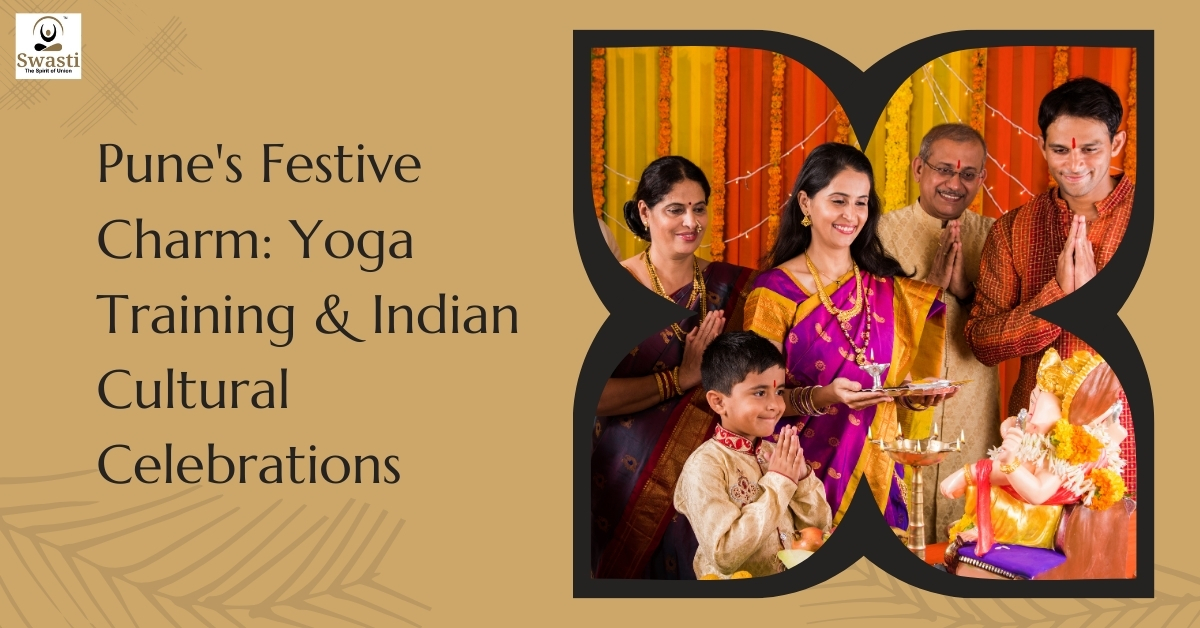
Pune's Festive Charm Yoga Training & Indian Cultural Celebrations

Pune’s Festive Charm: Integrating Yoga Training with Indian Cultural Celebrations

Pune, often referred to as the cultural capital of Maharashtra, is a city that embodies the rich tapestry of Indiaโ€™s traditions and spirituality. Known for its vibrant festivals, historical landmarks, and a deep-rooted connection to the arts, Pune offers a unique setting for those looking to immerse themselves in both yoga and cultural experiences. The city is not just a hub for modern education but also a center for spiritual learning, making it an ideal destination for yoga enthusiasts. Integrating yoga training with the cityโ€™s cultural celebrations offers a holistic approach that enhances both physical and mental well-being, allowing visitors to experience the true essence of Indian spirituality. Why is Pune the Ideal Destination for Yoga and Culture? Puneโ€™s rich cultural heritage and its status as a leading educational and spiritual center make it the perfect place for those looking to blend yoga with cultural exploration. Historically, Pune has been a bastion of Marathi culture and is renowned for its contributions to music, theater, and spirituality. The city is home to various spiritual ashrams and yoga centers that attract seekers from around the world, making it a melting pot of ideas, traditions, and practices. The cityโ€™s festivals are celebrated with unmatched fervor and enthusiasm, providing an authentic experience of Indiaโ€™s cultural diversity. Whether itโ€™s the grand processions of Ganesh Chaturthi, the vibrant colors of Holi, or the spiritually charged nights of Navratri, Pune offers a festival calendar that is as diverse as it is rich. For yoga practitioners, this cultural vibrancy provides the perfect backdrop to enhance their spiritual journey, offering opportunities to participate in rituals, witness traditional performances, and engage with the local community. Key Festivals in Pune and Their Yoga Integration Pune’s vibrant cultural scene is marked by a series of festivals that are celebrated with great enthusiasm and devotion. Each festival provides a unique opportunity to integrate yoga practices, enhancing the spiritual and communal aspects of these events. Ganesh Chaturthi Ganesh Chaturthi is one of Pune’s most beloved festivals, dedicated to Lord Ganesha, the remover of obstacles. The city comes alive with elaborate decorations, processions, and community gatherings. During this festival, yoga workshops are often organized to help participants cultivate mindfulness and gratitude, aligning with the festival’s themes of new beginnings and spiritual growth. These sessions focus on pranayama and meditation, fostering a sense of inner peace amidst the celebrations. Diwali Diwali, the festival of lights, symbolizes the victory of light over darkness and good over evil. It is a time for family gatherings, feasting, and reflection. Yoga and meditation sessions during Diwali focus on inner peace and self-reflection, encouraging participants to embrace the light within and cultivate a sense of gratitude and joy. Practices such as candle meditation and gentle yoga flows are popular during this time, helping individuals to center themselves and find tranquility. Gudi Padwa Gudi Padwa marks the and is a celebration of renewal and new beginnings. The festival is characterized by traditional rituals, music, and dance. Yoga practices during Gudi Padwa emphasize renewal and transformation, offering participants an opportunity to set intentions and embrace new possibilities. Sun salutations and intention-setting meditations are commonly practiced, symbolizing the start of a new cycle. Navratri Navratri is a nine-night festival dedicated to the worship of the goddess Durga. It is a time of fasting, prayer, and dancing. Yoga practices during Navratri often focus on detoxification and rejuvenation, aligning with the festival’s themes of purification and spiritual empowerment. Detox yoga sequences and chakra meditations are popular, helping participants to cleanse their bodies and minds. Holi Holi, the festival of colors, celebrates the arrival of spring and the triumph of good over evil. It is a joyous occasion marked by vibrant colors and playful festivities. Yoga sessions during Holi often incorporate laughter yoga and playful asanas, encouraging participants to embrace joy and spontaneity. These practices help to release stress and foster a sense of community and connection. Makar Sankranti Makar Sankranti is a harvest festival that marks the transition of the sun into the zodiac sign of Capricorn. It is celebrated with kite flying, feasting, and community gatherings. Yoga practices during Makar Sankranti often focus on grounding and balance, aligning with the festival’s themes of stability and renewal. Grounding yoga sequences and balancing poses are commonly practiced, helping individuals connect with the earth and find equilibrium. Benefits of Combining Yoga Training with Cultural Festivities Integrating yoga with cultural festivities in Pune offers a unique opportunity to experience the spiritual and communal aspects of Indian culture. This combination not only enriches the physical and mental benefits of yoga but also deepens oneโ€™s understanding of Indiaโ€™s traditions. By participating in festivals while practicing yoga, you can cultivate a heightened sense of mindfulness, allowing you to connect more profoundly with the cultural essence of each celebration. Additionally, this blend of practices can enhance your spiritual journey by creating a holistic experience that engages all the senses. The vibrant colors, sounds, and rituals of the festivals, when experienced alongside the introspective practices of yoga, create a balanced and harmonious experience. This not only promotes physical well-being but also fosters a sense of inner peace and spiritual connection, making your stay in Pune both transformative and memorable. How to Plan Your Yoga Training Around Pune’s Cultural Calendar? Timing your visit to Pune to coincide with its major festivals can significantly enhance your yoga experience. The best times to visit are during the monsoon and winter months when the weather is pleasant and several key festivals take place. Ganesh Chaturthi is celebrated in August or September, and Diwali, usually falling in October or November, is particularly popular among visitors seeking a blend of yoga and cultural exploration. When planning your trip, consider integrating yoga sessions that correspond with the themes of the festivals. For example, during Diwali, focus on practices that promote inner light and clarity, while during Navratri, emphasize energy alignment and purification. Additionally, Pune offers a variety of yoga centers and ashrams that provide festival-centric programs, allowing you to tailor

Read More ยป
Explore Indiaโ€™s Traditional Yoga Roots with AYUSH Certified TTC in Pune

Explore Indiaโ€™s Traditional Yoga Roots with an AYUSH Certified Teacher Training Course in Pune

Yoga, an ancient practice rooted in Indian culture, has gained global recognition for its profound impact on physical, mental, and spiritual well-being. The city of Pune, with its rich cultural heritage and serene environment, serves as an ideal location for those seeking to delve into the traditional roots of yoga. Opting for an AYUSH-certified teacher training course in Pune not only ensures a comprehensive understanding of yoga but also provides a government-recognized certification that enhances credibility and career prospects in the field. The AYUSH certification is a testament to the quality and authenticity of the training, aligning with the Ministry of AYUSH’s mission to promote traditional Indian systems of medicine and wellness. Understanding AYUSH Certification The AYUSH certification is a mark of excellence and authenticity in the realm of traditional Indian wellness practices. It is governed by the Ministry of AYUSH, which stands for Ayurveda, Yoga & Naturopathy, Unani, Siddha, and Homeopathy. This certification ensures that the yoga training provided is up to the highest standards of traditional practice, integrating both ancient wisdom and modern scientific approaches. By choosing an AYUSH-certified course, students gain access to a curriculum that covers a wide range of yoga disciplines, including Hatha Yoga, Ashtanga Yoga, and more, all taught by experienced instructors. This certification not only enhances the credibility of the yoga teacher but also opens up opportunities to teach internationally, as it is recognized by various global yoga alliances. The Importance of Traditional Yoga Roots Historical Significance Yoga’s history in India spans thousands of years, with its origins tracing back to the Indus Saraswati Valley civilization. It is a spiritual discipline that harmonizes the mind and body, aiming for self-realization and liberation. Traditional yoga practices encompass a variety of methods, including asanas (postures), pranayama (breathing techniques), and meditation, all designed to achieve a state of balance and inner peace. Philosophical Foundations The philosophical underpinnings of yoga are deeply rooted in ancient Indian texts such as the Vedas, Upanishads, and the Yoga Sutras of Patanjali. These texts provide insights into the nature of existence, consciousness, and the path to enlightenment. Understanding these philosophical foundations is crucial for anyone looking to teach yoga authentically. Yoga Teacher Training in Pune Overview of Training Programs Pune is home to several esteemed yoga institutions that offer AYUSH-certified teacher training courses. These programs are designed to provide a comprehensive education in yoga, covering everything from foundational practices to advanced techniques. The curriculum typically includes detailed instruction in asanas, pranayama, meditation, and yoga philosophy, along with anatomy and physiology, to ensure a well-rounded understanding of the practice. Key Features of Training Programs Many programs also incorporate elements of Ayurveda, providing insights into holistic health and wellness. With state-of-the-art facilities and experienced instructors, Pune’s yoga schools offer an enriching environment for aspiring yoga teachers to develop their skills and knowledge. Choosing the Right Yoga School in Pune Criteria for Selection When selecting a yoga school in Pune, it’s important to consider factors such as accreditation, affiliations, and the qualifications of the instructors. Reviews and testimonials from past students can provide valuable insights into the quality of the training. Additionally, the location and environment of the school can significantly impact your learning experience. Top Recommended Schools Highlighting notable institutions, such as the Swasti Yoga Center, can help prospective students make informed decisions. These schools are known for their rigorous training. programs and commitment to preserving the traditional roots of yoga while adapting to modern needs. Benefits of Yoga Training in Pune 1. Cultural and Spiritual Environment Pune offers a unique cultural and spiritual environment that enhances the learning experience. The city is known for its vibrant arts scene, historical sites, and spiritual centers, providing ample opportunities for personal growth and exploration. 2. Community and Networking Opportunities Training in Pune allows you to connect with a diverse community of yoga practitioners and teachers from around the world. This network can be invaluable for sharing knowledge, experiences, and opportunities in the field of yoga. 3. Flexible Learning Options Many yoga schools in Pune offer flexible learning options, including intensive courses, part-time programs, and online modules. This flexibility allows students to tailor their training to fit their individual needs and schedules. Practical Information Enrollment Process The enrollment process for AYUSH-certified courses typically involves submitting an application, attending an interview, and meeting any prerequisites set by the institute. It’s important to research each program’s requirements and deadlines to ensure a smooth application process. Course Duration and Fees Course durations can vary, with options ranging from 200-hour introductory courses to 500-hour advanced programs. Fees also vary depending on the length and intensity of the course, as well as the facilities and resources provided. Accommodations and Facilities Many schools offer on-campus accommodation and facilities, including yoga studios, libraries, and dining options. These amenities can enhance your training experience by providing a supportive and immersive environment. Experience Pune: Beyond the Yoga Mat While your primary focus may be on yoga, Pune offers much more to enrich your stay. The city is steeped in history, with sites like the Aga Khan Palace and Shaniwar Wada providing a glimpse into its rich past. For those interested in exploring Indian spirituality further, visiting temples such as the Dagdusheth Halwai Ganapati Temple is a must. Puneโ€™s vibrant cultural scene, which includes music, dance, and the arts, also offers plenty of opportunities to immerse yourself in local traditions. Additionally, the city is known for its wellness retreats and organic cafes, which complement the healthy lifestyle promoted through yoga. These experiences add to the holistic journey, making your stay in Pune both enriching and rejuvenating. Conclusion Embarking on a journey to explore Indiaโ€™s traditional yoga roots through an AYUSH-certified Teacher Training Course (TTC) in Pune is more than just an educational endeavor; itโ€™s an opportunity to immerse yourself in the rich, authentic practices of yoga that have been preserved for centuries. Pune, with its vibrant yoga community and serene environment, offers the perfect setting for this transformative experience. Here, you can deepen your practice,

Read More ยป
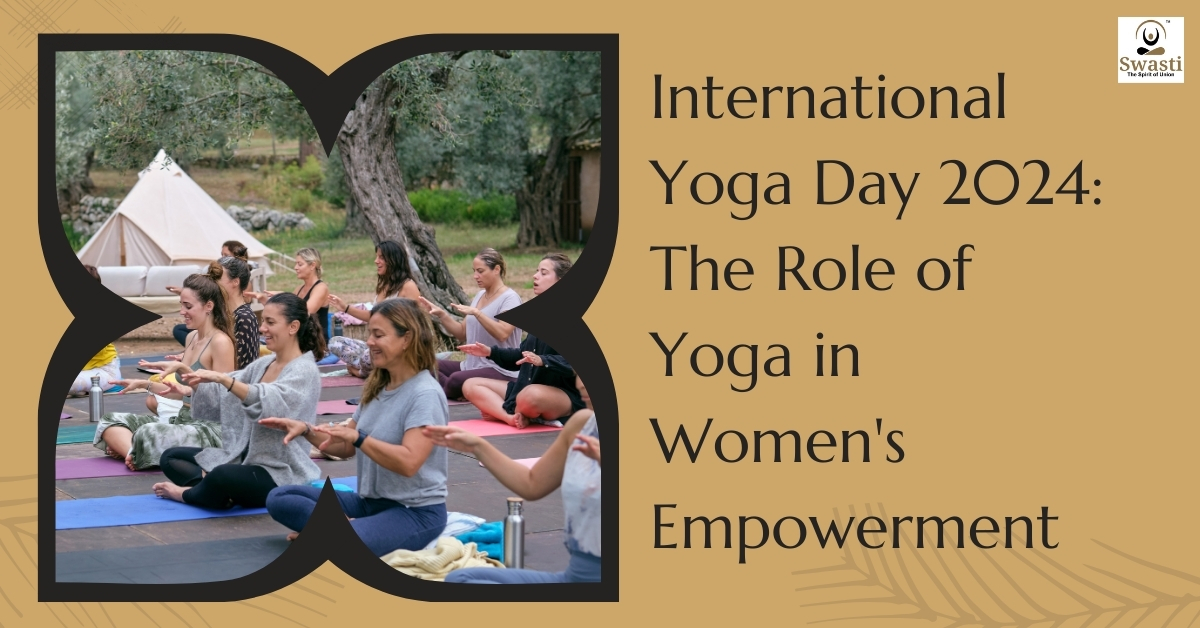
International Yoga Day 2024 The Role of Yoga in Women's Empowerment

International Yoga Day 2024: The Role of Yoga in Women’s Empowerment

Every year on June 21st, people around the globe come together to celebrate International Yoga Day. This day, which coincides with the summer solstice, is dedicated to raising awareness about the numerous benefits of practicing yoga. The theme for International Yoga Day 2024 is “Yoga for Women Empowerment.” This theme highlights the significant role yoga can play in promoting women’s well-being and advancing global health and peace. The Importance of Yoga in Women’s Lives Yoga is an ancient practice that originated in India and encompasses physical, mental, and spiritual elements. The term “yoga” comes from Sanskrit and signifies the union of body and consciousness, symbolizing their harmonious connection. In today’s fast-paced world, yoga offers a holistic approach to health and well-being, making it particularly beneficial for women who often juggle multiple roles and responsibilities. How Yoga Empowers Women 1. Self-Realization Yoga is not just about physical fitness; it also lays the foundation for self-love and self-realization. By focusing inward, women can discover their inner capabilities and define their core values. This self-awareness helps them let go of societal pressures and accept themselves as they are, fostering a sense of empowerment. 2. Building Self-Confidence Practicing yoga regularly can significantly boost self-confidence. Women who practice yoga become more aware of their inner talents, skills, and strengths. This newfound confidence enables them to make their own choices and trust those decisions, empowering them to take control of their lives. 3. Personal Growth Yoga encourages a regular practice, which helps women feel more grounded and stable. This consistency allows them to identify areas for growth, both physically and emotionally. As they work on these aspects, they become more empowered and capable of handling life’s challenges. 4. Enhancing Physical Strength Yoga is known for its ability to increase physical strength, flexibility, and balance. Women who practice yoga regularly can achieve poses that once seemed impossible, which can be an incredibly empowering experience. This physical strength translates into mental resilience, helping them face daily challenges with confidence. 5. Mind-Body Connection One of the greatest benefits of yoga is the development of a strong mind-body connection. Understanding how thoughts and emotions impact the body can be a powerful tool for managing stress and improving overall well-being. This awareness empowers women to take control of their mental and physical health. Yoga for Women’s Health Hormonal Balance Women experience various hormonal fluctuations throughout their lives, from puberty to menopause. Yoga can help balance these hormones, making symptoms related to menstruation, pregnancy, and menopause more manageable. For example, certain yoga poses can reduce menstrual pain and improve circulation to the abdominal muscles. Mental Health Benefits Yoga is a practice of inner reflection paired with movement, which can reduce symptoms of anxiety and depression. The meditative aspects of yoga help calm the mind and provide a sense of peace, making it an excellent tool for managing mental health. Supporting Pregnancy and Postpartum Recovery Yoga can be beneficial during pregnancy by helping women relax and build the strength needed for labor. Postpartum, yoga can aid in recovery by strengthening core muscles and reducing emotional stress. It helps new mothers reconnect with their bodies and find their new identity as parents. Yoga as a Tool for Social Change Empowered women play vital roles as leaders, educators, and advocates for change. By promoting inclusivity, diversity, and empowerment, yoga can help foster a more equitable society. Women who practice yoga are often more resilient and better equipped to handle the challenges they face, making them powerful agents of change in their communities. ย  Conclusion- International Yoga Day 2024, with its theme “Yoga for Women Empowerment,” underscores the transformative power of yoga in women’s lives. From enhancing physical strength and mental health to fostering self-realization and personal growth, yoga offers a comprehensive approach to empowerment. As we celebrate this day, let’s recognize the vital role yoga plays in promoting women’s well-being and advancing global health and peace. For those interested in advancing their practice and obtaining certification, exploring AYUSH certification yoga TTC courses can be a valuable step. These courses offer comprehensive knowledge and skills, supporting your journey in yoga and empowerment. By embracing yoga, women can unlock their inner strength and potential, leading to a more balanced, healthy, and empowered life.

Read More ยป
The Rise of Conscious Travel Green Tourism Trends Explained

The Rise of Conscious Travel: Green Tourism Trends Explained

In an era where environmental awareness is more crucial than ever, the concept of conscious travel is gaining significant traction. This form of tourism not only highlights the need for sustainable travel practices but also aligns with the growing desire of travelers to positively impact the destinations they visit. This blog post aims to delve into the latest trends in green tourism and explore how these practices are reshaping the travel industry. Understanding Conscious Travel Conscious travel refers to a thoughtful way of exploring the world, emphasizing minimal environmental impact and positive contributions to local communities. This shift in mindset is crucial in addressing tourism-related environmental issues. As the global community becomes more environmentally conscious, travelers are increasingly adopting practices that ensure their holiday choices do not harm the planet. Key Trends in Green Tourism 1. Sustainable Accommodations One of the notable trends in green tourism is the rise of eco-friendly hotels and resorts. These establishments are designed to have a minimal environmental footprint, often using renewable energy sources, recycling programs, and locally sourced materials. Certifications like LEED or the Green Key Global Eco-Rating Program play a vital role in verifying the sustainability claims of these accommodations. 2. Carbon Offsetting for Travel Carbon offsetting has become a popular method for travelers to mitigate their environmental impact. This practice involves compensating for the carbon emissions produced during flights and other travel-related activities by funding projects that reduce greenhouse gases. Organizations such as TerraPass and Carbon Fund are key players in helping travelers achieve these offsets. 3. Support for Local Economies Conscious travelers are increasingly focusing on supporting local economies. This trend involves spending on local products and services, which helps to sustain small businesses and promote economic growth within the community, thereby enhancing its overall sustainability. 4. Eco-Conscious Activities Green tourists often engage in activities that have a direct positive impact on the environment. This includes participating in wildlife conservation efforts, local clean-up events, and other eco-friendly initiatives that contribute to preserving the natural and cultural heritage of the destination. 5. Digital Detox and Slow Travel The trend of digital detoxing and slow travel is about minimizing the rush in traveling. By spending more time in fewer places, travelers reduce their carbon footprint and gain deeper insights and appreciation for the culture and environment of the areas they visit. 6. Innovation in Transportation The development of sustainable transportation options is another key trend. Innovations such as electric vehicles, hybrid planes, or the use of sustainable aviation fuels are making it easier for travelers to reduce their environmental impact while on the move. Challenges and Considerations Despite the positive strides, green tourism faces challenges such as the effectiveness of carbon offsets and the risk of greenwashingโ€”where businesses falsely claim eco-friendliness. Travelers need to be vigilant and conduct thorough research to ensure their travel choices are genuinely sustainable. The Future of Conscious Travel Looking ahead, the future of green tourism appears promising with ongoing innovations and a stronger emphasis on global cooperation. Technology will play a crucial role in developing new sustainable travel practices, potentially revolutionizing the way we think about and engage with tourism. Conclusion- Conscious travel is more than a trend; it’s a movement towards more responsible and aware travel practices that consider the environmental and social impacts. By choosing green tourism, travelers can ensure that their adventures contribute positively to both the environment and local communities. Have you experimented with any green tourism practices during your travels? Share your experiences and insights below. For those looking to dive deeper into sustainable tourism, numerous resources are available that can enhance your understanding and encourage more responsible travel choices. Embrace the journey of conscious travel and make your next trip a sustainable one!

Read More ยป
Yoga Off the Mat Exploring Careers in Yoga Journalism, Writing, and Publishing

Yoga Off the Mat: Exploring Careers in Yoga Journalism, Writing, and Publishing

Yoga has transcended its roots as a physical practice to become a philosophy and way of life embraced by millions worldwide. As the popularity of yoga continues to soar, there is a growing interest in exploring the practice beyond the confines of the mat. This article delves into the multifaceted world of yoga journalism, writing, and publishing, shedding light on the diverse career opportunities available for individuals passionate about yoga and storytelling. The Rise of Yoga Journalism Importance of Yoga Journalism Yoga journalism serves as a bridge between the ancient teachings of yoga and the modern world, providing insights, news, and stories related to yoga and wellness. Journalists specializing in yoga play a crucial role in disseminating accurate information about the practice, its benefits, and its impact on holistic well-being. By delving into the history, philosophy, trends, and innovations within the yoga community, journalists enlighten and inspire readers to explore yoga beyond its physical aspects. Opportunities in Yoga Journalism The realm of yoga journalism offers a plethora of opportunities for individuals keen on blending their passion for writing with their love for yoga. From reporting on yoga retreats and workshops to interviewing renowned yoga teachers and influencers, yoga journalists have a platform to share the transformative power of yoga with a global audience. With the rise of digital media platforms and online publications dedicated to yoga and wellness, there is ample scope for journalists to contribute thought-provoking articles, engaging features, and insightful reviews that resonate with readers seeking inspiration and guidance on their yoga journey. Writing Your Way Through Yoga Expressing Yoga Through Writing Yoga writing transcends traditional boundaries, allowing individuals to express their yogic experiences, insights, and wisdom through a myriad of creative formats. Whether penning instructional guides on yoga poses, sharing personal reflections on the spiritual dimensions of yoga, or crafting poetic narratives that delve into the essence of the practice, yoga writers have the freedom to explore and articulate the depths of yoga through their words. Each piece of writing serves as a vehicle for connection, inspiration, and transformation, inviting readers to embark on a journey of self-discovery and growth through the lens of yoga. Impact of Yoga Writing Yoga writers wield the power of language to evoke emotions, provoke thought, and spark introspection in their readers. By sharing personal narratives, research-backed insights, and philosophical musings on yoga, writers create a tapestry of words that resonates with individuals seeking a deeper understanding of the practice. Collaborating with yoga teachers, experts, and publishers, writers contribute to books, blogs, anthologies, and online platforms that serve as repositories of knowledge, inspiration, and guidance for yoga enthusiasts worldwide. Through their writing, yoga writers leave an indelible mark on the collective consciousness of the yoga community, fostering a sense of unity, purpose, and connection among practitioners. Publishing the Wisdom of Yoga Role of Yoga Publishers Yoga publishers play a pivotal role in curating, editing, and disseminating works that encapsulate the essence of yoga and its profound teachings. From instructional manuals and spiritual texts to lifestyle magazines and digital content, publishers serve as gatekeepers of wisdom, bringing together authors, editors, designers, and marketers to create compelling and informative yoga-related publications. By nurturing new voices, promoting diversity, and amplifying marginalized perspectives within the yoga community, publishers contribute to a more inclusive and vibrant ecosystem that celebrates the richness and diversity of yoga. Innovation in Yoga Publishing In an era marked by rapid technological advancements and shifting reader preferences, yoga publishers are embracing innovation to engage audiences in new and immersive ways. Beyond traditional print formats, publishers are exploring digital platforms, multimedia content, and interactive experiences to connect with a diverse and tech-savvy audience. Through social media campaigns, podcasts, videos, online courses, and virtual events, publishers are extending the reach of yoga-related content, fostering community engagement, and creating immersive experiences that deepen the audience’s connection with yoga and wellness. Conclusion- In conclusion, careers in yoga journalism, writing, and publishing offer a tapestry of opportunities for individuals passionate about yoga, storytelling, and holistic well-being. Whether through reporting on yoga events, crafting evocative narratives, or curating transformative publications, each role contributes to the growth and evolution of the global yoga community. By embracing the journey beyond the mat and exploring the dynamic and vibrant world of yoga journalism, writing, and publishing, individuals can carve out a fulfilling and meaningful career path that allows them to inspire, educate, and connect with others through the transformative power of yoga. Embrace the boundless possibilities that await in the realm of yoga journalism, writing, and publishing, and embark on a journey of self-discovery, expression, and contribution to the world of wellness and well-being.

Read More ยป
The Pandharpur Wari 2023 the 800-year-old tradition of the Maharashtrian culture

The Pandharpur Wari: the 800-year-old tradition of the Maharashtrian culture

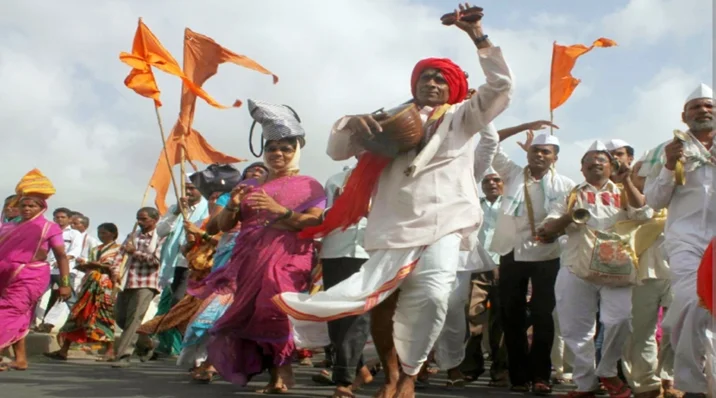
Every year, in the Ashadh month, a multitude of devotees across Maharashtra take a 21-day pilgrimage on foot to the Vithoba temple, to worship Vitthala, “the one who stands on a brick”. The God’s name comes from a legend that sees the God paying a visit to a common man, Pundalik, and instead of being worshiped or acknowledged is left waiting outside the man’s door on a brick, while the latter is taking care of his parents. Vitthala instead of getting irritated, highly praised the intense devotion and sense of duty of Pundalik towards his parents, the God’s act is a demonstration of his compassion and infinite love towards his bhaktas, devotees.ย  It is exactly following the steps and teachings of Vitthala that the pilgrims, still today, embark on this long journey. This holy pilgrimage, in fact, was entirely an initiative of the people, moved by great devotion and love. As a matter of fact, Wari helps people acquire peace and introspection, pay a tribute to the Marathi culture, and obtain a greater purpose in life. Other than this, the celebration is open to anybody from anywhere and from any caste, launching a message of unity and non-discrimination. During these days, since a lot of the devotees come from rural agrarian backgrounds, people help each other as much as possible by giving each other food, clothes, medicines and support of any kind.ย  Wari can be considered an annual festival of joy, during the pilgrimage countless saffron flags flutters in the air, men wear their colourful turbans and white Gandhi caps, veena, mridangam and other instruments are played, women walk with pots of water or tulsi plants balanced on their heads, multiple stops along the way are elaborately adorned with flowers and ornaments, and loud melodious chanting of the pilgrims fill the path.ย  As witnessed by one of the pilgrims, “This pilgrimage is everything for us. Every year we only wait for these days to meet our beloved Vithu Mauli. The idea of taking students to the temple is to ensure that the legacy continues”. Therefore, even though collective singing, dancing and chanting are the essence of the Wari, a spirit of togetherness, compassion and unconditional love is what characterize this tradition.ย  To get an idea of the Pandharpur Wari and its indescribable atmosphere I suggest watching this short video.ย  ย 

Read More ยป

Add Yoga To Retain The Beauty Of Body And Mind

Vitae aliquam porta sed augue consectetuer. Parturient posuere sed habitasse quisque malesuada platea. Dis suspendisse integer ut facilisis maximus mus.