๐Ÿ‡ฎ๐Ÿ‡ณ India | ๐Ÿ‡บ๐Ÿ‡ธ USA | ๐Ÿ‡ซ๐Ÿ‡ท France | ๐Ÿ‡ฒ๐Ÿ‡ฝ Mexico | ๐Ÿ‡ฆ๐Ÿ‡ช UAE

๐Ÿ‡ฎ๐Ÿ‡ณ India | ๐Ÿ‡บ๐Ÿ‡ธ USA | ๐Ÿ‡ซ๐Ÿ‡ท France | ๐Ÿ‡ฒ๐Ÿ‡ฝ Mexico | ๐Ÿ‡ฆ๐Ÿ‡ช UAE

Blog

News & Articles

The Role of Yoga in Cardiac Health

The Role of Yoga in Cardiac Health

In today’s fast-paced world, where heart disease remains a leading cause of death globally, it is crucial to explore alternative and holistic approaches for promoting cardiovascular health. This comprehensive blog post delves into the transformative impact of yoga on cardiac wellbeing, highlighting its potential as an effective complementary therapy alongside traditional medical interventions. By exploring scientific evidence and real-world examples, we aim to shed light on how this ancient practice has evolved to become a powerful tool in preventing and managing various cardiovascular conditions. Historical Perspective Yoga originated thousands of years ago in India, with roots tracing back to over 5,000 years. Initially practiced primarily for spiritual growth and self-realization, modern research has revealed that yoga also offers numerous physical benefits, including improved cardiovascular function. In fact, the first documented use of yoga for treating heart diseases dates back to the 19th century when Swami Vivekananda prescribed specific yogic practices to patients suffering from angina pectoris. What Are the Benefits of Yoga for Cardiac Health? Reduces blood pressure: Yoga has been shown to decrease both systolic and diastolic blood pressure, particularly in individuals with hypertension or prehypertension. Lowers cholesterol: Practice of yoga can result in reduced total cholesterol and LDL (“bad”) cholesterol, while increasing HDL (“good”) cholesterol. Improves stress management: Yoga promotes relaxation and reduces stress hormone production, leading to enhanced mental and emotional wellbeing. Boosts immune system: Regular yoga practice strengthens the immune response against inflammation, which contributes to the development of CVD. Encourages healthy lifestyle habits: Adoption of yoga often leads to additional beneficial behaviors, such as increased physical activity, better nutrition, and smoking cessation. Supports cardiac rehabilitation: Yoga can complement traditional cardiac rehabilitation programs, helping individuals recover from heart attacks or heart surgeries. Enables relaxation and meditation: Yoga classes typically conclude with a period of meditation, which can help lower blood pressure and alleviate stress. What Are Some Specific Yoga Poses That Are Good for Heart Health? Several yoga poses are particularly beneficial for cardiac health. Below is a selection of poses that can help strengthen the heart, improve circulation, and reduce stress: Tadasana (Mountain Pose): Helps strengthen the vertebral column and heart, and deep breathing expands the lungs. Vrikshasana (Tree Pose): Develops a firm and balanced posture, broadening the shoulders and opening the heart. Utthita Hastapadasana (Extended hands and feet pose): Controls weight, thus boosting heart health. Trikonasana (Extended Triangle Pose): Promotes cardiovascular exercise, expanding the chest as breathing becomes deeper and more rhythmical. Bhujangasana (Cobra Pose): Stretches the chest and invigorates the heart. Dhanurasana (Bow Pose): Opens and strengthens the heart region. Marjariasana (Cat Pose): Provides relief after challenging poses, settling the heart rate and boosting blood circulation. Adho Mukha Svanasana (Downward Dog Pose): Strengthens the chest muscles and expands the lung region, increasing its capacity. Paschimottanasana (Two-Legged Forward Bend Pose): Reduces heart rate and respiration while allowing the whole system to relax. Savasana (Corpse Pose): Relaxes the body and mind, reducing stress and promoting overall wellbeing. It is essential to perform these poses under the guidance of a qualified yoga instructor, especially for individuals with existing heart conditions or high blood pressure. Always remember to listen to your body and avoid pushing beyond your limits. Whatโ€™s the Healthy DIET to Maintain Good Cardiac Health? A heart-healthy diet is an essential component of maintaining good cardiac health. Here are some specific dietary recommendations for a healthy heart: High-fiber diet: Eating lots of fresh fruits and vegetables, whole grains, and beans can help reduce cholesterol levels and promote healthy digestion. Fresh flaxseed oil: Flaxseed oil is rich in omega-3 fatty acids, which can help reduce inflammation and lower the risk of heart disease. Increase levels of onion and garlic in the diet: These foods contain compounds that can help lower blood pressure and cholesterol levels. Eat vegetables like cabbage, cauliflower, Brussels sprouts, and broccoli: These cruciferous vegetables contain compounds that can help reduce inflammation and lower the risk of heart disease. Eat a good amount of green leafy vegetables: These vegetables are rich in vitamins and minerals that can help reduce inflammation and lower the risk of heart disease. Increase the levels of soy in the diet: Soy products like tofu and tempeh contain compounds that can help lower cholesterol levels and reduce the risk of heart disease. Increase the amount of dark berries like raspberries, strawberries, blackberries, and blueberries: These berries are rich in antioxidants that can help reduce inflammation and lower the risk of heart disease. Consume oat bran daily as a rich source of fiber: Oat bran is a rich source of soluble fiber, which can help reduce cholesterol levels and promote healthy digestion. Green tea and herbal tea can be consumed: These teas contain compounds that can help reduce inflammation and lower the risk of heart disease. Drink at least 2 liters of water every day: Staying hydrated is essential for maintaining good cardiac health. Incorporating these dietary recommendations into your daily routine can help promote good cardiac health and reduce the risk of heart disease. It is also important to limit the intake of saturated and trans fats, added sugars, and sodium, which can increase the risk of heart disease. Conclusion – In conclusion, yoga offers a holistic approach to promoting cardiovascular health, with numerous benefits supported by scientific evidence. Incorporating yoga into your daily routine, along with a heart-healthy diet, can help reduce the risk of heart disease and improve overall well being. If you’re interested in deepening your knowledge of yoga and its benefits, consider enrolling in a yoga teacher training course in Pune. With its rich history and vibrant yoga community, Pune is an ideal destination for aspiring yoga teachers.
Read More ยป
Yoga for Athletes: 10 Athletic Yoga Poses to Try

Yoga for Athletes: 10 Athletic Yoga Poses to Try

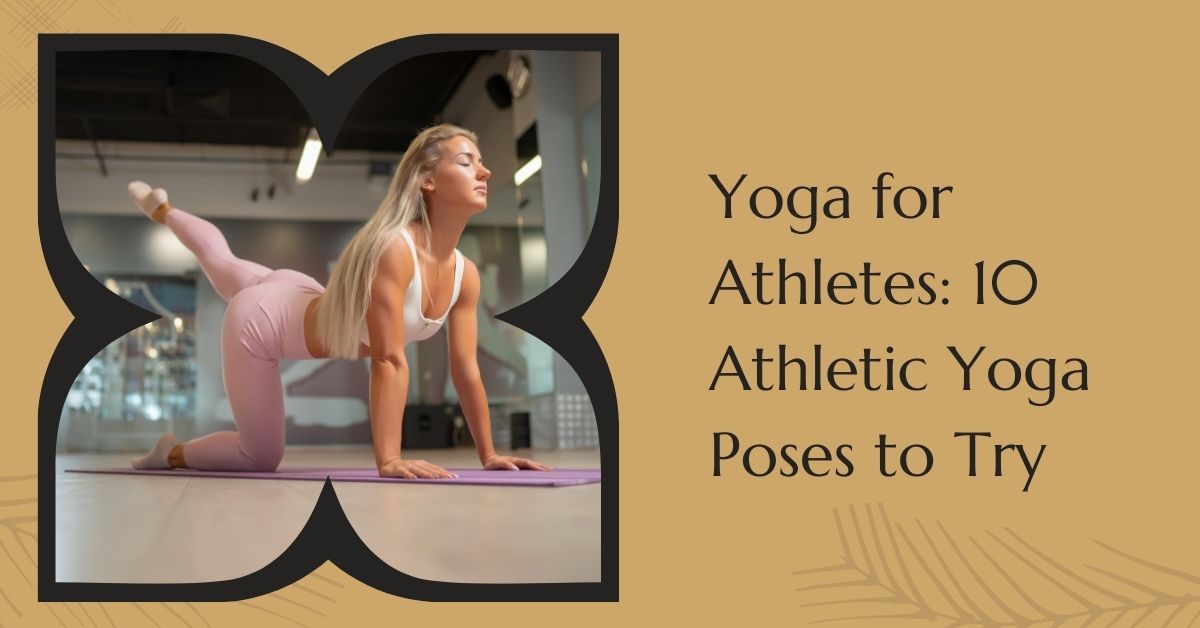
As an athlete, you’re always looking for ways to improve your performance and stay injury-free. While traditional training methods like weightlifting and cardio are important, have you considered adding yoga to your routine? Yoga can help improve flexibility, strength, and balance, which are all essential for athletic performance. In this article, we’ll explore 10 athletic yoga poses that can help take your training to the next level. Whether you’re a runner, a basketball player, or a weightlifter, these poses can benefit athletes of all types. So grab your mat and let’s get started! 1. Downward-Facing Dog (Adho Mukha Svanasana) Downward-Facing Dog is a classic yoga pose that is great for stretching the hamstrings, calves, and spine. It also helps strengthen the arms and shoulders, which can be beneficial for athletes who use these muscles frequently.ย  To perform this pose, start on your hands and knees with your wrists directly under your shoulders and your knees directly under your hips. Spread your fingers wide and press your palms into the ground. Exhale and lift your knees off the floor, straightening your legs and lifting your hips up and back. Keep your head and neck relaxed and gaze towards your navel. Hold for 5-10 breaths. 2. Warrior I (Virabhadrasana I) Warrior I is a powerful pose that can help improve balance and strengthen the legs, hips, and core.ย  To perform this pose, start in a standing position with your feet hip-width apart. Step your left foot back about 3-4 feet and turn your left foot out at a 45-degree angle. Bend your right knee and lift your arms up overhead, keeping your shoulders relaxed. Square your hips towards the front of the mat and hold for 5-10 breaths. Repeat on the other side. 3. Warrior II (Virabhadrasana II) Warrior II is another great pose for strengthening the legs and hips. It can also help improve flexibility in the hips and shoulders.ย  To perform this pose, start in a standing position with your feet hip-width apart. Step your left foot back about 3-4 feet and turn your left foot out at a 90-degree angle. Bend your right knee and extend your arms out to the sides, keeping your shoulders relaxed. Gaze over your right fingertips and hold for 5-10 breaths. Repeat on the other side. 4. Triangle Pose (Trikonasana) Triangle Pose is a great pose for stretching the hamstrings, hips, and spine. It can also help improve balance and strengthen the legs.ย  To perform this pose, start in a standing position with your feet hip-width apart. Step your left foot back about 3-4 feet and turn your left foot out at a 90-degree angle. Extend your arms out to the sides and reach your right hand towards your right foot, keeping your left hand lifted towards the ceiling. Gaze towards your left hand and hold for 5-10 breaths. Repeat on the other side. 5. Tree Pose (Vrksasana) Tree Pose is a balancing pose that can help improve focus and concentration. It also helps strengthen the legs and improve flexibility in the hips.ย  To perform this pose, start in a standing position with your feet hip-width apart. Shift your weight onto your left foot and lift your right foot off the ground. Place the sole of your right foot on your left inner thigh, pressing your foot into your thigh and your thigh into your foot. Bring your hands to your heart center and hold for 5-10 breaths. Repeat on the other side. 6. Pigeon Pose (Eka Pada Rajakapotasana) Pigeon Pose is a great pose for stretching the hips and glutes. It can also help improve flexibility in the spine and reduce stress and tension in the body.ย  To perform this pose, start in a tabletop position with your hands and knees on the ground. Bring your right knee towards your right wrist and slide your right foot towards your left wrist. Extend your left leg behind you and lower your body down towards the ground, resting on your forearms or forehead. Hold for 5-10 breaths and repeat on the other side. 7. Bridge Pose (Setu Bandha Sarvangasana) Bridge Pose is a great pose for strengthening the legs, hips, and core. It can also help improve flexibility in the spine and reduce stress and tension in the body. To perform this pose, lie on your back with your knees bent and your feet hip-width apart. Press your feet into the ground and lift your hips up towards the ceiling, keeping your shoulders and arms on the ground. Hold for 5-10 breaths and release. 8. Camel Pose (Ustrasana) Camel Pose is a great pose for stretching the chest, shoulders, and spine. It can also help improve posture and reduce stress and tension in the body.ย  To perform this pose, start in a kneeling position with your knees hip-width apart. Place your hands on your lower back and lift your chest up towards the ceiling, arching your back. If comfortable, reach your hands towards your heels and hold for 5-10 breaths. 9. Seated Forward Fold (Paschimottanasana) Seated Forward Fold is a great pose for stretching the hamstrings, hips, and spine. It can also help improve digestion and reduce stress and tension in the body.ย  To perform this pose, sit on the ground with your legs extended in front of you. Reach your arms up towards the ceiling and then fold forward, reaching towards your toes. Keep your spine long and your shoulders relaxed. Hold for 5-10 breaths. 10. Corpse Pose (Savasana) Corpse Pose is a great pose for relaxation and stress relief. It can also help improve focus and concentration.ย  To perform this pose, lie on your back with your arms and legs extended. Close your eyes and focus on your breath, allowing your body to relax completely. Stay in this pose for 5-10 minutes or longer if desired. In conclusion, yoga can be a great addition to an athlete’s training regimen. These 10 athletic yoga poses can help improve flexibility, strength, balance, and mental

Read More ยป
Exploring the Benefits of Yoga for Competitive Athletes

Exploring the Benefits of Yoga for Competitive Athletes

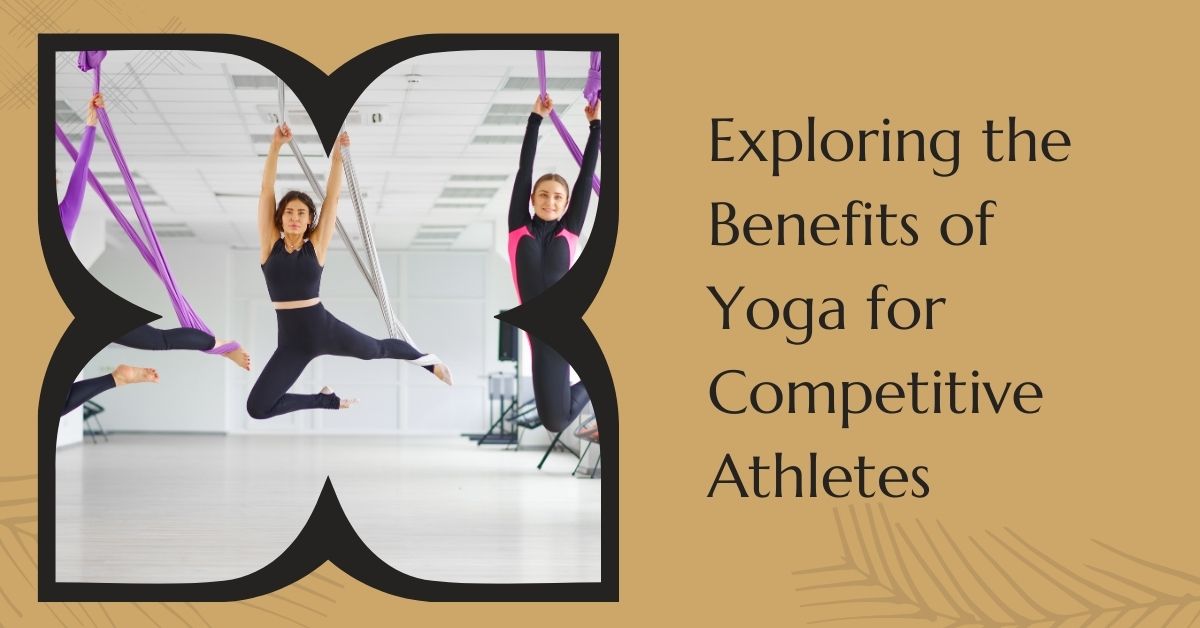
Yoga has been around for thousands of years and has been practiced by millions of people around the world. It is a form of exercise that involves physical postures, breathing techniques, and meditation. While yoga is often associated with relaxation and stress relief, it can also be a powerful tool for competitive athletes looking to improve their performance. In this article, we will explore the benefits of yoga for competitive athletes and how it can help them achieve their goals. Why is Yoga Good for Athletes? No matter what type of physical activity you engage in, whether it be strength training, endurance sports, CrossFit, or a combination of various exercises, it is likely that you do not fully utilize the complete range of motion that your joints are capable of. While flexibility may not be a requirement for your chosen sport, you are aware that your movements are restricted, and you probably incorporate some form of stretching into your routine. The reality is that practicing yoga can have a positive impact on your training, resulting in improved performance, enhanced recovery, better movement patterns, and improved posture. Additionally, yoga can help prevent injuries from occurring. However, the benefits of yoga extend beyond the physical realm. Engaging in regular yoga practice can heighten your body and mind awareness, reduce stress levels, increase motivation, and promote better mental health. Moreover, yoga can even improve your breathing technique, leading to both remarkable physical and psychological effects. What are the Benefits of Yoga for Athletes? 1. Enhanced Flexibility and Range of Motion: Yoga is renowned for its ability to improve flexibility and increase the range of motion in the body. For athletes, this translates to improved agility, reduced risk of injury, and enhanced performance. By incorporating yoga into their training routine, athletes can experience greater freedom of movement, allowing them to execute athletic maneuvers with precision and ease. 2. Strength and Stability: While yoga is often associated with flexibility, it also plays a significant role in building strength and stability. The various yoga poses and sequences engage multiple muscle groups, helping athletes develop balanced strength throughout their bodies. This enhanced stability not only improves athletic performance but also reduces the likelihood of sustaining injuries during training and competition. 3. Improved Breathing and Endurance: The focus on breath control in yoga can have a profound impact on an athlete’s endurance and stamina. Through pranayama (breathwork) techniques, athletes can learn to optimize their breathing patterns, increasing their lung capacity and oxygen efficiency. This leads to improved endurance, better recovery between intense efforts, and the ability to sustain peak performance for longer durations. 4. Mental Focus and Concentration: Yoga is as much a mental practice as it is physical. The mindfulness and meditation aspects of yoga help athletes cultivate a heightened sense of mental focus and concentration. In the heat of competition, the ability to maintain mental clarity and stay present is invaluable. Yoga equips athletes with the tools to manage stress, overcome distractions, and perform at their best when it matters most. 5. Injury Prevention and Rehabilitation: The repetitive nature of many sports can lead to overuse injuries and muscular imbalances. Yoga serves as a proactive measure for injury prevention by addressing these imbalances and promoting proper alignment. Additionally, for athletes recovering from injuries, yoga offers a gentle yet effective means of rehabilitation, aiding in the restoration of mobility and strength while minimizing the risk of re-injury. 6. Stress Reduction and Recovery: The demands of competitive sports can take a toll on an athlete’s body and mind. Yoga provides a holistic approach to stress reduction and recovery, helping athletes manage the physical and mental strain of training and competition. The relaxation techniques incorporated in yoga practice promote restorative sleep, accelerate muscle recovery, and contribute to overall well-being. 7. Balance and Body Awareness: A key benefit of yoga for athletes is the development of balance and body awareness. The practice of balancing poses enhances proprioception โ€“ the body’s ability to sense its position in space โ€“ which is essential for injury prevention and optimal performance. Heightened body awareness allows athletes to move with precision and react swiftly to dynamic game situations. Integrating Yoga into Training Regimens Pre-Competition Preparation In the lead-up to a competition, athletes can use yoga as a means to prepare both physically and mentally. A tailored yoga routine can help athletes loosen tight muscles, calm pre-event nerves, and visualize success, setting the stage for an optimal performance. Post-Training Recovery After intense training sessions or competitions, yoga offers a rejuvenating recovery practice. Gentle stretches, restorative poses, and breathing exercises can help athletes unwind, reduce muscle soreness, and promote faster recovery, allowing them to bounce back stronger for their next challenge. In conclusion, the benefits of yoga for competitive athletes are multifaceted and far-reaching. By integrating yoga into their training routine, athletes can experience improvements in flexibility, strength, endurance, mental resilience, injury prevention, recovery, and overall performance. As more athletes recognize the transformative potential of yoga, its role in optimizing athletic achievement continues to gain prominence. Whether on the field, court, or track, the practice of yoga empowers competitive athletes to unleash the full potential of their bodies and minds, ultimately elevating their game to new heights.

Read More ยป
How to Choose the Perfect Yoga Mat

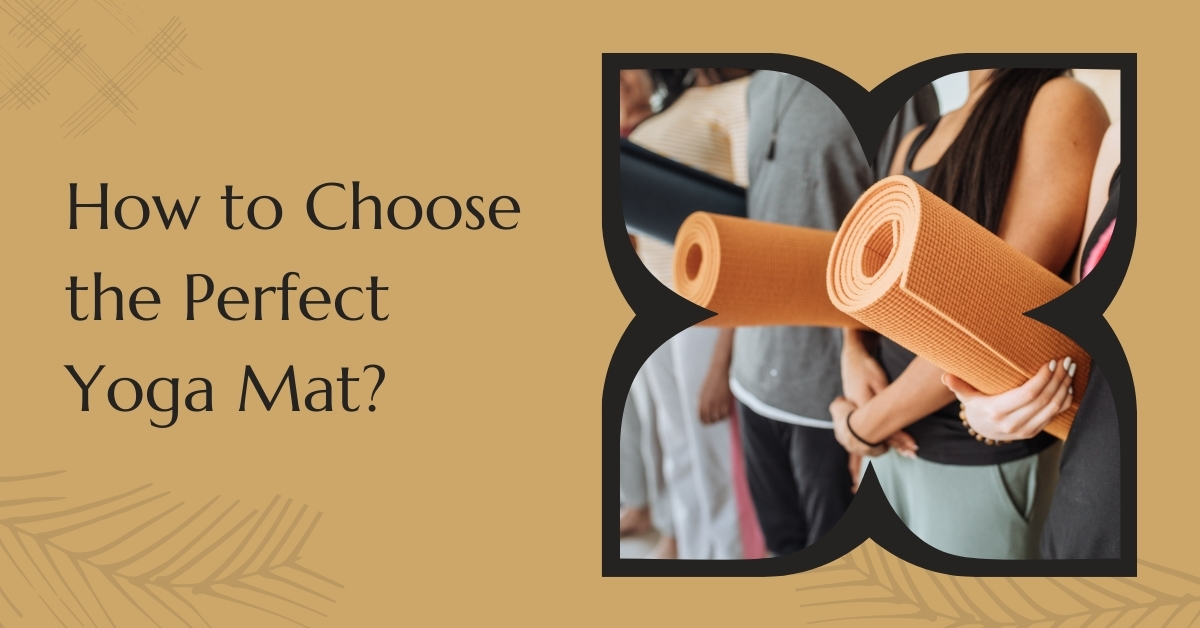
How to Choose the Perfect Yoga Mat?

Yoga is not just exercise; It is a lifestyle that creates balance, strength and inner peace. Whether youโ€™re an experienced yogi or youโ€™re just starting your journey on the mat, choosing the right yoga mat is essential to achieving a complete workout. With countless factors from materials to size to style, finding the perfect yoga mat can be difficult. To help you through this process and make an informed decision, letโ€™s explore the key factors to consider when choosing your yoga mat. 1. Material of Yoga Mat The materials you use for your yoga mat can greatly affect your practice experience. PVC (polyvinyl chloride) fabric is durable and offers excellent grip, but it may not be environmentally friendly. TPE (thermoplastic elastomer) mats are a more environmentally friendly option, biodegradable and free of harmful chemicals. Natural materials such as rubber, cotton and jute provide an organic feel and tend to provide better absorption. Consider your priorities when choosing materials for your yoga mat- whether itโ€™s durability, durability, or grip. 2. Thickness of Yoga Mat The weight of your yoga mat affects the fit and support.A typical yoga mat measures approximately 4 mm in thickness, whereas the thickest yoga mat available is about 1.5 cm. On the other hand, thin yoga mats range between 1 and 3 mm in thickness. Specifically designed for travelling purposes, wafer thin yoga mats are only 1 to 2 mm thick. These travel yoga mats can be effortlessly folded and are lightweight, making them convenient to carry in a suitcase. Choose the thickness that best suits your practice style and personal comfort and preference. 3. Dimensions of Yoga Mat The dimensions of a typical yoga mat are 183 ร— 60 cm. Your choice of yoga mat should be based on your height. If you are 190 cm or taller, a standard yoga mat will be too short for you. In this case, it is recommended to opt for a longer mat. A good guideline is to choose a mat that is your body length plus 10 cm. For example, if you are 190 cm tall, a yoga mat of 200 cm would be ideal. Certain yoga poses, like Svahasana, involve lying stretched out on the mat with your hands beside your body. Individuals with broad shoulders or wide hips may find that their arms extend beyond the edges of a standard yoga mat. In such cases, selecting a wider mat, measuring 66 cm or more, would be a wise decision. A wider mat provides greater freedom of movement and flexibility. 4. Texture and Grip of Yoga Mat In addition to stickiness, the composition of a yoga mat also plays a crucial role in maintaining balance and proper alignment. While stickiness ensures a secure grip through suction, the texture of the mat provides a physically diverse surface to prevent slipping. Insufficient grip can lead to unwanted injuries as you slide away during yoga poses. However, mats with raised textures offer enhanced grip, ensuring the safety of your yoga poses even if you perspire heavily. If you prioritize comfort and softness, TPE and PVC mats are the ideal choices. However, it’s important to note that some of these mats may offer less grip when wet. In such cases, a specialized yoga mat grip towel can provide the perfect solution. 5. Durability of Yoga Mat A long-lasting yoga mat is characterized by its durability, appropriate top layer, and absence of harmful substances and materials. When it comes to material selection, one can opt for 100% natural materials like wool, natural rubber, and cotton. Alternatively, emission-free and toxic-free PVC yoga mats are also an excellent choice as they endure intensive use and contribute to sustainability. Moreover, all these mats can be recycled once they reach the end of their lifespan. 6. Price of Yoga Mat Consider both your budget and the features and quality of the yoga mat when making a purchase. There are yoga mats available at different price points, so it’s important to find one that fits within your budget. While there are affordable options, it’s worth investing in a high-quality mat as it can improve your overall yoga experience and have a longer lifespan. Look for a mat that offers durability, performance, and additional features such as alignment guides or carrying straps to get the most value out of your purchase. 7. Style of Yoga Mat Finally, consider the style and design of the yoga mat that reflects your personality and aesthetic preferences. Choose from a wide array of colors, patterns and textures that touch and inspire your event. Some mats even have alignment guides or inspirational quotes to increase your focus and motivation on the mat. Find a mat that speaks to you and makes you enjoy your yoga. In conclusion, choosing the right yoga mat requires careful consideration of materials, size, thickness, shape, grip, durability, price and style. By understanding your needs and wants, you can find a bed that supports your project and enhances your overall experience in the bedroom. Remember that your yoga mat isnโ€™t just a toolโ€”itโ€™s your sacred space for self-discovery, growth, and inner peace. Choose wisely, and let your mat be your trusted companion on your yoga journey.

Read More ยป
Why Yoga Is a Must in Every Fitness Center

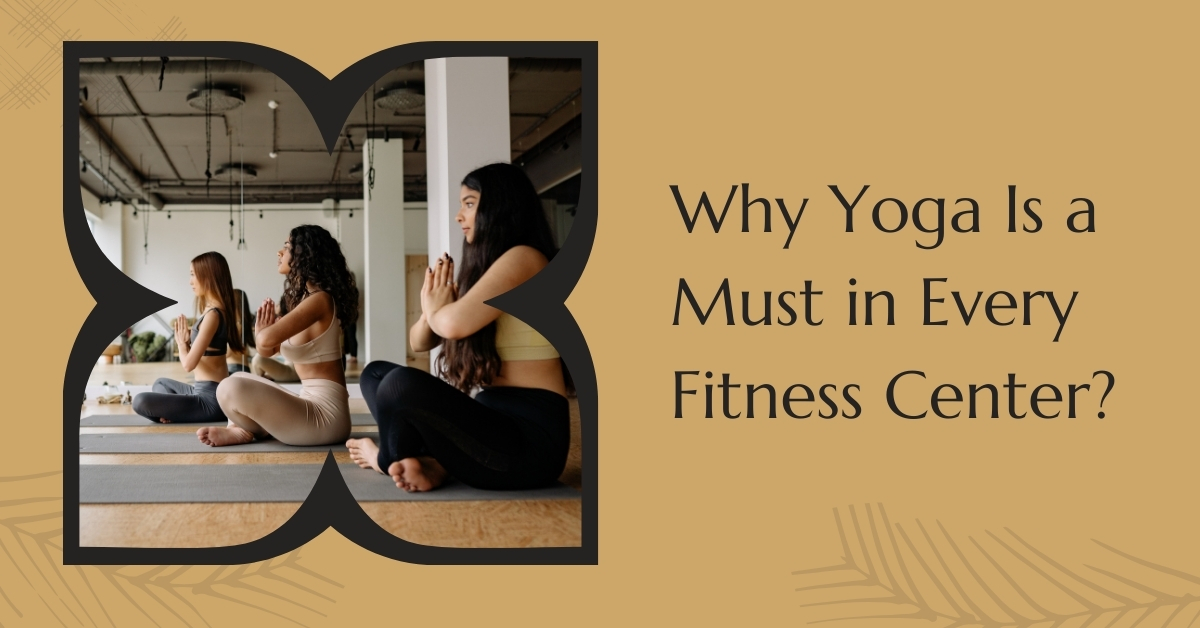
Why Yoga Is a Must in Every Fitness Center?

Are you looking to enhance your fitness routine and achieve a well-rounded approach to health and well-being? Look no further than yoga. With its origins dating back thousands of years, yoga has stood the test of time as a practice that promotes physical, mental, and spiritual well-being. While it may not be explicitly stated as a must in every fitness center, the benefits of yoga cannot be ignored. In this blog post, we will explore the reasons why yoga should be a fundamental component of every fitness center, highlighting the unique contributions it offers to overall fitness and well-being. Whether you’re a seasoned yogi or new to the practice, incorporating yoga into your fitness routine can take your physical and mental health to new heights. So, let’s dive in and discover why yoga is a must in every fitness center. Reasons Why Yoga is Important in Fitness Center 1. Enhanced Flexibility: With its wide range of poses, yoga effectively targets different muscle groups, fostering increased flexibility and reducing the risk of injuries. From the invigorating Downward Dog to the powerful Warrior poses, yoga expands and improves overall range of motion, positively impacting posture and balance. Ultimately, consistent yoga practice leads to a well-rounded physical well-being for members. How Yoga Benefits: Regular yoga sessions have the ability to gradually release tension in tight muscles, thereby enhancing flexibility and reducing the risk of injuries. The practice of mindful breathing during yoga also plays a significant role in promoting muscle relaxation, enabling participants to safely explore their physical boundaries. 2. Stress Relief and Mental Well-being: In addition to physical fitness, stress is a common adversary that many people face. The meditative nature of yoga provides a safe haven for self-reflection and relaxation, which is essential for addressing mental health. How Yoga Benefits: Through deep breathing exercises, meditation, and mindfulness, yoga helps to reduce stress hormones and activates the parasympathetic nervous system. Certain poses, such as Child’s Pose, create an environment that is conducive to stress reduction, ultimately enhancing mental well-being. 3. Improved Mind-Body Connection: Unlike traditional workouts that often overlook the mind-body connection, yoga places great importance on it. By intentionally focusing on breath and precise movements, yoga cultivates a heightened sense of awareness, bridging the gap between physical exercise and mental well-being. How Yoga Benefits: Poses like Tree Pose and Warrior III strengthen the link between mental focus and physical execution, resulting in improved coordination and proprioception. Regular practice of yoga enhances the mind-body connection. 4. Core Strength and Stability: Yoga’s emphasis on engaging the core muscles in various poses significantly contributes to core strength and stability. From Plank Pose to Boat Pose, yoga challenges and strengthens the abdominal muscles. How Yoga Benefits: The controlled movements involved in yoga poses specifically target the core, aiding in building strength and stability. With regular practice, posture is improved and the risk of back problems is reduced. 5. Balancing Energy Levels: By combining physical postures, breathing exercises, and meditation, yoga helps to balance energy levels. Whether one needs a boost of energy in the morning or relaxation in the evening, yoga can be adapted to meet individual needs. How Yoga Benefits: Dynamic sequences like Sun Salutations invigorate the body, while restorative poses like Legs Up the Wall promote relaxation. The versatility of yoga allows it to cater to varying energy requirements. 6. Joint Health and Mobility: Yoga’s gentle movements and stretches promote joint health and mobility. Poses like Cat-Cow and Seated Forward Bend specifically target joints, aiding in flexibility and preventing stiffness. How Yoga Benefits: The controlled movements in yoga, coupled with stretches that target joints, contribute to improved joint health and flexibility. As individuals flow through poses, they promote the mobility of joints, reducing the risk of stiffness and enhancing overall flexibility. 7. Cardiovascular Health: Certain yoga styles, like Vinyasa and Power Yoga, offer cardiovascular benefits. The continuous flow of movements increases heart rate, providing a cardiovascular workout without the high impact of traditional cardio exercises. How Yoga Benefits: Dynamic yoga styles, characterized by continuous and flowing movements, elevate heart rate and contribute to cardiovascular health. The aerobic nature of these practices improves circulation and cardiovascular endurance. 8. Mindfulness and Focus: The mindfulness cultivated in yoga translates into improved concentration and focus. Members can carry this mental clarity into other aspects of their lives, enhancing productivity and mental acuity. How Yoga Benefits: The intentional focus on breath and the present moment in yoga cultivates mindfulness. This heightened awareness extends beyond the yoga mat, contributing to improved concentration, focus, and mental clarity in daily activities. 9. Community Building: Group yoga classes foster a sense of community and support within fitness centers. Shared experiences during classes create a positive environment, encouraging members to stay committed to their fitness journey. How Yoga Benefits: Participating in group yoga classes builds a sense of camaraderie among members. Shared experiences and mutual encouragement create a positive atmosphere, fostering a supportive community within the fitness center. 10. Holistic Approach to Injury Prevention: Beyond its physical benefits, yoga takes a proactive approach to injury prevention. By targeting flexibility, balance, and joint mobility, yoga equips individuals with a holistic set of tools to fortify their bodies against potential injuries during other physical activities. How Yoga Benefits: Regular yoga practice strengthens muscles and joints systematically, reducing vulnerability to injuries. Poses like Downward Dog and Warrior sequences improve overall body resilience. The emphasis on alignment and controlled movements also enhances body awareness, helping individuals identify and address potential issues before they escalate. Conclusion: In conclusion, the inclusion of yoga in every fitness center’s repertoire is not just a trend but a necessity for a truly comprehensive approach to health and wellness. By enhancing flexibility, relieving stress, and fostering a stronger mind-body connection, yoga offers benefits that extend beyond the physical realm. To experience these advantages firsthand, individuals need not look far. Considering the holistic benefits of yoga, fitness enthusiasts can explore the best yoga teacher training courses in Pune, unlocking a path to a

Read More ยป
5 Yoga Mudras for Instant Anxiety Relief

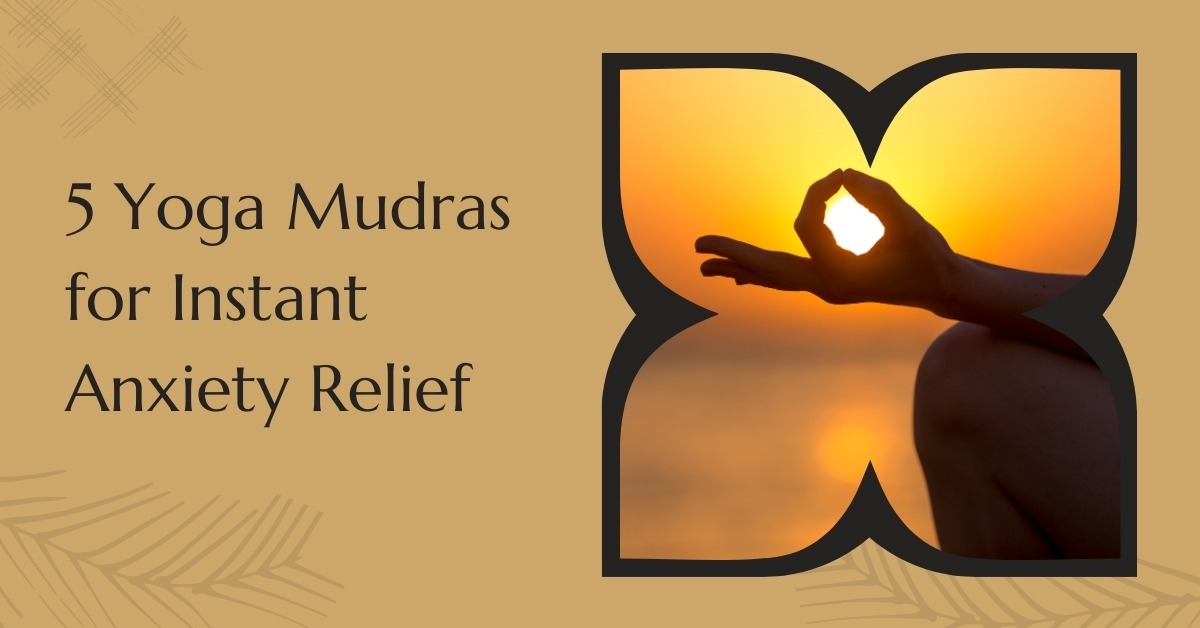
5 Yoga Mudras for Instant Anxiety & Stress Relief

In today’s fast-paced world, anxiety has become a common concern for many people. The constant stress of work, relationships, and daily responsibilities can take a toll on our mental well-being. However, one effective way to combat anxiety is through the practice of yoga mudras. Yoga mudras, or hand gestures, have been used for thousands of years to help ease the mind and body, providing relief from a number of different conditions, including anxiety. In this article, we will explore 5 yoga mudras for instant anxiety relief that you can easily incorporate into your daily routine. 1. Gyan Mudra The Gyan mudra is a well-known and widely practiced hand gesture in yoga and meditation. The word “gyan” translates to “knowledge” or “wisdom” in Sanskrit, and this mudra is believed to evoke these qualities.This mudra is often used during meditation and pranayama to enhance concentration, mental clarity, and spiritual awareness. It is considered to be a symbol of unity and the connection between individual consciousness and universal consciousness. How to Practice? To practice the Gyan mudra, find a comfortable seated position, either on the floor or in a chair, with your spine straight and your hands resting on your knees or thighs. Close your eyes and take a few deep breaths to center yourself. Then, gently bring your fingertips and thumb together to form the Gyan mudra. Rest your hands on your thighs and continue to focus on your breath, allowing any distracting thoughts to pass without attachment. You can hold this mudra for 5-15 minutes, or as long as needed for your meditation practice. Benefits of Gyan Mudra: Enhances mental clarity and focus. Alleviates stress and anxiety. Promotes a sense of peace and inner harmony. Stimulates the brain and nervous system. Aids in spiritual growth and self-realization. 2. Prithvi Mudra Prithvi Mudra, also known as the Earth Mudra, is a symbolic hand gesture used in yoga and Ayurveda to evoke the earth element within the body. The word “Prithvi” translates to “the vast one” in Sanskrit, representing the Earth element in Ayurveda. By practicing the Prithvi Mudra, one can channel the grounding and stabilizing energy of the earth, thereby fostering a sense of stability and balance within oneself. How to Practice? To practice the Prithvi Mudra, start by finding a comfortable seated position with your spine straight and your hands resting on your knees or thighs. Take a few deep breaths to center yourself and bring your focus inward. Then, lightly press the tip of your ring finger against the tip of your thumb while keeping the other fingers straight and relaxed. You can hold this mudra for 5-15 minutes, allowing yourself to breathe deeply and mindfully while visualizing a sense of stability and strength embracing your being. Benefits of Prithvi Mudra: Balances the Earth element within the body. Promotes stability, confidence, and inner strength. Grounds and stabilizes the mind and body. Fosters a sense of balance and harmony. Aids in grounding meditation and calming the mind. 3. Apana Mudra Apana Mudra is a powerful hand gesture in yoga and Ayurveda that is associated with the Apana Vayu, one of the five vital airs in the body. The Apana Vayu governs the downward and outward flow of energy and is responsible for eliminating waste and toxins from the body. By practicing the Apana Mudra, individuals can experience a sense of lightness, purification, and emotional release, which can help alleviate anxiety and promote a sense of overall well-being. How to Practice? To practice the Apana Mudra, sit comfortably with your spine erect and your hands resting on your knees or thighs. Take a few deep breaths to center yourself and then gently touch the tips of your middle and ring fingers to the tip of your thumb while keeping the other fingers straight and relaxed. You can hold this mudra for 15-30 minutes while maintaining a relaxed and deep breathing pattern, allowing yourself to focus on the release of negative emotions and the purification of your mind and body. Benefits of Apana Mudra: Promotes detoxification and elimination of waste. Releases negative emotions and mental clutter. Enhances the sense of lightness and purification. Supports emotional balance and well-being. Aids in relieving anxiety and promoting mental clarity. 4. Varuna Mudra Varuna Mudra, also known as the Jal Vardhak Mudra, is a symbolic hand gesture that is associated with the water element in the body. The word “Varuna” refers to the Hindu deity of water and the celestial ocean, symbolizing the flow, balance, and fluidity of emotions. The Varuna Mudra is believed to promote a sense of emotional stability, openness, and calmness. By practicing the Varuna Mudra, individuals can cultivate a harmonious relationship with their emotions, reduce feelings of anxiety, and embrace a sense of peace and tranquility. How to Practice? To practice the Varuna Mudra, find a comfortable seated position with your spine straight and your hands resting on your knees or thighs. Close your eyes and take a few deep breaths to center yourself. Then, gently bring the tip of your little finger to the tip of your thumb, while keeping the other fingers straight and relaxed. You can hold this mudra for 5-15 minutes, allowing yourself to breathe deeply and mindfully while visualizing a sense of emotional balance and fluidity within your being. Benefits of Varuna Mudra: Balances and regulates emotions. Promotes a sense of emotional stability and openness. Calms the mind and reduces anxiety. Cultivates a harmonious relationship with emotions. Enhances the flow and fluidity of emotions. 5. Vayu Mudra Vayu Mudra, also known as the Mudra of Air, is a symbolic hand gesture used in yoga and meditation to balance the air element within the body. The word “Vayu” represents the vital life force and the movement of energy within the body. The Vayu Mudra is believed to alleviate feelings of stress, restlessness, and anxiety by regulating the air element and promoting a sense of calmness and relaxation. By practicing the Vayu Mudra, individuals can experience a balancing and

Read More ยป
Explore 5 Different Types of Yoga Styles and Their Benefits

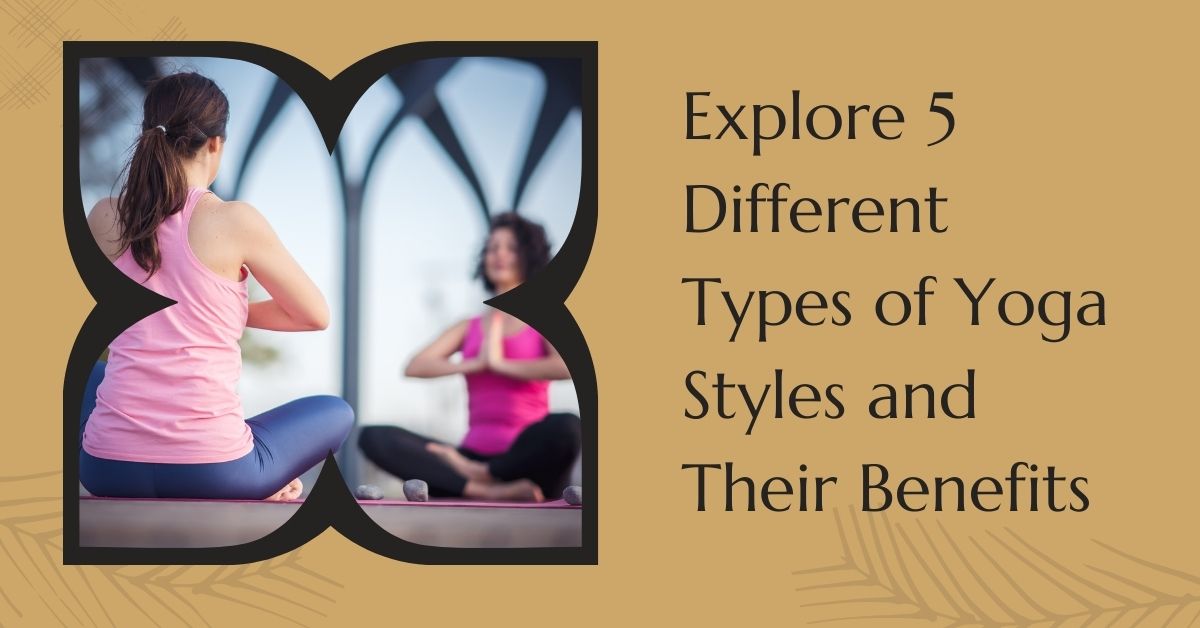
Explore 5 Different Types of Yoga Styles and Their Benefits

Yoga, a centuries-old practice, has evolved into a diverse discipline with various styles, each offering a unique blend of physical postures, breath control, and meditation techniques. Delving into the world of yoga unveils a tapestry of approaches catering to practitioners of all levels, providing a holistic journey towards physical and mental well-being. Let’s unravel the intricacies of seven popular yoga styles, each distinguished by its own set of principles and benefits. 1. Hatha Yoga Hatha Yoga, a foundational style, emphasizes physical postures or asanas, making it an ideal starting point for beginners. The practice involves holding poses for a specific duration, fostering strength, flexibility, and balance. Hatha incorporates breath control (pranayama) to enhance vitality and a meditative component to promote mental focus. This style is renowned for its ability to lay a solid foundation for further exploration into the world of yoga. How to Practice Hatha Yoga? Start with a few minutes of conscious breathing to center yourself. Begin with simple warm-up exercises, gradually progressing to foundational poses. Hold each pose for 15-30 seconds initially, gradually increasing the duration as your strength and flexibility improve. Focus on alignment and engage in deep, rhythmic breathing. Conclude your practice with a relaxation pose and a brief meditation. Benefits of Hatha Yoga Deliberate pace and focus on individual postures Improves flexibility and overall physical strength Emphasis on controlled breathing enhances lung capacity and respiratory function Promotes better oxygenation of the body Meditative aspects contribute to stress reduction Improved mental clarity Ideal practice for achieving a harmonious balance between body and mind 2. Bhakti Yoga Bhakti Yoga, often referred to as the yoga of devotion, is a spiritual path that emphasizes the cultivation of love and devotion towards a higher power or divine entity. Rooted in ancient Indian philosophy, Bhakti Yoga encourages practitioners to surrender their ego and desires in pursuit of a deeper connection with the divine. Unlike some physically-focused yoga styles, Bhakti Yoga revolves around the heart and the sincere expression of love, making it a profoundly spiritual practice. How to Practice Bhakti Yoga? The practice of Bhakti Yoga involves heartfelt devotional activities aimed at fostering a profound connection with the divine. Devotees often engage in chanting mantras, singing hymns, and participating in rituals that express their love and devotion. Establishing a sacred space for prayer and meditation is crucial, allowing practitioners to focus their thoughts and emotions towards the divine. Acts of selfless service (seva) and cultivating compassion towards all living beings are integral components, further deepening the sense of devotion. Benefits of Bhakti Yoga Cultivates a deep sense of love and devotion Fosters emotional well-being and spiritual connection Provides a sense of purpose and meaning in life Encourages selfless service and compassion Creates a harmonious and peaceful state of mind Strengthens interpersonal relationships through love and empathy Enhances overall mental and emotional balance 3. Iyengar Yoga Iyengar Yoga, founded by B.K.S. Iyengar, places a strong emphasis on precision and alignment in each asana. Practitioners often use props like blocks and straps to achieve optimal alignment. This style is well-suited for individuals recovering from injuries or dealing with physical limitations, as it allows for personalized modifications. How to Practice Iyengar Yoga? Begin with a focus on proper alignment in foundational poses. Use props as needed to support your practice and achieve optimal alignment. Hold each pose for a longer duration, allowing time for adjustments and refinement. Pay attention to the subtleties of each movement and maintain a steady, controlled breath. Conclude your practice with a relaxation pose and a brief moment of meditation. Benefits of Iyengar Yoga Meticulous attention to alignment aids in developing a strong foundation Improves posture Use of props facilitates accessibility Inclusive practice for individuals of all abilities Particularly beneficial for enhancing flexibility Corrects postural imbalances Promotes joint mobility 4. Raj Yoga Raja Yoga, often referred to as the “Royal Yoga” or “Classical Yoga,” is a comprehensive system that encompasses various branches of yoga to guide individuals on the path of self-realization and spiritual awakening. Rooted in the teachings of the ancient sage Patanjali, Raja Yoga emphasizes the control and mastery of the mind. It comprises ethical principles, physical postures, breath control, concentration, meditation, and the cultivation of wisdom, providing a holistic approach to self-discovery and inner transformation. How to Practice Raja Yoga? The practice of Raja Yoga involves a step-by-step progression through its eight limbs, known as Ashtanga Yoga. This includes ethical guidelines (Yamas and Niyamas), physical postures (Asanas), breath control (Pranayama), withdrawal of the senses (Pratyahara), concentration (Dharana), meditation (Dhyana), and ultimate absorption or Samadhi. Practitioners begin by adopting ethical principles and gradually advance through the stages, ultimately attaining a state of deep meditation and union with the higher self. Benefits of Raja Yoga Enhances mental clarity and focus Promotes emotional stability and balance Cultivates self-discipline and self-control Facilitates the release of stress and anxiety Strengthens the connection between mind and body Provides a systematic path to spiritual awakening Improves overall well-being and life satisfaction 5. Mantra Yoga Mantra Yoga is a sacred and ancient practice that involves the repetition of specific sounds, words, or phrases to induce a meditative state and connect with higher consciousness. Rooted in Vedic traditions, Mantra Yoga recognizes the vibrational power of sound and its ability to evoke spiritual experiences. Mantras, often derived from Sanskrit scriptures, hold transformative qualities believed to bring about a harmonious balance between the mind, body, and spirit. How to Practice Mantra Yoga? The practice of Mantra Yoga involves the rhythmic repetition of a chosen mantra, either silently or audibly. Practitioners typically sit comfortably in a meditative posture, focusing on the sound vibrations and the intention behind the mantra. It is essential to chant with sincerity and mindfulness, allowing the mantra to become a vehicle for transcending ordinary consciousness. Regular practice, ideally during dedicated meditation sessions, deepens the resonance and potency of the chosen mantra. Benefits of Mantra Yoga Quiets the mind and reduces mental chatter. Fosters heightened concentration and inner awareness. Establishes a deep link

Read More ยป
Beyond the 9 to 5 - Explore the Benefits of Yoga for Working Professionals

Beyond the 9-to-5: Explore the Benefits of Yoga for Working Professionals

In our busy lives, people who work often get stuck in the same routine of working from 9 to 5 every day. The constant demands of the workplace can take a toll on both physical and mental well-being. However, there’s a time-tested solution that goes beyond the conventional remedies โ€“ yoga. In this article, we’ll delve into the myriad benefits that yoga can offer to those navigating the challenges of a busy work life. 1. Stress Relief with Yoga One of the primary advantages of incorporating yoga into your routine is its unparalleled ability to alleviate stress. The gentle stretches, controlled breathing, and mindful meditation inherent in yoga practice work combined to reduce cortisol levels and promote a sense of calm. This can be especially beneficial for professionals dealing with high-pressure situations and tight deadlines. 2. Boosting Productivity Through Mindful Practices Contrary to popular belief, taking time out for yoga doesn’t equate to decreased productivity. In fact, studies have shown that regular yoga practice can enhance cognitive functions, improve focus, and boost overall productivity. By incorporating short yoga sessions during breaks, working professionals can recharge their minds and return to their tasks with renewed energy and clarity. 3. Staying Healthy at the Desk with Yoga Sitting for extended periods at a desk can lead to various health issues, from back pain to poor posture. Yoga addresses these concerns by promoting flexibility, strength, and posture awareness. Simple asanas like the cat-cow stretch, seated forward bend, and warrior pose can work wonders in counteracting the adverse effects of a sedentary lifestyle, making it an ideal solution for office-bound individuals. 4. Finding Balance in Work and Life through Yoga Maintaining a healthy work-life balance is crucial for long-term well-being. Yoga not only provides physical benefits but also encourages a holistic approach to life. The mindfulness cultivated through yoga practice can help professionals detach from work-related stressors, fostering a sense of balance and equilibrium that extends beyond the mat. 5. Integrating Yoga into Your Routine Incorporating yoga into a busy schedule doesn’t have to be a daunting task. Simple practices like morning stretches, desk yoga, or short meditation sessions can make a significant difference. Finding a balance that works for you is key to reaping the rewards of this ancient practice without adding extra stress to your day. 6. Improved Sleep Quality In the fast-paced world of deadlines and responsibilities, quality sleep often takes a backseat. Yoga, with its focus on relaxation and mindfulness, can significantly enhance sleep quality. Practices such as guided meditation and gentle stretches before bedtime can calm the mind, making it easier for professionals to unwind and enjoy a restful night’s sleep. 7. Community and Networking Opportunities Yoga classes and workshops provide a unique opportunity for professionals to connect with like-minded individuals. Building a community of individuals focused on well-being creates a supportive network where experiences and insights can be shared. Networking through yoga not only fosters a sense of belonging but also opens up avenues for personal and professional growth. 8. Post-Workout Recovery and Injury Prevention For professionals incorporating regular workouts into their routine, yoga can serve as an excellent complement. The practice of yoga aids in muscle recovery, flexibility, and injury prevention. Gentle stretches and poses target key muscle groups, reducing the risk of injuries associated with strenuous physical activities. This makes yoga a valuable addition to the fitness regimen of working individuals. 9. Karma Yoga Mindset Adopting a Karma Yoga mindset, which involves selfless service and detachment from outcomes, helps employees focus on the process rather than solely on promotions, reducing frustration and promoting a more positive work experience. 10. Enhanced Problem-Solving Skills Yoga encourages a calm and focused mind, aiding in effective problem-solving. This skill contributes to job satisfaction and improved relationships at work. 11. Holistic Wellness Programs Certified yoga courses provide holistic wellness education, addressing physical, mental, and emotional aspects. This contributes to overall well-being, reducing the likelihood of employees leaving due to health-relatedย concerns. 12. Positive Workplace Culture Introducing yoga practices fosters a positive workplace culture, creating a supportive environment that enhances job satisfaction and reduces attrition. 13. Team Building Through Yoga Group yoga sessions promote team building, improving camaraderie among colleagues and reducing workplace tensions that may contribute to attrition. 14. Promotion of Self-Care Yoga courses emphasize self-care practices, encouraging employees to prioritize their well-being. This approach contributes to a more satisfied and engagedย workforce. 15. Cultivation of Patience Yoga philosophy teaches patience and acceptance. Employees who practice these principles are more likely to handle setbacks like denied promotions with resilience, reducing negative impacts on job satisfaction. 16. Increased Resilience Yoga fosters mental resilience, helping employees bounce back from challenges, including those related to career growth, thereby reducing frustrationย andย attrition. 17. Mindful Parenting Employees trained in yoga may apply mindfulness principles to parenting, reducing frustration on the family front and promoting a healthy work-life balance. 18. Corporate Wellness Initiatives Offering certified yoga courses as part of corporate wellness initiatives signals the company’s commitment to employee well-being, enhancing job satisfaction and reducingย turnover. Conclusion:ย  In conclusion, the benefits of yoga for working professionals are undeniable. From stress reduction and increased productivity to physical well-being and a healthier work-life balance, the positive impacts are vast. As you navigate the demands of your 9-to-5, consider embracing the transformative power of yoga. Take a step towards a healthier, more balanced life today. For those seeking to dive deeper into the world of yoga, exploring the certified yoga teacher training courses in Pune can be a transformative journey. These courses not only provide in-depth knowledge but also offer a supportive environment for personal growth and well-being. Embrace the path to a healthier, more balanced life โ€“ start your yoga journey now.

Read More ยป
7 Latest Yoga Trends in 2024

7 Latest Yoga Trends in 2024

Yoga is a practice that has been around for centuries, but it is constantly evolving to meet the needs of modern practitioners. With each passing year, new trends emerge that allow people to deepen their practice, connect with nature, and harness technology to achieve greater mind-body wellness. In this article, we will explore the 7 latest yoga trends that are expected to take the yoga world by storm in 2024. 1. Yoga Retreats: Yoga retreats are becoming increasingly popular among yogis who seek to escape from the stresses of modern life and immerse themselves in yoga and mindfulness practices. Retreats offer serene, natural settings that provide the perfect backdrop for self-reflection and rejuvenation. Attending a yoga retreat can help a person deepen their practice and reconnect with themselves, whether they are a seasoned yogi or a beginner.ย  2.Yoga for Kids: Introducing children to yoga at an early age can have numerous benefits for their physical and emotional well-being. Teaching yoga to kids can help improve their focus, concentration, and flexibility, while also promoting creativity and relaxation. Parents are increasingly looking for ways to connect with their children and encourage healthy habits, which has led to a surge in interest in kids’ yoga classes. Interested in exploring the world of kids’ yoga? Check out “Kids Yoga Sanskaram” for an enriching and fun-filled experience!ย  3. Hybrid Yoga Programs: In the wake of the COVID-19 pandemic, hybrid yoga programs have become increasingly popular. This trend combines online and in-person classes, allowing students to have the flexibility to practice yoga in both virtual and physical spaces. This means that you can access a wider range of classes and teachers while still having the opportunity to practice in person. Hybrid yoga programs provide flexibility, which is essential in today’s fast-paced world. Moreover, hybrid yoga combines the benefits of both worlds- Offline classes allow yogis to have a more personalized experience and build a close-knit community. At the same time, online classes are more flexible and offer variety. In addition to flexibility, hybrid yoga programs also offer affordability and accessibility for all yogis. By promoting the flexibility and accessibility of hybrid yoga programs, we can empower people from all walks of life to access the incredible benefits of yoga. 4. Yoga Meets Technology: Yoga-meets-tech is a trend that is expected to take off in 2024, as technology has become an integral part of our daily lives. There is now a growing market for gadgets like smart yoga mats, wearable technology, and heart rate monitors that can help individuals track and analyze their biometric data in real-time. Instructors are already experimenting with virtual reality meditation classes and using biometric data to customize classes based on individual needs. The integration of technology in a yoga practice opens up a whole new world of opportunity for fitness practices. 5. Outdoor Yoga: Many yogis prefer to practice in the great outdoors and connect with nature. Practicing yoga in a serene, natural setting can be deeply therapeutic and rejuvenating. This trend became increasingly popular because of the rise of eco-tourism, and due to the pandemic, many people turned to outdoor practices for the natural release of their anxieties.ย  6. Aqua Yoga: Aqua Yoga is a yoga trend that involves practicing yoga poses in a swimming pool or other aquatic environment. This practice combines the benefits of traditional yoga–like improved flexibility, reduced stress, and increased strength–with the low-impact nature of water exercise. The buoyancy of the water makes it easier to perform certain poses that might otherwise be challenging, making this an excellent option for people of all fitness levels and abilities. The water also creates a soothing, meditative environment that can enhance the relaxation and mindfulness aspects of a yoga practice. Aqua Yoga is an emerging trend in the yoga world and is expected to continue growing in popularity in years to come. Curious about the healing benefits of Aqua Yoga? Dive into Aqua Yoga Therapy Courses today! 7. Pranayama / Breathwork Classes: Pranayama, or breathwork, has long been a fundamental part of traditional yoga practice. In recent years, however, it has emerged as a distinct and increasingly popular trend in the yoga world. Pranayama classes are dedicated to teaching individuals various breathing techniques that can help them achieve greater relaxation, focus, and control over their physical and emotional states.ย  Often led by dedicated pranayama instructors, these classes can range from simple introductory sessions to more advanced courses focused on specific techniques. Breathwork classes can help individuals better cope with stress, anxiety, and other mental and emotional challenges, making it a particularly important trend for modern practitioners. Conclusion In conclusion, these 7 latest yoga trends in 2024 highlight the evolution and development of yoga as a practice. With new technologies, innovative twists, and a focus on health, wellness, and relaxation, yoga continues to grow and adapt to meet the diverse needs of its practitioners. For individuals interested in exploring yoga or deepening their practice, there are several options available, including the best yoga teacher training courses in Pune, which hosts some of the top yoga teacher training center in India.

Read More ยป
What are the various benefits of โ€˜Surya Namaskar'

What Are the Various Benefits of ‘Surya Namaskar’?

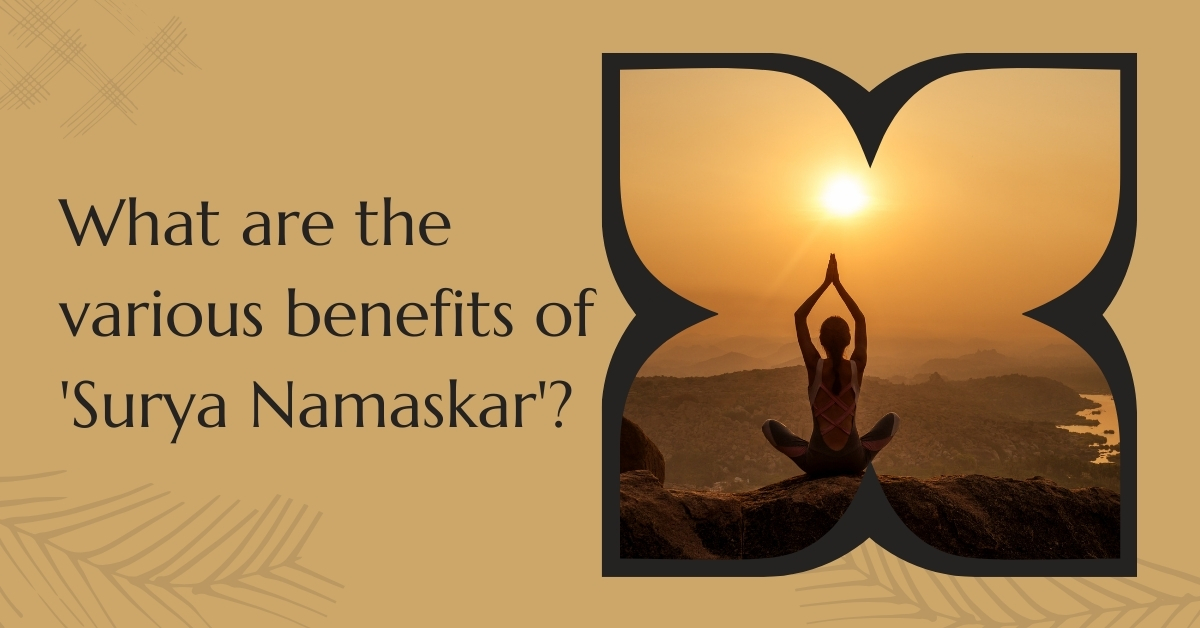
Surya Namaskar, or Sun Salutation, is a revered yogic practice that encompasses a series of dynamic postures. This ancient sequence, combined with synchronized breathing, pays homage to the sun and offers a plethora of physical, mental, and spiritual benefits. Let’s delve into the multifaceted advantages of incorporating Surya Namaskar into your daily routine. 1. Holistic Physical Fitness: Surya Namaskar is a complete workout that enhances flexibility, tones muscles, and promotes cardiovascular health. The dynamic sequence engages various muscle groups, providing a comprehensive exercise routine for overall physical fitness and well-being. 2. Energising Vitality: The synchronized breathing and movement in Surya Namaskar improve oxygen circulation, providing an instant boost of energy. This revitalizing practice serves as a natural energizer, making it an excellent way to kickstart your day. 3. Stress Alleviation and Mental Well-being: The rhythmic and meditative aspects of Surya Namaskar act as effective stress management tools. Regular practice induces a sense of calm, reduces anxiety, and contributes to overall mental well-being, helping individuals navigate life’s challenges with ease. 4. Optimized Digestive Health: Surya Namaskar stimulates digestive organs, promoting optimal digestion. The diverse postures facilitate the smooth functioning of the digestive system, alleviating issues like constipation. Regular practice enhances gut health, ensuring a balanced and efficient digestive process for overall well-being and vitality. 5. Respiratory Flourishing and Lung Capacity: The controlled breathing techniques in Surya Namaskar enhance respiratory health. By increasing lung capacity and improving oxygen exchange, this practice contributes significantly to overall respiratory well-being. 6. Hormonal Harmony and Menstrual Wellness: Surya Namaskar plays a pivotal role in promoting hormonal balance, particularly beneficial for women. Consistent practice can alleviate menstrual irregularities and discomfort, providing a natural and holistic approach to menstrual wellness. The rhythmic movements and controlled breathing contribute to a smoother menstrual cycle. 7. Enhanced Mental Focus and Concentration: The meditative aspects of Surya Namaskar enhance concentration and mental clarity. It serves as a valuable tool for individuals seeking to improve focus, cognitive function, and overall mental acuity. 8. Improved Flexibility and Joint Health: Consistent practice of Surya Namaskar promotes flexibility in the spine, limbs, and joints. This increased flexibility not only reduces the risk of injuries but also contributes to better posture and overall physical comfort. 9. Comprehensive Detoxification: The combination of physical postures and controlled breathing in Surya Namaskar aids in the detoxification of the body. This holistic cleansing process helps eliminate toxins, promoting overall health and well-being. 10. Spiritual Connectivity and Mind-Body Harmony: Surya Namaskar transcends physical benefits, fostering spiritual connectivity and mind-body harmony. This practice encourages individuals to delve into their inner selves, promoting a profound sense of mindfulness. The rhythmic flow and meditative aspects facilitate a holistic approach to well-being, nurturing the spirit. Some Interesting Facts About Surya Namaskar 12 Poses: Surya Namaskar combines 12 yoga postures like Mountain Pose, Forward Fold, Plank, etc., working all major muscle groups. 7 Chakras: Each pose targets specific energy points (chakras) in the body, promoting mental and physical balance. 12 Calories Per Round: Burning around 12 calories per round, Surya Namaskar is a low-impact, high-efficiency exercise. Boosts Immunity: Regular practice can stimulate the lymphatic system, enhancing immune response against infections. Improves Lung Capacity: Deep breathing with each pose strengthens the lungs and increases oxygen intake. Reduces Stress: Releasing cortisol (stress hormone) while promoting the calming neurotransmitter GABA, Surya Namaskar eases anxiety. Improves Digestion: Twisting and bending postures stimulate internal organs, aiding digestion and elimination. Increases Flexibility: Stretching muscles throughout the sequence enhances flexibility and range of motion. Suitable for All Ages: Modifiable for various fitness levels, Surya Namaskar can be practiced by young and old, even with limitations by using a chair and with simple modifications. Conclusion: Embarking on the journey of Surya Namaskar is an investment in holistic well-being. Its profound impact on physical, mental, and spiritual dimensions makes it a cornerstone of a healthy lifestyle. Unlock the radiance within by incorporating this transformative practice into your daily routine. Deepen your connection with yoga and well-being by enrolling in AYUSH certified yoga courses in Pune. Under expert guidance, explore the ancient wisdom of yoga and nurture your body, mind, and spirit. Begin your transformative journey today.

Read More ยป

Add Yoga To Retain The Beauty Of Body And Mind

Vitae aliquam porta sed augue consectetuer. Parturient posuere sed habitasse quisque malesuada platea. Dis suspendisse integer ut facilisis maximus mus.