๐Ÿ‡ฎ๐Ÿ‡ณ India | ๐Ÿ‡บ๐Ÿ‡ธ USA | ๐Ÿ‡ซ๐Ÿ‡ท France | ๐Ÿ‡ฒ๐Ÿ‡ฝ Mexico | ๐Ÿ‡ฆ๐Ÿ‡ช UAE

๐Ÿ‡ฎ๐Ÿ‡ณ India | ๐Ÿ‡บ๐Ÿ‡ธ USA | ๐Ÿ‡ซ๐Ÿ‡ท France | ๐Ÿ‡ฒ๐Ÿ‡ฝ Mexico | ๐Ÿ‡ฆ๐Ÿ‡ช UAE

Blog

News & Articles

Join the Fight Against Plastic Swasti Yoga Centerโ€™s Holistic Approach to Saving the Planet

Join the Fight Against Plastic: Swasti Yoga Centerโ€™s Holistic Approach to Saving the Planet

Plastic pollution is one of the biggest environmental issues the world faces today. We see plastic everywhereโ€”plastic bags, bottles, wrappers, and more. Around 500 billion plastic bags are produced each year, and most of them are used for just 15 minutes before being discarded. Unfortunately, these bags donโ€™t simply disappear. They can take up to 1,000 years to decompose. Swasti Yoga Center understands how serious this problem is. Thatโ€™s why theyโ€™ve embraced a holistic approach to help reduce plastic waste. By committing to eco-friendly practices and inspiring their community to do the same, Swasti Yoga Center is joining the global movement to protect our planet. The Environmental Impact of Plastic The statistics surrounding plastic pollution are alarming. For instance, every minute, 1 crore (10 million) plastic bottles are thrown away across the globe. These bottles often end up in landfills or the ocean, where they cause harm to marine life. Shockingly, 78% of marine animals are killed by getting trapped in plastic debris, and 1 billion sea animals die each year due to plastic pollution. But the damage isnโ€™t just to wildlife. Plastic has found its way into our bodies. Scientists have discovered microplastic particles in human placenta and breast milk, which shows how widespread the problem is. With only 1% of plastic bags being recycled, we must find alternatives and reduce our plastic consumption. Swasti Yoga Centerโ€™s Commitment to a Plastic-Free Environment Swasti Yoga Center has taken meaningful steps to eliminate plastic from its center. Theyโ€™ve banned single-use plastics like bottles, bags, and straws. Instead, they encourage the use of eco-friendly alternatives, such as reusable bottles and cloth bags. These changes may seem small, but their impact is huge. For example, one cloth bag can replace 170 plastic bags, and over time, this can significantly reduce the amount of plastic waste. By making their center plastic-free, Swasti Yoga Center is leading by example, showing their students and community that itโ€™s possible to live a more sustainable, plastic-free life. Community Engagement and Education Initiatives Swasti Yoga Center doesnโ€™t just stop at its own premisesโ€”it actively engages the local community to spread awareness about the dangers of plastic pollution. They organize workshops, talks, and events to educate people about reducing plastic use and adopting sustainable habits. In these events, they highlight simple changes that everyone can make, like using reusable metal straws, which can replace 540 plastic straws, or reusable cups, which can replace 500 single-use coffee cups. These small changes, if adopted by more people, can have a major impact on reducing plastic waste. Swasti Yoga Centerโ€™s efforts aim to create long-term behavioral changes that benefit the environment. Promoting Sustainable Alternatives Swasti Yoga Center advocates for sustainable products and encourages people to avoid plastic wherever possible. They promote alternatives like cloth bags, metal straws, bamboo cutlery, and reusable bottles. For instance, switching to reusable products can replace a staggering amount of single-use plasticsโ€”one reusable cup can replace 500 disposable cups, and one metal straw can replace 540 plastic straws. Additionally, Swasti Yoga Center sells unique, eco-friendly products that embody their commitment to sustainability. SariSavvy Upcycled Multipurpose Utility Pouch: This versatile accessory is crafted with sustainability in mind, made by upcycling waste cloths and vibrant sarees. Each pouch is a testament to eco-conscious fashion and artisanal craftsmanship. ReVive Upcycled Multipurpose Sling Bag: Where sustainability meets style, this sling bag is crafted with care from upcycled waste cloths and vibrant sarees. Each piece is a testament to Swasti Yoga Centerโ€™s commitment to eco-conscious fashion. EcoChic Multipurpose Handbag/Wallet: Embrace sustainability with this stunning fusion of style and eco-consciousness. Each handbag/wallet is crafted from upcycled waste cloths and vibrant sarees, making it a unique testament to sustainability and creativity. By using these alternatives and supporting eco-friendly products, individuals can help break the cycle of plastic dependence. Collaborating with Local and Global Initiatives Swasti Yoga Center also collaborates with local governments, NGOs, and global environmental movements. These partnerships help strengthen their efforts to fight plastic pollution on a larger scale. By working together, they can create bigger awareness campaigns, conduct community clean-up drives, and promote policies aimed at reducing plastic waste. Their participation in global movements to reduce plastic is a testament to their dedication to creating a cleaner, greener world. Together, these collaborations aim to bring about lasting change in how society deals with plastic. How You Can Join the Fight Against Plastic? Each one of us can contribute to this fight. You donโ€™t have to make drastic changes overnight, but by making small, meaningful adjustments to your daily routine, you can help reduce plastic waste. Here are some easy steps to follow: Bring your cloth bags when shopping, instead of using plastic ones. Use metal straws or no straws at all. Carry a reusable water bottle and refill it, rather than buying bottled water. Avoid products with excessive plastic packaging. Choose eco-friendly products whenever possible. By making these small changes, youโ€™ll reduce the amount of plastic waste you produce and contribute to the fight against plastic pollution. Remember, one cloth bag can replace 170 plastic bags, and small efforts by many people add up to a huge impact. Leading by Example: Swasti Yoga Centerโ€™s Holistic Approach At Swasti Yoga Center, the commitment to environmental sustainability goes beyond wordsโ€”itโ€™s part of their holistic lifestyle. Their approach to reducing plastic waste shows that sustainability is not just a trend, but a way of life that everyone should adopt. Swasti Yoga Centerโ€™s plastic-free environment is proof that with dedication and thoughtful changes, we can all contribute to a greener, cleaner planet. They inspire not only their students but the entire community to think critically about the waste they produce and how they can minimize their plastic use. Be the Change: Small Steps, Big Impact Plastic pollution is a global issue, but it starts with us as individuals. By making small, eco-friendly choices and spreading awareness about plastic reduction, we can create a wave of change. Swasti Yoga Center invites everyone to join them in this

Read More ยป
Celebrate Diwali in Pune Light Up Your Yoga Journey with Local Festivals

Celebrate Diwali in Pune: Light Up Your Yoga Journey with Local Festivals

Diwali, known as the Festival of Lights, is one of Indiaโ€™s most cherished celebrations. Itโ€™s a time of joy, togetherness, and the triumph of light over darkness. Much like yoga, Diwali promotes inner peace, self-reflection, and spiritual growth. When combined, these two elements create a powerful experience of both external celebration and internal enlightenment. For those in Pune, Diwali offers a unique opportunity to blend the cityโ€™s rich cultural heritage with the serenity of yoga. Pune, often regarded as a spiritual hub, provides an ideal backdrop for both festivities and deepening oneโ€™s yoga practice. In this blog, weโ€™ll explore how to celebrate Diwali in Pune while staying connected to your yoga journey. Why Pune is a Special Place to Celebrate Diwali? Pune is not just a city of historical importance; it is also a vibrant center for cultural and spiritual activities. During Diwali, the city comes alive with a festive atmosphereโ€”markets buzz with shoppers, streets are adorned with lights, and homes are beautifully decorated with rangoli (colorful art) and diyas (oil lamps). Puneโ€™s cultural traditions make it a perfect place to experience Diwali at its finest. However, what sets Pune apart is its connection to spirituality. Many well-known yoga schools and ashrams have roots in Pune, making it a city where modern life and spiritual practice coexist harmoniously. The serene environment during Diwali celebrations offers a peaceful setting to practice yoga while embracing the spirit of the festival. Festivals and Yoga: Embracing Inner Light Diwali is a celebration of lightโ€”the victory of good over evil, knowledge over ignorance, and hope over despair. Yoga, similarly, is a journey toward discovering oneโ€™s inner light, through the practice of mindfulness, discipline, and balance. This festive season is a reminder of the principles yoga teaches: calmness, focus, and the pursuit of inner peace. Just as lighting a diya illuminates your surroundings, yoga illuminates the mind and soul. The inner light that yoga nurtures within us complements the external lights that mark the Diwali festival. By embracing this connection, you can make Diwali not just a time of external celebration but also a period of internal renewal and reflection. Diwali Celebrations in Pune: A Journey for the Soul Puneโ€™s Diwali celebrations are deeply rooted in tradition. From elaborate Lakshmi pujas (worship of the goddess of wealth) to spectacular fireworks displays, the city bursts with energy and excitement. But Diwali in Pune is more than just noise and lightsโ€”itโ€™s an opportunity to connect with the deeper meaning of the festival. During this festive period, Puneโ€™s local communities organize events that foster togetherness and unity. Whether itโ€™s participating in community pujas, watching cultural performances, or simply taking a stroll through the beautifully lit streets, these activities can feel just as transformative as a yoga session. If youโ€™re looking for a more spiritual experience, you can visit Puneโ€™s ancient temples or historical sites, where the atmosphere is particularly serene during Diwali. Integrating Yoga Practice into Diwali Festivities While Diwali is a time for celebration, it can also be a time when routine goes off balance. Incorporating yoga into your daily activities during the festival can help you stay grounded and connected to your inner self. Here are some practical ways to blend your yoga practice with the festive spirit of Diwali: Morning Yoga: Start your day with a simple yoga session, focusing on pranayama (breathing exercises) and meditation. This will bring calmness and clarity to help you manage the hustle and bustle of the festivities. Focus on Balance: Try incorporating balancing poses like Tree Pose or Warrior III to bring mental focus and stability, essential during the excitement of Diwali. Yoga Nidra: At the end of the day, unwind with Yoga Nidra (yogic sleep), a deeply relaxing meditation practice that will help you recharge and reflect on the dayโ€™s celebrations. Yoga allows you to fully immerse yourself in the spirit of Diwali while maintaining inner peace and balance. It creates a bridge between the festive external environment and your internal journey. How Swasti Yoga Center Helps You Light Up Your Yoga Journey Swasti Yoga Center in Pune is a renowned institution dedicated to traditional and holistic yoga practices. During the Diwali season, itโ€™s an excellent place to deepen your yoga experience while being part of the cityโ€™s cultural celebrations. Swasti Yoga Center offers a wide range of Yoga Teacher Training Courses (TTC), certified by AYUSH, for those looking to become skilled yoga instructors. Whether you are a beginner or an experienced practitioner, Swastiโ€™s programs are designed to provide a comprehensive understanding of yogaโ€™s physical, mental, and spiritual aspects. By blending yoga with cultural immersion, Swasti Yoga Center provides a unique learning environment. The center emphasizes the importance of integrating traditional yoga philosophies with modern teaching techniques, creating a holistic approach to health and well-being. During Diwali, this is particularly meaningful, as the themes of light, renewal, and spiritual awakening are at the heart of both the festival and yoga practice. Embrace the Festival of Lights โ€“ With Yoga! As Diwali approaches, take this opportunity to reflect on your yoga journey and how it aligns with the festivalโ€™s deeper meaning. Diwali is a time for inner and outer transformationโ€”a time to embrace the light within and around us. By incorporating yoga into your Diwali celebrations, you can enhance your physical, mental, and spiritual well-being. Swasti Yoga Center invites you to explore this beautiful intersection of yoga and Diwali in Pune. Whether youโ€™re attending one of their teacher training courses or simply looking to deepen your practice, Swasti Yoga Center offers the perfect environment to light up your yoga journey. This Diwali, let the light within you shine brighter with yoga as your guide.

Read More ยป
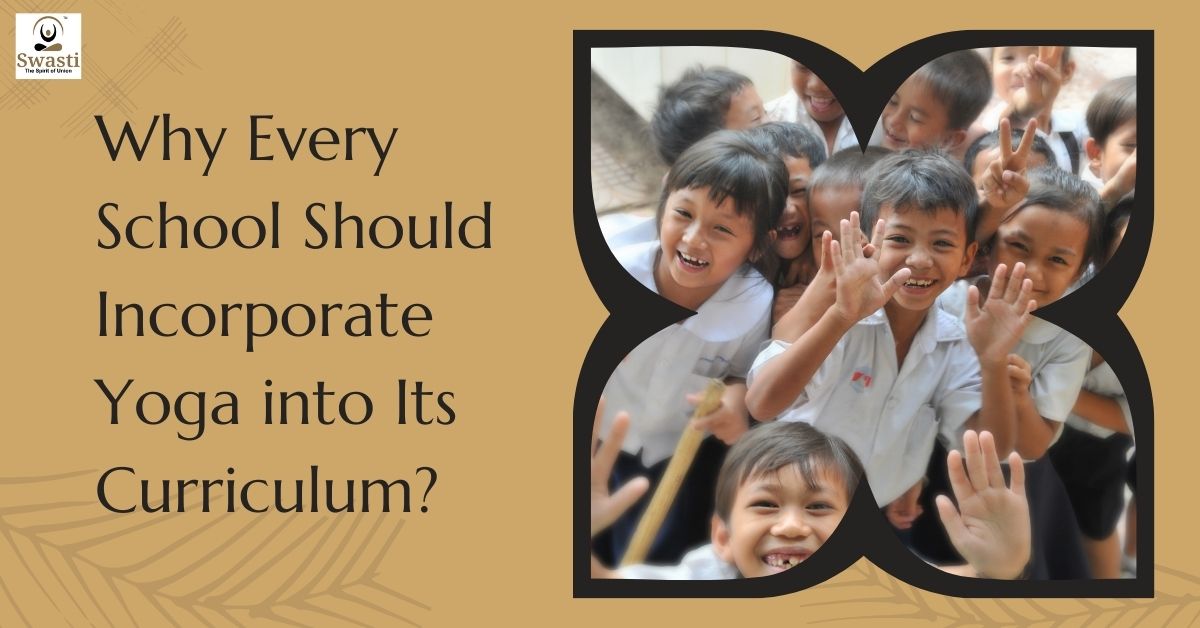
Why Every School Should Incorporate Yoga into Its Curriculum

Why Every School Should Incorporate Yoga into Its Curriculum?

In recent years, schools have recognized the importance of not only academic excellence but also the overall well-being of students. With the pressures of modern life, many students are grappling with various challenges that affect their physical health, mental clarity, and emotional stability. As educators and parents seek effective solutions, yoga emerges as a valuable practice that can address these issues and promote a healthier, more balanced lifestyle for students. What is the Problem of Todayโ€™s Students? Todayโ€™s students face numerous challenges that impact their well-being. Increased academic demands, social pressures, and the pervasive influence of technology contribute to heightened stress and anxiety levels. Many students struggle with maintaining focus, managing their emotions, and developing positive social skills. As a result, there is a growing need for effective strategies that can help students navigate these challenges while fostering a supportive and nurturing educational environment. The Benefits of Yoga for Students Enhancing Physical Health and Well-Being Incorporating yoga into school curricula provides significant benefits for students’ physical health. Regular yoga practice improves flexibility, strength, and overall fitness. As children and adolescents often engage in sedentary activities, yoga encourages movement and helps prevent lifestyle-related health issues, such as obesity and poor posture. By introducing yoga as part of their daily routine, schools can foster healthier habits that support studentsโ€™ physical development. Promoting Mental Clarity and Focus Mental health is a growing concern for students today. The pressures of exams, social dynamics, and extracurricular activities can lead to stress and anxiety. Yoga serves as a powerful tool for stress relief, allowing students to find a sense of calm amidst the chaos. Through mindfulness practices, yoga helps improve concentration and cognitive function, enabling students to absorb and retain information more effectively. Supporting Emotional Resilience and Self-Awareness Emotional well-being is crucial for students’ development. Yoga fosters emotional resilience and self-awareness, equipping students with the tools to navigate their feelings. Regular practice can lead to improved mood and reduced anxiety, helping students feel more balanced and secure. By promoting emotional well-being, yoga encourages healthier relationships and better communication skills among peers. You may like to read: The Importance of Certified Yoga Instructors in Schools and Collegesย  Enhancing Academic Performance and Engagement Integrating yoga into school curricula has been shown to positively impact academic performance. Schools that offer yoga programs report improved grades and increased student engagement. The skills learned through yoga, such as focus, discipline, and perseverance, translate to academic success, allowing students to tackle their studies with greater confidence and enthusiasm. Fostering Social Skills and a Sense of Community Yoga is not just an individual practice; it also fosters social skills and a sense of community among students. Group yoga activities encourage teamwork and collaboration, creating strong bonds between peers. This sense of belonging is essential for students, promoting inclusivity and support within the school environment, which can enhance overall student satisfaction and morale. Cultivating Mindfulness and Emotional Intelligence Incorporating yoga into school curricula helps cultivate mindfulness and emotional intelligence among students. Mindfulness practices enhance students’ ability to be present and fully engaged in their experiences, leading to better decision-making and reduced impulsivity. Developing emotional intelligence enables students to recognize and manage their emotions and empathize with others, essential skills for building healthy relationships. Practical Implementation: How Schools Can Integrate Yoga? Schools can easily integrate yoga into their curricula through various approaches. This can include mandatory yoga classes, optional workshops, or after-school programs. Educators can start with short yoga sessions during daily routines or introduce mindfulness exercises during transitions between subjects. Many schools have successfully implemented yoga programs, resulting in healthier, happier, and more engaged students. Overcoming Common Barriers to Yoga Implementation While the benefits of yoga in schools are clear, some concerns may arise regarding its integration. Common barriers include time constraints and costs associated with hiring qualified instructors. However, there are many solutions available, such as training existing staff to lead yoga sessions or collaborating with local yoga studios. By addressing these challenges, schools can create a nurturing environment for students that emphasizes the importance of well-being. A Step Toward a Healthier Future The advantages of incorporating yoga into school curricula are substantial. By prioritizing students’ physical, mental, and emotional well-being, educators can create a supportive learning environment that fosters overall development. Embracing yoga in schools not only benefits individual students but also contributes to a healthier, more compassionate society. If you’re an educator or administrator looking to enhance your schoolโ€™s curriculum, consider exploring the Yoga Teacher Training Courses offered by Swasti Yoga Center. Our comprehensive programs empower you to teach yoga effectively, allowing you to make a lasting impact on your studentsโ€™ lives. By becoming a certified yoga instructor, you can help cultivate a culture of mindfulness, health, and well-being in your school community. Join us at Swasti Yoga Center and take the first step toward transforming education through the power of yoga.

Read More ยป
Exploring Indian Culture Through Yoga for Expats in Pune

Exploring Indian Culture Through Yoga for Expats in Pune

As an expat in Pune, India, the cultural richness of the city can be both fascinating and overwhelming. From vibrant festivals to ancient traditions, Pune offers a unique window into the heart of India. One of the best ways to truly experience and connect with this rich heritage is through the practice of yoga. Rooted deeply in Indian culture, yoga provides an opportunity to not only improve your physical and mental well-being but also to immerse yourself in the spiritual and philosophical aspects of Indian life. For expats seeking to integrate into the local culture, yoga offers the perfect gateway. The Deep Roots of Yoga in Indian Culture Yoga has been an integral part of Indian culture for over 5,000 years. Itโ€™s more than just a physical practiceโ€”it is a holistic discipline that encompasses physical, mental, and spiritual growth. The word “yoga” itself means union, symbolizing the connection between the mind, body, and spirit. For many Indians, yoga is a way of life, reflecting the country’s philosophy of balance, peace, and harmony. Practicing yoga in India allows you to experience its cultural essence firsthand. In Pune, the ancient tradition of yoga thrives in various centers that focus not just on the physical aspects but also on meditation, breathing techniques, and the understanding of Indian philosophy. Through yoga, expats can explore the deeper meanings of life, spirituality, and cultural mindfulness. Why Expats in Pune are Choosing Yoga? For many expats, moving to a new country brings both excitement and challenges. Pune, known as an educational and cultural hub, attracts a large international community. However, adapting to new environments and cultural norms can sometimes feel overwhelming. This is where yoga can play a crucial role. Expats in Pune are increasingly turning to yoga as a way to maintain mental clarity, relieve stress, and understand Indian traditions. Yoga helps individuals reconnect with themselves and their surroundings, making it easier to adapt to life in a new city. Furthermore, learning yoga from a certified center allows expats to experience Indian culture authentically, blending physical wellness with spiritual enlightenment. Exploring Puneโ€™s Yoga Scene: A Cultural Journey Pune has a long-standing history with yoga, being home to various yoga centers and retreats that promote traditional practices. The city’s yoga scene is diverse, ranging from large-scale institutions to intimate workshops that focus on individual growth. As an expat, joining this community offers more than just yogaโ€”it opens a door to experiencing Indiaโ€™s rich cultural heritage. Yoga centers in Pune also organize activities such as Satsang (spiritual discussions), kirtans (devotional songs), and meditation sessions, providing expats with a holistic cultural experience. Many yoga retreats in and around Pune allow practitioners to escape the hustle and bustle of city life, diving deep into personal development and cultural understanding. How Yoga Helps Expats Adapt to Life in Pune? Adjusting to a new culture can be challenging for anyone, especially for expats. Yoga serves as a powerful tool in helping individuals find balance, mindfulness, and a sense of belonging. In Pune, yoga is more than just a fitness regimeโ€”itโ€™s a way to foster inner peace and strengthen mental resilience. Reduces Stress: Yoga helps expats manage the stress of adjusting to a new environment, promoting mental calmness and emotional stability. Improves Focus: Regular practice enhances concentration, aiding in better decision-making and productivity during the adjustment phase. Cultivates Mindfulness: Yoga encourages mindfulness, allowing expats to live in the present moment, easing feelings of overwhelm. Promotes Balance: It helps individuals maintain a balance between personal and professional life while adapting to new cultural norms. Builds Community: Through yoga classes, expats can connect with a supportive community of like-minded individuals, creating a sense of belonging. Boosts Physical Health: Regular yoga practice improves physical fitness and flexibility, helping expats stay energized and healthy while adapting to a new lifestyle. Fosters Cultural Connection: Practicing yoga in India gives expats insight into Indian spirituality and traditions, enriching their understanding of local culture. Swasti Yoga Center: Your Gateway to Authentic Indian Yoga Swasti Yoga Center in Pune offers a comprehensive approach to yoga, embracing the true spirit of Indian culture. At Swasti, yoga is more than just physical posturesโ€”itโ€™s about connecting with the ancient traditions that define Indian spirituality and wellness. Our center welcomes expats to explore Indian culture through various enriching activities and programs. Embracing Indian Culture at Swasti Yoga Center At Swasti Yoga Center, we integrate the essence of Indian culture into our practices through diverse activities: Festivals and Cultural Events: We actively participate in Indian festivals, providing expats the chance to celebrate and understand the deeper meanings behind them. Whether itโ€™s Diwali, Holi, or Ganesh Chaturthi, our community events offer a vibrant introduction to Indian traditions. Holistic Retreats: Our retreats allow practitioners to dive deep into yoga and meditation while also learning about Indiaโ€™s natural beauty and spiritual heritage. Set in peaceful surroundings, these retreats offer the perfect escape to rejuvenate both body and mind. Ayurveda Consultations: Ayurveda, Indiaโ€™s ancient system of medicine, is a core aspect of our offerings. We provide personalized Ayurveda consultations for those looking to balance their bodyโ€™s energies through diet, herbal remedies, and lifestyle practices. Yoga Teacher Training Courses (TTC): Swasti offers AYUSH-certified TTC courses for those interested in becoming yoga instructors. Our courses emphasize the authentic teachings of yoga, combining physical practice with an understanding of Indian philosophy, ensuring a well-rounded experience. Through these activities, Swasti Yoga Center offers expats an authentic and enriching journey into Indian culture, helping them embrace not just the practice of yoga but also the lifestyle it promotes. Experience the True Spirit of India Through Yoga For expats living in Pune, yoga presents a unique opportunity to not only improve personal well-being but also to immerse themselves in Indian culture. The practice of yoga transcends physical exercise, offering insights into the spiritual and philosophical traditions that define Indiaโ€™s heritage. At Swasti Yoga Center, we invite expats to join our community and explore the beauty of Indian culture through our various programs, retreats, and workshops.

Read More ยป
Yoga Vs Gym Why Yoga is the Superior Fitness Choice?

Yoga Vs Gym: Why Yoga is the Superior Fitness Choice?

In recent years, both yoga and gym workouts have gained immense popularity among fitness enthusiasts. However, as people strive for better health and well-being, itโ€™s essential to consider which of these options provides the most holistic benefits. This article explores why yoga is the superior fitness choice compared to traditional gym workouts, highlighting its numerous advantages for both physical and mental health. Understanding the Basics What is Yoga? Yoga is a time-honored practice that blends physical postures, breathing techniques, and meditation to promote overall well-being. Rooted in ancient philosophy, yoga encourages mindfulness, flexibility, and inner peace, fostering a deep connection between the body and mind. It is not just an exercise but a holistic approach to living a balanced and healthy life. What is Gym Training? Gym training primarily focuses on physical exercises aimed at building muscle, strength, and endurance. Many people view gym workouts as a means to enhance their physical appearance and achieve specific fitness goals. While strength training can be beneficial, it often emphasizes intense workouts and competitive environments that may not support long-term health and wellness. The Health Benefits of Yoga Physical Benefits Yoga offers a myriad of physical benefits that can enhance overall health: Improved Flexibility, Balance, and Strength: Regular practice increases flexibility and balance, reducing the risk of injuries and enhancing physical performance. Injury Prevention: Unlike high-impact gym workouts, yoga involves gentle, low-impact movements, making it ideal for preventing injuries and addressing any existing physical concerns. Boosted Metabolism: Yoga stimulates the metabolism and improves posture, leading to better body alignment and functional movement. Mental & Emotional Benefits Yoga is not only beneficial for physical health; it also promotes mental clarity and emotional well-being: Stress Reduction: Through mindfulness and relaxation techniques, yoga significantly reduces stress and anxiety levels, contributing to a calmer mindset. Enhanced Emotional Balance: Yoga fosters emotional stability and promotes calmness, helping individuals cope with the stresses of daily life. Increased Focus and Self-Awareness: Regular practice enhances focus and self-awareness, enabling individuals to live more consciously and intentionally. The Drawbacks of Gym Workouts While gyms can offer physical benefits, they also come with significant drawbacks: Physical Risks Overload Injuries: Many gym-goers experience overload injuries like muscle strain, joint issues, and overtraining syndrome due to the high intensity of workouts. Dangers of Pushing Too Hard: Weightlifting accidents and injuries from improper techniques are common, especially among beginners who may not receive adequate guidance. Serious Health Risks: Competitive attitudes in the gym can lead to serious issues such as cardiac arrest, spondylitis, and chronic back pain, which can arise from improper lifting techniques and excessive strain on the body. The American Heart Association highlights that intense exercise without proper training or understanding can increase the risk of cardiac events. Emotional & Behavioral Impact Aggressive Behavior: The competitive nature of gym environments can foster aggressive behavior and unhealthy competition among participants. Body Image Issues: Many individuals develop body image concerns and comparison culture, which can lead to anxiety and self-esteem issues. Burnout Risk: The pressure to perform and achieve quick results can lead to burnout and dissatisfaction with the fitness journey. Unhealthy Obsession: The emphasis on physical appearance can cultivate an unhealthy obsession with body image and fitness goals, detracting from overall well-being. Financial Implications High Costs: Gym memberships, personal trainers, and workout gear can become significant financial burdens, making it less appealing for individuals seeking long-term commitments. Ongoing Expenses: These financial obligations may discourage consistent attendance and engagement in fitness routines. Time Commitment Significant Time Investment: Gym workouts often require a considerable time commitment, making it challenging for busy individuals to maintain consistency. Pressure to Spend More Time: The notion that longer workouts yield better results can lead to neglecting other essential aspects of life. Limited Accessibility Intimidating Environment: Many individuals, especially beginners, may feel intimidated in a gym setting, deterring them from pursuing their fitness goals. Accessibility Issues: Gyms may not be accessible for people with disabilities or certain health conditions, limiting their options for physical activity. Yoga vs. Gym: A Side-by-Side Comparison Aspect Yoga Gym Physical Impact Low-impact gentle movements High-impact intense workouts Injury Risk Low risk of injuries High risk of overload injuries Mental Health Reduces stress and anxiety Can increase stress and aggression Emotional Balance Promotes calmness and mindfulness Often fosters competition and pressure Sustainability Can be practiced at any age May become unsustainable with age Holistic Approach Focuses on body mind and spirit Primarily physical fitness focus Accessibility Generally accessible for all fitness levels Can be intimidating for beginners Financial Commitment Typically lower costs (classes/online) Often high costs for memberships Social Environment Supportive community Competitive and often intimidating Conclusion: A Superior Choice for Life In conclusion, yoga emerges as the superior fitness choice for individuals seeking long-term health, calmness, and balance in life. Its holistic approach, combined with physical and emotional benefits, makes it an ideal practice for those who want to enhance their overall well-being. By embracing yoga, individuals can cultivate a peaceful mindset, improve their physical health, and foster positive behaviors that contribute to a healthier society. If you’re ready to experience the transformative benefits of yoga, consider exploring the courses offered at Swasti Yoga Center. Join a supportive community that promotes health and well-being through yoga. Start your journey towards a balanced and fulfilling life todayโ€”choose yoga at Swasti Yoga Center!

Read More ยป
Navratri Nights Dancing Through Puneโ€™s Festivals While Mastering Yoga

Navratri Nights: Dancing Through Puneโ€™s Festivals While Mastering Yoga

Navratri, a festival that spans nine nights, is a celebration of the divine feminine energy in India. In Pune, this vibrant festival brings a wave of cultural and spiritual activities that transform the city into a lively canvas of tradition and festivity. Simultaneously, for those on a journey of self-discovery and spiritual growth, mastering yoga offers a path to inner peace and transformation. The synergy between the energetic celebrations of Navratri and the disciplined practice of yoga creates a unique opportunity for profound personal growth. This blog explores how you can immerse yourself in Pune’s festive ambiance while deepening your yoga practice, blending cultural celebration with spiritual discipline. Navratri in Pune: A Cultural and Spiritual Celebration Navratri in Pune is a spectacular affair. The cityโ€™s streets are adorned with colorful lights, elaborate decorations, and lively music. Each night is dedicated to different forms of the goddess Durga, and the celebrations include traditional dance forms like garba and dandiya. These dances are not only a cultural highlight but also a joyous expression of devotion and community spirit. The vibrancy of Navratri provides a perfect backdrop for personal enrichment. The festivalโ€™s energy aligns well with the principles of yoga, creating an environment that is both stimulating and serene. For international students and visitors, Navratri offers a rich cultural experience, allowing them to engage deeply with Indian traditions while pursuing their yoga journey. The Intersection of Dance and Yoga: A Holistic Approach to Well-Being The dance forms celebrated during Navratri, such as garba and dandiya, involve rhythmic, flowing movements that resonate with the principles of yoga. Both dance and yoga emphasize the importance of fluid motion, rhythm, and mindfulness. During Navratri, the repetitive and graceful movements of these dances can enhance physical fitness and mental focus, much like yoga practice. Combining the rhythmic energy of dance with the mindful practice of yoga creates a holistic approach to well-being. The dance movements of Navratri complement yoga postures by promoting flexibility, strength, and coordination. This synergy not only enhances physical health but also nurtures mental clarity and emotional balance. Embracing this integration allows practitioners to experience a more profound sense of harmony and vitality. Yoga for Inner Balance During Festivities Festivals like Navratri bring an atmosphere of excitement and celebration, which can sometimes lead to overstimulation and imbalance. Yoga offers a counterbalance to this high-energy environment, helping practitioners maintain mental and physical equilibrium. Incorporating yoga into your daily routine during Navratri can help manage stress and promote relaxation. Techniques such as meditation and pranayama (breathing exercises) are especially beneficial. Meditation fosters mental calmness and clarity, while pranayama helps regulate the breath, which is essential for maintaining energy levels and emotional stability. Gentle yoga asanas can also aid in physical relaxation, reducing any tension that might arise from the festivities. Mastering Yoga Amidst Puneโ€™s Festive Vibes For those seeking to deepen their yoga practice, Pune during Navratri offers an ideal setting. The city’s festive energy creates a dynamic environment for yoga teacher training programs. These programs provide a comprehensive approach to yoga, blending physical practice with philosophical teachings. Yoga teacher training courses in Pune offer the opportunity to engage with experienced instructors and practice in a culturally rich environment. The festive atmosphere of Navratri enhances the learning experience, providing inspiration and motivation for students. The training covers various aspects of yoga, including asanas, meditation, philosophy, and teaching techniques, enabling students to immerse themselves fully in their practice. Celebrating Navratri with Yoga Philosophy Navratriโ€™s nine nights symbolize a period of transformation and renewal, themes that are central to yoga philosophy. The festivalโ€™s focus on the divine feminine and inner strength resonates with the core principles of yoga, which emphasize self-discovery, inner growth, and spiritual awakening. Yoga teaches that true transformation comes from within, aligning closely with the festivalโ€™s themes of devotion and personal growth. Celebrating Navratri provides a meaningful context for reflecting on these principles, and integrating the festivalโ€™s energy into your yoga practice. By connecting the festive spirit with yoga philosophy, you can deepen your understanding of both and enhance your overall experience. The Perfect Time for Transformation: Why Navratri is Ideal for Yoga Teacher Training Navratri is considered an auspicious period for personal and spiritual development. The festivalโ€™s emphasis on transformation and renewal makes it an ideal time to begin or deepen your yoga journey. The heightened energy and reflective nature of the festival complement the transformative aspects of yoga practice. Starting yoga teacher training during Navratri allows you to harness the festivalโ€™s positive energy and apply it to your personal growth. The combination of the festivalโ€™s vibrant atmosphere and the disciplined practice of yoga creates a powerful setting for transformation. This period offers a unique opportunity to embark on a journey of self-discovery and spiritual development. Conclusion: Dance, Celebrate, and Learn Yoga in Pune Puneโ€™s Navratri celebrations provide a vibrant and enriching experience, creating an ideal backdrop for mastering yoga. By blending the cultural festivities with yoga practice, you can enjoy a holistic approach to personal growth and well-being. The festivalโ€™s energy enhances the yoga journey, making it a perfect time to explore both the cultural and spiritual aspects of Pune. Begin Your Transformative Journey with Swasti Yoga Center Embrace the magic of Puneโ€™s festivals and deepen your yoga practice by joining a comprehensive yoga teacher training course at Swasti Yoga Center. Our programs offer the perfect balance of cultural immersion and professional growth, allowing you to celebrate Navratri while advancing your yoga journey. Join our Ayush certified yoga teacher training courses and take the first step toward a transformative experience.

Read More ยป
Why Yoga Deserves a Place in the Olympics & Other Multisport Events

Why Yoga Deserves a Place in the Olympics & Other Multisport Events?

Yoga has gained immense popularity worldwide, yet it remains absent from major competitive platforms like the Olympics and other Multisport Events like the Asian Games. With its profound history, cultural significance, and numerous benefits, itโ€™s time to ask why yoga isnโ€™t included in these prestigious events. In this blog, we will explore why yoga deserves a place among the worldโ€™s elite sports and how it can enrich the spirit of these multisport events. The Deep Roots of Yoga Yoga is an ancient practice that originated in India over 5,000 years ago. It is not merely a physical exercise; it encompasses a philosophy that promotes mental and emotional well-being. “yoga” comes from the Sanskrit word “yuj,” which means to unite or join. This concept of unity is at the heart of yoga, emphasizing the connection between mind, body, and spirit. Historical Significance In ancient texts like the Yoga Sutras of Patanjali, the principles of yoga are outlined, focusing on ethics, mental discipline, and physical practices. Yoga was traditionally a spiritual discipline aimed at self-realization and enlightenment. Over the centuries, it has evolved and diversified into various styles and practices, each offering unique benefits. The Global Transformation Yoga began to spread to the West in the late 19th and early 20th centuries. Pioneers like Swami Vivekananda introduced yoga philosophy to a global audience, and today, millions of people practice yoga across the world. This global transformation has led to a greater understanding and appreciation of yoga as a holistic practice that can enhance overall well-being. The Essence of Yoga as a Sport When we think of sports, we often envision competitive environments focused on winning. However, yoga redefines this notion by emphasizing self-improvement, mindfulness, and balance. Hereโ€™s how yoga aligns with the core values of sports: Mindfulness and Focus Yoga teaches practitioners to be present in the moment. This mindfulness is crucial for athletes, helping them manage stress and enhance performance. By incorporating yoga into their training, athletes can cultivate mental clarity, leading to improved focus during competitions. Physical Benefits The physical practice of yoga builds strength, flexibility, and balance. Unlike many traditional sports, yoga encourages practitioners to listen to their bodies and move at their own pace. This approach can prevent injuries and promote long-term health. Emotional Resilience Yoga also fosters emotional well-being. The practice encourages self-acceptance and resilience, helping athletes cope with the pressures of competition. By learning to manage their emotions, athletes can maintain composure during high-stakes situations. The Growing Popularity of Yoga Statistics on Participation Yogaโ€™s popularity has skyrocketed in recent years. According to recent studies, over 300 million people practice yoga worldwide, and this number continues to grow. From children to seniors, individuals of all ages and backgrounds are embracing yoga for its myriad benefits. Yoga Festivals and Competitions Yoga festivals and competitions are becoming increasingly popular, showcasing talented practitioners from around the world. Events like the International Yoga Sports Federation’s championships highlight the skills and dedication of yoga athletes. These competitions provide a platform for practitioners to demonstrate their abilities, further establishing yoga as a competitive practice. Why Yoga Deserves Olympic Recognition? A. Inclusivity and Diversity One of the most beautiful aspects of yoga is its inclusivity. Unlike many traditional sports that require specific physical attributes or skills, yoga welcomes everyone. People of all ages, sizes, and backgrounds can practice yoga, making it a truly universal activity. B. Mental and Emotional Well-Being The importance of mental health in sports cannot be overstated. Yoga offers valuable tools for managing stress, anxiety, and pressureโ€”issues that many athletes face. By including yoga in the Olympics and the other Multisport Events, we promote the message that mental well-being is just as vital as physical performance. C. Cultural Significance Yoga is deeply rooted in various cultures and traditions. Its inclusion in the Olympics, the Asian Games, and other Multisport Events would honor this rich heritage and promote cultural exchange. Imagine athletes from around the world showcasing their unique yoga styles at these events, celebrating diversity while fostering global unity. Addressing Misconceptions About Yoga as a Sport Overcoming Skepticism Despite its benefits, some skeptics argue that yoga isnโ€™t a โ€œrealโ€ sport. This misconception often stems from a lack of understanding of what yoga truly entails. Yoga is not merely stretching or relaxation; it requires discipline, skill, and practice. Standardization of Competition For yoga to be recognized as a sport, it must be standardized. Establishing clear rules and formats for competitions would help legitimize yoga as a competitive practice. This could include various categories, such as individual performances, team competitions, or even collaborative displays. A Vision for Yoga in the Olympics and Asian Games Imagining the Olympic and Asian Games Stage Picture a vibrant Olympic arena or an Asian Games venue where athletes showcase their yoga skills. Each competitor could perform a sequence of postures that highlight their strength, flexibility, and grace. Judges would evaluate not only the physical execution but also the mindfulness and presence displayed during the performance. Integration with Other Sports Yoga can complement other Olympic and Asian Games sports as well. Many athletes from various disciplines already incorporate yoga into their training routines to enhance flexibility, strength, and focus. By recognizing yoga as a sport, these events could promote a more holistic approach to athletic training. Learning from Other Non-Traditional Sports The Olympics have successfully integrated non-traditional sports like skateboarding and surfing. These sports have gained immense popularity and attracted younger audiences. Similarly, yoga could bring a fresh perspective to these Games, appealing to a diverse range of spectators. The Benefits of Yoga for Athletes Enhancing Performance Incorporating yoga into training regimens can provide numerous benefits for athletes: Improved Flexibility: Increased flexibility can lead to better performance in various sports. Enhanced Strength: Many yoga poses require core strength, helping athletes build stability and power. Better Recovery: Yoga promotes relaxation and aids in recovery, reducing the risk of injuries. The Time is Now for Yoga in the Olympics and other Multisport Events In conclusion, yoga embodies the spirit of

Read More ยป
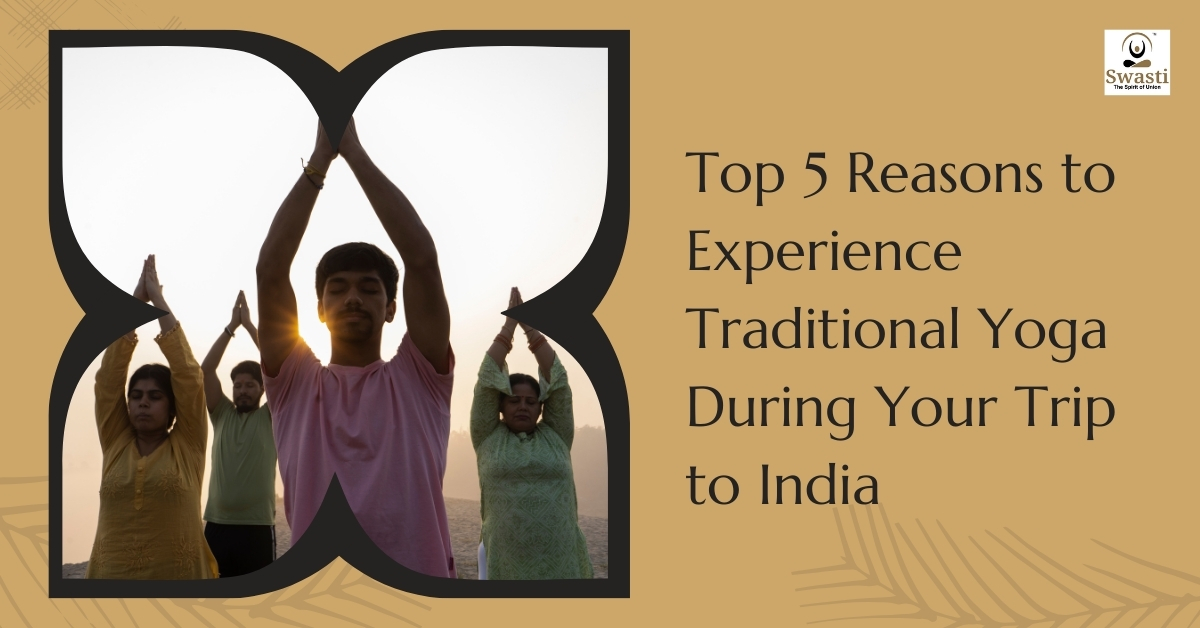
Top 5 Reasons to Experience Traditional Yoga During Your Trip to India

Top 5 Reasons to Experience Traditional Yoga During Your Trip to India

When planning a trip to India, you might think of famous landmarks, bustling markets, and delicious food. But have you ever considered yoga? Practicing traditional yoga in India offers a unique experience that goes beyond sightseeing. Itโ€™s a way to connect with the countryโ€™s spiritual roots and transform your journey. Whether you’re new to yoga or have been practicing for years, here are the top 5 reasons why you should try traditional yoga during your trip to India. 1. Practice Authentic Yoga in Its Place of Origin Yoga originated in India over 5,000 years ago, making it the spiritual home of this ancient practice. When you practice yoga in India, you’re not just doing stretchesโ€”you’re connecting with a practice that has been passed down through generations. Whether you’re practicing on the banks of the Ganges River or in the peaceful foothills of the Himalayas, you’ll feel the energy of the land that has nurtured yoga for centuries. Thereโ€™s a special kind of magic in doing yoga where it all began, surrounded by the rich cultural and spiritual history that makes India so unique. Unlike in other parts of the world, yoga in India is more than just a fitness routine. Itโ€™s a holistic practice that incorporates meditation, breathwork, and a deep understanding of how the body and mind connect. Practicing yoga in its birthplace allows you to experience it in its purest form. Here, the focus isnโ€™t on perfecting postures for Instagram, but on inner growth and spiritual balance. This authenticity makes practicing yoga in India a life-changing experience. 2. Learn from Experienced Yoga Masters (Gurus) In India, yoga is taught by highly experienced teachers, often referred to as gurus, who have spent their lives studying and practicing this ancient tradition. These gurus arenโ€™t just fitness instructors; they are spiritual guides who pass down the wisdom of yoga from one generation to the next. Learning from a traditional Indian guru offers a personalized experience that goes beyond what youโ€™d find in a typical yoga class. The close relationship between teacher and student, known as the guru-shishya relationship, is an important part of the learning process. These gurus not only teach the physical postures of yoga but also share the deeper aspects of the practice, such as philosophy, meditation, and breath control. By learning from these masters, youโ€™ll gain insights into the true purpose of yoga, which is to unite the mind, body, and spirit. This personalized guidance and deep-rooted knowledge make practicing yoga in India a unique and enriching experience, unlike anything youโ€™ll find elsewhere. 3. Achieve Holistic Wellness through Integrated Practices In India, yoga isnโ€™t just about physical fitnessโ€”itโ€™s about achieving holistic wellness. Traditional yoga practices in India are often combined with pranayama (breath control), meditation, and Ayurveda, an ancient Indian system of healing. Together, these practices help you achieve a balance between mind, body, and soul. By practicing yoga in India, youโ€™ll experience how these elements work together to create overall well-being, reducing stress and improving mental clarity while strengthening the body. Incorporating pranayama and meditation into your yoga routine allows you to focus on your breath and calm your mind, enhancing both your physical and emotional health. Ayurveda complements yoga by offering dietary and lifestyle advice that aligns with the principles of balance and harmony. This integrated approach to wellness is something youโ€™ll rarely find in modern yoga studios, and itโ€™s one of the key reasons why practicing yoga in India can lead to a profound transformation. 4. Find Peace in Nature through Immersive Retreats India is home to some of the most serene and beautiful yoga retreats in the world. Whether you want to meditate in the quiet Himalayan mountains, practice yoga on a beach in Goa, or find tranquility in a lush forest, there are countless options for practicing yoga in nature. These yoga retreats are designed to provide a peaceful environment where you can disconnect from your daily life and focus on deepening your practice. Surrounded by nature, youโ€™ll find it easier to quiet your mind and tap into the inner peace that yoga offers. These immersive retreats not only offer stunning natural surroundings but also provide structured schedules that include yoga, meditation, and spiritual learning. The peaceful settings amplify the benefits of yoga, allowing you to rejuvenate both physically and mentally. Whether you choose a simple ashram or a luxury retreat, practicing yoga in Indiaโ€™s natural landscapes adds another layer of calm and healing to your journey, making it an ideal destination for those seeking inner peace and self-reflection. 5. Connect with Indiaโ€™s Spiritual and Cultural Heritage Yoga is deeply rooted in Indiaโ€™s spiritual and cultural traditions. When you practice yoga in India, youโ€™re not only working on your physical healthโ€”youโ€™re engaging with the spiritual side of the practice. Yoga is mentioned in sacred Indian texts like the Vedas, Upanishads, and Bhagavad Gita, and itโ€™s closely connected to the countryโ€™s religious and philosophical systems. Practicing yoga in India allows you to experience this rich cultural heritage firsthand, deepening your understanding of yogaโ€™s spiritual significance. By immersing yourself in traditional yoga, youโ€™ll also gain insight into Indian culture. You may have the opportunity to participate in ancient rituals, visit sacred sites, or witness daily spiritual practices that are an integral part of Indian life. This deeper connection with yogaโ€™s cultural roots can make your practice more meaningful, helping you understand not just the postures but the philosophy behind them. Itโ€™s an experience that goes beyond physical benefits, offering a chance for personal and spiritual growth. Make Your Trip Transformational So, when planning your trip to India, donโ€™t just think about temples and tourist spotsโ€”consider yoga! Whether youโ€™re looking to deepen your practice or try it for the first time, traditional yoga in India offers a unique, life-changing experience. Youโ€™ll leave feeling more connected to yourself, your surroundings, and the world around you. Experience Traditional Yoga with Swasti Yoga Center If you’re ready to dive into the world of traditional yoga during your trip

Read More ยป
The Importance of Certified Yoga Instructors in Schools and Colleges

The Importance of Certified Yoga Instructors in Schools and Colleges

Yoga has blossomed into a cornerstone of well-being in recent years, particularly within the walls of schools and colleges. As students discover the benefits of this ancient practiceโ€”ranging from stress relief to enhanced focusโ€”the question arises: who is leading these yoga classes? The role of certified yoga instructors is crucial, and understanding their impact in educational settings can shed light on why they are indispensable. What Makes Certified Instructors So Important? When you step into a yoga class, you want to be guided by someone who knows their stuff. Certified yoga instructors have completed extensive training that equips them with the necessary skills to teach safely and effectively. They dive deep into yoga philosophy, anatomy, and the nuances of different poses. This training is vital because it ensures that every student feels safe and confident on the mat. Safety First Picture a yoga class without a trained instructor. It could lead to injuries or discomfort, right? Certified instructors understand how to modify poses based on individual needs and levels. They are trained to create a safe environment, making sure that students can explore yoga without the fear of hurting themselves. Structure and Engagement A certified instructor brings a structured approach to yoga classes, designing a curriculum that gradually introduces students to various poses and techniques. This structure not only keeps students engaged but also fosters a sense of progression. Instead of feeling lost, students can see their improvement over time, which enhances their commitment to practice. Building Trust and Rapport Trust is a significant aspect of any teacher-student relationship, and certified yoga instructors excel in this area. They create a supportive atmosphere that encourages students to explore their limits and push beyond them. When students feel understood and supported, they are more likely to engage fully in their practice. The Impact of Certified Instructors in Schools A Safe Space for Young Minds One of the most notable benefits of having certified kids yoga instructors in schools is their ability to create a safe and nurturing environment for young minds. Students can engage in physical activity while learning essential skills for managing stress and emotions. This is especially important in todayโ€™s fast-paced world, where children face increasing academic pressures. Promoting Mental Wellness Research has shown that yoga can significantly improve mental health. Certified instructors teach techniques that help students manage anxiety and stress effectively. Picture a high school student who has just finished a tough exam. Stepping into a yoga class led by a certified instructor can provide a much-needed escape, allowing them to clear their minds and rejuvenate. Engaging the Whole Student A certified instructor goes beyond just teaching poses; they engage the whole studentโ€”body, mind, and spirit. Through breathing exercises, meditation, and mindful movement, students learn to connect with themselves on a deeper level. This holistic approach nurtures emotional intelligence, helping students to handle challenges both inside and outside the classroom. Why do Colleges Benefit from Certified Instructors? Addressing Mental Health Challenges College life can be a whirlwind of stress, deadlines, and social pressures. Certified yoga instructors can help students manage this stress by providing effective tools for relaxation and focus. Think about it: after a grueling day of classes and studying, wouldnโ€™t it be nice to step into a yoga class that teaches you how to breathe through the chaos? Fostering Community and Inclusivity Yoga is all about connection, both with oneself and with others. Certified instructors create an inclusive environment where students can collaborate and share their experiences. Itโ€™s more than just physical practice; itโ€™s about building a sense of community. This environment encourages students to form friendships and support each other, fostering a sense of belonging that is crucial during the college years. Mentoring Future Instructors For students interested in becoming yoga instructors themselves, colleges provide an excellent platform for growth. Certified instructors can serve as mentors, sharing their experiences and guiding aspiring teachers on their paths to certification. This mentorship is invaluable, creating a network of skilled instructors ready to inspire the next generation. The Holistic Benefits of Regular Practice Physical Improvements The benefits of practicing yoga extend far beyond the mental realm. Regular sessions with a certified instructor can lead to increased flexibility, strength, and better posture. This is particularly beneficial for students who spend long hours sitting in classes or studying. Mental Clarity and Focus Letโ€™s face itโ€”students often juggle a million tasks at once. Yoga helps cultivate mental clarity and focus, allowing students to concentrate better on their studies. Those moments spent on the mat can translate into more productive hours spent on academic work, helping students manage their time more effectively. Embracing the Future of Yoga in Education As we look toward the future, itโ€™s clear that yoga will continue to play a pivotal role in education. Schools and colleges are increasingly recognizing the value of integrating yoga into their curricula. But to make a real impact, itโ€™s essential to have certified instructors at the helm. Advocating for Quality Training As yoga becomes more mainstream, the demand for quality instructors rises. Advocacy for certified yoga programs in educational institutions is crucial. With the right training and support, certified instructors can transform the lives of students, paving the way for a healthier, more balanced generation. The Call for Community Support To promote the growth of yoga in schools and colleges, community support is vital. Parents, educators, and administrators should rally behind the integration of yoga programs, recognizing the benefits it offers. By investing in certified instructors, schools can cultivate an environment that prioritizes student well-being. Transforming Lives Through Yoga in Education Imagine a world where every school and college embraces yoga as a core component of student life. By integrating certified yoga instructors into educational settings, weโ€™re not just enhancing physical education; weโ€™re cultivating a culture of well-being and mindfulness that benefits every student. Begin Your Journey with Swasti Yoga Center Ready to leap? Explore the AYUSH-certified Yoga Teacher Training Courses at Swasti Yoga Center. Gain the skills and knowledge needed

Read More ยป
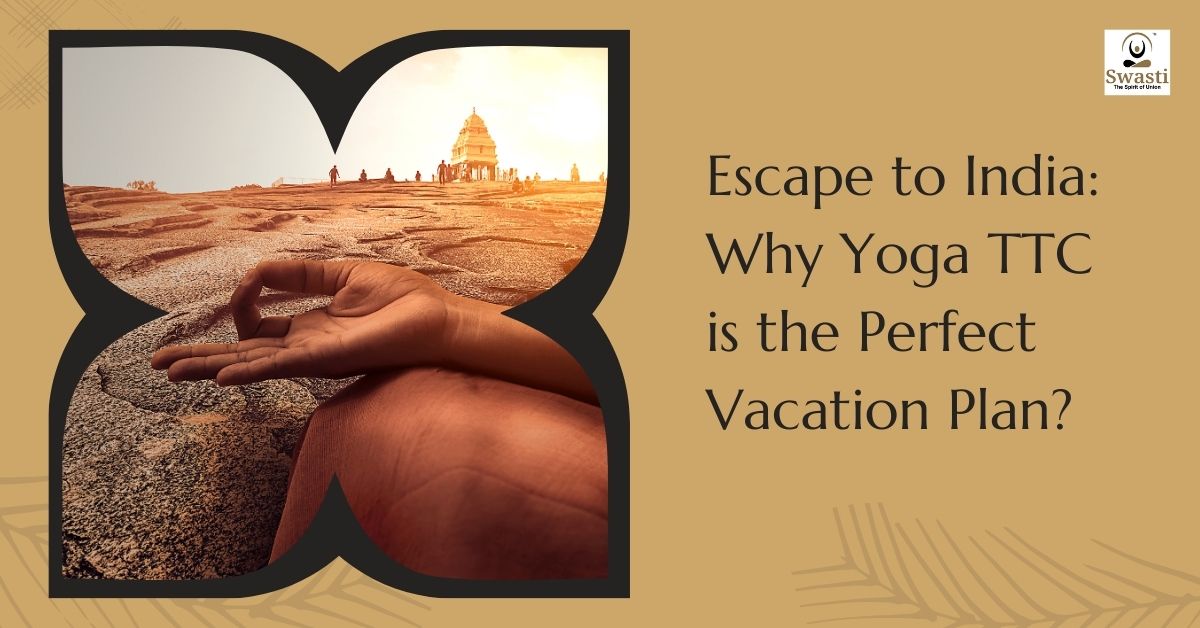
Escape to India Why Yoga TTC is the Perfect Vacation Plan

Escape to India: Why Yoga TTC is the Perfect Vacation Plan?

When planning a vacation, most people envision relaxing on a beach or exploring a new city. But what if your vacation could be something moreโ€”a journey of transformation that enhances both your body and mind? Thatโ€™s exactly what a Yoga Teacher Training Course (TTC) offers. A Yoga TTC combines personal growth, relaxation, and cultural exploration, making it the perfect choice for a meaningful vacation. Hereโ€™s why you should consider a Yoga TTC in India for your next getaway. Why India is the Ultimate Destination for Yoga India is not only the birthplace of yoga but also the ideal setting to deepen your practice and learn the philosophy behind this ancient tradition. The countryโ€™s spiritual ambiance is unmatched, offering an authentic experience that goes beyond the physical aspects of yoga. From traditional ashrams to modern yoga centers, India provides a rich cultural backdrop for your Yoga TTC. One of the unique aspects of practicing yoga in India is the access to revered gurus and teachers who carry the lineage of yoga forward. Being in the country where yoga originated allows students to grasp the essence of this spiritual practice. Whether youโ€™re in the sacred city of Varanasi or the peaceful Himalayas, the energy of India naturally enhances your yoga journey. Indiaโ€™s diverse landscapesโ€”from the tranquil beaches of Goa to the spiritual centers in Rishikesh, Puneโ€”offer a range of environments to suit different preferences. Each destination provides its own unique yoga experience, making it a deeply enriching and personal journey. The Benefits of Choosing a Yoga TTC for Your Vacation Holistic Wellness A Yoga TTC goes beyond the physical practice of asanas (postures). Itโ€™s a holistic experience that nurtures your mental, emotional, and physical well-being. The TTC curriculum is designed to help participants achieve mindfulness through meditation, pranayama (breathing techniques), and philosophy. This all-encompassing approach leads to a better understanding of the self and promotes long-lasting peace and balance. Unlike other vacations that focus solely on relaxation, a Yoga TTC helps you achieve wellness that continues long after your trip is over. It offers tools for mental clarity, stress reduction, and emotional resilienceโ€”benefits that have a profound impact on daily life once you return home. A Break with Purpose Many vacations provide a temporary escape from everyday life, but few offer long-term value. A Yoga TTC allows you to enjoy your time off while gaining a certification that can open up new career opportunities. After completing a TTC, youโ€™ll be equipped to teach yoga anywhere in the world, adding a professional skill to your resume. Whether you plan to teach yoga or simply deepen your personal practice, the course offers tangible results. Rather than just sightseeing, a TTC combines learning, self-discovery, and personal development with relaxation. You leave with something much more valuable than souvenirsโ€”a new set of skills and a certification that allows you to teach and share the practice of yoga with others. Community and Connection Yoga TTCs bring together people from all over the world, creating a supportive and enriching community. The connections you make during a TTC can lead to lifelong friendships. Sharing the journey with like-minded individuals enhances the experience, as you bond over similar interests and challenges. Many TTC participants say that the friendships formed during the course are as transformative as the yoga practice itself. The sense of camaraderie, mutual support, and shared growth fosters a sense of belonging, adding an important social aspect to the experience. Pune: A Serene Hub for Yoga Enthusiasts While India has many destinations perfect for a Yoga TTC, Pune stands out as an ideal location. Pune is known for its spiritual heritage and peaceful environment, making it a sought-after destination for yoga enthusiasts. The city has a rich yoga history, and its blend of tradition and modernity makes it an attractive option for both seasoned practitioners and beginners. Puneโ€™s location is another advantage. Nestled near the Western Ghats, the city offers a tranquil atmosphere, surrounded by nature, perfect for an immersive yoga experience. Whether youโ€™re meditating in a serene yoga hall or practicing asanas outdoors, the calmness of the environment helps deepen your practice. Apart from its natural beauty, Pune also has a vibrant cultural scene, offering the opportunity to explore local traditions, cuisine, and heritage during your stay. This combination of serenity and cultural richness makes Pune an exceptional destination for a TTC. A Structured, Enriching Experience Yoga TTCs are carefully structured to offer a comprehensive learning experience. A typical day begins with morning meditation and asana practice, followed by lessons in yoga philosophy, anatomy, and teaching methodology. Afternoons usually include workshops, practical teaching sessions, and personal study time. This structured schedule ensures a balanced mix of learning, practice, and relaxation. Participants have the opportunity to immerse themselves fully in the training, while also having time for personal reflection and rest. The program is designed to nurture not just the body, but the mind and soul as well. Even with a packed schedule, there is time for relaxation and personal exploration. Many students find that the routine of a TTC offers the perfect balance between discipline and free time, making the experience both enriching and enjoyable. Beyond Yoga: Exploring Indiaโ€™s Culture and Heritage Indiaโ€™s rich cultural heritage is an integral part of the Yoga TTC experience. During your stay, youโ€™ll have the opportunity to explore local temples, participate in festivals, and visit historic sites. These cultural experiences enhance your yoga journey by offering a deeper understanding of Indiaโ€™s traditions and values. From the bustling markets of Delhi to the serene backwaters of Kerala, Indiaโ€™s diversity offers endless opportunities for exploration. Many TTC programs include excursions to nearby cultural or natural landmarks, allowing students to experience the broader spiritual and cultural context of yoga. Whether youโ€™re attending a traditional Indian festival or exploring the natural beauty of Indiaโ€™s landscapes, these experiences will complement your yoga practice, offering both spiritual and personal growth. The Perfect Balance: Relaxation Meets Personal Growth Unlike typical vacations, which may offer only short-term relaxation,

Read More ยป

Add Yoga To Retain The Beauty Of Body And Mind

Vitae aliquam porta sed augue consectetuer. Parturient posuere sed habitasse quisque malesuada platea. Dis suspendisse integer ut facilisis maximus mus.