๐Ÿ‡ฎ๐Ÿ‡ณ India | ๐Ÿ‡บ๐Ÿ‡ธ USA | ๐Ÿ‡ซ๐Ÿ‡ท France | ๐Ÿ‡ฒ๐Ÿ‡ฝ Mexico | ๐Ÿ‡ฆ๐Ÿ‡ช UAE

๐Ÿ‡ฎ๐Ÿ‡ณ India | ๐Ÿ‡บ๐Ÿ‡ธ USA | ๐Ÿ‡ซ๐Ÿ‡ท France | ๐Ÿ‡ฒ๐Ÿ‡ฝ Mexico | ๐Ÿ‡ฆ๐Ÿ‡ช UAE

Blog

News & Articles

5 Yoga Mudras for Instant Anxiety Relief

5 Yoga Mudras for Instant Anxiety & Stress Relief

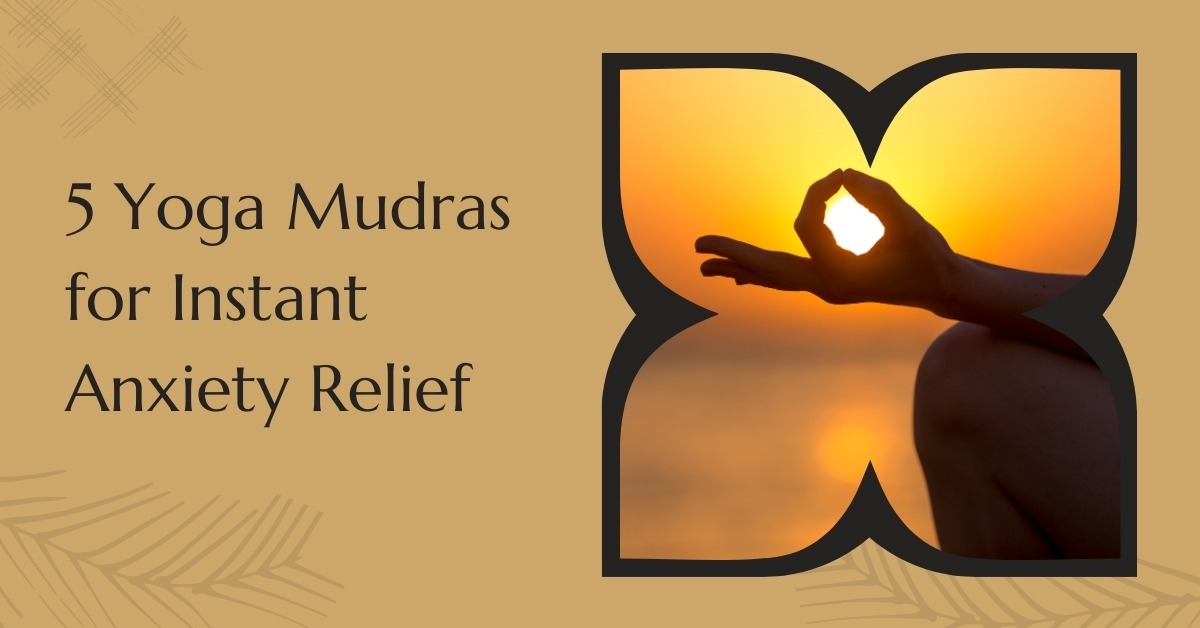
In today’s fast-paced world, anxiety has become a common concern for many people. The constant stress of work, relationships, and daily responsibilities can take a toll on our mental well-being. However, one effective way to combat anxiety is through the practice of yoga mudras. Yoga mudras, or hand gestures, have been used for thousands of years to help ease the mind and body, providing relief from a number of different conditions, including anxiety. In this article, we will explore 5 yoga mudras for instant anxiety relief that you can easily incorporate into your daily routine. 1. Gyan Mudra The Gyan mudra is a well-known and widely practiced hand gesture in yoga and meditation. The word “gyan” translates to “knowledge” or “wisdom” in Sanskrit, and this mudra is believed to evoke these qualities.This mudra is often used during meditation and pranayama to enhance concentration, mental clarity, and spiritual awareness. It is considered to be a symbol of unity and the connection between individual consciousness and universal consciousness. How to Practice? To practice the Gyan mudra, find a comfortable seated position, either on the floor or in a chair, with your spine straight and your hands resting on your knees or thighs. Close your eyes and take a few deep breaths to center yourself. Then, gently bring your fingertips and thumb together to form the Gyan mudra. Rest your hands on your thighs and continue to focus on your breath, allowing any distracting thoughts to pass without attachment. You can hold this mudra for 5-15 minutes, or as long as needed for your meditation practice. Benefits of Gyan Mudra: Enhances mental clarity and focus. Alleviates stress and anxiety. Promotes a sense of peace and inner harmony. Stimulates the brain and nervous system. Aids in spiritual growth and self-realization. 2. Prithvi Mudra Prithvi Mudra, also known as the Earth Mudra, is a symbolic hand gesture used in yoga and Ayurveda to evoke the earth element within the body. The word “Prithvi” translates to “the vast one” in Sanskrit, representing the Earth element in Ayurveda. By practicing the Prithvi Mudra, one can channel the grounding and stabilizing energy of the earth, thereby fostering a sense of stability and balance within oneself. How to Practice? To practice the Prithvi Mudra, start by finding a comfortable seated position with your spine straight and your hands resting on your knees or thighs. Take a few deep breaths to center yourself and bring your focus inward. Then, lightly press the tip of your ring finger against the tip of your thumb while keeping the other fingers straight and relaxed. You can hold this mudra for 5-15 minutes, allowing yourself to breathe deeply and mindfully while visualizing a sense of stability and strength embracing your being. Benefits of Prithvi Mudra: Balances the Earth element within the body. Promotes stability, confidence, and inner strength. Grounds and stabilizes the mind and body. Fosters a sense of balance and harmony. Aids in grounding meditation and calming the mind. 3. Apana Mudra Apana Mudra is a powerful hand gesture in yoga and Ayurveda that is associated with the Apana Vayu, one of the five vital airs in the body. The Apana Vayu governs the downward and outward flow of energy and is responsible for eliminating waste and toxins from the body. By practicing the Apana Mudra, individuals can experience a sense of lightness, purification, and emotional release, which can help alleviate anxiety and promote a sense of overall well-being. How to Practice? To practice the Apana Mudra, sit comfortably with your spine erect and your hands resting on your knees or thighs. Take a few deep breaths to center yourself and then gently touch the tips of your middle and ring fingers to the tip of your thumb while keeping the other fingers straight and relaxed. You can hold this mudra for 15-30 minutes while maintaining a relaxed and deep breathing pattern, allowing yourself to focus on the release of negative emotions and the purification of your mind and body. Benefits of Apana Mudra: Promotes detoxification and elimination of waste. Releases negative emotions and mental clutter. Enhances the sense of lightness and purification. Supports emotional balance and well-being. Aids in relieving anxiety and promoting mental clarity. 4. Varuna Mudra Varuna Mudra, also known as the Jal Vardhak Mudra, is a symbolic hand gesture that is associated with the water element in the body. The word “Varuna” refers to the Hindu deity of water and the celestial ocean, symbolizing the flow, balance, and fluidity of emotions. The Varuna Mudra is believed to promote a sense of emotional stability, openness, and calmness. By practicing the Varuna Mudra, individuals can cultivate a harmonious relationship with their emotions, reduce feelings of anxiety, and embrace a sense of peace and tranquility. How to Practice? To practice the Varuna Mudra, find a comfortable seated position with your spine straight and your hands resting on your knees or thighs. Close your eyes and take a few deep breaths to center yourself. Then, gently bring the tip of your little finger to the tip of your thumb, while keeping the other fingers straight and relaxed. You can hold this mudra for 5-15 minutes, allowing yourself to breathe deeply and mindfully while visualizing a sense of emotional balance and fluidity within your being. Benefits of Varuna Mudra: Balances and regulates emotions. Promotes a sense of emotional stability and openness. Calms the mind and reduces anxiety. Cultivates a harmonious relationship with emotions. Enhances the flow and fluidity of emotions. 5. Vayu Mudra Vayu Mudra, also known as the Mudra of Air, is a symbolic hand gesture used in yoga and meditation to balance the air element within the body. The word “Vayu” represents the vital life force and the movement of energy within the body. The Vayu Mudra is believed to alleviate feelings of stress, restlessness, and anxiety by regulating the air element and promoting a sense of calmness and relaxation. By practicing the Vayu Mudra, individuals can experience a balancing and
Read More ยป
Explore 5 Different Types of Yoga Styles and Their Benefits

Explore 5 Different Types of Yoga Styles and Their Benefits

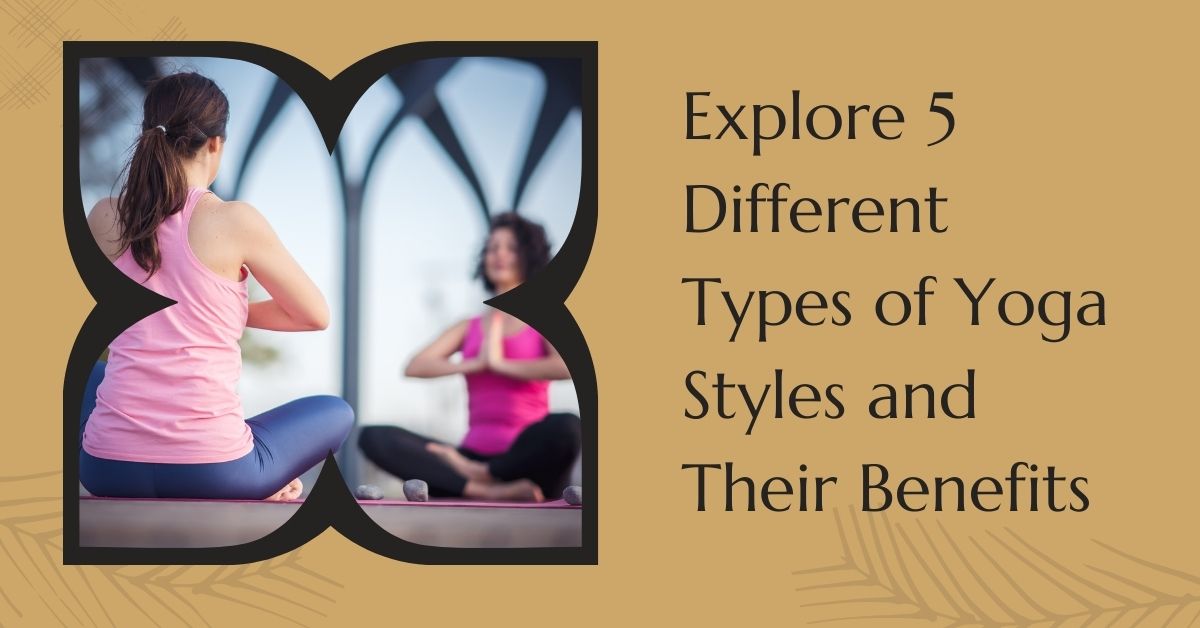
Yoga, a centuries-old practice, has evolved into a diverse discipline with various styles, each offering a unique blend of physical postures, breath control, and meditation techniques. Delving into the world of yoga unveils a tapestry of approaches catering to practitioners of all levels, providing a holistic journey towards physical and mental well-being. Let’s unravel the intricacies of seven popular yoga styles, each distinguished by its own set of principles and benefits. 1. Hatha Yoga Hatha Yoga, a foundational style, emphasizes physical postures or asanas, making it an ideal starting point for beginners. The practice involves holding poses for a specific duration, fostering strength, flexibility, and balance. Hatha incorporates breath control (pranayama) to enhance vitality and a meditative component to promote mental focus. This style is renowned for its ability to lay a solid foundation for further exploration into the world of yoga. How to Practice Hatha Yoga? Start with a few minutes of conscious breathing to center yourself. Begin with simple warm-up exercises, gradually progressing to foundational poses. Hold each pose for 15-30 seconds initially, gradually increasing the duration as your strength and flexibility improve. Focus on alignment and engage in deep, rhythmic breathing. Conclude your practice with a relaxation pose and a brief meditation. Benefits of Hatha Yoga Deliberate pace and focus on individual postures Improves flexibility and overall physical strength Emphasis on controlled breathing enhances lung capacity and respiratory function Promotes better oxygenation of the body Meditative aspects contribute to stress reduction Improved mental clarity Ideal practice for achieving a harmonious balance between body and mind 2. Bhakti Yoga Bhakti Yoga, often referred to as the yoga of devotion, is a spiritual path that emphasizes the cultivation of love and devotion towards a higher power or divine entity. Rooted in ancient Indian philosophy, Bhakti Yoga encourages practitioners to surrender their ego and desires in pursuit of a deeper connection with the divine. Unlike some physically-focused yoga styles, Bhakti Yoga revolves around the heart and the sincere expression of love, making it a profoundly spiritual practice. How to Practice Bhakti Yoga? The practice of Bhakti Yoga involves heartfelt devotional activities aimed at fostering a profound connection with the divine. Devotees often engage in chanting mantras, singing hymns, and participating in rituals that express their love and devotion. Establishing a sacred space for prayer and meditation is crucial, allowing practitioners to focus their thoughts and emotions towards the divine. Acts of selfless service (seva) and cultivating compassion towards all living beings are integral components, further deepening the sense of devotion. Benefits of Bhakti Yoga Cultivates a deep sense of love and devotion Fosters emotional well-being and spiritual connection Provides a sense of purpose and meaning in life Encourages selfless service and compassion Creates a harmonious and peaceful state of mind Strengthens interpersonal relationships through love and empathy Enhances overall mental and emotional balance 3. Iyengar Yoga Iyengar Yoga, founded by B.K.S. Iyengar, places a strong emphasis on precision and alignment in each asana. Practitioners often use props like blocks and straps to achieve optimal alignment. This style is well-suited for individuals recovering from injuries or dealing with physical limitations, as it allows for personalized modifications. How to Practice Iyengar Yoga? Begin with a focus on proper alignment in foundational poses. Use props as needed to support your practice and achieve optimal alignment. Hold each pose for a longer duration, allowing time for adjustments and refinement. Pay attention to the subtleties of each movement and maintain a steady, controlled breath. Conclude your practice with a relaxation pose and a brief moment of meditation. Benefits of Iyengar Yoga Meticulous attention to alignment aids in developing a strong foundation Improves posture Use of props facilitates accessibility Inclusive practice for individuals of all abilities Particularly beneficial for enhancing flexibility Corrects postural imbalances Promotes joint mobility 4. Raj Yoga Raja Yoga, often referred to as the “Royal Yoga” or “Classical Yoga,” is a comprehensive system that encompasses various branches of yoga to guide individuals on the path of self-realization and spiritual awakening. Rooted in the teachings of the ancient sage Patanjali, Raja Yoga emphasizes the control and mastery of the mind. It comprises ethical principles, physical postures, breath control, concentration, meditation, and the cultivation of wisdom, providing a holistic approach to self-discovery and inner transformation. How to Practice Raja Yoga? The practice of Raja Yoga involves a step-by-step progression through its eight limbs, known as Ashtanga Yoga. This includes ethical guidelines (Yamas and Niyamas), physical postures (Asanas), breath control (Pranayama), withdrawal of the senses (Pratyahara), concentration (Dharana), meditation (Dhyana), and ultimate absorption or Samadhi. Practitioners begin by adopting ethical principles and gradually advance through the stages, ultimately attaining a state of deep meditation and union with the higher self. Benefits of Raja Yoga Enhances mental clarity and focus Promotes emotional stability and balance Cultivates self-discipline and self-control Facilitates the release of stress and anxiety Strengthens the connection between mind and body Provides a systematic path to spiritual awakening Improves overall well-being and life satisfaction 5. Mantra Yoga Mantra Yoga is a sacred and ancient practice that involves the repetition of specific sounds, words, or phrases to induce a meditative state and connect with higher consciousness. Rooted in Vedic traditions, Mantra Yoga recognizes the vibrational power of sound and its ability to evoke spiritual experiences. Mantras, often derived from Sanskrit scriptures, hold transformative qualities believed to bring about a harmonious balance between the mind, body, and spirit. How to Practice Mantra Yoga? The practice of Mantra Yoga involves the rhythmic repetition of a chosen mantra, either silently or audibly. Practitioners typically sit comfortably in a meditative posture, focusing on the sound vibrations and the intention behind the mantra. It is essential to chant with sincerity and mindfulness, allowing the mantra to become a vehicle for transcending ordinary consciousness. Regular practice, ideally during dedicated meditation sessions, deepens the resonance and potency of the chosen mantra. Benefits of Mantra Yoga Quiets the mind and reduces mental chatter. Fosters heightened concentration and inner awareness. Establishes a deep link

Read More ยป
Beyond the 9 to 5 - Explore the Benefits of Yoga for Working Professionals

Beyond the 9-to-5: Explore the Benefits of Yoga for Working Professionals

In our busy lives, people who work often get stuck in the same routine of working from 9 to 5 every day. The constant demands of the workplace can take a toll on both physical and mental well-being. However, there’s a time-tested solution that goes beyond the conventional remedies โ€“ yoga. In this article, we’ll delve into the myriad benefits that yoga can offer to those navigating the challenges of a busy work life. 1. Stress Relief with Yoga One of the primary advantages of incorporating yoga into your routine is its unparalleled ability to alleviate stress. The gentle stretches, controlled breathing, and mindful meditation inherent in yoga practice work combined to reduce cortisol levels and promote a sense of calm. This can be especially beneficial for professionals dealing with high-pressure situations and tight deadlines. 2. Boosting Productivity Through Mindful Practices Contrary to popular belief, taking time out for yoga doesn’t equate to decreased productivity. In fact, studies have shown that regular yoga practice can enhance cognitive functions, improve focus, and boost overall productivity. By incorporating short yoga sessions during breaks, working professionals can recharge their minds and return to their tasks with renewed energy and clarity. 3. Staying Healthy at the Desk with Yoga Sitting for extended periods at a desk can lead to various health issues, from back pain to poor posture. Yoga addresses these concerns by promoting flexibility, strength, and posture awareness. Simple asanas like the cat-cow stretch, seated forward bend, and warrior pose can work wonders in counteracting the adverse effects of a sedentary lifestyle, making it an ideal solution for office-bound individuals. 4. Finding Balance in Work and Life through Yoga Maintaining a healthy work-life balance is crucial for long-term well-being. Yoga not only provides physical benefits but also encourages a holistic approach to life. The mindfulness cultivated through yoga practice can help professionals detach from work-related stressors, fostering a sense of balance and equilibrium that extends beyond the mat. 5. Integrating Yoga into Your Routine Incorporating yoga into a busy schedule doesn’t have to be a daunting task. Simple practices like morning stretches, desk yoga, or short meditation sessions can make a significant difference. Finding a balance that works for you is key to reaping the rewards of this ancient practice without adding extra stress to your day. 6. Improved Sleep Quality In the fast-paced world of deadlines and responsibilities, quality sleep often takes a backseat. Yoga, with its focus on relaxation and mindfulness, can significantly enhance sleep quality. Practices such as guided meditation and gentle stretches before bedtime can calm the mind, making it easier for professionals to unwind and enjoy a restful night’s sleep. 7. Community and Networking Opportunities Yoga classes and workshops provide a unique opportunity for professionals to connect with like-minded individuals. Building a community of individuals focused on well-being creates a supportive network where experiences and insights can be shared. Networking through yoga not only fosters a sense of belonging but also opens up avenues for personal and professional growth. 8. Post-Workout Recovery and Injury Prevention For professionals incorporating regular workouts into their routine, yoga can serve as an excellent complement. The practice of yoga aids in muscle recovery, flexibility, and injury prevention. Gentle stretches and poses target key muscle groups, reducing the risk of injuries associated with strenuous physical activities. This makes yoga a valuable addition to the fitness regimen of working individuals. 9. Karma Yoga Mindset Adopting a Karma Yoga mindset, which involves selfless service and detachment from outcomes, helps employees focus on the process rather than solely on promotions, reducing frustration and promoting a more positive work experience. 10. Enhanced Problem-Solving Skills Yoga encourages a calm and focused mind, aiding in effective problem-solving. This skill contributes to job satisfaction and improved relationships at work. 11. Holistic Wellness Programs Certified yoga courses provide holistic wellness education, addressing physical, mental, and emotional aspects. This contributes to overall well-being, reducing the likelihood of employees leaving due to health-relatedย concerns. 12. Positive Workplace Culture Introducing yoga practices fosters a positive workplace culture, creating a supportive environment that enhances job satisfaction and reduces attrition. 13. Team Building Through Yoga Group yoga sessions promote team building, improving camaraderie among colleagues and reducing workplace tensions that may contribute to attrition. 14. Promotion of Self-Care Yoga courses emphasize self-care practices, encouraging employees to prioritize their well-being. This approach contributes to a more satisfied and engagedย workforce. 15. Cultivation of Patience Yoga philosophy teaches patience and acceptance. Employees who practice these principles are more likely to handle setbacks like denied promotions with resilience, reducing negative impacts on job satisfaction. 16. Increased Resilience Yoga fosters mental resilience, helping employees bounce back from challenges, including those related to career growth, thereby reducing frustrationย andย attrition. 17. Mindful Parenting Employees trained in yoga may apply mindfulness principles to parenting, reducing frustration on the family front and promoting a healthy work-life balance. 18. Corporate Wellness Initiatives Offering certified yoga courses as part of corporate wellness initiatives signals the company’s commitment to employee well-being, enhancing job satisfaction and reducingย turnover. Conclusion:ย  In conclusion, the benefits of yoga for working professionals are undeniable. From stress reduction and increased productivity to physical well-being and a healthier work-life balance, the positive impacts are vast. As you navigate the demands of your 9-to-5, consider embracing the transformative power of yoga. Take a step towards a healthier, more balanced life today. For those seeking to dive deeper into the world of yoga, exploring the certified yoga teacher training courses in Pune can be a transformative journey. These courses not only provide in-depth knowledge but also offer a supportive environment for personal growth and well-being. Embrace the path to a healthier, more balanced life โ€“ start your yoga journey now.

Read More ยป
7 Latest Yoga Trends in 2024

7 Latest Yoga Trends in 2024

Yoga is a practice that has been around for centuries, but it is constantly evolving to meet the needs of modern practitioners. With each passing year, new trends emerge that allow people to deepen their practice, connect with nature, and harness technology to achieve greater mind-body wellness. In this article, we will explore the 7 latest yoga trends that are expected to take the yoga world by storm in 2024. 1. Yoga Retreats: Yoga retreats are becoming increasingly popular among yogis who seek to escape from the stresses of modern life and immerse themselves in yoga and mindfulness practices. Retreats offer serene, natural settings that provide the perfect backdrop for self-reflection and rejuvenation. Attending a yoga retreat can help a person deepen their practice and reconnect with themselves, whether they are a seasoned yogi or a beginner.ย  2.Yoga for Kids: Introducing children to yoga at an early age can have numerous benefits for their physical and emotional well-being. Teaching yoga to kids can help improve their focus, concentration, and flexibility, while also promoting creativity and relaxation. Parents are increasingly looking for ways to connect with their children and encourage healthy habits, which has led to a surge in interest in kids’ yoga classes. Interested in exploring the world of kids’ yoga? Check out “Kids Yoga Sanskaram” for an enriching and fun-filled experience!ย  3. Hybrid Yoga Programs: In the wake of the COVID-19 pandemic, hybrid yoga programs have become increasingly popular. This trend combines online and in-person classes, allowing students to have the flexibility to practice yoga in both virtual and physical spaces. This means that you can access a wider range of classes and teachers while still having the opportunity to practice in person. Hybrid yoga programs provide flexibility, which is essential in today’s fast-paced world. Moreover, hybrid yoga combines the benefits of both worlds- Offline classes allow yogis to have a more personalized experience and build a close-knit community. At the same time, online classes are more flexible and offer variety. In addition to flexibility, hybrid yoga programs also offer affordability and accessibility for all yogis. By promoting the flexibility and accessibility of hybrid yoga programs, we can empower people from all walks of life to access the incredible benefits of yoga. 4. Yoga Meets Technology: Yoga-meets-tech is a trend that is expected to take off in 2024, as technology has become an integral part of our daily lives. There is now a growing market for gadgets like smart yoga mats, wearable technology, and heart rate monitors that can help individuals track and analyze their biometric data in real-time. Instructors are already experimenting with virtual reality meditation classes and using biometric data to customize classes based on individual needs. The integration of technology in a yoga practice opens up a whole new world of opportunity for fitness practices. 5. Outdoor Yoga: Many yogis prefer to practice in the great outdoors and connect with nature. Practicing yoga in a serene, natural setting can be deeply therapeutic and rejuvenating. This trend became increasingly popular because of the rise of eco-tourism, and due to the pandemic, many people turned to outdoor practices for the natural release of their anxieties.ย  6. Aqua Yoga: Aqua Yoga is a yoga trend that involves practicing yoga poses in a swimming pool or other aquatic environment. This practice combines the benefits of traditional yoga–like improved flexibility, reduced stress, and increased strength–with the low-impact nature of water exercise. The buoyancy of the water makes it easier to perform certain poses that might otherwise be challenging, making this an excellent option for people of all fitness levels and abilities. The water also creates a soothing, meditative environment that can enhance the relaxation and mindfulness aspects of a yoga practice. Aqua Yoga is an emerging trend in the yoga world and is expected to continue growing in popularity in years to come. Curious about the healing benefits of Aqua Yoga? Dive into Aqua Yoga Therapy Courses today! 7. Pranayama / Breathwork Classes: Pranayama, or breathwork, has long been a fundamental part of traditional yoga practice. In recent years, however, it has emerged as a distinct and increasingly popular trend in the yoga world. Pranayama classes are dedicated to teaching individuals various breathing techniques that can help them achieve greater relaxation, focus, and control over their physical and emotional states.ย  Often led by dedicated pranayama instructors, these classes can range from simple introductory sessions to more advanced courses focused on specific techniques. Breathwork classes can help individuals better cope with stress, anxiety, and other mental and emotional challenges, making it a particularly important trend for modern practitioners. Conclusion In conclusion, these 7 latest yoga trends in 2024 highlight the evolution and development of yoga as a practice. With new technologies, innovative twists, and a focus on health, wellness, and relaxation, yoga continues to grow and adapt to meet the diverse needs of its practitioners. For individuals interested in exploring yoga or deepening their practice, there are several options available, including the best yoga teacher training courses in Pune, which hosts some of the top yoga teacher training center in India.

Read More ยป
SMART New Year Resolutions for Yoga Instructors to Foster Business Growth

SMART New Year Resolutions for Yoga Instructors to Foster Business Growth

Setting New Year resolutions can be a great way for yoga instructors to enhance their business growth and personal development. Remember, the key to successful resolutions is to make them specific, measurable, achievable, relevant, and time-bound (SMART). Here are some suggestions tailored specifically for yoga instructors: 1. Expand Class Offerings: Introduce new class formats or specialized workshops to attract a wider audience. This could include classes for beginners, elderly people, prenatal yoga, or even meditation workshops. 2. Online Presence Enhancement: Improve and expand your online presence. This could involve updating your website, regularly posting on social media, or starting a YouTube channel for instructional videos or guided meditation sessions. 3. Professional Development: Commit to ongoing learning. Attend workshops, conferences, or take YCB certifications from Indian government to be registered practitioner and deepen your expertise. 4. Community Engagement: Build a stronger sense of community among your students. Organize social events, wellness retreats, or volunteer together for community causes. A connected community often leads to increased loyalty and word-of-mouth referrals. 5. Client Feedback and Satisfaction: Create a feedback system to understand your clients’ needs better. Regularly seek input through surveys or informal discussions to tailor your classes and services accordingly. 6. Collaborate with Other Instructors: Explore collaboration opportunities with other yoga instructors or wellness professionals. This could involve co-teaching classes, hosting joint workshops, or promoting each other’s services. 7. Focus on Self-Care: Prioritize your own well-being. As a yoga instructor, it’s essential to take care of yourself physically and mentally. Set aside time for your personal practice, meditation, or any activities that bring you joy. 8. Financial Planning: Review and refine your business finances. Set clear financial goals, budget effectively, and explore ways to increase revenue, such as package deals, memberships, or partnerships with local businesses. 9. Environmental Sustainability: Implement eco-friendly practices in your studio. This could include using sustainable materials, reducing waste, or organizing events that promote environmental awareness. 10. Diversify Income Streams: Explore additional revenue streams. This might involve creating and selling merchandise, offering private sessions, or developing online courses that can generate passive income. Regularly evaluate your progress throughout the year and adjust your goals as needed. Conclusion: In conclusion, setting SMART New Year resolutions is key for the growth of yoga instructors. Elevate your teaching skills and embrace the journey of continuous improvement with a Certified Yoga Instructor Course in Pune. Take the first step towards achieving your professional goals and making a lasting impact on the yoga community.

Read More ยป
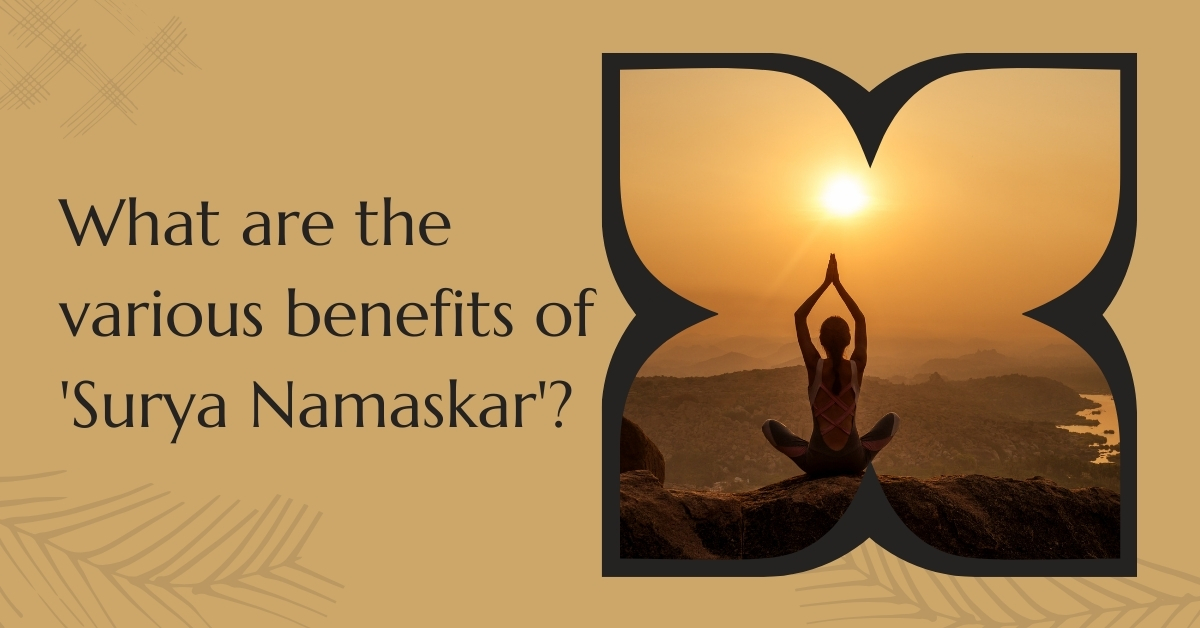
What are the various benefits of โ€˜Surya Namaskar'

What Are the Various Benefits of ‘Surya Namaskar’?

Surya Namaskar, or Sun Salutation, is a revered yogic practice that encompasses a series of dynamic postures. This ancient sequence, combined with synchronized breathing, pays homage to the sun and offers a plethora of physical, mental, and spiritual benefits. Let’s delve into the multifaceted advantages of incorporating Surya Namaskar into your daily routine. 1. Holistic Physical Fitness: Surya Namaskar is a complete workout that enhances flexibility, tones muscles, and promotes cardiovascular health. The dynamic sequence engages various muscle groups, providing a comprehensive exercise routine for overall physical fitness and well-being. 2. Energising Vitality: The synchronized breathing and movement in Surya Namaskar improve oxygen circulation, providing an instant boost of energy. This revitalizing practice serves as a natural energizer, making it an excellent way to kickstart your day. 3. Stress Alleviation and Mental Well-being: The rhythmic and meditative aspects of Surya Namaskar act as effective stress management tools. Regular practice induces a sense of calm, reduces anxiety, and contributes to overall mental well-being, helping individuals navigate life’s challenges with ease. 4. Optimized Digestive Health: Surya Namaskar stimulates digestive organs, promoting optimal digestion. The diverse postures facilitate the smooth functioning of the digestive system, alleviating issues like constipation. Regular practice enhances gut health, ensuring a balanced and efficient digestive process for overall well-being and vitality. 5. Respiratory Flourishing and Lung Capacity: The controlled breathing techniques in Surya Namaskar enhance respiratory health. By increasing lung capacity and improving oxygen exchange, this practice contributes significantly to overall respiratory well-being. 6. Hormonal Harmony and Menstrual Wellness: Surya Namaskar plays a pivotal role in promoting hormonal balance, particularly beneficial for women. Consistent practice can alleviate menstrual irregularities and discomfort, providing a natural and holistic approach to menstrual wellness. The rhythmic movements and controlled breathing contribute to a smoother menstrual cycle. 7. Enhanced Mental Focus and Concentration: The meditative aspects of Surya Namaskar enhance concentration and mental clarity. It serves as a valuable tool for individuals seeking to improve focus, cognitive function, and overall mental acuity. 8. Improved Flexibility and Joint Health: Consistent practice of Surya Namaskar promotes flexibility in the spine, limbs, and joints. This increased flexibility not only reduces the risk of injuries but also contributes to better posture and overall physical comfort. 9. Comprehensive Detoxification: The combination of physical postures and controlled breathing in Surya Namaskar aids in the detoxification of the body. This holistic cleansing process helps eliminate toxins, promoting overall health and well-being. 10. Spiritual Connectivity and Mind-Body Harmony: Surya Namaskar transcends physical benefits, fostering spiritual connectivity and mind-body harmony. This practice encourages individuals to delve into their inner selves, promoting a profound sense of mindfulness. The rhythmic flow and meditative aspects facilitate a holistic approach to well-being, nurturing the spirit. Some Interesting Facts About Surya Namaskar 12 Poses: Surya Namaskar combines 12 yoga postures like Mountain Pose, Forward Fold, Plank, etc., working all major muscle groups. 7 Chakras: Each pose targets specific energy points (chakras) in the body, promoting mental and physical balance. 12 Calories Per Round: Burning around 12 calories per round, Surya Namaskar is a low-impact, high-efficiency exercise. Boosts Immunity: Regular practice can stimulate the lymphatic system, enhancing immune response against infections. Improves Lung Capacity: Deep breathing with each pose strengthens the lungs and increases oxygen intake. Reduces Stress: Releasing cortisol (stress hormone) while promoting the calming neurotransmitter GABA, Surya Namaskar eases anxiety. Improves Digestion: Twisting and bending postures stimulate internal organs, aiding digestion and elimination. Increases Flexibility: Stretching muscles throughout the sequence enhances flexibility and range of motion. Suitable for All Ages: Modifiable for various fitness levels, Surya Namaskar can be practiced by young and old, even with limitations by using a chair and with simple modifications. Conclusion: Embarking on the journey of Surya Namaskar is an investment in holistic well-being. Its profound impact on physical, mental, and spiritual dimensions makes it a cornerstone of a healthy lifestyle. Unlock the radiance within by incorporating this transformative practice into your daily routine. Deepen your connection with yoga and well-being by enrolling in AYUSH certified yoga courses in Pune. Under expert guidance, explore the ancient wisdom of yoga and nurture your body, mind, and spirit. Begin your transformative journey today.

Read More ยป
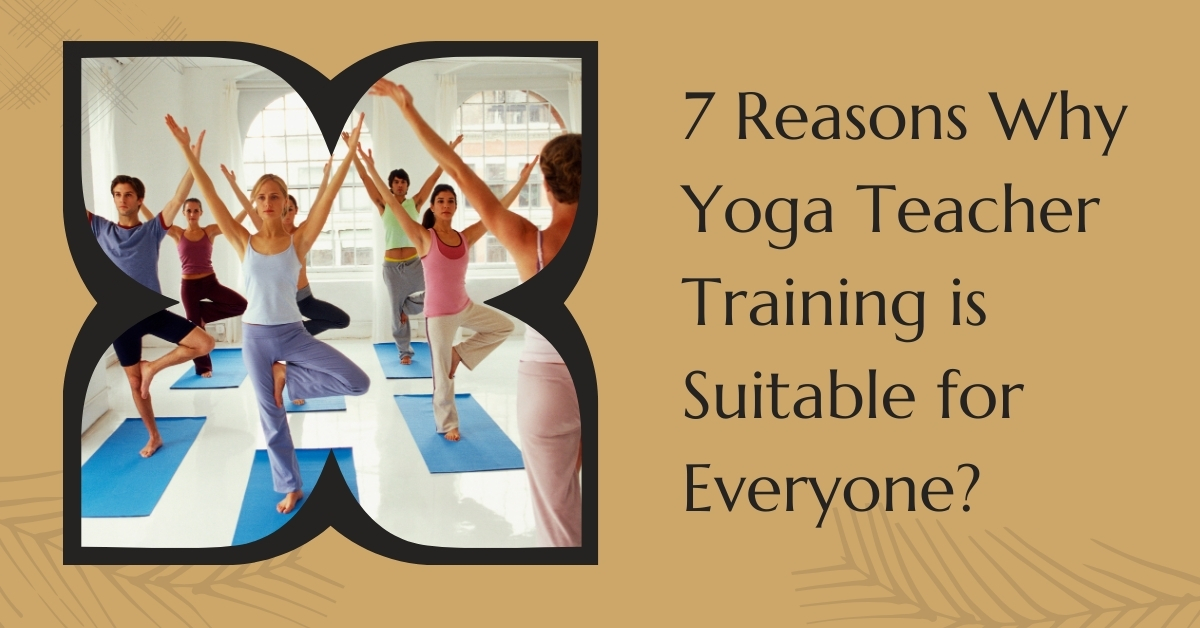
7 Reasons Why Yoga Teacher Training is Suitable for Everyone

7 Reasons Why Yoga Teacher Training is Suitable for Everyone?

Yoga has transcended its traditional boundaries and has become a global phenomenon, embraced by people of all ages and backgrounds. In recent years, the demand for Yoga Teacher Training Courses (TTC) has surged, attracting individuals from various walks of life. If you’re wondering why yoga teacher training is suitable for everyone, here are seven compelling reasons that highlight its universal appeal. 1. Holistic Well-being: A Journey Beyond Asanas Embarking on a Yoga Teacher Training Course is not just about perfecting physical postures; it is a profound exploration of holistic well-being. Beyond the physical, these courses delve into the philosophical aspects of yoga, offering participants a comprehensive understanding of mindfulness, meditation, and breath control. It’s an immersive experience that transcends the boundaries of mere physical exercise, fostering mental, emotional, and physical health in a holistic manner. 2. Adaptability to All Levels: A Tailored Approach for Every Yogi One of the remarkable features of a Yoga TTC is its adaptability to various levels of expertise. Whether you are a novice or an advanced practitioner, the courses are meticulously designed to cater to everyone’s unique needs. The curriculum is structured in a way that ensures participants progress at their own pace, fostering an inclusive environment where each individual, regardless of their current fitness level or familiarity with yoga, can reap the benefits. 3. Community and Support: Building Bonds Beyond Asanas Enrolling in a Yoga Teacher Training not only imparts knowledge but also creates a supportive community. Participants forge strong bonds with fellow yogis, sharing a common journey towards self-discovery and wellness. This sense of community goes beyond the training sessions, creating an encouraging environment where individuals uplift each other, overcoming challenges collectively. The camaraderie formed during a Yoga TTC makes the entire training experience both enriching and enjoyable. 4. Diverse Teaching Styles: A Multifaceted Exploration of Yoga Yoga is a diverse practice with various styles, and a well-rounded Yoga TTC acknowledges and embraces this diversity. Participants are exposed to a spectrum of styles such as Hatha, Vinyasa, or Ashtanga, allowing them to explore and find what resonates best with their bodies and personal preferences. This diversity ensures that everyone, regardless of their individual inclinations, can discover their unique path within the expansive realm of yoga. 5. Personal Growth and Transformation: Beyond Teaching, a Journey Within Yoga Teacher Training is not merely a certification process; it is a transformative journey of personal growth. Participants often uncover hidden facets of themselves, developing a deeper connection with their inner selves. This self-discovery is a profound and transformative experience, fostering enhanced self-confidence and a more positive outlook on life. Beyond teaching, the training becomes a catalyst for individual evolution and self-empowerment. 6. Cultural Immersion: Unveiling the Rich Heritage of Yoga Rooted in ancient Indian culture, yoga carries a profound cultural heritage. A Yoga TTC often includes an exploration of this rich history, providing participants with insights into the philosophical and spiritual foundations of yoga. This cultural immersion adds an extra layer of meaning to the practice, offering a deeper appreciation for its historical and cultural significance. It transforms the practice into a more profound and fulfilling experience for everyone involved. 7. Career Opportunities: A Pathway Beyond Teaching Classes While not every participant aspires to become a yoga teacher, completing a Yoga TTC opens doors to diverse career opportunities. The skills acquired during the training, from teaching to communication and mindfulness, can be applied in various fields. Many graduates find themselves equipped to share their knowledge in different capacities, contributing to wellness programs, leading classes, or even integrating yoga principles into their professional endeavors. A Yoga TTC becomes a valuable investment not just for personal growth but also for broadening career horizons. Conclusion:ย  Yoga Teacher Training has evolved into a life-changing journey that welcomes people from all backgrounds, offering far more than just physical fitness. It nurtures personal transformation, fosters deep connections, and opens new perspectives on health and self-awareness. Whether your goal is self-discovery or a professional path in wellness, the experience can be truly profound. For those looking to deepen their practice and gain meaningful insights, exploring yoga instructor courses in India is a powerful step toward a more balanced and purpose-driven life.

Read More ยป
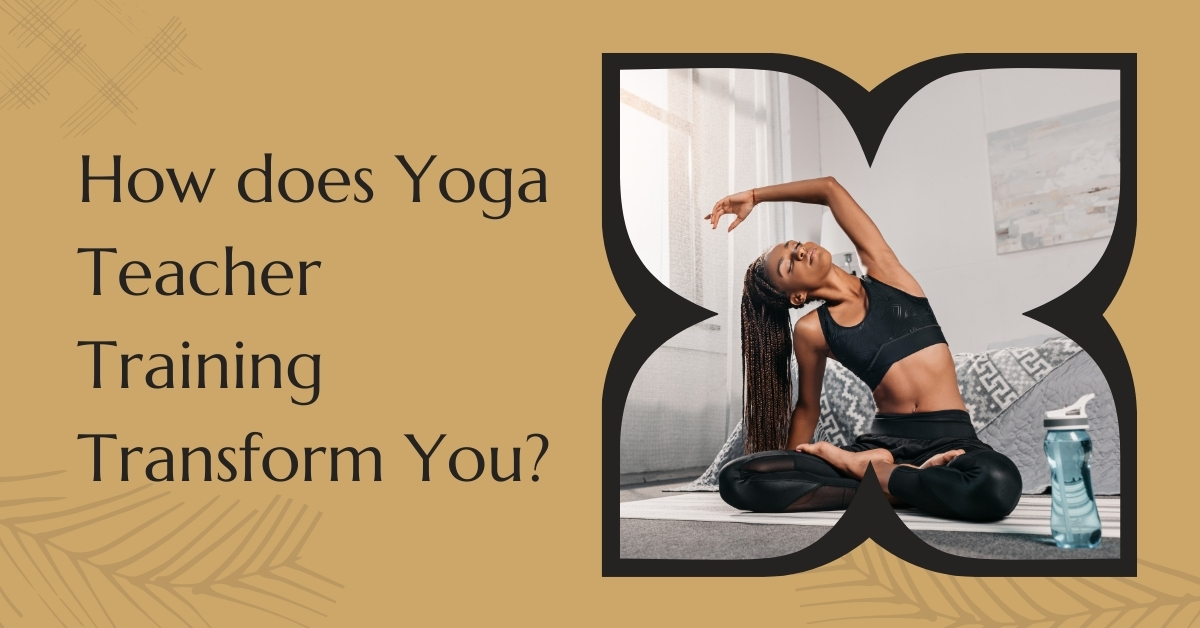
How does Yoga Teacher Training Transform You

How does Yoga Teacher Training Transform You?

In a world increasingly captivated by the art of wellness, yoga has emerged as a beacon of holistic health. With the surge in popularity, the demand for certified yoga instructors has escalated, making Yoga Teacher Training a transformative journey for many. This article delves into the multifaceted ways in which Yoga Teacher Training can bring about profound changes in individuals. The Physical Transformation Enhanced Flexibility and Strength One of the immediate and tangible benefits of embarking on a Yoga Teacher Training journey is the enhancement of flexibility and strength. Through a dedicated practice of various asanas (poses), participants witness a gradual but significant improvement in their flexibility. The carefully curated sequences in Yoga Teacher Training not only promote flexibility but also build strength, creating a harmonious balance in the body. Improved Posture and Body Awareness Yoga Teacher Training goes beyond the physicality of yoga by emphasizing proper alignment and posture. Participants learn to carry the principles of good posture into their everyday lives, resulting in improved body awareness. The benefits extend beyond the yoga mat, influencing how individuals sit, stand, and move in their daily routines. The Mental and Emotional Transformation Stress Reduction and Relaxation Techniques Central to the teachings of Yoga Teacher Training are stress management tools, including breathing exercises and meditation. These techniques not only alleviate stress but also contribute to overall mental well-being. Graduates of Yoga Teacher Training often report a heightened ability to navigate life’s challenges with resilience and a more relaxed mindset. Mind-Body Connection Yoga Teacher Training fosters a profound connection between the mind and body. Participants learn to synchronize movement with breath, promoting mindfulness. This heightened awareness extends to daily activities, fostering a deeper appreciation for the mind-body connection and its impact on mental health. The Spiritual Transformation Introduction to Yogic Philosophy Yoga Teacher Training introduces participants to the rich tapestry of yogic philosophy. Beyond the physical practice, the teachings delve into concepts such as mindfulness, compassion, and finding purpose. This exposure lays the foundation for spiritual growth and self-discovery. Inner Peace and Mindfulness An integral part of Yoga Teacher Training is the cultivation of inner peace and mindfulness. Graduates often speak of finding a tranquil space within themselves, leading to a more centered and purposeful existence. This spiritual transformation is a key component of the holistic changes experienced through Yoga Teacher Training. Personal Growth and Self-Discovery Confidence and Self-Esteem Teaching yoga requires a level of confidence that goes beyond the physical practice. Yoga Teacher Training addresses this by nurturing self-esteem and empowering individuals to step into the role of a teacher. The newfound confidence extends into various aspects of life. Cultivation of Compassion Yoga Teacher Training instills a sense of compassion and empathy. As participants connect with themselves on a deeper level, they naturally extend this compassion to others. This ripple effect positively influences personal relationships, creating a more harmonious community. Professional Growth and Opportunities Career Advancement Yoga Teacher Training opens doors to diverse career opportunities in the wellness industry. The demand for certified yoga instructors continues to grow, presenting graduates with a variety of paths, including teaching in studios, corporate settings, or even establishing their own practices. Community Engagement Beyond individual growth, Yoga Teacher Training encourages community engagement. Yoga instructors often find fulfilment in contributing to their communities, whether through outreach programs, workshops, or events. This sense of community further enhances the transformative journey initiated by Yoga Teacher Training. Conclusion In summary, Yoga Teacher Training transcends physical exercise, offering a transformative journey encompassing mental, emotional, and spiritual growth. As you consider this path, explore the opportunities for personal evolution and community contribution. For the Best Yoga Teacher Training Courses In Pune, discover a harmonious blend of tradition and modern techniques, laying the foundation for a fulfilling yoga teaching career. Embrace the transformative power of yoga and embark on a journey to reshape your life.

Read More ยป
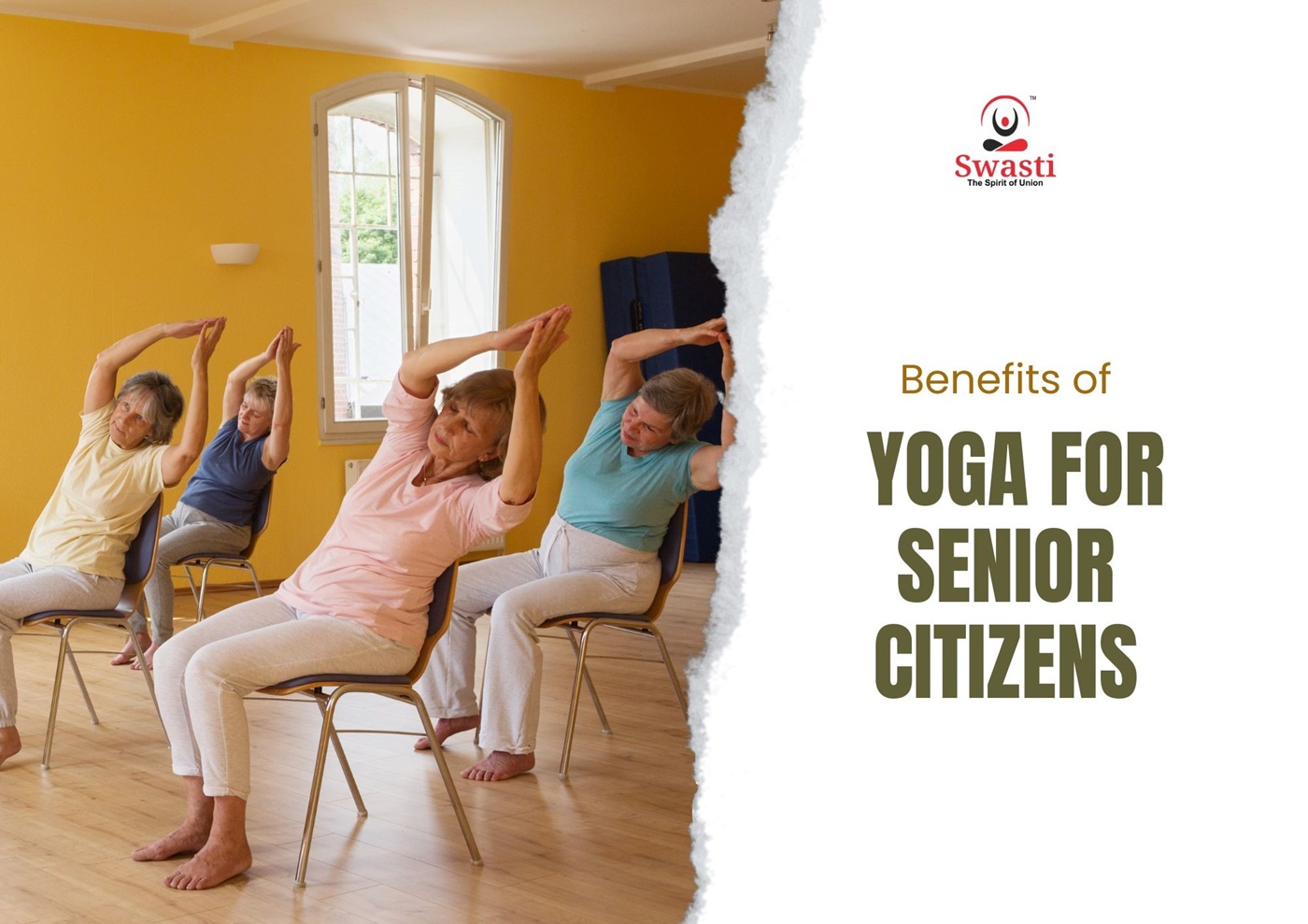
Health Benefits of Yoga for Senior Citizens

Exploring the Health Benefits of Yoga for Senior Citizens

In a world that can often be fast-paced and demanding, the ancient practice of yoga stands as a beacon of tranquility and well-being for individuals of all ages. When it comes to children, introducing them to yoga at an early age offers a myriad of physical, mental, and emotional benefits. In this article, we explore the unique advantages of incorporating yoga into the lives of children, fostering a foundation for a lifetime of health and mindfulness. 1. Physical Well-being: One of the most apparent benefits of yoga for kids lies in the realm of physical well-being. Yoga poses, or asanas, promote flexibility, strength, and coordination. These gentle movements, specifically designed for developing bodies, contribute to improved posture and overall physical fitness. Engaging in yoga from a young age helps children develop a strong foundation of balance and body awareness, setting the stage for a healthy and active lifestyle. Yoga for kids often involves playful poses that mimic animals, plants, or objects, making it a fun and enjoyable activity. These poses not only enhance physical fitness but also contribute to the development of motor skills and spatial awareness. Through regular practice, children can experience improved muscle tone, increased flexibility, and a greater sense of bodily control. 2. Emotional Regulation: Children encounter a myriad of emotions as they navigate the ups and downs of growing up. Yoga provides a structured and effective way for kids to understand and regulate their emotions. Mindfulness, a key component of yoga, encourages children to connect with their feelings in a non-judgmental manner. Breathing exercises, or pranayama, taught in yoga classes for kids help them develop tools for emotional regulation. Simple techniques like deep belly breathing or “snake breaths” can be introduced to help children manage stress and anxiety. As kids become more attuned to their breath, they gain the ability to pause and respond thoughtfully to various situations, fostering emotional resilience. 3. Improved Concentration and Focus: In a world filled with distractions, cultivating the ability to concentrate is a valuable skill for children. Yoga practices, including concentration exercises and guided meditation, help improve a child’s ability to focus. The combination of physical movement, breath awareness, and mindful relaxation empowers children to hone their attention skills. Through activities such as balancing poses and mindful breathing, kids learn to channel their energy and concentrate on the present moment. These skills extend beyond the yoga mat and can positively impact academic performance, social interactions, and overall cognitive development. 4. Social Skills and Teamwork: Yoga classes for kids often incorporate group activities and partner poses, fostering a sense of community and collaboration. These interactive sessions provide opportunities for children to develop social skills, communication, and teamwork. Kids learn to respect each other’s space, offer support, and work together towards a common goal. Group yoga activities also create a positive and inclusive environment, promoting a sense of belonging among children. As they engage in shared experiences, they build friendships and develop essential social skills that contribute to their overall well-being. 5. Stress Reduction and Relaxation: Children, like adults, can experience stress and anxiety. Yoga introduces them to effective tools for stress reduction and relaxation. Relaxation techniques, such as guided imagery and gentle stretches, help kids unwind and release tension. The practice of yoga nidra, or yogic sleep, can be particularly beneficial in promoting deep relaxation and restful sleep. Teaching kids to recognize and manage stress early on lays the foundation for a healthy relationship with stress in adulthood. By incorporating mindfulness and relaxation into their routine, children develop coping mechanisms that contribute to mental resilience and emotional well-being. Conclusion: Introducing yoga to children is a gift that keeps on giving, offering a holistic approach to health and well-being. The benefits extend far beyond physical fitness, encompassing emotional regulation, improved concentration, social skills, and stress reduction. As kids embark on their yoga journey, they not only gain valuable life skills but also cultivate a love for self-care and mindfulness. In the gentle embrace of yoga, children find a sanctuary where their young minds and bodies can thrive, setting the stage for a balanced and harmonious future. In conclusion, the advantages of introducing yoga to children extend far beyond physical activityโ€”it nurtures emotional resilience, concentration, and a lifelong appreciation for well-being. For those looking to nurture this journey for kids, explore the enriching world of yoga through the best kids yoga courses in Pune. Ignite a lifelong love for health and mindfulness in your child today.

Read More ยป
5 benefits of Yoga for kids

5 Benefits of Yoga for Kids

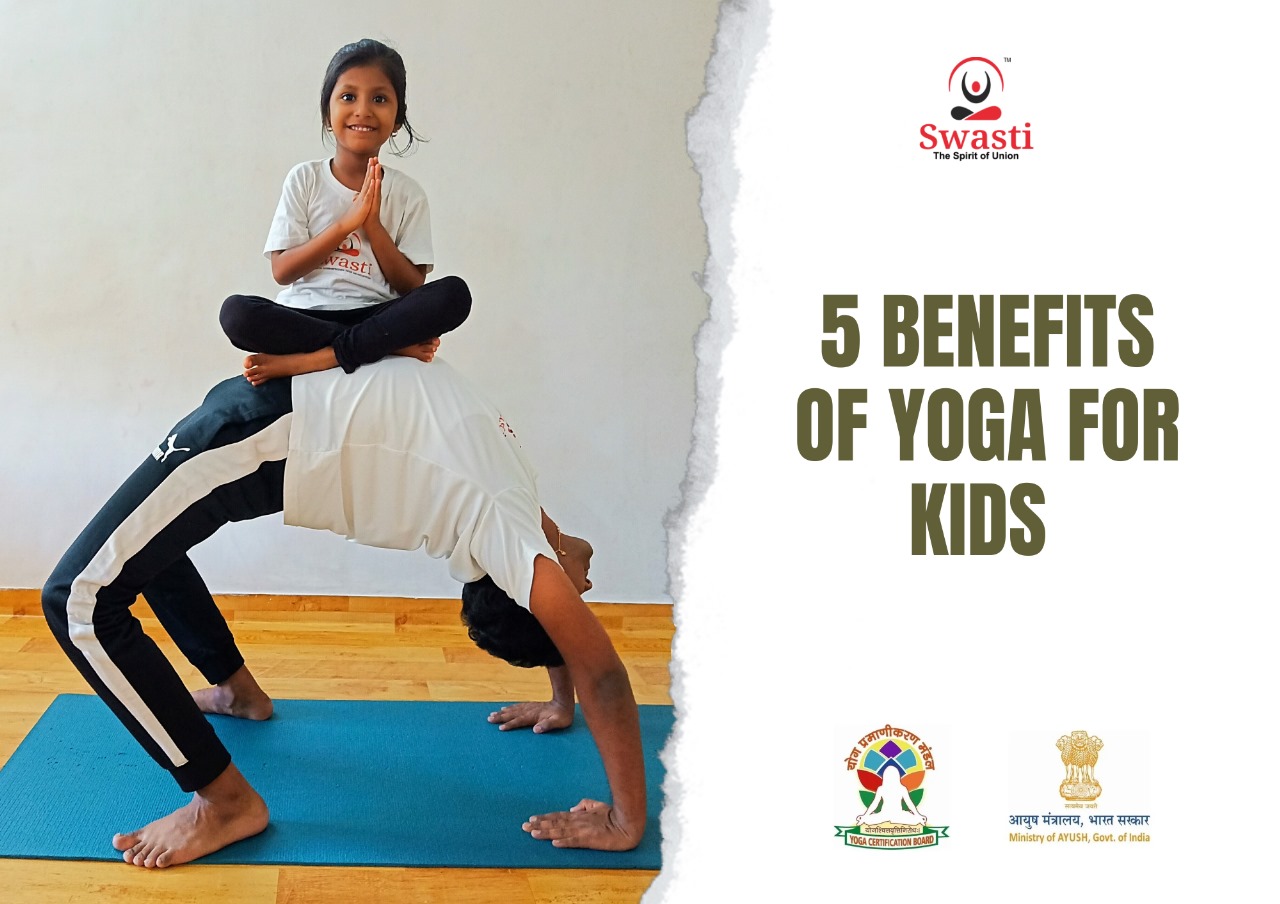
In a world that can often be fast-paced and demanding, the ancient practice of yoga stands as a beacon of tranquility and well-being for individuals of all ages. When it comes to children, introducing them to yoga at an early age offers a myriad of physical, mental, and emotional benefits. In this article, we explore the unique advantages of incorporating yoga into the lives of children, fostering a foundation for a lifetime of health and mindfulness. 1. Physical Well-being: One of the most apparent benefits of yoga for kids lies in the realm of physical well-being. Yoga poses, or asanas, promote flexibility, strength, and coordination. These gentle movements, specifically designed for developing bodies, contribute to improved posture and overall physical fitness. Engaging in yoga from a young age helps children develop a strong foundation of balance and body awareness, setting the stage for a healthy and active lifestyle. Yoga for kids often involves playful poses that mimic animals, plants, or objects, making it a fun and enjoyable activity. These poses not only enhance physical fitness but also contribute to the development of motor skills and spatial awareness. Through regular practice, children can experience improved muscle tone, increased flexibility, and a greater sense of bodily control. 2. Emotional Regulation: Children encounter a myriad of emotions as they navigate the ups and downs of growing up. Yoga provides a structured and effective way for kids to understand and regulate their emotions. Mindfulness, a key component of yoga, encourages children to connect with their feelings in a non-judgmental manner. Breathing exercises, or pranayama, taught in yoga classes for kids help them develop tools for emotional regulation. Simple techniques like deep belly breathing or “snake breaths” can be introduced to help children manage stress and anxiety. As kids become more attuned to their breath, they gain the ability to pause and respond thoughtfully to various situations, fostering emotional resilience. 3. Improved Concentration and Focus: In a world filled with distractions, cultivating the ability to concentrate is a valuable skill for children. Yoga practices, including concentration exercises and guided meditation, help improve a child’s ability to focus. The combination of physical movement, breath awareness, and mindful relaxation empowers children to hone their attention skills. Through activities such as balancing poses and mindful breathing, kids learn to channel their energy and concentrate on the present moment. These skills extend beyond the yoga mat and can positively impact academic performance, social interactions, and overall cognitive development. 4. Social Skills and Teamwork: Yoga classes for kids often incorporate group activities and partner poses, fostering a sense of community and collaboration. These interactive sessions provide opportunities for children to develop social skills, communication, and teamwork. Kids learn to respect each other’s space, offer support, and work together towards a common goal. Group yoga activities also create a positive and inclusive environment, promoting a sense of belonging among children. As they engage in shared experiences, they build friendships and develop essential social skills that contribute to their overall well-being. 5. Stress Reduction and Relaxation: Children, like adults, can experience stress and anxiety. Yoga introduces them to effective tools for stress reduction and relaxation. Relaxation techniques, such as guided imagery and gentle stretches, help kids unwind and release tension. The practice of yoga nidra, or yogic sleep, can be particularly beneficial in promoting deep relaxation and restful sleep. Teaching kids to recognize and manage stress early on lays the foundation for a healthy relationship with stress in adulthood. By incorporating mindfulness and relaxation into their routine, children develop coping mechanisms that contribute to mental resilience and emotional well-being. Conclusion: Introducing yoga to children is a gift that keeps on giving, offering a holistic approach to health and well-being. The benefits extend far beyond physical fitness, encompassing emotional regulation, improved concentration, social skills, and stress reduction. As kids embark on their yoga journey, they not only gain valuable life skills but also cultivate a love for self-care and mindfulness. In the gentle embrace of yoga, children find a sanctuary where their young minds and bodies can thrive, setting the stage for a balanced and harmonious future. In conclusion, the advantages of introducing yoga to children extend far beyond physical activityโ€”it nurtures emotional resilience, concentration, and a lifelong appreciation for well-being. For those looking to nurture this journey for kids, explore the enriching world of yoga through the best kids yoga courses in Pune. Ignite a lifelong love for health and mindfulness in your child today.

Read More ยป

Add Yoga To Retain The Beauty Of Body And Mind

Vitae aliquam porta sed augue consectetuer. Parturient posuere sed habitasse quisque malesuada platea. Dis suspendisse integer ut facilisis maximus mus.