๐Ÿ‡ฎ๐Ÿ‡ณ India | ๐Ÿ‡บ๐Ÿ‡ธ USA | ๐Ÿ‡ซ๐Ÿ‡ท France | ๐Ÿ‡ฒ๐Ÿ‡ฝ Mexico | ๐Ÿ‡ฆ๐Ÿ‡ช UAE

๐Ÿ‡ฎ๐Ÿ‡ณ India | ๐Ÿ‡บ๐Ÿ‡ธ USA | ๐Ÿ‡ซ๐Ÿ‡ท France | ๐Ÿ‡ฒ๐Ÿ‡ฝ Mexico | ๐Ÿ‡ฆ๐Ÿ‡ช UAE

Blog

News & Articles

Yoga Teacher - Career Opportunities in 2026

Yoga Teacher – Career Opportunities in 2026

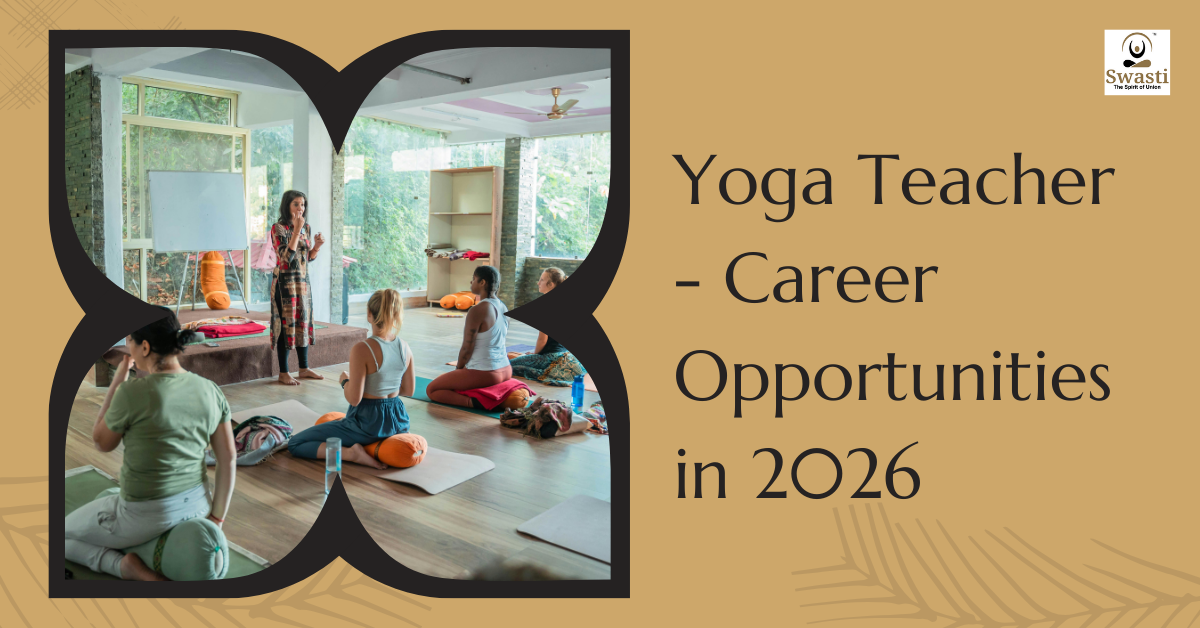
Are you considering a career in yoga instruction? The field of yoga teaching continues to expand steadily, with increasing demand for certified instructors. In this article, we will explore the career opportunities available specifically for the year 2026 and discuss the importance of obtaining proper certification to maximize your employment prospects. As more people begin to recognize the benefits of yoga on physical and mental well-being, the industry has maintained consistent growth in recent years. With this growth comes a range of employment opportunities, from teaching positions to other yoga-related roles within the industry. However, to access these career opportunities, it’s essential to obtain proper certification through a reputable yoga teacher training program. Not only does certification provide the necessary skills and knowledge to teach yoga effectively, but it also enhances career prospects by demonstrating your dedication and expertise in the field. Key Takeaways The field of yoga teaching is expected to continue growing in 2026, driven by sustained demand for certified instructors. Proper certification remains essential to accessing professional employment opportunities. The yoga industry offers diverse career options beyond teaching, including therapeutic and leadership roles. Continuous learning and skill development significantly improve long-term career prospects. The Growing Yoga Industry and Job Market The yoga industry has experienced significant growth in recent years, and this trend continues into 2026. As more people recognize the benefits of practicing yoga, the demand for qualified yoga teachers remains strong. According to the Bureau of Labor Statistics, employment of fitness trainers and instructors, including yoga instructors, continues to grow faster than average for many professions. Yoga Industry Trends One of the key reasons behind the growth of the yoga industry is the increasing awareness about the physical and mental health benefits of practicing yoga. Worldwide, approximately 300 million people regularly practice yoga. Approximately 36 million Americans practice yoga regularly. As people become more health-conscious, many are turning to yoga as a way to improve their overall well-being. Moreover, the rise of digital technologies has made it easier for people to access yoga classes, whether it’s via online platforms or mobile apps. Yoga Teacher Market Growth The growing yoga industry also means that there is an expanding market for yoga teachers. With more people interested in practicing yoga, there is a higher demand for qualified instructors who can guide them in their practice. This means that there are plenty of employment opportunities for those who have completed yoga teacher training programs and obtained certification. Yoga Employment Opportunities In addition to teaching yoga classes, there are many other job opportunities within the yoga industry. For example, many yoga studios and gyms hire yoga instructors to lead group classes or to provide one-on-one training sessions. Other employment opportunities include working as a yoga therapist, yoga retreat leader, or yoga educator. The US yoga market is valued at $12 billion and is shown to be growing at a rate of 9.8% annually. Overall, the growing yoga industry presents many exciting career opportunities for aspiring yoga teachers. By staying up-to-date with industry trends and obtaining proper certification, you can maximize your chances of success in this rewarding field. Yoga Teacher Training Programs and Certifications As the demand for certified yoga instructors continues to rise, obtaining proper training and certification remains essential in 2026. Yoga teacher training programs are offered by various institutions, including yoga schools, universities, and recognised centres operating under the Yoga Certification Board (YCB), Ministry of AYUSH. Yoga Teacher Training Programs Yoga teacher training programs vary in length, ranging from a few weeks to several months, depending on the institution and the level of certification. In these programs, you’ll learn about the history and philosophy of yoga, classical texts like Yogasutras, Bhagwad gita, Hatha Yoga Pradipika, anatomy and physiology, meditation techniques, and basic teaching methodologies. Some programs may also offer specialty courses, such as prenatal or restorative yoga. It’s important to research and compare different yoga teacher training programs to find the right fit for your needs and career goals. Look for programs that are accredited by reputable organisations and led by experienced yoga instructors. Yoga Instructor Certification After completing a yoga teacher training program, you may obtain certification by taking an exam or submitting a teaching portfolio to a certifying organization. The most widely recognized certifying organization for yoga instructors is the Yoga Certification Board (YCB), Ministry of AYUSH under the government of India. India, being the birthplace of yoga, the Indian government has decided to standardise the yoga education by making Level 1 (Yoga Protocol Instructor) to Level 4 (Yoga Master) certification programs under YCB which is the only yoga board globally under government. Yoga instructors who obtain certification through the YCB or other reputable organizations under the Ministry of AYUSH, Government of India have an advantage in the job market, as it demonstrates their proficiency and commitment to the profession. Yoga Certification Programs In addition to yoga teacher training programs, there are also yoga certification programs that offer specialized training in specific areas of yoga, such as yoga therapy or Ayurveda. These programs provide additional knowledge and skills that can enhance your career prospects and make you a more desirable candidate for certain teaching positions. When choosing a yoga certification program, consider your interests and career goals to find a program that aligns with your aspirations. Overall, obtaining proper yoga teacher training and certification is crucial for aspiring yoga instructors to position themselves for success in the industry. Take the time to research and compare different programs and certifications to find the best fit for your needs and goals. Yoga Instructor Job Outlook and Opportunities If you are considering pursuing a career as a yoga instructor, it’s important to understand the job outlook and employment opportunities available to you. With the growing popularity of yoga, there is a steady demand for certified instructors in various settings. Yoga Teaching Positions Many yoga instructors work in studios, gyms, and wellness centers, teaching classes to students of all levels. As an instructor, you may be responsible
Read More ยป
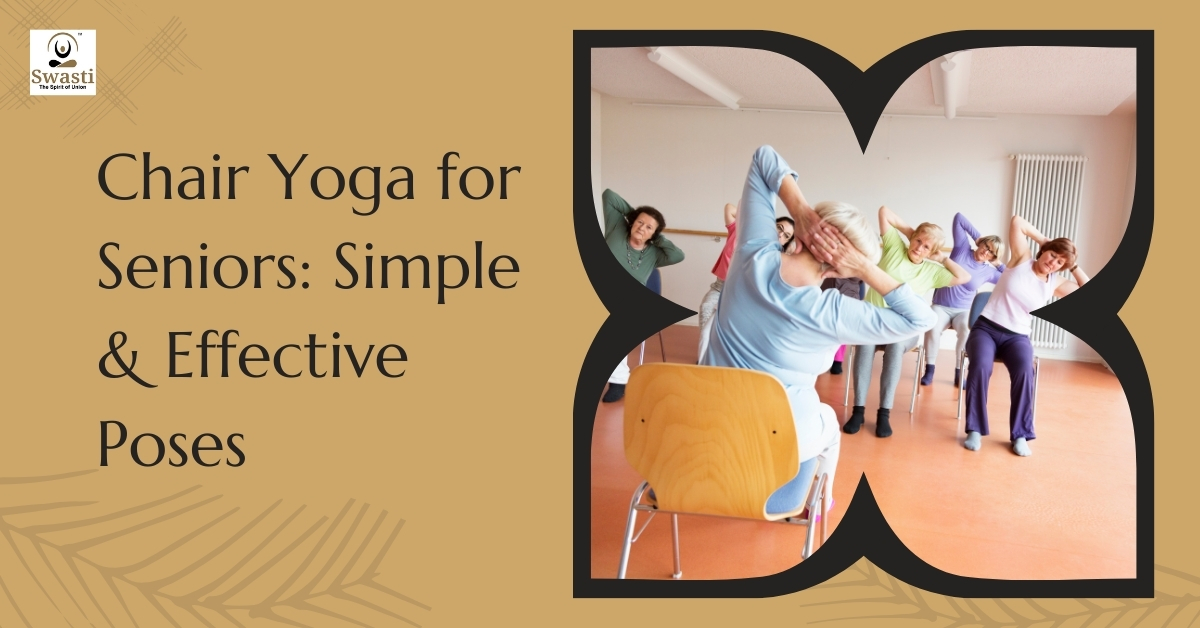
Chair Yoga for Seniors Simple & Effective Poses

Chair Yoga for Seniors: Simple & Effective Poses

Aging brings its physical challenges, but staying active can significantly improve one’s quality of life. Chair yoga is a gentle and effective way for seniors to maintain flexibility, balance, and mental well-being without straining their joints. Whether you’re new to yoga or looking for a safe way to stay active, chair yoga is a fantastic option. Why Chair Yoga is Ideal for Seniors 1. Gentle on Joints and Muscles As we age, our joints and muscles become more prone to stiffness and pain. Traditional yoga poses may feel too intense, but chair yoga modifies movements to reduce strain while still providing significant benefits. It allows seniors to stretch, strengthen, and move comfortably without the risk of injury. 2. Improves Flexibility and Mobility One key advantage of chair yoga is its ability to enhance flexibility. Daily practice can help loosen tight muscles, improve posture, and increase mobility, making everyday activities like walking, reaching, and bending much easier. 3. Supports Balance and Reduces Fall Risk Falls are a common concern for older adults. Chair yoga strengthens core muscles and enhances balance, reducing the chances of accidental falls. Many poses focus on stability and coordination, essential for maintaining independence. 4. Enhances Mental Well-Being Yoga is not just about physical movement; it also includes breathing techniques and mindfulness. Chair yoga can help reduce stress, anxiety, and depression while promoting a sense of calm and relaxation. It encourages deep breathing, which improves oxygen flow and helps clear the mind. 5. Can Be Practiced Anywhere One of the best things about chair yoga is its accessibility. You donโ€™t need a yoga mat or special equipmentโ€”just a sturdy chair and a quiet space. It can be done at home, in community centers, or even in assisted living facilities. Getting Started: What You Need Before beginning your chair yoga practice, ensure you have the following: A Sturdy Chair: Choose a chair without wheels or armrests, preferably with a firm seat and back support. Comfortable Clothing: Wear loose, breathable clothing that allows for free movement. A Quiet Space: Find a peaceful spot where you wonโ€™t be interrupted, ensuring a calm and focused practice. Optional Accessories: Some seniors may benefit from using yoga blocks or straps for additional support, but they are not necessary to get started. Simple & Effective Chair Yoga Poses for Seniors 1. Seated Mountain Pose (Tadasana) This is a foundational pose that improves posture and body awareness. How to Do It: Sit upright in the chair with feet flat on the floor. Keep your back straight and shoulders relaxed. Raise your hands toward the ceiling. Take slow, deep breaths, holding the position for 30 seconds to 1 minute. Benefits: Enhances posture and stability. Encourages mindful breathing. 2. Seated Side Stretch A great pose for opening up the sides of the body and improving flexibility. How to Do It: Sit upright and extend your right arm overhead. Lean gently to the left, keeping your left hand on the chair for support. Hold for 10โ€“15 seconds, then switch sides. Benefits: Improves flexibility in the spine and sides. Helps with deep breathing. 3. Seated Spinal Twist This pose increases mobility and aids digestion. How to Do It: Sit sideways on the chair so the chairโ€™s backrest is on your right. Hold onto the chairโ€™s back with both hands and gently twist your torso to the right. Hold for 15โ€“20 seconds, then switch sides. Benefits: Enhances spinal flexibility. Supports digestion by massaging abdominal organs. 4. Seated Relaxation Pose A perfect way to end your session and promote mindfulness. How to Do It: Sit comfortably with feet flat on the floor. Close your eyes and take slow, deep breaths. Let go of any tension and focus on relaxation. Stay in this position for 1โ€“2 minutes. Benefits: Reduces stress and promotes relaxation. Helps lower blood pressure and calm the nervous system. 5. Seated Half-Wheel Pose This gentle backbend helps open the chest, improve breathing, and strengthen the spine. How to Do It: Sit upright in a chair with your feet flat on the ground. Place your hands on your lower back for support. Slowly arch your back, lifting your chest and looking upward. Hold for 10โ€“15 seconds, breathing deeply, then return to a neutral position. Benefits: Opens up the chest and lungs. Improves spinal flexibility and strength. Enhances posture and breathing capacity. 6. Shoulder Rotation This simple movement helps relieve tension in the shoulders and improves flexibility. How to Do It: Sit comfortably in a chair with your feet flat on the floor. Roll your shoulders forward in circular motions for about 10 seconds. Reverse the direction and roll them backward for another 10 seconds. Repeat 2โ€“3 times for relaxation. Benefits: Reduces stiffness in the shoulders. Enhances mobility and circulation. It helps relieve stress and tension in the upper body. 7. One-Legged Knee-to-Chest Pose This seated pose helps stretch the lower back, hip flexors, and thighs while improving digestion and flexibility. How to Do It: Sit on a sturdy chair with feet flat on the floor. Lift your right knee toward your chest and hold it with both hands. Keep your back straight and gently pull the knee closer. Hold for 15โ€“20 seconds, then switch legs. Benefits: Relieves lower back tension. Stretches the hips and thighs. Improves digestion and circulation. Enhances flexibility and mobility. Additional Tips for a Safe & Enjoyable Practice Move Slowly: Always practice with awareness and avoid rushing through movements. Listen to Your Body: If any pose feels uncomfortable, stop and modify as needed. Breathe Deeply: Inhale through your nose and exhale through your mouth to enhance relaxation. Stay Consistent: Regular practice leads to better flexibility, strength, and mental clarity. Conclusion- Chair yoga is a wonderful way for seniors to stay active, flexible, and mentally sharp without straining their bodies. With just a few minutes a day, these simple exercises can bring significant health benefits. Whether you’re looking to improve posture, reduce stress, or enhance mobility, chair yoga offers a safe and effective solution. Start your journey today

Read More ยป
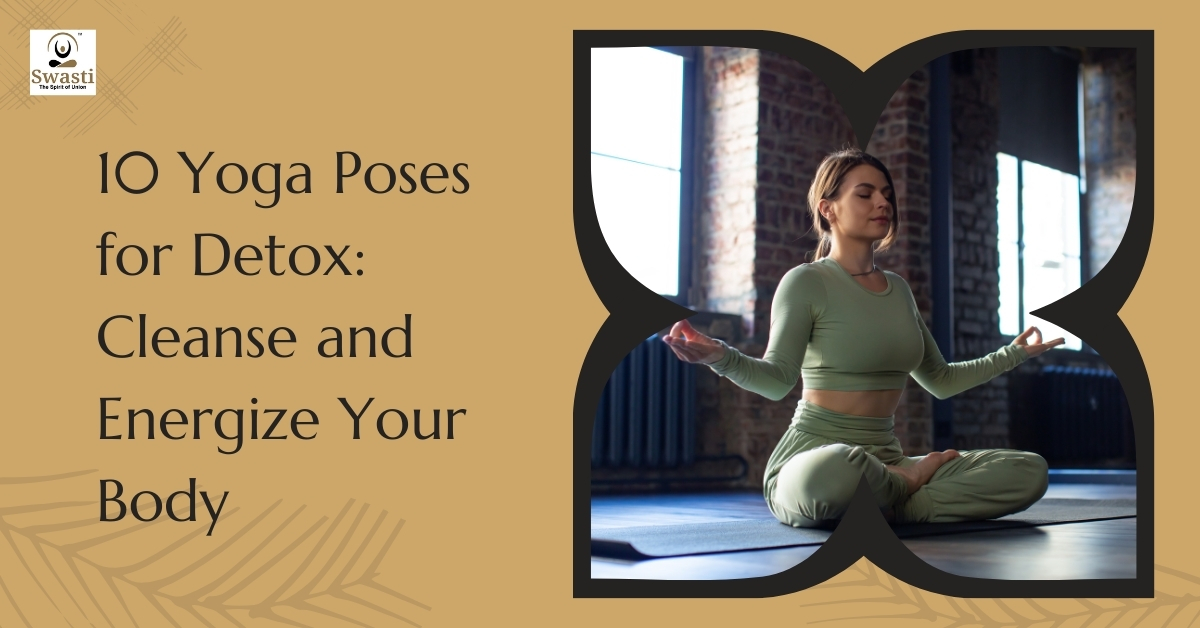
10 Yoga Poses for Detox Cleanse and Energize Your Body

10 Yoga Poses for Detox: Cleanse and Energize Your Body

Yoga and meditation are both incredibly powerful practices that have been used for centuries to enhance physical, mental, and spiritual well-being. While yoga focuses on the body through physical postures and breath control, meditation centers the mind, helping to achieve inner peace and clarity. When combined, these two practices create a holistic approach to wellness that can transform your life. In this blog, we will explore how you can integrate meditation into your yoga practice to experience deeper relaxation, focus, and mindfulness. Understanding the Basics of Yoga and Meditation Before we delve into the integration of these practices, letโ€™s first understand what each one entails. What is Yoga? Yoga is an ancient practice that combines physical postures (asanas), breath control (pranayama), and meditation to promote physical health, mental clarity, and emotional balance. The physical aspect of yoga focuses on strength, flexibility, and alignment, while the breathwork enhances the flow of energy throughout the body. Yoga can also lead to spiritual growth, helping individuals connect with their higher selves. What is Meditation? Meditation is a practice that involves focusing the mind to achieve a state of deep relaxation and heightened awareness. The goal is to quiet the mental chatter and achieve clarity, peace, and a sense of mindfulness. Meditation can take many forms, such as focusing on the breath, chanting mantras, or visualizing peaceful imagery. You may like to read: What Is Meditation and Why Does It Matter? The Synergy Between Yoga and Meditation While yoga primarily focuses on the body, meditation works with the mind. Together, they complement each other perfectly. Yoga prepares the body, making it more flexible and open, allowing you to sit in meditation for longer periods with greater comfort. Meditation, on the other hand, calms the mind, helping you focus on the present moment and deepen your yoga practice. The combination of both practices creates a powerful tool for achieving balance, health, and overall well-being. Benefits of Integrating Meditation into Yoga Practice Integrating meditation into your yoga routine brings many advantages. Here are some of the key benefits: 1. Enhanced Mindfulness One of the most significant benefits of combining yoga and meditation is the increased mindfulness that it fosters. Yoga helps you become more aware of your body and breath, while meditation trains you to be present with your thoughts and emotions. Together, these practices create a heightened awareness of your mind-body connection, allowing you to be more in tune with your physical and emotional states. 2. Improved Focus Yoga postures require concentration and focus on your breath and body movements. When you integrate meditation into your practice, this focus becomes more refined. Meditation trains the mind to stay focused, which translates into improved concentration during your yoga practice. This focused energy can carry over into your daily life, helping you to stay present and effective in everything you do. 3. Stress Relief Both yoga and meditation are known for their stress-relieving properties. Yoga works on the physical body, releasing tension from muscles, while meditation calms the mind and promotes relaxation. By integrating meditation into your yoga practice, you create a full-body and mind relaxation experience that reduces stress and encourages a sense of peace and tranquility. 4. Spiritual Growth Yoga and meditation both have spiritual components that go beyond just the physical and mental benefits. While yoga helps align the body with the mind, meditation encourages introspection and connection to your inner self. Together, they provide a pathway for spiritual growth, helping you to cultivate a deeper sense of meaning and purpose in life. How to Incorporate Meditation into Your Yoga Routine? Now that weโ€™ve covered the benefits, letโ€™s explore how you can start integrating meditation into your yoga practice. Here are some practical steps to help you get started: 1. Start with Breath Awareness Breath awareness is the foundation of both yoga and meditation. Begin your yoga practice with a few minutes of mindful breathing to calm your mind and prepare your body for movement. Focus on your breath as you inhale and exhale, noticing how it feels as it moves through your body. This simple practice sets the stage for a deeper connection to both your body and mind throughout your entire session. 2. Introduce Short Meditation Sessions You donโ€™t have to wait until the end of your practice to meditate. Try incorporating short meditation sessions between your yoga postures. For example, after completing a series of asanas, take a moment to sit quietly and focus on your breath for a minute or two. This can help reset your mind and prepare you for the next sequence of poses. 3. Incorporate Mantras or Affirmations Mantras or affirmations are powerful tools that can help you focus your mind and create a sense of inner peace. During your yoga practice, you can silently repeat a mantra, such as โ€œI am calmโ€ or โ€œI am strong,โ€ to stay focused. Similarly, you can incorporate affirmations while meditating to reinforce positive thoughts and intentions. 4. End with Guided Meditation or Savasana After completing your yoga practice, itโ€™s a great idea to end with a short meditation or deep relaxation session. Savasana, or corpse pose, is typically used to relax the body at the end of a yoga session, but it can also serve as a meditation practice. You can either meditate on your own or listen to a guided meditation. This final meditation helps to consolidate the benefits of your practice and brings a sense of completeness to your session. 5. Focus on Present Moment Awareness Throughout both your yoga and meditation practice, make an effort to stay present in the moment. Focus on your breath, the sensations in your body, and the thoughts in your mind without judgment. This will deepen your awareness and create a more meaningful practice. The more you practice mindfulness in yoga and meditation, the more you will carry this awareness into your everyday life. Tips for a Successful Integration Integrating meditation into your yoga practice can be a gradual process, and

Read More ยป
How Kids Yoga Teacher Training Can Transform Your Career

How Kids Yoga Teacher Training Can Transform Your Career?

In recent years, yoga has become a transformative practice for children, helping them develop a strong mind-body connection from an early age. With the increasing awareness of the importance of holistic education, the demand for certified kids yoga teachers has surged. Whether you’re an aspiring yoga instructor or looking to broaden your career horizons, kid’s yoga teacher training can open doors to new opportunities. This blog explores how taking this specialized training can not only impact your career but also positively influence the lives of children. What are the Benefits of Yoga for Kids? Yoga for kids offers a multitude of benefits that go beyond just flexibility and strength. Below are some key advantages that kids experience through yoga: Improved Physical Health: Yoga strengthens muscles, improves posture, and enhances flexibility. It helps children develop better coordination and motor skills. Emotional Regulation: Yoga teaches children how to calm their minds and deal with anxiety, stress, and emotional challenges. Through breathwork and mindfulness, children can better control their emotions. Increased Focus and Concentration: By practicing poses and learning to control their breathing, children become more focused and able to concentrate in school and other activities. Boosted Confidence and Self-Esteem: Completing yoga poses gives children a sense of accomplishment, fostering confidence in their abilities. Social and Behavioral Skills: Group yoga classes teach cooperation, sharing, and respect for others, helping children develop strong social skills. As a certified kids yoga teacher, youโ€™ll play an important role in bringing these benefits to children and shaping their development in a positive direction. Why Kids Yoga Teacher Training is Different? Kids yoga teacher training is tailored specifically to meet the needs of children at various developmental stages. Unlike adult yoga classes, which focus primarily on physical postures, kids’ yoga integrates playful activities, creative storytelling, and games to engage childrenโ€™s imaginations and keep them interested. Through this training, you’ll learn how to design age-appropriate classes that incorporate themes such as mindfulness, breathwork, and yoga poses, all while making it enjoyable for kids. You’ll also gain insights into child development and how to teach yoga in a way that supports each child’s unique needs and abilities. How Does Kids Yoga Teacher Training Enhance Your Career? Becoming a certified kids yoga teacher opens a wide range of career opportunities. Schools, yoga studios, summer camps, and community centers are increasingly seeking qualified yoga instructors who specialize in teaching children. This training allows you to teach in a variety of settings, whether youโ€™re interested in running your own classes or collaborating with educational institutions. By taking kids yoga teacher training, you position yourself as a leader in an expanding field, offering services that are in high demand. Youโ€™ll be equipped with the skills to teach yoga to children of all ages, from toddlers to teenagers, and even those with special needs or behavioral challenges. Developing Essential Teaching Skills One of the most valuable aspects of kids yoga teacher training is the development of essential teaching skills. Youโ€™ll learn how to effectively manage childrenโ€™s energy levels in a class, create a safe environment, and maintain the right balance between fun and discipline. Youโ€™ll also learn how to modify poses for children with different needs, ensuring that every child can participate and feel supported. This training also nurtures your leadership skills, helping you communicate clearly and effectively with children and their parents. You’ll gain the confidence to lead classes that are not only educational but also fun, engaging, and transformative for young students. The Growing Demand for Certified Kids Yoga Teachers The world is increasingly recognizing the value of yoga for kids, and with this recognition comes a higher demand for qualified instructors. As yoga becomes more widely accepted in educational settings, community programs, and wellness initiatives, now is the perfect time to pursue kids yoga teacher training. Schools and Studios are Looking for You: Schools, daycare centers, yoga studios, and after-school programs are actively seeking certified kids yoga teachers to provide enrichment programs. A Future-Proof Career: As awareness of mental health and wellness continues to grow, yogaโ€™s role in child development will become even more critical. Certified teachers will be at the forefront of this positive change. This growing demand for yoga programs means youโ€™ll have plenty of opportunities to work in diverse settings and make a real impact. Why Parents Should Consider Yoga Teacher Training for Their Kids? Parents are becoming more aware of the value of yoga in childrenโ€™s lives, not just for physical health, but also for mental and emotional growth. Many parents are considering yoga teacher training as a way to connect more deeply with their childโ€™s wellness journey. By learning how to teach yoga to children, parents can create a peaceful, mindful environment at home. They can also participate in their child’s development by teaching them tools for coping with stress, improving focus, and increasing self-esteem. This can create a lifelong bond through shared practice and wellness. Become a Certified Kids Yoga Instructor with Swasti Yoga Center Ready to transform your career and make a lasting impact on the lives of children? Swasti Yoga Center offers a comprehensive Kids Yoga Teacher Training Course (TTC) that equips you with all the tools you need to teach yoga to kids in a fun, engaging, and effective way. Our expert instructors will guide you through every step of your training, ensuring you feel confident and prepared to teach children of all ages. Additionally, Swasti Yoga Center offers kids’ yoga classes designed to nurture young minds and bodies. Whether youโ€™re interested in expanding your teaching career or introducing your child to the benefits of yoga, we provide a supportive and enriching environment for all. Join us today and take the first step toward a rewarding and impactful career in kids yoga teaching!

Read More ยป
Why Certified Pregnancy Yoga Teachers Are in High Demand in 2026

Why Certified Pregnancy Yoga Teachers Are in High Demand in 2026?

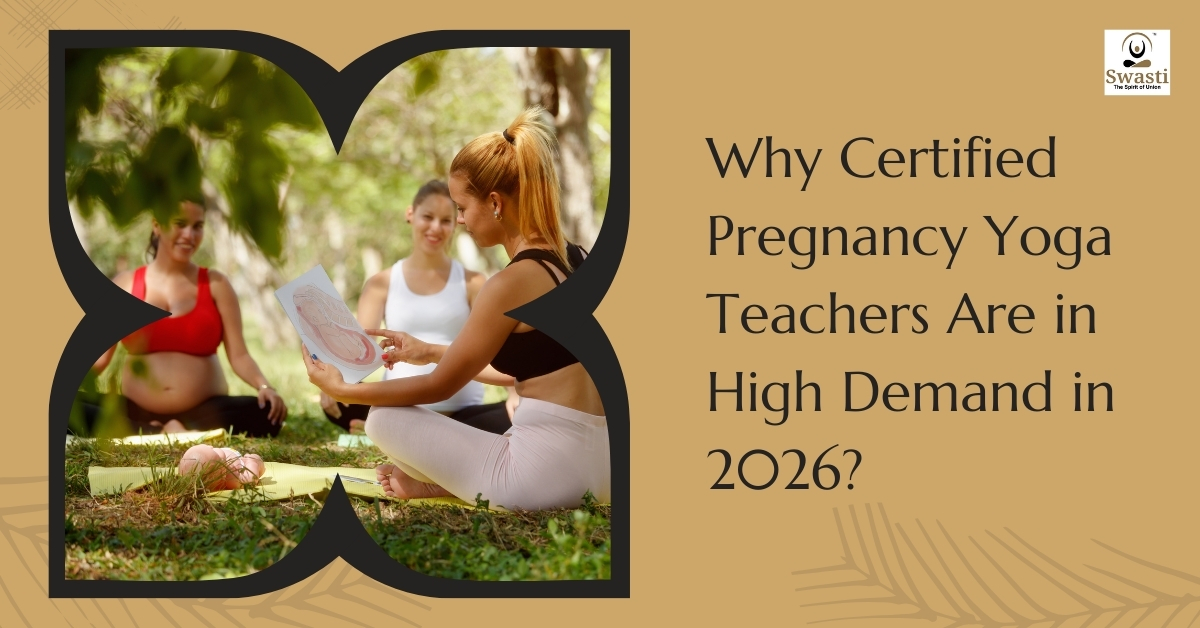
Pregnancy yoga is not just about stretching and relaxationโ€”itโ€™s an essential part of modern prenatal care. More than ever, expecting mothers are turning to yoga to support their health and well-being during pregnancy. Whether itโ€™s about managing stress, boosting energy, or simply finding peace, pregnancy yoga offers a holistic approach to wellness for both the mind and body. Yoga during pregnancy is more than just an exercise routine; itโ€™s a vital tool for nurturing both mental and physical health. It helps expecting mothers stay flexible, reduces stress and anxiety, improves sleep quality, and prepares the body for childbirth. With increasing awareness about the benefits of a healthy lifestyle, more and more women are seeking certified pregnancy yoga teachers to guide them through this transformative period. The Benefits of Pregnancy Yoga From physical benefits like improved flexibility, strength, and posture to emotional and mental benefits such as reduced stress and anxiety, pregnancy yoga provides a comprehensive approach to prenatal care. Here are some key benefits: Improves flexibility and strength to support the bodyโ€™s changes during pregnancy. Reduces common discomforts like back pain, swelling, and fatigue. Enhances posture, helping to alleviate pressure on the back and hips. Boosts circulation, promoting overall physical health for both mother and baby. Reduces stress and anxiety, providing emotional balance during pregnancy. Encourages mindfulness and relaxation, helping mothers feel more centered and in control. Teaches breathing techniques that aid in labor and help manage pain during contractions. Why Certified Instructors Are Crucial? The benefits of pregnancy yoga are well-documented, but itโ€™s essential to practice yoga with a trained and certified instructor. A certified pregnancy yoga teacher is trained to understand the unique needs of expecting mothers and can offer tailored advice and safe practice techniques. Here are a few reasons why certified instructors are crucial: Ensuring Safety Certified instructors modify poses to suit pregnant bodies, preventing injury and ensuring safety throughout pregnancy. They adapt poses for each trimester, making yoga effective and safe. Providing Specialized Care Certified teachers address specific pregnancy issues like back pain or swelling, offering personalized advice and pose adjustments for comfort and fitness. Building Trust and Credibility Certification demonstrates expertise, giving expecting mothers confidence in their care and making them more likely to choose a qualified instructor for their prenatal yoga needs. The Rising Demand for Certified Pregnancy Yoga Teachers In 2026, the demand for certified pregnancy yoga instructors is higher than ever before. More and more expecting mothers are turning to specialized yoga classes to maintain their physical and mental well-being during pregnancy. This rise in demand is driven by: Growing Awareness of Prenatal Health As healthcare professionals continue to emphasize the importance of prenatal care, many expecting mothers are seeking out yoga as a complementary therapy. The rise of wellness communities and social media has also played a role, with more people becoming aware of the benefits of yoga for pregnancy. Healthcare Trends Supporting Yoga Practices Healthcare providers are increasingly recommending yoga to expecting mothers as a way to reduce stress, improve sleep, and promote overall health during pregnancy. This shift has led to more healthcare facilities offering yoga classes, which in turn increases the demand for trained and certified yoga instructors. Career Opportunities for Yoga Teachers As the demand for pregnancy yoga grows, there are more career opportunities for yoga instructors who are trained in prenatal yoga practices. Many expecting mothers are looking for personalized yoga classes, which means there are opportunities for freelance teachers, studio instructors, and specialized prenatal yoga centers to expand their offerings. Skills That Make a Certified Pregnancy Yoga Teacher Stand Out Being a certified pregnancy yoga teacher requires more than just knowing the basic yoga poses. A qualified instructor needs to understand the anatomy of pregnancy, learn how to modify poses for different stages of pregnancy and provide emotional support to expecting mothers. Here are some key skills that make a certified pregnancy yoga teacher stand out: Anatomical Knowledge: Understanding the anatomy of pregnancy, how the body changes, and knowing which poses are safe and effective for each trimester. Modification Techniques: Knowing how to modify yoga poses to accommodate common pregnancy-related issues, such as back pain, hip tightness, or swollen ankles. Breathing Exercises: Teaching specific breathing exercises that help expecting mothers manage pain, stay calm during contractions, and improve circulation. Emotional Support: Offering emotional support and encouragement to expecting mothers, can help them feel more connected and confident throughout their pregnancy journey. Global Trends in Pregnancy Yoga Teacher Training As the demand for pregnancy yoga teachers continues to rise, more institutions are offering specialized training programs to meet the needs of expecting mothers. These training programs often focus on: Online vs. In-person Training: More yoga schools are offering online training programs to make it easier for aspiring teachers from around the world to enroll in pregnancy yoga teacher training. International Recognition: Certifications from organizations like AYUSH-approved courses are gaining recognition globally, which means that trained pregnancy yoga teachers are in demand not just locally, but internationally. Holistic and Specialized Training: Some training programs now offer courses focused on holistic prenatal care, emphasizing topics such as nutrition, mental health, and eco-friendly wellness practices. Train to Teach Pregnancy Yoga: Enroll at Swasti Yoga Center If youโ€™re looking to become a certified pregnancy yoga instructor, or if youโ€™re expecting and need personalized guidance, Swasti Yoga Center is here to help. Our government-recognized and AYUSH-certified pregnancy yoga teacher training (TTC) offers comprehensive instruction from experienced instructors. Whether you prefer online courses or in-person training in Pune, we have flexible options to fit your needs. In addition to our teacher training courses, we also offer individual pregnancy yoga classes, tailored to help expecting mothers find relief from pregnancy-related discomforts and maintain overall health and well-being. Contact Swasti Yoga Center to learn more and take the first step toward becoming a certified pregnancy yoga instructor or joining our prenatal yoga classes.

Read More ยป
Yoga for Corporate Success A Unique Session for Spain's Future Entrepreneurs

Yoga for Corporate Success: A Unique Session for Spain’s Future Entrepreneurs

In todayโ€™s world, where business education is becoming increasingly demanding, finding ways to balance personal well-being with professional aspirations is essential. Yoga has proven to be a valuable tool for cultivating focus, resilience, and clarityโ€”qualities every future entrepreneur needs. This understanding was brought to life on Saturday, 23rd November when Swasti Yoga Center in Pune hosted an inspiring session for 56 business students and 4 teachers from Spain at the serene Shankar Shetty Park. The session introduced the participants to the practical and far-reaching benefits of yoga in both professional and personal spheres. Letโ€™s explore in greater detail why yoga is vital for business students and aspiring corporate leaders. Why Yoga Matters for Business Students 1. Sharper Focus Business students are often juggling multiple responsibilitiesโ€”academic projects, internships, networking events, and more. This multitasking can lead to a cluttered mind, reducing efficiency and decision-making ability. Yoga helps by: Practicing Mindfulness: Techniques like breath awareness and guided meditation train the brain to stay focused on the present moment. Improving Cognitive Function: Research shows that regular yoga enhances brain activity in areas related to attention and memory. During the session, participants learned simple yet effective breathing exercises like anulom vilom (alternate nostril breathing) to clear their minds and maintain focus. These tools are invaluable for staying productive during intense study sessions or while preparing for presentations. 2. Boosted Creativity Innovation is the lifeblood of business, and creativity is a prized skill in any corporate environment. Yoga fosters creativity by: Reducing Mental Blocks: Stress often stifles creativity. Yogaโ€™s relaxing postures and breathing techniques help release tension, allowing ideas to flow freely. Encouraging Open Thinking: Practices like dynamic meditation and yoga nidra encourage deep relaxation, unlocking new perspectives and solutions. At the session, participants engaged in gentle stretches and reflective exercises that helped them tap into their creative potential. One student remarked, โ€œThis has been an eye-opener. I feel like I can think more clearly and approach challenges with a fresh perspective.โ€ 3. Emotional Balance Effective leadership and collaboration require emotional intelligenceโ€”the ability to understand and manage your emotions while empathizing with others. Yoga nurtures this through: Self-Awareness: By practicing mindfulness, individuals become more attuned to their feelings and triggers. Stress Regulation: Techniques like pranayama and meditation lower cortisol levels, reducing the likelihood of reactive or impulsive behavior. Improved Empathy: Yoga promotes a sense of connectedness, which helps in building stronger interpersonal relationships. The Spanish students practiced mindful breathing and gratitude meditation, which fostered a deeper connection with their peers and teachers. These practices will undoubtedly help them handle future team dynamics with greater empathy and understanding. 4. Physical Endurance The sedentary lifestyle of students and professionals often leads to fatigue, poor posture, and long-term health issues. Yoga addresses these by: Strengthening Core Muscles: Postures like bhujangasana (cobra pose) and setu bandhasana (bridge pose) improve posture and alleviate tension in the spine. Boosting Energy Levels: Simple stretches increase blood circulation, delivering more oxygen to the brain and muscles, and keeping fatigue at bay. Preventing Burnout: Regular practice builds physical resilience, helping individuals endure long hours of work or study. At the event, participants were guided through a sequence of asanas tailored to relieve stress from prolonged sitting and improve flexibility. This combination of movement and mindfulness left them feeling refreshed and energized. Yoga and Core Entrepreneurial Values Beyond its physical and mental benefits, yoga instills a deeper sense of purpose and ethical grounding in entrepreneurs. By studying yoga, business leaders develop values that contribute to long-term success, not just for themselves but for their teams, communities, and society as a whole. Key areas of growth include: 1. Conflict Management Yoga teaches calmness and emotional regulation, essential for resolving conflicts in the workplace. Leaders who practice mindfulness are better equipped to mediate disputes and foster harmony within their teams. 2. Ethical Business Practices Rooted in principles like ahimsa (non-violence) and satya (truth), yoga encourages honesty, integrity, and fairness in business dealings. Entrepreneurs learn to prioritize ethical decision-making, even in challenging situations. 3. Collective Good Yogaโ€™s philosophy emphasizes interconnectedness, inspiring leaders to think beyond individual profits and work toward shared success. This mindset is crucial for building collaborative, team-oriented work environments. 4. Holistic Growth True growth isnโ€™t limited to financial success. Yoga encourages holistic development, where entrepreneurs focus on personal well-being, team development, and societal contributions. This approach ensures balanced, sustainable growth. 5. Community Engagement Yoga fosters a sense of community and encourages leaders to engage meaningfully with those around them. Entrepreneurs who practice yoga are more likely to initiate and support community-driven projects that bring people together. 6. Sustainable Development One of yogaโ€™s core principles is sustainabilityโ€”living in harmony with nature and minimizing harm to the environment. Entrepreneurs who embrace yoga are more inclined to adopt eco-friendly practices, contributing to a more sustainable world. Why Yoga Isnโ€™t Just for Wellness Enthusiasts? 1. Managing Stress In the corporate world, stress is unavoidable, but how you manage it makes all the difference. Yoga offers a proactive way to tackle stress by: Reducing Anxiety: Practices like shavasana (corpse pose) and deep breathing calm the nervous system. Building Resilience: Yoga fosters a mindset that sees challenges as opportunities rather than obstacles. Participants at the session were introduced to stress-relief techniques that they can incorporate into their daily lives, helping them stay calm during exams, interviews, or high-pressure situations. 2. Enhancing Productivity When the mind is cluttered and energy is low, productivity takes a hit. Yoga combats this by: Increasing Mental Clarity: Meditation practices improve decision-making by encouraging logical thinking. Boosting Physical Stamina: A combination of dynamic stretches and breathing keeps fatigue at bay, ensuring consistent performance. The students practiced techniques to reset their energy levels, equipping them with strategies to remain productive even during long, demanding days. The Key to Long-Term Success Yoga is more than a practiceโ€”itโ€™s a lifestyle. For business students and future leaders, it offers the tools to navigate life with clarity, resilience, and balance. Events like this, hosted by Swasti Yoga Center, are a testament

Read More ยป
The Importance of Certified Yoga Instructors in Schools and Colleges

The Importance of Certified Yoga Instructors in Schools and Colleges

Yoga has blossomed into a cornerstone of well-being in recent years, particularly within the walls of schools and colleges. As students discover the benefits of this ancient practiceโ€”ranging from stress relief to enhanced focusโ€”the question arises: who is leading these yoga classes? The role of certified yoga instructors is crucial, and understanding their impact in educational settings can shed light on why they are indispensable. What Makes Certified Instructors So Important? When you step into a yoga class, you want to be guided by someone who knows their stuff. Certified yoga instructors have completed extensive training that equips them with the necessary skills to teach safely and effectively. They dive deep into yoga philosophy, anatomy, and the nuances of different poses. This training is vital because it ensures that every student feels safe and confident on the mat. Safety First Picture a yoga class without a trained instructor. It could lead to injuries or discomfort, right? Certified instructors understand how to modify poses based on individual needs and levels. They are trained to create a safe environment, making sure that students can explore yoga without the fear of hurting themselves. Structure and Engagement A certified instructor brings a structured approach to yoga classes, designing a curriculum that gradually introduces students to various poses and techniques. This structure not only keeps students engaged but also fosters a sense of progression. Instead of feeling lost, students can see their improvement over time, which enhances their commitment to practice. Building Trust and Rapport Trust is a significant aspect of any teacher-student relationship, and certified yoga instructors excel in this area. They create a supportive atmosphere that encourages students to explore their limits and push beyond them. When students feel understood and supported, they are more likely to engage fully in their practice. The Impact of Certified Instructors in Schools A Safe Space for Young Minds One of the most notable benefits of having certified kids yoga instructors in schools is their ability to create a safe and nurturing environment for young minds. Students can engage in physical activity while learning essential skills for managing stress and emotions. This is especially important in todayโ€™s fast-paced world, where children face increasing academic pressures. Promoting Mental Wellness Research has shown that yoga can significantly improve mental health. Certified instructors teach techniques that help students manage anxiety and stress effectively. Picture a high school student who has just finished a tough exam. Stepping into a yoga class led by a certified instructor can provide a much-needed escape, allowing them to clear their minds and rejuvenate. Engaging the Whole Student A certified instructor goes beyond just teaching poses; they engage the whole studentโ€”body, mind, and spirit. Through breathing exercises, meditation, and mindful movement, students learn to connect with themselves on a deeper level. This holistic approach nurtures emotional intelligence, helping students to handle challenges both inside and outside the classroom. Why do Colleges Benefit from Certified Instructors? Addressing Mental Health Challenges College life can be a whirlwind of stress, deadlines, and social pressures. Certified yoga instructors can help students manage this stress by providing effective tools for relaxation and focus. Think about it: after a grueling day of classes and studying, wouldnโ€™t it be nice to step into a yoga class that teaches you how to breathe through the chaos? Fostering Community and Inclusivity Yoga is all about connection, both with oneself and with others. Certified instructors create an inclusive environment where students can collaborate and share their experiences. Itโ€™s more than just physical practice; itโ€™s about building a sense of community. This environment encourages students to form friendships and support each other, fostering a sense of belonging that is crucial during the college years. Mentoring Future Instructors For students interested in becoming yoga instructors themselves, colleges provide an excellent platform for growth. Certified instructors can serve as mentors, sharing their experiences and guiding aspiring teachers on their paths to certification. This mentorship is invaluable, creating a network of skilled instructors ready to inspire the next generation. The Holistic Benefits of Regular Practice Physical Improvements The benefits of practicing yoga extend far beyond the mental realm. Regular sessions with a certified instructor can lead to increased flexibility, strength, and better posture. This is particularly beneficial for students who spend long hours sitting in classes or studying. Mental Clarity and Focus Letโ€™s face itโ€”students often juggle a million tasks at once. Yoga helps cultivate mental clarity and focus, allowing students to concentrate better on their studies. Those moments spent on the mat can translate into more productive hours spent on academic work, helping students manage their time more effectively. Embracing the Future of Yoga in Education As we look toward the future, itโ€™s clear that yoga will continue to play a pivotal role in education. Schools and colleges are increasingly recognizing the value of integrating yoga into their curricula. But to make a real impact, itโ€™s essential to have certified instructors at the helm. Advocating for Quality Training As yoga becomes more mainstream, the demand for quality instructors rises. Advocacy for certified yoga programs in educational institutions is crucial. With the right training and support, certified instructors can transform the lives of students, paving the way for a healthier, more balanced generation. The Call for Community Support To promote the growth of yoga in schools and colleges, community support is vital. Parents, educators, and administrators should rally behind the integration of yoga programs, recognizing the benefits it offers. By investing in certified instructors, schools can cultivate an environment that prioritizes student well-being. Transforming Lives Through Yoga in Education Imagine a world where every school and college embraces yoga as a core component of student life. By integrating certified yoga instructors into educational settings, weโ€™re not just enhancing physical education; weโ€™re cultivating a culture of well-being and mindfulness that benefits every student. Begin Your Journey with Swasti Yoga Center Ready to leap? Explore the AYUSH-certified Yoga Teacher Training Courses at Swasti Yoga Center. Gain the skills and knowledge needed

Read More ยป
The Complete Guide to Yoga Teacher Training in Pune for International Students

The Complete Guide to Yoga Teacher Training in Pune for International Students

Pune, a city known for its rich cultural and spiritual heritage, stands out as a premier destination for yoga teacher training. With its serene environment and deep-rooted traditions, Pune offers an ideal backdrop for international students seeking to immerse themselves in the transformative practice of yoga. Whether you’re looking to deepen your practice or start a new career as a yoga teacher, this guide will help you navigate the journey of yoga teacher training in Pune. Why Pune is a Top Destination for Yoga Training? Puneโ€™s reputation as a hub for yoga training is well-deserved. The city is home to numerous esteemed yoga centers and practitioners, drawing students from around the world. Its tranquil environment, combined with a vibrant cultural scene, makes Pune a perfect place for yoga enthusiasts. Here, you’ll find a unique blend of spiritual tradition and modern amenities, providing an enriching experience both on and off the mat. The cityโ€™s historic and spiritual significance enhances its appeal. Pune is known for its connection to various yoga and meditation traditions, offering students a genuine and immersive learning experience. This cultural immersion is a key factor in why so many international students choose Pune for their yoga teacher training. About Swasti Yoga Center Swasti Yoga Center stands out as a leading institution for yoga teacher training in Pune. Accredited with the ISO 9001:2015 certification, Swasti Yoga Center upholds high standards of quality in education, training, therapy, and research. The Centerโ€™s affiliation with the Yoga Certification Board (YCB) and the Ministry of AYUSH underscores its credibility and commitment to excellence in yoga training. At Swasti Yoga Center, students benefit from a holistic approach to yoga education. The centerโ€™s focus on both practical skills and theoretical knowledge ensures a comprehensive learning experience. With its esteemed accreditation and unique offerings, Swasti Yoga Center provides a supportive and enriching environment for international students. Yoga Teacher Training Courses Offered Swasti Yoga Center offers a variety of specialized yoga teacher training courses designed to meet diverse needs and interests. The courses include: Yoga Protocol Instructor: This course is designed for those interested in creating and implementing yoga protocols and programs. It focuses on developing skills to guide others in a structured and effective manner. Yoga Wellness Instructor: Ideal for students aiming to promote wellness through yoga, this course covers comprehensive strategies for integrating yoga into daily life for improved health and well-being. Yoga Teacher & Evaluator: This advanced course is tailored for those who wish to become skilled yoga teachers and evaluators. It emphasizes advanced teaching techniques and evaluation methods. Yoga Master TTC: This intensive program is for those seeking to deepen their practice and teaching skills. It covers advanced yoga techniques, philosophy, and therapeutic applications. Curriculum and Structure of the YTT Program The yoga teacher training program at Swasti Yoga Center is meticulously structured to provide a well-rounded education. Students can expect to cover various aspects of yoga, including: Asanas: Learn and master a wide range of yoga postures, focusing on alignment, technique, and the benefits of each pose. Philosophy: Delve into the philosophical foundations of yoga, exploring ancient texts and teachings that form the basis of modern practice. Anatomy: Gain an understanding of the human body and how it interacts with yoga practices, emphasizing safe and effective teaching. Teaching Methodology: Develop practical teaching skills, including how to structure classes, communicate effectively, and address the needs of diverse students. Yoga Therapy: For those interested in therapeutic applications, the program includes specialized training in yoga therapy and research. This comprehensive curriculum ensures that students are well-prepared to teach yoga confidently and knowledgeably. Facilities at Swasti Yoga Center for Students Swasti Yoga Center provides a range of facilities to ensure a comfortable and supportive environment for students: Accommodation: Comfortable housing options are available for students, providing a convenient and secure living arrangement. Hostel: On-campus hostel facilities offer a community living experience, fostering connection and support among students. Food: Nutritious and balanced meals are provided to support students’ well-being during their training. Health & Hygiene: The center maintains high standards of health and hygiene, ensuring a clean and safe environment. Women’s Safety & Support: Special measures are in place to ensure the safety and support of female students, creating a secure and inclusive atmosphere. Library: Access to a well-stocked library with a range of resources to support students’ academic and personal growth. International Student Support and Cultural Immersion Swasti Yoga Center is dedicated to supporting international students throughout their journey. The center offers various services to facilitate a smooth transition, including: Accommodation: Assistance in finding comfortable and convenient housing options. Visa Guidance: Support with visa application processes to ensure a hassle-free experience. Language Support: Resources to help students with language barriers, making communication easier. In addition to these practical supports, Swasti Yoga Center emphasizes cultural immersion. Students have the opportunity to engage in local festivals, traditions, and practices, enriching their overall experience in Pune. Benefits of Pursuing Yoga Teacher Training in India Studying yoga in India provides an authentic experience thatโ€™s hard to match elsewhere. India, being the birthplace of yoga, offers a unique perspective and depth of knowledge that enriches the learning process. International students benefit from: Authentic Learning: Experience yoga in its traditional context, learning from seasoned practitioners and teachers. Spiritual Growth: Engage in practices and teachings that foster personal and spiritual development. Global Recognition: Receive certification thatโ€™s recognized worldwide, enhancing career prospects and professional credibility. Life in Pune: What International Students Can Expect Living in Pune is a blend of comfort and cultural immersion. The city offers: Lifestyle: A balance of modern amenities and traditional charm, with various dining, shopping, and recreational options. Climate: Pleasant weather throughout the year, conducive to both yoga practice and daily activities. Safety: Generally safe and welcoming for international students. Students can also explore Puneโ€™s attractions, such as historical sites, temples, and local markets, making their stay both educational and enjoyable. How to Apply and Join Swasti Yoga Center? Applying to Swasti Yoga Center is straightforward. International students

Read More ยป
What Makes Pune the Perfect Place for a Certified Yoga TTC

What Makes Pune the Perfect Place for a Certified Yoga TTC?

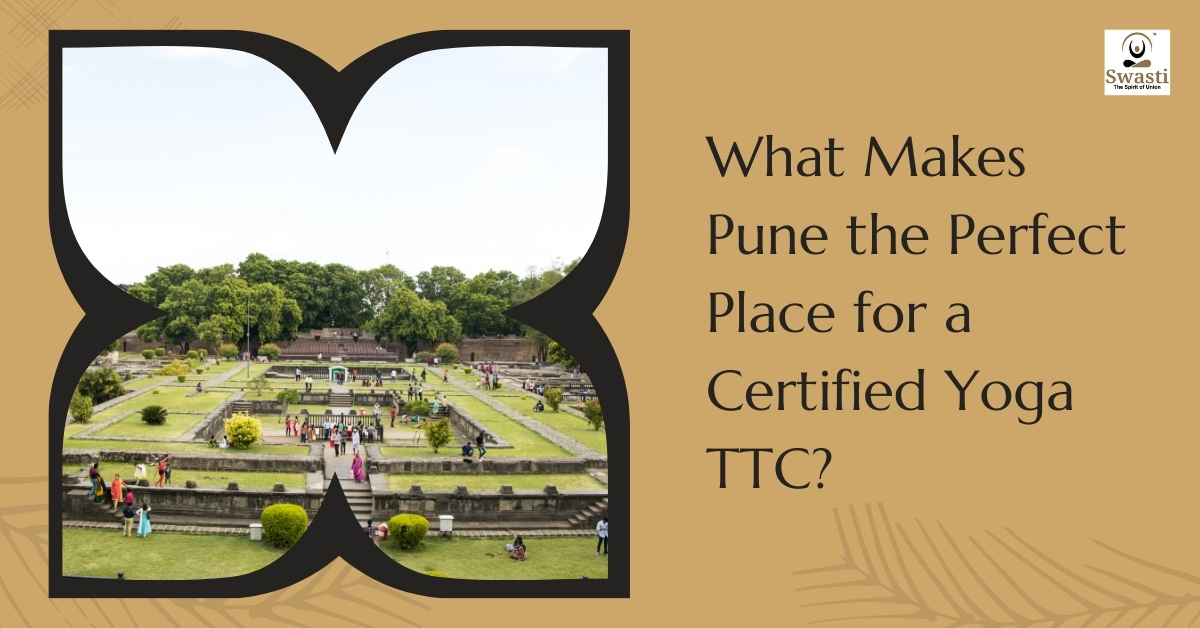
Pune, a bustling city in Maharashtra, India, is increasingly becoming a sought-after destination for yoga teacher training courses. Known for its rich cultural heritage and vibrant educational scene, Pune offers a unique blend of tradition and modernity that is ideal for those looking to deepen their yoga practice and become certified instructors. This article delves into the various factors that make Pune an outstanding choice for yoga teacher training, from its historical significance to the quality of instruction and community support. Historical and Cultural Significance Pune’s deep-rooted cultural heritage provides an enriching backdrop for yoga teacher training. The city has long been a center for spiritual and wellness practices, drawing from ancient traditions that have shaped its identity. This historical connection to yoga offers students a chance to immerse themselves in the practice’s origins, enhancing their understanding and appreciation of yoga’s rich history.ย  Accreditation and Recognition One of the critical aspects of selecting a yoga teacher training course is ensuring the program’s accreditation. Pune is home to several renowned yoga centers, such as the Swasti Yoga Center, which is accredited by the Ministry of AYUSH and the Yoga Certification Board (YCB). These accreditations ensure that the courses meet high standards of quality and authenticity, providing students with a certification that is recognized both nationally and internationally. This recognition is crucial for those looking to establish a credible career in yoga instruction. Quality of Instruction Pune boasts a diverse pool of experienced yoga instructors who are passionate about sharing their knowledge and expertise. These instructors provide a holistic learning experience, covering all aspects of yoga, from physical postures (asanas) to the philosophical underpinnings of the practice. The comprehensive curriculum offered by centers like Swasti Yoga Center includes essential topics such as pranayama, meditation, and anatomy, ensuring that students graduate with a deep understanding of yoga. This quality of instruction is vital for developing confident and competent yoga teachers. Comprehensive Curriculum The curriculum of yoga teacher training courses in Pune is designed to be thorough and well-rounded. Key topics include anatomy, philosophy, meditation, pranayama (breath control), and advanced asanas. Additionally, many programs incorporate traditional Indian wellness practices, such as Ayurveda, providing students with a broader perspective on health and wellness. This integration of various disciplines enriches the learning experience and equips students with a diverse skill set. For example, the Swasti Yoga Center offers a curriculum that covers a range of traditional practices, ensuring a holistic approach to wellness. State-of-the-Art Facilities Yoga centers in Pune are equipped with state-of-the-art facilities that create an ideal environment for learning and practice. These facilities often include spacious studios, meditation halls, and accommodations that cater to the needs of students. A well-equipped learning environment is essential for students to fully engage with their training and achieve their learning objectives. The Swasti Yoga Center, for instance, provides a supportive and well-equipped environment designed to enhance the learning experience. Community and Networking Opportunities Pune’s vibrant yoga community offers ample opportunities for students to connect with like-minded individuals and build lasting relationships. Networking with fellow students and instructors can lead to collaboration and professional growth within the yoga industry. The sense of community in Pune enhances the training experience, providing a supportive network that extends beyond the duration of the course.ย  Flexibility and Accessibility Pune offers a variety of flexible learning options, making it accessible to a wide range of students. Many centers provide online courses and flexible schedules, accommodating international students and those with varying commitments. This flexibility allows students to tailor their learning experience to fit their personal and professional needs, making Pune an attractive option for many aspiring yoga instructors. Swasti Yoga Center, for instance, offers online courses that allow students to pursue their certification from the comfort of their homes while maintaining the same quality of education. Cost and Value When compared to other popular yoga destinations, Pune offers excellent value for money. The cost of yoga teacher training courses in Pune is often more affordable than in other major cities, without compromising on the quality of education and facilities. This affordability, combined with the high standard of training, makes Pune a cost-effective choice for those looking to pursue a career in yoga. The Indian Yoga Association highlights Pune as a promising location for yoga teacher training, emphasizing the comprehensive programs available at competitive prices. Conclusion In conclusion, Pune stands out as a premier location for yoga teacher training courses due to its rich cultural heritage, accredited programs, experienced instructors, and vibrant community. The city’s unique blend of tradition and modernity provides an ideal setting for aspiring yoga instructors to deepen their practice and gain valuable skills. For those considering a transformative step in their yoga journey, exploring the best yoga teacher training courses in Pune is a decision that promises both personal and professional growth. With its comprehensive offerings and supportive environment, Pune is undoubtedly a top choice for anyone looking to embark on a fulfilling career in yoga instruction.

Read More ยป
Career Opportunities for Yoga Instructors

Career Opportunities for Yoga Instructors

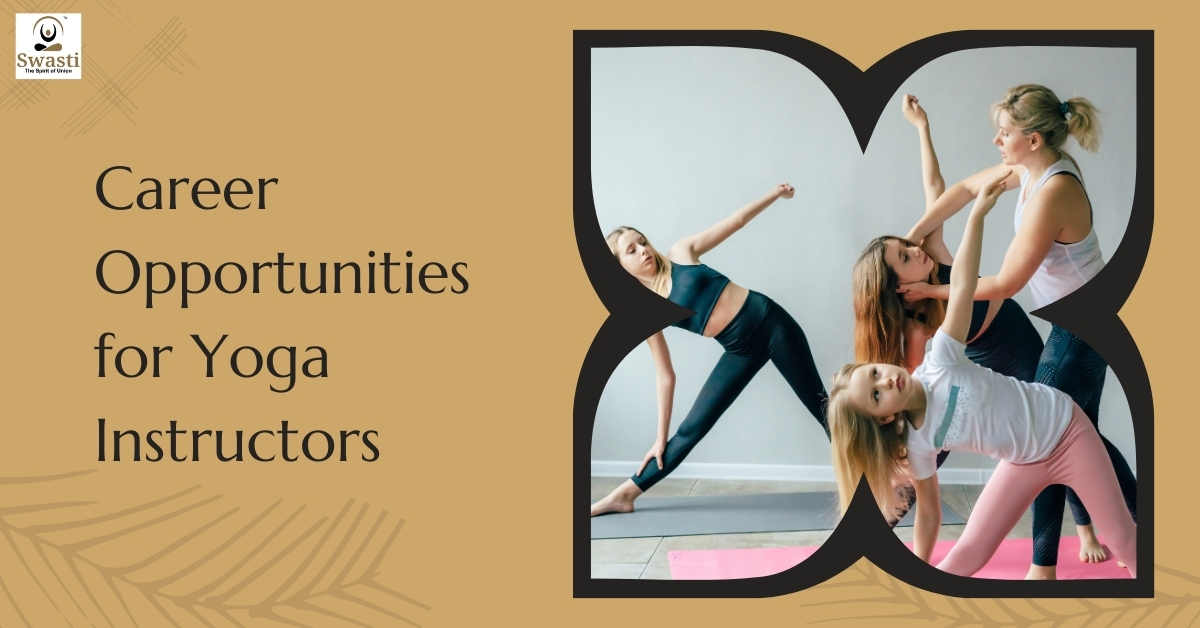
The yoga industry has seen tremendous growth over the past few years, with more people turning to yoga for its physical, mental, and spiritual benefits. This surge in popularity has opened up a wide array of career opportunities for yoga instructors. Whether you’re a newly certified instructor or an experienced practitioner looking to expand your horizons, there are numerous paths you can take to build a fulfilling career in yoga. This blog will explore the diverse career opportunities available for yoga instructors, providing insights into traditional roles, emerging trends, and specialized niches. Introduction Yoga has evolved from a niche practice to a mainstream wellness activity embraced by millions worldwide. As the demand for yoga continues to rise, so do the career opportunities for qualified yoga instructors. This blog aims to explore the various career paths available to yoga instructors, highlighting the potential for growth and fulfillment in this dynamic field. The Growing Demand for Yoga Instructors The increasing interest in holistic wellness has significantly boosted the demand for yoga instructors. According to recent statistics, the global yoga market was valued at USD 115.43 billion in 2023 and is projected to grow at a CAGR of 9% between 2024 and 2032. This growth is driven by the rising awareness of the health benefits of yoga, the proliferation of yoga studios, and the integration of yoga into fitness and wellness programs. Traditional Career Paths for Yoga Instructors 1. Yoga Studio Instructor One of the most common career paths for yoga instructors is teaching at yoga studios. As a studio instructor, you will lead group classes, guiding students through yoga poses, breathing techniques, and meditation practices. This role allows you to build a community of regular students and develop your teaching style. Working in a studio setting also provides opportunities for professional development through workshops and advanced training programs. 2. Fitness Centers and Gyms Yoga instructors are increasingly in demand at fitness centers and gyms, where yoga is often integrated into broader fitness programs. Teaching yoga in these settings allows you to reach a diverse audience, including individuals who may not typically attend a yoga studio. This role often involves collaborating with other fitness professionals to create comprehensive wellness programs. 3. Wellness Resorts and Spas Wellness resorts and spas offer a unique environment for yoga instructors. These settings attract clients seeking relaxation and holistic health experiences, providing an opportunity to teach yoga in a serene and supportive atmosphere. Instructors at wellness resorts often lead classes, workshops, and private sessions, catering to guests’ specific needs and preferences. 4. Educational Institutions Yoga is increasingly being incorporated into educational curriculums, from primary schools to universities. As a yoga instructor in an educational institution, you can help students develop physical fitness, mental clarity, and emotional resilience. This role may involve teaching regular classes, leading workshops, and collaborating with educators to integrate yoga into the broader curriculum. Emerging Career Opportunities 1. Online Yoga Classes The rise of virtual yoga classes has created new opportunities for instructors to reach a global audience. Teaching yoga online offers flexibility and the potential to connect with students from around the world. Online platforms allow instructors to offer live classes, pre-recorded sessions, and personalized coaching, making yoga accessible to a broader audience. 2. Corporate Yoga Programs Corporate wellness programs increasingly include yoga as a way to reduce stress and improve employee well-being. As a corporate yoga instructor, you can offer classes and workshops tailored to the needs of busy professionals. This role often involves working with companies to design programs that fit their culture and goals, providing a valuable service that enhances workplace productivity and morale. 3. Private Yoga Sessions Offering one-on-one yoga sessions allows instructors to provide personalized attention and customized practice plans. Private yoga sessions are ideal for clients with specific health concerns, fitness goals, or preferences for individualized instruction. This approach can be more lucrative than group classes, as private sessions typically command higher rates. 4. Yoga Retreats and Workshops Leading yoga retreats and workshops is a rewarding way to share your expertise and connect with students on a deeper level. Retreats offer immersive experiences that combine yoga practice with relaxation, adventure, and personal growth. Workshops allow you to focus on specific aspects of yoga, such as advanced poses, meditation techniques, or therapeutic applications, providing valuable learning opportunities for participants. Specialized Career Paths 1. Yoga Therapy Yoga therapy is a rapidly growing field that uses yoga practices to address specific health concerns and promote overall wellness. As a yoga therapist, you will work with clients to develop personalized treatment plans that incorporate yoga postures, breathing exercises, relaxation techniques, and mindfulness practices. This specialization requires additional training and certification but offers the opportunity to make a significant impact on clients’ health and well-being. 2. Prenatal and Postnatal Yoga Specializing in prenatal and postnatal yoga allows you to support women through the transformative stages of pregnancy and motherhood. These classes focus on gentle poses, breathing techniques, and relaxation practices that promote physical and emotional well-being. This niche is in high demand, as more women seek safe and effective ways to stay active and manage stress during pregnancy and postpartum. 3. Children’s Yoga Teaching yoga to children requires a unique approach that combines playfulness with mindfulness. Children’s yoga classes often incorporate games, stories, and creative activities to engage young students and teach them the basics of yoga. This specialization can be incredibly rewarding, as it helps children develop physical fitness, emotional resilience, and mindfulness skills from an early age. You may like to read: What are the Benefits Of Yoga For Kids? 4. Senior Yoga Senior yoga focuses on adapting yoga practices to meet the needs of older adults. These classes emphasize gentle movements, balance exercises, and relaxation techniques that promote mobility, strength, and overall well-being. Teaching senior yoga requires an understanding of age-related health concerns and the ability to modify poses to ensure safety and accessibility. Alternative Career Opportunities 1. Yoga Content Creation Creating content about yoga, such as writing blogs,

Read More ยป

Add Yoga To Retain The Beauty Of Body And Mind

Vitae aliquam porta sed augue consectetuer. Parturient posuere sed habitasse quisque malesuada platea. Dis suspendisse integer ut facilisis maximus mus.