๐Ÿ‡ฎ๐Ÿ‡ณ India | ๐Ÿ‡บ๐Ÿ‡ธ USA | ๐Ÿ‡ซ๐Ÿ‡ท France | ๐Ÿ‡ฒ๐Ÿ‡ฝ Mexico | ๐Ÿ‡ฆ๐Ÿ‡ช UAE

๐Ÿ‡ฎ๐Ÿ‡ณ India | ๐Ÿ‡บ๐Ÿ‡ธ USA | ๐Ÿ‡ซ๐Ÿ‡ท France | ๐Ÿ‡ฒ๐Ÿ‡ฝ Mexico | ๐Ÿ‡ฆ๐Ÿ‡ช UAE

Blog

News & Articles

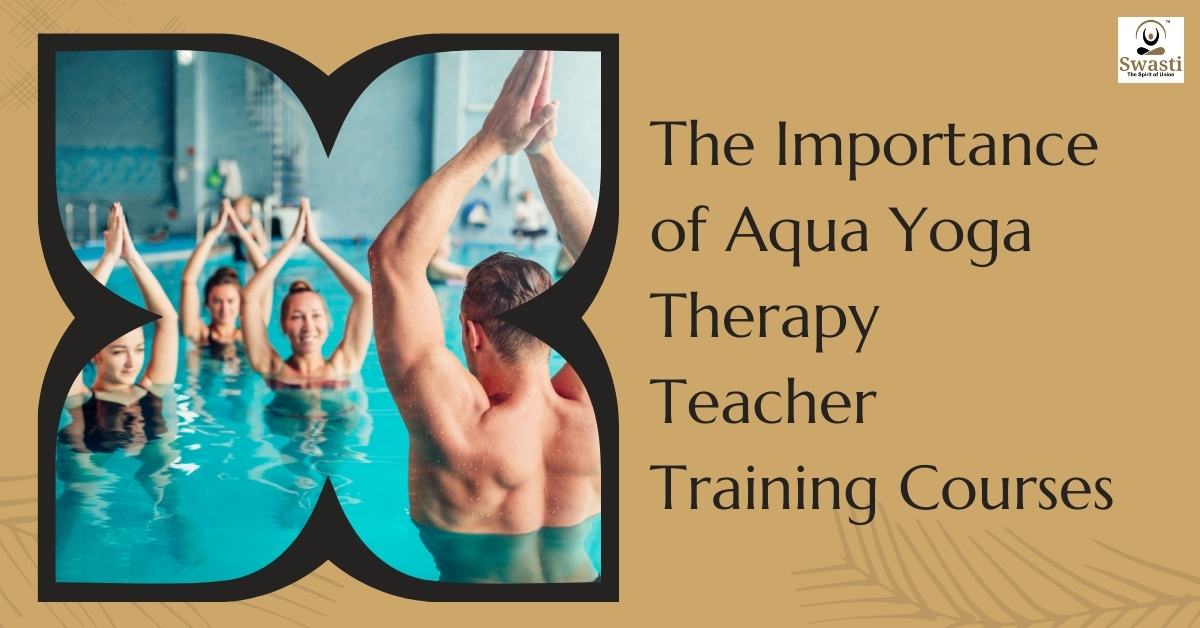
The Importance of Aqua Yoga Therapy Teacher Training Courses

The Importance of Aqua Yoga Therapy Teacher Training Courses (TTC)

In recent years, the wellness industry has seen a significant rise in the popularity of Aqua Yoga Therapy. This unique form of yoga, performed in water, combines the benefits of traditional yoga with the therapeutic properties of water. As more people seek out this gentle yet effective exercise, the demand for qualified instructors has grown. This blog post will explore the importance of Aqua Yoga Therapy Teacher Training Courses (TTC), highlighting their benefits, the skills they impart, and why they are essential for anyone looking to specialize in this field. Introduction to Aqua Yoga Therapy Aqua Yoga Therapy involves performing yoga poses and exercises in a warm water pool. The buoyancy of water supports the body, making it easier to move through the poses with minimal strain on the joints. This form of therapy is particularly beneficial for individuals with physical limitations, such as arthritis, injuries, or chronic pain. The gentle resistance of water helps in improving flexibility, strength, and balance, while also promoting relaxation and reducing stress. The Role of TTC in Aqua Yoga Therapy 1. Comprehensive Knowledge Acquisition Teacher Training Courses (TTC) in Aqua Yoga Therapy provide a thorough understanding of the principles and techniques specific to this practice. These courses cover a wide range of topics, including the fundamentals of yoga, the properties of water, and how to adapt traditional yoga poses for the aquatic environment. For instance, the Swasti Yoga Center offers a 100-hour Aqua Yoga Therapy Program that dives deep into aquatic principles and the therapeutic benefits of yoga. 2. Skill Development Aqua Yoga Therapy TTCs focus on developing the necessary skills to teach this unique form of yoga effectively. This includes learning how to plan and sequence classes, engage students, and adapt poses to meet individual needs.ย  3. Specialization and Credibility Completing a TTC in Aqua Yoga Therapy distinguishes instructors as specialists in the field, enhancing their credibility and employability. Accredited programs, such as those recognized by the AYUSH Ministry, ensure that instructors meet high standards of training and professionalism. This certification is crucial for gaining the trust of clients and employers. 4. Understanding Therapeutic Applications A key component of Aqua Yoga Therapy TTCs is learning about the therapeutic applications of this practice. These courses teach how to use Aqua Yoga to address specific health conditions, such as arthritis, obesity, and mental health issues. For instance, Aqua Yoga can help decrease muscle tension, improve circulation, and enhance mental clarity, making it a valuable tool for rehabilitation and emotional healing. Benefits of Aqua Yoga Therapy TTC 1. Expanding Career Opportunities The demand for Aqua Yoga instructors is growing in various settings, including wellness centers, rehabilitation facilities, and recreational environments. By completing a TTC, instructors can tap into this expanding market and offer specialized services that cater to a wide range of clients. The Swasti Yoga Center, for example, highlights the career opportunities available to certified Aqua Yoga Therapists, emphasizing the growing need for this expertise. 2. Enhancing Personal Practice Aqua Yoga Therapy TTCs not only prepare individuals to teach but also deepen their personal practice. Participants gain a deeper understanding of yoga principles and how to apply them in water, enhancing their own physical and mental well-being. This personal growth is a significant benefit of undertaking such training. 3. Contributing to Holistic Health Aqua Yoga Therapy instructors play a crucial role in promoting holistic health and wellness. By integrating the therapeutic benefits of water with the principles of yoga, they help clients achieve better physical, mental, and emotional health. This holistic approach is particularly effective in managing stress, improving mobility, and enhancing overall well-being. Choosing the Right TTC Program Selecting the right Aqua Yoga Therapy TTC is essential for gaining the most from the training. ย Here are some tips to consider: Accreditation: Ensure the program is accredited by a recognized body, such as Yoga Alliance Professionals, to guarantee high standards of training. Curriculum: Look for a comprehensive curriculum that covers all aspects of Aqua Yoga Therapy, including anatomy, physiology, teaching techniques, and therapeutic applications. Instructor Experience: Choose a program led by experienced instructors with a strong background in both yoga and aquatic therapy. For example, Dr. Vikas Chothe, founder of Swasti Yoga Center, has extensive experience in yoga and Ayurvedic medicine, making him a reputable instructor. Flexibility: Consider programs that offer flexible learning options, such as self-paced courses or hybrid models that combine online and in-person training. Implementing Aqua Yoga Therapy Practices Once certified, instructors can start integrating Aqua Yoga Therapy into their teaching practice.ย  Here are some steps to get started: Class Planning: Develop class plans that cater to different skill levels and health conditions. Use the knowledge gained from the TTC to create safe and effective sequences. Student Engagement: Focus on building a supportive and inclusive environment. Encourage students to listen to their bodies and adapt poses as needed. Continuous Learning: Stay updated with the latest research and developments in Aqua Yoga Therapy. Attend workshops and advanced training courses to enhance your skills and knowledge. ย  Conclusion – Aqua Yoga Therapy is a powerful practice combining traditional yoga’s benefits with water’s therapeutic properties. Teacher Training Courses (TTC) in Aqua Yoga Therapy are essential for anyone looking to specialize in this field. These courses provide comprehensive knowledge, develop teaching skills, and enhance personal practice, making them invaluable for aspiring instructors. By choosing the right TTC program and implementing the practices learned, instructors can make a significant impact on their clients’ health and well-being. If you’re interested in becoming a certified Aqua Yoga Therapist, consider enrolling in one of the aqua yoga therapy courses in Pune. These courses offer a unique opportunity to deepen your practice and expand your career opportunities in the wellness industry. Start your journey today and discover the transformative power of water and yoga.
Read More ยป
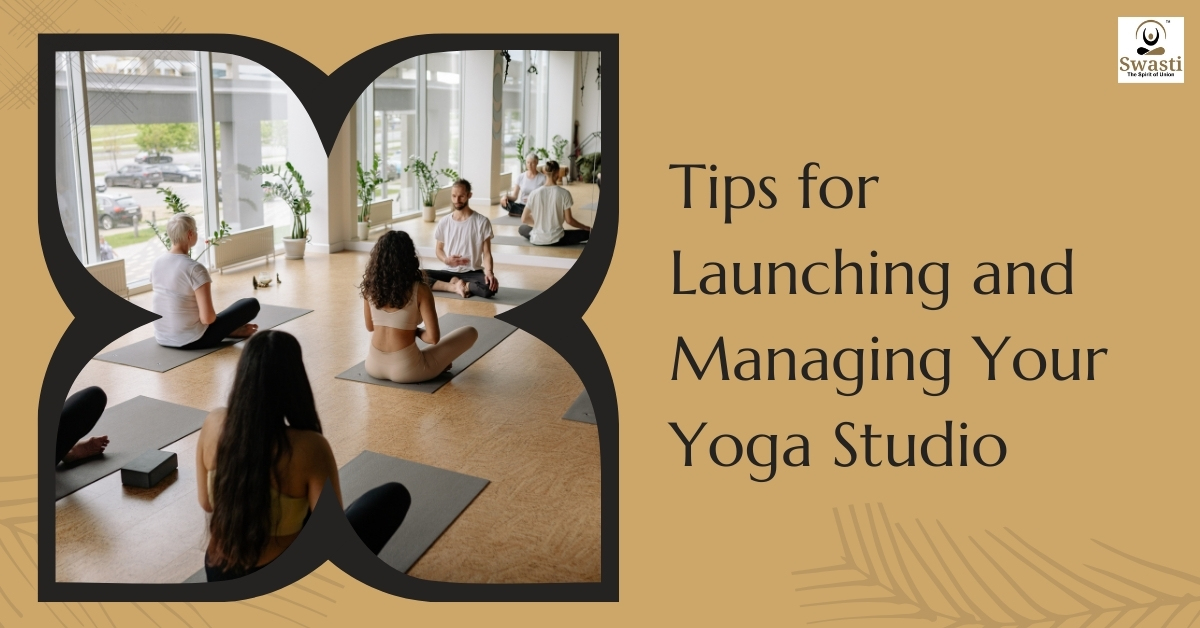
Tips for Launching and Managing Your Yoga Studio

Tips for Launching and Managing Your Yoga Studio

Starting your own yoga studio is an exciting venture that combines passion with entrepreneurship. Whether you’re a seasoned yoga instructor or a newcomer to the business side of yoga, launching a studio requires careful planning, dedication, and a deep understanding of both yoga and business fundamentals. Here are ten comprehensive tips to guide you through the process of launching and managing your yoga studio, expanded to provide you with a detailed roadmap to success. 1. Develop a Clear Vision and Mission Before anything else, it’s crucial to have a clear vision and mission for your yoga studio. This involves understanding what you want your studio to represent, the types of yoga you want to offer, and the atmosphere you wish to create. Your vision should reflect your personal values and the impact you want to have on your community. It will guide every decision you make, from the studio’s design to the classes and workshops you offer. 2. Get Certified and Continue Your Education If you’re not already a certified yoga instructor, obtaining certification from a reputable organization Like the AYUSH Ministry, or the Yoga Certification Board of India is a must. This not only enhances your credibility but also deepens your understanding of yoga, which is essential when teaching others. Additionally, consider continuing your education through workshops, retreats, and advanced certifications to keep your practice and teaching skills sharp and up-to-date. 3. Create a Detailed Business Plan A well-thought-out business plan is your roadmap to success. It should outline your business model, target market, marketing and sales strategies, financial projections, and operational details. A comprehensive business plan will help you secure financing, if necessary, and keep you focused and organized as your business grows. You May Like to Read: 10 Steps To Take Your Practices From Local To Global Heightsย  4. Find the Perfect Location The location of your yoga studio can significantly impact its success. Look for a space that’s accessible, inviting, and conducive to relaxation and meditation. Consider factors like parking, public transportation access, and the overall vibe of the neighborhood. Your studio should be a sanctuary where people can escape the hustle and bustle of daily life. 5. Design an Inviting and Functional Space The design of your studio should reflect your vision and create a peaceful environment for practice. Opt for calming colors, natural light, and minimalistic decor. Ensure there’s enough space for classes, as well as areas for relaxation and community building. Investing in high-quality yoga mats, blocks, and other equipment can also enhance the overall experience for your clients. 6. Hire Passionate and Certified Instructors The instructors you hire should share your passion for yoga and your vision for the studio. They should be certified, experienced, and capable of connecting with students of all levels. Consider conducting trial classes as part of the hiring process to ensure they’re a good fit for your studio. 7. Develop a Diverse and Engaging Class Schedule Offer a variety of classes to cater to different interests and skill levels. From beginner to advanced, Vinyasa to Yin, a diverse schedule will attract a wider clientele. Also, consider offering workshops, special series, and community events to keep your offerings fresh and engaging. 8. Implement a Robust Marketing Strategy Effective marketing is crucial for attracting and retaining clients. Utilize social media, local advertising, and community events to spread the word about your studio. Encourage word-of-mouth by providing an exceptional customer experience. Additionally, a user-friendly website and online booking system can make it easy for clients to learn about and sign up for your classes. 9. Focus on Community Building Your yoga studio should be more than just a place to practice yoga; it should be a community hub. Foster a sense of belonging among your clients by hosting social events, creating a welcoming atmosphere, and encouraging interaction among students. Building a strong community can lead to higher client retention and more referrals.. 10. Manage Your Finances Wisely Keep a close eye on your finances by tracking expenses and income diligently. Use accounting software to simplify financial management and make informed decisions about pricing, expenses, and investments. Regularly reviewing your financial performance will help you adjust your business strategy as needed to ensure profitability. Conclusion – In conclusion, launching and managing a yoga studio is a fulfilling venture that requires a blend of passion, dedication, and business acumen. By following these detailed tips, you can create a thriving yoga studio that makes a positive impact on your community and brings your vision to life. And for those looking to deepen their practice and teaching skills, consider exploring yoga instructor TTC courses in Pune, where you can expand your knowledge and bring even more value to your clients and your business.

Read More ยป
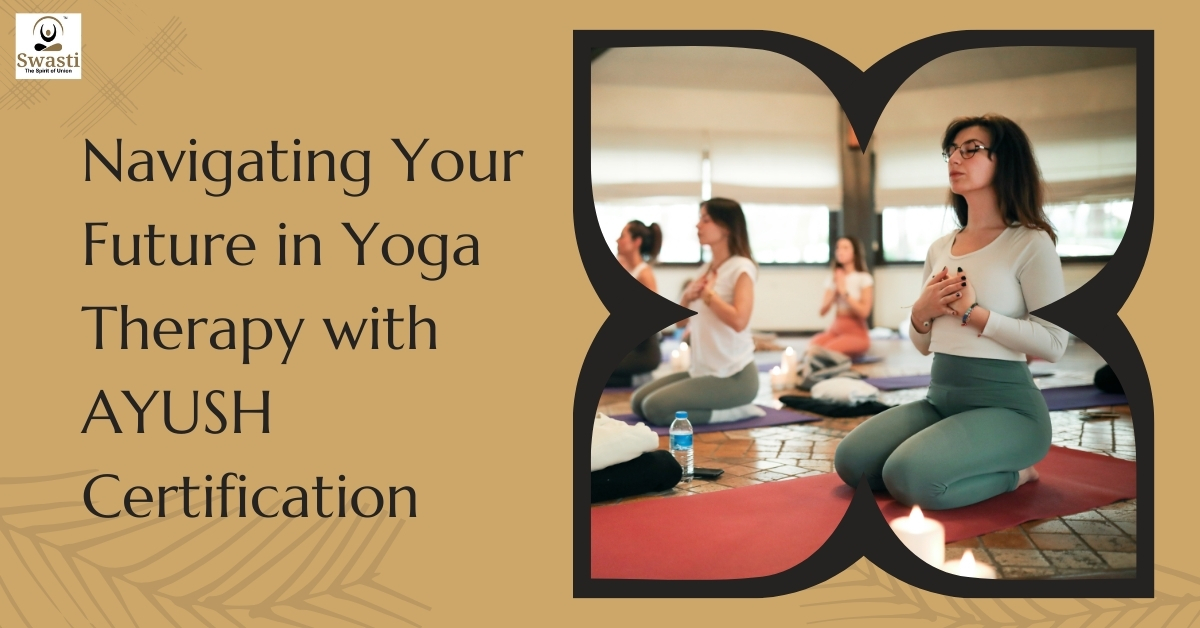
Navigating Your Future in Yoga Therapy with AYUSH Certification

Navigating Your Future in Yoga Therapy with AYUSH Certification

Exploring career paths in yoga therapy after obtaining an AYUSH certification can be both exciting and rewarding. The field of yoga therapy is growing rapidly, offering numerous opportunities for those passionate about helping others through the ancient practice of yoga. Here, we delve into the various career options available after achieving AYUSH certification, highlighting how you can make a meaningful impact in people’s lives while pursuing a career you love. In the conclusion, we’ll also touch upon how pursuing yoga therapy TTC courses in Pune can further enhance your career prospects. Understanding AYUSH Certification Before we explore the career paths, let’s briefly understand what AYUSH certification entails. AYUSH stands for Ayurveda, Yoga & Naturopathy, Unani, Siddha, and Homoeopathy. It is a certification provided by the Ministry of AYUSH, Government of India, aimed at promoting Indian traditional medicine and ensuring the quality of practitioners in these fields. For yoga practitioners, obtaining an AYUSH certification means they are recognized by the government as qualified to practice and teach yoga, including yoga therapy. Let’s Explore the Career Paths in Yoga Therapy 1. Yoga Therapist in Healthcare Settings With an AYUSH certification, you can work as a yoga therapist in various healthcare settings, such as hospitals, wellness centers, and rehabilitation clinics. Yoga therapists work with patients who have specific health issues, designing personalized yoga programs to address their needs. This could involve working with individuals recovering from injuries, managing chronic diseases, or dealing with mental health issues like anxiety and depression. 2. Yoga Instructors in Educational Institutions Schools and colleges are increasingly incorporating yoga into their curriculum to promote physical and mental well-being among students. As a certified yoga therapist, you can work as a yoga instructor in educational institutions, teaching students the basics of yoga and how it can be used as a tool for stress management and overall health. 3. Corporate Yoga Trainer Many corporations are now recognizing the benefits of yoga for employee wellness. As a corporate yoga trainer, you can conduct yoga sessions for employees, helping them reduce stress, improve focus, and enhance productivity. This role may involve designing yoga programs suited to the corporate environment and conducting workshops or regular classes. 4. Yoga Therapy Consultant As a yoga therapy consultant, you can work independently, offering consultations to individuals seeking to incorporate yoga into their wellness routine. This could involve assessing clients’ health conditions, lifestyle, and wellness goals, and then creating customized yoga plans to help them achieve their objectives. You may also guide diet and lifestyle changes to complement their yoga practice. 5. Researcher in Yoga Therapy For those interested in the scientific aspects of yoga therapy, a research career can be fulfilling. Researchers in yoga therapy study the effects of yoga on various health conditions, contributing to the body of evidence supporting yoga’s therapeutic benefits. This role may involve working with research institutions, universities, or healthcare organizations. 6. Yoga Therapy Educator With a deep understanding of yoga therapy and an AYUSH certification, you can also choose to educate future yoga therapists. This could involve teaching at yoga therapy training centers, conducting workshops, or developing educational content on yoga therapy. As a yoga therapy educator, you play a crucial role in shaping the next generation of yoga therapists. 7. Entrepreneur in Yoga Wellness Lastly, if you have an entrepreneurial spirit, you can start your own yoga wellness business. This could be a yoga studio specializing in therapeutic yoga, a wellness retreat offering yoga therapy programs, or an online platform providing yoga therapy consultations and classes. As an entrepreneur, you have the freedom to create a business that aligns with your vision and values. 8. Yoga Therapy for Sports Performance Yoga therapy can also intersect with sports performance enhancement. Professionals with AYUSH certification can work with athletes to improve flexibility, balance, strength, and mental focus through tailored yoga programs, contributing to enhanced athletic performance and injury prevention. 9. Yoga Therapy for Geriatric Care Addressing the unique needs of the elderly population through yoga therapy is another promising career path. Yoga therapists can design gentle and restorative practices to promote mobility, balance, cognitive function, and emotional well-being in older adults, fostering healthy aging and increased vitality. 10. Yoga Therapy for Trauma Recovery Another unique avenue in yoga therapy is focusing on trauma recovery. Yoga therapists specializing in trauma-informed care can help individuals heal from past traumas, reduce stress and anxiety, and cultivate a sense of safety and empowerment through gentle and mindful yoga practices. Conclusion Pursuing a career in yoga therapy after obtaining an AYUSH certification opens up a world of opportunities to make a positive impact on people’s health and well-being. Whether you choose to work in healthcare, education, corporate wellness, research, or entrepreneurship, there are numerous paths to explore in this rewarding field. For those looking to deepen their knowledge and skills in yoga therapy, pursuing yoga therapy TTC courses in Pune can provide the advanced training needed to excel in this profession. With the right training and certification, you can embark on a fulfilling career journey in yoga therapy, helping others heal and thrive through the transformative power of yoga.

Read More ยป
Become a Freelance Yoga Instructor After AYUSH Certification

Become a Freelance Yoga Instructor After AYUSH Certification?

Are you passionate about yoga and dream of sharing your knowledge with others while enjoying the flexibility of being your boss? If you hold an AYUSH certification in yoga, you are already equipped with the skills and knowledge required to embark on a fulfilling career as a freelance yoga instructor. This article will guide you through the process of transitioning from being certified by AYUSH to establishing yourself as a successful freelance yoga instructor, offering valuable insights and tips along the way. Understanding AYUSH Certification Firstly, let’s delve into what AYUSH certification entails. AYUSH stands for Ayurveda, Yoga and Naturopathy, Unani, Siddha, and Homeopathy. AYUSH certification in yoga signifies that you have undergone training and acquired expertise in the traditional Indian practice of yoga. This certification is not only a testament to your proficiency in various yoga techniques but also a recognition of your commitment to promoting holistic wellness. Benefits of Freelancing as a Yoga Instructor One of the key advantages of pursuing a freelance career as a yoga instructor is the flexibility it offers. As a freelance instructor, you can create your schedule, choose your clients, and design personalized yoga classes tailored to individual needs. This autonomy allows you to strike a balance between work and personal life while following your passion for yoga. Steps to Become a Freelance Yoga Instructor After AYUSH Certification Gain Experience: Before venturing into freelancing, it is essential to gain practical experience by assisting experienced yoga instructors or teaching at established yoga studios. This hands-on experience will not only enhance your teaching skills but also help you build a network within the yoga community. Define Your Niche: Identify your area of expertise within yoga, whether it’s vinyasa, Hatha, prenatal, or therapeutic yoga. Specializing in a specific niche will attract clients looking for your particular skill set, setting you apart in a competitive market. Create a Brand: Establishing your brand as a freelance yoga instructor involves creating a unique identity that reflects your teaching style and values. Develop a professional website, design a logo, and maintain an active presence on social media platforms to attract potential clients. Set Your Rates: Determine your pricing structure based on factors such as your experience, location, and the services you offer. Research the market rates for freelance yoga instructors in your area to ensure your pricing is competitive yet reflective of your expertise. Market Your Services: Utilize digital marketing tools such as social media advertising, email campaigns, and collaborations with wellness influencers to promote your services. Networking at local events, offering free classes, and seeking referrals from satisfied clients can also help expand your client base. You May Like to Read: 10 Steps To Kickstart Your Career As A Yoga Instructor Establishing Your Online Presence In today’s digital age, having a strong online presence is crucial for attracting clients and growing your freelance yoga business. Create a professional website that showcases your services, class schedules, and testimonials from satisfied clients. Utilize search engine optimization (SEO) techniques to ensure your website ranks high in search engine results, making it easier for potential clients to find you. Additionally, leverage social media platforms such as Instagram, Facebook, and YouTube to engage with your audience, share yoga tips and tutorials, and promote upcoming classes or workshops. Regularly update your social media profiles with visually appealing content and interact with your followers to build a loyal community of yoga enthusiasts. Offering Virtual Classes With the rise of virtual fitness experiences, offering online yoga classes can expand your reach beyond your local area and attract clients from around the world. Invest in quality audiovisual equipment, choose a user-friendly platform for hosting virtual classes, and promote your online sessions through social media and your website. Virtual classes not only offer convenience to busy individuals but also allow you to connect with a diverse audience and cater to varying skill levels. Consider offering specialized workshops or themed classes to keep your online students engaged and motivated on their yoga journey. Continuing Education and Professional Development As a freelance yoga instructor, continuous learning is essential to enhance your skills, stay updated on industry trends, and offer innovative yoga experiences to your clients. Attend workshops, seminars, and yoga retreats to expand your knowledge, learn new teaching techniques, and network with other professionals in the field. Consider pursuing advanced certifications or specialized training in areas such as meditation, Ayurveda, or yoga therapy to diversify your offerings and attract clients seeking a holistic approach to wellness. Investing in your professional development not only benefits your clients but also fuels your passion for yoga and keeps your teaching fresh and inspiring. Conclusion In conclusion, embarking on a freelance yoga career after obtaining AYUSH certification is a fulfilling journey. By following the steps outlined, you can establish yourself successfully. Remember, continuous learning, dedication, and passion for yoga are key to excelling in your freelance endeavors. If you are considering enhancing your yoga skills and credentials through AYUSH, explore a range of comprehensive courses on “AYUSH certification courses in Pune” to empower you on your journey to becoming a proficient yoga instructor.

Read More ยป
10 Steps to Kickstart Your Career as a Yoga Instructor

10 Steps to Kickstart Your Career as a Yoga Instructor

Are you passionate about yoga and dreaming of turning your love for the practice into a fulfilling career as a yoga instructor? Embarking on this journey can be incredibly rewarding both personally and professionally. Whether you are a seasoned yogi or just starting, here are 10 essential steps to help you kickstart your career as a yoga instructor and fulfill your dream of spreading the wisdom and benefits of yoga to others. 1. Deepen Your Practice The first and most crucial step in becoming a successful yoga instructor is to deepen your practice. Dedicate time to refining your yoga skills, exploring different styles, and understanding the philosophy behind each pose. Take workshops, attend classes, and immerse yourself in the world of yoga to enhance your knowledge and improve your practice. By honing your practice, you not only strengthen your physical abilities but also deepen your understanding of the spiritual and mental aspects of yoga, which is essential for effective teaching. 2. Enroll in a Yoga Teacher Training Program To become a certified yoga instructor, it is essential to enroll in a reputable yoga teacher training program. Choose a program that aligns with your goals, values, and preferred yoga style. A comprehensive training program will equip you with the necessary skills, knowledge, and certification to kickstart your career as a professional yoga instructor. During the training, you will learn about anatomy, physiology, teaching methodology, and yoga philosophy, preparing you to create safe and inspiring classes for your future students. 3. Define Your Niche Identify your unique strengths, interests, and passion within the vast world of yoga. Whether you excel in teaching Vinyasa flow, specialize in pregnancy Yoga, Preconception yoga, Kids yoga, Corporate life coach, Infertility yoga, Geriatric yoga, and Aqua Yoga or have a knack for restorative practices, defining your niche will set you apart, and attract students who resonate with your teaching style. By specializing in a specific area of yoga, you can establish yourself as an expert in that field and cater to a targeted audience seeking your expertise. This focus will not only differentiate you from other instructors but also allow you to create a more profound impact on your students. 4. Build a Strong Online Presence In today’s digital age, having a strong online presence is crucial for reaching a wider audience and establishing yourself as a credible yoga instructor. Create a professional website, leverage social media platforms, and showcase your expertise through blog posts, videos, and online classes to connect with potential students and build a community. Utilize social media platforms like Instagram, Facebook, and YouTube to share valuable content, engage with your audience, and promote your classes and workshops. Building a strong online presence will help you attract students locally and globally, expanding your reach beyond your immediate community. 5. Gain Teaching Experience Gain valuable teaching experience by offering classes at local studios, gyms, community centers, or online platforms. Teaching regularly will help you refine your teaching skills, build confidence, and receive feedback from students to enhance your teaching approach. Start by offering donation-based or discounted classes to build a student base and gain practical experience in guiding students through yoga practice. As you gain confidence and experience, you can gradually increase your class offerings and explore opportunities to teach workshops or specialized classes to diversify your teaching portfolio. 6. Network within the Yoga Community Networking within the yoga community is essential for expanding your opportunities and connecting with like-minded individuals. Attend yoga events, workshops, and retreats, collaborate with other instructors, and build relationships within the community to grow your network and gain valuable insights. Networking not only opens doors to teaching opportunities at various studios and wellness centers but also allows you to learn from experienced instructors, share resources, and stay updated on industry trends. Building a strong network within the yoga community creates a supportive environment for professional growth and collaboration. 7. Offer Workshops and Retreats Diversify your offerings and expand your reach by hosting workshops, retreats, or specialized classes. These unique experiences not only attract new students but also allow you to deepen your connection with existing students and offer them a transformative yoga experience beyond regular classes. Workshops and retreats provide an opportunity to delve deeper into specific aspects of yoga, such as meditation, pranayama, or yoga philosophy, and create an immersive experience for participants. Hosting retreats in serene locations or offering intensive workshops can elevate your teaching practice and establish you as a sought-after instructor in the yoga community. 8. Continuously Educate Yourself Stay informed about the latest trends, developments, and research in the field of yoga. Attend workshops, seminars, and training programs to enhance your knowledge, learn new teaching techniques, and stay inspired on your journey as a yoga instructor. Continuing education not only deepens your understanding of yoga but also allows you to stay relevant in a rapidly evolving industry. Explore advanced training programs, specialized workshops, and online courses to expand your skills, refine your teaching style, and stay motivated to grow as a yoga instructor. 9. Cultivate a Mindful and Supportive Community Create a supportive and inclusive community for your students where they feel welcome, valued, and supported on their yoga journey. Cultivate a mindful space that fosters growth, connection, and well-being for all individuals who walk through your studio doors or join your online classes. Encourage open communication, provide a safe and nurturing environment, and cultivate a sense of belonging among your students. By fostering a community centered around mindfulness, compassion, and mutual respect, you create a space where students can explore their practice, share their experiences, and support each other on their yoga journey. 10. Embrace Your Authenticity Above all, embrace your authenticity as a yoga instructor. Stay true to your values, teaching philosophy, and unique voice. Your authenticity is your superpower and what sets you apart in a saturated market. Share your passion for yoga wholeheartedly and inspire others to embark on their transformative journey through the practice. Authenticity builds trust with your

Read More ยป
Yoga Off the Mat Exploring Careers in Yoga Journalism, Writing, and Publishing

Yoga Off the Mat: Exploring Careers in Yoga Journalism, Writing, and Publishing

Yoga has transcended its roots as a physical practice to become a philosophy and way of life embraced by millions worldwide. As the popularity of yoga continues to soar, there is a growing interest in exploring the practice beyond the confines of the mat. This article delves into the multifaceted world of yoga journalism, writing, and publishing, shedding light on the diverse career opportunities available for individuals passionate about yoga and storytelling. The Rise of Yoga Journalism Importance of Yoga Journalism Yoga journalism serves as a bridge between the ancient teachings of yoga and the modern world, providing insights, news, and stories related to yoga and wellness. Journalists specializing in yoga play a crucial role in disseminating accurate information about the practice, its benefits, and its impact on holistic well-being. By delving into the history, philosophy, trends, and innovations within the yoga community, journalists enlighten and inspire readers to explore yoga beyond its physical aspects. Opportunities in Yoga Journalism The realm of yoga journalism offers a plethora of opportunities for individuals keen on blending their passion for writing with their love for yoga. From reporting on yoga retreats and workshops to interviewing renowned yoga teachers and influencers, yoga journalists have a platform to share the transformative power of yoga with a global audience. With the rise of digital media platforms and online publications dedicated to yoga and wellness, there is ample scope for journalists to contribute thought-provoking articles, engaging features, and insightful reviews that resonate with readers seeking inspiration and guidance on their yoga journey. Writing Your Way Through Yoga Expressing Yoga Through Writing Yoga writing transcends traditional boundaries, allowing individuals to express their yogic experiences, insights, and wisdom through a myriad of creative formats. Whether penning instructional guides on yoga poses, sharing personal reflections on the spiritual dimensions of yoga, or crafting poetic narratives that delve into the essence of the practice, yoga writers have the freedom to explore and articulate the depths of yoga through their words. Each piece of writing serves as a vehicle for connection, inspiration, and transformation, inviting readers to embark on a journey of self-discovery and growth through the lens of yoga. Impact of Yoga Writing Yoga writers wield the power of language to evoke emotions, provoke thought, and spark introspection in their readers. By sharing personal narratives, research-backed insights, and philosophical musings on yoga, writers create a tapestry of words that resonates with individuals seeking a deeper understanding of the practice. Collaborating with yoga teachers, experts, and publishers, writers contribute to books, blogs, anthologies, and online platforms that serve as repositories of knowledge, inspiration, and guidance for yoga enthusiasts worldwide. Through their writing, yoga writers leave an indelible mark on the collective consciousness of the yoga community, fostering a sense of unity, purpose, and connection among practitioners. Publishing the Wisdom of Yoga Role of Yoga Publishers Yoga publishers play a pivotal role in curating, editing, and disseminating works that encapsulate the essence of yoga and its profound teachings. From instructional manuals and spiritual texts to lifestyle magazines and digital content, publishers serve as gatekeepers of wisdom, bringing together authors, editors, designers, and marketers to create compelling and informative yoga-related publications. By nurturing new voices, promoting diversity, and amplifying marginalized perspectives within the yoga community, publishers contribute to a more inclusive and vibrant ecosystem that celebrates the richness and diversity of yoga. Innovation in Yoga Publishing In an era marked by rapid technological advancements and shifting reader preferences, yoga publishers are embracing innovation to engage audiences in new and immersive ways. Beyond traditional print formats, publishers are exploring digital platforms, multimedia content, and interactive experiences to connect with a diverse and tech-savvy audience. Through social media campaigns, podcasts, videos, online courses, and virtual events, publishers are extending the reach of yoga-related content, fostering community engagement, and creating immersive experiences that deepen the audience’s connection with yoga and wellness. Conclusion- In conclusion, careers in yoga journalism, writing, and publishing offer a tapestry of opportunities for individuals passionate about yoga, storytelling, and holistic well-being. Whether through reporting on yoga events, crafting evocative narratives, or curating transformative publications, each role contributes to the growth and evolution of the global yoga community. By embracing the journey beyond the mat and exploring the dynamic and vibrant world of yoga journalism, writing, and publishing, individuals can carve out a fulfilling and meaningful career path that allows them to inspire, educate, and connect with others through the transformative power of yoga. Embrace the boundless possibilities that await in the realm of yoga journalism, writing, and publishing, and embark on a journey of self-discovery, expression, and contribution to the world of wellness and well-being.

Read More ยป
How to Build a Successful Career Teaching Yoga Virtually

How to Build a Successful Career Teaching Yoga Virtually?

In today’s fast-paced world, the demand for virtual yoga classes has surged, creating an abundance of opportunities for yoga instructors to thrive in the online space. Teaching yoga virtually offers numerous advantages, including the ability to reach a global audience, create a flexible schedule, and build a successful career from the comfort of your own home. Whether you’re a seasoned yoga teacher looking to transition to virtual instruction or a newcomer to the field, this in-depth guide will provide you with valuable insights on how to excel as a virtual yoga instructor and establish a sustainable and prosperous career. Understanding the Virtual Yoga Embracing Technology for Virtual Instruction Embracing technology is paramount for success in the virtual yoga world. As a virtual yoga instructor, you must familiarize yourself with online video platforms such as Zoom, Skype, or Google Meet, as well as virtual meeting software to deliver seamless and interactive classes. Investing in high-quality camera and audio equipment is essential to ensure that your students have a clear and engaging experience during your virtual sessions. Building a Strong Online Presence Creating a strong online presence is crucial for attracting students to your virtual classes. Develop a professional website that showcases your expertise, credentials, class offerings, and testimonials from satisfied students. Utilize social media platforms like Instagram, Facebook, or YouTube to promote your classes, share valuable content such as yoga tutorials, wellness tips, and inspirational quotes, and engage with your audience on a regular basis. Implementing search engine optimization (SEO) strategies on your website and social media channels will help boost your visibility and attract a wider audience to your virtual classes. Crafting Engaging and Effective Virtual Yoga Classes Tailoring Sessions to the Virtual Environment Adapting traditional yoga sequences to suit the virtual format is essential for delivering high-quality classes. Focus on providing clear and concise instructions, using camera angles that enhance visibility of poses and movements, and incorporating interactive elements such as polls, quizzes, or challenges to keep participants engaged throughout the session. Encourage student interaction through live chats, Q&A sessions, and virtual community-building activities to create a sense of connection and community among your students. Infusing Variety and Creativity into Your Classes Keeping your virtual classes dynamic and engaging is key to retaining students and attracting new ones. Experiment with different yoga styles, themes, and props to offer a diverse range of classes that cater to varying preferences and skill levels. Consider introducing themed workshops, meditation sessions, specialized training programs, or guest instructor sessions to add variety to your class offerings. Infuse creativity into your classes by incorporating music, visualizations, storytelling, or mindfulness practices to make your classes memorable and enjoyable for participants. Establishing a Supportive Online Community Cultivating Meaningful Relationships with Students Building strong relationships with your virtual students is essential for creating a supportive and inclusive community. Encourage open communication, provide personalized feedback and guidance, and create opportunities for virtual social interactions such as virtual coffee chats, online retreats, or virtual meetups to foster a sense of belonging among participants. Offering virtual mentorship programs, online workshops, or wellness challenges can deepen student engagement and create a sense of camaraderie within your virtual community. Implementing Effective Feedback Mechanisms Collecting feedback from your virtual students is invaluable for improving your teaching skills and enhancing the overall student experience. Encourage participants to share their thoughts, suggestions, and concerns after each class through surveys, feedback forms, or virtual focus groups. Use this feedback to refine your teaching style, adjust class structures, and tailor your content to better meet the needs and preferences of your audience. By actively seeking and implementing feedback, you demonstrate a commitment to continuous improvement and growth as a virtual yoga instructor. Monetizing Your Virtual Yoga Business Diversifying Revenue Streams Exploring various monetization strategies is essential for generating income from your virtual yoga classes. Consider offering subscription-based memberships, virtual class packages, one-on-one virtual coaching sessions, online workshops, or digital products such as e-books, guided meditations, or instructional videos. Collaborating with brands for sponsored content, partnering with wellness professionals for joint programs, or hosting online events such as virtual retreats or wellness challenges can also diversify your revenue streams and expand your reach within the online yoga community. Marketing and Promotion Strategies Effective marketing and promotion are key to attracting new students and retaining existing ones in the competitive virtual yoga landscape. Utilize social media advertising, email marketing campaigns, and collaborations with influencers or wellness blogs to promote your virtual classes and reach a wider audience. Create promotional offers, referral programs, or loyalty discounts to incentivize student engagement and foster brand loyalty. Hosting virtual open houses, free trial classes, or guest teacher sessions can also attract new students and generate buzz around your virtual yoga offerings. Conclusion-ย  Embarking on a career as a virtual yoga instructor opens up a world of possibilities for personal growth, professional development, and financial success. By leveraging technology, cultivating a strong online presence, crafting engaging classes, nurturing a supportive community, and implementing effective monetization strategies, you can build a thriving career teaching yoga virtually. The virtual yoga landscape offers endless opportunities for creativity, innovation, and connection, allowing you to make a meaningful impact on the lives of your students and establish yourself as a respected and sought-after virtual yoga instructor. For those looking to deepen their knowledge and expertise in yoga instruction, enrolling in yoga instructor courses in Pune can provide valuable insights, practical skills, and certification to enhance your teaching abilities and credibility in the field. These courses offer comprehensive training in yoga philosophy, anatomy, alignment, sequencing, and teaching methodology, equipping you with the tools and knowledge needed to excel as a virtual yoga instructor.

Read More ยป
Navigating the Yoga Industry Finding Your Niche and Building Your Brand

Navigating the Yoga Industry: Finding Your Niche and Building Your Brand

The yoga industry has seen an unprecedented surge in popularity in recent years, as more individuals recognize the profound physical, mental, and spiritual benefits that a regular yoga practice can offer. For yoga enthusiasts looking to transition from practitioners to entrepreneurs, navigating the multifaceted world of the yoga industry can be an exhilarating yet daunting journey. Finding your niche and building a robust brand presence are pivotal steps in establishing yourself as a successful player in the competitive realm of yoga. In this comprehensive guide, we delve into the strategies and insights that can help you not only find your unique place in the yoga industry but also cultivate a thriving yoga business that resonates with your values and attracts a loyal following. Understanding the Yoga World To embark on a successful entrepreneurial journey in the yoga industry, it is imperative to have a deep understanding of the diverse and expansive yoga landscape. Yoga extends far beyond the physical postures commonly associated with the practice; it encompasses a holistic approach to health and well-being that includes breathwork, meditation, mindfulness practices, and philosophical teachings. Various styles of yoga cater to a wide range of audiences, from beginners seeking relaxation and stress relief to advanced practitioners looking for a more rigorous and spiritual experience. Finding Your Niche: Carving Out Your Unique Space One of the fundamental steps in establishing yourself in the yoga industry is identifying and cultivating your niche. Your niche defines the specific area or focus that sets you apart from other yoga instructors or studios. By honing in on your unique strengths, interests, and values, you can differentiate yourself in a crowded market and attract clients who resonate with your offerings. Your niche could be based on a particular style of yoga, such as Hatha, Vinyasa, or Kundalini, or it could target a specific demographic, such as beginners, athletes, seniors, or pregnant women. Alternatively, you may choose to specialize in niche areas like yoga therapy, mindfulness practices, or corporate wellness programs. By defining your niche, you can tailor your services to meet the specific needs and preferences of your target audience. Building Your Brand: Creating a Strong Identity Building a compelling brand is essential for establishing a memorable and distinctive presence in the competitive yoga industry. Your brand is more than just a logo or a color scheme; it encapsulates your values, mission, and the unique experience you provide to your clients. Consistency in branding across all touchpoints, including your website, social media platforms, marketing materials, and studio decor, helps create a cohesive and recognizable identity for your yoga business. Your brand should convey authenticity, professionalism, and a deep commitment to enhancing the well-being of your clients. Establishing Your Online Presence: Embracing the Digital Frontier In today’s digital age, having a robust online presence is crucial for connecting with potential clients and expanding your reach in the yoga community. A professional and user-friendly website serves as the virtual storefront for your yoga business, where visitors can learn about your services, upcoming classes, workshops, and retreats, as well as access resources and testimonials. Engaging with your audience through social media platforms like Instagram, Facebook, and YouTube allows you to share valuable content, inspirational messages, and behind-the-scenes insights that resonate with your followers. By leveraging online platforms effectively, you can build a loyal and engaged community around your brand and attract students who are aligned with your vision and values. Collaborating with Industry Peers: The Power of Partnership Collaboration is a powerful tool for growth and success in the yoga industry. Partnering with other yoga teachers, wellness professionals, local businesses, or influencers can provide opportunities to expand your network, reach new audiences, and co-create transformative experiences for your clients. Collaborative initiatives, such as workshops, retreats, teacher training programs, or community events, not only enhance your visibility in the industry but also foster meaningful relationships with like-minded individuals. By joining forces with others who share your passion for yoga and well-being, you can create synergistic partnerships that benefit both your business and the broader yoga community. Providing Exceptional Customer Experience: Fostering Relationships Delivering exceptional customer service is paramount in the yoga industry, where personal connections and positive experiences play a significant role in client retention and word-of-mouth referrals. Creating a welcoming and inclusive environment in your yoga studio or virtual classes, listening attentively to your students’ feedback and preferences, and tailoring your offerings to meet their individual needs are essential components of providing an exceptional customer experience. Building strong relationships with your clients based on trust, respect, and empathy fosters loyalty and a sense of community that goes beyond the physical practice of yoga. By prioritizing the well-being and satisfaction of your students, you can cultivate a supportive and nurturing environment that encourages growth, learning, and transformation. ย  Conclusion:ย  In conclusion, as you navigate the dynamic and ever-evolving landscape of the yoga industry, remember to stay grounded in your passion and committed to personal and professional growth. Finding your niche, building a strong brand, and fostering meaningful connections with your community are essential steps to creating a thriving yoga business that resonates with your values and attracts a loyal following. If you’re ready to deepen your practice and enhance your teaching skills, explore our transformative Yoga TTC courses in Pune. Embrace the journey of entrepreneurship in this vibrant city and unlock your full potential as a yoga entrepreneur.

Read More ยป
The Benefits of AYUSH Certification for Your Yoga Career

The Benefits of AYUSH Certification for Your Yoga Career

Are you passionate about yoga and dreaming of a successful career in this ancient practice? Pursuing an AYUSH certification could be the transformative step you need to elevate your yoga journey to new heights. AYUSH stands for Ayurveda, Yoga and Naturopathy, Unani, Siddha, and Homeopathy, and obtaining a certification in this field can bring a myriad of advantages to your yoga career. Let’s delve into the top 10 benefits of AYUSH certification and how it can shape your path in the world of yoga. 1. Credibility and Recognition By acquiring an AYUSH certification, you instantly enhance your credibility as a yoga practitioner. This certification is recognized globally and signifies your expertise in traditional Indian practices. Clients and employers value AYUSH-certified professionals for their authenticity and knowledge, giving you a competitive edge in the industry. 2. Enhanced Skill Set AYUSH certification programs are designed to deepen your understanding of yoga, Ayurveda, and other natural healing practices. You will acquire advanced skills and techniques that can set you apart from others in the field. This comprehensive knowledge equips you to deliver exceptional services and tailor practices to meet the unique needs of your clients. 3. Career Opportunities Having an AYUSH certification opens doors to a wide range of career opportunities in yoga studios, wellness centers, hospitals, and even international retreats. Employers prefer certified professionals who can demonstrate a strong foundation in holistic healing practices, making you a sought-after candidate in the job market. 4. Professional Growth Investing in AYUSH certification is an investment in your professional growth. It demonstrates your commitment to continuous learning and improvement in the field of yoga. With each certification level you achieve, you pave the way for advancement in your career and the opportunity to specialize in specific areas of interest. 5. Networking Opportunities Obtaining an AYUSH certification also connects you with a network of like-minded professionals and experts in the field. Networking with peers, mentors, and industry leaders can open doors to collaborations, workshops, and mentorship opportunities that contribute to your growth as a yoga practitioner. 6. Client Trust and Loyalty Clients seek out AYUSH-certified practitioners for their assurance of quality and authenticity. By displaying your certification, you instill trust in your clients and build lasting relationships based on credibility and professionalism. As a certified professional, you can attract a loyal clientele who values your expertise. 7. Community Impact With an AYUSH certification, you have the opportunity to make a positive impact on your community by promoting holistic well-being and traditional healing practices. You can educate and inspire others to embrace a healthier lifestyle and contribute to the wellness of individuals on a local and global scale. 8. Personal Development Beyond professional benefits, AYUSH certification fosters personal growth and self-discovery. As you delve deeper into the principles of Ayurveda, yoga, and other ancient practices, you embark on a transformative journey that enhances your well-being, mindfulness, and overall quality of life. 9. Global Recognition AYUSH certification is recognized not only in India but also internationally, opening avenues for you to practice and teach yoga around the world. Whether you aspire to lead workshops in exotic retreats or conduct sessions in renowned wellness centers, your certification paves the way for global opportunities. 10. Industry Standards Compliance In an increasingly competitive industry, AYUSH certification sets you apart as a professional who adheres to industry standards and best practices. By aligning with the guidelines of AYUSH, you showcase your commitment to ethical practices, safety, and excellence in the field of holistic healing. In conclusion, pursuing an AYUSH certification can be a game-changer for your yoga career, offering a multitude of benefits that elevate your skills, credibility, and opportunities in the industry. Explore AYUSH yoga certification courses in Pune to take the next step towards a thriving yoga career. Embrace the transformative power of AYUSH certification and unlock a world of possibilities in your yoga journey.

Read More ยป
How to Start Your Yoga Career with AYUSH Certification

How to Start Your Yoga Career with AYUSH Certification?

Yoga, an ancient practice that harmonizes the mind, body, and soul, has transcended borders and gained widespread recognition for its holistic benefits. For individuals passionate about yoga and eager to channel their enthusiasm into a fulfilling career, obtaining certification from the Ministry of AYUSH (Ayurveda, Yoga & Naturopathy, Unani, Siddha, and Homoeopathy) can serve as a significant milestone. AYUSH certification not only validates your expertise as a yoga practitioner but also opens doors to diverse opportunities within the wellness industry. In this detailed guide, we will explore the essential steps to kickstart your yoga career with AYUSH certification and delve deeper into the transformative power of this ancient practice. Understanding the Significance of AYUSH Certification The Ministry of AYUSH, under the Government of India, plays a pivotal role in promoting traditional Indian systems of medicine and holistic practices, including yoga. AYUSH certification is a testament to your proficiency in the principles and techniques of yoga, acknowledging your dedication to mastering this ancient art. By obtaining AYUSH certification, you not only enhance your credibility as a yoga professional but also align yourself with a rich heritage of wisdom and healing practices that have been passed down through generations. Step 1: Choosing the Right AYUSH Certification Program The first step towards embarking on your yoga career with AYUSH certification is selecting a reputable and accredited certification program. Look for institutions or training centers that offer comprehensive AYUSH-certified courses in yoga. Consider factors such as the curriculum, faculty expertise, practical training components, and post-certification support offered by the program. A well-rounded certification program will equip you with the knowledge, skills, and confidence to excel as a certified yoga instructor. Step 2: Immersion in Yogic Studies and Practice To excel in your AYUSH certification journey, immerse yourself fully in the study and practice of yoga. Dedicate time each day to deepen your understanding of yoga philosophy, explore the nuances of asanas and pranayama, and cultivate mindfulness through meditation. Engage with ancient yogic texts such as the Yoga Sutras of Patanjali and the Bhagavad Gita to enrich your knowledge and spiritual growth. By embodying the teachings of yoga in your daily life, you pave the way for a meaningful and authentic yoga career. Step 3: Practical Experience and Teaching Opportunities Practical experience is paramount in honing your skills as a yoga instructor. Seek opportunities to practice teaching yoga to diverse groups of individuals, ranging from beginners to advanced practitioners. Volunteer at yoga studios, community centers, or wellness retreats to gain hands-on experience in leading yoga sessions and adapting to the unique needs of each student. Embrace feedback and continuous learning as you refine your teaching style and communication skills for effective yoga instruction. Step 4: Attaining AYUSH Certification and Validation Upon successfully completing your AYUSH certification program and fulfilling all requirements, you will be eligible to receive your AYUSH certification. This certification serves as a formal recognition of your expertise in yoga and qualifies you to practice as a certified yoga instructor. Display your AYUSH certification proudly as a symbol of your dedication, commitment, and passion for sharing the wisdom of yoga with others.ย  Step 5: Navigating Your Yoga Career Path With your AYUSH certification in hand, you are poised to embark on a fulfilling and rewarding career in the field of yoga. Consider various avenues to explore, such as offering private yoga sessions, teaching group classes at yoga studios, leading workshops and retreats, or incorporating yoga into corporate wellness programs. Utilize digital platforms and social media to showcase your services, connect with potential clients, and build a community around your unique approach to yoga instruction. Conclusion In conclusion, starting your yoga career with AYUSH certification is more than just a professional choiceโ€”it is a life-changing commitment to wellness, mindfulness, and authentic living. The certification not only enhances your credibility but also opens up meaningful paths where you can share the deeper essence of yoga with others. As you walk this path, every step is a reflection of your dedication to mastering an ancient practice rooted in healing and harmony. To begin this journey with the right foundation, consider enrolling in an established AYUSH yoga teacher training institute in India. Learning from such an institute ensures that you receive training grounded in both tradition and modern relevance, giving you the tools to thrive as a confident and knowledgeable yoga professional. Let your journey be inspired by purpose, guided by knowledge, and supported by the rich heritage that only authentic training can offer.

Read More ยป

Add Yoga To Retain The Beauty Of Body And Mind

Vitae aliquam porta sed augue consectetuer. Parturient posuere sed habitasse quisque malesuada platea. Dis suspendisse integer ut facilisis maximus mus.