๐Ÿ‡ฎ๐Ÿ‡ณ India | ๐Ÿ‡บ๐Ÿ‡ธ USA | ๐Ÿ‡ซ๐Ÿ‡ท France | ๐Ÿ‡ฒ๐Ÿ‡ฝ Mexico | ๐Ÿ‡ฆ๐Ÿ‡ช UAE

๐Ÿ‡ฎ๐Ÿ‡ณ India | ๐Ÿ‡บ๐Ÿ‡ธ USA | ๐Ÿ‡ซ๐Ÿ‡ท France | ๐Ÿ‡ฒ๐Ÿ‡ฝ Mexico | ๐Ÿ‡ฆ๐Ÿ‡ช UAE

Blog

News & Articles

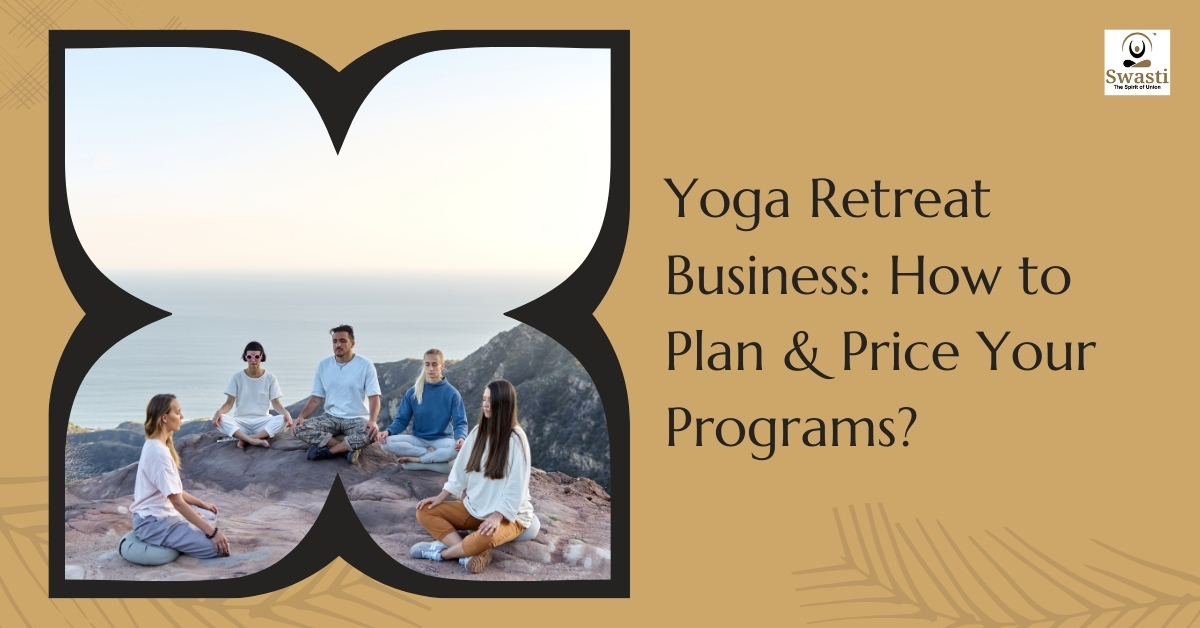
Yoga Retreat Business How to Plan & Price Your Programs

Yoga Retreat Business: How to Plan & Price Your Programs?

In today’s breakneck pace of modern life, the ancient wisdom of yoga offers a sanctuaryโ€”a way to relax, rewind, and rejuvenate. At Swasti Yoga Center, an Indian government-accredited yoga training and therapy school, our vision is to integrate the time-honored principles of classical yogic texts with contemporary business practices to create transformative retreat experiences. This blog explores how to plan and price your yoga retreat programs while keeping them authentic, accessible, and profitable. 1. The Classical Foundation: Yoga in Daily Life Yoga is much more than a series of physical postures. Classical texts such as the Yoga Sutras of Patanjali and the Bhagavad Gita teach us that yoga is a holistic way of life. These scriptures emphasize: Self-Realization and Balance: Patanjaliโ€™s sutras remind us that the practice of yoga leads to mental clarity, inner peace, and spiritual growth. Integration of Body, Mind, and Spirit: The Bhagavad Gita encourages us to perform our duties with detachment, nurturing our inner strength and resilience. By integrating these teachings, yoga retreats can offer more than exerciseโ€”they can serve as a pathway to transforming daily life, providing participants with practical tools to manage stress and maintain balance in the fast-paced modern world. 2. Retreats as a Modern Escape Relevance in Todayโ€™s World Modern society, with its endless emails, work-from-home challenges, and digital distractions, demands an escapeโ€”a space where individuals can reconnect with themselves. Yoga retreats offer: Digital Detox: Stepping away from technology and busy schedules to reconnect with inner self. Rejuvenation: Focused sessions in serene settings that refresh both body and mind. Holistic Healing: Incorporation of yoga, meditation, and yogic counselling to address physical and emotional wellโ€being. Tailored for Diverse Demographics Retreats can benefit a broad spectrum of society: GenZ: Young adults, often overwhelmed by social media pressures and academic stress, can find grounding and mental clarity. Work-from-Home Corporates: For professionals battling burnout and isolation, retreats provide structured relaxation, team-building opportunities, and practical strategies for maintaining work-life balance. Community Groups: Yoga retreats foster social connections, providing a supportive community that nurtures personal growth. 3. Planning Your Yoga Retreat: Key Considerations A. Location and Environment The setting of your retreat is vital. Choose locations that resonate with the essence of yoga: Natural Surroundings: Retreats set in natureโ€”forests, mountains, or near water bodiesโ€”enhance the experience by offering tranquility and inspiration. Accessibility: Ensure that the retreat venue is accessible for your target audience without compromising on its natural beauty. B. Curriculum and Program Design Integrate the following elements to craft a comprehensive retreat: Yoga Sessions and Asanas: Design classes that cater to various skill levels, ensuring both beginners and advanced practitioners benefit. Meditation and Pranayama: Incorporate sessions focused on breath control and meditation, drawing upon classical teachings to instill mindfulness. Yogic Counselling and Philosophy: Offer workshops that delve into the philosophy of yoga, helping participants understand and apply these principles in their daily lives. Interactive Group Activities: Include discussions, satsangs (group discourses), and reflective sessions to build community and deepen understanding. C. Pricing Strategies When pricing your retreat, consider both the value you offer and the need to keep it accessible: Cost Analysis: Calculate all expenses including venue, instructor fees, materials, and ancillary services. Aim for a transparent pricing model. Tiered Pricing: Offer different packages (e.g., standard, premium) to cater to various budgets while ensuring core teachings remain consistent. Early Bird Discounts: Encourage early sign-ups and build a committed community of participants. Value-Added Inclusions: Enhance the perceived value with extras such as healthy meals, wellness consultations, and post-retreat follow-up sessions. 4. Addressing Global Challenges in Yoga Retreats Despite the growing popularity of yoga retreats, many face common challenges globally: Over-commercialization: Some retreats have drifted from authentic yogic practices, prioritizing luxury over substance. Inconsistent Quality: Varied standards among yoga teachers can dilute the overall experience. High Costs: Expensive retreats often exclude those who might benefit the most from accessible, transformative experiences. Overcoming These Challenges Yoga centers like Swasti Yoga Center can lead the way by: Upholding Authenticity: Maintain a strong commitment to classical yogic principles in every session. Quality Control through YCB Certification: Encourage yoga teachers to obtain Yoga Center of Business (YCB) certification. This not only raises teaching standards but also ensures a consistent, high-quality experience for retreat participants. Integrating Yogic Counselling: Combine yoga practice with guidance on applying yogic philosophy to everyday challenges. This integration ensures a holistic approach that addresses mental, emotional, and physical well-being. Cost-Effective Models: Develop scalable retreat models that are both profitable and pocket-friendly, ensuring that transformative experiences are within reach for a broader segment of society. 5. Enhancing Teacher Quality with YCB Certification A key pillar for success in the yoga retreat business is the quality of instruction. YCB certification serves as a benchmark for excellence by: Standardizing Teaching Methods: Ensuring that instructors are well-versed in both traditional yoga techniques and modern wellness practices. Improving Communication Skills: Certified teachers are better equipped to engage with diverse audiences, from GenZ to corporate professionals. Integrating Holistic Approaches: Instructors trained under YCB standards are more likely to incorporate yogic counseling and philosophical teachings into their sessions, enriching the retreat experience. By prioritizing YCB certification, yoga centers can guarantee that every class and workshop meets a high standard of qualityโ€”enhancing both the reputation of the retreat and the overall satisfaction of its attendees. 6. Making Yoga Centers Profitable and Accessible For yoga centers to thrive in the competitive retreat market, they must balance profitability with accessibility: Diversified Revenue Streams: Beyond retreat fees, consider offering online courses, workshops, teacher training programs, and merchandise related to yoga and wellness. Community Partnerships: Collaborate with local wellness experts, nutritionists, and healthcare providers to offer comprehensive packages that enhance the retreat experience. Efficient Resource Management: Utilize seasonal scheduling and shared facilities to reduce operational costs. Inclusive Pricing Models: Develop scholarships or sliding-scale fees for participants who might not afford the full cost, ensuring that the transformative power of yoga is accessible to the masses. Conclusion Yoga retreats are more than just a temporary escapeโ€”they are a journey toward self-discovery, inner
Read More ยป
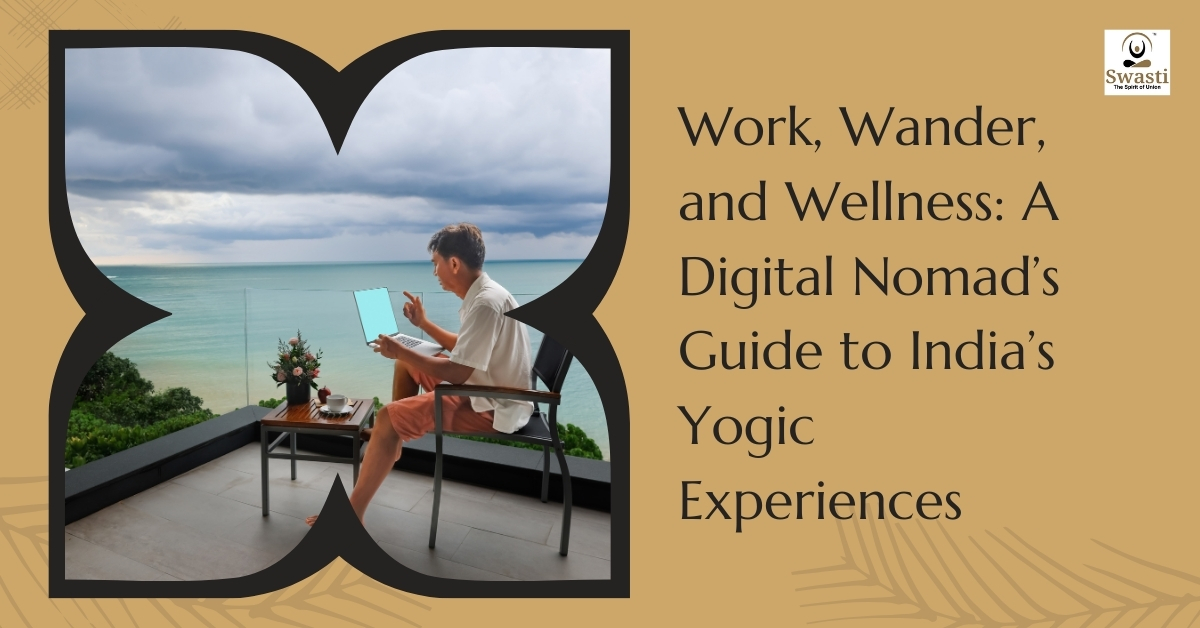
Work, Wander, and Wellness A Digital Nomadโ€™s Guide to Indiaโ€™s Yogic Experiences

Work, Wander, and Wellness: A Digital Nomadโ€™s Guide to Indiaโ€™s Yogic Experiences

The digital nomad lifestyle has become more popular than ever, with professionals seeking a balance between work, travel, and personal well-being. While working remotely offers freedom, it also brings challenges like stress, burnout, and the need for a structured routine. This is where yoga comes inโ€”not just as a physical exercise but as a way to enhance focus, improve mental clarity, and create a healthier lifestyle. India, the birthplace of yoga, is the perfect destination for digital nomads looking to integrate wellness into their daily lives. With affordable living costs, vibrant coworking spaces, and world-class yoga retreats, it provides the ideal setting to work, explore, and rejuvenate. Whether you prefer meditating by the Ganges, practicing yoga by the beach, or immersing yourself in Ayurveda, India has something for every nomad. Why India is the Ultimate Destination for Digital Nomads and Yoga Enthusiasts India is not just a country; itโ€™s an experience. For digital nomads seeking a holistic approach to work and well-being, it offers several key benefits. Affordable Cost of Living and Coworking Spaces India is one of the most budget-friendly destinations for remote workers. Whether you’re staying in a yoga ashram, renting a co-living space, or working from a cafรฉ, the cost of accommodation, food, and transport is significantly lower than in many Western countries. Major cities and tourist hubs have high-speed internet, making it easy to work while traveling. Authentic Yoga and Spiritual Experiences Unlike yoga classes in the West, yoga in India is deeply connected to its spiritual roots. Practicing yoga here allows you to learn from experienced teachers, study ancient scriptures, and explore meditation techniques that go beyond just physical postures. Many retreats offer a mix of Hatha, Ashtanga, and Kundalini yoga, along with pranayama and mindfulness practices. Diverse Landscapes and Cultural Immersion From the snow-capped Himalayas to the serene beaches of Goa, Indiaโ€™s diverse landscapes allow you to choose an environment that suits your lifestyle. You can experience the vibrant energy of a spiritual town, the peaceful solitude of a mountain retreat, or the tropical charm of a coastal yoga hub. Cultural immersion is also a big part of the experience, whether through traditional Indian food, music, or ancient rituals. Best Yoga Retreats and Wellness Hubs for Digital Nomads Finding the right location is key to balancing work, relaxation, and self-improvement. Here are some of the best places in India where digital nomads can thrive. Rishikesh: The Worldโ€™s Yoga Capital Rishikesh is a dream destination for yoga lovers and spiritual seekers. Located on the banks of the Ganges River, it is home to some of the best yoga ashrams in India. Many retreats offer long-term stays with structured schedules, including daily yoga, meditation, and Ayurvedic meals. The city also has cozy cafรฉs with Wi-Fi, making it easy to work between sessions. Goa: A Blend of Beach Life and Yoga Culture If you prefer a relaxed atmosphere, Goa is the perfect spot. It has a thriving digital nomad community, thanks to its coworking spaces, beachfront cafรฉs, and laid-back lifestyle. Yoga retreats in Goa range from intensive teacher training programs to wellness retreats that combine yoga with adventure activities like surfing and paddleboarding. Dharamshala: A Himalayan Escape for Deep Reflection Dharamshala, home to the Dalai Lama, is known for its Tibetan culture, scenic beauty, and peaceful environment. Itโ€™s an ideal destination for those looking to disconnect from the fast-paced world and focus on self-development. Yoga schools here offer meditation and mindfulness courses, and the cool mountain air makes it a great place to work without distractions. Kerala: Ayurveda and Yoga in a Tropical Paradise For those interested in Ayurveda, Kerala is a must-visit. Known for its lush greenery and backwaters, it offers authentic Ayurvedic therapies, detox programs, and yoga retreats that focus on holistic healing. Itโ€™s a great place for digital nomads who want to focus on both mental and physical well-being. Pune: A Hub for Traditional Yoga and Modern Living Pune is emerging as a hotspot for yoga enthusiasts who want to experience authentic yoga training in a city with excellent infrastructure. It has some of Indiaโ€™s best yoga institutes and wellness centers, offering everything from short retreats to full-fledged yoga teacher training programs. The city is well-connected, has reliable internet, and offers a blend of modern conveniences and traditional culture, making it an ideal choice for long-term stays. Balancing Work, Travel, and Wellness: A Digital Nomadโ€™s Guide Staying productive while traveling requires discipline and structure. Here are some ways to maintain a balanced lifestyle. Creating a Work-Wellness Routine A well-planned schedule helps digital nomads stay productive while making time for personal growth. Starting the day with yoga and meditation can improve focus and set a positive tone. Midday breaks can include a short walk or breathing exercises, and evening relaxation techniques can help manage stress. Yoga Practices to Boost Productivity Certain yoga postures and breathing techniques are particularly useful for digital nomads. Simple stretches like downward dog, spinal twists, and shoulder openers can relieve tension from long hours of sitting. Pranayama (breathing exercises) like alternate nostril breathing can enhance concentration and mental clarity. Best Coworking Spaces and Digital Nomad-Friendly Cafรฉs Many yoga hubs in India now have coworking spaces designed for remote workers. Places like Zostel Workation in Rishikesh, NomadGao in Goa, and 91springboard in Pune offer high-speed internet, comfortable workstations, and a community of like-minded professionals. Wellness Beyond Yoga: Ayurveda, Organic Living, and Mindful Travel Wellness in India goes beyond yoga. The country offers a holistic approach to health that includes Ayurveda, nutritious food, and sustainable travel practices. Ayurvedic Healing and Detox Programs Ayurveda, Indiaโ€™s ancient healing system, provides therapies that help restore balance in the body and mind. Many yoga retreats in Kerala and Rishikesh offer Panchakarma detox programs that include herbal treatments, diet adjustments, and lifestyle changes tailored to individual needs. The Importance of a Sattvic Diet Food plays a crucial role in well-being. A sattvic diet, which consists of fresh, plant-based, and minimally processed foods, is recommended for maintaining high

Read More ยป
Why Swasti Yoga Center and Pune Are Safe for Solo Women Travelers and Yoga Students

Why Swasti Yoga Center and Pune Are Safe for Solo Women Travelers and Yoga Students?

More women today are embracing solo travel as a way to explore the world, gain independence, and experience personal growth. Yoga retreats, in particular, have become a popular choice for women looking for a safe and rejuvenating getaway. However, one of the biggest concerns for solo female travelers is safety. Why This Blog? If you’re considering traveling to India for yoga, you might be wondering which city and yoga center would be best for you. This blog will explore why Pune, a progressive and women-friendly city, and Swasti Yoga Center, a nurturing and secure yoga institute, are the perfect combination for solo women travelers and yoga students. The Rise of Solo Women Travelers and Yoga Enthusiasts Why More Women Are Choosing Solo Travel Solo travel among women has seen a massive rise over the past few years. Reports show that over 70% of solo travelers worldwide are women. More women are choosing to explore new places on their own, seeking experiences that help them grow personally and spiritually. The Growing Popularity of Yoga Retreats for Women Yoga retreats have become a preferred way for women to take a break from their busy lives, reconnect with themselves, and build inner strength. Many women seek out yoga retreats in India, the birthplace of yoga, to experience authentic teachings in a peaceful environment. However, the need for safety, community, and a welcoming atmosphere plays a huge role in choosing the right location. Pune โ€“ A Women-Friendly City A Progressive and Safe Destination Pune is known as one of Indiaโ€™s safest cities for women. It has a strong educational and cultural background, with many students and professionals creating a progressive and respectful society. Unlike larger cities, Pune offers a calm, clean, and organized environment where solo women travelers can feel secure. Safety Infrastructure in Pune The city has a well-connected transportation system, including app-based cabs, auto-rickshaws, and buses that are widely used and considered safe. There are active police patrols, and women-centric safety initiatives like the Bharosa Cell provide additional security. Many areas in Pune, such as Koregaon Park, Baner, and Kothrud, are known for being particularly safe for women. Community Resources for Women Travelers Pune is home to several women-focused organizations and social groups that offer support, workshops, and networking opportunities. Women can join travel communities, yoga groups, or expat meetups to find like-minded people and make their travel experience even safer and more enriching. Swasti Yoga Center โ€“ A Sanctuary for Safety and Wellness A Yoga School Built on Safety and Inclusivity Swasti Yoga Center is a highly respected yoga institute in Pune that prioritizes creating a safe, inclusive, and welcoming environment for all students, especially women traveling alone. It is not just a place to learn yoga but a community that supports personal growth and well-being. Comprehensive Yoga Programs Swasti Yoga Center offers a variety of programs, including Yoga Teacher Training Courses (TTC), wellness retreats, and specialized yoga workshops. Whether you are a beginner or an advanced practitioner, you will find a course suited to your needs. Strict Safety Measures at the Center To ensure the safety and comfort of students, Swasti Yoga Center has well-monitored premises, secure accommodation recommendations, and trained staff who are always available for assistance. The center has clear policies on respect, inclusivity, and maintaining a harassment-free learning environment. Testimonials from previous students often highlight the sense of security and belonging they felt while studying at Swasti. Empowerment Through Yoga and Community How Yoga Builds Inner Strength Yoga is not just about physical postures; it is a practice that builds confidence, mental clarity, and resilience. Many solo women travelers find that practicing yoga helps them become more self-aware, make better decisions, and navigate new environments with confidence. Building a Supportive Community at Swasti Yoga Center One of the best parts of joining Swasti Yoga Center is the opportunity to meet and connect with other like-minded women from around the world. The center organizes group activities, discussions, and cultural experiences that help students form meaningful connections and support each other throughout their journey. Practical Tips for Solo Women Travelers in Pune Pre-Travel Planning Before arriving in Pune, itโ€™s important to do some basic research. Book accommodations in well-reviewed hotels or hostels, learn about safe neighborhoods and save emergency contact numbers. Itโ€™s also a good idea to join local travel groups on social media to connect with other travelers before your trip. On-the-Ground Safety Tips Once in Pune, solo travelers should follow a few simple safety measures. They should always use app-based taxis like Uber or Ola, avoid isolated areas at night, and dress modestly to blend in with the local culture. Keeping a fully charged phone and sharing their travel plans with a trusted contact can also add an extra layer of security. Leverage the Swasti Yoga Center Community New to Pune? Swasti Yoga Center provides guidance on safe travel routes, reliable accommodations, and local recommendations. The center also organizes city tours and group activities, making it easy for students to explore the city safely. Conclusion Pune is one of the best cities in India for solo women travelers, offering a safe, progressive, and welcoming environment. Swasti Yoga Center further enhances this experience by providing a secure, structured, and inclusive space for women to practice yoga, build connections, and grow personally and spiritually. Swasti Yoga Center is the ideal choice for women looking to deepen their yoga practice in a safe and empowering environment. As India’s best yoga teacher training institute, it ensures high-quality education, a supportive community, and a transformative experience. Whether you’re here for a short retreat or a long-term teacher training program, you can be assured of a safe, welcoming, and enriching journey. Are you ready to embark on your yoga journey in a secure and inspiring space? Visit Swasti Yoga Center to explore courses, retreats, and more.

Read More ยป
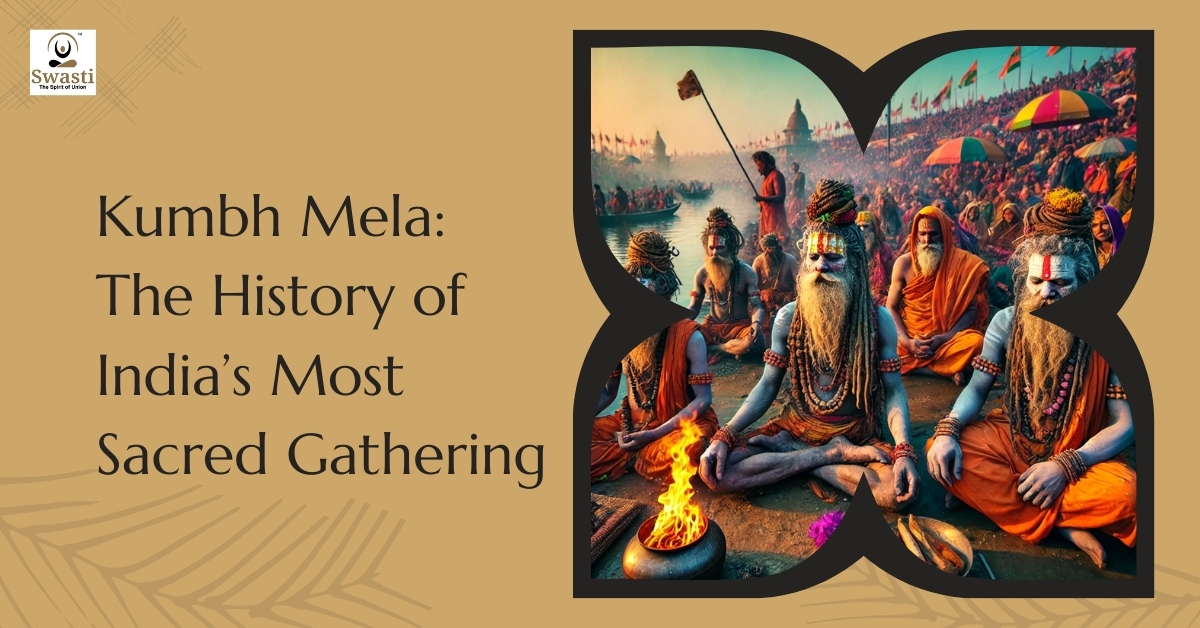
Kumbh Mela The History of Indiaโ€™s Most Sacred Gathering

Kumbh Mela: The History of Indiaโ€™s Most Sacred Gathering

Kumbh Mela, one of the largest and most sacred gatherings in the world, has been a part of India’s cultural and spiritual heritage for centuries. This event, held every few years, draws millions of devotees and pilgrims to sacred rivers across India. In this blog, we will take a deeper look into the history, significance, and types of Kumbh Mela, explaining why it is a must-visit event for every Yogi and spiritual seeker. Origins of Kumbh Mela Kumbh Mela’s origins are rooted in Hindu mythology, specifically in the ancient tale of the “Samudra Manthan” or the churning of the ocean. According to the legend, the gods and demons were engaged in a battle for the nectar of immortality (amrit) that surfaced from the ocean during this churning. As they fought over the nectar, a few drops of it fell at four sacred locations: Haridwar, Prayagraj (Allahabad), Nashik, and Ujjain. These places became the sacred sites for Kumbh Mela, where pilgrims gather to take a holy dip in the rivers to purify their souls and attain spiritual liberation. The Mythological Significance The Kumbh Melaโ€™s importance lies not only in the mythology but also in its connection to key deities in Hinduism. The locations where the event is held are associated with Lord Vishnu and Lord Shiva. Haridwar โ€“ Associated with Lord Vishnu, it is one of the most important places to take a dip during Kumbh Mela. Prayagraj (Allahabad) โ€“ The confluence of the Ganges, Yamuna, and mythical Sarasvati rivers is another key location, with its association to Lord Shiva. Nashik โ€“ Connected to the legend of Lord Rama, this place is where Lord Rama, along with his brother Lakshmana, took a holy dip. Ujjain โ€“ Linked to Lord Shiva and considered one of the sacred cities for performing rituals and bathing during Kumbh Mela. Each of these locations carries deep spiritual significance, drawing millions to witness and participate in this grand spiritual gathering. The Astronomical and Spiritual Timing Kumbh Mela is not a random event. Its timing is determined by astrological calculations that align the positions of the Sun, the Moon, and Jupiter (Guru) in specific zodiac signs. According to Hindu astrology, when Jupiter is in Aries or Taurus and the Sun and the Moon align in a favorable position, the auspicious moment for Kumbh Mela arrives. The spiritual significance of this timing is immense. Devotees believe that during Kumbh Mela, the sacred waters are infused with divine power, and taking a dip in these waters cleanses them of sins and paves the way for Moksha (liberation from the cycle of birth and death). The Different Types of Kumbh Mela Kumbh Mela is not held every year but occurs in different types, depending on the alignment of the celestial bodies. There are four types of Kumbh Mela, each with its unique significance: Maha Kumbh Mela The Maha Kumbh Mela is the most significant and rarest of all. It occurs once every 144 years when an exceptionally rare celestial alignment takes place. This gathering is held at Prayagraj, and it attracts the largest number of pilgrims, sometimes even exceeding 100 million attendees. The scale of Maha Kumbh is unimaginable, with the entire city of Prayagraj transforming into a temporary spiritual city during the event. It is an extraordinary occasion for spiritual seekers who aim to experience the ultimate level of divine energy. Purna Kumbh Mela The Purna Kumbh Mela is held every 12 years at each of the four sacred locations: Haridwar, Prayagraj, Nashik, and Ujjain. This gathering takes place when the celestial positions are considered to be in perfect alignment, making the spiritual atmosphere extremely potent. Pilgrims come from far and wide, seeking to purify themselves and gain the blessings of the gods. It is a grand event, though not as rare or massive as the Maha Kumbh Mela. Ardh Kumbh Mela The Ardh Kumbh Mela, meaning “half Kumbh,” is celebrated every six years, alternating between Prayagraj and Haridwar. While smaller in scale compared to Purna Kumbh, the Ardh Kumbh Mela still attracts millions of devotees and is considered highly auspicious. It is seen as a precursor to the Purna Kumbh Mela and is marked by the same rituals, such as the holy dip and prayers by sadhus. Magh Mela An annual event was held at Prayagraj during the Hindu month of Magha (January-February). Though smaller in scale, it holds great spiritual significance as a precursor to larger Kumbh gatherings. The Rituals and Practices Kumbh Mela is famous for its sacred rituals, especially the holy dip in the river. Devotees believe that taking a dip in the sacred waters during the Mela cleanses them of sins and brings them closer to spiritual liberation. The primary ritual involves: Snan (Holy Bath): Pilgrims gather at the ghats (riverbanks) to take a dip, which is considered an act of purification. Many sadhus and spiritual leaders also participate in the bath to symbolize their detachment from worldly matters. Processions of Sadhus: A significant feature of Kumbh Mela is the processions of sadhus (holy men), who have renounced worldly possessions in pursuit of spiritual awakening. Among them are the Naga sadhus, who are naked and covered in ash, symbolizing their complete detachment from material life. Prayers and Offerings: Devotees engage in prayers, offerings, and rituals to seek blessings from the gods. The atmosphere is one of intense devotion and faith, creating a sense of unity and spiritual awakening among the participants. The Evolution of Kumbh Mela Kumbh Mela has been celebrated for centuries, evolving significantly over time. Originally, it was a small gathering of religious figures, but over the centuries, it has grown into a massive event with millions of attendees. The event has adapted to modern times, with the introduction of better infrastructure, transportation, and security measures to accommodate the growing number of pilgrims. In ancient times, Kumbh Mela was a spiritual affair for devotees and ascetics, while in the present day, it also draws tourists, scholars, and people from different walks of

Read More ยป
From Plastic-Free Retreats to Zero-Waste Yoga Travel

From Plastic-Free Retreats to Zero-Waste Yoga Travel

Yoga is not just a practice for the mind and body, itโ€™s a lifestyle. As the world becomes more eco-conscious, yoga practitioners and teachers are increasingly adopting sustainable practices, both on and off the mat. From plastic-free retreats to zero-waste yoga travel, sustainability is becoming a significant focus in the yoga community. In this blog, weโ€™ll explore the importance of eco-friendly yoga practices and how you can integrate them into your yoga journey. The Rise of Eco-Conscious Yoga Retreats Yoga retreats have always been a place for spiritual and physical rejuvenation, but now more than ever, they are also becoming sanctuaries of sustainability. The growing awareness of climate change, pollution, and environmental degradation has prompted many yoga centers and instructors to rethink how they operate. More yoga retreats are moving toward sustainability by adopting eco-friendly practices such as eliminating plastic, using organic products, and reducing waste. These changes not only protect the environment but also create a peaceful and mindful experience for participants. Many yoga centers are now focusing on offering plastic-free retreats, where everything from food packaging to water bottles is eco-conscious, aligning with the yogic principles of non-harm (Ahimsa) and mindfulness. Zero-Waste Yoga Travel: Why It Matters Zero-waste travel has become a buzzword in the travel industry, and for good reason. Itโ€™s all about minimizing your environmental impact by reducing the amount of waste you produce during your travels. For yoga practitioners, who are naturally inclined towards mindfulness and environmental awareness, zero-waste travel is a seamless extension of their practice. When you travel for yoga, you might be tempted to pack everything you think youโ€™ll need. However, packing light and avoiding single-use plastics can make a huge difference in reducing waste. Zero-waste yoga travel encourages yogis to pack reusable items, such as water bottles, bags, and containers, and to make thoughtful decisions about the products they purchase during their travels. Whether youโ€™re heading to a local yoga retreat or an international yoga adventure, every small action counts when it comes to reducing your carbon footprint and promoting sustainability. Some simple zero-waste travel tips include: Pack Light: Focus on essentials and avoid overpacking. Bring Reusable Items: Carry a reusable water bottle, coffee cup, and cutlery. Choose Eco-Friendly Accommodation: Look for yoga retreats and accommodations that prioritize sustainability. Avoid Single-Use Plastics: Bring your toiletries and avoid plastic packaging. Zero-waste yoga travel not only benefits the environment but also enhances your yoga journey. By being more mindful of the resources you consume, you can deepen your connection to the practice and the earth. Plastic-Free Retreats: A Transformational Experience Plastic is one of the most significant contributors to pollution, and itโ€™s something that the yoga community is working hard to eliminate. Plastic-free retreats are a growing trend, where participants can immerse themselves in a retreat experience free from the distractions and harm of plastic. At a plastic-free yoga retreat, everything is carefully planned to minimize waste. For example, meals are served in reusable containers, plastic water bottles are replaced with filtered water stations or glass bottles, and even yoga mats and props are made from sustainable materials. These small but impactful changes create a more peaceful environment that encourages mindfulness and awarenessโ€”key aspects of the yoga practice. A plastic-free retreat isnโ€™t just about the physical spaceโ€”itโ€™s also about fostering a deeper connection with nature and the earth. When we remove plastic and other harmful materials, weโ€™re creating a space for healing, both for ourselves and the planet. For many practitioners, this type of retreat can be life-changing, as it helps shift their perspective on the way they interact with the environment. Swasti Yoga Center is one such yoga center that prioritizes sustainability during its retreats. They work hard to reduce plastic usage and incorporate eco-friendly practices into their offerings. Whether itโ€™s through eco-conscious meals or sustainable accommodation, Swasti Yoga Center is setting a great example for how yoga retreats can be both transformative and environmentally responsible. The Role of Yoga Teachers in Promoting Sustainability Yoga teachers are not just instructors; they are role models and leaders. As ambassadors of the practice, they have the power to inspire their students to adopt sustainable practices both on and off the mat. By incorporating sustainability into their teachings, yoga teachers can help create a more eco-conscious yoga community. For example, teachers can emphasize the importance of reducing waste, bringing reusable items to class, and choosing sustainable products. In class, teachers can guide students in mindful practices that connect them to the earth, such as practicing yoga outdoors, using eco-friendly yoga mats, and adopting mindful breathing exercises that focus on the interconnectedness of all living beings. Teachers can also lead by example, integrating sustainability into their personal lives and sharing their own experiences with students. When yoga instructors adopt eco-conscious practices, they empower their students to do the same. In this way, yoga teachers play a vital role in promoting environmental responsibility and raising awareness about the importance of sustainability. Conclusion – The yoga community is embracing sustainability with open arms, from plastic-free retreats to zero-waste yoga travel. These practices not only benefit the environment but also enhance the yoga experience, creating a deeper connection to both the self and the earth. By making small changes to our travel habits and retreat experiences, we can all contribute to a more eco-conscious world. As the demand for sustainable yoga practices grows, yoga teachers must lead the way in promoting eco-friendly practices. Yoga centers and instructors who incorporate sustainability into their programs are helping create a greener future for yoga and the planet. By supporting and participating in these initiatives, we can ensure that yoga remains a practice that nurtures both the individual and the earth. Why Swasti Yoga Center Is the Best Choice for Yoga Teacher Training in India Swasti Yoga Center offers the best yoga teacher training courses in India that are not only comprehensive and professionally accredited but also focus on sustainability. As an eco-conscious institution, Swasti Yoga Center incorporates green practices into its

Read More ยป
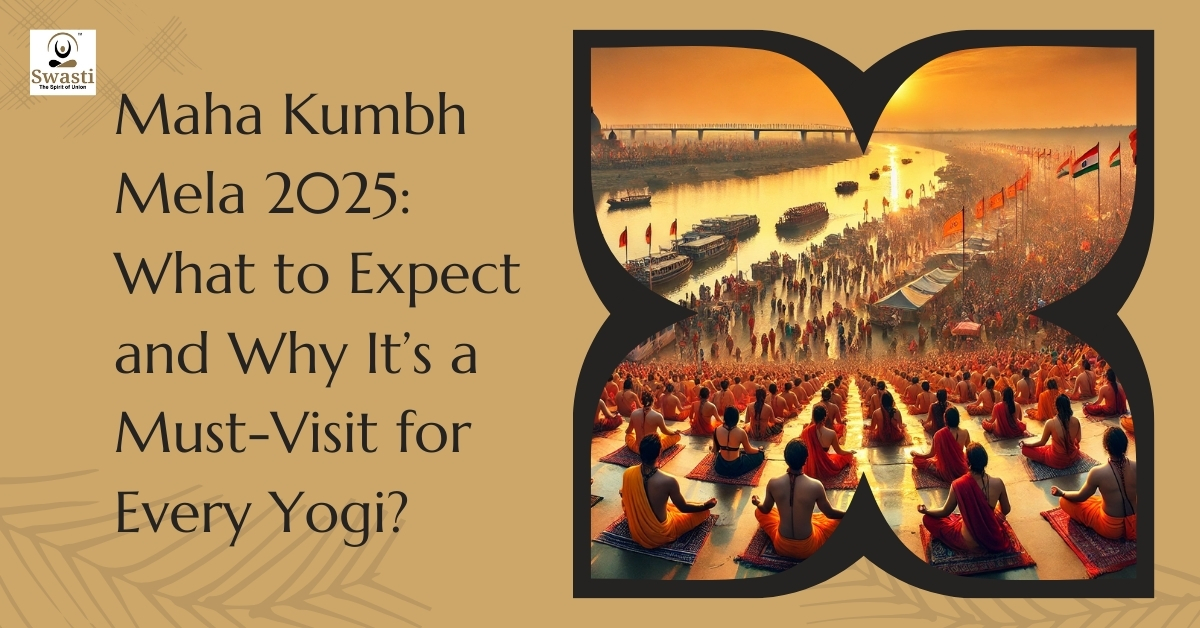
Maha Kumbh Mela 2025 What to Expect and Why Itโ€™s a Must-Visit for Every Yogi?

Maha Kumbh Mela 2025: What to Expect and Why Itโ€™s a Must-Visit for Every Yogi?

The Maha Kumbh Mela, often referred to as the โ€œWorldโ€™s Largest Gathering of Humanity,โ€ is an extraordinary spiritual and cultural event that has been celebrated for thousands of years. This grand gathering, held every 12 years, attracts millions of pilgrims, spiritual seekers, and tourists from around the globe. The 2025 Maha Kumbh Mela in Prayagraj is set to be a spectacular confluence of devotion, tradition, and self-discovery. For yogis and spiritual enthusiasts, the Maha Kumbh Mela offers a unique opportunity to witness the power of collective consciousness and immerse themselves in ancient traditions. The Historical and Spiritual Importance of Maha Kumbh Mela The Maha Kumbh Mela is one of Hinduism’s most significant spiritual gatherings, celebrated every 12 years at the Triveni Sangam in Prayagraj, where the Ganga, Yamuna, and the mythical Saraswati rivers converge. Its origins are deeply rooted in Hindu mythology, particularly the legend of Samudra Manthan (churning of the ocean), during which drops of Amrit (nectar of immortality) spilled at four locations: Prayagraj, Haridwar, Ujjain, and Nashik. These sites became sacred, hosting the Kumbh Mela on a rotational basis. The Maha Kumbh Mela is especially rare and auspicious, occurring once every 144 years at Prayagraj. The event holds profound spiritual importance. Pilgrims believe bathing in the holy waters during this time purifies the soul, absolves sins, and brings one closer to moksha (spiritual liberation). The festival also aligns with specific celestial configurations of the Sun, Moon, and Jupiter, which are believed to enhance spiritual energy. Rituals such as the Shahi Snan (royal bath) by ascetics and devotees symbolize purification and renewal. Beyond its religious significance, the Maha Kumbh Mela is a cultural phenomenon. It attracts millions of people from diverse backgrounds, including saints, ascetics, and international visitors. The event serves as a platform for spiritual discourses, yoga practices, devotional music, and charitable acts like food distribution (annadan). It embodies India’s rich heritage and values of unity and faith while offering participants a transformative experience of introspection and spiritual awakening What Makes Maha Kumbh Mela 2025 Special? The Maha Kumbh Mela 2025 is unique due to its rare celestial alignments that enhance its spiritual significance. Astrologically, the event coincides with auspicious planetary configurations, making it an ideal time for spiritual activities like meditation, rituals, and prayer. Highlights of the 2025 Event: Scale and Participation: Over 100 million devotees, including saints, spiritual leaders, and international visitors, are expected to gather. Enhanced Infrastructure: Authorities are making frequent improvements in sanitation, transportation, and accommodations to accommodate a massive influx of pilgrims. Global Appeal: The event is a melting pot of cultures, traditions, and spiritual practices, with visitors from all corners of the world. Sustainability Focus: Special efforts are being made to reduce the event’s environmental impact, including eco-friendly initiatives and waste management programs. The vibrancy and energy of the Maha Kumbh Mela 2025 promise to create a once-in-a-lifetime experience for all attendees. Why Itโ€™s a Must-Visit for Every Yogi? For yogis, the Maha Kumbh Mela is more than just a religious festivalโ€”it is a profound spiritual retreat. Here are some reasons why every yogi should consider attending: 1. Connect with the Roots of Yoga The Kumbh Mela embodies the ancient spiritual traditions that form the foundation of yoga. Attending the event allows yogis to explore the origins of their practice and deepen their understanding of yogaโ€™s holistic philosophy. 2. Learn from Spiritual Masters The gathering brings together revered saints, gurus, and yogis from across India and beyond. It offers an unparalleled opportunity to learn from their wisdom through satsangs, discourses, and personal interactions. 3. Experience Collective Energy The sheer magnitude of millions of people meditating, praying, and chanting together creates a powerful collective energy. This environment amplifies the meditative and transformative aspects of yoga. 4. A Unique Spiritual Detox Participating in rituals like the holy dip at the Triveni Sangam and engaging in mindfulness practices amidst the sacred ambiance fosters a deep sense of renewal and clarity. For yogis seeking to expand their spiritual horizons and connect with their inner selves, the Maha Kumbh Mela is an unmissable experience. Experiencing Maha Kumbh Mela as a Spiritual Seeker The Maha Kumbh Mela offers unparalleled opportunities for self-reflection, spiritual growth, and cultural immersion. The eventโ€™s atmosphereโ€”filled with devotional chants, the aroma of incense, and the serene presence of the Sangamโ€”creates an ideal setting for personal transformation. Key Activities to Experience: Holy Dip (Ganga Snan): Taking a dip at the Triveni Sangam is a central ritual of the Kumbh Mela. It is believed to cleanse the soul and connect individuals to divine energy. Satsangs and Discourses: Spiritual leaders and gurus from around the world conduct discourses on various topics, including self-realization, ancient Indian philosophies, and the essence of life. Cultural Immersion: The Kumbh Mela is a celebration of Indiaโ€™s rich cultural heritage, with devotional music, dance performances, and vibrant art exhibitions. Meditation and Reflection: The serene environment of the Sangam is perfect for meditative practices and mindfulness exercises. The Maha Kumbh Mela serves as a space where spiritual seekers can connect with their inner selves, gain clarity, and experience the profound energy of collective devotion. Practical Information for Visitors Attending the Maha Kumbh Mela requires careful planning to ensure a safe and enriching experience. Here are some tips to help you prepare: 1. Travel and Accommodation Reaching Prayagraj: The city is well-connected by air, rail, and road. Early bookings are essential to avoid last-minute hassles. Accommodation Options: From budget tents to luxurious campsites, there is a wide range of options to suit different preferences. Staying close to the event grounds is recommended for convenience. 2. Health and Safety Carry essentials like water bottles, snacks, and first-aid supplies. Wear comfortable clothing and footwear suitable for long walks and varying weather conditions. Stay hydrated and follow hygiene practices to ensure well-being during your visit. 3. Event Guidelines Be mindful of the large crowds and follow local authoritiesโ€™ instructions for safety. Respect the sanctity of the event and the customs of fellow pilgrims. Plan your schedule to

Read More ยป
Maha Kumbh Mela 2025 Spiritual Importance for Yogis

Maha Kumbh Mela 2025: Spiritual Importance for Yogis

Have you ever felt the pull of a spiritual journey so strong that it brings millions of people together? Thatโ€™s exactly what the Maha Kumbh Mela offersโ€”a once-in-a-lifetime event where spiritual seekers from all over the world gather to bathe in sacred waters, meditate, practice yoga, and seek divine blessings. The Maha Kumbh Mela 2025, held in Prayagraj (formerly Allahabad) from January 13th to February 26th, promises to be an extraordinary event that offers deep spiritual insights and transformation. At Swasti Yoga Center, we are thrilled to participate in this sacred gathering from February 7th to 11th, alongside the Indian Yoga Association. We invite all yogis to join us in the spiritual heart of India for an experience like no other. The Historical and Spiritual Significance of the Kumbh Mela The origins of the Kumbh Mela go back to ancient times when the gods and demons fought for the nectar of immortality. Some of the nectar spilled over during the battle in four locationsโ€”Prayagraj, Haridwar, Nashik, and Ujjainโ€”making these places sacred. These locations are now home to the Kumbh Mela, a festival that takes place every 12 years, with a smaller version, the Ardh Kumbh, occurring every six years in Prayagraj and Haridwar. The Kumbh Mela is not just a celebration; itโ€™s a sacred event where millions come to wash away their sins and seek spiritual renewal. It is believed that the water in the rivers turns into nectar due to the alignment of the stars, making the act of bathing a deeply purifying ritual. For yogis, this festival is a powerful opportunity to cleanse the body, mind, and soul. Why the Maha Kumbh Mela is Important for Yogis? For yogis, the Kumbh Mela represents a unique chance to connect with the divine, align oneself with cosmic energy, and deepen their practice. The festival is much more than a mere religious gathering; it is a place where yoga and meditation merge with the power of the sacred rivers, creating a potent atmosphere for transformation. At the heart of the Mela lies the holy ritual of bathing in the river, which symbolizes the washing away of impurities. But the Kumbh Mela also serves as a venue for yogic practices, where practitioners from all over the world come to meditate, practice asanas, and connect with like-minded souls. The spiritual energy during the Mela is palpable, and for those engaged in yoga, it becomes a place for deep reflection and rejuvenation. The Role of Sacred Bathing and Yoga at the Kumbh Mela The main event of the Kumbh Mela is the “Shahi Snan” (royal bath), where millions of people immerse themselves in the holy rivers. This act is believed to purify the body and cleanse the soul, bringing participants one step closer to salvation. For yogis, this ritual has an even deeper significance. The water is said to carry divine energy, making it the perfect complement to any yogic practice. Alongside the holy bath, yoga, and meditation play an essential role in the spiritual experience at the Kumbh Mela. Swasti Yoga Center, along with other spiritual organizations, will be offering classes and meditation sessions throughout the event. This is a rare opportunity to practice yoga in a sacred space, where the collective energy of millions of people enhances your own practice, helping you connect with the divine and amplify your spiritual growth. Kumbh Mela: A Gathering of Yogic Wisdom The Kumbh Mela is not only about rituals; itโ€™s also a gathering of yogis, sages, and spiritual leaders from around the world. Itโ€™s a space where knowledge is exchanged, teachings are shared, and deep spiritual connections are made. For yogis, itโ€™s an opportunity to meet revered masters, exchange wisdom, and deepen their understanding of yoga and spirituality. The Mela offers countless workshops, satsangs, and teachings that cater to yogis of all levels. Whether youโ€™re looking for guidance from a guru or want to learn a new aspect of your practice, the Kumbh Mela is the perfect place to grow spiritually and connect with the larger yogic community. The Sacred Energy of the Mela: A Spiritual Awakening One of the most unique aspects of the Kumbh Mela is the sacred energy that fills the air. The event is known for its extraordinary vibrational power, which can deeply affect those who come to the festival. Yogis often find that the energy of the Mela amplifies their practices, making it an ideal environment for personal growth, transformation, and spiritual awakening. The energy at the Kumbh Mela comes from the holy rivers, the rituals, and the millions of people gathered in one place, all contributing to the sacred vibration. For yogis, this energy provides an opportunity to go deeper into meditation, refine oneโ€™s practice, and experience profound moments of inner peace and connection. Maha Kumbh Mela 2025: A Global Gathering for Yogis The Maha Kumbh Mela is not just a local event; itโ€™s a global gathering of spiritual seekers, yogis, and devotees. In 2025, millions of people from around the world will come to Prayagraj to witness and participate in this historic occasion. People from all cultures and backgrounds will come together to experience the divine energy and spiritual wisdom that the Kumbh Mela offers. For yogis, the 2025 Mela represents a rare opportunity to join a global community of practitioners, share spiritual experiences, and learn from some of the worldโ€™s most respected yoga teachers. Itโ€™s a chance to expand your practice, deepen your understanding, and connect with a network of spiritual seekers from around the world. How to Prepare for the Maha Kumbh Mela 2025? As the Kumbh Mela approaches, itโ€™s important to prepare yourself both physically and mentally. Engage in a regular yoga and meditation practice to build strength, flexibility, and mindfulness. Detoxify your body and focus on clearing your mind to prepare for the deep spiritual work that the Mela offers. Mentally, set clear intentions for your experience. Whether itโ€™s deepening your meditation practice, seeking guidance from a spiritual teacher, or connecting with fellow

Read More ยป
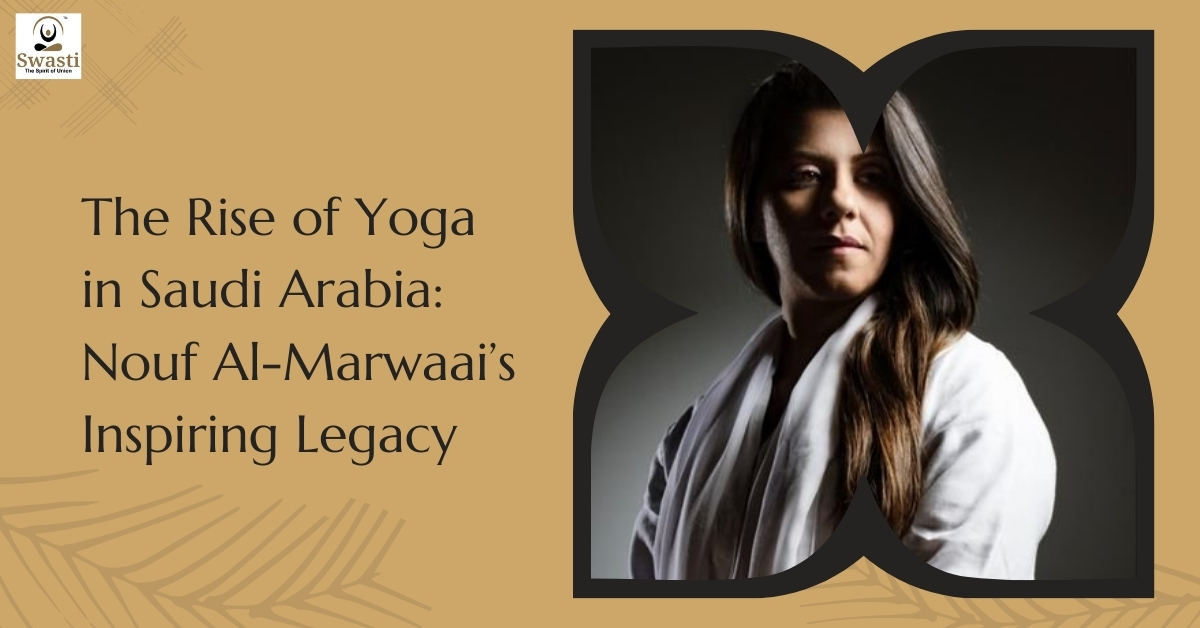
The Rise of Yoga in Saudi Arabia Nouf Al-Marwaaiโ€™s Inspiring Legacy

The Rise of Yoga in Saudi Arabia: Nouf Al-Marwaaiโ€™s Inspiring Legacy

Yoga, once a foreign concept in Saudi Arabia, has gained considerable momentum in the Kingdom over the past two decades. This transformation can largely be attributed to one woman: Nouf Al-Marwaai. As the first certified yoga instructor in Saudi Arabia, Nouf has played a key role in making yoga an accepted practice, not only within the country but across the Arab world. Her dedication and efforts have earned her widespread recognition, including a prestigious honor from the Indian government. Nouf Al-Marwaai: A Pioneer of Yoga in Saudi Arabia Nouf Al-Marwaaiโ€™s journey in yoga began in 1998 when she sought alternative methods to improve her health. At the time, yoga was virtually unknown in Saudi Arabia, and wellness options were limited. Discovering yoga helped her physically, emotionally, and mentally, offering a holistic approach to self-care that was rare in the Kingdom. In 2004, driven by her passion for yoga, Nouf traveled to India to become the first Saudi woman to receive a formal yoga certification. At that time, yoga was still seen as unconventional in Saudi Arabia, and she faced challenges. Despite these challenges, Noufโ€™s commitment to deepening her practice led her to bring yoga back to Saudi Arabia. Upon returning, she encountered resistance but remained dedicated to introducing yoga to others. Teaching in private gatherings, she worked tirelessly to show how yoga could enhance peopleโ€™s mental and physical health without conflicting with cultural and religious values. Noufโ€™s perseverance marked the beginning of a yoga movement in Saudi Arabia. Founding the Arab Yoga Foundation In 2004, Nouf Al-Marwaai began teaching yoga in Jeddah under the name Saudi Arabia Yoga School, marking the first steps in her mission to introduce yoga to Saudi Arabia. By 2010, as the practice began to spread across the Arab world, the school evolved into the Arab Yoga Foundation. This expansion reflected the growing demand for yoga training and the recognition of its benefits beyond just fitness. Over the years, the Arab Yoga Foundation has made significant strides, with over 10,000 students and 700 certified yoga instructors across Saudi Arabia by 2019. In 2017, the Foundation achieved a major milestone when the General Sports Authority of Saudi Arabia officially approved Yoga Day celebrations. This recognition helped further integrate yoga into the Kingdomโ€™s cultural and wellness landscape, solidifying its place as a respected practice for physical and mental well-being. Yogaโ€™s Official Recognition in Saudi Arabia One of Noufโ€™s most significant achievements was her tireless work toward the official recognition of yoga in Saudi Arabia. For years, she advocated for the integration of yoga into the countryโ€™s fitness landscape, despite initial resistance. Her efforts culminated in 2021 when yoga was officially recognized as a sport by the Ministry of Sports. This landmark achievement also led to the creation of the Saudi Yoga Committee under the Saudi Arabian Olympic Committee, solidifying yogaโ€™s place in the Kingdomโ€™s wellness sector. This success was a major milestone, not only for Nouf but for the entire yoga community in Saudi Arabia, marking the practiceโ€™s acceptance on both a cultural and governmental level. Nouf Al-Marwaaiโ€™s Strong Connection with India Nouf Al-Marwaaiโ€™s journey with yoga is deeply connected to India, where she first trained in 2004. As the first certified yoga instructor in Saudi Arabia, her experience in India laid the foundation for her pioneering work in spreading yoga across the Arab world. In 2018, Noufโ€™s efforts were recognized by the Indian government with the prestigious Padma Shri Award, one of Indiaโ€™s highest civilian honors. This recognition highlights the significant role India played in shaping her yoga practice and how she continues to share its benefits globally. For Nouf, India remains a key source of inspiration in her mission to promote yogaโ€™s transformative power. Nouf Al-Marwaai at the International Yoga Conference on Sustainability Nouf’s influence extends beyond Saudi Arabia, as she continues to speak at high-profile international events. Nouf Al-Marwaai is set to speak at the International Yoga Conference on Sustainability, organized by the UAE Sports For All Federation and Swasti Yoga Center in Dubai. This conference aims to highlight how ancient practices like yoga can offer modern solutions for pressing global issues such as climate change and sustainable living. By focusing on yogaโ€™s role in promoting sustainability, the event will explore how holistic practices can contribute to environmental and social well-being. Nouf will be sharing her insights on โ€œEmpowering Women Through Yoga: Strength, Resilience & Leadership.โ€ In her talk, she will discuss how yoga can be a powerful tool for empowering women, fostering leadership, and cultivating resilience. The conference provides a valuable platform for global leaders, government representatives, and policy experts to engage in meaningful discussions on sustainability and yogaโ€™s potential to drive positive change. The Growth of Yoga in Saudi Arabia Since Noufโ€™s pioneering efforts, the practice of yoga has gained widespread popularity in Saudi Arabia. Yoga is no longer viewed as an outsiderโ€™s practice but has become an integral part of the Kingdom’s wellness culture. Across the country, more and more people are embracing yoga as a means of improving their health, with yoga studios and wellness centers now commonplace. Additionally, through her Nouf Sports Academy, Nouf continues to educate and train the next generation of yoga instructors, ensuring the growth of a knowledgeable and passionate yoga community in Saudi Arabia. Her work aligns with the countryโ€™s Vision 2030, which encourages healthy living and wellness as a priority for its citizens. Bottom Line: Nouf Al-Marwaaiโ€™s Enduring Legacy Nouf Al-Marwaaiโ€™s contributions to the growth of yoga in Saudi Arabia have made her a trailblazer in the fitness and wellness communities. From founding the Arab Yoga Foundation to advocating for the official recognition of yoga in Saudi Arabia, her efforts have had a profound impact on the cultural landscape of the Kingdom. Her recognition on the global stage, including her Padma Shri award, speaks volumes about the significance of her work. As yoga continues to grow in Saudi Arabia, Noufโ€™s legacy will inspire generations to come, encouraging people to adopt healthier lifestyles and fostering

Read More ยป
Dubai A Rising Hub for Yoga, Sustainability, & Cultural Exchange

Dubai: A Rising Hub for Yoga, Sustainability, & Cultural Exchange

Dubai has long been recognized as a global center for commerce and luxury, but it is now gaining recognition as a hub for yoga, sustainability, and civilizational cultural exchange. As the city aligns itself with global efforts to tackle climate change, promote peace, and foster cross-cultural understanding, yoga is playing an increasingly significant role in shaping this transformation. The upcoming Yoga and Sustainability Conference in Dubai is a prime example of how ancient practices like yoga can address modern challenges, bringing together diverse perspectives to create a harmonious and sustainable future for the world. Bahr al-Hayat: A Historic Connection Between Civilizations While Dubaiโ€™s contemporary yoga movement is flourishing, the roots of yogaโ€™s influence within Islamic civilizations stretch back centuries. One of the earliest examples of this cultural exchange is the Bahr al-Hayat (The Ocean of Life), a Persian text that is essentially a translation of a Sanskrit work on Hatha Yoga. Translated in the 16th century by the Sufi scholar Muhammad Ghawth Gwaliori, this text introduced yogic postures, breathing exercises, and philosophies to a Persian-speaking audience, blending Indian spiritual practices with Sufi mysticism. This early civilizational exchange through yoga illustrates how the practice has historically served as a bridge between cultures and spiritual traditions. Today, as Dubai hosts conferences like the Yoga and Sustainability event, the city is continuing this legacy of cross-cultural collaboration, bringing yoga to a broader audience and highlighting its relevance in the modern world. Dara Shikoh: A Legacy of Intellectual and Spiritual Exchange Between Civilizations One of the most influential figures in civilizational exchange was Dara Shikoh, a 17th-century Mughal prince who sought to bridge the mystical traditions of different cultures, including Hinduism and Islam. His translation of 50 Upanishads into Persian, collectively known as Sirr-i-Akbar (The Great Secret), played a crucial role in making Hindu spiritual wisdom accessible to the Islamic world. His work laid the foundation for a shared spiritual and philosophical understanding, emphasizing the unity of religious thought across civilizations. Dara Shikohโ€™s efforts mirror the spirit of the upcoming conference in Dubai, which seeks to bring together diverse traditions to promote peace and sustainability. Just as Dara Shikoh sought to reconcile different spiritual practices, the Yoga and Sustainability Conference aims to demonstrate how yoga can be a tool for environmental stewardship, cultural harmony, and global peace. Yoga and Sustainability: A Modern Vision for Civilizational Collaboration The connection between yoga and sustainability is more relevant today than ever before. As the world grapples with climate change, pollution, and environmental degradation, yoga offers a holistic framework for addressing these challenges. The principles of yogaโ€”mindfulness, balance, and interconnectednessโ€”align seamlessly with the goals of sustainability, promoting practices that reduce waste, conserve energy, and foster ecological awareness. The Yoga and Sustainability Conference in Dubai will highlight how yoga can be integrated into the global sustainability movement, with a particular focus on its relevance to various civilizations. The conference will explore how the teachings of yoga can inspire individuals and communities to adopt sustainable lifestyles, reduce their environmental impact, and advocate for policies that address climate change. Kalila wa Dimna: Cultural Exchange Through Storytelling Across Civilizations One of the most enduring examples of civilizational exchange is the Kalila wa Dimna, the Arabic translation of the ancient Indian text Panchatantra. Originally a Sanskrit collection of fables, the Panchatantra was translated into Middle Persian and later into Arabic, becoming a cornerstone of Arabic literature. The fables provided valuable lessons on governance, ethics, and wisdom, blending Indian philosophy with Arabic literary traditions. Today, as yoga and sustainability take center stage in Dubai, this tradition of civilizational exchange continues. The upcoming launch of Kalila wa Dimna in Arabic in Dubai will serve as a symbol of the enduring connections between diverse cultures. Much like the fables of Kalila wa Dimna conveyed practical wisdom through storytelling, the teachings of yoga are now being shared across civilizations to address contemporary challenges like climate change and sustainability. Yoga for Peace and Climate Action Across Civilizations In addition to its role in promoting sustainability, yoga is also emerging as a powerful tool for peace. The practice of yoga fosters inner peace, which naturally extends to peaceful coexistence with others and the environment. This holistic approach is crucial in a world facing both environmental challenges and socio-political complexities. The Yoga and Sustainability Conference will emphasize how yoga can be a catalyst for climate action and peacebuilding across civilizations. By encouraging mindfulness and responsibility toward nature, yoga can inspire individuals to take concrete steps toward environmental conservation, whether through reducing carbon footprints, conserving water, or supporting renewable energy initiatives. In this way, yoga serves as a unifying force, promoting both ecological resilience and peaceful coexistence. A Global Step Towards Sustainability Through Yoga Dubaiโ€™s transformation into a hub for yoga and sustainability reflects the cityโ€™s forward-thinking vision and commitment to global well-being. Through events like the 1st International Yoga Conference on Sustainability, organized by Swasti Yoga Center in collaboration with the UAE Sports For All Federation, the city is fostering a deeper understanding of how ancient practices like yoga can address modern challenges such as climate change and social justice. This groundbreaking event will take place in Dubai and bring together global leaders, yoga practitioners, environmental advocates, and spiritual thinkers. It will explore how yoga can drive sustainability efforts, promote cross-cultural understanding, and foster peace across civilizations. As Dubai leads the way in integrating yoga into sustainability efforts, it offers a model for other regions, demonstrating how cultural exchange and ancient wisdom can be harnessed to create a more peaceful and sustainable world.  

Read More ยป
Celebrate Diwali in Pune Light Up Your Yoga Journey with Local Festivals

Celebrate Diwali in Pune: Light Up Your Yoga Journey with Local Festivals

Diwali, known as the Festival of Lights, is one of Indiaโ€™s most cherished celebrations. Itโ€™s a time of joy, togetherness, and the triumph of light over darkness. Much like yoga, Diwali promotes inner peace, self-reflection, and spiritual growth. When combined, these two elements create a powerful experience of both external celebration and internal enlightenment. For those in Pune, Diwali offers a unique opportunity to blend the cityโ€™s rich cultural heritage with the serenity of yoga. Pune, often regarded as a spiritual hub, provides an ideal backdrop for both festivities and deepening oneโ€™s yoga practice. In this blog, weโ€™ll explore how to celebrate Diwali in Pune while staying connected to your yoga journey. Why Pune is a Special Place to Celebrate Diwali? Pune is not just a city of historical importance; it is also a vibrant center for cultural and spiritual activities. During Diwali, the city comes alive with a festive atmosphereโ€”markets buzz with shoppers, streets are adorned with lights, and homes are beautifully decorated with rangoli (colorful art) and diyas (oil lamps). Puneโ€™s cultural traditions make it a perfect place to experience Diwali at its finest. However, what sets Pune apart is its connection to spirituality. Many well-known yoga schools and ashrams have roots in Pune, making it a city where modern life and spiritual practice coexist harmoniously. The serene environment during Diwali celebrations offers a peaceful setting to practice yoga while embracing the spirit of the festival. Festivals and Yoga: Embracing Inner Light Diwali is a celebration of lightโ€”the victory of good over evil, knowledge over ignorance, and hope over despair. Yoga, similarly, is a journey toward discovering oneโ€™s inner light, through the practice of mindfulness, discipline, and balance. This festive season is a reminder of the principles yoga teaches: calmness, focus, and the pursuit of inner peace. Just as lighting a diya illuminates your surroundings, yoga illuminates the mind and soul. The inner light that yoga nurtures within us complements the external lights that mark the Diwali festival. By embracing this connection, you can make Diwali not just a time of external celebration but also a period of internal renewal and reflection. Diwali Celebrations in Pune: A Journey for the Soul Puneโ€™s Diwali celebrations are deeply rooted in tradition. From elaborate Lakshmi pujas (worship of the goddess of wealth) to spectacular fireworks displays, the city bursts with energy and excitement. But Diwali in Pune is more than just noise and lightsโ€”itโ€™s an opportunity to connect with the deeper meaning of the festival. During this festive period, Puneโ€™s local communities organize events that foster togetherness and unity. Whether itโ€™s participating in community pujas, watching cultural performances, or simply taking a stroll through the beautifully lit streets, these activities can feel just as transformative as a yoga session. If youโ€™re looking for a more spiritual experience, you can visit Puneโ€™s ancient temples or historical sites, where the atmosphere is particularly serene during Diwali. Integrating Yoga Practice into Diwali Festivities While Diwali is a time for celebration, it can also be a time when routine goes off balance. Incorporating yoga into your daily activities during the festival can help you stay grounded and connected to your inner self. Here are some practical ways to blend your yoga practice with the festive spirit of Diwali: Morning Yoga: Start your day with a simple yoga session, focusing on pranayama (breathing exercises) and meditation. This will bring calmness and clarity to help you manage the hustle and bustle of the festivities. Focus on Balance: Try incorporating balancing poses like Tree Pose or Warrior III to bring mental focus and stability, essential during the excitement of Diwali. Yoga Nidra: At the end of the day, unwind with Yoga Nidra (yogic sleep), a deeply relaxing meditation practice that will help you recharge and reflect on the dayโ€™s celebrations. Yoga allows you to fully immerse yourself in the spirit of Diwali while maintaining inner peace and balance. It creates a bridge between the festive external environment and your internal journey. How Swasti Yoga Center Helps You Light Up Your Yoga Journey Swasti Yoga Center in Pune is a renowned institution dedicated to traditional and holistic yoga practices. During the Diwali season, itโ€™s an excellent place to deepen your yoga experience while being part of the cityโ€™s cultural celebrations. Swasti Yoga Center offers a wide range of Yoga Teacher Training Courses (TTC), certified by AYUSH, for those looking to become skilled yoga instructors. Whether you are a beginner or an experienced practitioner, Swastiโ€™s programs are designed to provide a comprehensive understanding of yogaโ€™s physical, mental, and spiritual aspects. By blending yoga with cultural immersion, Swasti Yoga Center provides a unique learning environment. The center emphasizes the importance of integrating traditional yoga philosophies with modern teaching techniques, creating a holistic approach to health and well-being. During Diwali, this is particularly meaningful, as the themes of light, renewal, and spiritual awakening are at the heart of both the festival and yoga practice. Embrace the Festival of Lights โ€“ With Yoga! As Diwali approaches, take this opportunity to reflect on your yoga journey and how it aligns with the festivalโ€™s deeper meaning. Diwali is a time for inner and outer transformationโ€”a time to embrace the light within and around us. By incorporating yoga into your Diwali celebrations, you can enhance your physical, mental, and spiritual well-being. Swasti Yoga Center invites you to explore this beautiful intersection of yoga and Diwali in Pune. Whether youโ€™re attending one of their teacher training courses or simply looking to deepen your practice, Swasti Yoga Center offers the perfect environment to light up your yoga journey. This Diwali, let the light within you shine brighter with yoga as your guide.

Read More ยป

Add Yoga To Retain The Beauty Of Body And Mind

Vitae aliquam porta sed augue consectetuer. Parturient posuere sed habitasse quisque malesuada platea. Dis suspendisse integer ut facilisis maximus mus.