
🇮🇳 India | 🇺🇸 USA | 🇫🇷 France | 🇲🇽 Mexico

🇮🇳 India | 🇺🇸 USA |
 🇫🇷 France | 🇲🇽 Mexico

Blog

News & Articles

Maha Kumbh Mela 2025 What to Expect and Why It’s a Must-Visit for Every Yogi?

Maha Kumbh Mela 2025: What to Expect and Why It’s a Must-Visit for Every Yogi?

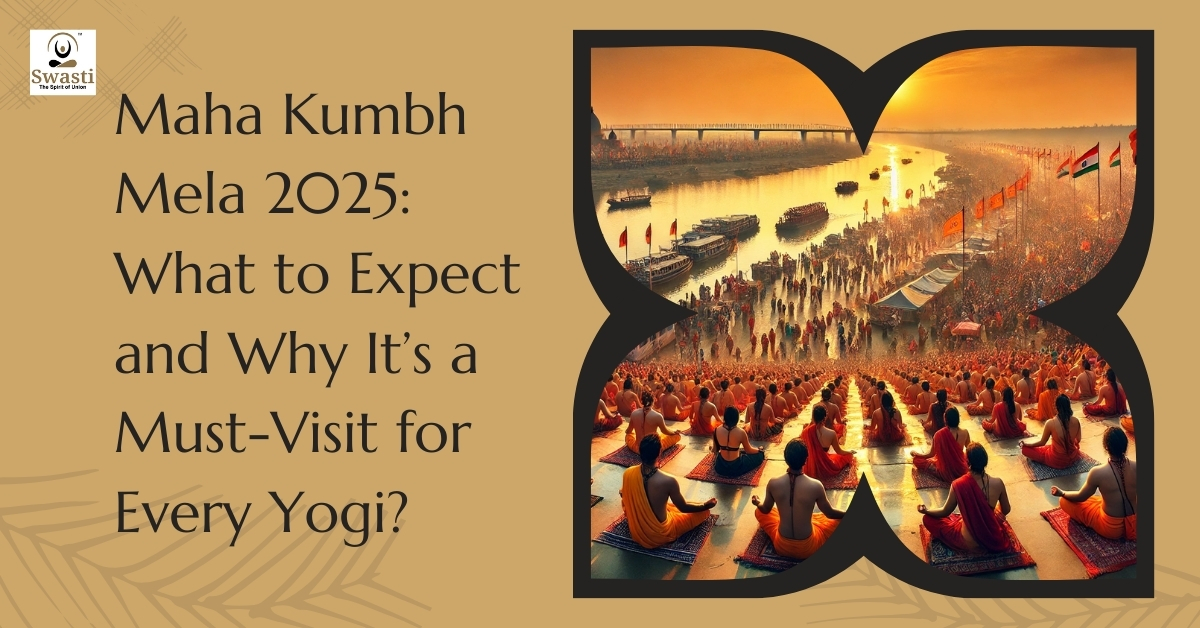
The Maha Kumbh Mela, often referred to as the “World’s Largest Gathering of Humanity,” is an extraordinary spiritual and cultural event that has been celebrated for thousands of years. This grand gathering, held every 12 years, attracts millions of pilgrims, spiritual seekers, and tourists from around the globe. The 2025 Maha Kumbh Mela in Prayagraj is set to be a spectacular confluence of devotion, tradition, and self-discovery. For yogis and spiritual enthusiasts, the Maha Kumbh Mela offers a unique opportunity to witness the power of collective consciousness and immerse themselves in ancient traditions. The Historical and Spiritual Importance of Maha Kumbh Mela The Maha Kumbh Mela is one of Hinduism’s most significant spiritual gatherings, celebrated every 12 years at the Triveni Sangam in Prayagraj, where the Ganga, Yamuna, and the mythical Saraswati rivers converge. Its origins are deeply rooted in Hindu mythology, particularly the legend of Samudra Manthan (churning of the ocean), during which drops of Amrit (nectar of immortality) spilled at four locations: Prayagraj, Haridwar, Ujjain, and Nashik. These sites became sacred, hosting the Kumbh Mela on a rotational basis. The Maha Kumbh Mela is especially rare and auspicious, occurring once every 144 years at Prayagraj. The event holds profound spiritual importance. Pilgrims believe bathing in the holy waters during this time purifies the soul, absolves sins, and brings one closer to moksha (spiritual liberation). The festival also aligns with specific celestial configurations of the Sun, Moon, and Jupiter, which are believed to enhance spiritual energy. Rituals such as the Shahi Snan (royal bath) by ascetics and devotees symbolize purification and renewal. Beyond its religious significance, the Maha Kumbh Mela is a cultural phenomenon. It attracts millions of people from diverse backgrounds, including saints, ascetics, and international visitors. The event serves as a platform for spiritual discourses, yoga practices, devotional music, and charitable acts like food distribution (annadan). It embodies India’s rich heritage and values of unity and faith while offering participants a transformative experience of introspection and spiritual awakening What Makes Maha Kumbh Mela 2025 Special? The Maha Kumbh Mela 2025 is unique due to its rare celestial alignments that enhance its spiritual significance. Astrologically, the event coincides with auspicious planetary configurations, making it an ideal time for spiritual activities like meditation, rituals, and prayer. Highlights of the 2025 Event: Scale and Participation: Over 100 million devotees, including saints, spiritual leaders, and international visitors, are expected to gather. Enhanced Infrastructure: Authorities are making frequent improvements in sanitation, transportation, and accommodations to accommodate a massive influx of pilgrims. Global Appeal: The event is a melting pot of cultures, traditions, and spiritual practices, with visitors from all corners of the world. Sustainability Focus: Special efforts are being made to reduce the event’s environmental impact, including eco-friendly initiatives and waste management programs. The vibrancy and energy of the Maha Kumbh Mela 2025 promise to create a once-in-a-lifetime experience for all attendees. Why It’s a Must-Visit for Every Yogi? For yogis, the Maha Kumbh Mela is more than just a religious festival—it is a profound spiritual retreat. Here are some reasons why every yogi should consider attending: 1. Connect with the Roots of Yoga The Kumbh Mela embodies the ancient spiritual traditions that form the foundation of yoga. Attending the event allows yogis to explore the origins of their practice and deepen their understanding of yoga’s holistic philosophy. 2. Learn from Spiritual Masters The gathering brings together revered saints, gurus, and yogis from across India and beyond. It offers an unparalleled opportunity to learn from their wisdom through satsangs, discourses, and personal interactions. 3. Experience Collective Energy The sheer magnitude of millions of people meditating, praying, and chanting together creates a powerful collective energy. This environment amplifies the meditative and transformative aspects of yoga. 4. A Unique Spiritual Detox Participating in rituals like the holy dip at the Triveni Sangam and engaging in mindfulness practices amidst the sacred ambiance fosters a deep sense of renewal and clarity. For yogis seeking to expand their spiritual horizons and connect with their inner selves, the Maha Kumbh Mela is an unmissable experience. Experiencing Maha Kumbh Mela as a Spiritual Seeker The Maha Kumbh Mela offers unparalleled opportunities for self-reflection, spiritual growth, and cultural immersion. The event’s atmosphere—filled with devotional chants, the aroma of incense, and the serene presence of the Sangam—creates an ideal setting for personal transformation. Key Activities to Experience: Holy Dip (Ganga Snan): Taking a dip at the Triveni Sangam is a central ritual of the Kumbh Mela. It is believed to cleanse the soul and connect individuals to divine energy. Satsangs and Discourses: Spiritual leaders and gurus from around the world conduct discourses on various topics, including self-realization, ancient Indian philosophies, and the essence of life. Cultural Immersion: The Kumbh Mela is a celebration of India’s rich cultural heritage, with devotional music, dance performances, and vibrant art exhibitions. Meditation and Reflection: The serene environment of the Sangam is perfect for meditative practices and mindfulness exercises. The Maha Kumbh Mela serves as a space where spiritual seekers can connect with their inner selves, gain clarity, and experience the profound energy of collective devotion. Practical Information for Visitors Attending the Maha Kumbh Mela requires careful planning to ensure a safe and enriching experience. Here are some tips to help you prepare: 1. Travel and Accommodation Reaching Prayagraj: The city is well-connected by air, rail, and road. Early bookings are essential to avoid last-minute hassles. Accommodation Options: From budget tents to luxurious campsites, there is a wide range of options to suit different preferences. Staying close to the event grounds is recommended for convenience. 2. Health and Safety Carry essentials like water bottles, snacks, and first-aid supplies. Wear comfortable clothing and footwear suitable for long walks and varying weather conditions. Stay hydrated and follow hygiene practices to ensure well-being during your visit. 3. Event Guidelines Be mindful of the large crowds and follow local authorities’ instructions for safety. Respect the sanctity of the event and the customs of fellow pilgrims. Plan your schedule to

Read More »
Maha Kumbh Mela 2025 Spiritual Importance for Yogis

Maha Kumbh Mela 2025: Spiritual Importance for Yogis

Have you ever felt the pull of a spiritual journey so strong that it brings millions of people together? That’s exactly what the Maha Kumbh Mela offers—a once-in-a-lifetime event where spiritual seekers from all over the world gather to bathe in sacred waters, meditate, practice yoga, and seek divine blessings. The Maha Kumbh Mela 2025, held in Prayagraj (formerly Allahabad) from January 13th to February 26th, promises to be an extraordinary event that offers deep spiritual insights and transformation. At Swasti Yoga Center, we are thrilled to participate in this sacred gathering from February 7th to 11th, alongside the Indian Yoga Association. We invite all yogis to join us in the spiritual heart of India for an experience like no other. The Historical and Spiritual Significance of the Kumbh Mela The origins of the Kumbh Mela go back to ancient times when the gods and demons fought for the nectar of immortality. Some of the nectar spilled over during the battle in four locations—Prayagraj, Haridwar, Nashik, and Ujjain—making these places sacred. These locations are now home to the Kumbh Mela, a festival that takes place every 12 years, with a smaller version, the Ardh Kumbh, occurring every six years in Prayagraj and Haridwar. The Kumbh Mela is not just a celebration; it’s a sacred event where millions come to wash away their sins and seek spiritual renewal. It is believed that the water in the rivers turns into nectar due to the alignment of the stars, making the act of bathing a deeply purifying ritual. For yogis, this festival is a powerful opportunity to cleanse the body, mind, and soul. Why the Maha Kumbh Mela is Important for Yogis? For yogis, the Kumbh Mela represents a unique chance to connect with the divine, align oneself with cosmic energy, and deepen their practice. The festival is much more than a mere religious gathering; it is a place where yoga and meditation merge with the power of the sacred rivers, creating a potent atmosphere for transformation. At the heart of the Mela lies the holy ritual of bathing in the river, which symbolizes the washing away of impurities. But the Kumbh Mela also serves as a venue for yogic practices, where practitioners from all over the world come to meditate, practice asanas, and connect with like-minded souls. The spiritual energy during the Mela is palpable, and for those engaged in yoga, it becomes a place for deep reflection and rejuvenation. The Role of Sacred Bathing and Yoga at the Kumbh Mela The main event of the Kumbh Mela is the “Shahi Snan” (royal bath), where millions of people immerse themselves in the holy rivers. This act is believed to purify the body and cleanse the soul, bringing participants one step closer to salvation. For yogis, this ritual has an even deeper significance. The water is said to carry divine energy, making it the perfect complement to any yogic practice. Alongside the holy bath, yoga, and meditation play an essential role in the spiritual experience at the Kumbh Mela. Swasti Yoga Center, along with other spiritual organizations, will be offering classes and meditation sessions throughout the event. This is a rare opportunity to practice yoga in a sacred space, where the collective energy of millions of people enhances your own practice, helping you connect with the divine and amplify your spiritual growth. Kumbh Mela: A Gathering of Yogic Wisdom The Kumbh Mela is not only about rituals; it’s also a gathering of yogis, sages, and spiritual leaders from around the world. It’s a space where knowledge is exchanged, teachings are shared, and deep spiritual connections are made. For yogis, it’s an opportunity to meet revered masters, exchange wisdom, and deepen their understanding of yoga and spirituality. The Mela offers countless workshops, satsangs, and teachings that cater to yogis of all levels. Whether you’re looking for guidance from a guru or want to learn a new aspect of your practice, the Kumbh Mela is the perfect place to grow spiritually and connect with the larger yogic community. The Sacred Energy of the Mela: A Spiritual Awakening One of the most unique aspects of the Kumbh Mela is the sacred energy that fills the air. The event is known for its extraordinary vibrational power, which can deeply affect those who come to the festival. Yogis often find that the energy of the Mela amplifies their practices, making it an ideal environment for personal growth, transformation, and spiritual awakening. The energy at the Kumbh Mela comes from the holy rivers, the rituals, and the millions of people gathered in one place, all contributing to the sacred vibration. For yogis, this energy provides an opportunity to go deeper into meditation, refine one’s practice, and experience profound moments of inner peace and connection. Maha Kumbh Mela 2025: A Global Gathering for Yogis The Maha Kumbh Mela is not just a local event; it’s a global gathering of spiritual seekers, yogis, and devotees. In 2025, millions of people from around the world will come to Prayagraj to witness and participate in this historic occasion. People from all cultures and backgrounds will come together to experience the divine energy and spiritual wisdom that the Kumbh Mela offers. For yogis, the 2025 Mela represents a rare opportunity to join a global community of practitioners, share spiritual experiences, and learn from some of the world’s most respected yoga teachers. It’s a chance to expand your practice, deepen your understanding, and connect with a network of spiritual seekers from around the world. How to Prepare for the Maha Kumbh Mela 2025? As the Kumbh Mela approaches, it’s important to prepare yourself both physically and mentally. Engage in a regular yoga and meditation practice to build strength, flexibility, and mindfulness. Detoxify your body and focus on clearing your mind to prepare for the deep spiritual work that the Mela offers. Mentally, set clear intentions for your experience. Whether it’s deepening your meditation practice, seeking guidance from a spiritual teacher, or connecting with fellow

Read More »
The Rise of Yoga in Saudi Arabia Nouf Al-Marwaai’s Inspiring Legacy

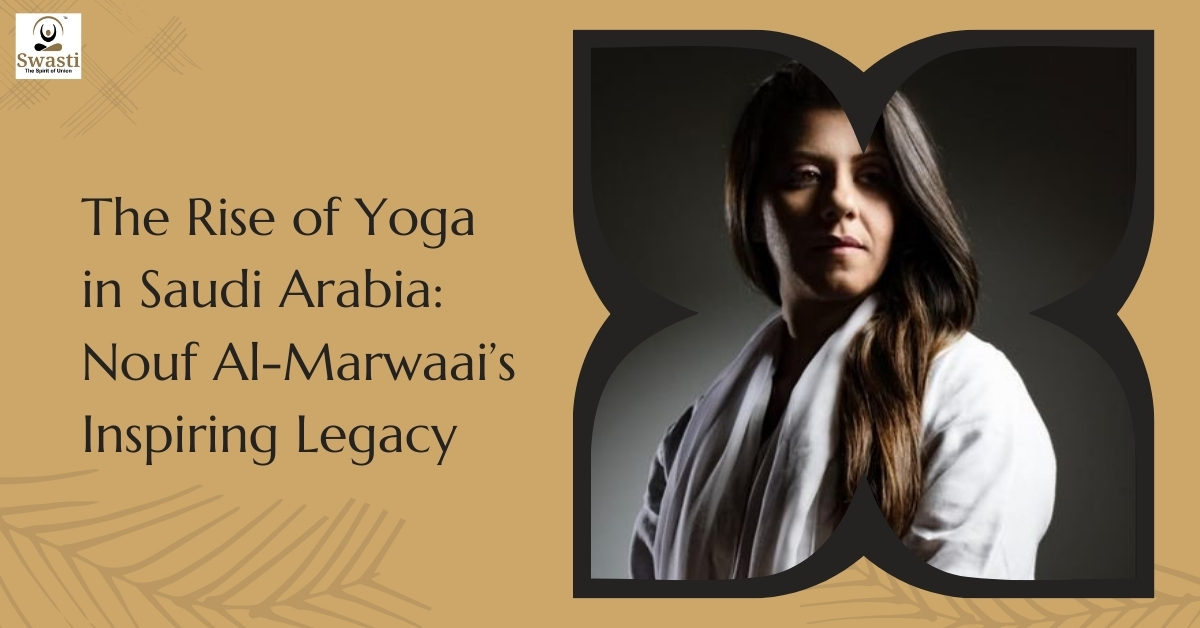
The Rise of Yoga in Saudi Arabia: Nouf Al-Marwaai’s Inspiring Legacy

Yoga, once a foreign concept in Saudi Arabia, has gained considerable momentum in the Kingdom over the past two decades. This transformation can largely be attributed to one woman: Nouf Al-Marwaai. As the first certified yoga instructor in Saudi Arabia, Nouf has played a key role in making yoga an accepted practice, not only within the country but across the Arab world. Her dedication and efforts have earned her widespread recognition, including a prestigious honor from the Indian government. Nouf Al-Marwaai: A Pioneer of Yoga in Saudi Arabia Nouf Al-Marwaai’s journey in yoga began in 1998 when she sought alternative methods to improve her health. At the time, yoga was virtually unknown in Saudi Arabia, and wellness options were limited. Discovering yoga helped her physically, emotionally, and mentally, offering a holistic approach to self-care that was rare in the Kingdom. In 2004, driven by her passion for yoga, Nouf traveled to India to become the first Saudi woman to receive a formal yoga certification. At that time, yoga was still seen as unconventional in Saudi Arabia, and she faced challenges. Despite these challenges, Nouf’s commitment to deepening her practice led her to bring yoga back to Saudi Arabia. Upon returning, she encountered resistance but remained dedicated to introducing yoga to others. Teaching in private gatherings, she worked tirelessly to show how yoga could enhance people’s mental and physical health without conflicting with cultural and religious values. Nouf’s perseverance marked the beginning of a yoga movement in Saudi Arabia. Founding the Arab Yoga Foundation In 2004, Nouf Al-Marwaai began teaching yoga in Jeddah under the name Saudi Arabia Yoga School, marking the first steps in her mission to introduce yoga to Saudi Arabia. By 2010, as the practice began to spread across the Arab world, the school evolved into the Arab Yoga Foundation. This expansion reflected the growing demand for yoga training and the recognition of its benefits beyond just fitness. Over the years, the Arab Yoga Foundation has made significant strides, with over 10,000 students and 700 certified yoga instructors across Saudi Arabia by 2019. In 2017, the Foundation achieved a major milestone when the General Sports Authority of Saudi Arabia officially approved Yoga Day celebrations. This recognition helped further integrate yoga into the Kingdom’s cultural and wellness landscape, solidifying its place as a respected practice for physical and mental well-being. Yoga’s Official Recognition in Saudi Arabia One of Nouf’s most significant achievements was her tireless work toward the official recognition of yoga in Saudi Arabia. For years, she advocated for the integration of yoga into the country’s fitness landscape, despite initial resistance. Her efforts culminated in 2021 when yoga was officially recognized as a sport by the Ministry of Sports. This landmark achievement also led to the creation of the Saudi Yoga Committee under the Saudi Arabian Olympic Committee, solidifying yoga’s place in the Kingdom’s wellness sector. This success was a major milestone, not only for Nouf but for the entire yoga community in Saudi Arabia, marking the practice’s acceptance on both a cultural and governmental level. Nouf Al-Marwaai’s Strong Connection with India Nouf Al-Marwaai’s journey with yoga is deeply connected to India, where she first trained in 2004. As the first certified yoga instructor in Saudi Arabia, her experience in India laid the foundation for her pioneering work in spreading yoga across the Arab world. In 2018, Nouf’s efforts were recognized by the Indian government with the prestigious Padma Shri Award, one of India’s highest civilian honors. This recognition highlights the significant role India played in shaping her yoga practice and how she continues to share its benefits globally. For Nouf, India remains a key source of inspiration in her mission to promote yoga’s transformative power. Nouf Al-Marwaai at the International Yoga Conference on Sustainability Nouf’s influence extends beyond Saudi Arabia, as she continues to speak at high-profile international events. Nouf Al-Marwaai is set to speak at the International Yoga Conference on Sustainability, organized by the UAE Sports For All Federation and Swasti Yoga Center in Dubai. This conference aims to highlight how ancient practices like yoga can offer modern solutions for pressing global issues such as climate change and sustainable living. By focusing on yoga’s role in promoting sustainability, the event will explore how holistic practices can contribute to environmental and social well-being. Nouf will be sharing her insights on “Empowering Women Through Yoga: Strength, Resilience & Leadership.” In her talk, she will discuss how yoga can be a powerful tool for empowering women, fostering leadership, and cultivating resilience. The conference provides a valuable platform for global leaders, government representatives, and policy experts to engage in meaningful discussions on sustainability and yoga’s potential to drive positive change. The Growth of Yoga in Saudi Arabia Since Nouf’s pioneering efforts, the practice of yoga has gained widespread popularity in Saudi Arabia. Yoga is no longer viewed as an outsider’s practice but has become an integral part of the Kingdom’s wellness culture. Across the country, more and more people are embracing yoga as a means of improving their health, with yoga studios and wellness centers now commonplace. Additionally, through her Nouf Sports Academy, Nouf continues to educate and train the next generation of yoga instructors, ensuring the growth of a knowledgeable and passionate yoga community in Saudi Arabia. Her work aligns with the country’s Vision 2030, which encourages healthy living and wellness as a priority for its citizens. Bottom Line: Nouf Al-Marwaai’s Enduring Legacy Nouf Al-Marwaai’s contributions to the growth of yoga in Saudi Arabia have made her a trailblazer in the fitness and wellness communities. From founding the Arab Yoga Foundation to advocating for the official recognition of yoga in Saudi Arabia, her efforts have had a profound impact on the cultural landscape of the Kingdom. Her recognition on the global stage, including her Padma Shri award, speaks volumes about the significance of her work. As yoga continues to grow in Saudi Arabia, Nouf’s legacy will inspire generations to come, encouraging people to adopt healthier lifestyles and fostering

Read More »
Dubai A Rising Hub for Yoga, Sustainability, & Cultural Exchange

Dubai: A Rising Hub for Yoga, Sustainability, & Cultural Exchange

Dubai has long been recognized as a global center for commerce and luxury, but it is now gaining recognition as a hub for yoga, sustainability, and civilizational cultural exchange. As the city aligns itself with global efforts to tackle climate change, promote peace, and foster cross-cultural understanding, yoga is playing an increasingly significant role in shaping this transformation. The upcoming Yoga and Sustainability Conference in Dubai is a prime example of how ancient practices like yoga can address modern challenges, bringing together diverse perspectives to create a harmonious and sustainable future for the world. Bahr al-Hayat: A Historic Connection Between Civilizations While Dubai’s contemporary yoga movement is flourishing, the roots of yoga’s influence within Islamic civilizations stretch back centuries. One of the earliest examples of this cultural exchange is the Bahr al-Hayat (The Ocean of Life), a Persian text that is essentially a translation of a Sanskrit work on Hatha Yoga. Translated in the 16th century by the Sufi scholar Muhammad Ghawth Gwaliori, this text introduced yogic postures, breathing exercises, and philosophies to a Persian-speaking audience, blending Indian spiritual practices with Sufi mysticism. This early civilizational exchange through yoga illustrates how the practice has historically served as a bridge between cultures and spiritual traditions. Today, as Dubai hosts conferences like the Yoga and Sustainability event, the city is continuing this legacy of cross-cultural collaboration, bringing yoga to a broader audience and highlighting its relevance in the modern world. Dara Shikoh: A Legacy of Intellectual and Spiritual Exchange Between Civilizations One of the most influential figures in civilizational exchange was Dara Shikoh, a 17th-century Mughal prince who sought to bridge the mystical traditions of different cultures, including Hinduism and Islam. His translation of 50 Upanishads into Persian, collectively known as Sirr-i-Akbar (The Great Secret), played a crucial role in making Hindu spiritual wisdom accessible to the Islamic world. His work laid the foundation for a shared spiritual and philosophical understanding, emphasizing the unity of religious thought across civilizations. Dara Shikoh’s efforts mirror the spirit of the upcoming conference in Dubai, which seeks to bring together diverse traditions to promote peace and sustainability. Just as Dara Shikoh sought to reconcile different spiritual practices, the Yoga and Sustainability Conference aims to demonstrate how yoga can be a tool for environmental stewardship, cultural harmony, and global peace. Yoga and Sustainability: A Modern Vision for Civilizational Collaboration The connection between yoga and sustainability is more relevant today than ever before. As the world grapples with climate change, pollution, and environmental degradation, yoga offers a holistic framework for addressing these challenges. The principles of yoga—mindfulness, balance, and interconnectedness—align seamlessly with the goals of sustainability, promoting practices that reduce waste, conserve energy, and foster ecological awareness. The Yoga and Sustainability Conference in Dubai will highlight how yoga can be integrated into the global sustainability movement, with a particular focus on its relevance to various civilizations. The conference will explore how the teachings of yoga can inspire individuals and communities to adopt sustainable lifestyles, reduce their environmental impact, and advocate for policies that address climate change. Kalila wa Dimna: Cultural Exchange Through Storytelling Across Civilizations One of the most enduring examples of civilizational exchange is the Kalila wa Dimna, the Arabic translation of the ancient Indian text Panchatantra. Originally a Sanskrit collection of fables, the Panchatantra was translated into Middle Persian and later into Arabic, becoming a cornerstone of Arabic literature. The fables provided valuable lessons on governance, ethics, and wisdom, blending Indian philosophy with Arabic literary traditions. Today, as yoga and sustainability take center stage in Dubai, this tradition of civilizational exchange continues. The upcoming launch of Kalila wa Dimna in Arabic in Dubai will serve as a symbol of the enduring connections between diverse cultures. Much like the fables of Kalila wa Dimna conveyed practical wisdom through storytelling, the teachings of yoga are now being shared across civilizations to address contemporary challenges like climate change and sustainability. Yoga for Peace and Climate Action Across Civilizations In addition to its role in promoting sustainability, yoga is also emerging as a powerful tool for peace. The practice of yoga fosters inner peace, which naturally extends to peaceful coexistence with others and the environment. This holistic approach is crucial in a world facing both environmental challenges and socio-political complexities. The Yoga and Sustainability Conference will emphasize how yoga can be a catalyst for climate action and peacebuilding across civilizations. By encouraging mindfulness and responsibility toward nature, yoga can inspire individuals to take concrete steps toward environmental conservation, whether through reducing carbon footprints, conserving water, or supporting renewable energy initiatives. In this way, yoga serves as a unifying force, promoting both ecological resilience and peaceful coexistence. A Global Step Towards Sustainability Through Yoga Dubai’s transformation into a hub for yoga and sustainability reflects the city’s forward-thinking vision and commitment to global well-being. Through events like the 1st International Yoga Conference on Sustainability, organized by Swasti Yoga Center in collaboration with the UAE Sports For All Federation, the city is fostering a deeper understanding of how ancient practices like yoga can address modern challenges such as climate change and social justice. This groundbreaking event will take place in Dubai and bring together global leaders, yoga practitioners, environmental advocates, and spiritual thinkers. It will explore how yoga can drive sustainability efforts, promote cross-cultural understanding, and foster peace across civilizations. As Dubai leads the way in integrating yoga into sustainability efforts, it offers a model for other regions, demonstrating how cultural exchange and ancient wisdom can be harnessed to create a more peaceful and sustainable world.  

Read More »
Celebrate Diwali in Pune Light Up Your Yoga Journey with Local Festivals

Celebrate Diwali in Pune: Light Up Your Yoga Journey with Local Festivals

Diwali, known as the Festival of Lights, is one of India’s most cherished celebrations. It’s a time of joy, togetherness, and the triumph of light over darkness. Much like yoga, Diwali promotes inner peace, self-reflection, and spiritual growth. When combined, these two elements create a powerful experience of both external celebration and internal enlightenment. For those in Pune, Diwali offers a unique opportunity to blend the city’s rich cultural heritage with the serenity of yoga. Pune, often regarded as a spiritual hub, provides an ideal backdrop for both festivities and deepening one’s yoga practice. In this blog, we’ll explore how to celebrate Diwali in Pune while staying connected to your yoga journey. Why Pune is a Special Place to Celebrate Diwali? Pune is not just a city of historical importance; it is also a vibrant center for cultural and spiritual activities. During Diwali, the city comes alive with a festive atmosphere—markets buzz with shoppers, streets are adorned with lights, and homes are beautifully decorated with rangoli (colorful art) and diyas (oil lamps). Pune’s cultural traditions make it a perfect place to experience Diwali at its finest. However, what sets Pune apart is its connection to spirituality. Many well-known yoga schools and ashrams have roots in Pune, making it a city where modern life and spiritual practice coexist harmoniously. The serene environment during Diwali celebrations offers a peaceful setting to practice yoga while embracing the spirit of the festival. Festivals and Yoga: Embracing Inner Light Diwali is a celebration of light—the victory of good over evil, knowledge over ignorance, and hope over despair. Yoga, similarly, is a journey toward discovering one’s inner light, through the practice of mindfulness, discipline, and balance. This festive season is a reminder of the principles yoga teaches: calmness, focus, and the pursuit of inner peace. Just as lighting a diya illuminates your surroundings, yoga illuminates the mind and soul. The inner light that yoga nurtures within us complements the external lights that mark the Diwali festival. By embracing this connection, you can make Diwali not just a time of external celebration but also a period of internal renewal and reflection. Diwali Celebrations in Pune: A Journey for the Soul Pune’s Diwali celebrations are deeply rooted in tradition. From elaborate Lakshmi pujas (worship of the goddess of wealth) to spectacular fireworks displays, the city bursts with energy and excitement. But Diwali in Pune is more than just noise and lights—it’s an opportunity to connect with the deeper meaning of the festival. During this festive period, Pune’s local communities organize events that foster togetherness and unity. Whether it’s participating in community pujas, watching cultural performances, or simply taking a stroll through the beautifully lit streets, these activities can feel just as transformative as a yoga session. If you’re looking for a more spiritual experience, you can visit Pune’s ancient temples or historical sites, where the atmosphere is particularly serene during Diwali. Integrating Yoga Practice into Diwali Festivities While Diwali is a time for celebration, it can also be a time when routine goes off balance. Incorporating yoga into your daily activities during the festival can help you stay grounded and connected to your inner self. Here are some practical ways to blend your yoga practice with the festive spirit of Diwali: Morning Yoga: Start your day with a simple yoga session, focusing on pranayama (breathing exercises) and meditation. This will bring calmness and clarity to help you manage the hustle and bustle of the festivities. Focus on Balance: Try incorporating balancing poses like Tree Pose or Warrior III to bring mental focus and stability, essential during the excitement of Diwali. Yoga Nidra: At the end of the day, unwind with Yoga Nidra (yogic sleep), a deeply relaxing meditation practice that will help you recharge and reflect on the day’s celebrations. Yoga allows you to fully immerse yourself in the spirit of Diwali while maintaining inner peace and balance. It creates a bridge between the festive external environment and your internal journey. How Swasti Yoga Center Helps You Light Up Your Yoga Journey Swasti Yoga Center in Pune is a renowned institution dedicated to traditional and holistic yoga practices. During the Diwali season, it’s an excellent place to deepen your yoga experience while being part of the city’s cultural celebrations. Swasti Yoga Center offers a wide range of Yoga Teacher Training Courses (TTC), certified by AYUSH, for those looking to become skilled yoga instructors. Whether you are a beginner or an experienced practitioner, Swasti’s programs are designed to provide a comprehensive understanding of yoga’s physical, mental, and spiritual aspects. By blending yoga with cultural immersion, Swasti Yoga Center provides a unique learning environment. The center emphasizes the importance of integrating traditional yoga philosophies with modern teaching techniques, creating a holistic approach to health and well-being. During Diwali, this is particularly meaningful, as the themes of light, renewal, and spiritual awakening are at the heart of both the festival and yoga practice. Embrace the Festival of Lights – With Yoga! As Diwali approaches, take this opportunity to reflect on your yoga journey and how it aligns with the festival’s deeper meaning. Diwali is a time for inner and outer transformation—a time to embrace the light within and around us. By incorporating yoga into your Diwali celebrations, you can enhance your physical, mental, and spiritual well-being. Swasti Yoga Center invites you to explore this beautiful intersection of yoga and Diwali in Pune. Whether you’re attending one of their teacher training courses or simply looking to deepen your practice, Swasti Yoga Center offers the perfect environment to light up your yoga journey. This Diwali, let the light within you shine brighter with yoga as your guide.

Read More »
Exploring Indian Culture Through Yoga for Expats in Pune

Exploring Indian Culture Through Yoga for Expats in Pune

As an expat in Pune, India, the cultural richness of the city can be both fascinating and overwhelming. From vibrant festivals to ancient traditions, Pune offers a unique window into the heart of India. One of the best ways to truly experience and connect with this rich heritage is through the practice of yoga. Rooted deeply in Indian culture, yoga provides an opportunity to not only improve your physical and mental well-being but also to immerse yourself in the spiritual and philosophical aspects of Indian life. For expats seeking to integrate into the local culture, yoga offers the perfect gateway. The Deep Roots of Yoga in Indian Culture Yoga has been an integral part of Indian culture for over 5,000 years. It’s more than just a physical practice—it is a holistic discipline that encompasses physical, mental, and spiritual growth. The word “yoga” itself means union, symbolizing the connection between the mind, body, and spirit. For many Indians, yoga is a way of life, reflecting the country’s philosophy of balance, peace, and harmony. Practicing yoga in India allows you to experience its cultural essence firsthand. In Pune, the ancient tradition of yoga thrives in various centers that focus not just on the physical aspects but also on meditation, breathing techniques, and the understanding of Indian philosophy. Through yoga, expats can explore the deeper meanings of life, spirituality, and cultural mindfulness. Why Expats in Pune are Choosing Yoga? For many expats, moving to a new country brings both excitement and challenges. Pune, known as an educational and cultural hub, attracts a large international community. However, adapting to new environments and cultural norms can sometimes feel overwhelming. This is where yoga can play a crucial role. Expats in Pune are increasingly turning to yoga as a way to maintain mental clarity, relieve stress, and understand Indian traditions. Yoga helps individuals reconnect with themselves and their surroundings, making it easier to adapt to life in a new city. Furthermore, learning yoga from a certified center allows expats to experience Indian culture authentically, blending physical wellness with spiritual enlightenment. Exploring Pune’s Yoga Scene: A Cultural Journey Pune has a long-standing history with yoga, being home to various yoga centers and retreats that promote traditional practices. The city’s yoga scene is diverse, ranging from large-scale institutions to intimate workshops that focus on individual growth. As an expat, joining this community offers more than just yoga—it opens a door to experiencing India’s rich cultural heritage. Yoga centers in Pune also organize activities such as Satsang (spiritual discussions), kirtans (devotional songs), and meditation sessions, providing expats with a holistic cultural experience. Many yoga retreats in and around Pune allow practitioners to escape the hustle and bustle of city life, diving deep into personal development and cultural understanding. How Yoga Helps Expats Adapt to Life in Pune? Adjusting to a new culture can be challenging for anyone, especially for expats. Yoga serves as a powerful tool in helping individuals find balance, mindfulness, and a sense of belonging. In Pune, yoga is more than just a fitness regime—it’s a way to foster inner peace and strengthen mental resilience. Reduces Stress: Yoga helps expats manage the stress of adjusting to a new environment, promoting mental calmness and emotional stability. Improves Focus: Regular practice enhances concentration, aiding in better decision-making and productivity during the adjustment phase. Cultivates Mindfulness: Yoga encourages mindfulness, allowing expats to live in the present moment, easing feelings of overwhelm. Promotes Balance: It helps individuals maintain a balance between personal and professional life while adapting to new cultural norms. Builds Community: Through yoga classes, expats can connect with a supportive community of like-minded individuals, creating a sense of belonging. Boosts Physical Health: Regular yoga practice improves physical fitness and flexibility, helping expats stay energized and healthy while adapting to a new lifestyle. Fosters Cultural Connection: Practicing yoga in India gives expats insight into Indian spirituality and traditions, enriching their understanding of local culture. Swasti Yoga Center: Your Gateway to Authentic Indian Yoga Swasti Yoga Center in Pune offers a comprehensive approach to yoga, embracing the true spirit of Indian culture. At Swasti, yoga is more than just physical postures—it’s about connecting with the ancient traditions that define Indian spirituality and wellness. Our center welcomes expats to explore Indian culture through various enriching activities and programs. Embracing Indian Culture at Swasti Yoga Center At Swasti Yoga Center, we integrate the essence of Indian culture into our practices through diverse activities: Festivals and Cultural Events: We actively participate in Indian festivals, providing expats the chance to celebrate and understand the deeper meanings behind them. Whether it’s Diwali, Holi, or Ganesh Chaturthi, our community events offer a vibrant introduction to Indian traditions. Holistic Retreats: Our retreats allow practitioners to dive deep into yoga and meditation while also learning about India’s natural beauty and spiritual heritage. Set in peaceful surroundings, these retreats offer the perfect escape to rejuvenate both body and mind. Ayurveda Consultations: Ayurveda, India’s ancient system of medicine, is a core aspect of our offerings. We provide personalized Ayurveda consultations for those looking to balance their body’s energies through diet, herbal remedies, and lifestyle practices. Yoga Teacher Training Courses (TTC): Swasti offers AYUSH-certified TTC courses for those interested in becoming yoga instructors. Our courses emphasize the authentic teachings of yoga, combining physical practice with an understanding of Indian philosophy, ensuring a well-rounded experience. Through these activities, Swasti Yoga Center offers expats an authentic and enriching journey into Indian culture, helping them embrace not just the practice of yoga but also the lifestyle it promotes. Experience the True Spirit of India Through Yoga For expats living in Pune, yoga presents a unique opportunity to not only improve personal well-being but also to immerse themselves in Indian culture. The practice of yoga transcends physical exercise, offering insights into the spiritual and philosophical traditions that define India’s heritage. At Swasti Yoga Center, we invite expats to join our community and explore the beauty of Indian culture through our various programs, retreats, and workshops.

Read More »
Navratri Nights Dancing Through Pune’s Festivals While Mastering Yoga

Navratri Nights: Dancing Through Pune’s Festivals While Mastering Yoga

Navratri, a festival that spans nine nights, is a celebration of the divine feminine energy in India. In Pune, this vibrant festival brings a wave of cultural and spiritual activities that transform the city into a lively canvas of tradition and festivity. Simultaneously, for those on a journey of self-discovery and spiritual growth, mastering yoga offers a path to inner peace and transformation. The synergy between the energetic celebrations of Navratri and the disciplined practice of yoga creates a unique opportunity for profound personal growth. This blog explores how you can immerse yourself in Pune’s festive ambiance while deepening your yoga practice, blending cultural celebration with spiritual discipline. Navratri in Pune: A Cultural and Spiritual Celebration Navratri in Pune is a spectacular affair. The city’s streets are adorned with colorful lights, elaborate decorations, and lively music. Each night is dedicated to different forms of the goddess Durga, and the celebrations include traditional dance forms like garba and dandiya. These dances are not only a cultural highlight but also a joyous expression of devotion and community spirit. The vibrancy of Navratri provides a perfect backdrop for personal enrichment. The festival’s energy aligns well with the principles of yoga, creating an environment that is both stimulating and serene. For international students and visitors, Navratri offers a rich cultural experience, allowing them to engage deeply with Indian traditions while pursuing their yoga journey. The Intersection of Dance and Yoga: A Holistic Approach to Well-Being The dance forms celebrated during Navratri, such as garba and dandiya, involve rhythmic, flowing movements that resonate with the principles of yoga. Both dance and yoga emphasize the importance of fluid motion, rhythm, and mindfulness. During Navratri, the repetitive and graceful movements of these dances can enhance physical fitness and mental focus, much like yoga practice. Combining the rhythmic energy of dance with the mindful practice of yoga creates a holistic approach to well-being. The dance movements of Navratri complement yoga postures by promoting flexibility, strength, and coordination. This synergy not only enhances physical health but also nurtures mental clarity and emotional balance. Embracing this integration allows practitioners to experience a more profound sense of harmony and vitality. Yoga for Inner Balance During Festivities Festivals like Navratri bring an atmosphere of excitement and celebration, which can sometimes lead to overstimulation and imbalance. Yoga offers a counterbalance to this high-energy environment, helping practitioners maintain mental and physical equilibrium. Incorporating yoga into your daily routine during Navratri can help manage stress and promote relaxation. Techniques such as meditation and pranayama (breathing exercises) are especially beneficial. Meditation fosters mental calmness and clarity, while pranayama helps regulate the breath, which is essential for maintaining energy levels and emotional stability. Gentle yoga asanas can also aid in physical relaxation, reducing any tension that might arise from the festivities. Mastering Yoga Amidst Pune’s Festive Vibes For those seeking to deepen their yoga practice, Pune during Navratri offers an ideal setting. The city’s festive energy creates a dynamic environment for yoga teacher training programs. These programs provide a comprehensive approach to yoga, blending physical practice with philosophical teachings. Yoga teacher training courses in Pune offer the opportunity to engage with experienced instructors and practice in a culturally rich environment. The festive atmosphere of Navratri enhances the learning experience, providing inspiration and motivation for students. The training covers various aspects of yoga, including asanas, meditation, philosophy, and teaching techniques, enabling students to immerse themselves fully in their practice. Celebrating Navratri with Yoga Philosophy Navratri’s nine nights symbolize a period of transformation and renewal, themes that are central to yoga philosophy. The festival’s focus on the divine feminine and inner strength resonates with the core principles of yoga, which emphasize self-discovery, inner growth, and spiritual awakening. Yoga teaches that true transformation comes from within, aligning closely with the festival’s themes of devotion and personal growth. Celebrating Navratri provides a meaningful context for reflecting on these principles, and integrating the festival’s energy into your yoga practice. By connecting the festive spirit with yoga philosophy, you can deepen your understanding of both and enhance your overall experience. The Perfect Time for Transformation: Why Navratri is Ideal for Yoga Teacher Training Navratri is considered an auspicious period for personal and spiritual development. The festival’s emphasis on transformation and renewal makes it an ideal time to begin or deepen your yoga journey. The heightened energy and reflective nature of the festival complement the transformative aspects of yoga practice. Starting yoga teacher training during Navratri allows you to harness the festival’s positive energy and apply it to your personal growth. The combination of the festival’s vibrant atmosphere and the disciplined practice of yoga creates a powerful setting for transformation. This period offers a unique opportunity to embark on a journey of self-discovery and spiritual development. Conclusion: Dance, Celebrate, and Learn Yoga in Pune Pune’s Navratri celebrations provide a vibrant and enriching experience, creating an ideal backdrop for mastering yoga. By blending the cultural festivities with yoga practice, you can enjoy a holistic approach to personal growth and well-being. The festival’s energy enhances the yoga journey, making it a perfect time to explore both the cultural and spiritual aspects of Pune. Begin Your Transformative Journey with Swasti Yoga Center Embrace the magic of Pune’s festivals and deepen your yoga practice by joining a comprehensive yoga teacher training course at Swasti Yoga Center. Our programs offer the perfect balance of cultural immersion and professional growth, allowing you to celebrate Navratri while advancing your yoga journey. Join our Ayush certified yoga teacher training courses and take the first step toward a transformative experience.

Read More »
Why Yoga Deserves a Place in the Olympics & Other Multisport Events

Why Yoga Deserves a Place in the Olympics & Other Multisport Events?

Yoga has gained immense popularity worldwide, yet it remains absent from major competitive platforms like the Olympics and other Multisport Events like the Asian Games. With its profound history, cultural significance, and numerous benefits, it’s time to ask why yoga isn’t included in these prestigious events. In this blog, we will explore why yoga deserves a place among the world’s elite sports and how it can enrich the spirit of these multisport events. The Deep Roots of Yoga Yoga is an ancient practice that originated in India over 5,000 years ago. It is not merely a physical exercise; it encompasses a philosophy that promotes mental and emotional well-being. “yoga” comes from the Sanskrit word “yuj,” which means to unite or join. This concept of unity is at the heart of yoga, emphasizing the connection between mind, body, and spirit. Historical Significance In ancient texts like the Yoga Sutras of Patanjali, the principles of yoga are outlined, focusing on ethics, mental discipline, and physical practices. Yoga was traditionally a spiritual discipline aimed at self-realization and enlightenment. Over the centuries, it has evolved and diversified into various styles and practices, each offering unique benefits. The Global Transformation Yoga began to spread to the West in the late 19th and early 20th centuries. Pioneers like Swami Vivekananda introduced yoga philosophy to a global audience, and today, millions of people practice yoga across the world. This global transformation has led to a greater understanding and appreciation of yoga as a holistic practice that can enhance overall well-being. The Essence of Yoga as a Sport When we think of sports, we often envision competitive environments focused on winning. However, yoga redefines this notion by emphasizing self-improvement, mindfulness, and balance. Here’s how yoga aligns with the core values of sports: Mindfulness and Focus Yoga teaches practitioners to be present in the moment. This mindfulness is crucial for athletes, helping them manage stress and enhance performance. By incorporating yoga into their training, athletes can cultivate mental clarity, leading to improved focus during competitions. Physical Benefits The physical practice of yoga builds strength, flexibility, and balance. Unlike many traditional sports, yoga encourages practitioners to listen to their bodies and move at their own pace. This approach can prevent injuries and promote long-term health. Emotional Resilience Yoga also fosters emotional well-being. The practice encourages self-acceptance and resilience, helping athletes cope with the pressures of competition. By learning to manage their emotions, athletes can maintain composure during high-stakes situations. The Growing Popularity of Yoga Statistics on Participation Yoga’s popularity has skyrocketed in recent years. According to recent studies, over 300 million people practice yoga worldwide, and this number continues to grow. From children to seniors, individuals of all ages and backgrounds are embracing yoga for its myriad benefits. Yoga Festivals and Competitions Yoga festivals and competitions are becoming increasingly popular, showcasing talented practitioners from around the world. Events like the International Yoga Sports Federation’s championships highlight the skills and dedication of yoga athletes. These competitions provide a platform for practitioners to demonstrate their abilities, further establishing yoga as a competitive practice. Why Yoga Deserves Olympic Recognition? A. Inclusivity and Diversity One of the most beautiful aspects of yoga is its inclusivity. Unlike many traditional sports that require specific physical attributes or skills, yoga welcomes everyone. People of all ages, sizes, and backgrounds can practice yoga, making it a truly universal activity. B. Mental and Emotional Well-Being The importance of mental health in sports cannot be overstated. Yoga offers valuable tools for managing stress, anxiety, and pressure—issues that many athletes face. By including yoga in the Olympics and the other Multisport Events, we promote the message that mental well-being is just as vital as physical performance. C. Cultural Significance Yoga is deeply rooted in various cultures and traditions. Its inclusion in the Olympics, the Asian Games, and other Multisport Events would honor this rich heritage and promote cultural exchange. Imagine athletes from around the world showcasing their unique yoga styles at these events, celebrating diversity while fostering global unity. Addressing Misconceptions About Yoga as a Sport Overcoming Skepticism Despite its benefits, some skeptics argue that yoga isn’t a “real” sport. This misconception often stems from a lack of understanding of what yoga truly entails. Yoga is not merely stretching or relaxation; it requires discipline, skill, and practice. Standardization of Competition For yoga to be recognized as a sport, it must be standardized. Establishing clear rules and formats for competitions would help legitimize yoga as a competitive practice. This could include various categories, such as individual performances, team competitions, or even collaborative displays. A Vision for Yoga in the Olympics and Asian Games Imagining the Olympic and Asian Games Stage Picture a vibrant Olympic arena or an Asian Games venue where athletes showcase their yoga skills. Each competitor could perform a sequence of postures that highlight their strength, flexibility, and grace. Judges would evaluate not only the physical execution but also the mindfulness and presence displayed during the performance. Integration with Other Sports Yoga can complement other Olympic and Asian Games sports as well. Many athletes from various disciplines already incorporate yoga into their training routines to enhance flexibility, strength, and focus. By recognizing yoga as a sport, these events could promote a more holistic approach to athletic training. Learning from Other Non-Traditional Sports The Olympics have successfully integrated non-traditional sports like skateboarding and surfing. These sports have gained immense popularity and attracted younger audiences. Similarly, yoga could bring a fresh perspective to these Games, appealing to a diverse range of spectators. The Benefits of Yoga for Athletes Enhancing Performance Incorporating yoga into training regimens can provide numerous benefits for athletes: Improved Flexibility: Increased flexibility can lead to better performance in various sports. Enhanced Strength: Many yoga poses require core strength, helping athletes build stability and power. Better Recovery: Yoga promotes relaxation and aids in recovery, reducing the risk of injuries. The Time is Now for Yoga in the Olympics and other Multisport Events In conclusion, yoga embodies the spirit of

Read More »
Top 5 Reasons to Experience Traditional Yoga During Your Trip to India

Top 5 Reasons to Experience Traditional Yoga During Your Trip to India

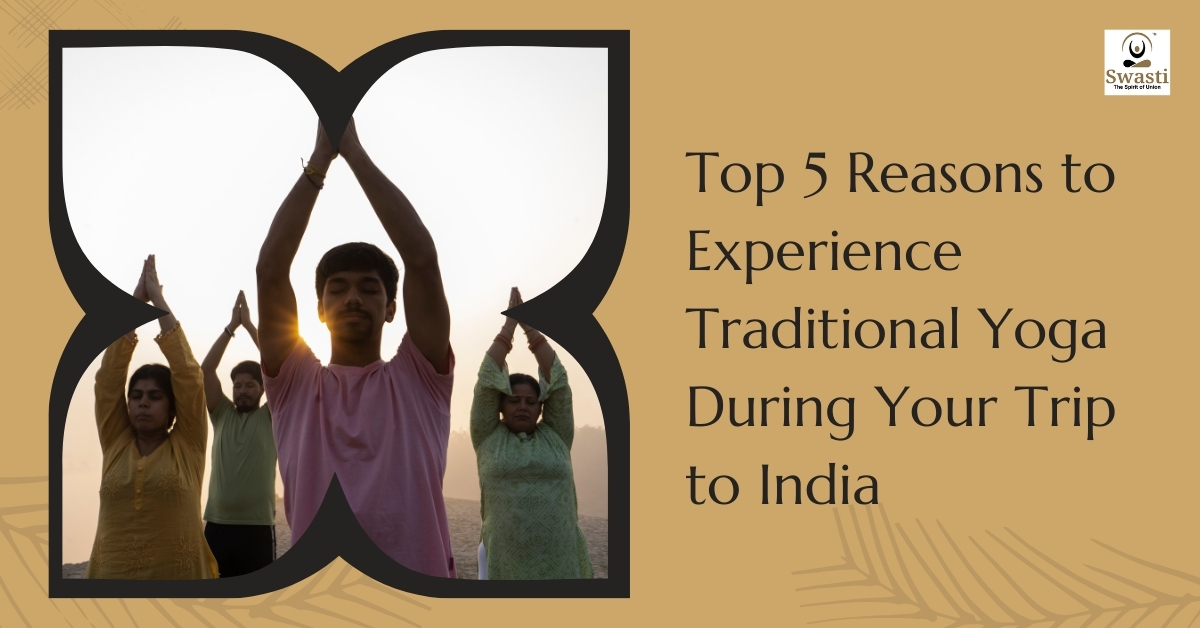
When planning a trip to India, you might think of famous landmarks, bustling markets, and delicious food. But have you ever considered yoga? Practicing traditional yoga in India offers a unique experience that goes beyond sightseeing. It’s a way to connect with the country’s spiritual roots and transform your journey. Whether you’re new to yoga or have been practicing for years, here are the top 5 reasons why you should try traditional yoga during your trip to India. 1. Practice Authentic Yoga in Its Place of Origin Yoga originated in India over 5,000 years ago, making it the spiritual home of this ancient practice. When you practice yoga in India, you’re not just doing stretches—you’re connecting with a practice that has been passed down through generations. Whether you’re practicing on the banks of the Ganges River or in the peaceful foothills of the Himalayas, you’ll feel the energy of the land that has nurtured yoga for centuries. There’s a special kind of magic in doing yoga where it all began, surrounded by the rich cultural and spiritual history that makes India so unique. Unlike in other parts of the world, yoga in India is more than just a fitness routine. It’s a holistic practice that incorporates meditation, breathwork, and a deep understanding of how the body and mind connect. Practicing yoga in its birthplace allows you to experience it in its purest form. Here, the focus isn’t on perfecting postures for Instagram, but on inner growth and spiritual balance. This authenticity makes practicing yoga in India a life-changing experience. 2. Learn from Experienced Yoga Masters (Gurus) In India, yoga is taught by highly experienced teachers, often referred to as gurus, who have spent their lives studying and practicing this ancient tradition. These gurus aren’t just fitness instructors; they are spiritual guides who pass down the wisdom of yoga from one generation to the next. Learning from a traditional Indian guru offers a personalized experience that goes beyond what you’d find in a typical yoga class. The close relationship between teacher and student, known as the guru-shishya relationship, is an important part of the learning process. These gurus not only teach the physical postures of yoga but also share the deeper aspects of the practice, such as philosophy, meditation, and breath control. By learning from these masters, you’ll gain insights into the true purpose of yoga, which is to unite the mind, body, and spirit. This personalized guidance and deep-rooted knowledge make practicing yoga in India a unique and enriching experience, unlike anything you’ll find elsewhere. 3. Achieve Holistic Wellness through Integrated Practices In India, yoga isn’t just about physical fitness—it’s about achieving holistic wellness. Traditional yoga practices in India are often combined with pranayama (breath control), meditation, and Ayurveda, an ancient Indian system of healing. Together, these practices help you achieve a balance between mind, body, and soul. By practicing yoga in India, you’ll experience how these elements work together to create overall well-being, reducing stress and improving mental clarity while strengthening the body. Incorporating pranayama and meditation into your yoga routine allows you to focus on your breath and calm your mind, enhancing both your physical and emotional health. Ayurveda complements yoga by offering dietary and lifestyle advice that aligns with the principles of balance and harmony. This integrated approach to wellness is something you’ll rarely find in modern yoga studios, and it’s one of the key reasons why practicing yoga in India can lead to a profound transformation. 4. Find Peace in Nature through Immersive Retreats India is home to some of the most serene and beautiful yoga retreats in the world. Whether you want to meditate in the quiet Himalayan mountains, practice yoga on a beach in Goa, or find tranquility in a lush forest, there are countless options for practicing yoga in nature. These yoga retreats are designed to provide a peaceful environment where you can disconnect from your daily life and focus on deepening your practice. Surrounded by nature, you’ll find it easier to quiet your mind and tap into the inner peace that yoga offers. These immersive retreats not only offer stunning natural surroundings but also provide structured schedules that include yoga, meditation, and spiritual learning. The peaceful settings amplify the benefits of yoga, allowing you to rejuvenate both physically and mentally. Whether you choose a simple ashram or a luxury retreat, practicing yoga in India’s natural landscapes adds another layer of calm and healing to your journey, making it an ideal destination for those seeking inner peace and self-reflection. 5. Connect with India’s Spiritual and Cultural Heritage Yoga is deeply rooted in India’s spiritual and cultural traditions. When you practice yoga in India, you’re not only working on your physical health—you’re engaging with the spiritual side of the practice. Yoga is mentioned in sacred Indian texts like the Vedas, Upanishads, and Bhagavad Gita, and it’s closely connected to the country’s religious and philosophical systems. Practicing yoga in India allows you to experience this rich cultural heritage firsthand, deepening your understanding of yoga’s spiritual significance. By immersing yourself in traditional yoga, you’ll also gain insight into Indian culture. You may have the opportunity to participate in ancient rituals, visit sacred sites, or witness daily spiritual practices that are an integral part of Indian life. This deeper connection with yoga’s cultural roots can make your practice more meaningful, helping you understand not just the postures but the philosophy behind them. It’s an experience that goes beyond physical benefits, offering a chance for personal and spiritual growth. Make Your Trip Transformational So, when planning your trip to India, don’t just think about temples and tourist spots—consider yoga! Whether you’re looking to deepen your practice or try it for the first time, traditional yoga in India offers a unique, life-changing experience. You’ll leave feeling more connected to yourself, your surroundings, and the world around you. Experience Traditional Yoga with Swasti Yoga Center If you’re ready to dive into the world of traditional yoga during your trip

Read More »
Escape to India Why Yoga TTC is the Perfect Vacation Plan

Escape to India: Why Yoga TTC is the Perfect Vacation Plan?

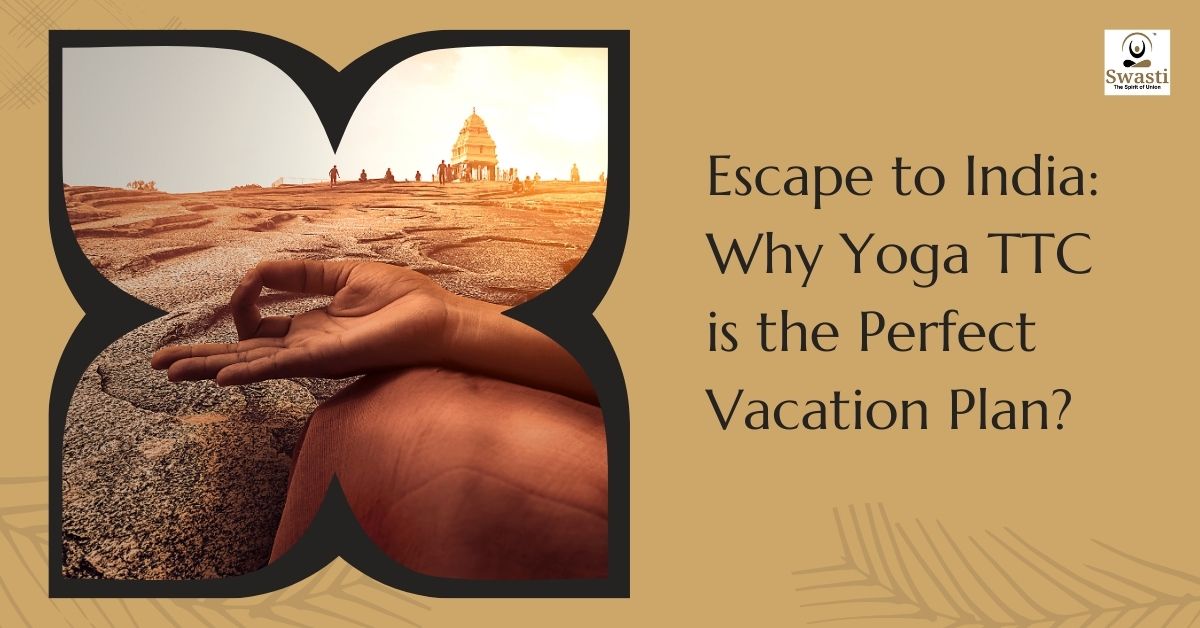
When planning a vacation, most people envision relaxing on a beach or exploring a new city. But what if your vacation could be something more—a journey of transformation that enhances both your body and mind? That’s exactly what a Yoga Teacher Training Course (TTC) offers. A Yoga TTC combines personal growth, relaxation, and cultural exploration, making it the perfect choice for a meaningful vacation. Here’s why you should consider a Yoga TTC in India for your next getaway. Why India is the Ultimate Destination for Yoga India is not only the birthplace of yoga but also the ideal setting to deepen your practice and learn the philosophy behind this ancient tradition. The country’s spiritual ambiance is unmatched, offering an authentic experience that goes beyond the physical aspects of yoga. From traditional ashrams to modern yoga centers, India provides a rich cultural backdrop for your Yoga TTC. One of the unique aspects of practicing yoga in India is the access to revered gurus and teachers who carry the lineage of yoga forward. Being in the country where yoga originated allows students to grasp the essence of this spiritual practice. Whether you’re in the sacred city of Varanasi or the peaceful Himalayas, the energy of India naturally enhances your yoga journey. India’s diverse landscapes—from the tranquil beaches of Goa to the spiritual centers in Rishikesh, Pune—offer a range of environments to suit different preferences. Each destination provides its own unique yoga experience, making it a deeply enriching and personal journey. The Benefits of Choosing a Yoga TTC for Your Vacation Holistic Wellness A Yoga TTC goes beyond the physical practice of asanas (postures). It’s a holistic experience that nurtures your mental, emotional, and physical well-being. The TTC curriculum is designed to help participants achieve mindfulness through meditation, pranayama (breathing techniques), and philosophy. This all-encompassing approach leads to a better understanding of the self and promotes long-lasting peace and balance. Unlike other vacations that focus solely on relaxation, a Yoga TTC helps you achieve wellness that continues long after your trip is over. It offers tools for mental clarity, stress reduction, and emotional resilience—benefits that have a profound impact on daily life once you return home. A Break with Purpose Many vacations provide a temporary escape from everyday life, but few offer long-term value. A Yoga TTC allows you to enjoy your time off while gaining a certification that can open up new career opportunities. After completing a TTC, you’ll be equipped to teach yoga anywhere in the world, adding a professional skill to your resume. Whether you plan to teach yoga or simply deepen your personal practice, the course offers tangible results. Rather than just sightseeing, a TTC combines learning, self-discovery, and personal development with relaxation. You leave with something much more valuable than souvenirs—a new set of skills and a certification that allows you to teach and share the practice of yoga with others. Community and Connection Yoga TTCs bring together people from all over the world, creating a supportive and enriching community. The connections you make during a TTC can lead to lifelong friendships. Sharing the journey with like-minded individuals enhances the experience, as you bond over similar interests and challenges. Many TTC participants say that the friendships formed during the course are as transformative as the yoga practice itself. The sense of camaraderie, mutual support, and shared growth fosters a sense of belonging, adding an important social aspect to the experience. Pune: A Serene Hub for Yoga Enthusiasts While India has many destinations perfect for a Yoga TTC, Pune stands out as an ideal location. Pune is known for its spiritual heritage and peaceful environment, making it a sought-after destination for yoga enthusiasts. The city has a rich yoga history, and its blend of tradition and modernity makes it an attractive option for both seasoned practitioners and beginners. Pune’s location is another advantage. Nestled near the Western Ghats, the city offers a tranquil atmosphere, surrounded by nature, perfect for an immersive yoga experience. Whether you’re meditating in a serene yoga hall or practicing asanas outdoors, the calmness of the environment helps deepen your practice. Apart from its natural beauty, Pune also has a vibrant cultural scene, offering the opportunity to explore local traditions, cuisine, and heritage during your stay. This combination of serenity and cultural richness makes Pune an exceptional destination for a TTC. A Structured, Enriching Experience Yoga TTCs are carefully structured to offer a comprehensive learning experience. A typical day begins with morning meditation and asana practice, followed by lessons in yoga philosophy, anatomy, and teaching methodology. Afternoons usually include workshops, practical teaching sessions, and personal study time. This structured schedule ensures a balanced mix of learning, practice, and relaxation. Participants have the opportunity to immerse themselves fully in the training, while also having time for personal reflection and rest. The program is designed to nurture not just the body, but the mind and soul as well. Even with a packed schedule, there is time for relaxation and personal exploration. Many students find that the routine of a TTC offers the perfect balance between discipline and free time, making the experience both enriching and enjoyable. Beyond Yoga: Exploring India’s Culture and Heritage India’s rich cultural heritage is an integral part of the Yoga TTC experience. During your stay, you’ll have the opportunity to explore local temples, participate in festivals, and visit historic sites. These cultural experiences enhance your yoga journey by offering a deeper understanding of India’s traditions and values. From the bustling markets of Delhi to the serene backwaters of Kerala, India’s diversity offers endless opportunities for exploration. Many TTC programs include excursions to nearby cultural or natural landmarks, allowing students to experience the broader spiritual and cultural context of yoga. Whether you’re attending a traditional Indian festival or exploring the natural beauty of India’s landscapes, these experiences will complement your yoga practice, offering both spiritual and personal growth. The Perfect Balance: Relaxation Meets Personal Growth Unlike typical vacations, which may offer only short-term relaxation,

Read More »

Add Yoga To Retain The Beauty Of Body And Mind

Vitae aliquam porta sed augue consectetuer. Parturient posuere sed habitasse quisque malesuada platea. Dis suspendisse integer ut facilisis maximus mus.