
🇮🇳 India | 🇺🇸 USA | 🇫🇷 France | 🇲🇽 Mexico

🇮🇳 India | 🇺🇸 USA |
 🇫🇷 France | 🇲🇽 Mexico

Blog

News & Articles

Why India Is the Ultimate Retreat for Global Content Creators

Why India Is the Ultimate Retreat for Global Content Creators?

In an age where authenticity is currency and stories are the bridge between cultures, content creators and writers worldwide are seeking deeper, more meaningful experiences. One such transformational journey awaits in the heart of India — the land where yoga was born. For those looking to immerse themselves in a holistic way of living, a YCB-certified yoga course accredited by AYUSH (Ministry of Ayurveda, Yoga & Naturopathy, Unani, Siddha and Homeopathy) and cited by the World Health Organization (WHO) offers not just a wellness education, but a soul-stirring narrative to carry home. Why India? India is not just a country; it’s a mosaic of living traditions, spiritual depth, and ancient wisdom. Unlike a vacation that ends when you return home, a learning experience here—especially in the field of yoga—continues to evolve with you. It is in India that yoga is not merely a fitness regime; it is a way of life that aligns body, mind, and spirit. For global content creators and writers, this immersive journey offers an opportunity to authentically capture the ancient and modern pulse of yoga at its very source. AYUSH & YCB Certification: Global Credibility with Ancient Roots The AYUSH ministry under the Government of India ensures the quality and authenticity of Indian traditional healthcare systems, including yoga. The Yoga Certification Board (YCB), established by the ministry, offers globally recognized certifications for various levels of yoga teachers and therapists. These are aligned with international standards and are even cited by the WHO in its global strategy for integrating traditional and complementary medicine into mainstream healthcare systems. This gives content creators not only a deeper, structured understanding of yoga but also a prestigious credential to add to their professional portfolio. Whether you’re a wellness blogger, travel journalist, documentary filmmaker, or a spiritual author, this adds depth and credibility to your narrative. Live the Story: Stay with an Indian Family What sets this experience apart is the chance to stay with an Indian family. This is not a hotel stay; it’s an invitation into the everyday rhythm of Indian life. From waking up to the aroma of masala chai, to participating in home-cooked satvik meals and engaging in evening bhajans or temple visits, you are no longer an outsider. You become part of a story that you can later retell—not from imagination, but from lived experience. The simple conversations with your host family often provide more insight than guidebooks. Their stories, traditions, and values begin to shape your perspective. Whether it’s understanding the significance of a turmeric-rubbed entrance or the quiet power of morning silence before prayers, these moments are gold for storytellers. Soaking in the Cultural Richness and Local Festivals India’s calendar is dotted with vibrant festivals, each with its unique rituals, colors, and energy. From dancing in the streets during Ganesh Chaturthi to lighting oil lamps during Diwali, or witnessing the spiritual austerity of Mahashivratri, these celebrations offer a vivid palette for creative documentation. Imagine doing yoga as the sun rises on the ghats of Varanasi, followed by attending a local Holi festival where you’re drenched in colors and joy. Or learning pranayama in the Himalayas and later attending a folk dance night in a nearby village. This blend of physical practice and cultural immersion makes your yoga journey not just informative but artistically inspiring. Spiritual Vibes and Sacred Spaces India is dotted with powerful spiritual centers—Rishikesh, Varanasi, Auroville, Dharamshala, and Pune, to name a few. These places resonate with centuries of meditation, devotion, and inner exploration. Practicing yoga and meditation here allows for a kind of spiritual transformation that is rare elsewhere. As a content creator, this is where your storytelling becomes experiential. You are not just writing about yoga philosophy; you are embodying it. Your words or visuals carry the stillness of a morning mantra chant, the vibration of temple bells, the scent of incense in a puja room, and the serenity of a forest walk post meditation. A Chance to Detox from Digital Overload In an increasingly fast-paced, digital world, creators often suffer from burnout, anxiety, and creative blocks. A yoga course in India offers an antidote. The structured daily routine, deep breathing practices, guided meditations, and mindful lifestyle provide a mental reset. The YCB course emphasizes ethical living (Yamas and Niyamas), conscious eating, balanced emotions, and a connection with nature—all of which support mental clarity and creative revival. Cross-Pollination of Cultures and Ideas Yoga schools in India, especially those catering to international students, become microcosms of global unity. In your class, you might find someone from Brazil, Japan, Germany, or Kenya. The conversations during meal breaks and tea sessions evolve into cultural exchanges. For writers, this is a rich tapestry to draw from—ideas, perspectives, and global friendships blossom here. Sustainability, Simplicity, and Slow Living Many YCB-certified centers, like Swasti Yoga Center in Pune, are adopting eco-conscious practices such as zero waste, organic farming, and minimalistic living. This adds another layer of richness to your learning, showcasing how yoga and sustainability go hand in hand. These principles resonate deeply with modern audiences who are increasingly conscious of the planet and their impact. Documenting Your Transformational Journey Whether through a blog, vlog, podcast, or documentary, this journey becomes your transformational arc. From arriving as a seeker to returning home as a storyteller, your narrative is not just about India or yoga—it’s about finding stillness in chaos, discovering strength in simplicity, and embracing unity in diversity. Final Thoughts India doesn’t just teach you yoga—it transforms you through it. For global content creators and writers, this is not just a certification course. It is an invitation to walk the path of self-awareness while documenting a culture that continues to inspire millions worldwide. With its spiritual depth, cultural richness, and certified learning backed by global standards, India offers a once-in-a-lifetime opportunity to live the stories you long to tell. – Dr Rodan (Jordan)
Read More »
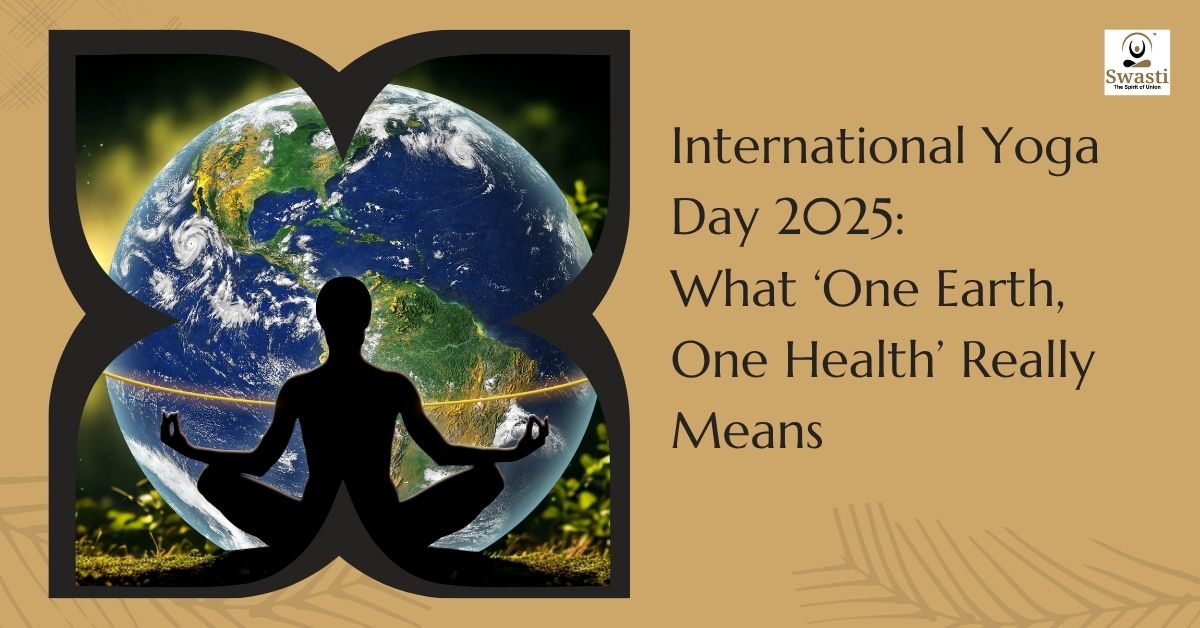
International Yoga Day 2025: What ‘One Earth, One Health’ Really Means

International Yoga Day 2025: What ‘One Earth, One Health’ Really Means

International Yoga Day 2025 is just around the corner, and this year’s theme, “One Earth, One Health”, carries a powerful message for every individual on the planet. Observed globally on June 21, this day is more than just a celebration of yoga; it’s a reminder that our health and the health of the Earth are deeply connected. As registrations cross 50,000 for Yoga Day events in India alone, the buzz around Yoga Sangam 2025, India’s largest grassroots yoga campaign, shows that people are waking up to the bigger picture. But what does “One Earth, One Health” really mean, and how can we align our daily habits with it? Let’s explore. International Yoga Day 2025 Theme: The Message Behind ‘One Earth, One Health’ International Yoga Day 2025 will be celebrated on June 21st, and this year’s theme is “One Earth, One Health.” The theme reminds us that our health and the planet’s health are closely connected. It’s not just about doing yoga for fitness, it’s about living in a way that is good for both our bodies and the Earth. This idea has been shared by the Ministry of AYUSH to inspire people all over the world to use yoga as a way to live better, care for nature, and feel more balanced in daily life. This theme isn’t just a slogan; it’s a simple yet profound idea. It tells us that we can’t be truly healthy unless the world around us is healthy too. From the air we breathe to the water we drink and the food we consume, everything is connected. Yoga plays a vital role here. It doesn’t just heal the body or calm the mind; it teaches us balance, responsibility, and awareness. These are the very qualities we need to care for ourselves and the planet. Yoga is not just about stretching or bending; it’s about creating inner balance that mirrors external balance. It teaches us discipline in how we treat our bodies, and this discipline can naturally extend to how we treat the Earth. When we practice yoga, we learn: Self-awareness: Noticing how we breathe, eat, move, and think Mindful living: Making conscious choices that reduce harm, both to ourselves and to nature Simplicity and minimalism: Moving away from overconsumption, towards mindful habits Respect for life: Cultivating compassion for all living beings and ecosystems In a world where stress levels are soaring, lifestyle diseases are increasing, and climate change is accelerating, yoga offers a powerful response. It gently reminds us that the answers don’t always lie in new technology or medication, but sometimes in ancient wisdom and a reconnection with nature. When we slow down, breathe deeply, and stretch our bodies with intention, we aren’t just improving our health, we’re choosing a way of life that respects and nurtures the Earth. And that’s exactly what “One Earth, One Health” is all about. Global Movement: What to Expect This Year Yoga, which originated in India over 5,000 years ago, is more than just a set of stretches or breathing exercises. It’s a lifestyle that encourages harmony within ourselves and with the world. International Yoga Day 2025 is expected to be the biggest global celebration of yoga yet, with participation from millions of people across continents.  Yoga Sangam 2025 Organized by the Government of India, Yoga Sangam 2025 is set to be one of the largest grassroots yoga events ever. Schools, colleges, housing societies, corporates, and NGOs are all encouraged to participate and host sessions. You can explore Yoga initiatives by the Ministry of AYUSH to see how India is leading the movement in 2025 and making yoga accessible to every citizen. Thousands of events will be held across India, from Mumbai’s Marine Drive to Delhi’s Central Park and across the globe, from Times Square to Sydney Harbour. Indo-Japanese Yoga Festival Another inspiring event is the Indo-Japanese Yoga Culture Festival, hosted by Swasti Yoga Center. This festival brings together yoga lovers, teachers, and cultural ambassadors from India and Japan to celebrate unity, health, and shared ancient wisdom. It’s a beautiful example of how yoga can connect people across borders and traditions. Global Participation Countries across Asia, Europe, North America, and Africa will join in with public yoga sessions, workshops, and awareness campaigns. Embassies and international yoga centers are also preparing to host themed events focused on health, sustainability, and mental wellness. How Can You Celebrate International Yoga Day 2025? Whether you’re new to yoga or a seasoned practitioner, there are many meaningful ways to be a part of this year’s celebration: Join a Local or Online Yoga Session: Take part in public yoga events or join a free live-streamed class from home on June 21. Choose a session that matches your comfort and experience level. Host a Community, School, or Office Event: Organize a yoga session at your workplace, society, or school to bring people together. Invite a local instructor or lead a simple, beginner-friendly routine. Practice Eco-Conscious Habits: Carry reusable water bottles, avoid plastic, and walk or cycle to your yoga session. Small actions reflect the “One Earth, One Health” spirit. Share Your Yoga Story on Social Media: Post your photos or videos using hashtags like #YogaDay2025 and #OneEarthOneHealth. Inspire others to join in and celebrate mindfully. Yoga That Aligns with the Theme Here are a few yoga practices you can try that reflect the theme of balance and harmony: Surya Namaskar (Sun Salutation) – Boosts your energy, stretches every major muscle group, and honors the rising sun nature’s daily miracle.It helps you stay grounded while reminding you to begin your day with awareness and gratitude. Vrikshasana (Tree Pose) – Symbolizes strength, stability, and balance, just like a tree rooted in the Earth. Practicing this pose improves focus and builds a quiet connection with nature. Pranayama (Breathing Techniques) – Cleanses the lungs, calms the mind, and refreshes your energy. It teaches you to slow down, breathe deeply, and stay present, just as the Earth breathes in cycles. Meditation on Nature –Sitting quietly and focusing on natural

Read More »
Yoga Sangam 2025 India Unites For International Yoga Day

Yoga Sangam 2025: India Unites For International Yoga Day

India is preparing to create history on June 21, 2025, not with rallies or banners, but with stillness, breath, and unity. Yoga Sangam 2025 is not just another celebration of International Yoga Day; it’s a nationwide movement where over 50,000 organizations are coming together to promote health, wellness, and harmony. This is not a government-only initiative; it’s a people’s campaign, reaching from big cities to the smallest villages, across every sector and social group. Yoga Sangam is about coming together. It’s a powerful idea rooted in the belief that collective action, when done with sincerity and purpose, can heal, uplift, and empower. Whether you’re a school teacher in a rural village or a tech executive in a metro city, this year’s International Yoga Day offers everyone a place on the mat. What is Yoga Sangam 2025 All About? “Sangam” means a meeting or coming together. Yoga Sangam 2025 is where people, communities, and causes unite through yoga with the message of One Earth, One Health. It is India’s biggest yoga movement ever, led by the Ministry of AYUSH along with thousands of NGOs, companies, schools, hospitals, universities, spiritual groups, and local governments. The goal is to bring yoga to every part of society and make it a tool for better health and harmony. What makes Yoga Sangam 2025 special is how large and inclusive it is. This is not just a one-day event; it’s a country-wide mission to make yoga a part of daily life. It invites everyone, no matter their background, to experience the physical, mental, and emotional benefits of yoga. By doing this, the movement hopes to create a healthier India and a more connected world, using the power of yoga as a way of life. Theme of International Yoga Day 2025: One Earth, One Health This year’s theme, “One Earth, One Health,” couldn’t be more timely. It highlights the deep connection between personal well-being and the planet’s health. Through mindful living, balanced breathing, and awareness of body and nature, yoga offers a solution that touches both individual and environmental wellness. International Yoga Day 2025 serves as a global reminder of this shared responsibility. In 2025, the theme expands to emphasize sustainability. What’s good for your body should be good for the Earth. This is a call to live responsibly, eat mindfully, breathe consciously, and act collectively. 50,000+ Organizations. One Vision. One Movement. The numbers speak for themselves: over 50,000 organizations have come together to support Yoga Sangam 2025, making it one of the largest wellness movements in the world. These include a wide range of participants such as schools and universities, government departments, startups and MNCs, local panchayats and urban housing societies, yoga gurus and influencers, as well as Indian embassies and global yoga communities. All are hosting yoga sessions, awareness drives, and cultural celebrations from June 1 to June 21, leading up to the grand day. The movement aims to reach over 10 crore people, both physically and digitally. As part of this powerful wave, Swasti Yoga Center proudly hosted two impactful initiatives in Pune: On June 2, 2025, Swasti Yoga Center hosted the Yoga Sangam Mega Community Event at its Pune campus, bringing together over 200 participants. The event included a mass yoga session led by AYUSH-certified trainers, along with guided workshops on breathwork, meditation, and mantra chanting. Participants also experienced mudra demonstrations and enjoyed cultural performances that beautifully connected yoga philosophy with classical Indian arts. As part of its IDY outreach, we also organized the Harit Yoga Campaign, blending yoga with environmental action. Activities included tree plantation drives, talks on sustainable living, and sessions promoting eco-conscious yoga. The campaign highlighted how yoga can inspire both personal well-being and planetary care. Major Events Across India and the World Yoga Sangam 2025 events were held in almost every corner of India, from schools and colleges in remote villages to public parks in metro cities. Community halls, temples, hospitals, universities, IT campuses, and even railway stations have been turned into yoga spaces. From June 1 to 21, India came alive with yoga mats, mindful movements, and the message of One Earth, One Health. But the movement didn’t stop at India’s borders. As part of its international outreach, Swasti Yoga Center led the Yoga Bandhan initiative, building global yoga partnerships across 17 countries. In collaboration with yoga teachers and wellness organizations abroad, special sessions were held at iconic landmarks and through online platforms. Over 20 global yoga ambassadors participated, spreading the message of One World, One Health, and showing how yoga can connect people everywhere, beyond language, geography, and culture. How Can You Participate in Yoga Sangam 2025? Participation is free, and your local involvement adds to the national impact. Whether you’re an individual, teacher, fitness trainer, or HR manager, here’s how you can get involved: Register Online: Sign up through the MyGov or the Ministry of AYUSH portal to officially join the Yoga Sangam campaign. Registration helps your participation count toward the national numbers. Download the Official Toolkit: Access free resources like posters, banners, session formats, and certificates to help you plan or promote your event. Everything is ready-to-use and beginner-friendly. Host or Join a Yoga Session: Organize a session at your workplace, school, terrace, society ground, or even online. Or simply join a local event happening around you, every yoga mat counts! Share Your Moments: Capture and upload your photos or videos from the session to social media or official portals. Your contribution helps spread awareness and inspires others to join. Use the Official Hashtags: Don’t forget to use #YogaSangam2025, #IYD2025, and #OneEarthOneHealth on social platforms. These hashtags help your efforts become part of the national and global conversation. Be the Spark in the Movement International Yoga Day 2025 isn’t just another campaign; it’s a call to action for every individual. Whether you lead a small session with your family on the terrace or join a larger event in your community, your presence matters. Each breath, each pose, and each shared intention becomes part of

Read More »
International Yoga Day 21st June 2025

International Yoga Day: 21st June 2025

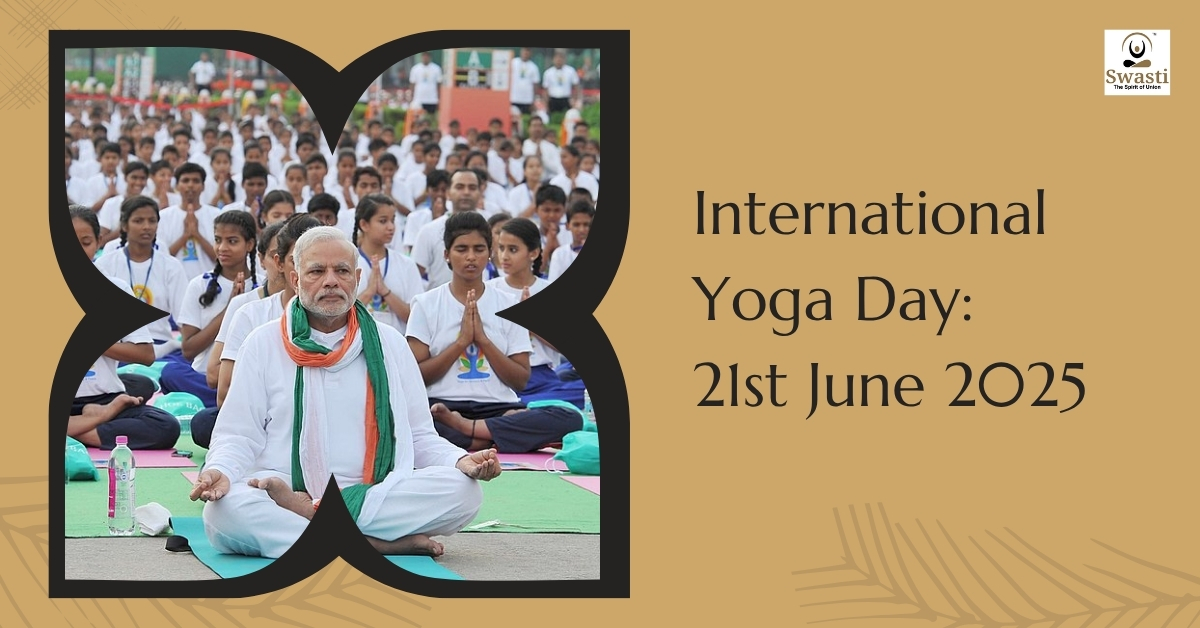
Life today can feel overwhelming. With endless responsibilities, constant notifications, and little time to slow down, many people are searching for something that brings balance and clarity. Yoga, an ancient practice rooted in mindfulness and movement, continues to offer exactly that. When is International Yoga Day 2025? International Yoga Day is celebrated every year on June 21st. In 2025, it falls on Saturday, 21st June 2025. As International Yoga Day approaches, we are reminded that yoga is much more than a physical routine. It is a way of living that supports mental calm, emotional strength, and a deeper connection to ourselves and the world around us. What is the theme for International Yoga Day 2025? The official theme for International Yoga Day 2025 is “Yoga for One Earth, One Health.” This theme was announced by the Hon’ble Prime Minister Shri Narendra Modi. It emphasizes the relationship between individual well-being and the health of the planet. Whether you are just starting or have been practicing for years, yoga continues to be a powerful tool for navigating modern life with purpose and peace. Let’s take a closer look at why its relevance is growing stronger with each passing year. The History and Meaning of International Yoga Day Yoga originated in India thousands of years ago as a path toward physical, mental, and spiritual balance. Yet it wasn’t until 2014 that the United Nations officially recognized June 21 as International Yoga Day, thanks to a proposal by Hon’ble Indian Prime Minister Shri Narendra Modi. June 21 was chosen because it’s the summer solstice, the longest day of the year in the Northern Hemisphere, symbolizing light and energy. Since then, countries worldwide have hosted yoga events, workshops, and awareness programs, showing that yoga is truly a global practice. You may like to read: The History and Significance of International Yoga Day  How Yoga Aligns with the 2025 Theme: One Earth, One Health? Hon’ble Prime Minister Narendra Modi ji proposed the theme for International Yoga Day 2025: “Yoga for One Earth, One Health.” He announced this during his “Mann Ki Baat” address on March 30, 2025, highlighting the theme’s focus on promoting global health through yoga. This theme underscores the intrinsic connection between individual well-being and the planet’s health. Yoga cultivates balance, not only within ourselves but also in our interaction with the natural world. Through practices such as mindful breathing, conscious eating, and ethical living, yoga encourages us to minimize waste, reduce pollution, and safeguard biodiversity. The relevance of this theme is particularly heightened amidst growing climate concerns. Yoga philosophy, with its emphasis on ahimsa (non-violence), extends its principles to all living beings, inspiring practitioners to adopt sustainable choices. What are the past themes from 2015 to 2025 of International Yoga Day? Each year, International Yoga Day carries a theme that reflects the global context and the deeper values yoga promotes. Here is a look at the themes since the day was first declared: 2015 – Yoga for Harmony and Peace Celebrating yoga’s power to foster inner calm and global unity by bridging cultures through mindfulness. 2016 – Yoga for Health Emphasizing the everyday health benefits of yoga for both body and mind in a fast-paced world. 2017 – Yoga for Wellness Highlighting yoga as a path to holistic well-being that integrates mental clarity, physical strength, and emotional balance. 2018 – Yoga for Peace Recognizing yoga as a source of inner peace that extends outward to promote compassion and coexistence. 2019 – Yoga for Heart Raising awareness of yoga’s role in nurturing heart health, emotional stability, and cardiovascular well-being. 2020 – Yoga at Home and Yoga with Family Encouraging at-home yoga practice during the global pandemic, strengthening family bonds, and personal resilience. 2021 – Yoga for Wellbeing Reinforcing yoga’s importance for mental wellness, immunity, and personal balance during times of crisis. 2022 – Yoga for Humanity Celebrating yoga as a universal gift that serves humanity by promoting healing, unity, and shared well-being. 2023 – Yoga for Vasudhaiva Kutumbakam Advocating the vision of “One Earth, One Family, One Future,” where yoga helps build a more sustainable and connected world. 2024 – Yoga for Women Empowerment and Humanity Honoring yoga’s empowering role in women’s lives, while supporting gender equity, peace, and holistic health. These themes reflect yoga’s expanding role, from promoting individual well-being to fostering global peace and environmental stewardship. Why Yoga Is More Important Today Than Ever Before? Modern life presents many challenges that affect both our health and our environment. Yoga addresses these challenges by encouraging balance and mindfulness. Mental Health Challenges: Stress, anxiety, and depression are on the rise worldwide. Yoga’s breathing techniques and meditation practices help calm the mind and promote emotional stability. Physical Health Issues: Sedentary lifestyles and poor posture have led to widespread problems such as obesity, back pain, and heart disease. Yoga helps strengthen the body, improve flexibility, and boost immunity. Digital Overload and Disconnection: Constant screen time and digital distractions create mental fatigue and reduce focus. Yoga encourages mindfulness, helping us reconnect with ourselves and our surroundings. Environmental Concerns: Climate change, pollution, and resource depletion threaten our planet’s health. The 2025 theme reminds us that caring for ourselves also means caring for Earth. The Science Behind Yoga’s Relevance Scientific studies increasingly support yoga’s benefits, enhancing its appeal worldwide: Yoga improves cardiovascular health by lowering blood pressure and heart rate. Regular practice reduces stress hormones like cortisol, improving mood and sleep quality. Mindfulness and meditation techniques enhance brain function, focus, and emotional regulation. Yoga’s low-impact physical activity aids in managing chronic conditions like arthritis and diabetes. These evidence-based benefits prove that yoga is a holistic health practice suited for the modern lifestyle. How You Can Celebrate International Yoga Day 2025 and Start Your Yoga Journey? No matter where you live or your fitness level, you can honor International Yoga Day and improve your well-being: Join Local or Online Yoga Events: Search for free yoga sessions in your community or find online classes that match your style. Start Simple

Read More »
The History and Significance of International Yoga Day

The History and Significance of International Yoga Day

Get AI Insights on This Post: ChatGPT Perplexity Google AI Grok In the hustle and bustle of modern life, finding peace and balance has become more crucial than ever. Yoga, an ancient practice that originated in India, has emerged as a beacon of hope for millions around the globe seeking serenity and well-being. Recognizing its universal appeal and transformative power, the world comes together every year on June 21 to celebrate International Yoga Day. This day is not just a celebration of yoga’s physical aspects but a homage to its profound spiritual and mental health benefits. Let’s delve into the history, significance, and global impact of International Yoga Day. The Origin of International Yoga Day The inception of International Yoga Day can be traced back to a significant moment at the United Nations General Assembly in 2014. Indian Prime Minister Narendra Modi, understanding the global appeal and the holistic benefits of yoga, proposed the idea of dedicating a day to this ancient practice. He suggested June 21 for its symbolic significance as the Summer Solstice, the longest day of the year in the Northern Hemisphere, and a day of importance in many parts of the world. The proposal received overwhelming support, with 177 UN member states co-sponsoring the resolution, a record number for any UNGA Resolution. On December 11, 2014, the United Nations proclaimed June 21 as International Yoga Day. The resolution recognized yoga’s role in promoting health, harmony, and peace, both within individuals and in the world at large. International Yoga Day on 21st June 2026: Embracing “Yoga for Healthy Ageing” As the world prepares to celebrate International Yoga Day on June 21, 2026, the theme “Yoga for Healthy Ageing” highlights the growing importance of maintaining physical, mental, and emotional well-being throughout life. In an era marked by sedentary lifestyles, rising stress levels, and an ageing global population, this theme emphasizes yoga’s role in helping people stay active, resilient, and independent at every stage of life. The main national celebration will be led by Prime Minister Narendra Modi in Kolkata, bringing together thousands of participants to promote the message of healthy ageing through yoga. This year’s theme encourages individuals to view yoga not merely as a fitness practice but as a lifelong companion for better mobility, improved balance, mental clarity, and overall quality of life. By embracing yoga as a daily habit, people can build healthier lifestyles, prevent many age-related challenges, and support long-term well-being. International Yoga Day 2026 serves as a reminder that healthy ageing begins with the choices made today, and yoga offers a simple yet powerful path toward a healthier future. The Significance of Yoga Yoga is more than just physical exercise; it is a holistic approach to well-being, integrating the mind, body, and spirit. The word “yoga” itself, derived from Sanskrit, means to join or unite, symbolizing the union of individual consciousness with universal consciousness. This ancient practice encompasses various techniques, including postures (asanas), meditation (dhyana), and breath control (pranayama), aimed at achieving balance and harmony. The benefits of yoga are manifold. Physically, it enhances flexibility, strength, and posture. Mentally, it helps reduce stress, anxiety, and depression, promoting a state of mindfulness and concentration. Spiritually, yoga fosters a deeper connection with oneself and the world, encouraging a sense of peace and contentment. Global Celebrations and Themes Since its inception, International Yoga Day has been celebrated with enthusiasm across the globe. Each year, a specific theme highlights different aspects of yoga, emphasizing its relevance to contemporary issues. For instance, the theme for 2023, “Yoga for Vasudhaiva Kutumbakam” (Yoga for One Earth, One Family, One Future), underscored yoga’s role in fostering global unity and harmony. In 2024, the official theme was “Yoga for Self and Society,” emphasizing the dual benefits of yoga for individual well-being and collective harmony. Looking ahead, the theme for 2025 has been announced as “Yoga for One Earth, One Health,” further stressing the inseparable link between personal well-being and the planet’s health. Countries worldwide host a variety of events, from mass yoga sessions and workshops to seminars and cultural performances, to mark the day. These celebrations transcend cultural and geographical boundaries, bringing people together in a shared experience of peace and wellness. The Impact of International Yoga Day International Yoga Day has significantly boosted the visibility and popularity of yoga, encouraging more people to incorporate it into their lives. It has also fostered a global community of yoga practitioners, united in their pursuit of health and harmony. Moreover, the day serves as a reminder of the importance of caring for our mental and physical health and the health of our planet. It aligns with several Sustainable Development Goals (SDGs), such as good health and well-being, quality education, and climate action, highlighting yoga’s role in achieving these global objectives. How is International Yoga Day Celebrated Around the World? International Yoga Day, celebrated on June 21st, is marked by a variety of events and activities around the world, reflecting the universal appeal and diverse practices of yoga.  Here’s how different countries and communities celebrate this day: India: As the birthplace of yoga, India observes International Yoga Day with immense enthusiasm. The first International Day of Yoga set two Guinness World Records for the largest yoga class and the most nationalities participating in a yoga event in New Delhi. Events include mass yoga sessions, workshops, and cultural performances. Prime Minister Narendra Modi has actively participated in these events, leading yoga sessions alongside thousands of participants. United Nations Headquarters, New York: The UN celebrates International Yoga Day with special events, including yoga sessions and cultural performances. Delegates, UN staff, and eminent persons from various walks of life participate in these events. The theme for the 9th International Day of Yoga in 2023 was “Yoga for Vasudhaiv Kutumbakam” (Yoga for ‘The World is One Family’). United Kingdom: In London, yoga events take place in iconic locations, bringing together practitioners of all levels. The UK has also seen parliamentary support for yoga, with the creation of a Parliamentary

Read More »
Yoga Retreat Business How to Plan & Price Your Programs

Yoga Retreat Business: How to Plan & Price Your Programs?

In today’s breakneck pace of modern life, the ancient wisdom of yoga offers a sanctuary—a way to relax, rewind, and rejuvenate. At Swasti Yoga Center, an Indian government-accredited yoga training and therapy school, our vision is to integrate the time-honored principles of classical yogic texts with contemporary business practices to create transformative retreat experiences. This blog explores how to plan and price your yoga retreat programs while keeping them authentic, accessible, and profitable. 1. The Classical Foundation: Yoga in Daily Life Yoga is much more than a series of physical postures. Classical texts such as the Yoga Sutras of Patanjali and the Bhagavad Gita teach us that yoga is a holistic way of life. These scriptures emphasize: Self-Realization and Balance: Patanjali’s sutras remind us that the practice of yoga leads to mental clarity, inner peace, and spiritual growth. Integration of Body, Mind, and Spirit: The Bhagavad Gita encourages us to perform our duties with detachment, nurturing our inner strength and resilience. By integrating these teachings, yoga retreats can offer more than exercise—they can serve as a pathway to transforming daily life, providing participants with practical tools to manage stress and maintain balance in the fast-paced modern world. 2. Retreats as a Modern Escape Relevance in Today’s World Modern society, with its endless emails, work-from-home challenges, and digital distractions, demands an escape—a space where individuals can reconnect with themselves. Yoga retreats offer: Digital Detox: Stepping away from technology and busy schedules to reconnect with inner self. Rejuvenation: Focused sessions in serene settings that refresh both body and mind. Holistic Healing: Incorporation of yoga, meditation, and yogic counselling to address physical and emotional well‐being. Tailored for Diverse Demographics Retreats can benefit a broad spectrum of society: GenZ: Young adults, often overwhelmed by social media pressures and academic stress, can find grounding and mental clarity. Work-from-Home Corporates: For professionals battling burnout and isolation, retreats provide structured relaxation, team-building opportunities, and practical strategies for maintaining work-life balance. Community Groups: Yoga retreats foster social connections, providing a supportive community that nurtures personal growth. 3. Planning Your Yoga Retreat: Key Considerations A. Location and Environment The setting of your retreat is vital. Choose locations that resonate with the essence of yoga: Natural Surroundings: Retreats set in nature—forests, mountains, or near water bodies—enhance the experience by offering tranquility and inspiration. Accessibility: Ensure that the retreat venue is accessible for your target audience without compromising on its natural beauty. B. Curriculum and Program Design Integrate the following elements to craft a comprehensive retreat: Yoga Sessions and Asanas: Design classes that cater to various skill levels, ensuring both beginners and advanced practitioners benefit. Meditation and Pranayama: Incorporate sessions focused on breath control and meditation, drawing upon classical teachings to instill mindfulness. Yogic Counselling and Philosophy: Offer workshops that delve into the philosophy of yoga, helping participants understand and apply these principles in their daily lives. Interactive Group Activities: Include discussions, satsangs (group discourses), and reflective sessions to build community and deepen understanding. C. Pricing Strategies When pricing your retreat, consider both the value you offer and the need to keep it accessible: Cost Analysis: Calculate all expenses including venue, instructor fees, materials, and ancillary services. Aim for a transparent pricing model. Tiered Pricing: Offer different packages (e.g., standard, premium) to cater to various budgets while ensuring core teachings remain consistent. Early Bird Discounts: Encourage early sign-ups and build a committed community of participants. Value-Added Inclusions: Enhance the perceived value with extras such as healthy meals, wellness consultations, and post-retreat follow-up sessions. 4. Addressing Global Challenges in Yoga Retreats Despite the growing popularity of yoga retreats, many face common challenges globally: Over-commercialization: Some retreats have drifted from authentic yogic practices, prioritizing luxury over substance. Inconsistent Quality: Varied standards among yoga teachers can dilute the overall experience. High Costs: Expensive retreats often exclude those who might benefit the most from accessible, transformative experiences. Overcoming These Challenges Yoga centers like Swasti Yoga Center can lead the way by: Upholding Authenticity: Maintain a strong commitment to classical yogic principles in every session. Quality Control through YCB Certification: Encourage yoga teachers to obtain Yoga Center of Business (YCB) certification. This not only raises teaching standards but also ensures a consistent, high-quality experience for retreat participants. Integrating Yogic Counselling: Combine yoga practice with guidance on applying yogic philosophy to everyday challenges. This integration ensures a holistic approach that addresses mental, emotional, and physical well-being. Cost-Effective Models: Develop scalable retreat models that are both profitable and pocket-friendly, ensuring that transformative experiences are within reach for a broader segment of society. 5. Enhancing Teacher Quality with YCB Certification A key pillar for success in the yoga retreat business is the quality of instruction. YCB certification serves as a benchmark for excellence by: Standardizing Teaching Methods: Ensuring that instructors are well-versed in both traditional yoga techniques and modern wellness practices. Improving Communication Skills: Certified teachers are better equipped to engage with diverse audiences, from GenZ to corporate professionals. Integrating Holistic Approaches: Instructors trained under YCB standards are more likely to incorporate yogic counseling and philosophical teachings into their sessions, enriching the retreat experience. By prioritizing YCB certification, yoga centers can guarantee that every class and workshop meets a high standard of quality—enhancing both the reputation of the retreat and the overall satisfaction of its attendees. 6. Making Yoga Centers Profitable and Accessible For yoga centers to thrive in the competitive retreat market, they must balance profitability with accessibility: Diversified Revenue Streams: Beyond retreat fees, consider offering online courses, workshops, teacher training programs, and merchandise related to yoga and wellness. Community Partnerships: Collaborate with local wellness experts, nutritionists, and healthcare providers to offer comprehensive packages that enhance the retreat experience. Efficient Resource Management: Utilize seasonal scheduling and shared facilities to reduce operational costs. Inclusive Pricing Models: Develop scholarships or sliding-scale fees for participants who might not afford the full cost, ensuring that the transformative power of yoga is accessible to the masses. Conclusion Yoga retreats are more than just a temporary escape—they are a journey toward self-discovery, inner

Read More »
Work, Wander, and Wellness A Digital Nomad’s Guide to India’s Yogic Experiences

Work, Wander, and Wellness: A Digital Nomad’s Guide to India’s Yogic Experiences

The digital nomad lifestyle has become more popular than ever, with professionals seeking a balance between work, travel, and personal well-being. While working remotely offers freedom, it also brings challenges like stress, burnout, and the need for a structured routine. This is where yoga comes in—not just as a physical exercise but as a way to enhance focus, improve mental clarity, and create a healthier lifestyle. India, the birthplace of yoga, is the perfect destination for digital nomads looking to integrate wellness into their daily lives. With affordable living costs, vibrant coworking spaces, and world-class yoga retreats, it provides the ideal setting to work, explore, and rejuvenate. Whether you prefer meditating by the Ganges, practicing yoga by the beach, or immersing yourself in Ayurveda, India has something for every nomad. Why India is the Ultimate Destination for Digital Nomads and Yoga Enthusiasts India is not just a country; it’s an experience. For digital nomads seeking a holistic approach to work and well-being, it offers several key benefits. Affordable Cost of Living and Coworking Spaces India is one of the most budget-friendly destinations for remote workers. Whether you’re staying in a yoga ashram, renting a co-living space, or working from a café, the cost of accommodation, food, and transport is significantly lower than in many Western countries. Major cities and tourist hubs have high-speed internet, making it easy to work while traveling. Authentic Yoga and Spiritual Experiences Unlike yoga classes in the West, yoga in India is deeply connected to its spiritual roots. Practicing yoga here allows you to learn from experienced teachers, study ancient scriptures, and explore meditation techniques that go beyond just physical postures. Many retreats offer a mix of Hatha, Ashtanga, and Kundalini yoga, along with pranayama and mindfulness practices. Diverse Landscapes and Cultural Immersion From the snow-capped Himalayas to the serene beaches of Goa, India’s diverse landscapes allow you to choose an environment that suits your lifestyle. You can experience the vibrant energy of a spiritual town, the peaceful solitude of a mountain retreat, or the tropical charm of a coastal yoga hub. Cultural immersion is also a big part of the experience, whether through traditional Indian food, music, or ancient rituals. Best Yoga Retreats and Wellness Hubs for Digital Nomads Finding the right location is key to balancing work, relaxation, and self-improvement. Here are some of the best places in India where digital nomads can thrive. Rishikesh: The World’s Yoga Capital Rishikesh is a dream destination for yoga lovers and spiritual seekers. Located on the banks of the Ganges River, it is home to some of the best yoga ashrams in India. Many retreats offer long-term stays with structured schedules, including daily yoga, meditation, and Ayurvedic meals. The city also has cozy cafés with Wi-Fi, making it easy to work between sessions. Goa: A Blend of Beach Life and Yoga Culture If you prefer a relaxed atmosphere, Goa is the perfect spot. It has a thriving digital nomad community, thanks to its coworking spaces, beachfront cafés, and laid-back lifestyle. Yoga retreats in Goa range from intensive teacher training programs to wellness retreats that combine yoga with adventure activities like surfing and paddleboarding. Dharamshala: A Himalayan Escape for Deep Reflection Dharamshala, home to the Dalai Lama, is known for its Tibetan culture, scenic beauty, and peaceful environment. It’s an ideal destination for those looking to disconnect from the fast-paced world and focus on self-development. Yoga schools here offer meditation and mindfulness courses, and the cool mountain air makes it a great place to work without distractions. Kerala: Ayurveda and Yoga in a Tropical Paradise For those interested in Ayurveda, Kerala is a must-visit. Known for its lush greenery and backwaters, it offers authentic Ayurvedic therapies, detox programs, and yoga retreats that focus on holistic healing. It’s a great place for digital nomads who want to focus on both mental and physical well-being. Pune: A Hub for Traditional Yoga and Modern Living Pune is emerging as a hotspot for yoga enthusiasts who want to experience authentic yoga training in a city with excellent infrastructure. It has some of India’s best yoga institutes and wellness centers, offering everything from short retreats to full-fledged yoga teacher training programs. The city is well-connected, has reliable internet, and offers a blend of modern conveniences and traditional culture, making it an ideal choice for long-term stays. Balancing Work, Travel, and Wellness: A Digital Nomad’s Guide Staying productive while traveling requires discipline and structure. Here are some ways to maintain a balanced lifestyle. Creating a Work-Wellness Routine A well-planned schedule helps digital nomads stay productive while making time for personal growth. Starting the day with yoga and meditation can improve focus and set a positive tone. Midday breaks can include a short walk or breathing exercises, and evening relaxation techniques can help manage stress. Yoga Practices to Boost Productivity Certain yoga postures and breathing techniques are particularly useful for digital nomads. Simple stretches like downward dog, spinal twists, and shoulder openers can relieve tension from long hours of sitting. Pranayama (breathing exercises) like alternate nostril breathing can enhance concentration and mental clarity. Best Coworking Spaces and Digital Nomad-Friendly Cafés Many yoga hubs in India now have coworking spaces designed for remote workers. Places like Zostel Workation in Rishikesh, NomadGao in Goa, and 91springboard in Pune offer high-speed internet, comfortable workstations, and a community of like-minded professionals. Wellness Beyond Yoga: Ayurveda, Organic Living, and Mindful Travel Wellness in India goes beyond yoga. The country offers a holistic approach to health that includes Ayurveda, nutritious food, and sustainable travel practices. Ayurvedic Healing and Detox Programs Ayurveda, India’s ancient healing system, provides therapies that help restore balance in the body and mind. Many yoga retreats in Kerala and Rishikesh offer Panchakarma detox programs that include herbal treatments, diet adjustments, and lifestyle changes tailored to individual needs. The Importance of a Sattvic Diet Food plays a crucial role in well-being. A sattvic diet, which consists of fresh, plant-based, and minimally processed foods, is recommended for maintaining high

Read More »
Why Swasti Yoga Center and Pune Are Safe for Solo Women Travelers and Yoga Students

Why Swasti Yoga Center and Pune Are Safe for Solo Women Travelers and Yoga Students?

More women today are embracing solo travel as a way to explore the world, gain independence, and experience personal growth. Yoga retreats, in particular, have become a popular choice for women looking for a safe and rejuvenating getaway. However, one of the biggest concerns for solo female travelers is safety. Why This Blog? If you’re considering traveling to India for yoga, you might be wondering which city and yoga center would be best for you. This blog will explore why Pune, a progressive and women-friendly city, and Swasti Yoga Center, a nurturing and secure yoga institute, are the perfect combination for solo women travelers and yoga students. The Rise of Solo Women Travelers and Yoga Enthusiasts Why More Women Are Choosing Solo Travel Solo travel among women has seen a massive rise over the past few years. Reports show that over 70% of solo travelers worldwide are women. More women are choosing to explore new places on their own, seeking experiences that help them grow personally and spiritually. The Growing Popularity of Yoga Retreats for Women Yoga retreats have become a preferred way for women to take a break from their busy lives, reconnect with themselves, and build inner strength. Many women seek out yoga retreats in India, the birthplace of yoga, to experience authentic teachings in a peaceful environment. However, the need for safety, community, and a welcoming atmosphere plays a huge role in choosing the right location. Pune – A Women-Friendly City A Progressive and Safe Destination Pune is known as one of India’s safest cities for women. It has a strong educational and cultural background, with many students and professionals creating a progressive and respectful society. Unlike larger cities, Pune offers a calm, clean, and organized environment where solo women travelers can feel secure. Safety Infrastructure in Pune The city has a well-connected transportation system, including app-based cabs, auto-rickshaws, and buses that are widely used and considered safe. There are active police patrols, and women-centric safety initiatives like the Bharosa Cell provide additional security. Many areas in Pune, such as Koregaon Park, Baner, and Kothrud, are known for being particularly safe for women. Community Resources for Women Travelers Pune is home to several women-focused organizations and social groups that offer support, workshops, and networking opportunities. Women can join travel communities, yoga groups, or expat meetups to find like-minded people and make their travel experience even safer and more enriching. Swasti Yoga Center – A Sanctuary for Safety and Wellness A Yoga School Built on Safety and Inclusivity Swasti Yoga Center is a highly respected yoga institute in Pune that prioritizes creating a safe, inclusive, and welcoming environment for all students, especially women traveling alone. It is not just a place to learn yoga but a community that supports personal growth and well-being. Comprehensive Yoga Programs Swasti Yoga Center offers a variety of programs, including Yoga Teacher Training Courses (TTC), wellness retreats, and specialized yoga workshops. Whether you are a beginner or an advanced practitioner, you will find a course suited to your needs. Strict Safety Measures at the Center To ensure the safety and comfort of students, Swasti Yoga Center has well-monitored premises, secure accommodation recommendations, and trained staff who are always available for assistance. The center has clear policies on respect, inclusivity, and maintaining a harassment-free learning environment. Testimonials from previous students often highlight the sense of security and belonging they felt while studying at Swasti. Empowerment Through Yoga and Community How Yoga Builds Inner Strength Yoga is not just about physical postures; it is a practice that builds confidence, mental clarity, and resilience. Many solo women travelers find that practicing yoga helps them become more self-aware, make better decisions, and navigate new environments with confidence. Building a Supportive Community at Swasti Yoga Center One of the best parts of joining Swasti Yoga Center is the opportunity to meet and connect with other like-minded women from around the world. The center organizes group activities, discussions, and cultural experiences that help students form meaningful connections and support each other throughout their journey. Practical Tips for Solo Women Travelers in Pune Pre-Travel Planning Before arriving in Pune, it’s important to do some basic research. Book accommodations in well-reviewed hotels or hostels, learn about safe neighborhoods and save emergency contact numbers. It’s also a good idea to join local travel groups on social media to connect with other travelers before your trip. On-the-Ground Safety Tips Once in Pune, solo travelers should follow a few simple safety measures. They should always use app-based taxis like Uber or Ola, avoid isolated areas at night, and dress modestly to blend in with the local culture. Keeping a fully charged phone and sharing their travel plans with a trusted contact can also add an extra layer of security. Leverage the Swasti Yoga Center Community New to Pune? Swasti Yoga Center provides guidance on safe travel routes, reliable accommodations, and local recommendations. The center also organizes city tours and group activities, making it easy for students to explore the city safely. Conclusion Pune is one of the best cities in India for solo women travelers, offering a safe, progressive, and welcoming environment. Swasti Yoga Center further enhances this experience by providing a secure, structured, and inclusive space for women to practice yoga, build connections, and grow personally and spiritually. Swasti Yoga Center is the ideal choice for women looking to deepen their yoga practice in a safe and empowering environment. As India’s best yoga teacher training institute, it ensures high-quality education, a supportive community, and a transformative experience. Whether you’re here for a short retreat or a long-term teacher training program, you can be assured of a safe, welcoming, and enriching journey. Are you ready to embark on your yoga journey in a secure and inspiring space? Visit Swasti Yoga Center to explore courses, retreats, and more.

Read More »
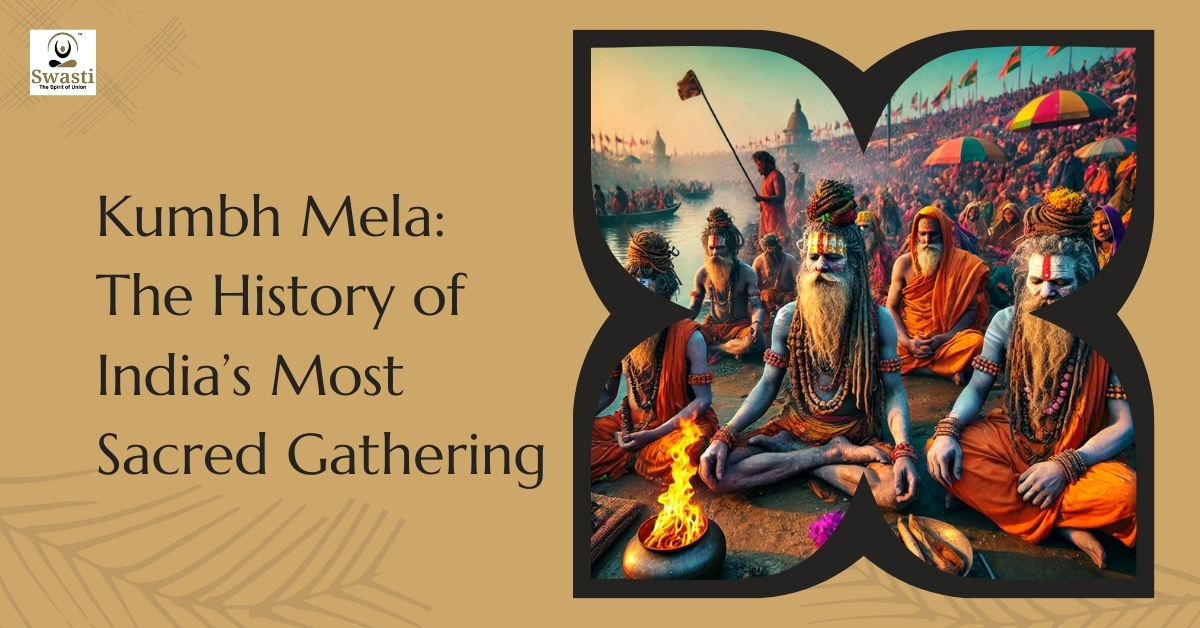
Kumbh Mela The History of India’s Most Sacred Gathering

Kumbh Mela: The History of India’s Most Sacred Gathering

Kumbh Mela, one of the largest and most sacred gatherings in the world, has been a part of India’s cultural and spiritual heritage for centuries. This event, held every few years, draws millions of devotees and pilgrims to sacred rivers across India. In this blog, we will take a deeper look into the history, significance, and types of Kumbh Mela, explaining why it is a must-visit event for every Yogi and spiritual seeker. Origins of Kumbh Mela Kumbh Mela’s origins are rooted in Hindu mythology, specifically in the ancient tale of the “Samudra Manthan” or the churning of the ocean. According to the legend, the gods and demons were engaged in a battle for the nectar of immortality (amrit) that surfaced from the ocean during this churning. As they fought over the nectar, a few drops of it fell at four sacred locations: Haridwar, Prayagraj (Allahabad), Nashik, and Ujjain. These places became the sacred sites for Kumbh Mela, where pilgrims gather to take a holy dip in the rivers to purify their souls and attain spiritual liberation. The Mythological Significance The Kumbh Mela’s importance lies not only in the mythology but also in its connection to key deities in Hinduism. The locations where the event is held are associated with Lord Vishnu and Lord Shiva. Haridwar – Associated with Lord Vishnu, it is one of the most important places to take a dip during Kumbh Mela. Prayagraj (Allahabad) – The confluence of the Ganges, Yamuna, and mythical Sarasvati rivers is another key location, with its association to Lord Shiva. Nashik – Connected to the legend of Lord Rama, this place is where Lord Rama, along with his brother Lakshmana, took a holy dip. Ujjain – Linked to Lord Shiva and considered one of the sacred cities for performing rituals and bathing during Kumbh Mela. Each of these locations carries deep spiritual significance, drawing millions to witness and participate in this grand spiritual gathering. The Astronomical and Spiritual Timing Kumbh Mela is not a random event. Its timing is determined by astrological calculations that align the positions of the Sun, the Moon, and Jupiter (Guru) in specific zodiac signs. According to Hindu astrology, when Jupiter is in Aries or Taurus and the Sun and the Moon align in a favorable position, the auspicious moment for Kumbh Mela arrives. The spiritual significance of this timing is immense. Devotees believe that during Kumbh Mela, the sacred waters are infused with divine power, and taking a dip in these waters cleanses them of sins and paves the way for Moksha (liberation from the cycle of birth and death). The Different Types of Kumbh Mela Kumbh Mela is not held every year but occurs in different types, depending on the alignment of the celestial bodies. There are four types of Kumbh Mela, each with its unique significance: Maha Kumbh Mela The Maha Kumbh Mela is the most significant and rarest of all. It occurs once every 144 years when an exceptionally rare celestial alignment takes place. This gathering is held at Prayagraj, and it attracts the largest number of pilgrims, sometimes even exceeding 100 million attendees. The scale of Maha Kumbh is unimaginable, with the entire city of Prayagraj transforming into a temporary spiritual city during the event. It is an extraordinary occasion for spiritual seekers who aim to experience the ultimate level of divine energy. Purna Kumbh Mela The Purna Kumbh Mela is held every 12 years at each of the four sacred locations: Haridwar, Prayagraj, Nashik, and Ujjain. This gathering takes place when the celestial positions are considered to be in perfect alignment, making the spiritual atmosphere extremely potent. Pilgrims come from far and wide, seeking to purify themselves and gain the blessings of the gods. It is a grand event, though not as rare or massive as the Maha Kumbh Mela. Ardh Kumbh Mela The Ardh Kumbh Mela, meaning “half Kumbh,” is celebrated every six years, alternating between Prayagraj and Haridwar. While smaller in scale compared to Purna Kumbh, the Ardh Kumbh Mela still attracts millions of devotees and is considered highly auspicious. It is seen as a precursor to the Purna Kumbh Mela and is marked by the same rituals, such as the holy dip and prayers by sadhus. Magh Mela An annual event was held at Prayagraj during the Hindu month of Magha (January-February). Though smaller in scale, it holds great spiritual significance as a precursor to larger Kumbh gatherings. The Rituals and Practices Kumbh Mela is famous for its sacred rituals, especially the holy dip in the river. Devotees believe that taking a dip in the sacred waters during the Mela cleanses them of sins and brings them closer to spiritual liberation. The primary ritual involves: Snan (Holy Bath): Pilgrims gather at the ghats (riverbanks) to take a dip, which is considered an act of purification. Many sadhus and spiritual leaders also participate in the bath to symbolize their detachment from worldly matters. Processions of Sadhus: A significant feature of Kumbh Mela is the processions of sadhus (holy men), who have renounced worldly possessions in pursuit of spiritual awakening. Among them are the Naga sadhus, who are naked and covered in ash, symbolizing their complete detachment from material life. Prayers and Offerings: Devotees engage in prayers, offerings, and rituals to seek blessings from the gods. The atmosphere is one of intense devotion and faith, creating a sense of unity and spiritual awakening among the participants. The Evolution of Kumbh Mela Kumbh Mela has been celebrated for centuries, evolving significantly over time. Originally, it was a small gathering of religious figures, but over the centuries, it has grown into a massive event with millions of attendees. The event has adapted to modern times, with the introduction of better infrastructure, transportation, and security measures to accommodate the growing number of pilgrims. In ancient times, Kumbh Mela was a spiritual affair for devotees and ascetics, while in the present day, it also draws tourists, scholars, and people from different walks of

Read More »
From Plastic-Free Retreats to Zero-Waste Yoga Travel

From Plastic-Free Retreats to Zero-Waste Yoga Travel

Yoga is not just a practice for the mind and body, it’s a lifestyle. As the world becomes more eco-conscious, yoga practitioners and teachers are increasingly adopting sustainable practices, both on and off the mat. From plastic-free retreats to zero-waste yoga travel, sustainability is becoming a significant focus in the yoga community. In this blog, we’ll explore the importance of eco-friendly yoga practices and how you can integrate them into your yoga journey. The Rise of Eco-Conscious Yoga Retreats Yoga retreats have always been a place for spiritual and physical rejuvenation, but now more than ever, they are also becoming sanctuaries of sustainability. The growing awareness of climate change, pollution, and environmental degradation has prompted many yoga centers and instructors to rethink how they operate. More yoga retreats are moving toward sustainability by adopting eco-friendly practices such as eliminating plastic, using organic products, and reducing waste. These changes not only protect the environment but also create a peaceful and mindful experience for participants. Many yoga centers are now focusing on offering plastic-free retreats, where everything from food packaging to water bottles is eco-conscious, aligning with the yogic principles of non-harm (Ahimsa) and mindfulness. Zero-Waste Yoga Travel: Why It Matters Zero-waste travel has become a buzzword in the travel industry, and for good reason. It’s all about minimizing your environmental impact by reducing the amount of waste you produce during your travels. For yoga practitioners, who are naturally inclined towards mindfulness and environmental awareness, zero-waste travel is a seamless extension of their practice. When you travel for yoga, you might be tempted to pack everything you think you’ll need. However, packing light and avoiding single-use plastics can make a huge difference in reducing waste. Zero-waste yoga travel encourages yogis to pack reusable items, such as water bottles, bags, and containers, and to make thoughtful decisions about the products they purchase during their travels. Whether you’re heading to a local yoga retreat or an international yoga adventure, every small action counts when it comes to reducing your carbon footprint and promoting sustainability. Some simple zero-waste travel tips include: Pack Light: Focus on essentials and avoid overpacking. Bring Reusable Items: Carry a reusable water bottle, coffee cup, and cutlery. Choose Eco-Friendly Accommodation: Look for yoga retreats and accommodations that prioritize sustainability. Avoid Single-Use Plastics: Bring your toiletries and avoid plastic packaging. Zero-waste yoga travel not only benefits the environment but also enhances your yoga journey. By being more mindful of the resources you consume, you can deepen your connection to the practice and the earth. Plastic-Free Retreats: A Transformational Experience Plastic is one of the most significant contributors to pollution, and it’s something that the yoga community is working hard to eliminate. Plastic-free retreats are a growing trend, where participants can immerse themselves in a retreat experience free from the distractions and harm of plastic. At a plastic-free yoga retreat, everything is carefully planned to minimize waste. For example, meals are served in reusable containers, plastic water bottles are replaced with filtered water stations or glass bottles, and even yoga mats and props are made from sustainable materials. These small but impactful changes create a more peaceful environment that encourages mindfulness and awareness—key aspects of the yoga practice. A plastic-free retreat isn’t just about the physical space—it’s also about fostering a deeper connection with nature and the earth. When we remove plastic and other harmful materials, we’re creating a space for healing, both for ourselves and the planet. For many practitioners, this type of retreat can be life-changing, as it helps shift their perspective on the way they interact with the environment. Swasti Yoga Center is one such yoga center that prioritizes sustainability during its retreats. They work hard to reduce plastic usage and incorporate eco-friendly practices into their offerings. Whether it’s through eco-conscious meals or sustainable accommodation, Swasti Yoga Center is setting a great example for how yoga retreats can be both transformative and environmentally responsible. The Role of Yoga Teachers in Promoting Sustainability Yoga teachers are not just instructors; they are role models and leaders. As ambassadors of the practice, they have the power to inspire their students to adopt sustainable practices both on and off the mat. By incorporating sustainability into their teachings, yoga teachers can help create a more eco-conscious yoga community. For example, teachers can emphasize the importance of reducing waste, bringing reusable items to class, and choosing sustainable products. In class, teachers can guide students in mindful practices that connect them to the earth, such as practicing yoga outdoors, using eco-friendly yoga mats, and adopting mindful breathing exercises that focus on the interconnectedness of all living beings. Teachers can also lead by example, integrating sustainability into their personal lives and sharing their own experiences with students. When yoga instructors adopt eco-conscious practices, they empower their students to do the same. In this way, yoga teachers play a vital role in promoting environmental responsibility and raising awareness about the importance of sustainability. Conclusion – The yoga community is embracing sustainability with open arms, from plastic-free retreats to zero-waste yoga travel. These practices not only benefit the environment but also enhance the yoga experience, creating a deeper connection to both the self and the earth. By making small changes to our travel habits and retreat experiences, we can all contribute to a more eco-conscious world. As the demand for sustainable yoga practices grows, yoga teachers must lead the way in promoting eco-friendly practices. Yoga centers and instructors who incorporate sustainability into their programs are helping create a greener future for yoga and the planet. By supporting and participating in these initiatives, we can ensure that yoga remains a practice that nurtures both the individual and the earth. Why Swasti Yoga Center Is the Best Choice for Yoga Teacher Training in India Swasti Yoga Center offers the best yoga teacher training courses in India that are not only comprehensive and professionally accredited but also focus on sustainability. As an eco-conscious institution, Swasti Yoga Center incorporates green practices into its

Read More »

Add Yoga To Retain The Beauty Of Body And Mind

Vitae aliquam porta sed augue consectetuer. Parturient posuere sed habitasse quisque malesuada platea. Dis suspendisse integer ut facilisis maximus mus.