
🇮🇳 India | 🇺🇸 USA | 🇫🇷 France | 🇦🇪 UAE

🇮🇳 India | 🇺🇸 USA | 🇫🇷 France | 🇦🇪 UAE

Blog

News & Articles

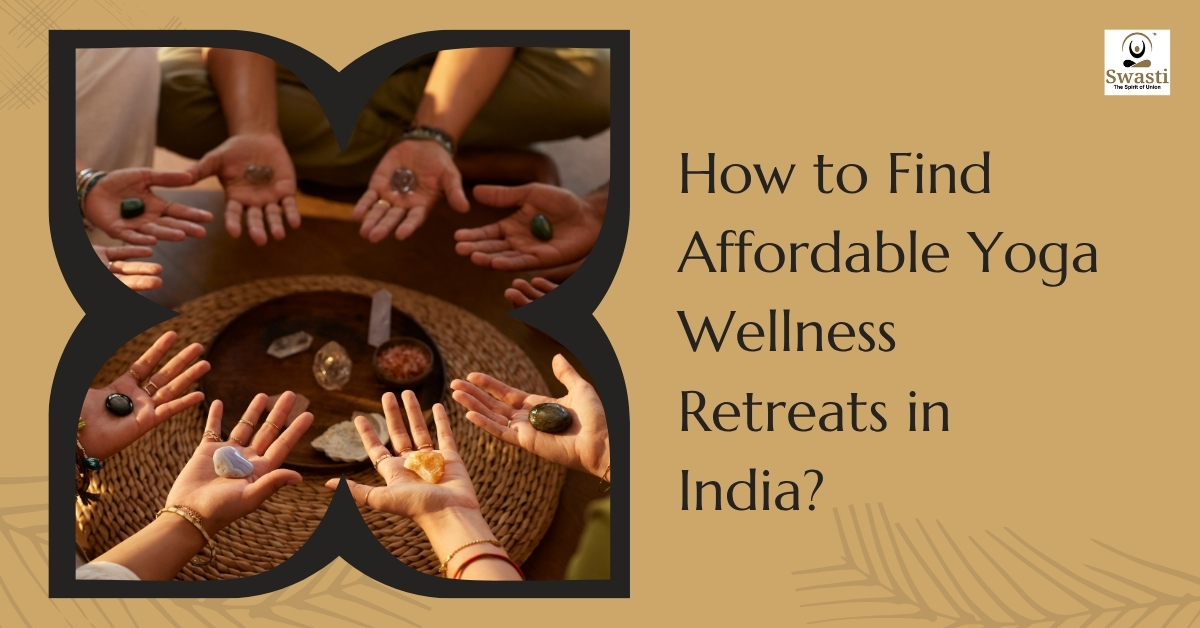
Choosing the Right Yoga & Wellness Retreat in India

Choosing the Right Yoga & Wellness Retreat in India

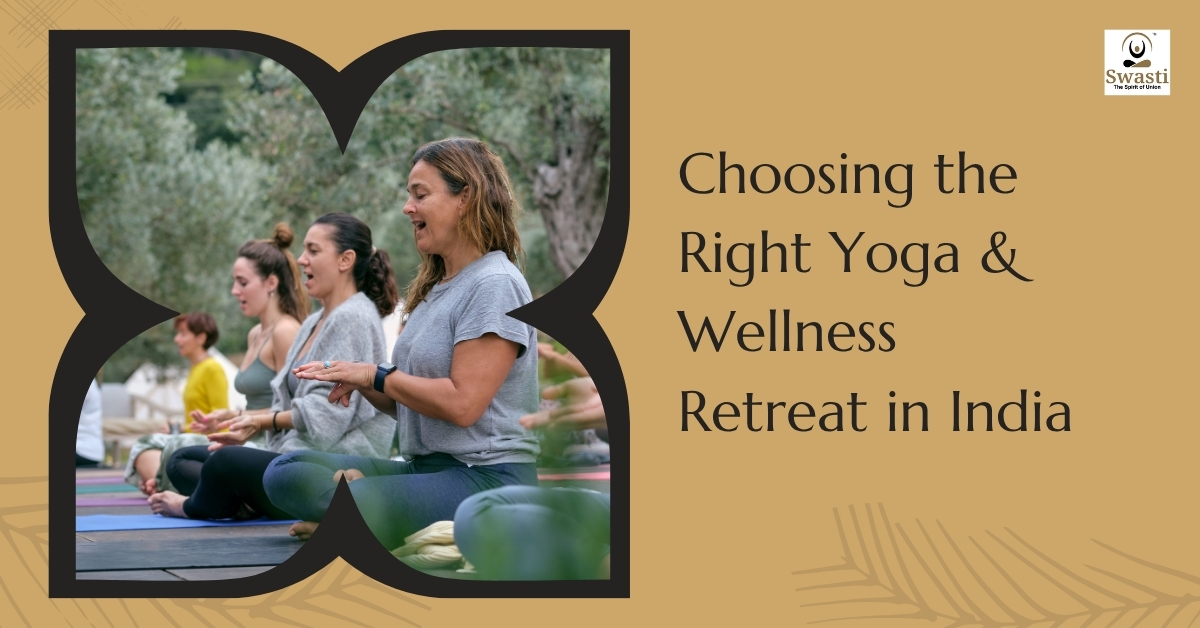
Top 10 Essentials for a Truly Transformative, Culturally Immersive Experience India has always been a sanctuary for seekers. From Himalayan ashrams to coastal wellness sanctuaries, every yoga retreat promises “transformation.” The challenge arises when travelers, especially solo travelers, women, couples, and conscious explorers, must choose the right retreat that feels authentic, safe, and aligned with their personal growth journey. This guide outlines the Top 10 Things to Check before booking a yoga wellness retreat in India, ensuring that the experience goes beyond tourism and invites true inner connection and cultural immersion. Top 10 Factors to Evaluate Before Booking 1. Authentic Yoga Lineage and Credentials Seek centers with qualified yoga therapists, experienced faculty, or recognized accreditations such as: YCB (Yoga Certification Board), Ministry of AYUSH Ashram-based lineage or MD doctors in yoga and AyurvedaThis ensures scientific, safe, and traditional instruction. 2. Focus on Transformation, Not Just Tourism A genuine retreat includes: Daily yoga and meditation Mindfulness and self-reflection time Inner work for mental and emotional well-beingTransformation is the real souvenir. 3. Cultural Immersion and Indian Family Values Travelers often crave belonging, not isolation. Look for: Family-style dining Regional rituals and community activities Traditional Indian hospitalityThese elements foster warmth and deeper cultural understanding. 4. Safety and Comfort for Women and Solo Travelers Verify: Secure residential premises Assistance with local travel Female-friendly facilities and trained staffSafety promotes confidence and presence in the practice. 5. Ayurveda Consultations and Personalized Wellness Plans Traditional healing unlocks deeper rejuvenation. Confirm if retreats offer: AYUSH-certified Ayurveda doctors Body constitution (Prakriti) analysis Tailored diet and therapies 6. Sustainable and Conscious Travel Values Environmentally mindful choices reflect yogic ethics. Ask: What eco-practices are followed? Are local artisans and farmers supported? Are digital detox or minimal waste policies encouraged? 7. Food Philosophy and Dietary Needs The kitchen is the heart of Indian retreat experiences. Check for: Satvik, vegetarian, organic meals Seasonal and mindful eating practices Cooking rituals led by local home chefs 8. Meaningful Excursions Over Sightseeing Choose retreats offering: Village walks and temple visits Art and handicraft workshops Nature immersion and traditional ritualsExperiences that enrich the soul, not overcrowded tourist spots. 9. Group Size and Facilitator Attention Small cohorts ensure: Personal corrections during asanas Safe modifications based on health conditions Social bonding among participants 10. Honest Reviews and Transparent Communication Evaluate: Videos, testimonials, and alumni references Well-detailed daily schedule and inclusions No hidden fees or unrealistic promises A retreat should feel like a supportive community, not a commercial wellness package. 🧳 Pre-Booking Checklist for Travelers Checklist Item Yes No Verified yoga credentials and wellness license ☐ ☐ Women/solo travel safety protocols ☐ ☐ Personalized Ayurveda/therapy support ☐ ☐ Cultural immersion and local authenticity ☐ ☐ Transparent pricing with inclusions ☐ ☐ Community and family-style atmosphere ☐ ☐ Sustainable practices in place ☐ ☐ Healthy local cuisine aligned with yogic principles ☐ ☐ Purpose-driven itinerary (not touristy) ☐ ☐ Alumni testimonials and accessible faculty ☐ ☐ Tick before you book. What You Should Feel After Reading a Retreat Brochure? A sense of trust A spark of inspiration A gentle inner calling that says,“This feels like home.” If the retreat does not evoke that inner resonance, continue exploring. Experience India like family, not a tourist. Conclusion Choosing a yoga retreat in India is not only a travel decision. It is a spiritual investment. When you select a center rooted in authenticity, care, and cultural values, your journey becomes a catalyst for long-lasting transformation. Whether you are a first-time visitor, a conscious traveler, or a yogic explorer seeking deeper self-awareness, India offers a retreat meant for you.

Read More »
Beyond Leggings and Lattes Reviving the Yoga We’ve Forgotten

Beyond Leggings and Lattes: Rediscovering the Yoga We Forgot

Walk into a yoga studio in any big city today, and you might see something that feels more like a lifestyle brand launch than a spiritual practice. Designer leggings, juice bars, curated playlists, and Instagram stories dominate the scene. For many, yoga has become synonymous with fitness, fashion, and photo ops. But yoga was never designed for display. It was created for discipline, self-awareness, and transformation. What we see today is only one fragment of its whole, a focus on asanas (postures) without the philosophy that gives them meaning. The Yoga We’ve Lost Sight Of The word yoga itself means “union”, the integration of body, mind, and spirit. Ancient teachers didn’t see it as a workout routine; they saw it as a way of living with harmony and awareness. The foundational values of yog, ahimsa (non-violence), satya (truthfulness), aparigraha (non-possessiveness), and karuna (compassion), were intended to shape how we treat ourselves, others, and the planet. In a world facing climate change, consumerism, and constant stress, these values feel less like old philosophy and more like urgent survival tools. Imagine if minimalism replaced overconsumption, if forgiveness took precedence over ego battles, and if mindfulness became our default mode instead of distraction. That is the yoga we’ve forgotten and the one we desperately need. Why Poses Aren’t the Whole Story Asanas are important. They strengthen, heal, and prepare the body for stillness. But they’re only one of the eight limbs of yoga described in Patanjali’s Yoga Sutras. Breathwork (pranayama), meditation (dhyana), self-study (svadhyaya), and ethical living are just as crucial. When practice stops at the physical, yoga becomes incomplete a performance rather than a path. The real transformation happens when the lessons of yoga leave the mat. How we respond to stress, how we treat people, how we consume resources that is the living proof of practice. Bringing Back Authentic Yoga So, how do we revive the essence? It begins with teachers who integrate philosophy with movement and students willing to explore beyond the sweat. Classes that include moments of reflection, silence, or discussion about yogic principles create practitioners who are not just flexible but also centered and compassionate. Studios too can play a role. Instead of selling merchandise or pushing diets, they can become spaces of genuine learning, inclusion, and growth. In fact, the more yoga aligns with its original purpose, the more relevant it becomes to modern life. Red Flags: Spotting a “Plastic” Yoga Guru Not every yoga teacher or studio is authentic. Here are a few clear signs of when yoga is being sold more than taught: Looks over learning: Classes revolve around selfies and aesthetics instead of real practice. No philosophy: You sweat, but you don’t learn. Over-commercialization: More products and diet plans than self-discovery. Ego-driven presence: The teacher creates dependency rather than empowerment. Exclusivity: Any yoga that judges, excludes, or divides isn’t yoga at all. The Shift We Need Yoga’s future doesn’t depend on how many studios open or how many followers a teacher has. It depends on whether we, as practitioners, bring the philosophy into our daily lives. Choosing teachers who inspire transformation over transaction, and choosing paths that cultivate awareness instead of vanity, is where it begins. Because at its heart, yoga is not about the mat. It’s about life. It’s about the conversations we have, the choices we make, and the kindness we extend. If we can bring yoga back from leggings and lattes to living and loving, it can become what it was always meant to be a path to inner freedom and collective harmony.

Read More »
What Are the Elements of Yoga A Guide to the 8 Steps

What Are the Elements of Yoga? A Guide to the 8 Steps

When someone says yoga, what picture comes to mind? For many, it’s a room full of people flowing through postures, or maybe a calm breathing session. While those are part of yoga, they are only a fraction of what this ancient science really is. Yoga, as described by Sage Patanjali in the Yoga Sutras, is a complete framework for living a conscious life. It is built on 8 interconnected elements that guide a person from the basics of daily discipline to the highest states of awareness. What makes them remarkable is their timeless relevance. Even in today’s fast-moving, distracted world, these elements can anchor us and give meaning to how we live, work, and connect. Let’s walk through each element, not as abstract philosophy, but as practical steps you can integrate into modern life. 1. Yama: The Foundation of Relationships Yama deals with how we interact with the world. It is the ethical base of yoga and includes five principles: Ahimsa (Non-violence): Choosing compassion in words, thoughts, and actions. Satya (Truthfulness): Aligning speech and actions with honesty. Asteya (Non-stealing): Respecting others’ time, energy, and resources. Brahmacharya (Moderation): Channeling energy wisely instead of overindulging. Aparigraha (Non-possessiveness): Letting go of greed and unnecessary attachment. In practical terms, this could be as simple as being mindful not to snap at a colleague when stressed, respecting boundaries in relationships, or resisting the pull of consumerism. Yama sets the ground for peaceful coexistence with others. 2. Niyama: The Discipline of Self If yama is about the outer world, niyama focuses on the inner. It helps us develop discipline and self-awareness. The five niyamas are: Shaucha (Cleanliness): Keeping both body and mind free of toxins. Santosha (Contentment): Finding joy in what you already have. Tapas (Discipline): Building resilience through committed practice. Svadhyaya (Self-study): Reflecting on one’s thoughts, or studying sacred texts. Ishvar Pranidhana (Surrender): Trusting the flow of life or a higher reality. For example, keeping your digital space uncluttered, practicing gratitude daily, and showing up for your yoga practice even when you don’t feel like it, all of these reflect niyama in action. 3. Asana: Harmony Through the Body Asana, the physical postures, are often mistaken for the entirety of yoga. In truth, they are one limb of eight. Patanjali defined asana as “a steady, comfortable posture.” The aim was not to perform acrobatics, but to prepare the body for meditation by building strength, flexibility, and endurance. Think of asana as the doorway to presence. When you hold a posture with awareness of your breath and body, your restless mind naturally begins to calm down. This is why yoga classes often leave you feeling more centered than a gym workout. 4. Pranayama: Breathing Life Into Practice Prana means life force, and pranayama is the art of directing it through breath. Breath is more than oxygen; it’s directly linked to how you feel and think. Notice how your breathing becomes shallow when anxious, and deep when relaxed. Simple practices such as alternate nostril breathing or deep belly breathing can balance your nervous system, sharpen focus, and even help regulate emotions. By learning pranayama, you don’t just control your breath; you learn to influence your mind. 5. Pratyahara: Managing the Senses Pratyahara is often overlooked, but it’s one of the most powerful tools for our age of distraction. It is the withdrawal of the senses, the conscious choice to step back from external noise. Imagine scrolling endlessly on your phone, feeling drained without realizing it. Practicing pratyahara might mean unplugging for an hour, closing your eyes, and turning attention inward. It’s not about rejecting the world but learning not to be controlled by it.   6. Dharana: Building Mental Focus Dharana is the concentration, the ability to hold the mind steady on one object. In a world of constant notifications and multitasking, this element feels more relevant than ever. It could be as simple as focusing on your breath for a few minutes without letting your mind wander, or staying fully engaged in a task without switching tabs. Over time, this mental training enhances not only meditation but also daily productivity and clarity. 7. Dhyana: The Art of Meditation When concentration flows seamlessly, it transforms into dhyana or meditation. Unlike dharana, which requires effort, dhyana is effortless awareness. It’s a state of being where you’re fully present, not pulled between past and future. Meditation has countless benefits supported by modern research, from lowering stress to improving emotional health. But beyond benefits, dhyana is the space where you meet yourself most honestly. 8. Samadhi: The Union The final element, samadhi, is the culmination of all practice. It is often described as union or complete absorption. In samadhi, the sense of separation dissolves you no longer feel like an isolated individual but part of a greater whole. This doesn’t necessarily mean a permanent mystical state. Even small glimpses of moments of deep stillness in nature, or feeling completely absorbed in a creative flow, are samadhi in everyday life. Why These Eight Elements Still Matter? Patanjali’s eight elements may be centuries old, but they’re surprisingly practical today. Ethical living (yama and niyama) creates harmony in relationships and within yourself. Body and breath practices (asana and pranayama) keep you strong, calm, and energized. Mind training (pratyahara, dharana, dhyana) gives clarity in a noisy world. Samadhi offers a reminder of something larger than daily struggles—a taste of inner peace. Rather than a ladder, these elements are like interconnected threads. You don’t need to master one before starting another. You can begin anywhere and grow step by step. Living the Elements of Yoga Yoga is not about escape; it’s about living more fully. Each element invites you to bring awareness into ordinary life: in the way you speak, the way you breathe, the way you focus, and the way you connect with others. Begin with one element that speaks to you. Maybe it’s practicing gratitude, maybe it’s mindful breathing, maybe it’s simply sitting in silence for a few minutes each day. The

Read More »
A Personalized One-on-One Yoga Retreat with an Indian Yogic Family

A Personalized One-on-One Yoga Retreat with an Indian Yogic Family

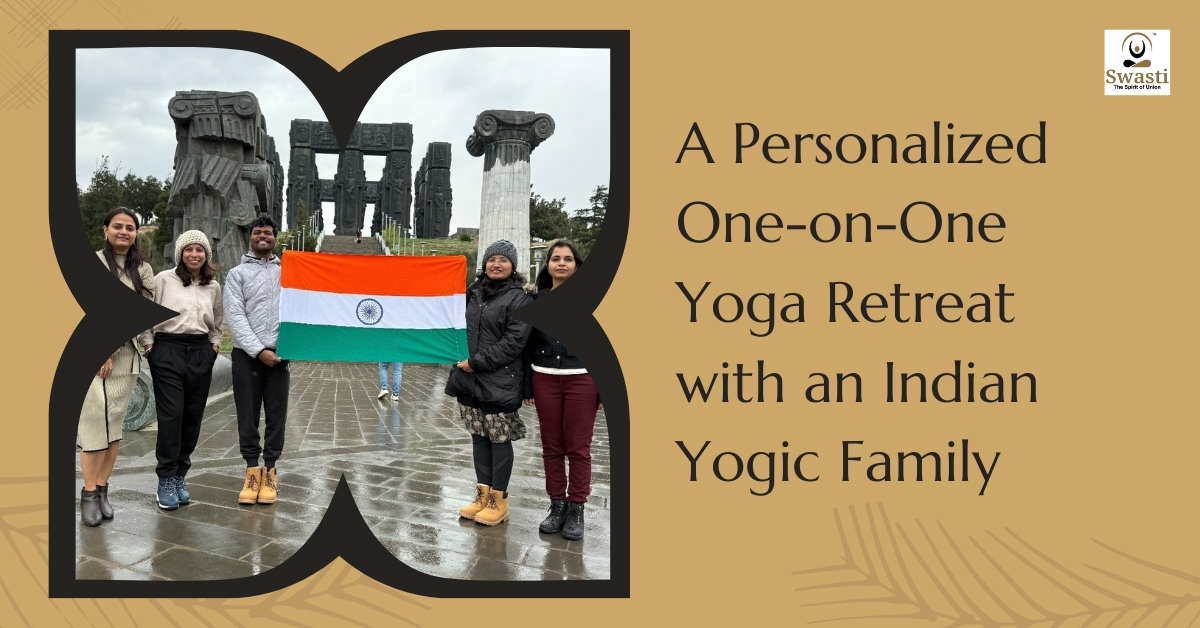
Mass tourism and commercial wellness programs are everywhere today, but a quieter and more authentic approach to healing is taking root: the personalized one-on-one yoga retreat with an Indian yogic family. This is not about luxury facilities or a jam-packed activity list. It is about trust, intimacy, and deep transformation through real-life yogic living. The Spirit of “Atithi Devo Bhava” At the heart of such a retreat lies the Indian tradition of Atithi Devo Bhava — the guest is considered God. Here, you are welcomed not as a paying customer but as a member of the family. You stay in the home of a traditional yogic family, where every moment, from morning prayers to the preparation of fresh sattvic meals, becomes a living expression of yoga. A Retreat That Revolves Around You Unlike large group retreats, where it is easy to fade into the background, here the focus is entirely on you. Every yoga session is designed for your unique needs, whether they are physical, emotional, or spiritual. The teacher observes your nature (prakriti), understands your current state, and guides you step by step through breathwork, meditation, postures, and lifestyle habits that align with your constitution and life goals. Space for Inner Work Group retreats can sometimes feel more social than spiritual. In a one-on-one setting, there are no distractions from the energy of a crowd or a rigid timetable. Your pace is respected, your silences are valued, and your vulnerability is met with compassion. This safe, focused space allows for deeper self-exploration and healing. Immersed in Yogic Culture Living with a yogic family is also a cultural immersion. You participate in rituals, witness festivals like Ganesha Chaturthi and Holi, learn ancient Ayurvedic cooking methods, and join spiritual discussions — not as an outsider but as part of the household. These moments are unplanned and natural, offering lessons that go beyond what any commercial retreat can offer. Healing Beyond the Mat The most profound transformation often happens outside formal practice. It is in the shared smiles, conversations over herbal tea, walks in the fields, and quiet moments with a family that lives their values every day. This warmth and human connection create a sense of belonging that stays long after the retreat ends. Who This Retreat is For A personalized retreat is not designed for entertainment or quick results. It is for seekers who value depth over display, connection over consumption, and transformation over tourism. If you are ready to slow down, open up, and truly live the yogic way, this experience offers something rare and real. Returning Home Changed When you leave, you carry more than relaxation. You carry a shift in perspective and often a lifelong bond with a second family in India who once held space for your healing journey. The retreat becomes a chapter in your life that continues to inspire long after you return home. Begin Your Journey at Swasti Yoga Center At Swasti Yoga Center, we welcome you not as a guest but as family. Our one-on-one retreats with an Indian yogic household are designed to honour your pace, your needs, and your unique path. You will live the yogic lifestyle in its truest form, supported by teachers who guide with both wisdom and warmth. If you feel called to slow down, reconnect with yourself, and experience India beyond the surface, we are ready to open our home and our hearts to you. Come as you are, and return with a deeper sense of peace, clarity, and belonging.

Read More »
Cow Therapy (Goshala Seva) Ancient Wisdom for Modern Wellness

Cow Therapy (Goshala Seva): Ancient Wisdom for Modern Wellness

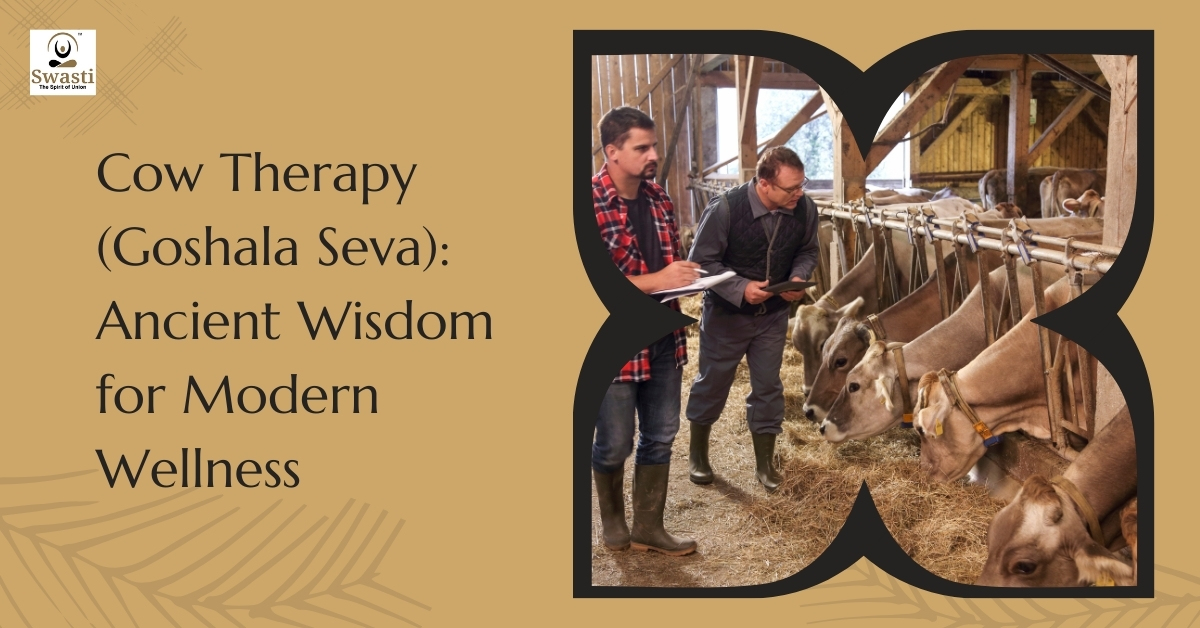
In an age of digital overwhelm, burnout, and rising mental health challenges, wellness seekers are increasingly turning toward nature-based therapies to reconnect, reset, and restore. One of the most surprising yet deeply healing practices emerging from India is Cow Therapy, also called Goshala Seva—a mindful experience of feeding, caring for, and meditating with sacred Indian cows. To many in the West, the idea of spending time with cows as a wellness practice may seem unfamiliar—or even strange. But Cow Therapy is not a religious ritual, nor is it about idolizing animals. Rather, it is a science-backed, spiritually enriching, and emotionally grounding experience that taps into age-old traditions and modern therapeutic principles. At wellness centers like Swasti Yoga Center, integrating Cow Therapy has become a transformative journey, offering not just peace and connection—but also active climate action, cultural preservation, and compassionate service. What is Cow Therapy (Goshala Seva)? Cow Therapy is a nature- and animal-assisted therapy that allows individuals to interact with cows in a sacred and mindful environment. Activities include: Feeding the cows with jaggery, fodder, or fruits Brushing and massaging the cows to establish touch-based healing Cleaning cow sheds with natural tools Offering water, chanting mantras, or playing soft music Meditating in the presence of cows, known for their calm, grounding aura Participating in traditional Indian rituals like Gau Aarti and Pradakshina This therapy, known for its non-verbal, intuitive healing, is both therapeutic and transformative—nurturing compassion, gratitude, and emotional resilience. This is a non-religious, sensory-based experience that centers on kindness, connection, and calm. Why Cows? Unlike other animals, Indian cows—especially indigenous breeds like Gir and Sahiwal—are known for their calm temperament, emotional sensitivity, and nurturing energy. Their slow, rhythmic movements and peaceful presence act as a grounding force for the nervous system. Think of it as a large, warm, breathing therapy animal that expects nothing and gives everything. In India, cows are not worshipped in the literal sense, but honored as symbols of selfless giving—providing milk, natural fertilizer, and companionship, even in old age. This cultural respect has led to the creation of Goshalas, sanctuaries where cows live peacefully after their productive years. Scientific Research & Mental Well-being Scientific evidence supports the benefits of animal-assisted therapy. Studies published in the Journal of Psychiatric Research and Frontiers in Psychology show that interacting with animals lowers cortisol (stress hormone), increases oxytocin (bonding hormone), and improves symptoms of PTSD, anxiety, and depression. Slowing the nervous system: The slow movements and calm energy of cows help individuals mirror that stillness. Grounding effect: Touching cows, walking barefoot in the mud, or cleaning sheds offers earth-based grounding, a key factor in emotional regulation. Non-judgmental presence: Cows offer silent companionship that feels safe and accepting, especially for people dealing with trauma or grief. Who Can Benefit? Cow therapy is open to: Children, including those with autism or behavioral issues The elderly need companionship and purpose Mental health patients recovering from trauma, depression, or addiction Corporate professionals dealing with burnout and disconnection Spiritual seekers, yoga students, or wellness travelers seeking deeper connection No religious background or prior experience is needed—only an open heart and gentle attitude. Cultural Importance in India In Indian tradition, the cow is revered as Gau Mata (Mother Cow)—a divine symbol of abundance, patience, and nurturing. Cows are present in Hindu mythology, rituals, and daily life. Ancient texts describe cows as Kamadhenu, the wish-fulfilling being, and their pancha-gavya (milk, curd, ghee, urine, and dung) are used in rituals and Ayurveda. Sustainability & Climate Action Cow therapy goes beyond emotional wellness—it becomes a gateway to climate-conscious living. Indigenous Indian cows (like Gir, Sahiwal, and Rathi) are not raised for mass dairy production but are eco-resilient and central to organic agriculture. Cow dung is a bio-resource used to make: Compost and fertilizer (reducing chemical use) Biogas for clean cooking fuel Eco-products like rosary beads, incense sticks, paper, cow-dung idols, and bricks Cow urine is used in natural pest control and Ayurvedic medicines. By buying products made from cow dung, consumers help: Prevent the slaughter of old or unproductive cows Create income for goshala workers Promote zero-waste, cruelty-free production models This connects well with global efforts to reduce carbon footprints, promote biodiversity, and embrace sustainable tourism. Rules & Ethics of Goshala Seva Participants are expected to: Show gentleness and reverence to cows Refrain from wearing leather or synthetic perfumes Follow a vegetarian or sattvic diet before seva Keep silence or chant softly during interactions Respect caretakers and maintain cleanliness These ethical practices ensure a sacred, calm, and respectful environment. Spiritual and Yogic Dimensions Cows are considered sattvic beings, radiating purity and peace. Meditating near cows: Enhances Anahata Chakra (heart energy) Deepens Bhakti Yoga (devotion) Encourages Ahimsa (non-violence), the foundational yogic virtue Invokes contentment, forgiveness, and spiritual strength At Swasti Yoga Center, cow therapy is often integrated with sunrise yoga, kirtan, karma yoga, and cultural rituals, creating a holistic path to inner transformation. Myths Debunked Myth 1: Cow Therapy is religious.Reality: While cows are respected in Indian culture, the practice is spiritual, not dogmatic. No conversion, belief system, or ritual obligation is involved. Myth 2: It’s unscientific.Reality: Cow therapy incorporates elements of animal-assisted therapy, eco-therapy, mindfulness, and somatic healing—all backed by growing research. Myth 3: Old cows are useless and should be culled.Reality: In India, even non-milking cows contribute through sustainable products made from their dung and urine—such as biodegradable paper, rosary beads, incense sticks, fertilizers, and even eco-building materials. Purchasing these products helps sustain the cows’ lives and offers an ethical alternative to slaughter. From Stillness Comes Healing Cow Therapy is not about worshiping cows—it’s about slowing down, listening deeply, and reconnecting with life in its simplest form. In a world chasing productivity, this is a therapy rooted in presence, peace, and purpose. Whether you’re a wellness traveler, a sustainability enthusiast, or someone simply seeking comfort, Cow Therapy invites you to experience healing in the most unexpected, yet deeply natural way—through the eyes of a sacred cow. Come experience Cow Therapy at Swasti Yoga Center, where

Read More »
Farm Therapy Cultivating Wellness Through Rice Plantations at Swasti Yoga Center

Farm Therapy: Cultivating Wellness Through Rice Plantations at Swasti Yoga Center

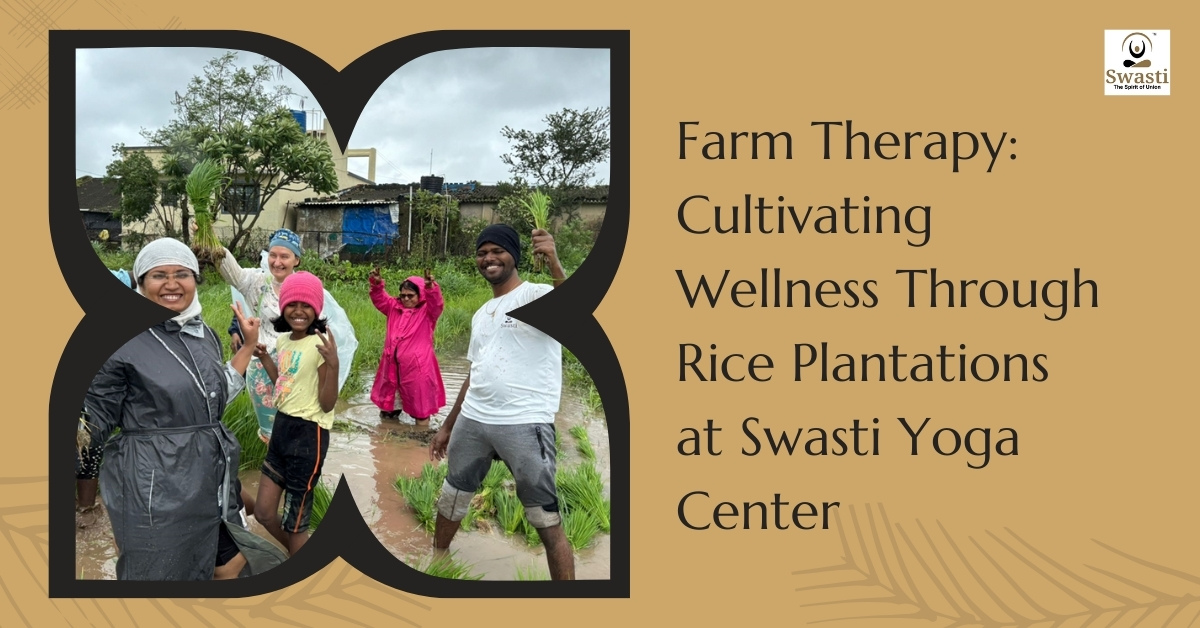
Lifestyle disorders such as obesity, anxiety, depression, and hypertension are affecting millions across the globe. As more people turn toward holistic healing and preventive healthcare, farm therapy is gaining recognition as a powerful wellness approach. At Swasti Yoga Center, farm therapy is part of a unique retreat experience that blends traditional Indian wisdom with nature-based practices. Activities like rice planting, vegetable farming, and Panchamahabhuta therapy create a deep and lasting impact on physical, emotional, and spiritual well-being. What is Farm Therapy? Farm therapy, also known as horticultural or agrotherapy, is a nature-based wellness practice where participants engage in hands-on agricultural work such as sowing seeds, harvesting crops, and working with soil. Unlike passive relaxation, this is an active, immersive experience rooted in karma yoga, or selfless action. It promotes mindfulness, supports physical health, balances emotions, and builds a connection to the earth. At Swasti, the farm therapy program includes rice plantation, organic vegetable gardening, composting, and indigenous farming techniques. Guests also take part in sunrise yoga, sunset sadhana, haldikumkum rituals, mud therapy, prasadam distribution, and cultural immersion. The goal is to offer an eco-spiritual experience that stays with you long after you return home. Who Can Join? Farm therapy at Swasti Yoga Center is ideal for: Wellness travellers and spiritual seekers Corporate professionals looking for stress relief Anyone dealing with burnout, anxiety, or chronic lifestyle issues International tourists and students interested in Indian culture, sustainability, and yoga Children, families, and elders seeking eco-educational holidays No prior farming experience is required—just an open heart and a willingness to reconnect with nature. Scientific Evidence and How It Works 1. Reduces Stress and Cortisol LevelsA 2017 study in the International Journal of Environmental Research and Public Health found that just 30 minutes of horticultural activity significantly lowers cortisol, reduces depression symptoms, and improves mood. 2. Boosts Immunity Through the MicrobiomeHealthy soil contains beneficial microbes like Mycobacterium vaccae that can boost serotonin production in the brain, improving mood and emotional resilience. Research in Immunology and Allergy Clinics of North America confirms that exposure to diverse microbes in nature strengthens the immune system. 3. Supports Heart and Muscle HealthFarm activities such as bending, digging, walking, and lifting provide low-impact physical exercise that benefits the heart, strengthens muscles, and helps manage weight, reducing the risk of diabetes and hypertension. 4. Enhances Mindfulness and Reduces AnxietyThe repetitive actions of planting, watering, or harvesting create a meditative rhythm that promotes mindfulness. According to the Journal of Health Psychology, gardening is linked to reduced anxiety and higher life satisfaction. The Healing Power of Mud Therapy Rice planting at Swasti naturally includes mud therapy, as participants step barefoot into nutrient-rich, water-soaked fields. This simple yet powerful practice offers multiple benefits: Detoxification – Mud helps draw out toxins and heavy metals through the skin Better Digestion and Metabolism – Cooling mud applied to the abdomen can reduce inflammation and support gut health Nervous System Relaxation – The grounding effect of mud on the hands and feet soothes the nerves, easing anxiety and tension Skin Nourishment – Rich minerals in the mud exfoliate and rejuvenate the skin Temperature Balance – Mud retains moisture and cools the body, a welcome relief in tropical climates The Swasti Experience: More Than Farming Farm therapy at Swasti Yoga Center goes far beyond agricultural work. Every activity is interwoven with Indian yogic principles and cultural traditions to deepen the healing process: Karma Yoga on the Farm – Farming becomes a spiritual practice, teaching humility and the value of nature’s cycles Bhakti Yoga and Haldikumkum – Traditional rituals like haldikumkum, chanting, and offerings cultivate gratitude and reverence for the earth Sunrise Yoga and Sunset Sadhana – Practices held in open fields align the body and mind with natural rhythms Panchamahabhuta Therapy – By connecting to earth, water, fire, air, and space, participants experience elemental balance central to yoga and Ayurveda A Journey Back to Your Roots In a world dominated by screens and concrete, farm therapy at Swasti Yoga Center offers a return to what truly matters. It is not only about planting rice or growing vegetables—it is about planting seeds of awareness, resilience, and harmony in life. Guests from around the world leave with more than just a sense of wellness. They take home a deeper understanding of India’s sustainability traditions, community living, and yogic way of life. Whether you are seeking spiritual depth, relief from stress, or a stronger bond with nature, farm therapy could be your most grounding and life-changing journey yet. Come to Swasti Yoga Center and discover how the fields, the soil, and the rhythm of nature can restore balance to your body, mind, and spirit.

Read More »
Why India Is the Ultimate Retreat for Global Content Creators

Why India Is the Ultimate Retreat for Global Content Creators?

In an age where authenticity is currency and stories are the bridge between cultures, content creators and writers worldwide are seeking deeper, more meaningful experiences. One such transformational journey awaits in the heart of India — the land where yoga was born. For those looking to immerse themselves in a holistic way of living, a YCB-certified yoga course accredited by AYUSH (Ministry of Ayurveda, Yoga & Naturopathy, Unani, Siddha and Homeopathy) and cited by the World Health Organization (WHO) offers not just a wellness education, but a soul-stirring narrative to carry home. Why India? India is not just a country; it’s a mosaic of living traditions, spiritual depth, and ancient wisdom. Unlike a vacation that ends when you return home, a learning experience here—especially in the field of yoga—continues to evolve with you. It is in India that yoga is not merely a fitness regime; it is a way of life that aligns body, mind, and spirit. For global content creators and writers, this immersive journey offers an opportunity to authentically capture the ancient and modern pulse of yoga at its very source. AYUSH & YCB Certification: Global Credibility with Ancient Roots The AYUSH ministry under the Government of India ensures the quality and authenticity of Indian traditional healthcare systems, including yoga. The Yoga Certification Board (YCB), established by the ministry, offers globally recognized certifications for various levels of yoga teachers and therapists. These are aligned with international standards and are even cited by the WHO in its global strategy for integrating traditional and complementary medicine into mainstream healthcare systems. This gives content creators not only a deeper, structured understanding of yoga but also a prestigious credential to add to their professional portfolio. Whether you’re a wellness blogger, travel journalist, documentary filmmaker, or a spiritual author, this adds depth and credibility to your narrative. Live the Story: Stay with an Indian Family What sets this experience apart is the chance to stay with an Indian family. This is not a hotel stay; it’s an invitation into the everyday rhythm of Indian life. From waking up to the aroma of masala chai, to participating in home-cooked satvik meals and engaging in evening bhajans or temple visits, you are no longer an outsider. You become part of a story that you can later retell—not from imagination, but from lived experience. The simple conversations with your host family often provide more insight than guidebooks. Their stories, traditions, and values begin to shape your perspective. Whether it’s understanding the significance of a turmeric-rubbed entrance or the quiet power of morning silence before prayers, these moments are gold for storytellers. Soaking in the Cultural Richness and Local Festivals India’s calendar is dotted with vibrant festivals, each with its unique rituals, colors, and energy. From dancing in the streets during Ganesh Chaturthi to lighting oil lamps during Diwali, or witnessing the spiritual austerity of Mahashivratri, these celebrations offer a vivid palette for creative documentation. Imagine doing yoga as the sun rises on the ghats of Varanasi, followed by attending a local Holi festival where you’re drenched in colors and joy. Or learning pranayama in the Himalayas and later attending a folk dance night in a nearby village. This blend of physical practice and cultural immersion makes your yoga journey not just informative but artistically inspiring. Spiritual Vibes and Sacred Spaces India is dotted with powerful spiritual centers—Rishikesh, Varanasi, Auroville, Dharamshala, and Pune, to name a few. These places resonate with centuries of meditation, devotion, and inner exploration. Practicing yoga and meditation here allows for a kind of spiritual transformation that is rare elsewhere. As a content creator, this is where your storytelling becomes experiential. You are not just writing about yoga philosophy; you are embodying it. Your words or visuals carry the stillness of a morning mantra chant, the vibration of temple bells, the scent of incense in a puja room, and the serenity of a forest walk post meditation. A Chance to Detox from Digital Overload In an increasingly fast-paced, digital world, creators often suffer from burnout, anxiety, and creative blocks. A yoga course in India offers an antidote. The structured daily routine, deep breathing practices, guided meditations, and mindful lifestyle provide a mental reset. The YCB course emphasizes ethical living (Yamas and Niyamas), conscious eating, balanced emotions, and a connection with nature—all of which support mental clarity and creative revival. Cross-Pollination of Cultures and Ideas Yoga schools in India, especially those catering to international students, become microcosms of global unity. In your class, you might find someone from Brazil, Japan, Germany, or Kenya. The conversations during meal breaks and tea sessions evolve into cultural exchanges. For writers, this is a rich tapestry to draw from—ideas, perspectives, and global friendships blossom here. Sustainability, Simplicity, and Slow Living Many YCB-certified centers, like Swasti Yoga Center in Pune, are adopting eco-conscious practices such as zero waste, organic farming, and minimalistic living. This adds another layer of richness to your learning, showcasing how yoga and sustainability go hand in hand. These principles resonate deeply with modern audiences who are increasingly conscious of the planet and their impact. Documenting Your Transformational Journey Whether through a blog, vlog, podcast, or documentary, this journey becomes your transformational arc. From arriving as a seeker to returning home as a storyteller, your narrative is not just about India or yoga—it’s about finding stillness in chaos, discovering strength in simplicity, and embracing unity in diversity. Final Thoughts India doesn’t just teach you yoga—it transforms you through it. For global content creators and writers, this is not just a certification course. It is an invitation to walk the path of self-awareness while documenting a culture that continues to inspire millions worldwide. With its spiritual depth, cultural richness, and certified learning backed by global standards, India offers a once-in-a-lifetime opportunity to live the stories you long to tell. – Dr Rodan (Jordan)

Read More »
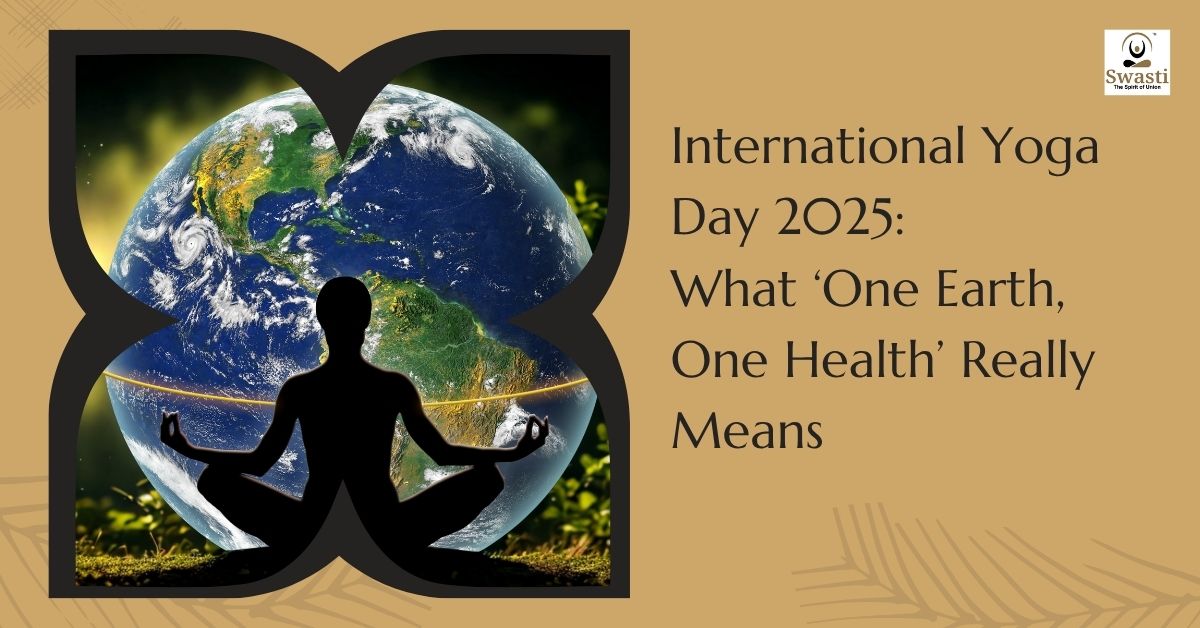
International Yoga Day 2025: What ‘One Earth, One Health’ Really Means

International Yoga Day 2025: What ‘One Earth, One Health’ Really Means

International Yoga Day 2025 is just around the corner, and this year’s theme, “One Earth, One Health”, carries a powerful message for every individual on the planet. Observed globally on June 21, this day is more than just a celebration of yoga; it’s a reminder that our health and the health of the Earth are deeply connected. As registrations cross 50,000 for Yoga Day events in India alone, the buzz around Yoga Sangam 2025, India’s largest grassroots yoga campaign, shows that people are waking up to the bigger picture. But what does “One Earth, One Health” really mean, and how can we align our daily habits with it? Let’s explore. International Yoga Day 2025 Theme: The Message Behind ‘One Earth, One Health’ International Yoga Day 2025 will be celebrated on June 21st, and this year’s theme is “One Earth, One Health.” The theme reminds us that our health and the planet’s health are closely connected. It’s not just about doing yoga for fitness, it’s about living in a way that is good for both our bodies and the Earth. This idea has been shared by the Ministry of AYUSH to inspire people all over the world to use yoga as a way to live better, care for nature, and feel more balanced in daily life. This theme isn’t just a slogan; it’s a simple yet profound idea. It tells us that we can’t be truly healthy unless the world around us is healthy too. From the air we breathe to the water we drink and the food we consume, everything is connected. Yoga plays a vital role here. It doesn’t just heal the body or calm the mind; it teaches us balance, responsibility, and awareness. These are the very qualities we need to care for ourselves and the planet. Yoga is not just about stretching or bending; it’s about creating inner balance that mirrors external balance. It teaches us discipline in how we treat our bodies, and this discipline can naturally extend to how we treat the Earth. When we practice yoga, we learn: Self-awareness: Noticing how we breathe, eat, move, and think Mindful living: Making conscious choices that reduce harm, both to ourselves and to nature Simplicity and minimalism: Moving away from overconsumption, towards mindful habits Respect for life: Cultivating compassion for all living beings and ecosystems In a world where stress levels are soaring, lifestyle diseases are increasing, and climate change is accelerating, yoga offers a powerful response. It gently reminds us that the answers don’t always lie in new technology or medication, but sometimes in ancient wisdom and a reconnection with nature. When we slow down, breathe deeply, and stretch our bodies with intention, we aren’t just improving our health, we’re choosing a way of life that respects and nurtures the Earth. And that’s exactly what “One Earth, One Health” is all about. Global Movement: What to Expect This Year Yoga, which originated in India over 5,000 years ago, is more than just a set of stretches or breathing exercises. It’s a lifestyle that encourages harmony within ourselves and with the world. International Yoga Day 2025 is expected to be the biggest global celebration of yoga yet, with participation from millions of people across continents.  Yoga Sangam 2025 Organized by the Government of India, Yoga Sangam 2025 is set to be one of the largest grassroots yoga events ever. Schools, colleges, housing societies, corporates, and NGOs are all encouraged to participate and host sessions. You can explore Yoga initiatives by the Ministry of AYUSH to see how India is leading the movement in 2025 and making yoga accessible to every citizen. Thousands of events will be held across India, from Mumbai’s Marine Drive to Delhi’s Central Park and across the globe, from Times Square to Sydney Harbour. Indo-Japanese Yoga Festival Another inspiring event is the Indo-Japanese Yoga Culture Festival, hosted by Swasti Yoga Center. This festival brings together yoga lovers, teachers, and cultural ambassadors from India and Japan to celebrate unity, health, and shared ancient wisdom. It’s a beautiful example of how yoga can connect people across borders and traditions. Global Participation Countries across Asia, Europe, North America, and Africa will join in with public yoga sessions, workshops, and awareness campaigns. Embassies and international yoga centers are also preparing to host themed events focused on health, sustainability, and mental wellness. How Can You Celebrate International Yoga Day 2025? Whether you’re new to yoga or a seasoned practitioner, there are many meaningful ways to be a part of this year’s celebration: Join a Local or Online Yoga Session: Take part in public yoga events or join a free live-streamed class from home on June 21. Choose a session that matches your comfort and experience level. Host a Community, School, or Office Event: Organize a yoga session at your workplace, society, or school to bring people together. Invite a local instructor or lead a simple, beginner-friendly routine. Practice Eco-Conscious Habits: Carry reusable water bottles, avoid plastic, and walk or cycle to your yoga session. Small actions reflect the “One Earth, One Health” spirit. Share Your Yoga Story on Social Media: Post your photos or videos using hashtags like #YogaDay2025 and #OneEarthOneHealth. Inspire others to join in and celebrate mindfully. Yoga That Aligns with the Theme Here are a few yoga practices you can try that reflect the theme of balance and harmony: Surya Namaskar (Sun Salutation) – Boosts your energy, stretches every major muscle group, and honors the rising sun nature’s daily miracle.It helps you stay grounded while reminding you to begin your day with awareness and gratitude. Vrikshasana (Tree Pose) – Symbolizes strength, stability, and balance, just like a tree rooted in the Earth. Practicing this pose improves focus and builds a quiet connection with nature. Pranayama (Breathing Techniques) – Cleanses the lungs, calms the mind, and refreshes your energy. It teaches you to slow down, breathe deeply, and stay present, just as the Earth breathes in cycles. Meditation on Nature –Sitting quietly and focusing on natural

Read More »
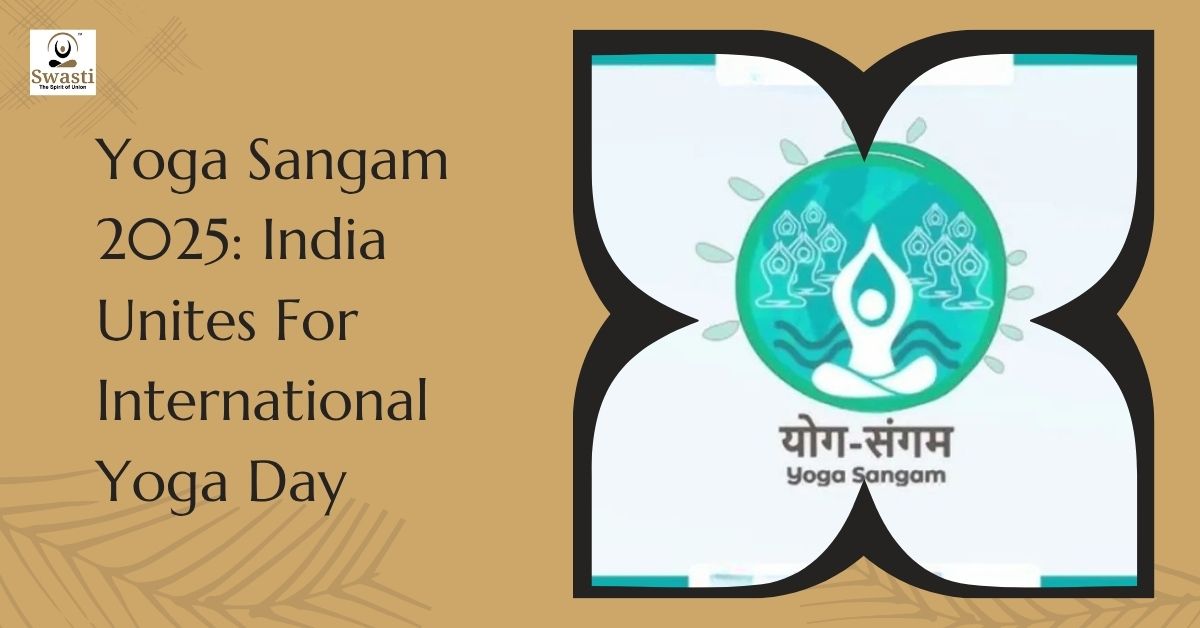
Yoga Sangam 2025 India Unites For International Yoga Day

Yoga Sangam 2025: India Unites For International Yoga Day

India is preparing to create history on June 21, 2025, not with rallies or banners, but with stillness, breath, and unity. Yoga Sangam 2025 is not just another celebration of International Yoga Day; it’s a nationwide movement where over 50,000 organizations are coming together to promote health, wellness, and harmony. This is not a government-only initiative; it’s a people’s campaign, reaching from big cities to the smallest villages, across every sector and social group. Yoga Sangam is about coming together. It’s a powerful idea rooted in the belief that collective action, when done with sincerity and purpose, can heal, uplift, and empower. Whether you’re a school teacher in a rural village or a tech executive in a metro city, this year’s International Yoga Day offers everyone a place on the mat. What is Yoga Sangam 2025 All About? “Sangam” means a meeting or coming together. Yoga Sangam 2025 is where people, communities, and causes unite through yoga with the message of One Earth, One Health. It is India’s biggest yoga movement ever, led by the Ministry of AYUSH along with thousands of NGOs, companies, schools, hospitals, universities, spiritual groups, and local governments. The goal is to bring yoga to every part of society and make it a tool for better health and harmony. What makes Yoga Sangam 2025 special is how large and inclusive it is. This is not just a one-day event; it’s a country-wide mission to make yoga a part of daily life. It invites everyone, no matter their background, to experience the physical, mental, and emotional benefits of yoga. By doing this, the movement hopes to create a healthier India and a more connected world, using the power of yoga as a way of life. Theme of International Yoga Day 2025: One Earth, One Health This year’s theme, “One Earth, One Health,” couldn’t be more timely. It highlights the deep connection between personal well-being and the planet’s health. Through mindful living, balanced breathing, and awareness of body and nature, yoga offers a solution that touches both individual and environmental wellness. International Yoga Day 2025 serves as a global reminder of this shared responsibility. In 2025, the theme expands to emphasize sustainability. What’s good for your body should be good for the Earth. This is a call to live responsibly, eat mindfully, breathe consciously, and act collectively. 50,000+ Organizations. One Vision. One Movement. The numbers speak for themselves: over 50,000 organizations have come together to support Yoga Sangam 2025, making it one of the largest wellness movements in the world. These include a wide range of participants such as schools and universities, government departments, startups and MNCs, local panchayats and urban housing societies, yoga gurus and influencers, as well as Indian embassies and global yoga communities. All are hosting yoga sessions, awareness drives, and cultural celebrations from June 1 to June 21, leading up to the grand day. The movement aims to reach over 10 crore people, both physically and digitally. As part of this powerful wave, Swasti Yoga Center proudly hosted two impactful initiatives in Pune: On June 2, 2025, Swasti Yoga Center hosted the Yoga Sangam Mega Community Event at its Pune campus, bringing together over 200 participants. The event included a mass yoga session led by AYUSH-certified trainers, along with guided workshops on breathwork, meditation, and mantra chanting. Participants also experienced mudra demonstrations and enjoyed cultural performances that beautifully connected yoga philosophy with classical Indian arts. As part of its IDY outreach, we also organized the Harit Yoga Campaign, blending yoga with environmental action. Activities included tree plantation drives, talks on sustainable living, and sessions promoting eco-conscious yoga. The campaign highlighted how yoga can inspire both personal well-being and planetary care. Major Events Across India and the World Yoga Sangam 2025 events were held in almost every corner of India, from schools and colleges in remote villages to public parks in metro cities. Community halls, temples, hospitals, universities, IT campuses, and even railway stations have been turned into yoga spaces. From June 1 to 21, India came alive with yoga mats, mindful movements, and the message of One Earth, One Health. But the movement didn’t stop at India’s borders. As part of its international outreach, Swasti Yoga Center led the Yoga Bandhan initiative, building global yoga partnerships across 17 countries. In collaboration with yoga teachers and wellness organizations abroad, special sessions were held at iconic landmarks and through online platforms. Over 20 global yoga ambassadors participated, spreading the message of One World, One Health, and showing how yoga can connect people everywhere, beyond language, geography, and culture. How Can You Participate in Yoga Sangam 2025? Participation is free, and your local involvement adds to the national impact. Whether you’re an individual, teacher, fitness trainer, or HR manager, here’s how you can get involved: Register Online: Sign up through the MyGov or the Ministry of AYUSH portal to officially join the Yoga Sangam campaign. Registration helps your participation count toward the national numbers. Download the Official Toolkit: Access free resources like posters, banners, session formats, and certificates to help you plan or promote your event. Everything is ready-to-use and beginner-friendly. Host or Join a Yoga Session: Organize a session at your workplace, school, terrace, society ground, or even online. Or simply join a local event happening around you, every yoga mat counts! Share Your Moments: Capture and upload your photos or videos from the session to social media or official portals. Your contribution helps spread awareness and inspires others to join. Use the Official Hashtags: Don’t forget to use #YogaSangam2025, #IYD2025, and #OneEarthOneHealth on social platforms. These hashtags help your efforts become part of the national and global conversation. Be the Spark in the Movement International Yoga Day 2025 isn’t just another campaign; it’s a call to action for every individual. Whether you lead a small session with your family on the terrace or join a larger event in your community, your presence matters. Each breath, each pose, and each shared intention becomes part of

Read More »
International Yoga Day 21st June 2025

International Yoga Day: 21st June 2025

Life today can feel overwhelming. With endless responsibilities, constant notifications, and little time to slow down, many people are searching for something that brings balance and clarity. Yoga, an ancient practice rooted in mindfulness and movement, continues to offer exactly that. When is International Yoga Day 2025? International Yoga Day is celebrated every year on June 21st. In 2025, it falls on Saturday, 21st June 2025. As International Yoga Day approaches, we are reminded that yoga is much more than a physical routine. It is a way of living that supports mental calm, emotional strength, and a deeper connection to ourselves and the world around us. What is the theme for International Yoga Day 2025? The official theme for International Yoga Day 2025 is “Yoga for One Earth, One Health.” This theme was announced by the Hon’ble Prime Minister Shri Narendra Modi. It emphasizes the relationship between individual well-being and the health of the planet. Whether you are just starting or have been practicing for years, yoga continues to be a powerful tool for navigating modern life with purpose and peace. Let’s take a closer look at why its relevance is growing stronger with each passing year. The History and Meaning of International Yoga Day Yoga originated in India thousands of years ago as a path toward physical, mental, and spiritual balance. Yet it wasn’t until 2014 that the United Nations officially recognized June 21 as International Yoga Day, thanks to a proposal by Hon’ble Indian Prime Minister Shri Narendra Modi. June 21 was chosen because it’s the summer solstice, the longest day of the year in the Northern Hemisphere, symbolizing light and energy. Since then, countries worldwide have hosted yoga events, workshops, and awareness programs, showing that yoga is truly a global practice. You may like to read: The History and Significance of International Yoga Day  How Yoga Aligns with the 2025 Theme: One Earth, One Health? Hon’ble Prime Minister Narendra Modi ji proposed the theme for International Yoga Day 2025: “Yoga for One Earth, One Health.” He announced this during his “Mann Ki Baat” address on March 30, 2025, highlighting the theme’s focus on promoting global health through yoga. This theme underscores the intrinsic connection between individual well-being and the planet’s health. Yoga cultivates balance, not only within ourselves but also in our interaction with the natural world. Through practices such as mindful breathing, conscious eating, and ethical living, yoga encourages us to minimize waste, reduce pollution, and safeguard biodiversity. The relevance of this theme is particularly heightened amidst growing climate concerns. Yoga philosophy, with its emphasis on ahimsa (non-violence), extends its principles to all living beings, inspiring practitioners to adopt sustainable choices. What are the past themes from 2015 to 2025 of International Yoga Day? Each year, International Yoga Day carries a theme that reflects the global context and the deeper values yoga promotes. Here is a look at the themes since the day was first declared: 2015 – Yoga for Harmony and Peace Celebrating yoga’s power to foster inner calm and global unity by bridging cultures through mindfulness. 2016 – Yoga for Health Emphasizing the everyday health benefits of yoga for both body and mind in a fast-paced world. 2017 – Yoga for Wellness Highlighting yoga as a path to holistic well-being that integrates mental clarity, physical strength, and emotional balance. 2018 – Yoga for Peace Recognizing yoga as a source of inner peace that extends outward to promote compassion and coexistence. 2019 – Yoga for Heart Raising awareness of yoga’s role in nurturing heart health, emotional stability, and cardiovascular well-being. 2020 – Yoga at Home and Yoga with Family Encouraging at-home yoga practice during the global pandemic, strengthening family bonds, and personal resilience. 2021 – Yoga for Wellbeing Reinforcing yoga’s importance for mental wellness, immunity, and personal balance during times of crisis. 2022 – Yoga for Humanity Celebrating yoga as a universal gift that serves humanity by promoting healing, unity, and shared well-being. 2023 – Yoga for Vasudhaiva Kutumbakam Advocating the vision of “One Earth, One Family, One Future,” where yoga helps build a more sustainable and connected world. 2024 – Yoga for Women Empowerment and Humanity Honoring yoga’s empowering role in women’s lives, while supporting gender equity, peace, and holistic health. These themes reflect yoga’s expanding role, from promoting individual well-being to fostering global peace and environmental stewardship. Why Yoga Is More Important Today Than Ever Before? Modern life presents many challenges that affect both our health and our environment. Yoga addresses these challenges by encouraging balance and mindfulness. Mental Health Challenges: Stress, anxiety, and depression are on the rise worldwide. Yoga’s breathing techniques and meditation practices help calm the mind and promote emotional stability. Physical Health Issues: Sedentary lifestyles and poor posture have led to widespread problems such as obesity, back pain, and heart disease. Yoga helps strengthen the body, improve flexibility, and boost immunity. Digital Overload and Disconnection: Constant screen time and digital distractions create mental fatigue and reduce focus. Yoga encourages mindfulness, helping us reconnect with ourselves and our surroundings. Environmental Concerns: Climate change, pollution, and resource depletion threaten our planet’s health. The 2025 theme reminds us that caring for ourselves also means caring for Earth. The Science Behind Yoga’s Relevance Scientific studies increasingly support yoga’s benefits, enhancing its appeal worldwide: Yoga improves cardiovascular health by lowering blood pressure and heart rate. Regular practice reduces stress hormones like cortisol, improving mood and sleep quality. Mindfulness and meditation techniques enhance brain function, focus, and emotional regulation. Yoga’s low-impact physical activity aids in managing chronic conditions like arthritis and diabetes. These evidence-based benefits prove that yoga is a holistic health practice suited for the modern lifestyle. How You Can Celebrate International Yoga Day 2025 and Start Your Yoga Journey? No matter where you live or your fitness level, you can honor International Yoga Day and improve your well-being: Join Local or Online Yoga Events: Search for free yoga sessions in your community or find online classes that match your style. Start Simple

Read More »

Add Yoga To Retain The Beauty Of Body And Mind

Vitae aliquam porta sed augue consectetuer. Parturient posuere sed habitasse quisque malesuada platea. Dis suspendisse integer ut facilisis maximus mus.