
🇮🇳 India | 🇺🇸 USA | 🇫🇷 France | 🇲🇽 Mexico

🇮🇳 India | 🇺🇸 USA |
 🇫🇷 France | 🇲🇽 Mexico

Blog

News & Articles

Why Foreigners are Choosing Yoga TTC in Pune for a Meaningful Vacation

Why Foreigners are Choosing Yoga TTC in Pune for a Meaningful Vacation?

In today’s fast-paced world, vacations are no longer just about ticking off tourist destinations or lying on a beach. Many travelers, especially from Europe and the United States, are seeking experiences that help them disconnect from the daily grind and reconnect with their inner selves. One trend that has gained significant momentum is combining travel with wellness activities, specifically yoga. A yoga vacation offers the chance not just to relax but to rejuvenate the mind, body, and soul. Among the many destinations offering yoga teacher training courses (TTC), Pune in India has emerged as a preferred choice for foreigners. Known for its spiritual and academic history, Pune offers a harmonious blend of tradition and modernity that draws yoga enthusiasts from across the globe. More than just a tourist destination, Pune invites travelers to embark on a journey of personal transformation through yoga teacher training. Why Pune? A Yoga Capital with Cultural Depth When it comes to yoga, India is the birthplace of this ancient practice. While many Indian cities offer yoga training, Pune stands out as a yoga capital for several reasons. First, it is home to a rich history of spiritual and wellness practices. The city has long been a center for learning and growth. Pune’s atmosphere is calm and conducive to introspection. The city provides the ideal environment for yoga practice, with access to lush green spaces, peaceful surroundings, and a mild climate that allows for year-round practice. For foreigners, the cultural depth that Pune offers goes beyond just yoga. Here, visitors can immerse themselves in the teachings of yoga while experiencing the vibrancy of Indian culture, be it through festivals, temple visits, or spiritual gatherings. The blend of culture and yoga is a big reason why many foreigners feel called to come to Pune for a deeper experience. Additionally, Pune is highly accessible for international travelers, with its well-connected Pune International Airport and developed infrastructure. The city’s welcoming environment and the presence of many international students make it easier for visitors to acclimate to life in India, enhancing their overall experience during their yoga teacher training course. You may like to read: What Foreign Students Should Know Before Joining a Yoga TTC in India? The Unique Appeal of Yoga TTC for Foreigners Foreigners have been flocking to India for years to discover the deeper roots of yoga, and Pune is a perfect location for such an exploration. The idea of a yoga vacation, combining physical and mental well-being with travel, appeals to those seeking more than a break from work. It’s a vacation where they get to work on themselves. Rather than returning from a trip feeling tired or uninspired, yoga TTC attendees leave with a sense of fulfillment and a new skill set they can carry into their everyday lives. The appeal lies in the holistic nature of a yoga TTC. It isn’t just a series of physical exercises; it is an immersive experience in yogic philosophy, meditation, breathing techniques (pranayama), and a deep understanding of oneself. Many foreigners find this a meaningful alternative to typical vacations, which may not provide the same lasting benefits. Moreover, yoga TTC in Pune offers a perfect balance between learning and leisure. Students can spend their mornings in yoga training and afternoons exploring the cultural richness of Pune or enjoying its natural beauty. By the end of the training, students have not only gained certification but also an enriching life experience that resonates deeply on a personal level. What Makes Yoga TTC in Pune Special? Pune offers yoga TTC programs that are rooted in authenticity and tradition, a key attraction for international students. What makes these courses special is the depth of training they provide. With instructors who are not just teachers but lifelong practitioners of yoga, students receive teachings that go beyond mere physical postures (asanas). These instructors bring a wealth of knowledge about yogic philosophy, Ayurveda, and spirituality, ensuring that each participant leaves with a comprehensive understanding of yoga. Yoga TTC in Pune also stands out because the certifications obtained here are globally recognized. Whether one is pursuing a 200-hour course to become a certified yoga teacher or more advanced certifications, Pune’s yoga centers offer a range of courses tailored to international standards. The AYUSH-certified programs, in particular, are highly sought after, providing credibility and recognition in the international yoga community. The curriculum typically covers not just physical postures but also meditation, pranayama, anatomy, and teaching methodology. The goal is to turn students into competent and confident yoga instructors who can share their knowledge with others. This holistic approach makes the training programs in Pune unique and highly respected worldwide. You may like to read: What Makes Pune the Perfect Place for a Certified Yoga TTC?  Combining Yoga and Local Experiences One of the most appealing aspects of pursuing yoga TTC in Pune is the opportunity to combine it with rich local experiences. While the primary focus is on learning and self-growth, students are also encouraged to explore Pune and its surroundings. From visiting ancient temples to participating in local festivals like Ganesh Chaturthi and Navratri, students can experience the vibrant traditions of India. These experiences provide a deeper connection to Indian spirituality, which complements the yoga practice. For instance, visiting ancient yoga ashrams, meditating at sacred sites, or simply enjoying nature in Pune’s serene surroundings enhances the overall yoga training experience. Additionally, the chance to explore Indian cuisine, learn about Ayurvedic practices, and enjoy the unique blend of Indian music and art adds to the meaningfulness of the vacation. Yoga TTC in Pune is not just about completing a course; it’s about immersing oneself fully into the culture and traditions that have kept yoga alive for centuries. A Community of Like-Minded Learners Yoga TTC in Pune attracts a diverse group of international students, all united by a shared goal: to deepen their yoga practice. This creates a unique sense of community, where people from different parts of the world come together and form lasting friendships. Being surrounded

Read More »
Caring for Desi Cows The Sacred Connection in Bhakti Yoga

Caring for Desi Cows: The Sacred Connection in Bhakti Yoga

In Indian culture, cows are honored as sacred beings that symbolize nurturing, compassion, and abundance. Desi cows, in particular, hold a significant spiritual role, especially in the practice of Bhakti Yoga. This ancient yogic path, which emphasizes devotion and selfless service, finds a deep connection in the act of caring for these animals. This blog explores how the relationship between Desi cows and Bhakti Yoga enhances spiritual growth and promotes harmony with nature. The Spiritual Significance of Desi Cows in Yoga Tradition Cows have been revered in India for centuries, not just for their material contributions, but for their deeper symbolic meanings. In Hinduism, cows are considered sacred and referred to as “Gau Mata” or Mother Cow. They represent life, prosperity, and nurturing, much like a mother caring for her children. In Bhakti Yoga, which is a path of devotion, caring for cows goes beyond physical service—it’s an act of worship. Each action taken in caring for them is seen as an expression of love and reverence for the divine. Bhakti Yoga teaches that every living being is connected to the divine, and tending to cows provides practitioners with a tangible way to live out this belief. The Role of Cows in Indian Spirituality and Culture The importance of cows in Indian spirituality is deeply embedded in ancient scriptures like the Vedas, Upanishads, and the Bhagavad Gita. Cows are seen as symbols of Dharma, or righteousness, and have been worshipped in religious rituals for millennia. In many of these rituals, cow products such as milk, ghee, and dung are used for their purifying properties. Perhaps the most famous association of cows with Bhakti Yoga comes from the stories of Lord Krishna. Krishna, as a cowherd in his youth, shared a special bond with the cows of Vrindavan. His love and care for them serve as a model for devotion in Bhakti Yoga. These stories illustrate the belief that serving cows is a path toward spiritual enlightenment, offering an opportunity to practice humility, compassion, and selfless love. Bhakti Yoga: Connecting with the Divine Through Service Bhakti Yoga is one of the key branches of yoga and focuses on the idea of connecting with the divine through love and service. It teaches that devotion to the divine can be expressed through serving others, including animals and nature. This idea of service, or Seva, is central to Bhakti Yoga, where every action is seen as an offering to the divine. Caring for Desi cows is a practice that aligns perfectly with these teachings. The daily tasks of feeding, cleaning, and looking after cows become acts of devotion, providing opportunities for mindfulness and meditation. Each interaction with a cow becomes a sacred moment, where the practitioner offers love and attention, deepening their connection with the divine. Desi Cows and Their Special Connection to Nature Desi cows, native to India, have a deep connection to the land. They are naturally suited to the local climate and play an important role in traditional agriculture. Their dung is used as a natural fertilizer, and their urine serves as an effective natural disinfectant. Unlike the industrialized systems of farming that often harm the environment, Desi cows are part of a sustainable, eco-friendly lifestyle. The connection between Desi cows and nature is a reflection of the broader yogic principle of living in harmony with the environment. Yogic teachings emphasize non-violence (Ahimsa) and the importance of protecting all forms of life. Caring for cows is an embodiment of this principle, as it fosters a sense of responsibility toward the earth and all living beings. In Bhakti Yoga, the relationship with Desi cows extends beyond the material. Cows are seen as representatives of the earth’s abundance and nurturing spirit. By taking care of them, practitioners develop a deeper sense of gratitude and respect for the natural world. Daily Practices: How Caring for Cows Enhances Bhakti Yoga Caring for cows can be seen as a form of active meditation. The daily tasks of feeding, cleaning, and spending time with cows are not just chores but acts of devotion. These simple activities offer moments of mindfulness, allowing the practitioner to remain present and focused. Each task requires patience and dedication, mirroring the principles of Bhakti Yoga, which teach surrender to the divine will. As practitioners care for cows, they naturally cultivate qualities like compassion, humility, and selflessness. These are key aspects of Bhakti Yoga, and cow care provides a practical way to embody these values. Engaging in these daily rituals allows for a deeper connection with the divine. It becomes easier to see the divine in all living beings and recognize the interconnectedness of life. The practice of cow care, therefore, enhances both the outer and inner aspects of Bhakti Yoga, merging physical service with spiritual growth. Cow Protection and Its Ethical Dimensions in Modern Yoga In today’s world, industrial farming practices often prioritize profit over the well-being of animals. This exploitation stands in contrast to the teachings of Bhakti Yoga and yoga as a whole, which promote non-violence and respect for all living beings. Cow protection, or Goseva, is an important aspect of Bhakti Yoga and addresses these ethical concerns. Goseva encourages the care and protection of cows as a way of practicing Ahimsa, the yogic principle of non-harming. By caring for cows, practitioners take a stand against cruelty and exploitation, reinforcing the idea that yoga is not just about personal development but also about creating a more compassionate and ethical world. For modern yoga practitioners, Goseva is a powerful reminder that yoga extends beyond the mat. It teaches that every aspect of life, including how we treat animals and the environment, is part of the spiritual journey. Swasti Yoga Center’s Approach to Bhakti Yoga and Cow Care Swasti Yoga Center has long recognized the importance of integrating traditional practices like cow care into its teacher training programs. Students who come to Swasti Yoga Center not only learn the physical aspects of yoga but also immerse themselves in the deeper spiritual

Read More »
Celebrate Ganesha with Yoga and Nature Tips for an Eco-Friendly Festival

Celebrate Ganesha with Yoga and Nature: Tips for an Eco-Friendly Festival

Ganesh Chaturthi is one of the most celebrated festivals across India. With its vibrant processions, colorful idols, and joyful gatherings, the festival honors Lord Ganesha, the deity of wisdom and new beginnings. However, as the grandeur of the celebrations has grown, so has its environmental impact. The immersion of non-biodegradable idols in water bodies, excessive plastic use, and waste accumulation have taken a toll on nature. In a world where environmental consciousness is becoming increasingly important, aligning our spiritual practices with sustainable actions is the need of the hour. Just as yoga teaches us to be mindful of our bodies and minds, we can also practice mindfulness toward the planet. This year, let’s embrace Ganesh Chaturthi with an eco-friendly mindset, blending the celebration with the principles of yoga and nature conservation. The Connection Between Yoga and Nature At its core, yoga is about finding balance—not just within ourselves but also with the world around us. It teaches us the importance of harmony, unity, and respect for nature. Just as we strive for inner peace through yoga, we must also work towards creating peace with the environment. One of the core principles of yoga is ahimsa—non-violence. This principle can guide us in making environmentally responsible choices, reducing the harm we inflict on the planet during our festivities. By adopting eco-friendly practices, we honor not only Lord Ganesha but also the natural world that sustains us. Eco-Friendly Tips for Celebrating Ganesh Chaturthi Opt for Clay or Eco-Friendly Ganesh Idols Traditionally, idols made from plaster of Paris (PoP) are used for immersion, but these materials do not dissolve easily, leading to pollution in water bodies. This year, consider choosing idols made from clay, natural fibers, or even plantable seeds. Clay idols dissolve in water quickly without harming aquatic life, while plantable idols allow you to grow a plant after the immersion, symbolizing growth and new beginnings. In many communities, eco-friendly Ganesha idols are becoming popular, with a focus on materials that return to the earth harmlessly. By opting for these alternatives, you contribute to cleaner rivers and lakes while still honoring the spiritual essence of the festival. Natural Decoration Ideas Decorating the home and puja area is an important aspect of Ganesh Chaturthi. However, plastic and synthetic decorations can contribute to waste. Instead, use natural items such as flowers, leaves, and biodegradable materials for your decorations. Flowers like marigolds and lotuses not only add beauty but are also compostable. You can also upcycle old fabrics, newspapers, and other household materials to create creative, sustainable decorations. For instance, making garlands out of paper or crafting lanterns from discarded glass jars can add a unique and eco-friendly touch to your decor. Organic Rangoli Designs Rangoli, the beautiful art created at the entrance of homes, can also be made more eco-friendly. Instead of synthetic colors, use natural ingredients such as turmeric, rice flour, flower petals, or coffee grounds. These ingredients not only bring out vibrant colors but also decompose naturally without leaving any harmful residues. Eco-Friendly Puja Thali A traditional puja thali often includes items that are wrapped in plastic or made from non-biodegradable materials. You can switch to eco-friendly alternatives by using metal or bamboo thalis and replacing plastic-wrapped offerings with items stored in reusable containers. Additionally, consider using organic, cruelty-free incense sticks and diyas made from recycled materials. These small but significant changes can greatly reduce the amount of waste generated during the festival. Reduce Waste and Go Plastic-Free Say No to Single-Use Plastic A significant part of the environmental damage caused by Ganesh Chaturthi comes from single-use plastics, often in the form of cups, plates, and bags. By opting for reusable alternatives, such as cloth bags, steel utensils, or biodegradable cutlery, you can reduce the amount of plastic waste. Encourage your family and friends to join you in avoiding plastic during the festival and beyond. Composting Offerings During the festival, many households use flowers and leaves as offerings to the deity. These organic materials can be easily composted instead of being thrown away. By setting up a small compost bin at home, you can turn these offerings into rich compost that nourishes your garden, thereby completing the cycle of sustainability. Recyclable Decorations and Sustainable Gift Wrapping When gifting during the festival, consider wrapping presents in recyclable or reusable materials such as newspaper, cloth, or brown paper. Not only does this reduce waste, but it also adds a personal touch to your gifts. You can also opt for sustainable and recyclable decorations like paper lanterns or glass candle holders, which can be reused year after year. Practice Yoga and Meditation During the Festivities While Ganesh Chaturthi is a time of celebration, it can also be overwhelming with all the preparations and gatherings. Incorporating yoga and meditation into your daily routine during the festival can help you maintain a sense of calm and mindfulness. Simple yoga poses like Tadasana (Mountain Pose) or Vrikshasana (Tree Pose) can help ground your energy, while breathwork exercises like Pranayama can enhance your focus and inner peace. Meditation is another powerful tool during festivities. It allows you to connect more deeply with the spiritual essence of Ganesh Chaturthi, fostering gratitude and reflection. Even a few minutes of meditation each day can make a significant difference in how you experience the festival. Encouraging Community Involvement in Green Celebrations Green Community Ganesha Celebrations If you’re celebrating Ganesh Chaturthi with your community, advocate for eco-friendly practices. You can suggest using clay idols for community immersion, organizing collective composting systems, or encouraging participants to bring their own reusable utensils to community meals. Public immersion events can also be designed to reduce pollution, with designated areas for eco-friendly idol immersions in local water bodies. Volunteer for Clean-Up Drives Festivals often leave behind a significant amount of waste, and volunteering for clean-up drives is a great way to give back to the environment. You can organize or join a group that collects and properly disposes of plastic and other waste left behind after the festival.

Read More »
From Tourist to Yogi How a Vacation in India Can Transform Your Life

From Tourist to Yogi: How a Vacation in India Can Transform Your Life?

Traveling is a beautiful way to rejuvenate the mind, body, and soul. But what if you could go beyond the typical vacation? Imagine returning home not only refreshed but transformed—healthier, more mindful, and connected to something deeper within yourself. This is the experience many travelers to India find when they embark on a yoga journey. More than just a destination, India is a spiritual homeland where visitors can transition from tourists to yogis through an immersive yoga teacher training course. India, the birthplace of yoga, holds a magnetic allure for those looking for more than just physical relaxation. Yoga, with its deep-rooted spiritual, physical, and mental practices, offers an opportunity to transform your life in ways you may never have imagined. Through yoga teacher training courses (TTC), you can immerse yourself in this ancient practice, not just as a student but as a practitioner with the potential to teach and inspire others. As we explore how a vacation in India can turn into a life-altering journey, you’ll discover why this country remains the ultimate destination for those seeking authentic yoga experiences. Why India is the Perfect Place for Yoga Training? The rich spiritual heritage of India makes it the most authentic place to learn and practice yoga. For centuries, seekers of knowledge and enlightenment have flocked to the mountains, rivers, and ashrams of India to practice yoga in its purest form. In cities like Rishikesh, Pune, and Kerala, you’ll find world-class yoga schools where the philosophy of yoga is not just taught but lived. Yoga is interwoven with the very fabric of Indian culture, and it’s in this environment that your practice will deepen. In places like the Swasti Yoga Center, internationally recognized by AYUSH and YCB certifications, you’ll have the opportunity to study with master teachers who guide you through every aspect of yoga. Whether you’re a beginner or an experienced practitioner, India offers an unmatched environment to learn the philosophical, spiritual, and physical aspects of this ancient tradition. How Yoga Can Transform Your Life? The practice of yoga can be life-changing, as it affects not only the body but also the mind and spirit. Here’s how yoga transforms lives on multiple levels. Physically, yoga builds strength, flexibility, and balance. Throughout a yoga teacher training program, students often notice significant physical improvements. Regular practice of asanas (yoga postures) tones the muscles, improves posture, and enhances overall well-being. Whether you’re new to yoga or have been practicing for years, the daily routines you follow during your training can leave you feeling physically empowered and revitalized. Mentally and emotionally, yoga has the power to center your mind, helping you to focus and healthily deal with stress. Through meditation and pranayama (breath control techniques), you’ll learn to manage anxiety and enhance mental clarity. Many visitors who enroll in yoga courses are surprised by how much calmer and more focused they become after just a few weeks of consistent practice. By quieting the mind and connecting with the present moment, you develop emotional resilience that carries over into daily life long after your training ends. On a deeper level, yoga offers the potential for spiritual awakening. Practicing in a country like India, where spirituality is woven into the culture, can be profoundly moving. The spiritual energy of India, combined with the guidance of experienced teachers, helps many people reconnect with their inner selves and find deeper meaning in their lives. This is why many tourists find themselves transitioning into a yogic lifestyle, where they are no longer just visitors in a foreign country but participants in a global tradition that dates back thousands of years. Combining Yoga with Travel: A Unique Vacation Experience One of the greatest things about a yoga-centered vacation in India is the way it seamlessly blends travel and self-improvement. India is a country of immense diversity, both culturally and geographically, which means you can explore and experience much more than just yoga. From the snow-capped mountains of the Himalayas to the serene beaches of Kerala, every region of India has something unique to offer. Choosing the Right Yoga Teacher Training Course in India Not all yoga teacher training programs are the same, so choosing the right one is critical to making the most of your time in India. A certified program like those offered at Swasti Yoga Center ensures that you receive a comprehensive education, from mastering physical postures to learning the deeper philosophical and spiritual aspects of yoga. Certifications from AYUSH and YCB guarantee that the training you receive will be recognized internationally, opening doors for you to teach yoga around the world. For beginners, courses such as the Yoga Protocol Instructor provide a solid foundation in basic asanas and pranayama. For more advanced practitioners, programs like the Yoga Master TTC delve into advanced techniques and teacher training methodologies. With a variety of programs tailored to different skill levels, yoga TTCs in India offer something for everyone, whether you’re simply looking to deepen your practice or start a career as a yoga teacher. What to Expect During Your Yoga Vacation? A yoga vacation in India is far more structured and immersive than a typical getaway. Most yoga teacher training courses follow a set routine designed to help you stay focused, disciplined, and fully engaged in the learning process. Typically, the day starts early with a morning yoga session, followed by meditation and pranayama practices. The afternoons are often filled with lectures on yoga philosophy, anatomy, and the science behind the poses. In the evenings, you return to asanas and group discussions to integrate what you’ve learned. Final Thoughts: Why Yoga in India is Life-Changing A yoga vacation in India is unlike any other holiday. It’s a journey of self-discovery, growth, and transformation that goes far beyond sightseeing. The skills and insights you gain during your yoga teacher training will not only improve your physical and mental health but will also equip you with the tools to lead a more mindful and fulfilling life. Whether you leave as

Read More »
Why Your Next Vacation Should Be a Yoga Teacher Training Course in India

Why Your Next Vacation Should Be a Yoga Teacher Training Course in India?

When you think of taking a vacation, the typical ideas that come to mind might be lounging on a beach, exploring a city, or embarking on an adventurous hike. But what if your next vacation could be transformative, not just for your body, but for your mind and soul as well? This is where a Yoga Teacher Training Course (TTC) in India offers a unique and meaningful way to spend your time off. Combining travel with a holistic experience that helps you grow personally and professionally, a yoga TTC in India can make your vacation one you’ll never forget. Why India for Yoga Teacher Training? The Birthplace of Yoga: India is not only the birthplace of yoga but also a place deeply rooted in its teachings and philosophies. Yoga originated thousands of years ago in the Indian subcontinent, and it has since been passed down through generations. Training in the land where yoga was born allows you to experience the practice in its most authentic form. From the Himalayan ranges to the southern coasts, India is filled with ashrams, retreats, and schools dedicated to the ancient art of yoga. Authentic Learning Experience: There’s a distinct difference between learning yoga in a fitness studio and immersing yourself in its true spiritual depth in India. Yoga training in India goes beyond the physical asanas (poses); it encompasses a holistic understanding of yogic philosophies, breathing techniques (pranayama), meditation, and Ayurveda. The experience of learning yoga in India connects you to the deeper purpose of yoga: to unite the mind, body, and spirit. Spiritual Connection: India’s cultural and spiritual heritage provides an unmatched backdrop for your training. Being surrounded by ancient temples, holy rivers, and sacred sites creates a profound atmosphere for yoga practice. Many training centers offer meditation retreats and spiritual immersions, giving you the chance to experience yoga as a spiritual journey rather than just a physical practice. A Holistic Vacation Experience Wellness for the Body and Mind: One of the major benefits of a yoga TTC is the focus on holistic well-being. This isn’t just a course where you’re taught physical poses. The training is designed to nurture your overall health, promoting mental clarity, physical strength, emotional balance, and spiritual growth. By integrating these elements, yoga teacher training becomes a path to long-term wellness and happiness. Cultural Immersion: Choosing India as the destination for your yoga training means you also get to immerse yourself in one of the world’s oldest and most diverse cultures. The country is a mosaic of different languages, cuisines, traditions, and festivals. From tasting local food to witnessing festivals like Holi and Diwali, you’ll return with a richer cultural experience. Adventure and Exploration: While yoga will be the main focus of your vacation, it doesn’t mean there won’t be time for adventure. India offers a variety of landscapes to explore, whether it’s the serene beaches of Goa, the spiritual city of Rishikesh, the backwaters of Kerala, or the vibrant life in Pune. Many yoga teacher training programs are designed with flexibility so you can take time off to explore these incredible places. Benefits of a Yoga Teacher Training Course Personal Growth and Transformation: A yoga teacher training course is more than just learning to teach yoga. It’s an opportunity for personal transformation. Through rigorous practice, deep introspection, and guided learning, many participants experience a positive shift in their overall outlook on life. Whether you’re looking to deepen your personal practice or start a new career, the benefits are multifaceted. You return not just as a certified yoga teacher but as someone who has evolved mentally, physically, and emotionally. Career Opportunities: Yoga is a growing industry, and becoming a certified teacher opens up global opportunities. Many yoga centers in India offer certifications that are recognized worldwide, such as the AYUSH certification courses, which are highly respected. Completing your TTC in India gives you credibility and sets you apart as an expert trained in the land where yoga originated. Long-Lasting Impact: The skills and knowledge you gain during your yoga teacher training will stay with you for life. Beyond just physical poses, you will learn about anatomy, teaching techniques, and the philosophy of yoga. These skills equip you to lead yoga classes with confidence and authority. The relationships and connections you form with fellow trainees and instructors often last a lifetime, creating a supportive community even after your course ends. Combining Travel with Transformation Balance of Leisure and Learning: One of the best parts of choosing a yoga TTC in India is the balance between learning and leisure. Many training programs allow for rest days or time to explore the local area. Whether you want to take a weekend trip to nearby tourist spots or simply relax in nature, the structure of a yoga teacher training course ensures that you can blend education with relaxation. A Path to Inner Peace: Unlike a typical vacation that may leave you feeling drained, a yoga teacher training course in India focuses on restoring your energy and aligning you with your inner self. By the time you complete the course, you’ll feel a renewed sense of purpose, peace, and calm that lasts well beyond your vacation. How to Get Started? Choose the Right Program: The first step in planning your yoga TTC vacation is selecting the right program that fits your needs and goals. Swasti Yoga Center offers a range of courses, including the Yoga Protocol Instructor, Yoga Wellness Instructor, Yoga Teacher & Evaluator, and the advanced Yoga Master TTC. Whether you’re a beginner looking to start your yoga journey or a seasoned practitioner aiming to deepen your knowledge, Swasti Yoga Center has a course for you. Simple Admission Process: Once you’ve chosen your program, applying is simple. Swasti Yoga Center’s admission process is streamlined to help international students easily join. You can find all the necessary details and requirements on our Admissions Page, ensuring a hassle-free process to begin your transformative yoga journey. Why Choose Swasti Yoga Center? Government Certification (AYUSH):

Read More »
Ganesh Chaturthi in Pune Embrace Tradition and Yoga Training

Ganesh Chaturthi in Pune: Embrace Tradition and Yoga Training

Ganesh Chaturthi, a celebration of Lord Ganesha, is one of India’s most widely observed festivals. The festive spirit of this event reaches its peak in Pune, where tradition meets cultural exuberance. However, amidst the joy and spiritual fervor, there lies an incredible opportunity to blend this festive experience with the holistic practice of yoga. At Swasti Yoga Center, we encourage our students to embrace the profound union of yoga and tradition, particularly during such significant cultural events. Let’s explore how Ganesh Chaturthi in Pune offers a transformative opportunity to connect with India’s cultural richness while deepening your yoga practice. Why Pune is the Perfect Place to Experience Ganesh Chaturthi? Pune is renowned as a cultural hub where Ganesh Chaturthi is celebrated with grandeur. The festival, introduced by freedom fighter Lokmanya Tilak, was originally aimed at bringing communities together to promote unity. Today, it has evolved into a cultural spectacle, with grand processions, large idols, and elaborate celebrations that can last for ten days. Famous locations in Pune, such as the Dagdusheth Halwai Ganpati Temple, draw massive crowds during Ganesh Chaturthi, offering a chance to witness the energy and devotion that define the city during this time. Pune’s cultural depth and reverence for tradition make it the perfect backdrop for spiritual reflection and celebration. The city’s rich history and serene atmosphere provide a balanced environment, making it an ideal destination to experience the festival while also practicing yoga. Integrating Yoga with Indian Festivals Indian festivals are not just about celebration; they are deeply rooted in spirituality. Similarly, yoga is not just a physical practice but a way of life that enhances spiritual awareness. By integrating yoga into festivals like Ganesh Chaturthi, one can experience a deeper connection with both the festival and oneself. Yoga complements Indian traditions by enhancing mindfulness, balance, and self-awareness. The teachings of Lord Ganesha, particularly around removing obstacles and embracing wisdom, align seamlessly with the philosophies taught in yoga. By practicing yoga during Ganesh Chaturthi, you can connect more meaningfully to the values the festival upholds, such as self-discipline, compassion, and inner strength. It allows practitioners to honor Lord Ganesha not only through rituals but also through personal growth and spiritual discipline. Yoga Teacher Training During Festivities: A Unique Experience Embarking on a Yoga Teacher Training Course (TTC) during Ganesh Chaturthi can offer a unique learning experience. At Swasti Yoga Center, students have the opportunity to immerse themselves in the celebration while continuing their teacher training. Why choose this combination? Cultural immersion: Participating in local traditions while undergoing training can offer a richer, more holistic learning experience. You don’t just learn yoga, but you also get an in-depth understanding of Indian spirituality. Spiritual synergy: Ganesh Chaturthi’s spiritual significance can amplify your yoga practice, allowing for a deeper connection to the teachings of yoga. Experiential learning: Observing and participating in the rituals, meditations, and celebrations of Ganesh Chaturthi provides a firsthand experience of Indian culture, which can significantly enhance your understanding of the philosophy behind yoga. Benefits of Yoga and Meditation During the Festival Festivals are often a time of joy, excitement, and socializing. However, they can also become overwhelming due to the sheer energy and activity surrounding them. Integrating yoga and meditation during Ganesh Chaturthi helps manage this energy and allows you to stay centered amid the celebration. Benefits include: Stress reduction: Yoga and meditation help calm the nervous system, enabling you to enjoy the festival without feeling mentally exhausted. Heightened awareness: Meditation during the festival can help you focus on the spiritual significance of Ganesh Chaturthi, bringing you closer to the true essence of the celebration. Physical vitality: With the celebrations often requiring extended periods of physical activity, yoga ensures your body stays flexible and energized. Yoga and meditation during Ganesh Chaturthi allow you to enjoy the festival with more mindfulness and peace. Plan Your Stay: Yoga, Tradition, and Culture When you choose to join Swasti Yoga Center for your Yoga Teacher Training Course during Ganesh Chaturthi, you are not just learning yoga; you are also experiencing a deep cultural immersion. Pune’s festive atmosphere, combined with the serene surroundings of our center, offers a unique learning environment. Accommodation and facilities: Swasti Yoga Center offers comfortable accommodations that provide a peaceful environment conducive to both learning and relaxation. We offer amenities such as: Hostels and private rooms Healthy and nutritious meals 24/7 health and hygiene support Women’s safety and support services Whether you are a local or international student, you’ll find that the facilities we offer create the ideal setting for a fulfilling experience during the Ganesh Chaturthi festivities. Celebrating Ganesh Chaturthi at Swasti Yoga Center At Swasti Yoga Center, we celebrate Ganesh Chaturthi with great reverence. The festival isn’t just a cultural event; it’s an integral part of the spiritual journey for our students. During the celebration: We host rituals and pujas to honor Lord Ganesha, teaching students the importance of devotion in yoga. We incorporate meditation and mindfulness sessions to help students align their practice with the festival’s spiritual undertones. Special yoga sessions focus on gratitude, self-discipline, and clearing obstacles from the mind and body—principles embodied by Lord Ganesha. This experience goes beyond regular yoga classes. It allows students to participate in one of India’s most sacred traditions while continuing their journey toward becoming certified yoga teachers. Conclusion: Embrace the Fusion of Tradition and Yoga Ganesh Chaturthi in Pune offers a beautiful blend of tradition, culture, and spirituality. By participating in this festival at Swasti Yoga Center, you can embark on a journey that transcends just the physical practice of yoga. You’ll be able to delve into Indian culture, experience spiritual growth, and deepen your yoga practice in ways that are both unique and profound. This fusion of tradition and yoga training will not only enhance your understanding of the true essence of yoga but also provide a rich, transformative experience. So, why not plan your next yoga journey during Ganesh Chaturthi? Immerse yourself in tradition, deepen your practice, and let Pune’s festive spirit

Read More »
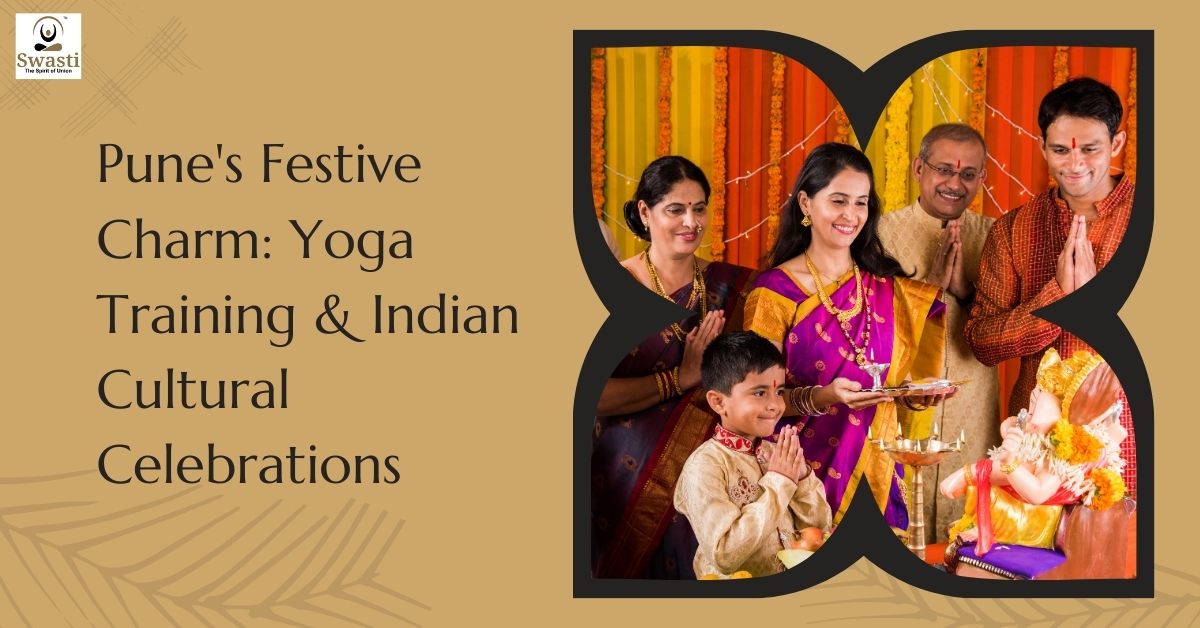
Pune's Festive Charm Yoga Training & Indian Cultural Celebrations

Pune’s Festive Charm: Integrating Yoga Training with Indian Cultural Celebrations

Pune, often referred to as the cultural capital of Maharashtra, is a city that embodies the rich tapestry of India’s traditions and spirituality. Known for its vibrant festivals, historical landmarks, and a deep-rooted connection to the arts, Pune offers a unique setting for those looking to immerse themselves in both yoga and cultural experiences. The city is not just a hub for modern education but also a center for spiritual learning, making it an ideal destination for yoga enthusiasts. Integrating yoga training with the city’s cultural celebrations offers a holistic approach that enhances both physical and mental well-being, allowing visitors to experience the true essence of Indian spirituality. Why is Pune the Ideal Destination for Yoga and Culture? Pune’s rich cultural heritage and its status as a leading educational and spiritual center make it the perfect place for those looking to blend yoga with cultural exploration. Historically, Pune has been a bastion of Marathi culture and is renowned for its contributions to music, theater, and spirituality. The city is home to various spiritual ashrams and yoga centers that attract seekers from around the world, making it a melting pot of ideas, traditions, and practices. The city’s festivals are celebrated with unmatched fervor and enthusiasm, providing an authentic experience of India’s cultural diversity. Whether it’s the grand processions of Ganesh Chaturthi, the vibrant colors of Holi, or the spiritually charged nights of Navratri, Pune offers a festival calendar that is as diverse as it is rich. For yoga practitioners, this cultural vibrancy provides the perfect backdrop to enhance their spiritual journey, offering opportunities to participate in rituals, witness traditional performances, and engage with the local community. Key Festivals in Pune and Their Yoga Integration Pune’s vibrant cultural scene is marked by a series of festivals that are celebrated with great enthusiasm and devotion. Each festival provides a unique opportunity to integrate yoga practices, enhancing the spiritual and communal aspects of these events. Ganesh Chaturthi Ganesh Chaturthi is one of Pune’s most beloved festivals, dedicated to Lord Ganesha, the remover of obstacles. The city comes alive with elaborate decorations, processions, and community gatherings. During this festival, yoga workshops are often organized to help participants cultivate mindfulness and gratitude, aligning with the festival’s themes of new beginnings and spiritual growth. These sessions focus on pranayama and meditation, fostering a sense of inner peace amidst the celebrations. Diwali Diwali, the festival of lights, symbolizes the victory of light over darkness and good over evil. It is a time for family gatherings, feasting, and reflection. Yoga and meditation sessions during Diwali focus on inner peace and self-reflection, encouraging participants to embrace the light within and cultivate a sense of gratitude and joy. Practices such as candle meditation and gentle yoga flows are popular during this time, helping individuals to center themselves and find tranquility. Gudi Padwa Gudi Padwa marks the and is a celebration of renewal and new beginnings. The festival is characterized by traditional rituals, music, and dance. Yoga practices during Gudi Padwa emphasize renewal and transformation, offering participants an opportunity to set intentions and embrace new possibilities. Sun salutations and intention-setting meditations are commonly practiced, symbolizing the start of a new cycle. Navratri Navratri is a nine-night festival dedicated to the worship of the goddess Durga. It is a time of fasting, prayer, and dancing. Yoga practices during Navratri often focus on detoxification and rejuvenation, aligning with the festival’s themes of purification and spiritual empowerment. Detox yoga sequences and chakra meditations are popular, helping participants to cleanse their bodies and minds. Holi Holi, the festival of colors, celebrates the arrival of spring and the triumph of good over evil. It is a joyous occasion marked by vibrant colors and playful festivities. Yoga sessions during Holi often incorporate laughter yoga and playful asanas, encouraging participants to embrace joy and spontaneity. These practices help to release stress and foster a sense of community and connection. Makar Sankranti Makar Sankranti is a harvest festival that marks the transition of the sun into the zodiac sign of Capricorn. It is celebrated with kite flying, feasting, and community gatherings. Yoga practices during Makar Sankranti often focus on grounding and balance, aligning with the festival’s themes of stability and renewal. Grounding yoga sequences and balancing poses are commonly practiced, helping individuals connect with the earth and find equilibrium. Benefits of Combining Yoga Training with Cultural Festivities Integrating yoga with cultural festivities in Pune offers a unique opportunity to experience the spiritual and communal aspects of Indian culture. This combination not only enriches the physical and mental benefits of yoga but also deepens one’s understanding of India’s traditions. By participating in festivals while practicing yoga, you can cultivate a heightened sense of mindfulness, allowing you to connect more profoundly with the cultural essence of each celebration. Additionally, this blend of practices can enhance your spiritual journey by creating a holistic experience that engages all the senses. The vibrant colors, sounds, and rituals of the festivals, when experienced alongside the introspective practices of yoga, create a balanced and harmonious experience. This not only promotes physical well-being but also fosters a sense of inner peace and spiritual connection, making your stay in Pune both transformative and memorable. How to Plan Your Yoga Training Around Pune’s Cultural Calendar? Timing your visit to Pune to coincide with its major festivals can significantly enhance your yoga experience. The best times to visit are during the monsoon and winter months when the weather is pleasant and several key festivals take place. Ganesh Chaturthi is celebrated in August or September, and Diwali, usually falling in October or November, is particularly popular among visitors seeking a blend of yoga and cultural exploration. When planning your trip, consider integrating yoga sessions that correspond with the themes of the festivals. For example, during Diwali, focus on practices that promote inner light and clarity, while during Navratri, emphasize energy alignment and purification. Additionally, Pune offers a variety of yoga centers and ashrams that provide festival-centric programs, allowing you to tailor

Read More »
Explore India’s Traditional Yoga Roots with AYUSH Certified TTC in Pune

Explore India’s Traditional Yoga Roots with an AYUSH Certified Teacher Training Course in Pune

Yoga, an ancient practice rooted in Indian culture, has gained global recognition for its profound impact on physical, mental, and spiritual well-being. The city of Pune, with its rich cultural heritage and serene environment, serves as an ideal location for those seeking to delve into the traditional roots of yoga. Opting for an AYUSH-certified teacher training course in Pune not only ensures a comprehensive understanding of yoga but also provides a government-recognized certification that enhances credibility and career prospects in the field. The AYUSH certification is a testament to the quality and authenticity of the training, aligning with the Ministry of AYUSH’s mission to promote traditional Indian systems of medicine and wellness. Understanding AYUSH Certification The AYUSH certification is a mark of excellence and authenticity in the realm of traditional Indian wellness practices. It is governed by the Ministry of AYUSH, which stands for Ayurveda, Yoga & Naturopathy, Unani, Siddha, and Homeopathy. This certification ensures that the yoga training provided is up to the highest standards of traditional practice, integrating both ancient wisdom and modern scientific approaches. By choosing an AYUSH-certified course, students gain access to a curriculum that covers a wide range of yoga disciplines, including Hatha Yoga, Ashtanga Yoga, and more, all taught by experienced instructors. This certification not only enhances the credibility of the yoga teacher but also opens up opportunities to teach internationally, as it is recognized by various global yoga alliances. The Importance of Traditional Yoga Roots Historical Significance Yoga’s history in India spans thousands of years, with its origins tracing back to the Indus Saraswati Valley civilization. It is a spiritual discipline that harmonizes the mind and body, aiming for self-realization and liberation. Traditional yoga practices encompass a variety of methods, including asanas (postures), pranayama (breathing techniques), and meditation, all designed to achieve a state of balance and inner peace. Philosophical Foundations The philosophical underpinnings of yoga are deeply rooted in ancient Indian texts such as the Vedas, Upanishads, and the Yoga Sutras of Patanjali. These texts provide insights into the nature of existence, consciousness, and the path to enlightenment. Understanding these philosophical foundations is crucial for anyone looking to teach yoga authentically. Yoga Teacher Training in Pune Overview of Training Programs Pune is home to several esteemed yoga institutions that offer AYUSH-certified teacher training courses. These programs are designed to provide a comprehensive education in yoga, covering everything from foundational practices to advanced techniques. The curriculum typically includes detailed instruction in asanas, pranayama, meditation, and yoga philosophy, along with anatomy and physiology, to ensure a well-rounded understanding of the practice. Key Features of Training Programs Many programs also incorporate elements of Ayurveda, providing insights into holistic health and wellness. With state-of-the-art facilities and experienced instructors, Pune’s yoga schools offer an enriching environment for aspiring yoga teachers to develop their skills and knowledge. Choosing the Right Yoga School in Pune Criteria for Selection When selecting a yoga school in Pune, it’s important to consider factors such as accreditation, affiliations, and the qualifications of the instructors. Reviews and testimonials from past students can provide valuable insights into the quality of the training. Additionally, the location and environment of the school can significantly impact your learning experience. Top Recommended Schools Highlighting notable institutions, such as the Swasti Yoga Center, can help prospective students make informed decisions. These schools are known for their rigorous training. programs and commitment to preserving the traditional roots of yoga while adapting to modern needs. Benefits of Yoga Training in Pune 1. Cultural and Spiritual Environment Pune offers a unique cultural and spiritual environment that enhances the learning experience. The city is known for its vibrant arts scene, historical sites, and spiritual centers, providing ample opportunities for personal growth and exploration. 2. Community and Networking Opportunities Training in Pune allows you to connect with a diverse community of yoga practitioners and teachers from around the world. This network can be invaluable for sharing knowledge, experiences, and opportunities in the field of yoga. 3. Flexible Learning Options Many yoga schools in Pune offer flexible learning options, including intensive courses, part-time programs, and online modules. This flexibility allows students to tailor their training to fit their individual needs and schedules. Practical Information Enrollment Process The enrollment process for AYUSH-certified courses typically involves submitting an application, attending an interview, and meeting any prerequisites set by the institute. It’s important to research each program’s requirements and deadlines to ensure a smooth application process. Course Duration and Fees Course durations can vary, with options ranging from 200-hour introductory courses to 500-hour advanced programs. Fees also vary depending on the length and intensity of the course, as well as the facilities and resources provided. Accommodations and Facilities Many schools offer on-campus accommodation and facilities, including yoga studios, libraries, and dining options. These amenities can enhance your training experience by providing a supportive and immersive environment. Experience Pune: Beyond the Yoga Mat While your primary focus may be on yoga, Pune offers much more to enrich your stay. The city is steeped in history, with sites like the Aga Khan Palace and Shaniwar Wada providing a glimpse into its rich past. For those interested in exploring Indian spirituality further, visiting temples such as the Dagdusheth Halwai Ganapati Temple is a must. Pune’s vibrant cultural scene, which includes music, dance, and the arts, also offers plenty of opportunities to immerse yourself in local traditions. Additionally, the city is known for its wellness retreats and organic cafes, which complement the healthy lifestyle promoted through yoga. These experiences add to the holistic journey, making your stay in Pune both enriching and rejuvenating. Conclusion Embarking on a journey to explore India’s traditional yoga roots through an AYUSH-certified Teacher Training Course (TTC) in Pune is more than just an educational endeavor; it’s an opportunity to immerse yourself in the rich, authentic practices of yoga that have been preserved for centuries. Pune, with its vibrant yoga community and serene environment, offers the perfect setting for this transformative experience. Here, you can deepen your practice,

Read More »
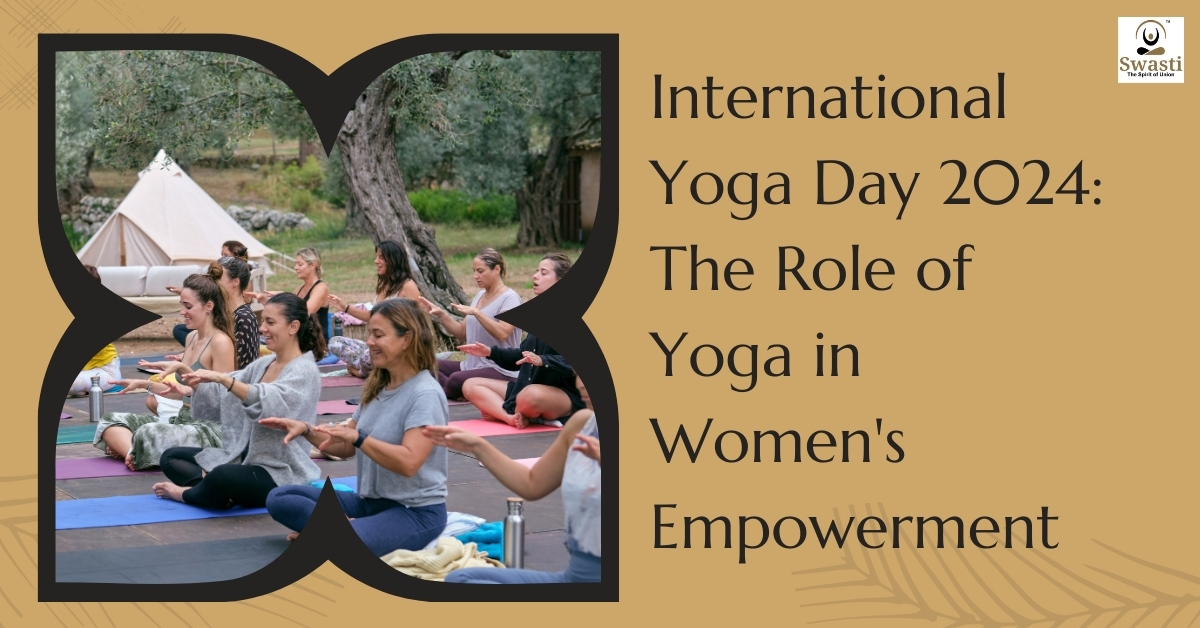
International Yoga Day 2024 The Role of Yoga in Women's Empowerment

International Yoga Day 2024: The Role of Yoga in Women’s Empowerment

Every year on June 21st, people around the globe come together to celebrate International Yoga Day. This day, which coincides with the summer solstice, is dedicated to raising awareness about the numerous benefits of practicing yoga. The theme for International Yoga Day 2024 is “Yoga for Women Empowerment.” This theme highlights the significant role yoga can play in promoting women’s well-being and advancing global health and peace. The Importance of Yoga in Women’s Lives Yoga is an ancient practice that originated in India and encompasses physical, mental, and spiritual elements. The term “yoga” comes from Sanskrit and signifies the union of body and consciousness, symbolizing their harmonious connection. In today’s fast-paced world, yoga offers a holistic approach to health and well-being, making it particularly beneficial for women who often juggle multiple roles and responsibilities. How Yoga Empowers Women 1. Self-Realization Yoga is not just about physical fitness; it also lays the foundation for self-love and self-realization. By focusing inward, women can discover their inner capabilities and define their core values. This self-awareness helps them let go of societal pressures and accept themselves as they are, fostering a sense of empowerment. 2. Building Self-Confidence Practicing yoga regularly can significantly boost self-confidence. Women who practice yoga become more aware of their inner talents, skills, and strengths. This newfound confidence enables them to make their own choices and trust those decisions, empowering them to take control of their lives. 3. Personal Growth Yoga encourages a regular practice, which helps women feel more grounded and stable. This consistency allows them to identify areas for growth, both physically and emotionally. As they work on these aspects, they become more empowered and capable of handling life’s challenges. 4. Enhancing Physical Strength Yoga is known for its ability to increase physical strength, flexibility, and balance. Women who practice yoga regularly can achieve poses that once seemed impossible, which can be an incredibly empowering experience. This physical strength translates into mental resilience, helping them face daily challenges with confidence. 5. Mind-Body Connection One of the greatest benefits of yoga is the development of a strong mind-body connection. Understanding how thoughts and emotions impact the body can be a powerful tool for managing stress and improving overall well-being. This awareness empowers women to take control of their mental and physical health. Yoga for Women’s Health Hormonal Balance Women experience various hormonal fluctuations throughout their lives, from puberty to menopause. Yoga can help balance these hormones, making symptoms related to menstruation, pregnancy, and menopause more manageable. For example, certain yoga poses can reduce menstrual pain and improve circulation to the abdominal muscles. Mental Health Benefits Yoga is a practice of inner reflection paired with movement, which can reduce symptoms of anxiety and depression. The meditative aspects of yoga help calm the mind and provide a sense of peace, making it an excellent tool for managing mental health. Supporting Pregnancy and Postpartum Recovery Yoga can be beneficial during pregnancy by helping women relax and build the strength needed for labor. Postpartum, yoga can aid in recovery by strengthening core muscles and reducing emotional stress. It helps new mothers reconnect with their bodies and find their new identity as parents. Yoga as a Tool for Social Change Empowered women play vital roles as leaders, educators, and advocates for change. By promoting inclusivity, diversity, and empowerment, yoga can help foster a more equitable society. Women who practice yoga are often more resilient and better equipped to handle the challenges they face, making them powerful agents of change in their communities.   Conclusion- International Yoga Day 2024, with its theme “Yoga for Women Empowerment,” underscores the transformative power of yoga in women’s lives. From enhancing physical strength and mental health to fostering self-realization and personal growth, yoga offers a comprehensive approach to empowerment. As we celebrate this day, let’s recognize the vital role yoga plays in promoting women’s well-being and advancing global health and peace. For those interested in advancing their practice and obtaining certification, exploring AYUSH certification yoga TTC courses can be a valuable step. These courses offer comprehensive knowledge and skills, supporting your journey in yoga and empowerment. By embracing yoga, women can unlock their inner strength and potential, leading to a more balanced, healthy, and empowered life.

Read More »
The Rise of Conscious Travel Green Tourism Trends Explained

The Rise of Conscious Travel: Green Tourism Trends Explained

In an era where environmental awareness is more crucial than ever, the concept of conscious travel is gaining significant traction. This form of tourism not only highlights the need for sustainable travel practices but also aligns with the growing desire of travelers to positively impact the destinations they visit. This blog post aims to delve into the latest trends in green tourism and explore how these practices are reshaping the travel industry. Understanding Conscious Travel Conscious travel refers to a thoughtful way of exploring the world, emphasizing minimal environmental impact and positive contributions to local communities. This shift in mindset is crucial in addressing tourism-related environmental issues. As the global community becomes more environmentally conscious, travelers are increasingly adopting practices that ensure their holiday choices do not harm the planet. Key Trends in Green Tourism 1. Sustainable Accommodations One of the notable trends in green tourism is the rise of eco-friendly hotels and resorts. These establishments are designed to have a minimal environmental footprint, often using renewable energy sources, recycling programs, and locally sourced materials. Certifications like LEED or the Green Key Global Eco-Rating Program play a vital role in verifying the sustainability claims of these accommodations. 2. Carbon Offsetting for Travel Carbon offsetting has become a popular method for travelers to mitigate their environmental impact. This practice involves compensating for the carbon emissions produced during flights and other travel-related activities by funding projects that reduce greenhouse gases. Organizations such as TerraPass and Carbon Fund are key players in helping travelers achieve these offsets. 3. Support for Local Economies Conscious travelers are increasingly focusing on supporting local economies. This trend involves spending on local products and services, which helps to sustain small businesses and promote economic growth within the community, thereby enhancing its overall sustainability. 4. Eco-Conscious Activities Green tourists often engage in activities that have a direct positive impact on the environment. This includes participating in wildlife conservation efforts, local clean-up events, and other eco-friendly initiatives that contribute to preserving the natural and cultural heritage of the destination. 5. Digital Detox and Slow Travel The trend of digital detoxing and slow travel is about minimizing the rush in traveling. By spending more time in fewer places, travelers reduce their carbon footprint and gain deeper insights and appreciation for the culture and environment of the areas they visit. 6. Innovation in Transportation The development of sustainable transportation options is another key trend. Innovations such as electric vehicles, hybrid planes, or the use of sustainable aviation fuels are making it easier for travelers to reduce their environmental impact while on the move. Challenges and Considerations Despite the positive strides, green tourism faces challenges such as the effectiveness of carbon offsets and the risk of greenwashing—where businesses falsely claim eco-friendliness. Travelers need to be vigilant and conduct thorough research to ensure their travel choices are genuinely sustainable. The Future of Conscious Travel Looking ahead, the future of green tourism appears promising with ongoing innovations and a stronger emphasis on global cooperation. Technology will play a crucial role in developing new sustainable travel practices, potentially revolutionizing the way we think about and engage with tourism. Conclusion- Conscious travel is more than a trend; it’s a movement towards more responsible and aware travel practices that consider the environmental and social impacts. By choosing green tourism, travelers can ensure that their adventures contribute positively to both the environment and local communities. Have you experimented with any green tourism practices during your travels? Share your experiences and insights below. For those looking to dive deeper into sustainable tourism, numerous resources are available that can enhance your understanding and encourage more responsible travel choices. Embrace the journey of conscious travel and make your next trip a sustainable one!

Read More »

Add Yoga To Retain The Beauty Of Body And Mind

Vitae aliquam porta sed augue consectetuer. Parturient posuere sed habitasse quisque malesuada platea. Dis suspendisse integer ut facilisis maximus mus.