๐Ÿ‡ฎ๐Ÿ‡ณ India | ๐Ÿ‡บ๐Ÿ‡ธ USA | ๐Ÿ‡ซ๐Ÿ‡ท France | ๐Ÿ‡ฒ๐Ÿ‡ฝ Mexico | ๐Ÿ‡ฆ๐Ÿ‡ช UAE

๐Ÿ‡ฎ๐Ÿ‡ณ India | ๐Ÿ‡บ๐Ÿ‡ธ USA | ๐Ÿ‡ซ๐Ÿ‡ท France | ๐Ÿ‡ฒ๐Ÿ‡ฝ Mexico | ๐Ÿ‡ฆ๐Ÿ‡ช UAE

Blog

News & Articles

Yoga Careers in France How to Start Teaching & Make a Living

Yoga Careers in France: How to Start Teaching & Make a Living?

Yoga has gained immense popularity in France, with more people embracing it for physical fitness, mental well-being, and relaxation. The demand for certified yoga instructors is rising, making it an excellent career choice for those passionate about yoga. However, starting a yoga career in France requires proper training, certification, and an understanding of the yoga industry. This guide will walk you through the essential steps to becoming a successful yoga teacher in France, from getting certified to finding teaching opportunities and making a living from it. Understanding the Yoga Industry in France Yoga has become a mainstream practice in France, especially in cities like Paris, Lyon, and Marseille, where wellness trends are thriving. People from all age groups and backgrounds practice yoga for various reasons, such as stress relief, flexibility, and overall well-being. Popular yoga styles include Hatha, Vinyasa, Ashtanga, Yin, and Kundalini, with many studios offering a mix of traditional and modern approaches. French yoga enthusiasts often seek authentic and well-trained instructors who can guide them through proper techniques and philosophy. Whether in studios, corporate settings, or retreats, yoga teachers have numerous opportunities to build a career. Understanding the cultural and business aspects of yoga in France will help you establish yourself in the industry. Qualifications & Certifications Needed Teaching yoga professionally in France requires proper certification and, in some cases, legal registration. While yoga is not strictly regulated, most studios and clients prefer instructors with recognized certifications. An internationally accepted certification, such as an AYUSH-certified yoga teacher training, ensures that you meet high standards of yoga education. Some instructors may also choose to register with the French Federation of Yoga or other professional organizations. Additionally, having first aid certification and liability insurance is advisable when working in studios or offering private lessons. Steps to Becoming a Yoga Teacher in France 1. Choose the Right Teacher Training Program Selecting a credible yoga teacher training course is the first step in your journey. Look for programs that provide in-depth knowledge of yoga postures, breathing techniques, meditation, anatomy, and philosophy. Ensure that the course aligns with your goals, whether you want to teach general yoga classes or specialize in a specific style. 2. Gain Practical Experience Before you start teaching professionally, practice teaching in small groups or under a mentor. Assisting experienced instructors, conducting free sessions for friends and family, or volunteering at community centers will help build confidence and refine your teaching skills. 3. Develop Your Personal Yoga Practice A strong personal yoga practice is essential for becoming an effective teacher. Students appreciate instructors who embody the principles of yoga and lead by example. Regular practice will help you deepen your understanding and bring authenticity to your teaching. 4. Understand the Business Side of Yoga Beyond teaching skills, learning the business aspects of yoga is crucial. This includes branding, marketing, pricing your services, and managing administrative tasks. Many yoga teachers struggle not because of a lack of skills but due to a lack of business knowledge. Finding Teaching Opportunities There are several ways to start your yoga teaching career in France. Depending on your expertise and preferences, you can explore various platforms to reach students. 1. Work with Yoga Studios and Fitness Centers Joining a yoga studio or fitness center is one of the easiest ways to begin your career. Many studios hire certified instructors for group classes, and some offer training programs where new teachers can gain experience. Teaching in a studio also helps build your reputation and attract private clients. 2. Offer Private Yoga Classes Private yoga sessions are popular among individuals who prefer personalized attention. These sessions allow you to customize classes according to the client’s needs and charge higher rates than group sessions. You can offer private lessons at home, online, or in rented spaces. 3. Conduct Corporate Yoga Sessions Many companies in France are incorporating wellness programs, including yoga, to enhance employee productivity and reduce stress. Teaching yoga in corporate settings can be a steady source of income. Approach businesses, co-working spaces, and wellness programs to offer your services. 4. Teach at Yoga Retreats Yoga retreats are in high demand, especially in scenic locations across France, such as Provence, the French Riviera, and the Alps. Collaborating with retreat organizers or hosting your own retreats can be a rewarding experience both financially and professionally. The Business Side of Yoga: Making a Living To sustain yourself as a yoga teacher in France, it is essential to understand how to structure your business and set fair pricing. 1. Setting Up as a Freelance Yoga Instructor Many yoga teachers work as freelancers, which gives them flexibility but also requires handling legal and financial responsibilities. In France, you may need to register as a self-employed professional (auto-entrepreneur) to offer yoga services legally. This ensures that you can issue invoices and comply with tax regulations. 2. Pricing Strategies for Yoga Classes The pricing of yoga classes varies based on experience, location, and class format. Group sessions in studios may pay between โ‚ฌ30-โ‚ฌ50 per class, while private sessions can range from โ‚ฌ50-โ‚ฌ100 per hour. Corporate classes and retreats may offer higher earnings. Researching market rates and offering value-added services can help you set competitive prices. 3. Online vs. In-Person Yoga Teaching Online yoga teaching has gained popularity, allowing instructors to reach students beyond their local area. Offering virtual classes through platforms like Zoom, YouTube, or subscription-based services can be a great way to supplement your income. However, in-person teaching provides stronger connections with students and allows for better hands-on adjustments. Finding a balance between both can maximize your opportunities. 4. Marketing and Branding for Yoga Teachers Building a strong personal brand is key to attracting students and growing your yoga business. Utilize social media, create a website, and use local networking to promote your classes. Engaging content, such as yoga tutorials, wellness tips, and testimonials, can help you establish credibility and reach a wider audience. Challenges & How to Overcome Them Like any career, teaching yoga comes with challenges. Being aware
Read More ยป
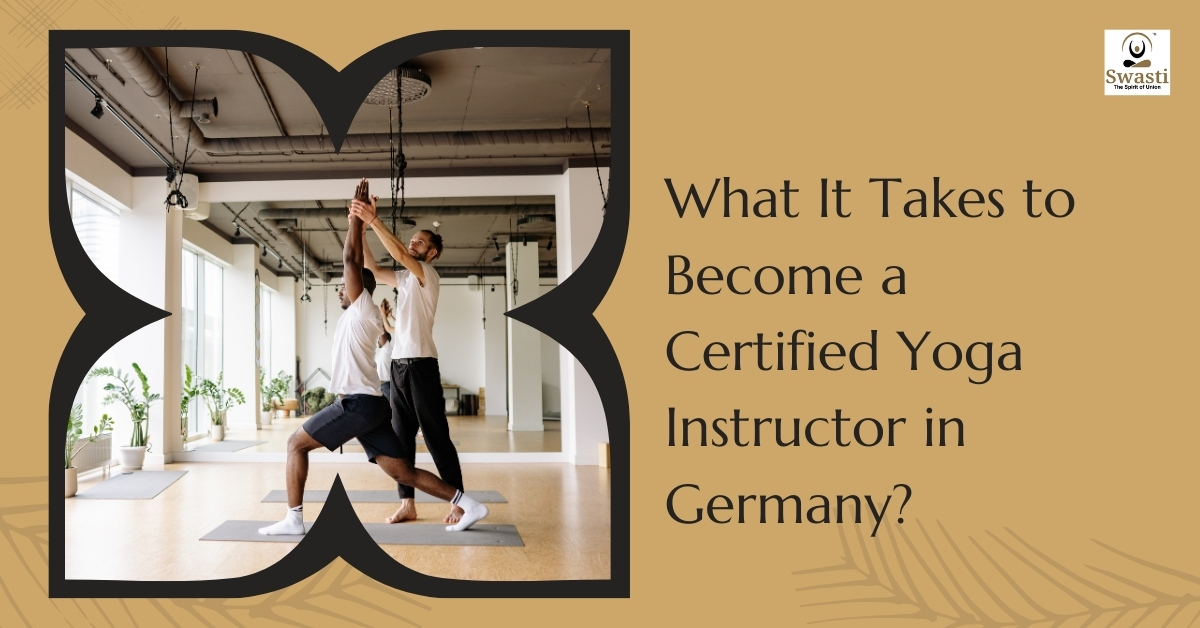
What It Takes to Become a Certified Yoga Instructor in Germany

What It Takes to Become a Certified Yoga Instructor in Germany?

Yoga has gained immense popularity in Germany, with more people seeking its physical, mental, and spiritual benefits. This rise in demand has created opportunities for certified yoga instructors who can teach authentic practices safely and effectively. However, obtaining a recognized certification is essential to build a successful career. Germany does not have strict government regulations for yoga teachers, but professional studios, wellness centers, and corporate programs prefer instructors with credible certifications. Among the various options available, AYUSH-certified yoga teacher training is gaining global recognition for its authenticity and depth in traditional yoga education. Understanding Yoga Certification in Germany Yoga instructors in Germany can choose from different certification programs, but not all hold the same credibility. The AYUSH Yoga Certification Board (YCB), backed by the Government of India, offers internationally recognized credentials that ensure a strong foundation in classical yoga practices. Unlike other commercial certifications, AYUSH focuses on holistic learning, covering yoga philosophy, anatomy, teaching methodology, and practical training. Germanyโ€™s yoga industry values well-trained professionals, especially those who have undergone structured training with proper accreditation. Many wellness centers and insurance providers also require certified instructors for professional engagements. Choosing the Right Yoga Teacher Training Course (TTC) To become a professional yoga instructor, selecting a high-quality Yoga Teacher Training Course (TTC) is crucial. The right TTC ensures proper knowledge, practical skills, and credibility. Key factors to consider when choosing a program include: Accreditation: A program backed by AYUSH ensures authenticity and adherence to traditional yoga principles. Curriculum: The course should include yoga philosophy, asanas, pranayama, meditation, and teaching methodology. Training Hours: Yoga TTC programs are structured in different levels, from beginner to advanced, with increasing training hours. Practical Experience: Hands-on teaching practice and mentorship are essential for building confidence. Learning Mode: In-person training provides immersive learning, while online courses offer flexibility for international students. For those planning to teach internationally, an AYUSH-certified course is highly beneficial, as it reflects in-depth training and adherence to traditional yoga principles. Key Requirements to Become a Yoga Instructor Becoming a certified yoga instructor requires dedication and meeting certain prerequisites. The essential steps include: Completing a Recognized Yoga TTC: Enrolling in an accredited course that meets international teaching standards. Fulfilling Minimum Training Hours: Depending on the certification level, training hours range from basic to advanced levels. Gaining Practical Teaching Experience: Most programs include supervised teaching sessions to refine instructional skills. Understanding Yoga Philosophy and Anatomy: Knowledge of the human body and yogic principles is crucial for safe and effective teaching. Passing Certification Assessments: A final evaluation ensures readiness to teach yoga professionally. Even after certification, continuous learning is essential to stay updated with evolving practices and enhance teaching expertise. Career Opportunities After Certification Once certified, yoga instructors can explore various career paths in Germany and beyond. Some of the most common opportunities include: Teaching at Yoga Studios and Wellness Centers: Many professional spaces prefer certified instructors to lead group or private classes. Corporate Yoga Programs: Companies offer workplace yoga sessions for employee well-being, creating demand for skilled instructors. Private Yoga Sessions: Personalized yoga training is highly sought after, especially for therapeutic or specialized needs. Online Yoga Teaching: Digital platforms allow instructors to connect with students worldwide. Opening a Yoga Business: Certified instructors can establish their own studios, retreats, or workshops. Why Choose AYUSH-YCB Yoga Certification? For those serious about a long-term yoga career, AYUSH-YCB certification stands out as the most authentic and globally respected qualification. Authenticity and Tradition: Unlike commercial certifications, AYUSH follows the original teachings of yoga as practiced in India. Global Recognition: Increasingly accepted in Germany and across Europe, making it easier for instructors to teach internationally. Comprehensive Training: A deep curriculum covering yoga techniques, therapy-based approaches, and advanced teaching skills. Professional Credibility: Studios and wellness centers recognize AYUSH certification as a mark of excellence in yoga instruction. Having an AYUSH certification can significantly boost your career prospects, whether in Germany or other international locations. Challenges and Tips for Aspiring Yoga Instructors While becoming a yoga instructor is rewarding, it comes with its own challenges. Here are some common obstacles and ways to overcome them: Building Teaching Confidence: Regular practice and mentorship help new instructors develop confidence in their teaching abilities. Finding Job Opportunities: Networking within the yoga community and gaining teaching experience can open doors to new opportunities. Continuous Learning: Staying updated with new yoga trends and deepening personal practice ensures long-term success. Balancing Teaching and Personal Practice: Maintaining a self-practice routine is essential for instructors to stay connected to their own yoga journey. Conclusion Becoming a certified yoga instructor in Germany requires dedication, proper training, and a recognized certification. Among various options, AYUSH-YCB certification provides the highest level of authenticity, ensuring a solid foundation in traditional yoga while meeting international teaching standards. Whether you aim to teach in yoga studios, corporate settings, or online platforms, an AYUSH certification can give you a competitive edge in the growing yoga industry. With the right training and continuous practice, you can turn your passion for yoga into a successful career. Become a Certified Yoga Instructor and Teach with Confidence Ready to start your journey as a professional yoga teacher? Swasti Yoga Center offers online yoga teacher training courses certification in Germany, designed to equip you with the knowledge and skills to teach yoga effectively. Expert-led training covering traditional and modern yoga techniques. Flexible online learning options for aspiring yoga instructors in Germany. Comprehensive curriculum to enhance your teaching abilities and confidence. Take the next step toward your yoga teaching career. Join Swasti Yoga Center today!

Read More ยป
How to Open a Yoga Studio A Step-by-Step Guide to Success

How to Open a Yoga Studio: A Step-by-Step Guide to Success

Opening a yoga studio is more than just a business ventureโ€”itโ€™s an opportunity to create a space that nurtures health, mindfulness, and a sense of community. Whether you’re a passionate yoga practitioner or an aspiring teacher, a well-planned approach is essential for long-term success. At Swasti Yoga Center, we believe that a yoga studio should inspire a way of life, not just a routine practice. If youโ€™re ready to take this journey, hereโ€™s a step-by-step guide to help you set up a thriving yoga studio. 1. Define Your Vision and Find Your Niche Your yoga studio should reflect your passion and values. Take time to define your missionโ€”what impact do you want to create? Clarify Your Purpose โ€“ Is your goal to spread authentic yoga, focus on holistic wellness, or build a mindful community? Your vision will shape your studioโ€™s culture and offerings. Choose Your Specialty โ€“ Will you focus on Hatha, Ashtanga, Vinyasa, or a fusion of styles? You can also stand out by offering therapeutic yoga, prenatal yoga, or satvik lifestyle coaching. Identify Your Unique Value โ€“ What will set your studio apart? It could be personalized classes, eco-friendly initiatives, or integrating traditional Indian wellness techniques. A well-defined niche helps attract the right students and gives your studio a clear identity. 2. Research Your Market and Pick the Right Location Understanding your audience and selecting an ideal location are key to success. Study Your Target Market โ€“ Research your area to see if thereโ€™s demand for yoga. Look for health-conscious communities or places where holistic wellness is growing. Analyze Your Competition โ€“ See what existing yoga studios offer and identify whatโ€™s missing. Filling that gap will help you stand out. Select an Accessible Location โ€“ Your studio should be easy to reach, with good parking, public transport, and a peaceful environment. The right location and positioning can make all the difference in attracting and retaining students. 3. Develop a Strong Business Plan A well-structured business plan will guide your journey and help secure funding if needed. Outline Your Strategy โ€“ Include your mission, vision, financial projections, pricing structure, and growth plans. Ensure Legal Compliance โ€“ Register your business, acquire necessary licenses, and meet local regulations. Get Certified โ€“ A Yoga Certification Board (YCB) certification under the Ministry of AYUSH enhances credibility and ensures your studio maintains high teaching standards. A clear business plan provides direction and increases your chances of long-term success. 4. Design an Eco-Friendly and Inspiring Studio The right ambiance can make your yoga studio feel like a sanctuary. Use Natural Elements โ€“ Incorporate plants, soft lighting, and minimal decor to create a peaceful, welcoming atmosphere. Choose Sustainable Materials โ€“ Eco-friendly mats, organic cotton props, and non-toxic paints align with yogaโ€™s principles of harmony and sustainability. Create a Satvik Space โ€“ Keeping the studio clean, clutter-free, and filled with positive energy enhances the experience for students. A thoughtfully designed studio enhances the practice and deepens the connection between mind and body. 5. Build a Strong Brand and Online Presence Your brand should reflect the essence of your yoga philosophy and connect with your audience. Develop Your Identity โ€“ Choose a logo, color scheme, and aesthetic that embodies serenity and authenticity. Create a Professional Website โ€“ Your website should include class schedules, pricing, instructor bios, and an easy booking system. Leverage Social Media โ€“ Use Instagram, Facebook, and YouTube to share insights, wellness tips, and success stories. A strong online presence helps you reach more people and build a loyal community. 6. Hire Skilled and Passionate Instructors Your team plays a crucial role in your studioโ€™s reputation and student experience. Choose Certified Instructors โ€“ Hiring YCB-certified teachers ensures credibility and high teaching standards. Look for Passion and Alignment โ€“ Your instructors should not only be skilled but also share your studioโ€™s values and approach to wellness. Encourage Continuous Learning โ€“ Offering workshops and advanced training helps your team grow and stay inspired. A great team will create a welcoming and transformative experience for students. 7. Launch and Grow Your Yoga Studio Opening your doors is just the beginningโ€”growth comes from consistency, engagement, and innovation. Start with a Soft Launch โ€“ Offer free trial classes or open-house events to attract students and gather feedback. Host Community Events โ€“ Workshops, retreats, and wellness talks can keep students engaged and involved. Stay Updated โ€“ Keep learning, introduce new class formats, and evolve your studio based on student needs. Building a successful yoga studio is a journey of continuous growth and adaptation. Final Thoughts Opening a yoga studio is about more than running a businessโ€”creating a sanctuary for wellness, transformation, and connection. You can build a space that makes a difference with a clear vision, a strong plan, and a commitment to the community. At Swasti Yoga Center, we support aspiring studio owners on their journey. If youโ€™re ready to take the next step, embrace your vision and create a yoga studio that uplifts and inspires. Namaste.

Read More ยป
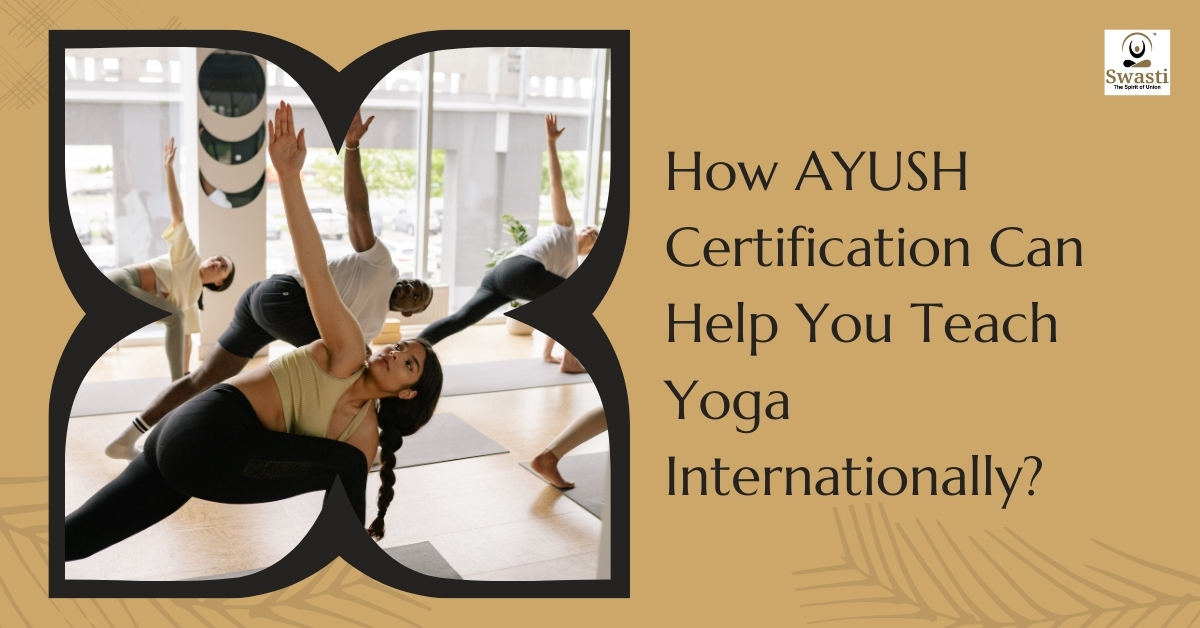
How AYUSH Certification Can Help You Teach Yoga Internationally

How AYUSH Certification Can Help You Teach Yoga Internationally?

Yoga has become a global phenomenon, with millions of people seeking authentic knowledge and skilled instructors. However, if you want to teach yoga internationally, you need proper certification that is recognized worldwide. AYUSH certification is one of the most credible qualifications that can help yoga teachers establish themselves globally. With the backing of the Indian government, it ensures that yoga instructors have received proper training in traditional yoga practices. In this article, we will explore how AYUSH certification can open doors for yoga teachers internationally, how it stands out from other certifications, and how you can obtain it to advance your career. What Is AYUSH Yoga Certification? AYUSH certification is a qualification provided by the Ministry of AYUSH (Ayurveda, Yoga, Unani, Siddha, and Homeopathy) in India. The certification is designed to standardize yoga education and ensure that instructors are trained in authentic, traditional yoga. Unlike commercial yoga certifications, AYUSH certification is rooted in the ancient principles of yoga as practiced in India for centuries. There are four levels of AYUSH yoga certification: Level 1: Yoga Protocol Instructor โ€“ Suitable for those who want to teach basic yoga practices. Level 2: Yoga Wellness Instructor โ€“ Focuses on promoting holistic well-being through yoga. Level 3: Yoga Teacher and Evaluator โ€“ Prepares teachers to train students and assess their skills. Level 4: Yoga Master โ€“ The highest level, ideal for experts who want to train future yoga teachers. This structured certification ensures that yoga teachers gain comprehensive knowledge and are well-equipped to teach at various levels. Authority Behind the Certification The YCB-AYUSH Certification, provided under the auspices of India’s Ministry of AYUSH, stands as a beacon of excellence in the yoga community. This authority is recognized globally for setting high standards that reflect both ancient traditions and modern innovations in wellness. The YCB-AYUSH certification, in particular, has emerged as the gold standard in the field of yoga, ensuring that only those who meet stringent criteria can represent this prestigious brand on the international stage. Credible Examination Under a Government Framework A credible examination process under a government framework is crucial for maintaining the integrity and safety of yoga practices. With robust protocols, the certification process ensures that instructors are thoroughly vetted, reducing the likelihood of injuries and misinterpretations of traditional practices. This Indian government-backed credibility reassures students and institutions that the instruction meets national and international standards of excellence. Career Opportunities with AYUSH Certification Earning an AYUSH certification can unlock various career paths for yoga professionals worldwide. Some of the most promising opportunities include: 1. Teaching at International Yoga Studios Many yoga studios worldwide prefer instructors with strong credentials. An AYUSH-certified teacher can easily find jobs at wellness centers, corporate yoga programs, and fitness studios in different countries. 2. Conducting Workshops and Teacher Training Programs If you have Level 3 or Level 4 certification, you can conduct specialized workshops and even train aspiring yoga teachers. Many international students seek experienced instructors who can offer in-depth knowledge of yoga beyond just physical postures. 3. Opening Your Yoga School With an internationally recognized certification, you can establish your own yoga school abroad. Many foreign students trust Indian-certified teachers because they are trained in authentic yoga traditions. 4. Teaching Yoga Online The online yoga teaching industry is booming, and AYUSH-certified teachers have an advantage in attracting students who are looking for genuine yoga education. With the right marketing strategies, you can teach students from different countries without relocating. Why YCB-AYUSH Certification is the Gold Standard? The YCB-AYUSH certification adheres to these rigorous ISO standards, setting itself apart in a crowded market. This certification is today recognized as the gold standard globally for several reasons: Exclusivity and Authority: It is issued by top-tier government bodies, ensuring its recipients are among the best in the field. Global Recognition: Accredited by internationally renowned institutions and in collaboration with entities like the World Health Organization (WHO), it positions certified instructors at the forefront of global yoga education. Enhanced Safety and Quality: When instructors carry this certification, they bring a higher standard of safety and quality to their practices, ultimately reducing yoga-related injuries and enhancing the overall educational experience. Global Collaborations and the Impact on Yoga Education AYUSH is actively collaborating with global institutions such as the WHO to further the reach and quality of yoga education. This collaboration underscores the importance of maintaining high standards and authentic practices. For yoga instructors, getting certified from Indiaโ€”the birthplace of yogaโ€”means adhering to traditions set by revered yoga masters and globally renowned institutions. It makes a significant difference in: Ensuring Authenticity: Students receive instruction that is true to the roots of yoga. Improving Practice Quality: The certification process enhances the overall quality of teaching and practice. Boosting Global Standards: As certified instructors teach worldwide, they contribute to safer, more effective yoga practices that benefit global yoga enthusiasts. How to Get AYUSH Certification? If you want to become an AYUSH-certified yoga teacher, you need to follow a structured process: 1. Check Eligibility Criteria Each level of AYUSH certification has specific eligibility requirements. For example, Level 1 is open to beginners, while Level 3 and Level 4 require prior training and experience in yoga teaching. 2. Enroll in an AYUSH-Certified Training Program To prepare for the AYUSH certification exam, you must enroll in a training program from a recognized AYUSH yoga certification institute in India. This will provide you with structured training and guidance from experienced instructors. 3. Take the Certification Exam The AYUSH certification exam tests your knowledge of yoga philosophy, teaching methodology, and practical skills. The exam is conducted by the Yoga Certification Board (YCB), which is responsible for evaluating candidates. 4. Receive Your Certification Once you pass the exam, you receive your AYUSH certification, which qualifies you to teach yoga professionally at an international level. Conclusion In a world where wellness and yoga are increasingly interwoven, AYUSH Certification stands as a beacon for those who aspire to teach yoga on an international platform. It validates your expertise, enhances your credibility, and

Read More ยป
How to Transition from a Yoga Practitioner to a Professional Instructor

How to Transition from a Yoga Practitioner to a Professional Instructor?

Many yoga practitioners feel a deep calling to share their knowledge and help others experience the benefits of yoga. Transitioning from personal practice to teaching requires dedication, proper training, and a mindset shift. While practicing yoga is about personal growth, teaching yoga is about guiding others safely and effectively. If you are passionate about yoga and ready to turn it into a career, this guide will help you understand the steps to becoming a professional yoga instructor. Assessing Your Readiness for Teaching Before leaping into professional yoga teaching, itโ€™s important to reflect on whether you are truly ready. Teaching yoga is not just about demonstrating poses; it requires patience, communication skills, and a deep understanding of yoga philosophy and anatomy. Ask yourself: Do I enjoy helping others learn? Am I willing to commit to ongoing education? Do I have the confidence to lead a class? If you find joy in guiding others and are eager to continue learning, you may be ready to take the next step. Your practice should also be strong. A good yoga teacher embodies the principles of yoga in daily life, both on and off the mat. If you have been practicing consistently and have a solid understanding of asanas, pranayama, and meditation, you are in a good position to start your journey as an instructor. Choosing the Right Certification Program Becoming a certified yoga teacher ensures that you have the necessary knowledge and credibility to teach. There are different certification programs available, but it is crucial to choose one that is well-recognized and meets industry standards. One of the most respected certifications is the AYUSH-certified Yoga Teacher Training Courses (TTC) in India. Unlike Yoga Alliance certifications, which are more common in the West, AYUSH certification follows a structured approach set by the Indian government, making it ideal for those who want to gain deep-rooted knowledge in yoga. There are different levels of certification, including Level 1 (Yoga Protocol Instructor), Level 2 (Yoga Wellness Instructor), Level 3 (Yoga Teacher & Evaluator), and Level 4 (Yoga Master). Choosing the right level depends on your experience and career goals. If you are just starting, a Level 1 certification is a good entry point. For those who want to specialize and teach at an advanced level, Level 3 or Level 4 is recommended. Explore Yoga Teacher Training Coursesย  Building a Holistic Skill Set Transitioning from practitioner to instructor requires more than technical expertiseโ€”it demands a holistic approach to teaching. Modern yoga instructors are expected to: Master Authentic Techniques: Preserve the traditional essence of yoga through the classics like Upanishads, Yogasutra and Bhagwad Gita, while integrating contemporary practices that enhance overall well-being. Cultivate a Refined Teaching Aesthetic: Develop a teaching style that is as sophisticated and chic as the clientele you serve, blending luxury wellness with a nurturing, calm environment. Embrace Continuous Learning: Commit to ongoing personal and professional development, ensuring that your teaching remains innovative and aligned with global trends. Creating an Inspiring Learning Environment Your studio, ashram or shala is not just a spaceโ€”itโ€™s a sanctuary where refined wellness meets transformative practice. As a professional instructor, you have the unique opportunity to craft an experience that is both exclusive and inviting. Every session becomes an immersive journey where safety, quality, and authenticity are paramount. By embracing a structured, accredited certification process, you ensure that your teaching methods not only reduce the risk of injury but also elevate the overall quality of the yoga experience for your students. Global Recognition and the Future of Yoga Todayโ€™s yoga landscape is interconnected with global standards and collaborations. By transitioning into a certified instructor, you position yourself as a leader in a field that is increasingly recognized by international organizations such as the World Health Organization. This global perspective enriches your practice, offering opportunities to share your expertise on international platforms. Teaching yoga with a certification rooted in the high standards of AYUSH not only connects you to the rich heritage of yoga from its birthplace in India but also equips you to be part of a global movement that prioritizes authenticity, safety, and excellence. Developing Teaching Skills Teaching yoga is more than demonstrating postures. A good instructor must have knowledge of human anatomy, understand different teaching methodologies, and develop the ability to modify poses for students with different needs. During a teacher training course, you will learn: How to structure a yoga class effectively Techniques for guiding students safely through poses The science behind pranayama and meditation The importance of sequencing for different types of classes Hands-on adjustments and verbal cueing techniques Confidence is built through practice. The more you teach, the more comfortable you become in front of a class. Teacher training programs often include practice teaching sessions, where you receive feedback and refine your skills. Specializing in a Niche Yoga has many different styles and specializations. Finding a niche can help you stand out as an instructor and attract students who are looking for specific benefits. Some popular yoga specializations include: Prenatal Yoga โ€“ Helping expectant mothers stay healthy and relaxed Therapeutic Yoga โ€“ Using yoga for injury recovery and chronic pain management Corporate Yoga โ€“ Teaching stress-relief techniques to professionals Kidsโ€™ Yoga โ€“ Introducing mindfulness and movement to children By specializing in a specific area, you can develop expertise and create a unique teaching style that sets you apart from other instructors. Understanding the Business of Yoga Becoming a professional yoga teacher also involves learning the business aspects of the industry. Whether you want to work at a yoga studio, start your own classes, or teach online, understanding how to market yourself and manage finances is essential. Key business skills for yoga instructors include: Creating a strong personal brand โ€“ Having a unique teaching style and approach Marketing through social media โ€“ Using Instagram, YouTube, and Facebook to attract students Building a website โ€“ Showcasing your certifications, classes, and testimonials Managing class schedules and pricing โ€“ Setting fair rates for group and private sessions If you plan

Read More ยป
Yoga in the US The Best Career Paths for Teachers & Trainers

Yoga in the US: The Best Career Paths for Teachers & Trainers

Yoga has become a major part of the wellness industry in the US, with millions of people incorporating it into their daily lives for better health and mindfulness. As a result, the demand for qualified yoga teachers and trainers is rising, creating excellent career opportunities. Whether you want to work in studios, corporate spaces, online platforms, or even start your own yoga business, there are many paths to explore. For those passionate about yoga, pursuing a career in teaching can be deeply fulfilling and financially rewarding. But with so many options available, it’s essential to understand the best career paths and how to choose the right one based on your skills and interests. Letโ€™s explore the top career options for yoga teachers and trainers in the US and how you can establish yourself in this field. Traditional Career Paths in Yoga Yoga Studio Instructor One of the most common career paths for yoga teachers is working in a yoga studio. This role involves leading group classes, providing individual instruction, and sometimes even mentoring newer teachers. Studios offer a great platform for teachers to build experience and connect with students. Many instructors start by working in studios before branching out into other yoga-related careers. Corporate Yoga Trainer As workplaces prioritize employee well-being, corporate yoga training has become a growing field. Many companies hire yoga professionals to conduct sessions that help employees reduce stress, improve focus, and maintain better physical health. These sessions can be held in office spaces, conference rooms, or even virtually. This career path is ideal for those who enjoy working with professionals and want a stable client base. Retreat & Workshop Facilitator Yoga retreats and workshops are becoming increasingly popular among yoga enthusiasts looking for immersive experiences. Many yoga teachers organize weekend retreats or destination yoga programs to provide deep relaxation and intensive practice sessions. If you enjoy traveling and curating unique yoga experiences, this could be an exciting career choice. Fitness Center & Gym Instructor Many gyms and fitness centers offer yoga classes as part of their programs. Teaching yoga in such settings allows you to work with fitness-focused individuals who want to incorporate flexibility and mindfulness into their training routines. If you have an interest in fitness and movement, this can be a great way to expand your reach beyond traditional yoga students. Specialized Yoga Careers Prenatal & Postnatal Yoga Instructor Pregnancy and postpartum recovery are critical phases in a womanโ€™s life, and yoga can play a significant role in supporting physical and mental well-being during this time. Prenatal and postnatal yoga instructors work with expecting and new mothers to help them stay active, manage stress, and recover postpartum. Specializing in this field can be incredibly rewarding, as it allows you to make a direct impact on maternal health. Yoga Therapist Yoga therapy is a specialized field that integrates yoga, breathwork, and meditation to help individuals manage health conditions such as chronic pain, stress, anxiety, and mobility issues. Yoga therapists often work in rehabilitation centers, hospitals, wellness clinics, or private practice. To become a certified yoga therapist, additional training beyond traditional teacher certification is required. Kids & Family Yoga Instructor Teaching yoga to children and families is another growing career path. Kids’ yoga classes are designed to make yoga fun and interactive, incorporating storytelling, games, and playful movements. Many schools, daycare centers, and community centers offer yoga programs for children, making this a great niche for teachers who enjoy working with young students. Senior & Chair Yoga Specialist With an aging population, there is a rising demand for gentle yoga classes tailored to seniors. Many older adults face mobility challenges but still want to stay active, which is where chair yoga and senior yoga instructors come in. Teaching yoga to seniors allows you to make a positive impact on their physical and mental health while providing a low-impact form of exercise. Online & Digital Yoga Careers Virtual Yoga Instructor The rise of online yoga classes has created a huge opportunity for yoga teachers to reach students worldwide. Platforms like Zoom, YouTube, and dedicated yoga apps allow instructors to conduct live sessions or offer pre-recorded classes. If you want to teach without being limited to a specific location, this is an excellent career choice. Yoga Content Creator & Blogger Many yoga professionals build successful careers by sharing their knowledge through blogs, YouTube channels, and social media. If you enjoy writing, making videos, or teaching through digital content, you can create a strong online presence and even monetize your content through sponsorships, ads, and memberships. Yoga App Developer & Consultant The digital fitness space continues to expand, and many companies develop yoga apps and online programs to reach a global audience. If you have experience in yoga and an interest in technology, working as a consultant or developer for yoga-related digital products can be a great career move. Yoga Influencer & Educator Social media has made it possible for yoga teachers to build large audiences and establish themselves as experts in the field. Whether through Instagram, TikTok, or other platforms, yoga influencers share tutorials, challenges, and insights that attract followers and create career opportunities through collaborations and sponsorships. Entrepreneurial Yoga Opportunities Opening a Yoga Studio Many yoga teachers dream of owning their studio. While this requires financial investment and strong business skills, running a yoga studio gives you complete control over your classes, community, and business model. To succeed, youโ€™ll need a solid business plan, marketing strategies, and a dedicated client base. Developing Yoga Teacher Training Programs Once you gain experience as a yoga instructor, you can train future yoga teachers by offering certification courses. Developing a Yoga Teacher Training Program (YTTC) can help you establish yourself as an industry leader while contributing to the growth of yoga education. Launching a Yoga Retreat Business If you enjoy traveling and organizing events, starting a yoga retreat business could be the perfect path. Yoga retreats are popular among those looking for transformative experiences in beautiful locations. By carefully planning

Read More ยป
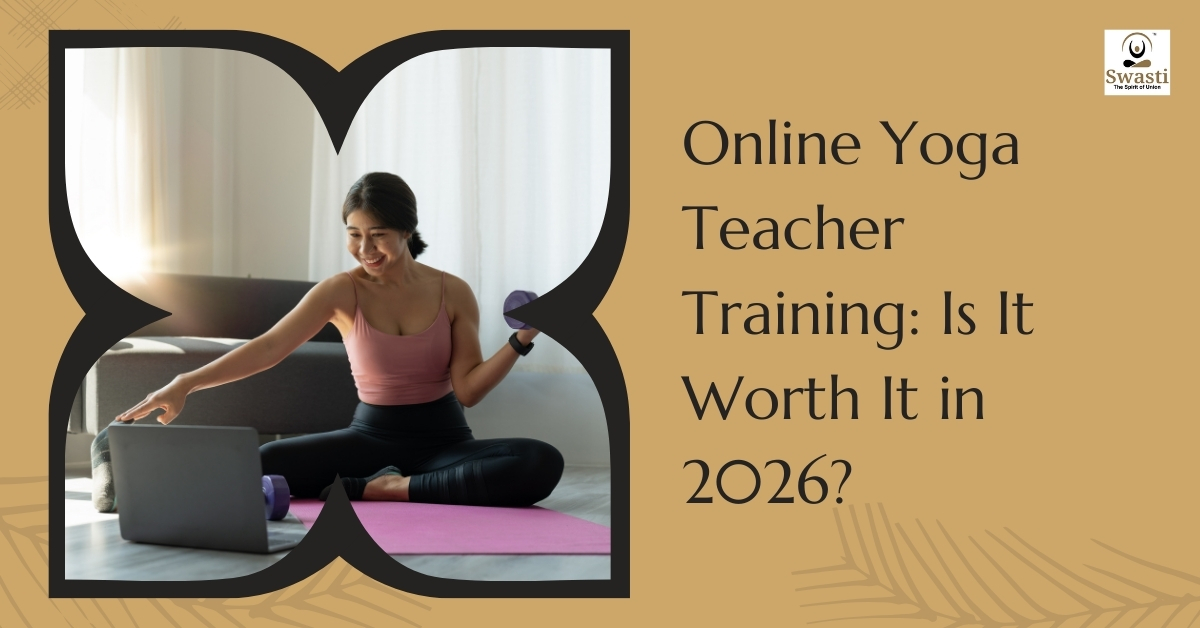
Online Yoga Teacher Training Is It Worth It in 2026

Online Yoga Teacher Training: Is It Worth It in 2026?

Workplaces today are more stressful than ever. Employees deal with tight deadlines, long hours, and constant pressure to perform. As a result, mental and physical health issues like stress, anxiety, back pain, and burnout are on the rise. Companies that prioritize employee well-being see higher productivity, lower absenteeism, and better workplace morale. One powerful solution gaining popularity is corporate yoga. More organizations are recognizing its benefits, integrating yoga sessions into their wellness programs, and creating healthier work environments. In this blog, weโ€™ll explore why corporate yoga is not just a trend but the future of workplace wellness. The Growing Need for Workplace Wellness Programs The corporate world has changed dramatically in recent years. Employees now spend long hours sitting at desks, staring at screens, and dealing with work-related stress. This lifestyle has led to an increase in health problems, including obesity, cardiovascular diseases, anxiety, and depression. According to research, nearly 80% of employees experience workplace stress, and 50% of them say it affects their productivity. Companies have started acknowledging that a stressed workforce leads to higher absenteeism, lower morale, and reduced efficiency. To combat this, businesses are now investing in wellness programs, and corporate yoga is at the forefront of this movement. Benefits of Corporate Yoga Raj Yoga: Reduces Stress and Enhances Mental Well-being Yoga is widely known for its ability to reduce stress and promote relaxation. Simple breathing exercises and meditation techniques help employees manage anxiety, stay calm under pressure, and improve focus. Studies show that yoga reduces cortisol levels (the stress hormone), leading to a more balanced and positive mindset at work. Employees who practice yoga regularly experience improved mental clarity, emotional resilience, and better decision-making skills. This ultimately results in a more engaged and productive workforce. Karma Yoga: Boosts Productivity and Creativity A stressed mind is not a productive one. Employees dealing with mental fatigue struggle to think creatively and solve problems efficiently. Yoga promotes mindfulness, which helps employees stay present, focused, and motivated throughout the day. By incorporating yoga into the work routine, companies report increased creativity, sharper problem-solving skills, and an overall boost in productivity. When employees feel mentally refreshed, they are more innovative and engaged in their tasks. Hatha Yoga: Improves Physical Health and Reduces Absenteeism Sitting for long hours and working in front of a screen leads to physical issues like back pain, poor posture, and joint stiffness. Over time, these problems result in chronic pain, frequent sick leaves, and decreased efficiency at work. Yoga helps counteract these negative effects by: Improving posture and flexibility Strengthening core muscles to prevent back pain Increasing blood circulation to reduce fatigue With fewer health complaints, employees take fewer sick leaves, and companies benefit from reduced healthcare costs. Bhakti Yoga: Fosters Team Bonding and Workplace Harmony Corporate yoga is not just about individual well-being; it also strengthens workplace relationships. Group yoga sessions encourage employees to connect, communicate, and collaborate in a stress-free environment. This leads to stronger team dynamics and a more positive work culture. When employees practice yoga together, they develop a sense of unity and shared well-being. A harmonious work environment fosters mutual respect, enhances team morale, and creates a supportive workplace culture. How Companies Can Implement Corporate Yoga? In-Office vs. Virtual Yoga Sessions Companies can choose between in-office yoga classes or virtual sessions based on their teamโ€™s requirements. In-office sessions allow direct interaction with a yoga instructor, while virtual classes provide flexibility for remote teams. Many organizations are now opting for hybrid wellness programs, where employees have access to both physical and online yoga classes. This ensures that everyone, regardless of location, can benefit from yoga. Partnering with Certified Yoga Professionals from YCB-AYUSH For maximum benefits, companies should work with certified yoga professionals who understand corporate wellness needs. A structured program designed by experts ensures that employees receive personalized yoga sessions tailored to their health and stress levels. At Swasti Yoga Center, we specialize in corporate yoga programs that focus on reducing workplace stress, improving posture, and enhancing overall well-being. Our certified trainers ensure that employees get the best yoga experience suited to their work environment. Customizing Yoga Sessions for Different Employee Needs Each workplace is different, and so are its employees. Some may need yoga for stress relief, while others require postural correction or mindfulness training. A one-size-fits-all approach doesnโ€™t work. Corporate yoga programs can be customized to include: Desk Yoga: Simple stretches and breathing exercises that can be done at the desk. Mindfulness Meditation: Short guided meditation sessions to enhance focus and relaxation. Posture Correction Yoga: Specific poses to prevent back and neck pain. Full-Length Yoga Classes: Dedicated sessions for deep relaxation and physical well-being. By offering different options, companies can ensure that every employee benefits from yoga, regardless of their schedule or fitness level. Conclusion Corporate yoga is more than just a wellness trendโ€”it is a long-term investment in employee health and workplace productivity. Organizations that integrate yoga into their corporate culture witness reduced stress levels, improved team dynamics, and enhanced work efficiency. With businesses recognizing the importance of employee well-being, yoga is set to become an essential part of workplace wellness programs. It provides employees with the tools they need to stay physically active, mentally focused, and emotionally balanced, ensuring a healthier and happier workforce. Transform Your Workplace with Expert-Led Corporate Yoga If your organization is looking to create a sustainable wellness culture, Swasti Yoga Center can help. We offer yoga teacher training courses for Corporate in India, designed to equip professionals with the skills to lead effective workplace wellness programs. By choosing Swasti Yoga Center, your company can benefit from expert-led corporate yoga sessions that enhance employee well-being and boost workplace productivity. Take the first step towards a healthier, happier, and more efficient workforce. Contact Swasti Yoga Center today to explore our corporate yoga solutions!

Read More ยป
Why Corporate Yoga is the Future of Workplace Wellness

Why Corporate Yoga is the Future of Workplace Wellness?

Workplaces today are more stressful than ever. Employees deal with tight deadlines, long hours, and constant pressure to perform. As a result, mental and physical health issues like stress, anxiety, back pain, and burnout are on the rise. Companies that prioritize employee well-being see higher productivity, lower absenteeism, and better workplace morale. One powerful solution gaining popularity is corporate yoga. More organizations are recognizing its benefits, integrating yoga sessions into their wellness programs, and creating healthier work environments. In this blog, weโ€™ll explore why corporate yoga is not just a trend but the future of workplace wellness. The Growing Need for Workplace Wellness Programs The corporate world has changed dramatically in recent years. Employees now spend long hours sitting at desks, staring at screens, and dealing with work-related stress. This lifestyle has led to an increase in health problems, including obesity, cardiovascular diseases, anxiety, and depression. According to research, nearly 80% of employees experience workplace stress, and 50% of them say it affects their productivity. Companies have started acknowledging that a stressed workforce leads to higher absenteeism, lower morale, and reduced efficiency. To combat this, businesses are now investing in wellness programs, and corporate yoga is at the forefront of this movement. Benefits of Corporate Yoga Raj Yoga: Reduces Stress and Enhances Mental Well-being Yoga is widely known for its ability to reduce stress and promote relaxation. Simple breathing exercises and meditation techniques help employees manage anxiety, stay calm under pressure, and improve focus. Studies show that yoga reduces cortisol levels (the stress hormone), leading to a more balanced and positive mindset at work. Employees who practice yoga regularly experience improved mental clarity, emotional resilience, and better decision-making skills. This ultimately results in a more engaged and productive workforce. Karma Yoga: Boosts Productivity and Creativity A stressed mind is not a productive one. Employees dealing with mental fatigue struggle to think creatively and solve problems efficiently. Yoga promotes mindfulness, which helps employees stay present, focused, and motivated throughout the day. By incorporating yoga into the work routine, companies report increased creativity, sharper problem-solving skills, and an overall boost in productivity. When employees feel mentally refreshed, they are more innovative and engaged in their tasks. Hatha Yoga: Improves Physical Health and Reduces Absenteeism Sitting for long hours and working in front of a screen leads to physical issues like back pain, poor posture, and joint stiffness. Over time, these problems result in chronic pain, frequent sick leaves, and decreased efficiency at work. Yoga helps counteract these negative effects by: Improving posture and flexibility Strengthening core muscles to prevent back pain Increasing blood circulation to reduce fatigue With fewer health complaints, employees take fewer sick leaves, and companies benefit from reduced healthcare costs. Bhakti Yoga: Fosters Team Bonding and Workplace Harmony Corporate yoga is not just about individual well-being; it also strengthens workplace relationships. Group yoga sessions encourage employees to connect, communicate, and collaborate in a stress-free environment. This leads to stronger team dynamics and a more positive work culture. When employees practice yoga together, they develop a sense of unity and shared well-being. A harmonious work environment fosters mutual respect, enhances team morale, and creates a supportive workplace culture. How Companies Can Implement Corporate Yoga? In-Office vs. Virtual Yoga Sessions Companies can choose between in-office yoga classes or virtual sessions based on their teamโ€™s requirements. In-office sessions allow direct interaction with a yoga instructor, while virtual classes provide flexibility for remote teams. Many organizations are now opting for hybrid wellness programs, where employees have access to both physical and online yoga classes. This ensures that everyone, regardless of location, can benefit from yoga. Partnering with Certified Yoga Professionals from YCB-AYUSH For maximum benefits, companies should work with certified yoga professionals who understand corporate wellness needs. A structured program designed by experts ensures that employees receive personalized yoga sessions tailored to their health and stress levels. At Swasti Yoga Center, we specialize in corporate yoga programs that focus on reducing workplace stress, improving posture, and enhancing overall well-being. Our certified trainers ensure that employees get the best yoga experience suited to their work environment. Customizing Yoga Sessions for Different Employee Needs Each workplace is different, and so are its employees. Some may need yoga for stress relief, while others require postural correction or mindfulness training. A one-size-fits-all approach doesnโ€™t work. Corporate yoga programs can be customized to include: Desk Yoga: Simple stretches and breathing exercises that can be done at the desk. Mindfulness Meditation: Short guided meditation sessions to enhance focus and relaxation. Posture Correction Yoga: Specific poses to prevent back and neck pain. Full-Length Yoga Classes: Dedicated sessions for deep relaxation and physical well-being. By offering different options, companies can ensure that every employee benefits from yoga, regardless of their schedule or fitness level. Conclusion Corporate yoga is more than just a wellness trendโ€”it is a long-term investment in employee health and workplace productivity. Organizations that integrate yoga into their corporate culture witness reduced stress levels, improved team dynamics, and enhanced work efficiency. With businesses recognizing the importance of employee well-being, yoga is set to become an essential part of workplace wellness programs. It provides employees with the tools they need to stay physically active, mentally focused, and emotionally balanced, ensuring a healthier and happier workforce. Transform Your Workplace with Expert-Led Corporate Yoga If your organization is looking to create a sustainable wellness culture, Swasti Yoga Center can help. We offer yoga teacher training courses for Corporate in India, designed to equip professionals with the skills to lead effective workplace wellness programs. By choosing Swasti Yoga Center, your company can benefit from expert-led corporate yoga sessions that enhance employee well-being and boost workplace productivity. Take the first step towards a healthier, happier, and more efficient workforce. Contact Swasti Yoga Center today to explore our corporate yoga solutions!

Read More ยป
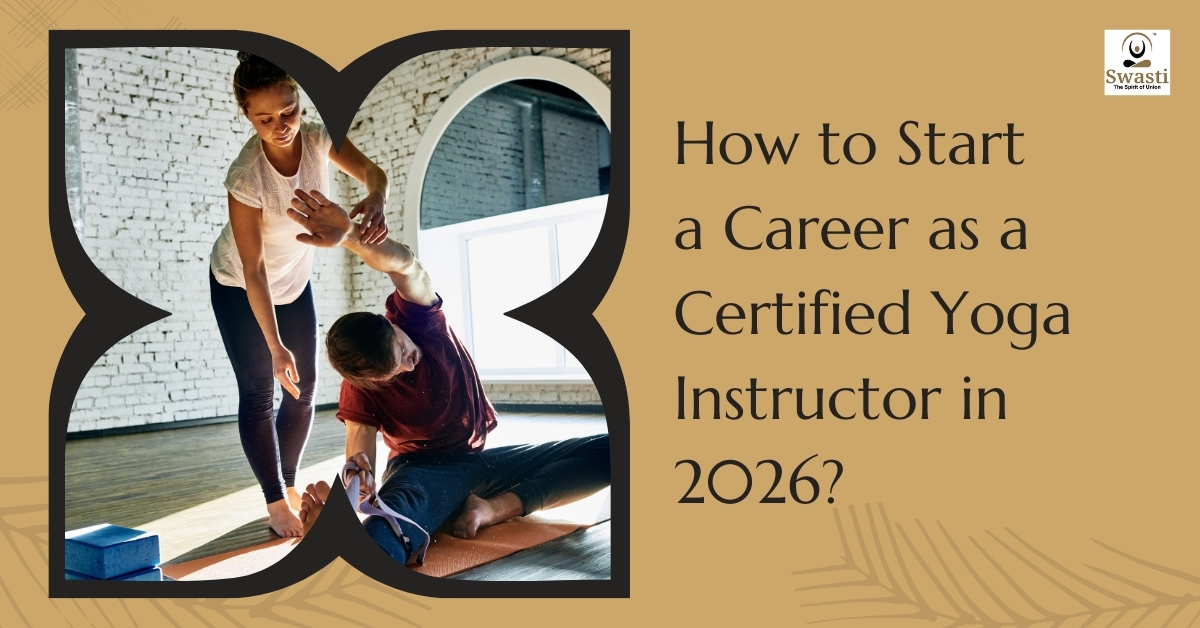
How to Start a Career as a Certified Yoga Instructor in 2026

How to Start a Career as a Certified Yoga Instructor in 2025?

Yoga is more than just a physical exercise; it is a holistic practice that enhances mental, physical, and spiritual well-being. As more people recognize its benefits, the demand for certified yoga instructors is rising worldwide. Whether you are passionate about yoga or looking for a fulfilling career, becoming a certified yoga teacher in 2026 can be a life-changing decision. This guide will walk you through the steps to start your career as a certified yoga instructor and help you choose the right training program. Understanding Yoga Certification Yoga certification ensures that you have the necessary knowledge, skills, and credibility to teach yoga safely and effectively. Many countries and institutions require yoga instructors to be certified before they can teach professionally. Why is Certification Important? A yoga certification validates your expertise and makes you a credible instructor. It helps you gain trust of students and opens opportunities to work in yoga studios, wellness centers, and corporate organizations. Certification also ensures that you understand anatomy, asanas, meditation techniques, and the philosophy of yoga. Recognized Certification Bodies When choosing a certification, it is essential to select a program recognized by a reputed body. In India, yoga courses accredited by the AYUSH Ministry are highly respected and align with traditional yogic teachings. Unlike Yoga Alliance certifications, AYUSH-approved programs focus on authentic Indian yoga practices. Different Levels of Yoga Teacher Training Depending on your experience and goals, you can choose from various levels of training: Level 1 โ€“ Foundation course for beginners Level 2 โ€“ Intermediate course for deepening practice Level 3 โ€“ Advanced course for professional instructors Level 4 โ€“ Expert-level course for master trainers and yoga therapists Steps to Becoming a Certified Yoga Instructor 1. Assess Your Interest and Commitment Before enrolling in a certification course, ask yourself why you want to become a yoga teacher. Do you want to teach professionally, or are you looking for self-improvement? Yoga teaching requires patience, discipline, and a deep understanding of yogic philosophy. 2. Choose the Right Certification Program Selecting the right program is crucial for your career. Look for a recognized yoga teacher training institute in India that offers structured courses. Consider the following factors when choosing a program: Accreditation โ€“ Ensure the program is certified by a reputed body like AYUSH. Curriculum โ€“ Check if it includes practical training, anatomy, philosophy, and teaching methodology. Duration โ€“ Some courses last a few weeks, while others may take months. Instructors โ€“ Learn from experienced and qualified yoga teachers. 3. Enroll in a Training Program Once you choose a program, you must enroll and commit to the learning process. Training usually involves classroom instruction, practical sessions, and self-practice. 4. Complete Coursework and Practical Training During your training, you will learn different yoga postures, meditation techniques, breathing exercises, and how to guide students. Some programs also include modules on Ayurveda, diet, and wellness coaching. 5. Obtain Certification and Licensing After completing your training, you will receive a certificate. In some cases, you may need to apply for a license, depending on the country or organization you plan to work with. Building Skills Beyond Certification 1. Develop Strong Teaching Skills A good yoga teacher is not just someone who performs postures well but someone who can effectively guide students. Focus on: Communication โ€“ Clear instructions help students understand postures. Class Planning โ€“ Designing balanced sessions with warm-ups, asanas, and relaxation. Anatomy Knowledge โ€“ Understanding how yoga impacts the body helps prevent injuries. 2. Continue Learning and Expanding Your Knowledge Yoga is a lifelong journey. Stay updated with new practices and deepen your knowledge through workshops, advanced courses, and mentorship programs. Learning from experienced teachers and joining yoga retreats can also enhance your skills. 3. Gain Practical Experience Before teaching full-time, gain experience by: Volunteering at yoga studios or wellness centers. Assisting senior instructors to learn class dynamics. Practicing with friends and family to refine your teaching style. Exploring Career Opportunities 1. Work as a Yoga Instructor Certified yoga instructors can work in: Yoga Studios & Wellness Centers โ€“ Conduct group classes for different age groups. Corporate Wellness Programs โ€“ Many companies hire yoga instructors for employee wellness. Schools & Universities โ€“ Teach yoga to students and faculty. Retreat Centers & Resorts โ€“ Work in scenic locations offering yoga retreats. 2. Start Your Own Yoga Business If you want independence, you can start your own yoga classes. Options include: Offline Yoga Classes โ€“ Conduct in-person sessions at home or a rented space. Online Yoga Classes โ€“ Use platforms like Zoom or YouTube to reach a global audience. Yoga Retreats & Workshops โ€“ Organize yoga getaways for deep relaxation. 3. Leverage Digital Marketing & Social Media To grow your career, establish an online presence: Create a website with details of your services. Use Instagram, YouTube, and Facebook to share tips and connect with potential clients. Offer free content like short yoga videos to build an audience. Legal & Financial Considerations 1. Register as a Yoga Professional If you plan to work independently, consider registering as a business or a freelancer. In some countries, this may involve getting a tax ID or a business license. 2. Set Up Your Pricing & Packages Decide on pricing for your services based on factors such as experience, location, and market demand. Offer different packages, such as group sessions, private lessons, and corporate training. 3. Understand Insurance & Liability Coverage Having insurance protects you from legal and financial risks, especially if you teach in studios or conduct retreats. Conclusion Becoming a yoga instructor is more than just a careerโ€”it is a path of self-growth and contribution to society. As the demand for yoga teachers grows, now is the perfect time to leap. You can build a rewarding and fulfilling career by choosing the right training, gaining practical experience, and continuously improving your skills. Start Your Journey with the Best Yoga Teacher Training Institute in India โ€“ Swasti Yoga Center If you are looking for reputed yoga teacher training classes in India, Swasti Yoga Center offers

Read More ยป
Career as a Yoga Teacher in 2026 Role, Scope & Qualification

Career as a Yoga Teacher in 2025: Role, Scope & Qualification

With the increasing popularity of yoga and the growing emphasis on holistic well-being, the demand for qualified yoga teachers continues to rise. As we move into 2026, understanding the role, scope, and qualification requirements of a yoga teacher is essential for anyone considering this profession. In this article, we explore the career prospects for yoga teachers in 2026, including the evolving role of a yoga teacher, the expanding scope of the profession, and the qualifications required to build a sustainable and meaningful career. Key Takeaways: The demand for qualified yoga teachers continues to grow in 2026, offering strong long-term career prospects. The role of a yoga teacher now goes beyond guiding postures and includes supporting physical, mental, and lifestyle well-being. The scope of being a yoga teacher has expanded across studios, gyms, retreats, corporate wellness programs, and online platforms. Education and certification remain essential, with AYUSH and Yoga Certification Boardโ€“aligned programs setting professional standards. Yoga teaching offers a fulfilling career rooted in wellness, purpose, and continuous personal growth. Role of a Yoga Teacher in 2026 Yoga has moved firmly into mainstream health and wellness, and the role of a yoga teacher has evolved accordingly. In 2026, yoga teachers play a vital role in promoting physical health, emotional regulation, stress management, and overall lifestyle balance. The primary role of a yoga teacher remains guiding students through physical postures or asanas, while also supporting breath awareness, alignment, and relaxation. At the same time, teachers are increasingly expected to encourage inner awareness, mental clarity, and sustainable self-care. Beyond physical practice, yoga teachers are now expected to integrate meditation, pranayama, mindfulness, and basic lifestyle guidance rooted in yogic and Ayurvedic principles. They act as facilitators of well-being rather than only instructors of movement. The evolving role of yoga teachers As the wellness industry continues to expand, the role of a yoga teacher will become increasingly important. Yoga teachers will work in diverse settings such as studios, gyms, and corporate offices, and may also lead wellness retreats or teach globally through online platforms. In many cases, they will also step into mentorship or leadership roles, helping to train new instructors and shape the future of yoga education. To meet this growing demand, many aspirants are enrolling in structured Yoga teacher training certification courses in India that offer both foundational and advanced training. These courses, aligned with standards from the Ministry of AYUSH, equip future instructors with the skills and credibility needed to thrive in both local and international yoga communities. The importance of a yoga teacher’s role in 2026 Yoga has been proven to have numerous physical and mental health benefits, and the demand for qualified yoga teachers is expected to continue to grow in the years to come. Yoga teachers will play a critical role in helping individuals of all ages improve their overall health and well-being. Furthermore, yoga teachers will have the opportunity to make a positive impact on their communities by helping to promote wellness and mindfulness. They will serve as ambassadors of the practice, sharing its benefits with the world and helping to create a healthier, happier society. Overall, the role of a yoga teacher in 2026 will be an exciting and rewarding career path for those who are passionate about health and wellness. With the potential for personal and professional growth and the opportunity to make a positive impact on the world, the future looks bright for aspiring yoga teachers. Scope of Being a Yoga Teacher in 2026 Yoga continues to grow globally, and the scope of being a yoga teacher in 2026 extends well beyond traditional studio teaching. Yoga teachers now find opportunities in gyms, fitness centres, corporate wellness programs, educational institutions, and healthcare-linked wellness initiatives. Retreat-based teaching has also expanded, with short and long-format wellness retreats becoming increasingly popular. Online yoga education remains a strong and stable avenue, allowing teachers to reach students across geographies through live and recorded sessions. Diverse scope of being a yoga teacher in 2026 In addition to teaching classes, yoga teachers may explore content creation, wellness writing, workshops, retreats, yoga-based lifestyle programs, and personalised private sessions. One-on-one sessions, therapeutic yoga, senior-focused yoga, and stress-management programs are particularly in demand, offering teachers opportunities to specialise. The future of yoga teacher scope The scope of yoga teaching in 2026 is diverse and evolving. As yoga integrates further into healthcare, education, and lifestyle wellness, new opportunities will continue to emerge. Adaptability, continuous learning, and ethical practice remain key to long-term success in this profession. Qualifications for Yoga Teachers in 2026 Becoming a yoga teacher in 2026 requires a combination of education and certification from a government body like the Ministry of AYUSH. While there are no formal educational requirements for yoga teachers, it is expected to pursue a relevant degree or certification program to gain a deeper understanding of yoga and its philosophy and improve the safety of yoga practices, avoiding injury to students. There are numerous training programs and qualifications available for aspiring yoga teachers. These include: Qualification Requirements 200-hour yoga protocol instructor training (Level 1) Completed in-person or online training with a registered yoga school under the Yoga Certification Board (YCB), Ministry of AYUSH 400-hour yoga wellness instructor training (Level 2) Completed 400 hours of advanced training under the Yoga Certification Board (YCB), Ministry of AYUSH Yoga Certification Board, India The Yoga Certification Board in India is a government initiative under the Ministry of AYUSH, dedicated to standardizing and certifying yoga professionals for quality and authenticity. It is important to note that the requirements may vary depending on the yoga school or certification program. Prospective yoga teachers should research and choose a program that aligns with their career goals and interests. In addition to formal education, gaining experience by practicing and teaching yoga is essential to becoming a successful yoga teacher. Participating in workshops, seminars, and retreats can also provide valuable knowledge and exposure to different styles of yoga. A career as a yoga teacher is a fulfilling and rewarding path for those

Read More ยป

Add Yoga To Retain The Beauty Of Body And Mind

Vitae aliquam porta sed augue consectetuer. Parturient posuere sed habitasse quisque malesuada platea. Dis suspendisse integer ut facilisis maximus mus.