
๐Ÿ‡ฎ๐Ÿ‡ณ India | ๐Ÿ‡บ๐Ÿ‡ธ USA | ๐Ÿ‡ซ๐Ÿ‡ท France | ๐Ÿ‡ฒ๐Ÿ‡ฝ Mexico | ๐Ÿ‡ฆ๐Ÿ‡ช UAE

๐Ÿ‡ฎ๐Ÿ‡ณ India | ๐Ÿ‡บ๐Ÿ‡ธ USA | ๐Ÿ‡ซ๐Ÿ‡ท France | ๐Ÿ‡ฒ๐Ÿ‡ฝ Mexico | ๐Ÿ‡ฆ๐Ÿ‡ช UAE

Blog

News & Articles

5 Best Career Options After a Yoga Teacher Training

5 Best Career Options After a Yoga Teacher Training

Are you a yoga enthusiast who has recently completed a yoga teacher training program? Congratulations on taking this transformative step towards deepening your practice and sharing the ancient wisdom of yoga with others. As you embark on this new journey, you may be wondering about the various career paths available to you after completing your training. In this article, we will explore five of the best career options that you can pursue after a yoga teacher training program. 1. Yoga Instructor The most obvious career choice after completing a yoga teacher training program is to become a yoga instructor. As a certified yoga teacher, you can lead classes at yoga studios, fitness centers, retreats, corporate offices, schools, and even online platforms. Teaching yoga not only allows you to share your passion for the practice but also offers a rewarding opportunity to help others improve their physical and mental well-being. Yoga instructors play a crucial role in guiding students through yoga poses, breathing techniques, and meditation practices. They create a safe and supportive environment for students to explore their bodies, minds, and spirits. Additionally, yoga instructors may specialize in various styles of yoga, such as Vinyasa, Hatha, Ashtanga, Yin, or Restorative, depending on their training and interests. 2. Private Yoga Teacher If you prefer one-on-one interactions and personalized instruction, becoming a private yoga teacher may be the ideal career path for you. Private yoga teachers work with individual clients to create customized yoga sequences tailored to their specific needs and goals. This option allows you to build deeper connections with your students and provide focused attention to support their growth. Working as a private yoga teacher gives you the flexibility to schedule sessions at convenient times for both you and your clients. You can personalize each session to address the unique concerns and aspirations of your students, whether they are beginners looking to build a foundation or experienced practitioners seeking to deepen their practice. 3. Yoga Therapist Yoga therapy is a rapidly growing field that focuses on using yoga practices to address specific health concerns and promote overall wellness. By furthering your training in yoga therapy after completing a yoga teacher training program, you can specialize in working with clients dealing with physical injuries, chronic pain, stress, anxiety, and other health issues. As a yoga therapist, you can make a significant impact on the lives of individuals seeking holistic healing. Yoga therapists conduct thorough assessments of their clients’ physical, emotional, and mental well-being to create personalized treatment plans that incorporate yoga postures, breathing exercises, relaxation techniques, and mindfulness practices. They work collaboratively with healthcare professionals to support the overall well-being of their clients and empower them to take an active role in their healing journey. 4. Wellness Coach Combining your yoga training with coaching skills can open up opportunities to work as a wellness coach. Wellness coaches help clients set and achieve health and wellness goals, incorporating yoga, mindfulness, nutrition, and lifestyle changes. By guiding individuals towards greater balance and self-care, you can empower them to lead healthier and more fulfilling lives. Wellness coaches provide ongoing support, accountability, and encouragement to help clients overcome obstacles, make sustainable changes, and cultivate positive habits. They use a holistic approach to address all aspects of wellness, including physical, emotional, social, and spiritual well-being. By integrating yoga principles into their coaching practice, wellness coaches can offer a comprehensive and transformative experience to their clients. 5. Yoga Studio Owner For those with an entrepreneurial spirit, owning and operating a yoga studio can be a fulfilling career choice. Running a yoga studio involves creating a welcoming space for students, scheduling classes, hiring instructors, managing finances, and marketing the studio to attract new clients. Owning a yoga studio allows you to cultivate a community of like-minded individuals and shape the yoga experience according to your vision. As a yoga studio owner, you have the freedom to design class schedules, workshops, and events that align with your values and interests. You can create a supportive and inclusive environment where students feel inspired to explore their practice and connect with others on a deeper level. Additionally, owning a yoga studio provides you with the opportunity to collaborate with other wellness practitioners and expand your services to offer a holistic wellness experience to your community. Conclusion – In conclusion, completing a yoga teacher training program opens up a world of exciting career opportunities in the field of yoga and wellness. Whether you choose to become a yoga instructor, private teacher, yoga therapist, wellness coach, or yoga studio owner, each path offers its unique rewards and challenges. Remember to follow your passion, continue learning, and stay committed to your personal and professional growth in the field of yoga. If you are considering pursuing yoga teacher training courses in Pune, look no further! explore our yoga teacher training classes in India and take the next step towards a fulfilling career in yoga and wellness.

Read More ยป
How To Get Yoga Jobs Abroad - Requirements and Tips

How To Get Yoga Jobs Abroad – Requirements and Tips

Yoga, a practice that promotes physical, mental, and spiritual well-being, has transcended borders and is embraced globally. For passionate yoga enthusiasts looking to explore opportunities abroad and pursue a career in yoga, understanding the requirements and tips for securing yoga jobs overseas is essential. In this guide, we will delve into the steps, qualifications, and strategies to help you land rewarding yoga jobs abroad. Requirements for Yoga Jobs Abroad Securing a yoga job abroad requires meeting certain criteria and qualifications. Here are the key requirements to consider: 1. Yoga Certification: ย Most yoga jobs abroad require candidates to have a valid certification from a recognized yoga school or institute. Certifications from Government approved institutes are highly valued. These certifications validate your expertise and proficiency in teaching yoga. 2. Experience and Specialization:ย  Having relevant experience in teaching yoga and specializing in specific styles such as Hatha, Vinyasa, or Yin yoga can enhance your chances of securing a job abroad. Employers often look for instructors with a diverse skill set and the ability to cater to a wide range of students. 3. Visa and Work Permit:ย  Understanding the visa and work permit requirements of the country you wish to work in is crucial. Some countries may require a specific visa for yoga instructors, while others may have regulations regarding work permits for foreign nationals. Ensuring that you have the necessary documentation is essential for legal employment. 4. Language Proficiency:ย  Proficiency in the local language or English, depending on the location, is beneficial for effective communication with students. Being able to interact with students in their language of preference fosters better understanding and creates a welcoming learning environment. 5. Cultural Sensitivity:ย  Adapting to the cultural norms and practices of the country you intend to work in is essential for building rapport with students and colleagues. Understanding and respecting cultural differences demonstrate your openness and willingness to immerse yourself in the local community. Tips for Landing Yoga Jobs Abroad To increase your prospects of landing a yoga job abroad, consider the following tips: 1. Network:ย  Build a strong network within the global yoga community by attending workshops, retreats, and conferences to connect with potential employers and colleagues. Networking allows you to establish valuable contacts and discover job opportunities in different regions. 2. Online Presence:ย  Create a professional online presence by showcasing your expertise through a website or social media platforms. Highlight your certifications, experience, and teaching philosophy to attract potential employers who may be searching for qualified yoga instructors online. 3. Continuing Education:ย  Stay updated with the latest trends and developments in the field of yoga by attending advanced training programs and workshops to enhance your skills. Continuing education not only enhances your knowledge but also demonstrates your commitment to personal and professional growth. 4. Cultural Immersion:ย  Immerse yourself in the culture of the country you aspire to work in by participating in local events, classes, and activities to gain a deeper understanding of the community. Cultural immersion fosters connections with locals and enriches your teaching experience by incorporating cultural elements into your classes. 5. Seek Guidance:ย  Consult with experienced yoga professionals who have previously worked abroad to gain insights and advice on navigating the international yoga job market. Mentors can provide valuable guidance based on their own experiences and help you navigate potential challenges in securing a yoga job overseas. Conclusion Pursuing a yoga career abroad is not only a chance to share your passion with a global audience but also a transformative personal experience. With the right qualifications, cultural adaptability, and proactive steps, yoga professionals can find meaningful opportunities across diverse countries and settings. If you are preparing to take your skills to an international level, building a strong foundation is key. One of the most effective ways to do this is by enrolling in a comprehensive yoga teacher training course in India, where the roots of traditional practice meet the demands of modern teaching. With immersive training, a deep cultural experience, and globally respected certification, your journey toward international teaching becomes more empowered and authentic. Disclaimer:At Swasti Yoga Center, we are dedicated to providing exceptional yoga teacher training and education. While this guide offers valuable insights for individuals looking to explore yoga career opportunities abroad, we would like to clarify that we do not offer job placement or recruitment services. Our primary goal is to empower aspiring yoga teachers with the skills and knowledge to succeed in their careers. We encourage all interested individuals to pursue their job search independently, using the information provided as a helpful resource.

Read More ยป
SMART New Year Resolutions for Yoga Instructors to Foster Business Growth

SMART New Year Resolutions for Yoga Instructors to Foster Business Growth

Setting New Year resolutions can be a great way for yoga instructors to enhance their business growth and personal development. Remember, the key to successful resolutions is to make them specific, measurable, achievable, relevant, and time-bound (SMART). Here are some suggestions tailored specifically for yoga instructors: 1. Expand Class Offerings: Introduce new class formats or specialized workshops to attract a wider audience. This could include classes for beginners, elderly people, prenatal yoga, or even meditation workshops. 2. Online Presence Enhancement: Improve and expand your online presence. This could involve updating your website, regularly posting on social media, or starting a YouTube channel for instructional videos or guided meditation sessions. 3. Professional Development: Commit to ongoing learning. Attend workshops, conferences, or take YCB certifications from Indian government to be registered practitioner and deepen your expertise. 4. Community Engagement: Build a stronger sense of community among your students. Organize social events, wellness retreats, or volunteer together for community causes. A connected community often leads to increased loyalty and word-of-mouth referrals. 5. Client Feedback and Satisfaction: Create a feedback system to understand your clients’ needs better. Regularly seek input through surveys or informal discussions to tailor your classes and services accordingly. 6. Collaborate with Other Instructors: Explore collaboration opportunities with other yoga instructors or wellness professionals. This could involve co-teaching classes, hosting joint workshops, or promoting each other’s services. 7. Focus on Self-Care: Prioritize your own well-being. As a yoga instructor, it’s essential to take care of yourself physically and mentally. Set aside time for your personal practice, meditation, or any activities that bring you joy. 8. Financial Planning: Review and refine your business finances. Set clear financial goals, budget effectively, and explore ways to increase revenue, such as package deals, memberships, or partnerships with local businesses. 9. Environmental Sustainability: Implement eco-friendly practices in your studio. This could include using sustainable materials, reducing waste, or organizing events that promote environmental awareness. 10. Diversify Income Streams: Explore additional revenue streams. This might involve creating and selling merchandise, offering private sessions, or developing online courses that can generate passive income. Regularly evaluate your progress throughout the year and adjust your goals as needed. Conclusion: In conclusion, setting SMART New Year resolutions is key for the growth of yoga instructors. Elevate your teaching skills and embrace the journey of continuous improvement with a Certified Yoga Instructor Course in Pune. Take the first step towards achieving your professional goals and making a lasting impact on the yoga community.

Read More ยป
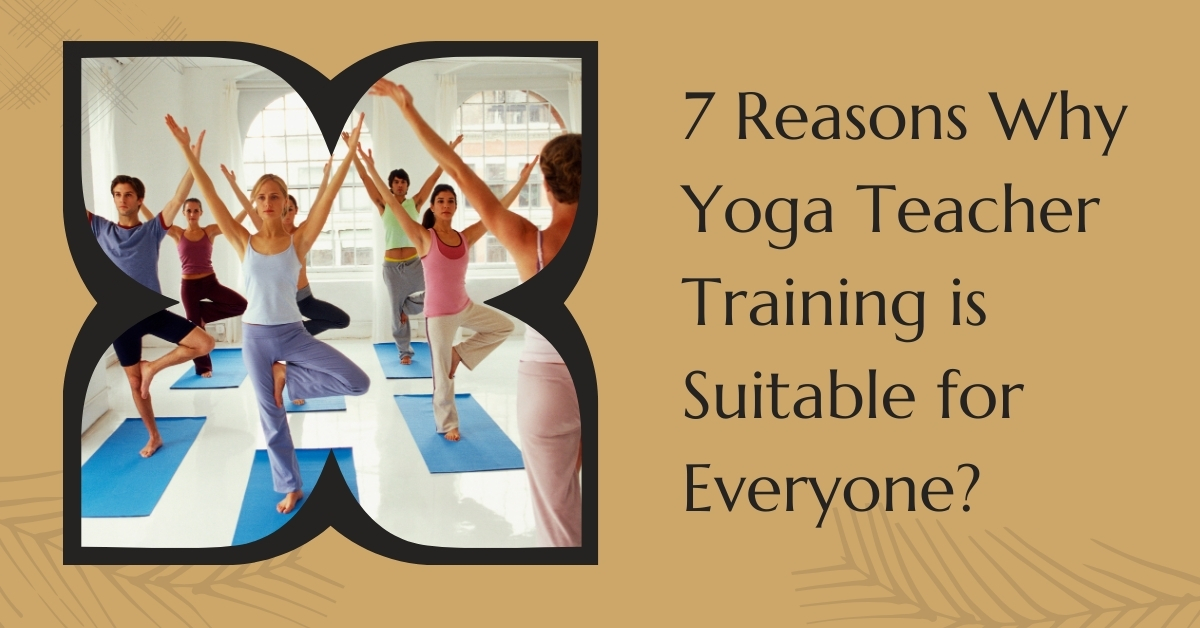
7 Reasons Why Yoga Teacher Training is Suitable for Everyone

7 Reasons Why Yoga Teacher Training is Suitable for Everyone?

Yoga has transcended its traditional boundaries and has become a global phenomenon, embraced by people of all ages and backgrounds. In recent years, the demand for Yoga Teacher Training Courses (TTC) has surged, attracting individuals from various walks of life. If you’re wondering why yoga teacher training is suitable for everyone, here are seven compelling reasons that highlight its universal appeal. 1. Holistic Well-being: A Journey Beyond Asanas Embarking on a Yoga Teacher Training Course is not just about perfecting physical postures; it is a profound exploration of holistic well-being. Beyond the physical, these courses delve into the philosophical aspects of yoga, offering participants a comprehensive understanding of mindfulness, meditation, and breath control. It’s an immersive experience that transcends the boundaries of mere physical exercise, fostering mental, emotional, and physical health in a holistic manner. 2. Adaptability to All Levels: A Tailored Approach for Every Yogi One of the remarkable features of a Yoga TTC is its adaptability to various levels of expertise. Whether you are a novice or an advanced practitioner, the courses are meticulously designed to cater to everyone’s unique needs. The curriculum is structured in a way that ensures participants progress at their own pace, fostering an inclusive environment where each individual, regardless of their current fitness level or familiarity with yoga, can reap the benefits. 3. Community and Support: Building Bonds Beyond Asanas Enrolling in a Yoga Teacher Training not only imparts knowledge but also creates a supportive community. Participants forge strong bonds with fellow yogis, sharing a common journey towards self-discovery and wellness. This sense of community goes beyond the training sessions, creating an encouraging environment where individuals uplift each other, overcoming challenges collectively. The camaraderie formed during a Yoga TTC makes the entire training experience both enriching and enjoyable. 4. Diverse Teaching Styles: A Multifaceted Exploration of Yoga Yoga is a diverse practice with various styles, and a well-rounded Yoga TTC acknowledges and embraces this diversity. Participants are exposed to a spectrum of styles such as Hatha, Vinyasa, or Ashtanga, allowing them to explore and find what resonates best with their bodies and personal preferences. This diversity ensures that everyone, regardless of their individual inclinations, can discover their unique path within the expansive realm of yoga. 5. Personal Growth and Transformation: Beyond Teaching, a Journey Within Yoga Teacher Training is not merely a certification process; it is a transformative journey of personal growth. Participants often uncover hidden facets of themselves, developing a deeper connection with their inner selves. This self-discovery is a profound and transformative experience, fostering enhanced self-confidence and a more positive outlook on life. Beyond teaching, the training becomes a catalyst for individual evolution and self-empowerment. 6. Cultural Immersion: Unveiling the Rich Heritage of Yoga Rooted in ancient Indian culture, yoga carries a profound cultural heritage. A Yoga TTC often includes an exploration of this rich history, providing participants with insights into the philosophical and spiritual foundations of yoga. This cultural immersion adds an extra layer of meaning to the practice, offering a deeper appreciation for its historical and cultural significance. It transforms the practice into a more profound and fulfilling experience for everyone involved. 7. Career Opportunities: A Pathway Beyond Teaching Classes While not every participant aspires to become a yoga teacher, completing a Yoga TTC opens doors to diverse career opportunities. The skills acquired during the training, from teaching to communication and mindfulness, can be applied in various fields. Many graduates find themselves equipped to share their knowledge in different capacities, contributing to wellness programs, leading classes, or even integrating yoga principles into their professional endeavors. A Yoga TTC becomes a valuable investment not just for personal growth but also for broadening career horizons. Conclusion:ย  Yoga Teacher Training has evolved into a life-changing journey that welcomes people from all backgrounds, offering far more than just physical fitness. It nurtures personal transformation, fosters deep connections, and opens new perspectives on health and self-awareness. Whether your goal is self-discovery or a professional path in wellness, the experience can be truly profound. For those looking to deepen their practice and gain meaningful insights, exploring yoga instructor courses in India is a powerful step toward a more balanced and purpose-driven life.

Read More ยป
Yoga for Indian students abroad

Why Indian Students Should Opt for Yoga Certification Before Studying Abroad?

Embarking on higher studies abroad is a significant step for Indian students, and an increasing number are choosing to complement their academic pursuits with yoga certification. Here are compelling reasons, supported by statistics and facts, illustrating why this trend is gaining traction: 1. Global Acceptance and Demand: Fact: Yoga has gained acceptance in 192 countries, including 44 Islamic nations. Statistical Reference: The international recognition of yoga is underscored by its popularity, with over 300 million practitioners globally. 2. Lucrative and Respected Profession: Fact: Yoga is a well-respected and high-demand profession, especially while studying abroad. Statistical Reference: The yoga industry boasts a substantial market value of $115.43 billion, emphasizing its economic significance. 3. Integral Role in Global Wellness Industry: Fact: The global wellness industry is valued at $5.6 trillion in 2022, with yoga playing a significant role. Statistical Reference: Yoga’s share in the wellness market is highlighted by its contribution to the industry’s substantial valuation. 4. Alignment with Holistic Health Programs: Fact: Many global universities incorporate wellness and holistic health programs into their curriculum. Statistical Reference: The increasing demand for holistic health practices is evident in the proliferation of such programs abroad. 5. Versatile Professional Opportunities: Fact: Yoga certifications open avenues for part-time work or internships during studies. Statistical Reference: Certified yoga therapists can engage in diverse settings, including community outreach and medical environments. 6. Expanding Market Through Online Platforms: Fact: The market has expanded due to the surge in demand for online yoga classes. Statistical Reference: The yoga industry has adapted to changing preferences, witnessing growth through online platforms. 7. Stress Relief and Academic Performance: Fact: Yoga’s stress-relieving benefits positively impact academic performance and overall fitness. Statistical Reference: Research supports the positive correlation between yoga practice and improved mental well-being, reducing the need for traditional gym memberships. 8. Cultural Promotion and Soft Power: Fact: Yoga serves as an opportunity to promote Indian culture and enhance soft power abroad. Statistical Reference: The influence of Indian culture is amplified by yoga’s global reach, contributing to the nation’s soft power. In conclusion, the decision for Indian students to become certified yoga trainers before studying abroad is multi-faceted, encompassing cultural, economic, and personal dimensions. The statistics and facts underline the global acceptance and the myriad opportunities that yoga certification brings, making it a strategic choice for those pursuing higher education on the international stage.

Read More ยป
How to Choose the Right Yoga Teacher Training for You

How to Choose the Right Yoga Teacher Training for You?

If you’re considering becoming a yoga teacher, one of the first steps is to find a yoga teacher training program that aligns with your goals and passions. The right program can unlock your potential as a yoga teacher, providing you with the knowledge and skills to lead safe and effective yoga classes. In this article, we’ll explore the key factors to consider when choosing a yoga teacher training program, as well as the benefits of becoming a certified yoga teacher. Yoga teacher training programs are designed to provide aspiring yoga teachers with the education, training, and certification they need to teach yoga classes. These programs range in length, location, and curriculum, and it’s important to find a program that fits your individual needs and preferences. Whether you’re looking to deepen your personal practice, advance your career, or share your passion for yoga with others, a yoga teacher training program can be an incredibly rewarding experience. Keep reading to learn more about choosing the right yoga teacher training program for you. Factors to consider when choosing a Yoga Teacher Training When choosing a yoga teacher training program, it’s important to consider a variety of factors to ensure that you find the best fit for your needs. Here are some key factors to keep in mind: Curriculum The curriculum of a yoga training program can vary widely, so it’s important to choose one that aligns with your interests and career goals. Look for a program that covers topics such as yoga philosophy, anatomy, teaching methodology, and practical teaching experience. Teaching Style There are many different styles of yoga, and each teacher has their own unique approach. It’s important to choose a program with a teaching style that resonates with you and matches your personal goals and interests. Credentials of Instructors Make sure that the instructors leading the program have the necessary credentials and experience to provide you with quality training. Look for instructors who are registered yoga teachers with extensive experience teaching and practicing yoga. Duration of the Program The duration of yoga training programs can range from a few weeks to several months. Consider your personal schedule and commitments to choose a program that fits your availability and learning style. Accreditation Choosing an accredited yoga teacher training program ensures that you receive quality education and are recognized as a certified yoga teacher upon completion. Look for programs that are accredited by nationally recognized accreditation bodies. Location and Cost Consider the location and cost of the program when making your choice. Look for programs that are conveniently located and that fit within your budget, while still providing quality training. Types of Yoga Teacher Training Programs Yoga teacher training programs come in a variety of formats, each with its unique advantages and disadvantages depending on your individual needs and circumstances. Here are three types of yoga teacher training programs you may want to consider: Intensive In-Person Programs Intensive in-person programs involve an immersive experience where you spend several weeks or months in a physical location. These programs typically require full-time dedication, and you will be expected to attend lengthy daily classes. Intensive programs offer an intimate and supportive environment that allows you to develop deep connections with your teachers and fellow students. The key benefits of an intensive in-person program include: Hands-on and personalized training Opportunities for personal growth and transformation An immersive experience with fellow students and teachers Keep in mind that intensive programs can be challenging and require significant discipline and dedication. They can also be expensive, as you will have to cover the cost of tuition, travel, and accommodation. Online Programs Online teacher training programs are perfect for those who can’t attend in-person classes due to time or geographical constraints. With online yoga teacher training, you can complete the course at your own pace and from the comfort of your home. Online training is often more affordable than in-person programs, and you have access to a wider range of courses and instructors. The main benefits of online yoga teacher training include: The flexibility to learn at your own pace and convenience Lower costs compared to in-person programs Access to a wide range of courses and instructors Specialized Courses In addition to traditional 200-hour programs, specialized yoga teacher training courses are available for those who want to expand their skills and knowledge in a specific area of yoga. These courses may focus on topics such as restorative yoga, prenatal yoga, or yoga for athletes. Some benefits of specialized courses include: Opportunities to deepen your knowledge in a particular area of interest The ability to tailor your training to your specific needs and goals Networking opportunities with like-minded individuals Keep in mind that specialized courses may not be sufficient to meet the requirements for yoga certification. However, they can provide valuable supplementary training for certified yoga teachers. Before selecting a specific training program, it’s essential to evaluate your learning style, goals, and availability. Our Program Coordinator can guide you in identifying courses that align with your strengths and learning skills, ensuring the best fit for your career aspirations. Choosing the Right Yoga School Choosing the right yoga school is a crucial decision when embarking on a yoga teacher training program. The school you select will shape your entire learning experience, so it’s important to carefully consider your options. Here are some factors to keep in mind when choosing a yoga school: Reputation: Look for schools with a good reputation. Do they have positive reviews from past students? Are they accredited by a reputable organization? Location: Consider the location of the school. Do you prefer a local or distant yoga school? Do you want to study in an urban or rural setting? Facilities: Assess the learning environment. Is the school equipped with suitable facilities, such as a yoga studio, props, and classrooms? Teachers: Take a look at the yoga teacher training schoolโ€™s faculty. What are their qualifications and teaching experience? Do they have a teaching style that resonates with you? Additional Resources:

Read More ยป
What are the Benefits of Taking Online Yoga Teacher Training Course?

What are the Benefits of Taking Online Yoga Teacher Training Course?

In the current pandemic times, the demand for online yoga teacher trainingย (YTT) courses has soared due to frequent lockdowns and social distancing norms put in place by the governments. Therefore, most of the YTT courses are now available online. If you are a yoga enthusiast looking to learn the traditional Indian yogic practice right from your home, then enroll yourself for the bestOnline Yoga Teacher Training Course In India offered by Swasti Yoga Center, Pune. Listed below are some of the top benefits of taking our online yoga teacher training course. Top Benefits Of Online Yoga Teacher Training Course: Uninterrupted Learning:ย Due to the ongoing COVID-19 pandemic and social distancing restrictions, face-to-face physical training is not available to students currently. Therefore,ย Online Yoga Certification Courses In Indiaย provide students the opportunity for uninterrupted learning and pursue their interests without any physical barriers due to the pandemic. The Comfort Of Home: Another benefit is that yoga students can attend online lectures and practical sessions and get all the guidance from teachers remotely, sitting in the comfort of their homes. Cost-Effective:ย Online courses turn out to be more affordable than onsite courses as there is no travel, food, or accommodation costs involved. Available At All Locations: Online Yoga Teacher Training Course In Indiaย can be accessed by students from any location, even from the remotest part of the world. ย Students donโ€™t have to worry about any day-to-day travel or physical presence on-site to get trained. Convenient Batch Options:ย Online courses provide several options to students to choose a batch that best suits their availability and convenience. So, there are no time barriers. Access To The Best Yoga Teachers:ย Online YTT courses make it possible for top yoga gurus and teachers to impart training and guidance to students from their respective locations remotely, without any hassle. Government-Recognised Online Yoga Certification Courses In India If you are looking for an online YTT course that provides government certification from a recognised institution in India, consider Swasti Yoga Center, Pune. Our online courses follow the latest regulations issued by Yoga Alliance and provide certificates recognized by the Yoga Alliance. Moreover, our courses help you become a part of the Yoga Alliance Professionals community. Enrol yourself in the bestย Online Yoga Teacher Training Courseย with Swasti Yoga Center.ย Contact us or call us atย +91 9922916025ย orย 9545019322ย today!

Read More ยป
Yoga - Mind Body and The Consistency

Yoga: Mind, Body and The Consistency

Arti Dhamale Yoga Instructor and Fitness enthusiastartidhamale@gmail.com “There is nothing training cannot do. Nothing is about its reach. It can turn bad morels to food; it can destroy bad principles and recreate good ones; it can lift men to ANGELSHIP.”-Mark Twain While reading one of the best sellers, motivational book, my eyes ran through this inspiring quote. This immediately took me to the yoga philosophies and our old texts which explains way of living. The same is beautifully portrayed in paths of Yoga which takes some resemblance from Bhagwat Gita (Page 83). The Jnana yoga, also known as the treacherous path (shows the path for self-realization). Jnana Yoga is typically characteristic of the non-dualistic (Advait) Vedanta. Here we learn to discriminate self from non-self (ego, body, mind and intellect) to find the real self. As Maharshi Patanjali said: YOGAH CHITTA VRUTTI NIRODHA Its only mixed modification which lead to miseries as well as our happiness. So, at the last we have our mind to make modification to reach our life goals.Jnana yoga provides ways to reach our goals by following SadhanaChtushtaya (how to learn Veda) which explains: 1.ย Vivek (Nityanityavastuvivek)ย i.e. the knowledge which helps us to make Discrimination between real and unreal. Itโ€™sย being able to identify what is changing and what is non-changing; what is short-term and what are long-term benefits in life. 2.ย Viaragya (non- attachment)ย i.e. we should attain non-attachment towards the fruit of our deeds which eventually leads us to release the feelings: Sukhanishayi raga, dukhanushayiDvesh (The things which makes us happy we get attached to it and the ones which gives us pain we hate that) 3. Shat Sampat (SamaadiShaktasampathi) – in ancient time itโ€™s said that strength of character is very essential. The Shat Sampat are the six virtues that contribute towards oneโ€™s greatness in character โ€“ hence termed as wealth. a. Shama(Calmness) โ€“To sharpen the intellect, you first need to calm the mind. Without peace your mind become dull and you donโ€™t understand anything happening around you. Suppose you see someone doing wrong and you get angry instead keep yourself calm and educate the other person about their mistake. And if they are not willing to understand, then ignore and move on.This ability to keep a calm mind under any kind of circumstances with sense of detachment is Kshama. b. Dama(self-control) โ€“ turning Jnanaindirya and karma indriya away from Vishay i.e. self-control over your senses. For example, you want to study but your mind says to watch movie and you watch movie, in spite of knowing that you should study. To have Dama means to have a perfect alignment between your mind and your senses. c. Uparati(detachment) โ€“ Means Enjoying everything that you do, even if its small. It means to have enthusiasm in whatever you do. One who does not have enthusiasm cannot create or invent anything new. Uparati means to do everything wholeheartedly, finding joy and taking total interest in it. d. Titiksha(Patience) – Titiksha means forbearance. This helps us to live in any situation and surrounding. Nothing hampers our individuality. You Stand firm in front of people and unpleasant or negative people are not able to pull you down. U remain unaffected and focused on your goal.To maintain a balance and be able to bear it when undesired situations arise in life โ€“ that is a sign of having Titiksha. e. Sharadha(faith) -Shraddha means to adore something that you donโ€™t completely know. Eg. Faith on guru or faith on Doctor.You do not need to have faith in what you already know. Faith is always in something that you do not know, yet you feel a sense of connectivity to that unknown. Putting a foot forward before you get the fruit of the action is called Shraddha. f. Samadhan(content) – Samadhana means contentment. A person who content exuberates a certain sense of joy from deep within. Contentment is not lethargy. Do not confuse contentment with lethargy. Contentment is creativity, and creativity blossoms in us when there is Samadhana. 4. Mumukshatva- It is the desire to be free. Holding on tightly to the keys of the house and wanting to control everything is a sign of lack of Mumukshatva, and knowledge cannot dawn in such a state.Accept the things as they are, you live your life and let others live. Do not control anybody or anything. Let Life flow and let everybody enjoy it, learn from it and cherish it. So, coming back to our Start point, whatever we can think of, imagine of, we can achieve with persistence, determination and focus. This is poetically demonstrated by the great poet Vrunda: โ€œKarat Karatabhyas k jadmati hot sujan,Rassiaawatjatte, sil par paratnisan.โ€ Same is written by Paatanjali in Yoga Sutra: TatraSthitiyatnoabhyasahAbhyaseVishamVidya. To walk in any situation and doing continuously is โ€œAbhyasโ€ and can lead to achieve your goal, as the persistent rubbing of rope also makes mark on the stone. Bhagwat Gita has defined how to study Vedanta under Guruโ€™s guidance in 3 stages: 1. Shravana (Listening) 2. Manan (Reflection) 3. Nidhidhyasana (Continuously repeat the process) Weather itโ€™s India or any other country, the only way to master any field is that you need to work on the factor which finally leads to Liberation. Liberation from everything, the emotional or physical attachment to all the worldly thoughts. It takes efforts and time to get what you want and for that you should follow Shravana, MananaNidhidhyasana. It might not always look like that our all efforts are that effective but still keep going and have trust they are! And once they reveal your success, every dot will be connected, and everything will make sense. KEEP GOING!!!

Read More ยป
How Yoga Will Help You Become a More Effective Leader

How Yoga Will Help You Become a More Effective Leader

Yoga has been practiced for thousands of years and continues to be a favorite activity among many enthusiasts drawn to it because of its health benefits.ย Yoga reduces stress, lowers the risk of anxiety and depression, and elevates mood. It also boosts the body’s immune system and pain tolerance. Yoga also teaches you to be aware of your body – how it moves, how it feels, and how it reacts to its environment, engaging your body and mind to achieve inner peace and harmony. But did you know that Yoga may improve your leadership abilities as well? Yoga and meditation are practiced to promote self-improvement and a healthy mind and body. Leadership is more than just your position in the firm. Whether you are a chairman or a business executive, you must develop the mentality and capabilities of a leader. Building relationships, making critical decisions, viewing every mistake or difficulty as a learning opportunity, and becoming an example to others are all aspects of leadership. For this reason, Yoga for leadership goes perfectly together becauseย Yoga teaches discipline and clear-mindedness. Let us examine the benefits of Yoga for leadership development. Yoga Motivates you to Perform Better As Yoga improves your well-being, it motivates you to deliver your best. You are constantly ready to face new challenges, whether speaking with a business partner or producing a new product. Yoga improves your mood and alleviates work-related anxiety and demands. Leaders will constantly be inspired to become a better version of themselves. Yoga Improves Creative Thinking Yoga is a kind of meditation. During Yoga practice, you should keep negative thoughts at bay and focus on your mind and body. Shut out your surroundings and concentrate on yourself until your body relaxes. When your body is in a subconscious state, fresh thoughts and ideas will flow. Yoga Enhances your Problem-Solving Skills Stress keeps away the leaders’ ability to think rationally. Yoga for leaders helps them achieve clarity of thinking and allows them to look at an issue or problem from several perspectives. Practicing Yoga promotes blood circulation in the brain, allowing leaders to tackle complicated issues with ease and calmness. Yoga Improves Productivity The mental and physical well-being benefits of Yoga will lead to increased productivity. It allows you to execute tasks with fresh energy and vigor. Your improved mood, together with the clarity of your ideas, will boost your productivity without you feeling exhausted. Yoga helps you to Engage Compassionately with your Co-Workers Being an effective leader involves delegating tasks to subordinates. You should be able to interact with them, delegate tasks to them, and motivate them. All of this is possible if done with compassion and understanding. Yoga assists us in focusing our energy and attention on the present moment. We may interact with co-workers and team members in ways that excite and motivate them instead of stressing them out. Your actions as a leader speak louder than your words about your personality and leadership characteristics. Selfless compassion for those who work for you helps you grow as a person. Before you begin, choose a yoga exercise that fits your lifestyle and thinking as a leader. Whilstย Yoga can help you become a better leader, the process will take time. Incorporating Yoga into your daily routine will bring out the best in you, in both your personal and professional life.

Read More ยป
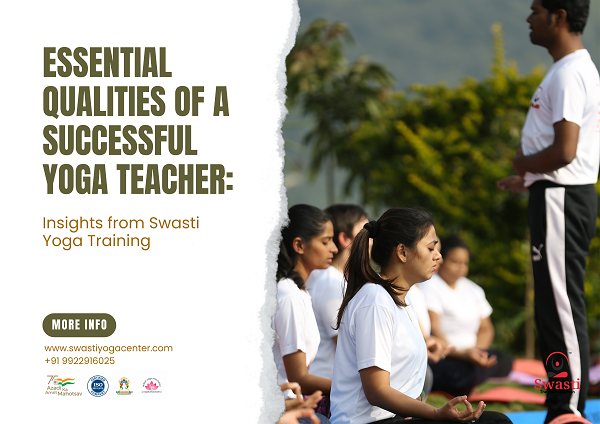
essentials qualities of yoga teacher

Essential Qualities of a Successful Yoga Teacher: Insights from Swasti Yoga Training

In a world where the pursuit of holistic well-being is becoming increasingly prevalent, the role of a yoga teacher has never been more critical. As yoga enthusiasts and aspiring instructors, it’s essential to delve deep into the teachings and understand the qualities that set apart an exceptional yoga teacher. Beyond the physical postures and sequences, true yoga teaching is a profound calling that requires a unique set of attributes. In this journey towards becoming an impactful yoga instructor, we explore the essential qualities that every successful yoga teacher should cultivate, drawing insights from the ancient teachings and wisdom imparted during training. Shrotriya – The Knower of the Subject The term ‘Shrotriya’ translates to ‘one who has heard.’ In the context of yoga teaching, it signifies a deep understanding and knowledge of the subject. A successful yoga teacher not only practices yoga but is also well-versed in its philosophy, history, and principles. According to recent statistics, the demand for certified yoga instructors is on the rise, with a projected growth rate of 13% from 2020 to 2030 in the United States alone. This trend underscores the importance of being a knowledgeable ‘Shrotriya’ to meet the increasing demand for qualified yoga instructors. Brahmanishta – Firm Believer in Yoga Practices and Philosophy To truly inspire and guide students on their yoga journey, a successful yoga teacher must be a ‘Brahmanishta’ โ€“ a firm believer in yoga practices and its underlying philosophy. Recent surveys show that people are turning to yoga not just for physical fitness but also for mental and emotional well-being. As a ‘Brahmanishta,’ you are well-equipped to address these evolving needs and provide a holistic approach to health and wellness. Vinamrata – Humility In a world often defined by ego and competition, humility is a quality that sets exceptional yoga teachers apart. According to a survey conducted among yoga practitioners, students consistently mention humility as a key factor in their choice of a yoga teacher. ‘Vinamrata’ or humility allows you to connect with your students on a deeper level, fostering trust and loyalty. Karuna – Compassion for Beginners Every yoga teacher was once a beginner. ‘Karuna,’ or compassion, is the quality that enables you to relate to your students, especially those who are new to yoga. According to industry reports, there is a growing trend of beginners seeking yoga classes. Your compassionate approach helps beginners feel supported and encouraged, making them more likely to continue their yoga journey. Nishkamabhava – Selflessness Yoga teaching should never be about monetary gains or personal recognition. According to global yoga industry statistics, ethical and selfless yoga teaching is gaining prominence as students seek authentic and sincere instructors. ‘Nishkamabhava,’ or selflessness, ensures that your intentions are pure, aligning with the expectations of today’s conscious consumers of yoga services. Tyaag – Self-Sacrifice ‘Tyaag,’ or self-sacrifice, involves going beyond your comfort zone to help your students. According to a survey of yoga students, the willingness of teachers to go the extra mile significantly impacts their overall experience. Successful yoga teachers are willing to make sacrifices for the greater good, putting the needs of their students first and creating loyal followings. Bhakti – Unconditional Love for Yoga and Teaching ‘Bhakti’ signifies unconditional love and devotion. As a yoga teacher, this devotion extends to both yoga itself and the act of teaching. According to a recent industry report, yoga students value the passion and dedication of their teachers. Your love for yoga and teaching fuels your passion for sharing it with others, attracting and retaining students. Dharma – Righteous Conduct and Ethical Yoga Practices The concept of ‘Dharma’ refers to righteous conduct and ethical yoga practices. A successful yoga teacher follows a code of conduct that aligns with the classical texts of yoga, such as the Yoga Sutra, Hatha Yoga Pradipika, and Shiv Samhita. Ethical yoga teaching is gaining recognition globally, with organizations and students seeking instructors who uphold these principles. In conclusion, becoming a successful yoga teacher is a profound journey that extends far beyond physical postures and sequences. These qualities, rooted in ancient yogic wisdom, serve as the foundation for an impactful and fulfilling career in yoga. Embrace these qualities, and you’ll not only excel as a yoga teacher but also inspire and uplift those who walk alongside you on the path of yoga. Moreover, the global yoga industry is experiencing remarkable growth, presenting numerous opportunities for career development. With increasing awareness of the physical and mental health benefits of yoga, the demand for qualified yoga instructors continues to rise. As you cultivate the essential qualities of a successful yoga teacher, you position yourself to be part of this thriving industry. Embracing yoga as a career offers stability and the potential for a fulfilling livelihood. Whether you choose to teach at local studios, wellness centers, or even internationally, your dedication to the principles of yoga will allow you to make a meaningful impact on the lives of countless individuals seeking health and happiness through this ancient practice. In conclusion, a career in yoga is not only personally rewarding but also promises significant growth and global opportunities. By embodying the essential qualities discussed here, you can not only excel as a yoga teacher but also contribute to the well-being of individuals worldwide, spreading the transformative power of yoga far and wide.

Read More ยป

Add Yoga To Retain The Beauty Of Body And Mind

Vitae aliquam porta sed augue consectetuer. Parturient posuere sed habitasse quisque malesuada platea. Dis suspendisse integer ut facilisis maximus mus.