๐Ÿ‡ฎ๐Ÿ‡ณ India | ๐Ÿ‡บ๐Ÿ‡ธ USA | ๐Ÿ‡ซ๐Ÿ‡ท France | ๐Ÿ‡ฒ๐Ÿ‡ฝ Mexico | ๐Ÿ‡ฆ๐Ÿ‡ช UAE

๐Ÿ‡ฎ๐Ÿ‡ณ India | ๐Ÿ‡บ๐Ÿ‡ธ USA | ๐Ÿ‡ซ๐Ÿ‡ท France | ๐Ÿ‡ฒ๐Ÿ‡ฝ Mexico | ๐Ÿ‡ฆ๐Ÿ‡ช UAE

Blog

News & Articles

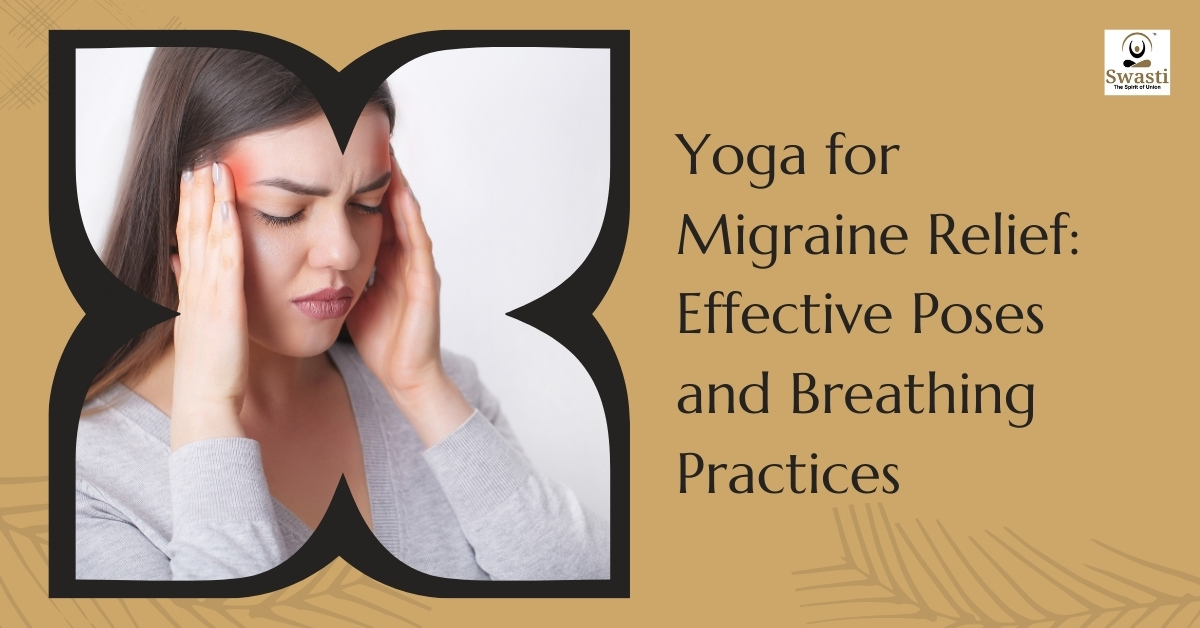
Yoga for Migraine Relief Effective Poses and Breathing Practices

Yoga for Migraine Relief: Effective Poses and Breathing Practices

If you have ever had a migraine, you know it is far more than just a headache. The pounding pain, the sensitivity to light, the nausea, and the feeling that your day has been completely stolen from you can be exhausting. While medicine can help, many people are looking for something more natural to manage their symptoms and reduce the number of attacks they face. Yoga has been around for thousands of years, and its benefits go far beyond flexibility and fitness. When done correctly, yoga helps release muscle tension, improve blood circulation, calm the mind, and balance the nervous system. All of these benefits make it a valuable practice for those dealing with migraines. Let us walk through how yoga can make a difference, which poses are worth trying, and the breathing practices that can work alongside them. Why Yoga Works for Migraine Relief? Migraines often come with triggers such as stress, lack of sleep, poor posture, dehydration, or even hormonal changes. Yoga works by addressing many of these triggers at once. When you practice yoga, you are not just moving your body. You are focusing your mind, controlling your breath, and improving circulation. Gentle stretching relieves tension in the neck, shoulders, and back, areas where tight muscles often contribute to migraine pain. Breathing exercises calm the nervous system, which can stop stress from triggering an attack. Over time, this combination can lower the intensity and frequency of migraines. It is not a magic overnight fix, but a consistent and powerful way to support your body. Before You Begin If you have a migraine right now, avoid strong or fast movements. Instead, stay in quiet, dark surroundings and focus on gentle breathing or restorative poses. If you are starting yoga for the first time, it is best to learn under the guidance of a trained instructor. They can ensure you are practicing safely and making adjustments for your comfort. Yoga Poses for Migraine Relief Here are the poses that experts and studies recommend for easing migraine symptoms and promoting relaxation. 1. Childโ€™s Pose (Balasana) This calming pose stretches the back, relaxes the neck and shoulders, and encourages slow breathing. How to do it Kneel on the floor and sit back on your heels. Fold forward so your forehead rests on the mat. Extend your arms forward or place them by your sides. Breathe slowly for one to two minutes. 2. Legs Up the Wall (Viparita Karani) A deeply restorative pose that improves blood flow and calms the mind. How to do it Sit close to a wall and lie down on your back. Gently raise your legs so they rest vertically against the wall. Keep your arms relaxed at your sides. Stay for five to ten minutes, breathing naturally. 3. Cat Cow Stretch (Marjariasana and Bitilasana) This movement warms up the spine, improves circulation, and releases stiffness. How to do it Begin on your hands and knees. Inhale as you arch your back and lift your head. Exhale as you round your spine and tuck your chin. Move slowly for one to two minutes. 4. Seated Forward Bend (Paschimottanasana) This pose lengthens the spine and soothes the nervous system. How to do it Sit with your legs straight in front of you. Inhale and lengthen your spine. Exhale as you fold forward, keeping your head relaxed. Hold for one to two minutes. 5. Bridge Pose (Setu Bandhasana) This gentle backbend opens the chest, stretches the spine, and improves circulation. How to do it Lie on your back with knees bent and feet hip-width apart. Press your feet into the floor as you lift your hips. Keep your arms alongside your body. Hold for thirty seconds to one minute. 6. Corpse Pose (Shavasana) The ultimate relaxation pose that allows the mind and body to completely rest. How to do it Lie flat on your back with your arms at your sides. Let your feet fall naturally outward. Close your eyes and focus on slow, steady breathing. Stay for five to ten minutes. Breathing Practices for Migraine Relief Breathing exercises, also known as pranayama, help reduce stress, balance the nervous system, and promote relaxation. These can be practiced with or without the poses above. Alternate Nostril Breathing (Nadi Shodhana) Balances both sides of the brain and calms the mind. How to do it Sit comfortably with your spine straight. Close your right nostril with your thumb and inhale through the left. Close the left nostril with your ring finger and exhale through the right. Inhale through the right, then switch and exhale through the left. Continue for three to five minutes. Cooling Breath (Sheetali Pranayama) Brings down body heat and relaxes the mind. How to do it Sit comfortably and roll your tongue into a tube shape. Inhale slowly through the tongue. Close your mouth and exhale through the nose. Repeat for two to three minutes. Deep Belly Breathing Simple but effective for calming the body and reducing migraine triggers. How to do it Sit or lie in a comfortable position. Place one hand on your belly and the other on your chest. Inhale deeply so your belly rises. Exhale slowly through your mouth. Continue for five minutes. Lifestyle Tips to Prevent Migraines Practice yoga regularly, not only during an attack. Keep a calm practice space with soft lighting. Stay hydrated through the day. Get enough rest and follow a consistent sleep schedule. Avoid known migraine triggers such as certain foods or long screen time without breaks. What This Means for You Migraines can take a toll on your work, mood, and daily life. While there is no single solution that works for everyone, yoga offers a gentle, natural, and effective way to manage both the physical tension and the mental stress that often contribute to migraine attacks. By combining the right poses with mindful breathing, you give your body and mind a chance to reset. Over time, this can lead to fewer migraines, reduced pain, and a better sense
Read More ยป
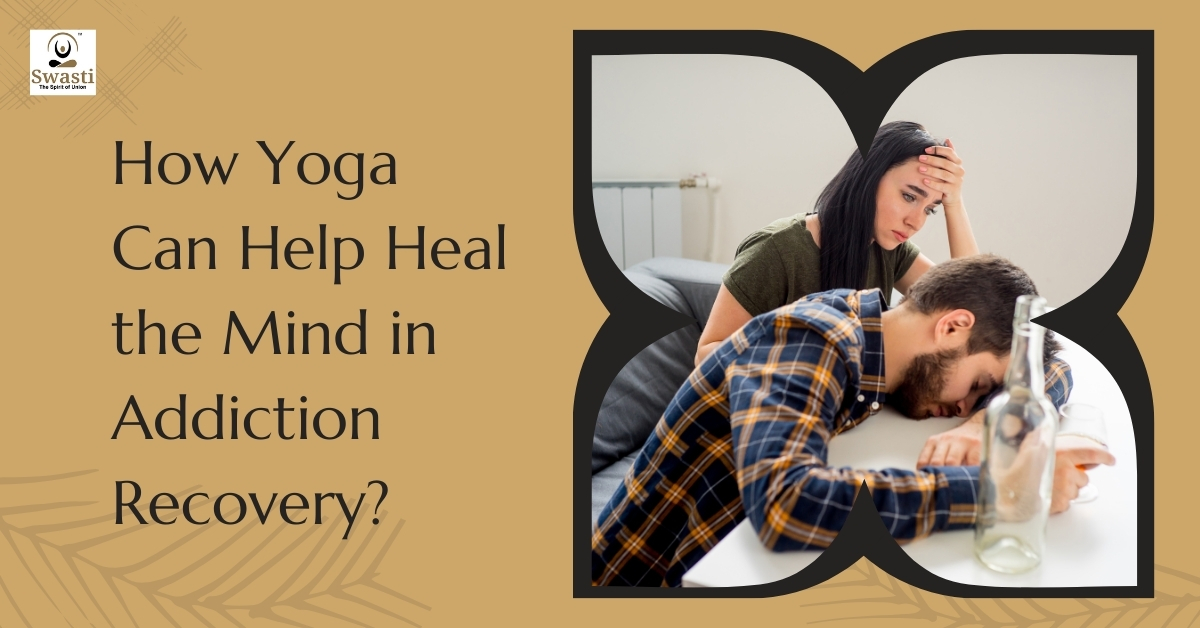
How Yoga Can Help Heal the Mind in Addiction Recovery

How Yoga Can Help Heal the Mind in Addiction Recovery?

Addiction recovery isnโ€™t just about quitting a substance or breaking a habit. Itโ€™s about rebuilding your relationship with your mind and body. Thatโ€™s why, alongside medical treatments and counseling, many people are turning to yoga as part of their recovery journey. Yoga is not a quick fix – and it doesnโ€™t replace professional therapy. But it can be a powerful companion. It works on more than just the body; it quiets the mind, reduces stress, and helps create a sense of inner balance thatโ€™s often missing during and after addiction. Letโ€™s break down how yoga fits into addiction recovery, why it works, and what makes it so effective. Understanding Addiction Beyond the Surface Addiction isnโ€™t simply โ€œlack of willpower.โ€ Itโ€™s a complex condition involving the brainโ€™s reward system, emotional regulation, and coping mechanisms. When someone is addicted, whether itโ€™s to alcohol, drugs, smoking, or even certain behaviors, the brain gets used to chasing quick bursts of pleasure. Over time, these substances or activities begin to replace healthier sources of joy. Stress, trauma, loneliness, or even boredom can trigger cravings. In recovery, the real challenge is not just avoiding the substance but finding healthier ways to handle those emotional and mental triggers. And hereโ€™s where yoga steps in. How Yoga Supports Recovery? Yoga isnโ€™t just stretching or holding poses. Itโ€™s a full mind-body practice that combines physical postures (asanas), breathing techniques (pranayama), and meditation (dhyana). Together, they create a calming effect on the nervous system, improve mental clarity, and help you reconnect with yourself without needing an external โ€œhigh.โ€ Hereโ€™s why itโ€™s so powerful in recovery: Stress reduction: Yoga lowers cortisol levels, which helps reduce the urge to seek comfort in addictive substances. Better emotional control: Breathing practices teach you to pause and respond instead of reacting impulsively. Body awareness: Addiction can make you feel disconnected from your body. Yoga helps you rebuild that connection. Improved sleep: Regular practice can reduce insomnia, which is common during withdrawal. Self-compassion: Many people in recovery struggle with guilt or shame. Yoga promotes acceptance and kindness toward oneself. The Science Behind Yoga and Addiction Recovery Studies have shown that yoga influences brain chemistry in ways that can support recovery. It increases levels of gamma-aminobutyric acid (GABA) โ€” a neurotransmitter that promotes calmness. It also reduces activity in the amygdala (the brainโ€™s fear center) and boosts the prefrontal cortex, which helps with decision-making and self-control. In simpler words, yoga rewires the brain to make it easier to handle cravings, stress, and emotional pain without falling back into old habits. Practical Ways to Use Yoga in Recovery You donโ€™t need to become a โ€œyogiโ€ or spend hours each day on the mat. Small, consistent steps make a big difference. Here are some ways to integrate yoga into recovery: 1. Morning Stretch and Breath Start your day with 10 minutes of gentle stretches like Cat-Cow Pose (Marjaryasana-Bitilasana) and Forward Fold (Uttanasana), along with deep breathing. It sets a calmer tone for the day. 2. Mindful Breathing During Cravings When cravings hit, take a break and practice slow, deep breathing, inhale for 4 counts, exhale for 6 counts. This signals your nervous system to relax. 3. Evening Wind-Down Routine Before bed, try a few restorative poses like Legs-Up-the-Wall (Viparita Karani) and Childโ€™s Pose (Balasana) to release tension and prepare for sleep. 4. Meditation for Emotional Balance Even 5 minutes of guided meditation daily can help you become more aware of thoughts and emotions without being controlled by them. Yoga Poses Helpful for Recovery While any gentle yoga practice can help, here are some poses often recommended in addiction recovery programs: Mountain Pose (Tadasana) โ€“ Builds grounding and stability. Warrior II (Virabhadrasana II) โ€“ Promotes strength and confidence. Seated Forward Bend (Paschimottanasana) โ€“ Calms the mind and stretches the back. Bridge Pose (Setu Bandhasana) โ€“ Opens the chest and boosts energy. Corpse Pose (Savasana) โ€“ Deep relaxation and mindfulness. The goal isnโ€™t to perform the โ€œperfectโ€ pose but to feel present and aware during practice. Honest Advice for Beginners Start slow โ€“ You donโ€™t have to do a full class on day one. Even two poses and a few minutes of breathing can make a difference. Be patient with yourself โ€“ Recovery and yoga are both journeys, not races. Find the right guide โ€“ A teacher who understands recovery will create a safe, judgment-free space. Pair yoga with other healthy habits โ€“ Eat nourishing food, stay hydrated, and get enough rest. Celebrate progress, not perfection โ€“ Every time you choose a healthy coping mechanism, itโ€™s a win. Why Yoga Works So Well in Recovery? Yoga addresses three areas often damaged by addiction: The body restores strength, flexibility, and physical health. The mind improves focus, clarity, and emotional balance. The spirit helps you reconnect with a sense of purpose and inner peace. It teaches you that you can face discomfort, whether itโ€™s a challenging pose or a difficult craving, and come out stronger. Thatโ€™s a powerful lesson for anyone in recovery. Final Thoughts Addiction recovery is one of the toughest journeys a person can take. Itโ€™s filled with ups, downs, and moments of doubt. But tools like yoga can help make the path a little smoother, a little calmer, and a lot more empowering. You donโ€™t need to change your whole life overnight. Just unroll a mat, take a deep breath, and give yourself a few minutes each day to move, breathe, and reconnect. Over time, youโ€™ll find that yoga isnโ€™t just about flexibility in the body, itโ€™s about flexibility in the mind and resilience in the spirit. Take the Next Step in Your Yoga Journey If you have seen how yoga can help in recovery and want to explore it more deeply, learning it at its roots can be life-changing. At Swasti Yoga Center, our Yoga Teacher Training Courses in India cover not just postures, but breathing techniques, meditation, and the therapeutic side of yoga that supports emotional and physical healing. Whether your goal is personal growth or guiding

Read More ยป
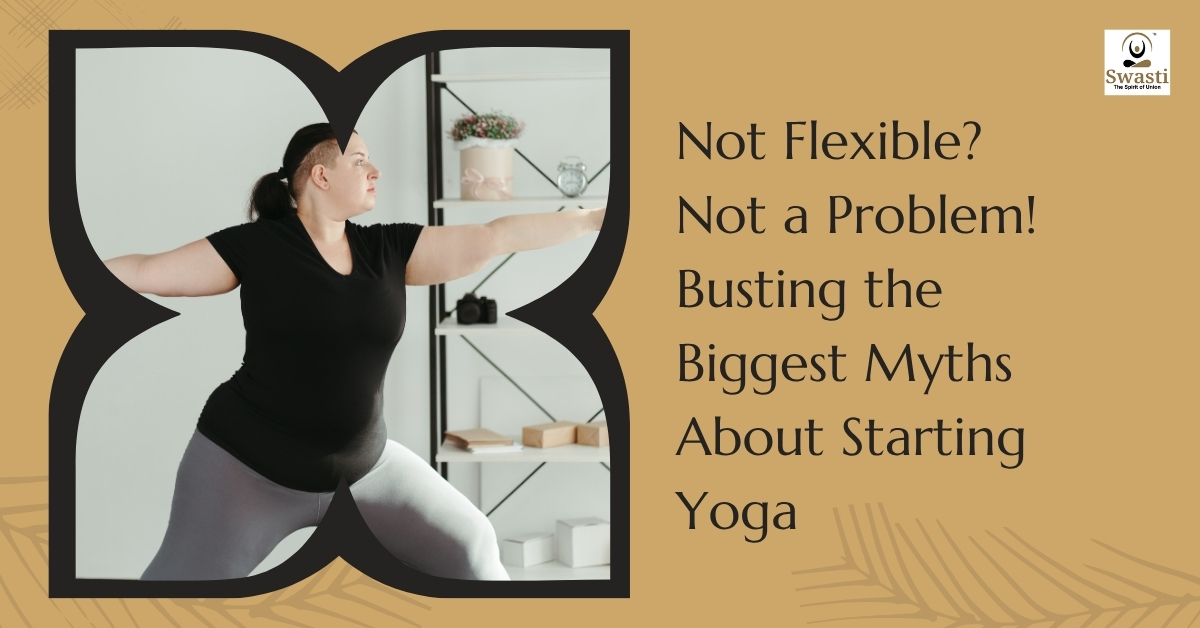
Not Flexible Not a Problem! Busting the Biggest Myths About Starting Yoga

Not Flexible? Not a Problem! Busting the Biggest Myths About Starting Yoga

โ€œIโ€™d love to try yoga, but Iโ€™m not flexible.โ€ This is perhaps the most common sentence we hear from people curious about starting yogaโ€”but unsure if theyโ€™re โ€œready.โ€ The truth is: you donโ€™t need to be flexible, fit, young, slim, spiritual, or vegan to begin yoga. These are all myths that discourage many from stepping onto the mat. At Swasti Yoga Center, weโ€™re here to help you unroll the misconceptions and discover a practice that welcomes everyoneโ€”exactly as they are. Myth #1: You Need to Be Flexible to Start Yoga Letโ€™s flip this idea: Yoga is not for the flexible. Yoga makes you flexible. Just like you donโ€™t need to know how to swim before taking swimming lessons, you donโ€™t need to touch your toes or do the splits before starting yoga. Flexibility is one of the benefits of yoga, not a prerequisite. Whether youโ€™re stiff from sitting at a desk all day, recovering from an injury, or new to movement altogether, yoga meets you where you are. Over time, with consistent practice and patience, youโ€™ll notice an increased range of motion, better posture, and reduced body stiffnessโ€”without needing to force or strain. Myth #2: You Have to Be Fit or Young to Start Yoga Yoga isnโ€™t just for the athletic or the young. Yoga was designed to support health across the lifespan. From chair yoga for seniors to gentle beginner flows, there are styles suitable for every body type, age, and fitness level. You donโ€™t need a six-pack or marathon stamina. What you need is curiosity and an open mind. Yoga builds strength, balance, and endurance gradually and safely. Many of our students at Swasti Yoga Center have begun their journey in their 40s, 50sโ€”even 70sโ€”and found new vitality and joy in their movement. Myth #3: You Need Fancy Gear or Expensive Clothes You donโ€™t need anything fancy to beginโ€”just comfortable clothing and the willingness to try. While yoga mats, blocks, and straps can enhance your practice, most studios (including ours) provide them. You can even start at home with a simple towel or carpet. The heart of yoga isnโ€™t about branded leggings or Instagram-worthy posesโ€”itโ€™s about connecting with yourself. Myth #4: Yoga Is Only Physical Exercise While yoga certainly improves strength and flexibility, itโ€™s not just a physical workout. Itโ€™s a holistic system for mind, body, and spirit. Breathing practices (pranayama), meditation, and philosophy are integral to yoga, helping reduce stress, improve focus, and enhance emotional resilience. At Swasti Yoga Center, we encourage students to explore not just the physical poses (asanas) but also the lifestyle and mental health benefits yoga brings. Myth #5: You Must Follow a Certain Religion or Belief System Yoga is not a religionโ€”itโ€™s a universal practice rooted in Indian philosophy that welcomes people of all backgrounds. Whether you’re spiritual, secular, or curious, yoga allows you to explore your inner world without imposing beliefs. You can take from it what resonates with you. So, Who Is Yoga For? You. Just as you are. Whether youโ€™re stressed out, feeling low on energy, recovering from illness, seeking more mobility, or just looking for a way to reconnect with yourself, yoga is for you. Itโ€™s not about perfection, performance, or pressure. Itโ€™s a personal journey of progress, not comparison. At Swasti Yoga Center, our beginner-friendly programs are designed to be safe, supportive, and inclusive. Our experienced teachers will guide you step by step, with modifications and encouragement at every level. So the next time you think, โ€œIโ€™m not flexible enough for yoga,โ€ remember: thatโ€™s exactly why you should begin. Ready to Begin? Join our Beginnerโ€™s Yoga Courseโ€”online or offlineโ€”and experience the transformation yourself. No prerequisites. No judgments. Just your breath, your body, and your journey.

Read More ยป
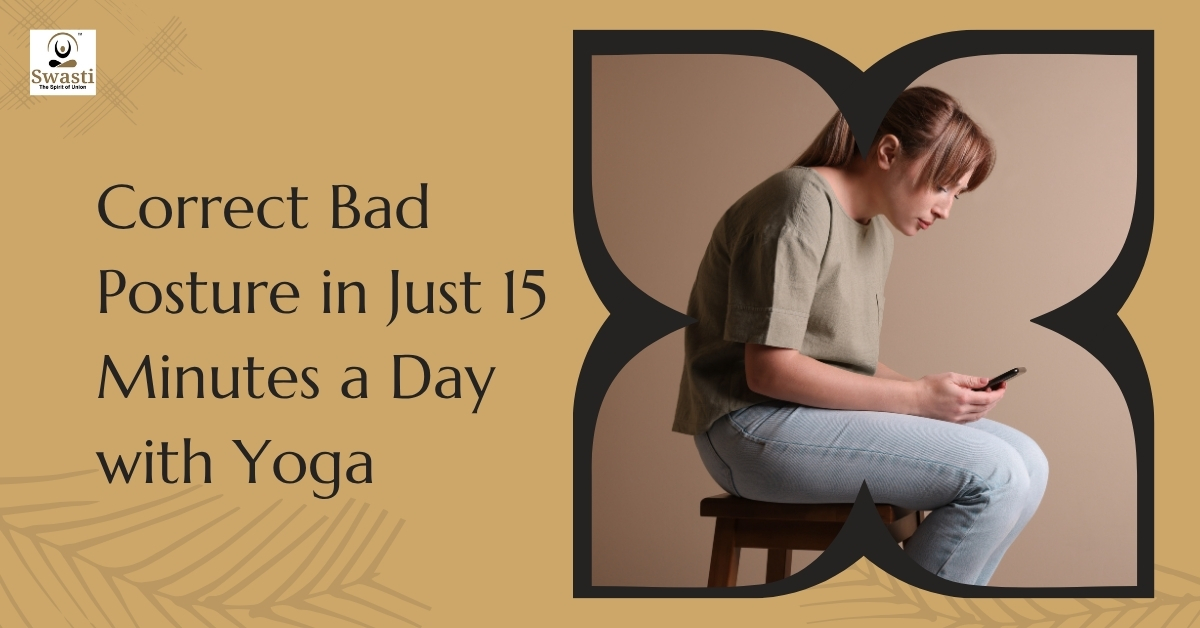
Correct Bad Posture in Just 15 Minutes a Day with Yoga

Correct Bad Posture in Just 15 Minutes a Day with Yoga

In our fast-paced digital world, posture is the silent casualty of modern life. Working professionals often spend long hours hunched over screens, leading to rounded shoulders, a forward neck, slouched backs, and even chronic pain. The consequences go beyond just a stiff back โ€” poor posture can affect digestion, breathing, confidence, and even mental health. Fortunately, yoga offers a time-tested and highly effective solution to reset your posture, even in as little as 15 minutes a dayย โ€” right from your office chair. The Posture Pandemic: Common Mistakes Before we fix it, letโ€™s understand the problem. The most common postural mistakes made during office hours include: Forward Head Posture: Constant screen-staring moves the head 2โ€“3 inches forward from the spine, putting immense strain on neck muscles. Rounded Shoulders: Typing for hours rolls the shoulders in, tightening the chest and weakening the upper back. Slumped Lower Back: Slouching compresses the lumbar spine, affecting circulation and causing lower back pain. Crossed Legs or One-Sided Leaning: Causes hip misalignment and affects pelvic stability. The Damage of Poor Posture: A 2017 study published in theย Journal of Physical Therapy Scienceย found thatย forward head posture significantly reduces respiratory functionย due to restricted rib cage expansion and diaphragmatic movement. According to theย National Institute for Occupational Safety and Health (NIOSH),ย back pain is among the most common work-related musculoskeletal disorders, often resulting from prolonged sitting and poor ergonomics. A 2022 meta-analysis in the Ergonomicsย journal showed thatย slouched sitting posture is associated with decreased focus, increased fatigue, andย higher musculoskeletal strainย in the cervical and lumbar regions. Why Yoga Works: Evidence-Based Support Yoga isnโ€™t just stretching โ€” it integratesย asanas (postures), pranayama (breathing), and mindfulness, making it a unique therapy for posture-related dysfunctions. Research now confirms this. A 2016 study in theย Journal of Bodywork and Movement Therapiesย showed that aย 6-week yoga intervention improved posture alignment and back muscle enduranceย in sedentary office workers. A study published inย Complementary Therapies in Medicineย (2020) demonstrated thatย chair yoga significantly reduced neck pain and improved upper body postureย in desk workers. Theย American College of Physicians (ACP)ย recommends yoga as a first-line, non-pharmacological treatment forย chronic low back pain, noting its safety and long-term benefits. ย  15-Minute Office Yoga Sequence to Reset Your Posture Hereโ€™s a simpleย evidence-informed yoga routineย that fits easily into your workday: 1. Seated Cat-Cow (2 mins) Stimulates spinal fluid movement, improves flexibility. โœ… Backed by studies in the Journal of Yoga & Physical Therapyย for increasing spinal awareness and mobility. 2. Shoulder Rolls + Chest Openers (2 mins) Releases trapezius tension and counters rounded shoulders. 3. Seated Spinal Twist (2 mins) Realigns the thoracic spine, aids digestion, and improves spinal mobility. 4. Neck Sukshma vyayama + Chin Tucks (2 mins) Corrects forward head posture and eases cervical tension. 5. Seated Tadasana (2 mins) Engages deep postural muscles, improves proprioception, and spinal stacking. 6. Mindful Breathing (3 mins) Breathwork like Anulom Vilom or 4-6 breathing helps relax the nervous system and promotes spinal decompression. Ergonomics & Workstation Tweaks Monitor at eye levelย to avoid neck flexion. Chair with lumbar supportย and hips at 90ยฐ. Keyboard and mouseย positioned to keep elbows at 90ยฐ, shoulders relaxed. Take posture breaks every 45โ€“60 minutesย to reset spinal alignment. ย A Sattvic-Yogic Approach to Posture Embracing aย sattvic (pure, balanced) lifestyle enhances body awareness, clarity, and lightness, all of which naturally encourage better posture. Diet: Include fresh fruits, vegetables, nuts, and sattvic herbs like tulsi and turmeric to reduce inflammation. Routine: Follow dinacharya (daily rhythm) with regular wake/sleep hours. Mindfulness: Practice gratitude, positive speech, and present-moment awareness. Digital discipline: Reduce screen time after work and avoid scrolling in bed โ€” it ruins both sleep and spine alignment. Posture & Mind Connection Research from theย Health Psychology Journalย (2015) shows thatย upright posture leads to higher self-esteem, better mood, and greater stress resilience, whereas slouched posture is linked to helplessness and fatigue. Theย Level 1 YCB-certified courseย also equips individuals with aย scientific and holistic understanding of posture, integrating anatomy, biomechanics, and yogic practices. It empowers working professionals toย correct imbalances, build aย daily yoga routine, and even leadย wellness sessions at work, all while earning anย AYUSH-recognized certificationย rooted in Indiaโ€™s authentic yoga tradition. Yoga doesnโ€™t just align your spine โ€” it elevates yourย energy,ย confidence, andย inner state. ย Final Word In justย 15 mindful minutes a day, yoga gives you the tools to correct your posture, reduce pain, and reset your lifestyle โ€”ย without medication or devices. Through regular practice, youโ€™ll notice: Improved body awareness Reduced fatigue Enhanced productivity A calmer, more present mind Let your posture reflect your purpose.ย Sit tall, breathe deep, and walk yogically โ€” the sattvic way.

Read More ยป
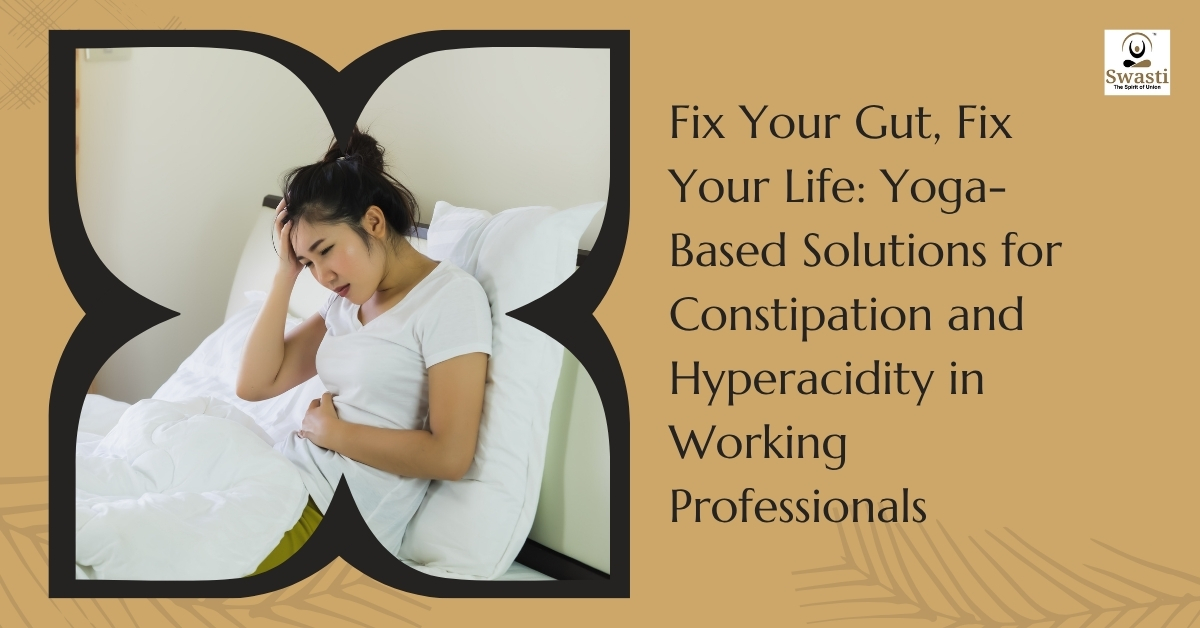
Fix Your Gut, Fix Your Life Yoga-Based Solutions for Constipation and Hyperacidity in Working Professionals

Fix Your Gut, Fix Your Life: Yoga-Based Solutions for Constipation and Hyperacidity in Working Professionals

In todayโ€™s fast-paced work culture, digestive disorders like constipation and hyperacidity are becoming alarmingly common among professionals. Long sitting hours, irregular meals, and high stress levels not only impair physical health but also disturb the delicate gut-brain balance. The ancient science of yoga, now backed by modern research, offers sustainable, drug-free solutions to restore digestive wellness. Letโ€™s explore the reasons behind these issues and how yoga can help heal from the inside out. Common Mistakes by Working Professionals Skipping or delaying meals due to work pressure disrupts digestive rhythms. Sitting for long hours slows down gut motility and abdominal circulation. High-stress environments trigger acid reflux and impair nutrient absorption. Inadequate hydration makes stools harder and digestion sluggish. Too much caffeine and processed snacks irritate the stomach lining and disturb the gut microbiome. Mindless eating & poor posture during meals impair digestion significantly. Evidence-Based Yoga Research for Digestive Disorders Modern research has validated yogaโ€™s therapeutic benefits for gastrointestinal health: A 2021 study published in Complementary Therapies in Clinical Practice showed that a 12-week yoga intervention significantly reduced constipation severity and dependence on laxatives among middle-aged adults. A 2022 randomized controlled trial in the Journal of Integrative Medicine found that regular practice of Pawanmuktasana, Ardha Matsyendrasana, and Naukasana improved gut motility and reduced bloating. Yoga Nidra and Pranayama practices were also shown to reduce cortisol (the stress hormone), thereby lowering inflammation and stomach acid production. Yoga doesnโ€™t just treat symptoms โ€” it addresses the root causes by stimulating the parasympathetic nervous system (โ€œrest and digestโ€), regulating the endocrine system, and improving mind-body awareness. Yoga works by enhancing parasympathetic nervous activity, improving gut-brain communication, and increasing awareness around food, posture, and emotions. Therapeutic evidence-based yoga practices useful for office workers: For Constipation: Pawanmuktasana (Wind-relieving pose) โ€“ stimulates intestinal movement Trikonasana (Triangle pose) โ€“ massages abdominal organs Malasana (Yogic squat) โ€“ opens the pelvic floor, aids elimination Abdominal breathing / Agnisar Kriya โ€“ boosts digestive fire and gut circulation For Hyperacidity: Vajrasana after meals โ€“ aids digestion Ushtrasana (Camel pose) โ€“ stimulates the stomach and liver Shitali Pranayama (Cooling breath) โ€“ neutralizes heat and acid levels Meditation and Yoga Nidra โ€“ reduce stress-induced acid reflux You may like to read: Effective Yoga Poses to Relieve Hyperacidity โš ๏ธ Caution: Avoid intense core exercises or inversions immediately after meals. Always consult a trained yoga therapist for chronic conditions. Lifestyle and Yogic Diet Tips Eat at fixed times, chew slowly, and favor sattvic foods (light, nourishing meals). Drink warm water throughout the day. Avoid stimulants (excess tea, coffee) and fried, spicy foods. Take short walking breaks during work and practice mindful breathing during stressful moments. ย  The YCB-certified Level 1 Yoga Protocol Instructor Course at centers like Swasti Yoga Center empowers individuals not just with knowledge but with a life skill โ€” the ability to maintain health through awareness, discipline, and yogic practices. Professionals struggling with gut issues benefit from: Understanding the root causes of diseases through a holistic lens Learning personalized yoga sequences for their body type and condition Daily practice of asana, pranayama, kriya, and yogic diet Gaining tools to manage stress, balance sleep, and enhance emotional wellbeing A chance to become a certified yoga professional and share wellness with others Many participants report that during or after the Level 1 TTC, they not only found relief from chronic constipation or acidity, but also experienced better energy levels, mental clarity, and emotional balance. Final Thoughts Your gut is your second brainโ€”and keeping it healthy is essential for a vibrant life. Through yoga, working professionals can restore digestive balance, boost energy, and build resilience against stress. Small lifestyle shifts, consistent practice, and mindful awareness can go a long way in turning your desk job into a more health-conscious, gut-friendly journey.

Read More ยป
10 Ways Yoga Strengthens Your Immune System

10 Ways Yoga Strengthens Your Immune System

Your immune system is your bodyโ€™s silent guardian. It protects you from infections, clears harmful toxins, and helps you recover when things go wrong. But modern life is tough on it. Stress, lack of movement, poor sleep, and emotional overload can all weaken its strength. Yoga is not just about bending or stretching. It is a practice that works on your mind, body, and breath. And when these three align, your immunity naturally improves. You do not need supplements, expensive routines, or harsh cleanses. What you need is consistency and care. Let us explore ten honest and effective ways yoga helps your immune system work better. 1. It calms your stress levels Chronic stress quietly wears your immune system down. It increases a hormone called cortisol, which can suppress immune function and delay healing. The more stressed you feel, the more vulnerable you become to illness. Yoga brings your body into a calm state. The slow movements, mindful breathing, and focused awareness help your nervous system shift into a restful mode. That is where recovery begins. This calmness becomes your inner shield, and over time, your immune system learns to stay balanced even under pressure. You may like to read: 5 Yoga Mudras for Instant Anxiety & Stress Relief 2. It helps you sleep better A well-rested body is a strong body. During deep sleep, your body produces important immune cells and proteins. These help you fight viruses, repair damage, and clear inflammation. When your mind is racing, sleep becomes light or broken. Yoga helps you slow down. Gentle evening stretches, breathwork, and restorative postures prepare your body for rest. Poses like legs-up-the-wall or reclining butterfly send signals of safety to your system. This improves the quality of your sleep and, in turn, your immunity. You may like to read: 10 Poses to Help You Get Better Sleep 3. It stimulates lymph flow Your lymphatic system is like your bodyโ€™s natural cleaning crew. It removes waste, filters toxins, and transports immune cells. But unlike blood, lymph does not have a pump. It relies on movement. Yoga supports this movement. Twisting poses, forward bends, and even gentle inversions create natural pressure and release in the lymph nodes. This encourages fresh circulation and better detoxification. When the lymph system flows well, your body becomes more resilient to infection. 4. It balances your hormones Your immune health and your hormones are deeply connected. When hormones like cortisol or adrenaline are out of balance, your body enters survival mode. That slows immunity and increases inflammation. Yoga supports hormonal balance by calming the nervous system and stimulating certain glands. Shoulder stands support the thyroid. Forward folds ease the adrenals. Breathwork helps regulate your stress response. When your hormones are steady, your immune system works with less resistance. 5. It supports healthy digestion Most people do not realize that a large part of the immune system lives in the gut. A healthy digestive system helps your body absorb nutrients, destroy harmful bacteria, and build protective cells. Yoga improves digestion by reducing stress and increasing blood flow to the abdominal organs. Gentle twists, seated folds, and belly breathing support gut health. When your digestion is strong, your immunity also gets stronger from within. You may like to read: Top 7 Yoga Poses for Good Digestion 6. It improves oxygen flow Oxygen is fuel for every cell in your body, including those that protect you. Shallow breathing reduces oxygen levels and creates fatigue. That lowers your defenses. Yoga teaches deep, mindful breathing. Practices like alternate nostril breathing or humming breath help expand your lungs, clear stale air, and bring in fresh oxygen. As your breathing improves, your body becomes more alive. This improved circulation energizes your immune cells to work better and faster. 7. It reduces inflammation Inflammation is your bodyโ€™s natural response to harm. But when it becomes constant, it begins to damage tissues and exhaust the immune system. It has been linked to many chronic conditions, including heart disease and diabetes. Yoga reduces inflammation by calming the mind and relaxing the body. It helps lower stress hormones and activates the parasympathetic nervous system. Gentle practices like yin yoga or guided relaxation create a healing state. This allows your immune system to rest, repair, and respond more intelligently. 8. It improves body awareness Yoga teaches you to listen. You become more aware of how your body feels, where it holds tension, or when it is running low. That awareness helps you respond early before a problem becomes serious. When you notice signs of fatigue or emotional imbalance, you can rest, hydrate, or adjust your routine. Over time, this awareness becomes your most valuable tool. You no longer wait to get sick to take care of yourself. You stay in tune, and that supports long-term immunity. 9. It provides consistent and gentle movement Exercise is important for immunity, but overtraining can lower your defenses. Yoga provides movement that is kind to your body. It builds strength and flexibility without draining your energy. Whether it is a morning sun salutation or an evening flow, yoga encourages circulation and mobility. It helps your organs function better, moves toxins out, and keeps your joints healthy. This steady movement supports the immune system without overloading it. 10. It brings emotional balance Your emotional state directly affects your immunity. Feelings like anger, fear, or sadness, when held for too long, create internal stress. That can reduce immune function and make healing slower. Yoga gives you space to process emotions. Through breath, movement, and meditation, you gently release what no longer serves you. You return to a sense of peace, and your immune system responds with strength. A calm mind becomes a healing ground for the entire body. Final thoughts Yoga is not a pill or a shortcut. It is a practice of returning to balance. Each breath you take, each posture you hold, each moment you spend in stillness supports your body in its natural work of healing and protecting you. By

Read More ยป
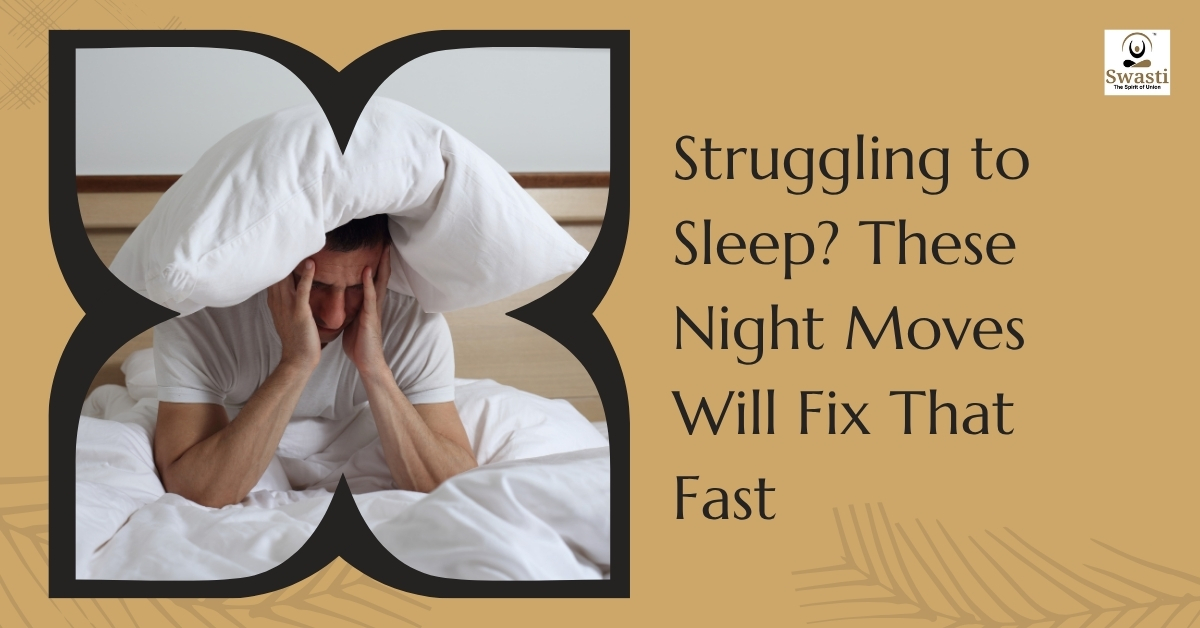
Struggling to Sleep These Night Moves Will Fix That Fast

Struggling to Sleep? These Night Moves Will Fix That Fast

Have you ever tucked yourself into bed, only to find your mind racing with thoughts from the day or worries about tomorrow? Youโ€™re not alone. In a world that celebrates busyness, rest has become a luxury rather than a necessity. But what if you could reclaim your nights with a simple, calming practice that prepares your body and mind for deep, nourishing sleep? Thatโ€™s where gentle evening yoga rituals come in. Even if youโ€™ve never rolled out a yoga mat before, you donโ€™t need to be flexible or spiritual to experience the benefits. Evening yoga is not about performance or perfection. Itโ€™s about creating a rhythm of rest, slowing down, and letting your body know, โ€œItโ€™s okay to let go now.โ€ Letโ€™s explore how gentle yoga before bedtime can transform your sleep and your life. Why Are We All Struggling to Sleep? Many of us spend our evenings scrolling through our phones, answering one last email, or watching high-stimulus content that keeps our brains active. Our nervous system, which should be winding down after sunset, remains alert. This imbalance disrupts melatonin production and interferes with our sleep cycle. Over time, poor sleep doesnโ€™t just affect energy levels. It impacts memory, digestion, immunity, hormones, emotional health, and even skin. If this sounds familiar, your body is asking for restoration, not just sleep, but true, quality rest. Thatโ€™s where the ancient wisdom of yoga steps in as a gentle healer. How Evening Yoga Supports Better Sleep? Yoga works on the nervous system like a soft lullaby. It activates the parasympathetic response, the state where your body rests, digests, and repairs. Evening yoga slows your heart rate, calms anxious thoughts, and loosens tight muscles, all while gently preparing you to drift into deeper sleep. Some of the most powerful effects include: Calming the mind by reducing cortisol, the stress hormone Relaxing tense muscles, especially around the neck, shoulders, and lower back Encouraging diaphragmatic breathing, which activates the relaxation response Promoting mindfulness, helping you mentally disconnect from daily worries More importantly, it creates a consistent bedtime ritual. Just like brushing your teeth signals sleep is near, a short yoga practice becomes a cue for your nervous system to start winding down. The Ideal Time to Practice Evening Yoga You donโ€™t need to practice late at night. Ideally, finish dinner at least two hours before bedtime and practice yoga 30 to 60 minutes before you lie down. Keep the room dim, the lights soft, and the environment quiet. No vigorous flows or dynamic stretches here. This is your time to move slowly, to breathe fully, and to feel deeply. If youโ€™ve had a long day, even 10 to 15 minutes can make a difference. Gentle Yoga Poses for a Calm Night Here are some beginner-friendly yoga poses you can do right in your bedroom. All you need is a yoga mat or a blanket, and perhaps a cushion or pillow for support. 1. Seated Forward Fold (Paschimottanasana) Sit with your legs extended. Inhale and lengthen your spine, then exhale and gently fold forward, reaching toward your toes. Let your head hang. This pose soothes the nervous system and stretches the spine and hamstrings. 2. Childโ€™s Pose (Balasana) Kneel on the floor, bring your big toes together and knees apart, and fold forward with your arms extended. This comforting pose releases tension from the lower back and hips and quiets the mind. 3. Supine Twist (Supta Matsyendrasana) Lie on your back, bring your knees to your chest, and let them fall gently to one side while keeping your shoulders grounded. Twists help release spinal tension and aid digestion, perfect before bed. 4. Legs Up the Wall (Viparita Karani) Lie on your back and rest your legs vertically against a wall. This gentle inversion soothes tired legs, reduces fluid retention, and quiets the mind. 5. Corpse Pose (Savasana) Finish with Savasana. Lie flat on your back, close your eyes, and focus on your breath. Scan your body and mentally soften any areas of tightness. This pose is the bridge between yoga and sleep. Donโ€™t Forget the Breath: Pranayama Before Bed Breathing is the most underrated sleep tool you already have. Evening yoga becomes even more effective when you include gentle breathing techniques like: Nadi Shodhana (Alternate Nostril Breathing) Balancing the left and right hemispheres of the brain, this practice quiets inner chatter and enhances clarity. Bhramari (Bee Breath) This involves creating a soft humming sound while exhaling, which vibrates through your head and calms your nervous system almost instantly. Practicing either of these for 3 to 5 minutes before sleep can work wonders. Mindful Transitions: Taking Yoga Beyond the Mat Evening yoga isnโ€™t just about the poses. Itโ€™s a ritual. And rituals hold power. What you do right after your practice matters too. Avoid returning to screens. Instead, light a candle, drink a calming herbal tea, read something light, or journal about what youโ€™re grateful for. Let this become your nightly rhythm, a conscious transition from movement to stillness, from doing to being. Over time, this sacred space will become your bodyโ€™s signal for rest, and sleep will feel less like a struggle and more like a welcome release. A Few Tips to Keep in Mind Avoid high-intensity yoga flows at night. They may energize you rather than relax you. Keep your movements gentle and unhurried. Let your breath lead the way. If your mind wanders during practice, gently bring it back to your breath. No judgment. Stay consistent. Your body responds best to rhythm and repetition. Conclusion: Yoga as a Gift to Your Evenings You donโ€™t need perfection. You donโ€™t need fancy gear. You donโ€™t even need more than ten minutes. All you need is a quiet space, your breath, and the willingness to care for yourself differently. Evening yoga rituals arenโ€™t just about sleep. They are about listening to your body, nurturing your mind, and choosing peace over pressureโ€”every single night. Once you feel this shift in your evenings, it naturally seeps into your

Read More ยป
โ€œToo Young for a Heart Attackโ€ Why Yoga is the Lifeline for Todayโ€™s Corporate Professionals

โ€œToo Young for a Heart Attack?โ€ Why Yoga is the Lifeline for Todayโ€™s Corporate Professionals

In todayโ€™s hyper-connected, fast-paced corporate world, the greatest irony is that while professionals are chasing targets, deadlines, and success, theyโ€™re often losing their most precious asset: their health. Particularly alarming is the rise in cardiac diseases and hypertension among working professionals, often striking in their 30s and 40sโ€”an age once considered “too young” for heart problems. This rising trend is not a coincidence. It is directly tied to sedentary lifestyles, excessive stress, sleep disturbances, unhealthy eating, and addictions, which have become almost normalized in corporate culture. The Alarming Rise of Cardiac Risk in Corporate Lives The World Health Organization (WHO) identifies cardiovascular disease (CVD) as the leading cause of death globally. According to the Lancet Global Health, over 54% of deaths in India due to non-communicable diseases are from heart-related conditions, and much of this population includes urban, educated, working professionals. Key culprits: Sedentary lifestyle: Long hours at desks lead to reduced cardiovascular fitness and increased cholesterol levels. Mental stress: Chronic workplace stress increases cortisol, triggering hypertension and heart strain. Irregular sleep: Poor sleep disrupts blood pressure regulation and increases the risk of arrhythmias. Junk food and sugar: Convenience foods raise bad cholesterol (LDL) and triglycerides. Smoking and alcohol: Common stress busters in corporate settings are directly linked to arterial damage and high blood pressure. A recent study published in the Journal of the American College of Cardiology noted that prolonged stress and poor sleep alone can double the risk of heart attacks in professionals, even in those under 40. Yoga: A Science-Backed Solution for Heart and Mind In this chaotic background, Yoga emerges not just as exercise, but as a holistic lifestyle therapy. Yoga doesn’t just address physical inactivity; it targets the root causes of cardiac problems: stress, emotional imbalance, and unhealthy patterns of thought and behavior. Evidence-Based Benefits of Yoga on Cardiac Health: Reduces Blood Pressure: A 2022 meta-analysis in Hypertension Research found that yoga reduced systolic BP by 8โ€“10 mm Hg in hypertensive patients. Lowers Stress Hormones: Regular pranayama (breathing practices) and meditation significantly lower cortisol and adrenaline, reducing cardiac strain. Improves Heart Rate Variability (HRV): A key marker of heart health, HRV is improved through regular yoga and mindfulness. Reduces Bad Cholesterol (LDL): Lifestyle changes with yoga and sattvic diet showed reduced LDL and improved lipid profile in various clinical trials. Improves Endothelial Function: Asanas improve vascular elasticity and blood flow, essential for preventing atherosclerosis. A Yogic Lifestyle: More Than Just Exercise Yoga isnโ€™t limited to stretching or bending. Its deeper power lies in transforming oneโ€™s entire lifestyle and outlook. Corporate employees often carry invisible mental baggageโ€”pressure, deadlines, competition, and burnout. The philosophy of yoga offers tools to clear this clutter. Core Yogic Principles for a Healthy Heart: Ahimsa (Non-violence): Includes self-care and reducing internal stress. Aparigraha (Non-possessiveness): Helps detach from constant craving and comparison. Satya (Truth): Encourages authenticity and mental clarity. Sattvic living: Emphasizes balance, discipline, purity, and harmony in food, thoughts, and habits. These principles, when practiced, reshape your personality, reduce ego-driven stress, and promote peace. Small Steps for Busy Professionals You donโ€™t need to quit your job or move to an ashram to benefit from yoga. Even five minutes a day can begin the transformation. 5-Minute Heart-Friendly Yoga Practice: Tadasana + Deep Breathing โ€“ 1 minReleases tension from posture and calms the breath. Ardha Matsyendrasana (Spinal Twist) โ€“ 1 minStimulates digestion and improves blood circulation. Bhramari Pranayama โ€“ 2 minReduces blood pressure, calms the mind. Shavasana + Gratitude Awareness โ€“ 1 minTriggers the parasympathetic system (relaxation response). Consistency matters more than duration. You may like to read: Incredible Yoga Poses for a Healthy Heart Level 1 Yoga Training: The Next Step At Swasti Yoga Center, our Level 1 Yoga Protocol Instructor Course is ideal for working professionals who want a deeper, scientifically structured understanding of yoga. The course includes: Scientific anatomy & physiology Therapeutic applications for lifestyle diseases Mental and emotional wellness training Philosophy for lasting lifestyle change It not only improves physical health but fosters a sattvic mindset, better discipline, emotional regulation, and inner peace. The Yogic Edge in Corporate Life With regular yoga practice, employees experience: Lower BP, improved sleep, and more energy Sharper decision-making and focus Better emotional balance and team collaboration Reduction in anxiety, depression, and burnout Prevention of long-term cardiac complications In essence, yoga empowers corporate professionals to be healthier, more peaceful, and productive human beings, not just better employees. Final Takeaway The corporate world may reward performance, but your body keeps the score. Cardiac diseases donโ€™t happen overnight, but with yoga, prevention can. By embracing small, conscious steps today, you pave the way for a vibrant, heart-healthy, and balanced life tomorrow. Yoga is not just a practice. It is your daily insurance against burnout, hypertension, and heartbreakโ€”literally and metaphorically.Start today. Breathe deeper. Live longer. Lead better.

Read More ยป
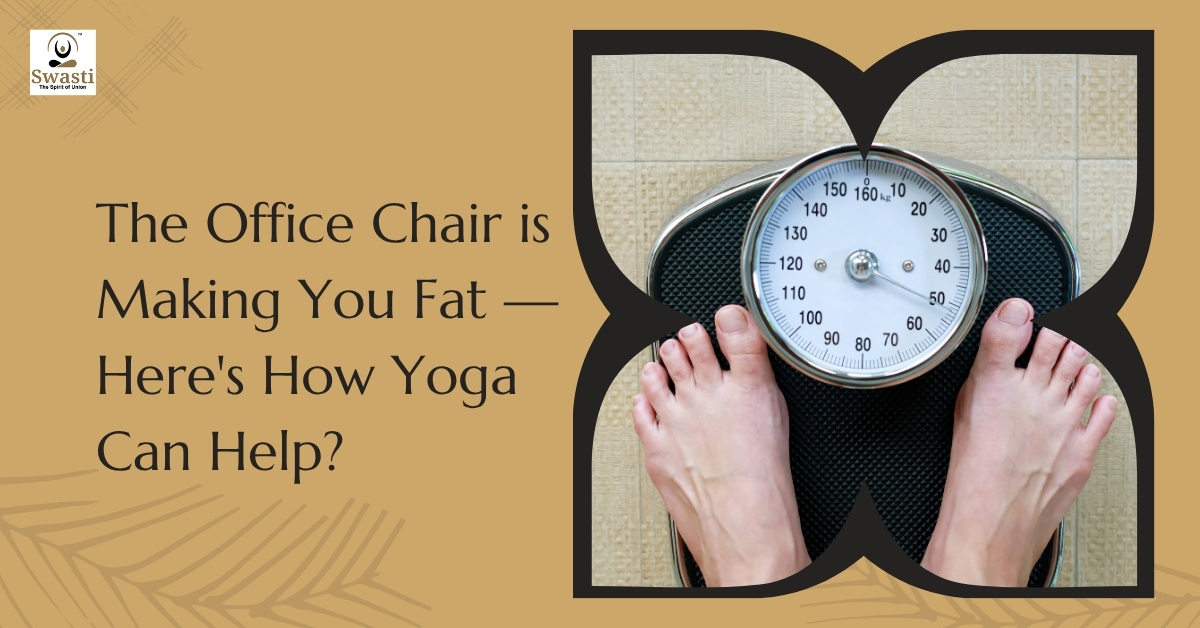
The Office Chair is Making You Fat โ€” Here's How Yoga Can Help

The Office Chair is Making You Fat โ€” Here’s How Yoga Can Help?

In todayโ€™s fast-paced corporate world, success often comes at a steep cost: our health. Between back-to-back meetings, 10-hour workdays, tight deadlines, and the omnipresent glow of screens, modern professionals are silently slipping into a spiral of weight gain, mental stress, and chronic fatigue โ€” all rooted in one deadly culprit: a sedentary lifestyle. A growing body of research, along with the WHO, now recognizes prolonged sitting as the โ€œnew smokingโ€ โ€” not just for its prevalence but for its devastating long-term effects on health. Sedentary desk jobs, when combined with irregular eating habits, emotional burnout, and lack of movement, are rapidly becoming a global risk factor for obesity and related metabolic disorders. The Hidden Dangers Behind Desk Job Weight Gain Weight gain due to a desk job isnโ€™t just about aesthetics or numbers on a scale. Itโ€™s a metabolic time bomb. Sitting for long hours affects every major organ system in the body. Hereโ€™s how: Insulin Resistance: Reduced muscle activity contributes to poor glucose metabolism, thereby increasing the risk of developing Type 2 diabetes. Leptin Desensitization: Your body fails to recognize hunger and satiety cues, leading to overeating. Poor Digestion: Slouched posture affects gut motility, leading to bloating, constipation, and sluggish metabolism. Lowered Lipoprotein Lipase Activity: Sitting lowers this enzyme responsible for breaking down fat in the blood, contributing to fat accumulation. Worse, this chronic pattern leads to visceral fat storage โ€” the dangerous belly fat linked to heart disease, hormonal imbalances, infertility, and fatty liver disease. The Mental Weight of Obesity Weight gain isn’t only physical. Mental stress from demanding jobs triggers cortisol release, which increases abdominal fat. Emotional eating, binge snacking at desks, and reward-based consumption of junk food are coping mechanisms that only worsen the problem. The result? A vicious cycle of stress and weight gain that feeds into itself. Enter Traditional Authentic Yoga: The Holistic Antidote Unlike quick-fix diets or extreme workouts that often cause injury or burnout, yoga offers a sustainable, gentle, yet powerful approach to obesity management. Yoga works through multiple mechanisms: Reduces Cortisol: Practices like pranayama and meditation lower stress hormones, reducing emotional eating. Improves Digestion & Metabolism: Twisting poses like Ardha Matsyendrasana massage abdominal organs and boost metabolic fire (Agni). Enhances Insulin Sensitivity: Asanas like Trikonasana and Surya Namaskar help muscles absorb glucose better. Stimulates Thyroid and Lymphatic Drainage: Poses like Sarvangasana and Matsyasana activate endocrine balance and detox pathways. Builds Lean Muscle: Sustained holding of poses increases basal metabolic rate, aiding fat loss. 5-Minute Daily Yoga Plan for Desk Warriors Pressed for time? Hereโ€™s a simple yet effective 5-minute yoga plan for professionals to fight sedentary weight gain: Tadasana (Mountain Pose) with deep breathing โ€“ 1 minuteImproves posture, grounding, and breath awareness. Utkatasana (Chair Pose) โ€“ 45 secondsActivates thighs and core, mimics functional movement. Trikonasana (Triangle Pose) โ€“ 1 minuteStretches sides, boosts metabolism, and improves digestion. Bhujangasana (Cobra Pose) โ€“ 45 secondsStimulates abdominal organs, strengthens the back. Nadi Shodhana (Alternate Nostril Breathing) โ€“ 1.5 minutesBalances the nervous system, reduces stress eating urges. You may like to read: 10 Effective Poses of Yoga for Weight Loss Common Mistakes in Yoga for Weight Loss Many new yoga practitioners fall into traps that can stall progress: Only doing asanas: Ignoring pranayama and meditation leads to limited results. Mind-body integration is key. Practicing irregularly: Inconsistency kills momentum. Even 10 minutes a day is better than a weekend binge. Focusing only on flexibility: Building strength and stamina is crucial for increasing calorie burn. Overeating post-practice: Yoga increases body awareness, but mindful eating habits need to accompany it. Deep Insights: Sustainable Weight Loss with Yoga Therapy Listen to your body, not Instagram: Avoid comparing your yoga journey to flashy poses on social media. Yoga therapy is individualized, rooted in alignment, breath, and inner healing. Work with a YCB-AYUSH certified yoga therapist: Especially for those with obesity-related complications like hypertension, PCOS, or joint issues, guided therapy ensures safety and effectiveness. Integrate yogic lifestyle shifts: Practice Ahara (right diet), Vihara (right routine), and Aachara (right conduct) for complete transformation. Track progress holistically: Rather than obsessing over the scale, measure how you feel โ€” lighter, more energetic, less bloated, and more centered. The Takeaway: Redefining Wellness in the Corporate Age Weight gain in the workplace isnโ€™t just about food or lack of exercise โ€” itโ€™s a symptom of a larger mind-body imbalance. In this era of overwork and digital burnout, yoga is more relevant than ever, not just as a physical practice but as a therapeutic system to restore harmony. Let your yoga mat be your therapist, your nutritionist, and your stress coach. Start small. Stay consistent. Breathe deeper. And remember โ€” sustainable weight loss isn’t a race. Itโ€™s a return to balance, to awareness, and the healthiest version of you. For corporate yoga therapy, personalized weight-loss programs, and certified yoga teacher training, visit Swasti Yoga Center and begin your journey today.

Read More ยป
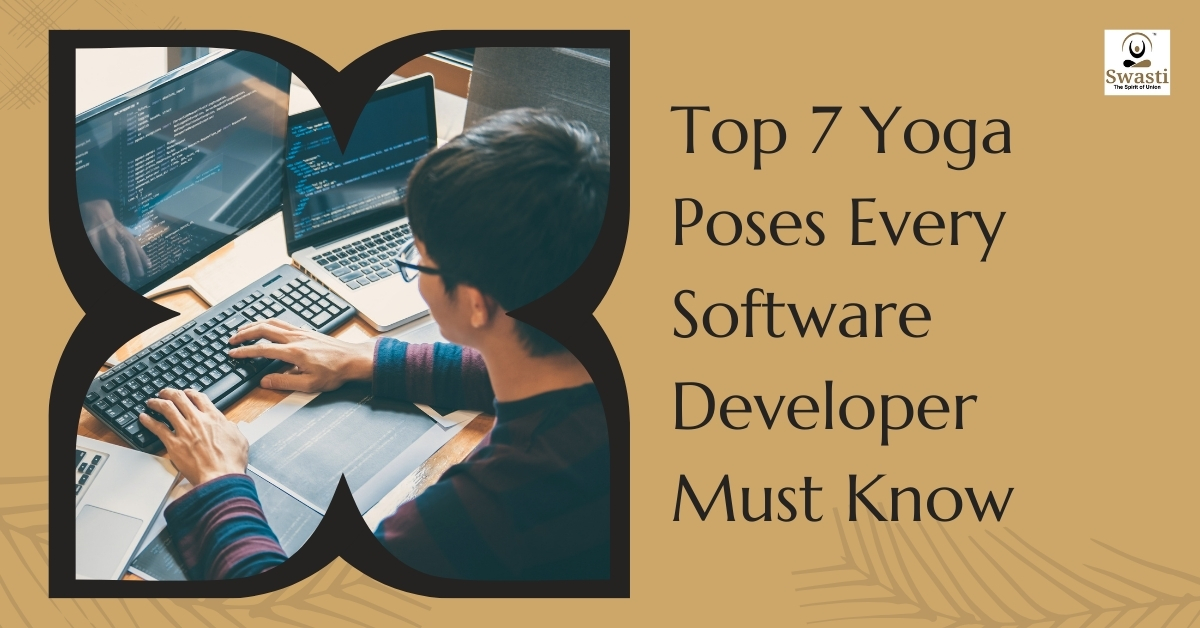
Top 7 Yoga Poses Every Software Developer Must Know

Top 7 Yoga Poses Every Software Developer Must Know

You spend hours solving problems with logic. You switch between tabs, fix bugs, attend meetings, and make magic with code. But somewhere between your third coffee and that endless sprint, your body starts to send quiet signals. Stiff shoulders. A sore lower back. Foggy focus. That sense of being mentally drained but physically inactive. This is not just about bad posture. It is about the mismatch between how active your brain is and how still your body remains. The answer does not lie in another energy drink or ergonomic chair upgrade. The answer might just lie on a yoga mat โ€” or even right beside your desk. What Sitting Too Much Does to Developers? You may not realize it, but your daily routine as a coder sets the stage for long-term discomfort and declining mental clarity. Here is what tends to happen when you sit for hours at a time: Tight hip flexors from being in a seated position too long Compressed lower back and weakened spinal muscles Rounded shoulders and stiff neck from forward leaning Poor circulation leading to fatigue and sluggishness Shallow breathing that reduces oxygen to the brain Reduced core strength, which affects overall balance and posture Declining focus and concentration as physical tension builds This is not just physical. It gradually impacts how you think, how creatively you problem-solve, and how quickly you recover from fatigue. How Yoga Helps You Think Better and Feel Better? Yoga offers a unique combination of movement and stillness that helps rebalance the body and sharpen the mind. You do not need to be flexible or have prior experience. A few minutes of intentional movement is all it takes to feel better and function better. Here is what consistent yoga practice can do for developers: Restore spinal mobility and reduce joint stiffness Improve breathing patterns for better mental clarity Enhance posture, which translates into longer comfort at your desk Recharge energy naturally without relying on caffeine Improve mood and reduce anxious thoughts Rebuild the connection between body and mind These are real, tangible benefits that support your work performance as much as your well-being. Letโ€™s explore seven yoga poses that are specifically helpful for coders and desk-bound professionals. 1. Seated Side Stretch (Parshva Sukhasana) This is a seated movement that opens the side body and improves your breathing capacity. How to practice Sit comfortably on the floor or a chair. Raise your right arm and gently lean to the left. Keep your left hand grounded. Feel the stretch from the waist to the fingertips. Hold and switch sides. Why it works It relieves tension around the ribs and spine and helps deepen your breath during long work sessions. 2. Cat and Cow Flow (Marjaryasana and Bitilasana) This dynamic spinal movement keeps your back flexible and relaxed during coding marathons. How to practice Come on all fours. Inhale to lift your chest and tailbone. Exhale to round your spine and draw your chin to your chest. Repeat gently for ten rounds. Why it works Restores spinal alignment, improves mobility, and brings blood flow back to the brain. 3. Low Lunge (Anjaneyasana) Sitting tightens your hips and weakens the muscles supporting your back. This pose undoes both. How to practice From kneeling, bring your right foot forward with your knee above your ankle. Press your hips forward gently. Keep your chest lifted and arms by your side or overhead. Repeat on the other side. Why it works Lengthens the hip flexors and relieves pressure on the lower spine, promoting upright posture. 4. Cobra Pose (Bhujangasana) This backbend strengthens your spine and opens up the chest after hours of hunching. How to practice Lie on your stomach with your palms under your shoulders. Press gently into the mat and lift your chest while keeping your elbows soft. Hold for three to five breaths. Why it works Encourages spinal extension, improves back strength, and resets a slouched upper body. 5. Thread the Needle (Parsva Balasana) Perfect for releasing upper back and shoulder tension caused by mouse-clicking and screen peering. How to practice Begin on all fours. Slide your right arm under your left and let your right shoulder and cheek rest on the mat. Breathe deeply and switch sides. Why it works Softens shoulder knots, opens the upper back, and promotes calm during high-stress work. 6. Plank Pose (Phalakasana) Strong code needs a strong core. This pose helps you build that. How to practice From a push-up position, keep your body in one straight line. Engage your core and look down. Hold for fifteen to thirty seconds. Why it works Activates the abdominal muscles, strengthens the wrists, and improves overall stability. 7. Legs Up the Wall (Viparita Karani) This passive pose is perfect to end the day or take a break between calls and code reviews. How to practice Lie on your back near a wall and extend your legs up vertically. Keep your arms relaxed beside you and close your eyes. Why it works Enhances circulation, reduces swelling in the legs, and deeply relaxes your mind and body. Yoga is Your Developer Debug Mode Just like code needs breaks for cleaner output, your body needs pauses to perform better. These seven poses are not complex or time-consuming. They are practical tools you can use between builds, after long meetings, or before winding down at night. You do not need to change your lifestyle. Just add a little more breath and movement into your day. Start small. One pose. Two minutes. Then let your body tell you the rest. Curious to Go Deeper? If these simple practices resonate with you and you want to explore yoga more seriously โ€” not just to feel better, but to understand its deeper philosophy and science โ€” there is a path for that. At Swasti Yoga Center, we welcome learners from all walks of life. As a trusted yoga instructor certification classes in India, we are certified by AYUSH, the Government of India. Our programs offer a balanced

Read More ยป

Add Yoga To Retain The Beauty Of Body And Mind

Vitae aliquam porta sed augue consectetuer. Parturient posuere sed habitasse quisque malesuada platea. Dis suspendisse integer ut facilisis maximus mus.