
๐Ÿ‡ฎ๐Ÿ‡ณ India | ๐Ÿ‡บ๐Ÿ‡ธ USA | ๐Ÿ‡ซ๐Ÿ‡ท France | ๐Ÿ‡ฒ๐Ÿ‡ฝ Mexico | ๐Ÿ‡ฆ๐Ÿ‡ช UAE

๐Ÿ‡ฎ๐Ÿ‡ณ India | ๐Ÿ‡บ๐Ÿ‡ธ USA | ๐Ÿ‡ซ๐Ÿ‡ท France | ๐Ÿ‡ฒ๐Ÿ‡ฝ Mexico | ๐Ÿ‡ฆ๐Ÿ‡ช UAE

Blog

News & Articles

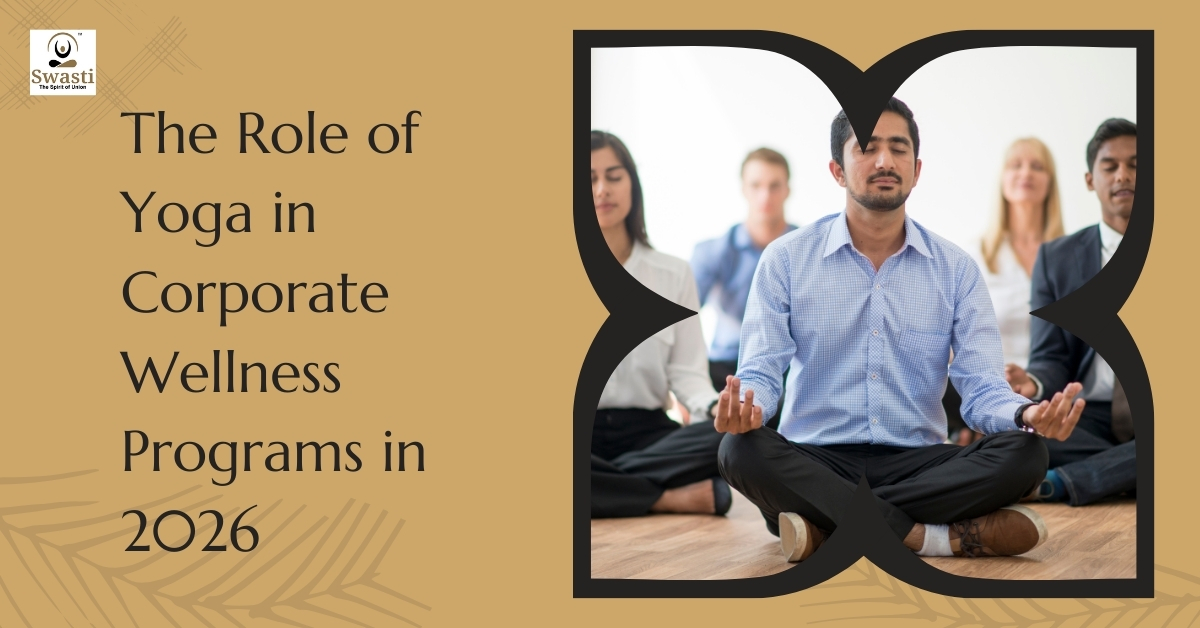
The Role of Yoga in Corporate Wellness Programs in 2026

The Role of Yoga in Corporate Wellness Programs in 2026

In the ever-evolving corporate world, the importance of employee well-being has reached new heights. Fostering a healthy and productive workforce is a top priority as companies adapt to changing dynamics. Corporate wellness programs are no longer an afterthought but an essential component of business strategy. Among the various approaches to wellness, yoga has emerged as a powerful tool. Its holistic nature makes it uniquely suited to address the challenges of the modern workplace, from stress and burnout to lack of focus and physical inactivity. As we step into 2025, integrating yoga into corporate wellness programs offers an opportunity to create healthier, happier, and more engaged teams. Why Wellness Is Crucial for Modern Workplaces? The shift toward hybrid work models has brought unprecedented flexibility and also unique challenges. Employees often find themselves navigating blurred boundaries between work and personal life, leading to stress, fatigue, and a decline in overall well-being. A recent study revealed that over 70% of employees experience work-related stress, with many reporting its impact on their productivity and mental health. Organizations are recognizing that proactive wellness initiatives can mitigate these issues. By prioritizing employee health, businesses can not only reduce absenteeism but also foster a culture of trust and resilience. Wellness programs that address both physical and mental well-being are proving to be game-changers in boosting morale and overall workplace satisfaction. The Transformative Power of Yoga in the Workplace Yoga stands out as an ideal addition to corporate wellness programs due to its multifaceted benefits. Unlike traditional fitness routines, yoga addresses the mind, body, and spirit, creating a well-rounded approach to well-being. Stress Management: Simple breathing techniques and meditation practices reduce anxiety, enabling employees to approach challenges with a calm mind. Physical Health: Regular yoga helps counteract the effects of prolonged sitting, such as back pain and poor posture. Enhanced Focus: Mindfulness exercises improve concentration and decision-making. Team Bonding: Group yoga sessions foster a sense of community, improving team dynamics. By incorporating yoga, companies can cultivate an environment that encourages mindfulness, balance, and overall wellness. Sustainability Meets Wellness: The Rise of Green Yoga In 2025, corporate wellness programs are not just about personal healthโ€”they’re also about aligning with broader sustainability goals. Green yoga combines the principles of traditional yoga with practices that promote eco-conscious living. This approach aligns seamlessly with modern corporate values, such as Environmental, Social, and Governance (ESG) priorities. Through green yoga, employees learn how their lifestyle choices impact the planet and how adopting mindful practices can create a ripple effect of positive change. These programs emphasize sustainable routines, balanced living, and mindfulness in both personal and professional spheres. Green Yoga Courses for Corporates by Swasti Yoga Center Swasti Yoga Center has redefined corporate wellness by introducing Green Yoga Courses. These innovative programs align yoga practices with principles of sustainability, making them highly relevant in todayโ€™s environmentally conscious world. By adopting these courses, organizations can address employee wellness while reinforcing their commitment to sustainability and ESG (Environmental, Social, and Governance) goals. 1. Basic Yoga and Sustainability Program (Level 1) A 36-hour, four-week program designed to introduce participants to the fundamentals of yoga while exploring the principles of sustainable living. Employees learn simple practices that help them achieve balance in their personal lives and contribute to climate action. Know more about – Basic Yoga and Sustainability Programย  2. Green Yoga Instructor Program (Level 2) This 200-hour certification course equips participants with the knowledge and skills to lead yoga sessions that incorporate sustainable practices. From eco-friendly eating habits to mindful daily routines, this program prepares individuals to promote wellness and sustainability in their communities. Know more about –ย  Green Yoga Instructor Programย  3. Corporate ESG & BRSR Yoga Program (Level 3) A specialized course for professionals seeking to align yoga practices with corporate sustainability frameworks. The program explores how yoga can enhance ethical decision-making and contribute to Environmental, Social, and Governance (ESG) goals, making it ideal for organizations with a focus on responsible business practices. Know more about – Corporate ESG & BRSR Yoga Programย  How Yoga Can Transform Your Workplace? Several companies have already seen the transformative impact of yoga in their wellness initiatives. For example, a tech firm struggling with high employee stress adopted a beginner-friendly yoga program. Within weeks, they noticed significant improvements in team morale, productivity, and overall job satisfaction. Similarly, a sustainability-focused organization that embraced the Green Yoga Instructor Program saw not only healthier employees but also a shift in workplace culture toward eco-consciousness. These success stories demonstrate how yoga can create lasting changeโ€”not just for individuals but for entire organizations. Yoga and Corporate Responsibility: A Perfect Match Yoga naturally aligns with corporate responsibility goals by promoting mindfulness, ethical behavior, and sustainability. Companies that integrate yoga into their wellness programs send a clear message: they care about their employees and their impact on the planet. Incorporating practices like green yoga can also strengthen a companyโ€™s ESG initiatives, enhancing its reputation among stakeholders and aligning with global sustainability goals. A Balanced Approach to Workplace Well-being In 2025, corporate wellness is evolving beyond traditional approaches to focus on holistic well-being and sustainability. Yoga offers a powerful tool to enhance physical and mental health while fostering mindfulness and eco-conscious living. By integrating yoga into workplace wellness programs, organizations can improve employee well-being, boost productivity, and align with sustainability goals, creating a healthier, more balanced, and responsible work environment. Empower Your Team with Swasti Yoga Centerโ€™s Corporate Yoga Programs Ready to enhance your corporate wellness program? Swasti Yoga Center offers specialized Green Yoga Courses designed to promote health, mindfulness, and sustainability in your workplace. From beginner programs to advanced certifications, our courses provide the tools to integrate yoga with sustainable living practices. Contact us today to learn how we can help create a balanced, healthier, and more eco-conscious work environment for your team.
Read More ยป
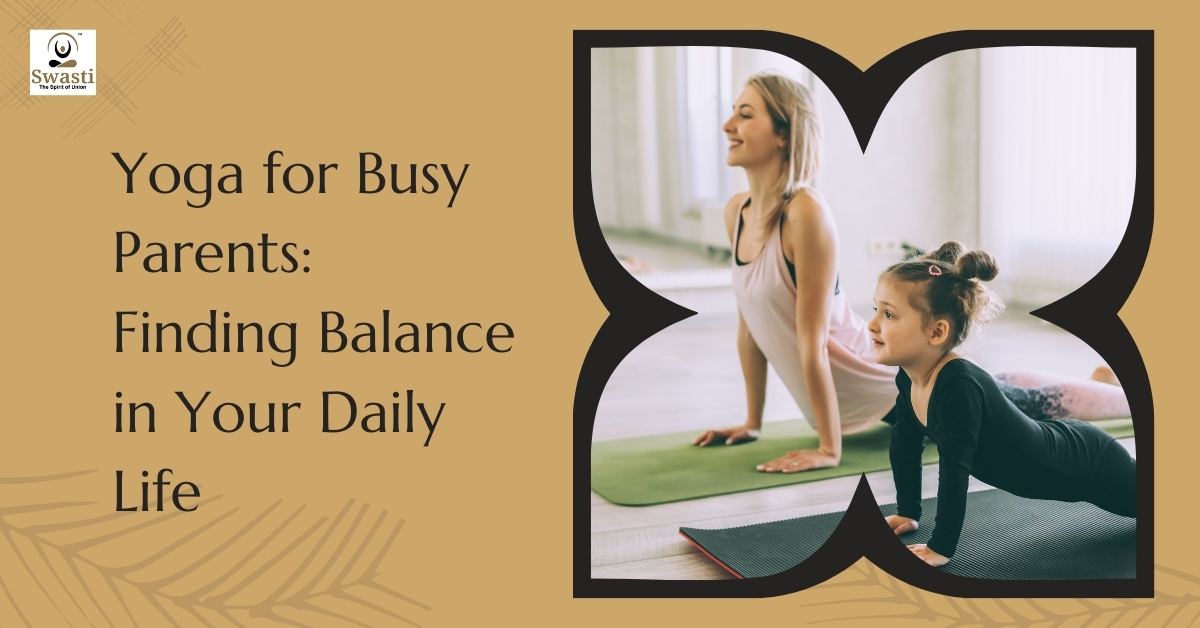
Yoga for Busy Parents Finding Balance in Your Daily Life

Yoga for Busy Parents: Finding Balance in Your Daily Life

Being a parent is one of the most rewarding yet challenging roles you can take on. With a never-ending list of responsibilities, from taking care of the kids to managing work and household chores, itโ€™s easy to feel overwhelmed. And while taking care of your family is a priority, taking care of yourself often gets pushed to the side. This is where yoga comes in. Yoga can be a game-changer for busy parents looking to find balance in their lives. It provides physical benefits, helps you manage stress, and boosts mental clarity. In this blog, weโ€™ll explore how yoga can fit into your hectic schedule, helping you feel more energized, less stressed, and more connected with yourself and your family. Why Yoga is Perfect for Busy Parents? As a parent, you know how important it is to keep up with the demands of daily life. But you also understand that your well-being is crucial to being your best parent. Yoga provides a holistic approach to health, addressing both physical and mental needs in a way that fits seamlessly into your routine. Physical Benefits Yoga is known for improving flexibility, strength, and posture. These benefits can go a long way in helping you feel more energetic and less fatigued. When you spend your days running after kids or sitting at a desk, yoga can help relieve tension in your body and improve overall well-being. By incorporating yoga into your routine, youโ€™ll feel better both physically and mentally, which is essential when you’re juggling the demands of parenthood. Mental Clarity Parenting can sometimes feel like a whirlwind. Between work commitments, household chores, and keeping up with kidsโ€™ schedules, it can be easy to feel mentally drained. Yoga helps calm your mind by encouraging mindfulness and breathing exercises. This mental clarity can help you approach your daily tasks with more focus and less anxiety. Stress Relief Stress is a natural part of parenting, but chronic stress can negatively affect physical and emotional health. Yogaโ€™s combination of breathwork, gentle movements, and meditation can help you manage stress. By taking even just a few minutes each day for yourself, yoga can serve as a reset button, allowing you to tackle lifeโ€™s challenges with a calm and composed mindset. Quick and Easy Yoga Practices for Busy Parents Finding time for yoga may seem challenging, but it doesnโ€™t have to be. You donโ€™t need to carve out an hour-long session to enjoy the benefits. Even short 10-20-minute sessions can make a significant difference in your day. Here are a few simple poses that are perfect for parents on the go: 1. Childโ€™s Pose (Balasana) This restorative pose is perfect for relieving back, hips, and thigh tension. It encourages relaxation and helps you unwind. Simply kneel on the floor, sit back on your heels, and lower your forehead to the mat. Stretch your arms forward and breathe deeply, allowing your body to relax with each exhale. 2. Downward Dog (Adho Mukha Svanasana) This pose is a full-body stretch that targets the hamstrings, calves, shoulders, and back. Start on your hands and knees, lift your hips up, and straighten your legs, pressing your heels toward the floor. This pose is a great way to boost energy and relieve tension after sitting or standing for long periods. 3. Seated Forward Fold (Paschimottanasana) A simple yet effective stretch for the back and hamstrings, this pose helps to release stress. Sit with your legs extended straight in front of you, and slowly reach forward to touch your toes. If you can’t reach your toes, that’s okay! Simply extend your arms as far as you comfortably can, and enjoy the stretch. 4. Cat-Cow Pose (Marjaryasana-Bitilasana) This dynamic movement helps to loosen up your spine and improve posture. Start on your hands and knees, and alternate between arching your back (like a cat) and dipping your belly towards the floor (like a cow). This pose helps to improve flexibility in the spine and can be a great way to alleviate back pain. 5. Tree Pose (Vrksasana) This standing pose is great for improving balance and focus. Stand tall with your feet together, then place the sole of one foot on the inner thigh or calf of the opposite leg (avoid the knee). Bring your hands together in front of your chest or raise them overhead. This pose helps to center your mind and improve stability. Even just a few minutes of these poses can help restore your energy and calm your mind. You donโ€™t need to commit to a full yoga class to feel the benefitsโ€”simple stretches throughout the day can make a huge difference. Incorporating Yoga into Your Daily Routine Incorporating yoga into your daily routine doesnโ€™t require a complete overhaul of your schedule. You can easily find small windows of time to fit in a few minutes of yoga. Here are some practical ways to bring yoga into your busy day: 1. Start Your Morning with Yoga Starting your day with yoga is a great way to set a positive tone for the day ahead. A simple 10-minute session in the morning can leave you feeling energized and focused. Start with some gentle stretches and deep breathing to wake up your body and clear your mind. This can help you feel more prepared to tackle the dayโ€™s tasks. 2. Use Breaks at Work for Yoga If you work from home or have breaks during your workday, use these moments for a quick yoga session. You can practice a few stretches while your coffee brews or take a quick break to stretch at your desk. Even just a few minutes can help reduce the physical strain of sitting at a desk and improve your focus. 3. Yoga with Your Kids Yoga can also be a family activity. You can involve your kids in fun, interactive yoga poses, creating a bonding experience while staying active. There are many simple poses that children can enjoy, like downward dog, butterfly pose, and even animal-themed yoga

Read More ยป
What Is Meditation and Why Does It Matter

What Is Meditation and Why Does It Matter?

Meditation is a practice that involves training the mind to focus and achieve a state of calmness, clarity, and emotional stability. For centuries, it has been used as a tool to enhance self-awareness and connect with one’s inner self. Meditation has become a go-to solution for managing stress and improving mental and physical well-being in our busy modern lives. A Journey Through Time: The Origins of Meditation Meditation has ancient roots, with its origins tracing back over 5,000 years to India. The earliest records of meditation appear in the Vedic texts of Hinduism, around 1500 BCE, which introduced techniques aimed at calming the mind and reaching higher states of consciousness. Around the 5th century BCE, meditation became central to Buddhism, with Buddhaโ€™s teachings emphasizing mindfulness as a way to achieve enlightenment. Buddhist meditation spread to other parts of Asia, influencing practices like Zen and Tibetan meditation. In China, Taoism embraced meditation to cultivate inner peace and harmony with nature, incorporating breathing exercises and movement-based practices like Tai Chi. Meditation gained global recognition in the 19th and 20th centuries when figures such as Swami Vivekananda and Paramahansa Yogananda introduced meditation and yoga to the West. During the 1960s and 1970s, the rise of the counterculture movement, alongside figures like Maharishi Mahesh Yogi, brought Transcendental Meditation (TM) into mainstream consciousness. Today, meditation has evolved into a secular practice embraced worldwide. While rooted in spirituality, it is now widely practiced for its mental, emotional, and physical health benefits, including its use in therapy and wellness programs. Meditationโ€™s history reflects its adaptability, offering timeless benefits in a modern world. What are the Types of Meditation? Meditation is not a one-size-fits-all practice. Various techniques cater to different needs and preferences. Here are some of the most popular types: 1. Mindfulness Meditation Mindfulness meditation involves focusing on the present moment without judgment. It helps practitioners become aware of their thoughts and feelings, promoting clarity and emotional balance. 2. Guided Meditation Guided meditation uses external guidance, such as an instructor or an audio recording, to visualize calming scenarios. It is especially helpful for beginners. 3. Transcendental Meditation (TM) TM involves silently repeating a specific mantra to achieve a state of deep relaxation and heightened awareness. It is structured and often taught through certified courses. 4. Loving-Kindness Meditation Also known as Metta meditation, this practice focuses on cultivating compassion and kindness toward oneself and others. It fosters empathy and emotional healing. 5. Chakra Meditation This type of meditation aims to balance the bodyโ€™s energy centers or chakras. It often includes visualization, sound, and focused attention. 6. Movement-Based Meditation Meditation can also be practiced through movement. Techniques like yoga, Tai Chi, and Qigong combine physical activity with mindfulness, offering a holistic approach to relaxation and focus. Benefits of Meditation The benefits of meditation extend to the mind, body, and soul. Scientific studies have validated many of its positive effects, making it a valuable practice for overall health. Mental Health Benefits – Meditation reduces symptoms of anxiety and depression by calming the mind and improving emotional regulation. It also enhances concentration, memory, and cognitive function, helping individuals tackle daily challenges more effectively. Physical Health Benefits – Meditation lowers blood pressure, improves sleep quality and boosts immunity. Reducing stress hormones alleviates physical tension and contributes to better cardiovascular health. Emotional Balance – Meditation fosters self-awareness, allowing individuals to understand and manage their emotions better. It cultivates resilience, empathy, and a positive outlook on life. Productivity and Creativity – Meditation sharpens focus and encourages creative thinking. It helps individuals make better decisions by enhancing their ability to process information and remain calm under pressure. Yoga and Meditation: A Powerful Pair for Mind-Body Wellness Yoga and meditation are deeply interconnected, often complementing each other in practice. Yoga prepares the body and mind for meditation by promoting physical flexibility, balance, and relaxation. Pranayama, or breathing exercises in yoga, helps regulate the breath, which is a critical component of meditation. Both practices share the goal of achieving unity between the body, mind, and spirit. While yoga involves physical postures, meditation focuses on mental stillness. Together, they offer a comprehensive approach to achieving inner peace and overall wellness. How to Incorporate Meditation into Your Daily Routine? Starting a meditation practice doesnโ€™t have to be overwhelming. A simple routine can help you build consistency and reap its benefits over time. A Simple Meditation Routine for Beginners Find a Quiet Spot: Choose a calm space where you wonโ€™t be disturbed. Set a Timer: Start with 5โ€“10 minutes and gradually increase the duration as you become more comfortable. Focus on Your Breath: Close your eyes and pay attention to your breathing. Inhale deeply and exhale slowly. Use a Mantra: If focusing on your breath feels difficult, silently repeat a word or phrase like “calm” or “peace.” End Gradually: Donโ€™t rush to get up. Take a moment to open your eyes and return to the present slowly. Integrate Meditation Into Daily Activities Practice mindful eating by savoring each bite and focusing on the flavors and textures. Try a short walking meditation, focusing on each step and the sensations it brings. Take a few minutes during work breaks to do breathing exercises and refocus your mind. Combine Meditation With Exercise Pairing meditation with yoga or other exercises can enhance your physical and mental well-being. For example, start your yoga practice with a few minutes of meditation or end your workout with a calming session. International Meditation Day: December 21 The United Nations General Assembly, in a unanimous resolution adopted on 6 December 2024, has officially declared December 21 as World Meditation Day. The first World Meditation Day will be observed on December 21, 2024, with the theme of “Inner Peace, Global Harmony”. This is chosen because December 21 corresponds with Winter Solstice. Across all cultures, this has become a time of rebirth and contemplation. In the Indian tradition, this date commences the “Uttarayana,” the time during which spiritual and psychological change and enlightenment happen. India always took its importance seriously

Read More ยป
10 Effective Poses of Yoga for Weight Loss A Beginner's Guide

10 Effective Poses of Yoga for Weight Loss: A Beginner’s Guide

Yoga is not just about achieving flexibility and inner peace; itโ€™s also a powerful way to lose weight and improve overall health. For beginners, yoga offers a sustainable and enjoyable approach to burning calories, toning the body, and enhancing metabolism. In this guide, weโ€™ll explore 10 effective yoga poses to help you achieve your weight loss goals while nurturing your mind and spirit. What Are The Causes of Weight Gain? Poor Diet and Overeating: Eating high-calorie, sugary, and fatty foods leads to weight gain. To manage weight, opt for nutrient-rich meals and control portions. Lack of Physical Activity: A sedentary lifestyle prevents calorie burning, leading to fat storage. Regular physical activity helps avoid weight gain. Hormonal Changes: Hormonal imbalances like hypothyroidism or PCOS slow metabolism, promoting fat storage. Proper medical management is essential. Medications: Certain medications, like antidepressants, can increase appetite or alter metabolism, causing weight gain. Consult your doctor for alternatives. Sleep Deprivation: Poor sleep disrupts hunger hormones, causing cravings and reduced energy. Prioritize quality sleep to maintain a healthy weight. Weight gain can occur for various reasons, from lifestyle changes to underlying medical conditions. Understanding the cause of weight gain is the first step to managing it effectively. 10 Effective Yoga Poses for Weight Loss 1. Sun Salutation (Surya Namaskar) Sun Salutations are 12 poses that engage the entire body and improve flexibility and strength. It involves dynamic movement with breath, providing a full-body workout that boosts metabolism and burns calories. How to Perform: Start standing, inhale and raise arms, exhale and fold forward, then move through plank and cobra poses before returning to standing. Benefit: Increases flexibility, builds strength, and burns calories. Tip: Aim for 5-10 rounds each morning. 2. Boat Pose (Navasana) Boat Pose is an excellent exercise for building core strength, especially targeting the abdominal area, which is essential for weight loss. How to Perform: Sit on the floor with your knees bent, keeping your feet flat. Lean back slightly, lift your feet off the floor, and balance on your sitting bones. Extend your legs to form a V-shape with your torso. Keep your arms extended parallel to the ground for added challenge. Benefits: Tones the core and improves balance. Tip: Keep knees bent if it’s too challenging at first. 3. Warrior Poseย  (Virabhadrasana) Warrior II is a powerful standing pose that targets the lower body and is great for toning the legs, and glutes, and improving overall balance. How to Perform: Stand with your feet wide apart, turning your right foot outward and your left foot inward. Bend your front knee to a 90-degree angle while keeping the back leg straight. Extend your arms parallel to the ground, with your palms facing down. Gaze over your front hand. Benefits: Tones thighs, and glutes, and improves balance. Tip: Hold for 30 seconds on each side and gradually increase. 4. Bridge Pose (Setu Bandhasana) Bridge Pose is a great yoga pose for strengthening the back and toning the lower body, particularly the thighs, hips, and glutes. How to Perform: Lie on your back with your knees bent and feet flat on the floor, hip-width apart. Press your feet into the ground and lift your hips toward the ceiling, keeping your shoulders and feet grounded. Optionally, interlace your fingers under your back for a deeper stretch. Benefits: Tones the lower body and strengthens the back. Tip: Avoid overextending your back to prevent strain. 5. Plank Pose (Kumbhakasana) Plank Pose is an essential core-strengthening pose that is excellent for weight loss. It engages the entire body, especially the arms, shoulders, and core. How to Perform: Start in a push-up position with your hands placed directly under your shoulders and your body in a straight line from head to heels. Keep your core tight and avoid letting your hips sag. Benefits: Strengthens the core, shoulders, and arms. Tip: Hold for 15-20 seconds, then extend the time gradually. 6. Bow Pose (Dhanurasana) Bow Pose is a powerful backbend that stretches and tones the abdominal region, while also improving flexibility and posture. How to Perform: Lie on your stomach and bend your knees, reaching your hands back to grab your ankles. Lift your chest and legs off the ground, forming a bow shape with your body. Keep your head aligned with your spine. Benefits: Tones the abdominal muscles and improves digestion. Tip: Breathe deeply while holding the pose. 7. Cobra Pose (Bhujangasana) Cobra Pose is a gentle backbend that strengthens the spine and tones the arms, chest, and core. How to Perform: Lie on your stomach with your hands placed under your shoulders. As you inhale, press your palms into the floor and lift your chest, keeping your elbows slightly bent and your elbows close to your body. Look forward to keeping your neck aligned with your spine. Benefits: Strengthens the back and arms, and improves posture. Tip: Avoid overextending your neck. 8. Chair Pose (Utkatasana) Chair Pose is an excellent way to build strength in the lower body, particularly the thighs, hips, and glutes, while also burning calories. How to Perform: Stand with your feet together, bend your knees, and lower your hips as though sitting on an invisible chair. Keep your arms extended overhead, with palms facing inward, and maintain a straight back. Benefits: Tones the thighs, hips, and glutes muscles. Tip: Keep weight on your heels for balance. 9. Triangle Pose (Trikonasana) Triangle Pose is a standing stretch that improves flexibility, tones the waist, and helps with digestion. How to Perform: Stand with your feet wide apart, then turn your right foot out and your left foot slightly inward. Reach your right hand toward the floor near your ankle, and extend your left hand straight up toward the ceiling. Gaze up at your left hand. Benefits: Enhances flexibility in the spine and hamstrings, tones the legs, and improves posture. Tip: Focus on lengthening your torso. 10. Shoulder Stand (Sarvangasana) Shoulder Stand is an inversion pose that strengthens the upper body and promotes circulation. How to Perform: Lie

Read More ยป
Yoga Secrets for Winter Immunity Simple Practices to Stay Fit

Yoga Secrets for Winter Immunity: Simple Practices to Stay Fit

Winter is a beautiful season, but it often brings health challenges such as colds, flu, and low energy levels. The cold weather and shorter days can weaken your immune system, making you more susceptible to illnesses. However, the ancient practice of yoga offers a natural and holistic way to strengthen your immunity and maintain your health during this chilly season. This blog explores the powerful connection between yoga and immunity, sharing practical yoga poses, breathing techniques, and tips to help you stay fit and vibrant this winter. Why Is Immunity So Important in Winter? During winter, the immune system works harder to protect the body from infections caused by cold weather and seasonal changes. The reduced exposure to sunlight leads to lower vitamin D levels, which can weaken immunity. Additionally, people tend to stay indoors more often, increasing the risk of virus exposure. Strengthening your immune system during this time is essential for staying healthy and energetic. Yoga can significantly boost immunity by promoting better circulation, reducing stress, and balancing the bodyโ€™s energy levels. How Does Yoga Support Immunity? Yoga is not just physical exercise; it is a complete mind-body practice. Regular yoga practice helps improve the bodyโ€™s natural defense mechanisms. It reduces stress, which can otherwise suppress the immune response, and improves lung capacity, aiding respiratory health. Yoga also enhances blood circulation, delivering essential nutrients and oxygen to cells, and strengthening the immune system. The Science Behind Yoga and Immunity Reduces Stress: High-stress levels can increase cortisol production, which weakens immunity. Yoga lowers stress hormones through relaxation and mindful breathing. Improves Circulation: Yoga boosts blood flow, helping in the efficient delivery of oxygen and nutrients to body tissues. Balances Energy: Practices like pranayama and meditation balance the autonomic nervous system, promoting overall wellness. Top Yoga Practices to Boost Winter Immunity Incorporating specific yoga poses, breathing techniques, and meditation into your routine can significantly enhance your immunity during winter. Yoga Poses for Immunity 1. Adho Mukha Svanasana (Downward Dog Pose) This pose enhances blood flow to the brain and sinuses, improving circulation and reducing nasal congestion. Begin in a tabletop position with your hands and knees on the mat. Lift your hips towards the ceiling, forming an inverted โ€œVโ€ shape. Keep your feet hip-width apart and press your heels towards the floor. Hold for 5-7 breaths. 2. Setu Bandhasana (Bridge Pose) Bridge pose strengthens the chest and lungs, supporting respiratory health. Lie on your back with your knees bent and feet flat on the ground. Place your arms by your sides with palms facing down. Lift your hips toward the ceiling, creating a gentle arch. Hold for 5-10 breaths and gently lower down. 3. Ustrasana (Camel Pose) The camel pose opens up the chest and improves lung capacity. Kneel on the mat with your knees hip-width apart. Place your hands on your lower back for support. Gently arch your back, reaching for your heels with your hands. Hold for 5 breaths and return to the starting position. Pranayama for Seasonal Vitality 1. Nadi Shodhana (Alternate Nostril Breathing) This technique balances energy, calms the mind, and strengthens immunity. Sit comfortably with your spine straight. Close your right nostril with your thumb and inhale through the left nostril. Close your left nostril with your ring finger and exhale through the right nostril. Repeat for 5-10 minutes. 2. Bhastrika (Bellows Breath) Bhastrika energizes the body and clears congestion. Sit comfortably with your hands on your knees. Inhale deeply and exhale forcefully through your nose. Continue the rapid breathing for 20-30 seconds and repeat for 3 rounds. Meditation for Winter Wellness Meditation reduces stress, enhances mental clarity, and promotes a sense of calm. Practice mindfulness meditation by focusing on your breath or a calming image for 10-15 minutes daily. Yoga Nidra, a guided relaxation technique, can also help restore the body and mind. Daily Winter Yoga Routine A simple yet effective yoga routine can keep you warm, energized, and healthy during the chilly winter months. Hereโ€™s a quick 15-minute sequence to boost your immunity and well-being: Cat-Cow Stretch: Loosen up and improve spinal flexibility with 5-7 rounds. Downward Dog: Enhance circulation and stretch your body for 5-7 breaths. Bridge Pose: Strengthen your chest and lungs while holding for 5-8 breaths. Camel Pose: Open your chest and improve lung capacity with 5 deep breaths. Pranayama: Practice Alternate Nostril Breathing for 5 minutes, followed by a short meditation to relax and recharge. This routine is perfect for maintaining immunity and vitality throughout the winter. Regular practice will help you stay warm, resilient, and balanced. Elevate Your Winter Yoga Practice Yoga during winter isnโ€™t just about posesโ€”itโ€™s about creating the right environment and habits to maximize its impact. Choose a warm, quiet, and well-lit space for your practice. Use a cozy mat or blanket to keep yourself comfortable and wear layered clothing that allows movement while retaining warmth. Start each session with dynamic warm-ups to prevent stiffness, and ensure that you stay hydrated throughout the day. Winter air can dehydrate your skin and body, so complement your yoga routine with hydrating foods and beverages. Pair your yoga practice with a balanced diet rich in seasonal superfoods like citrus fruits, nuts, and leafy greens. Warming spices such as turmeric, ginger, and cinnamon can boost your immune system and enhance your overall wellness. Lifestyle Tips to Strengthen Winter Immunity A healthy lifestyle amplifies the benefits of yoga. Consider these practical tips to ensure holistic winter wellness: Prioritize Quality Sleep: Rest is crucial for immunity. Aim for 7-8 hours of restorative sleep every night to allow your body to heal and recharge. Stay Active Outdoors: Take advantage of sunny days for light outdoor activity, soaking up natural vitamin D, which is vital for immunity. Boost Hydration: Sip on warm drinks like herbal teas, ginger-infused water, or vegetable soups to stay hydrated while also keeping your body warm. Eat Immune-Boosting Foods: Incorporate a diet rich in vitamins and antioxidants. Oranges, spinach, almonds, and honey are great options for winter health.

Read More ยป
Bedtime Yoga 10 Poses to Help You Get Better Sleep

Bedtime Yoga: 10 Poses to Help You Get Better Sleep

  In todayโ€™s world, where business education is becoming increasingly demanding, finding ways to balance personal well-being with professional aspirations is essential. Yoga has proven to be a valuable tool for cultivating focus, resilience, and clarityโ€”qualities every future entrepreneur needs. This understanding was brought to life on Saturday, 23rd November when Swasti Yoga Center in Pune hosted an inspiring session for 56 business students and 4 teachers from Spain at the serene Shankar Shetty Park. The session introduced the participants to the practical and far-reaching benefits of yoga in both professional and personal spheres. Letโ€™s explore in greater detail why yoga is vital for business students and aspiring corporate leaders. Why Yoga Matters for Business Students 1. Sharper Focus Business students are often juggling multiple responsibilitiesโ€”academic projects, internships, networking events, and more. This multitasking can lead to a cluttered mind, reducing efficiency and decision-making ability. Yoga helps by: Practicing Mindfulness: Techniques like breath awareness and guided meditation train the brain to stay focused on the present moment. Improving Cognitive Function: Research shows that regular yoga enhances brain activity in areas related to attention and memory. During the session, participants learned simple yet effective breathing exercises like anulom vilom (alternate nostril breathing) to clear their minds and maintain focus. These tools are invaluable for staying productive during intense study sessions or while preparing for presentations. 2. Boosted Creativity Innovation is the lifeblood of business, and creativity is a prized skill in any corporate environment. Yoga fosters creativity by: Reducing Mental Blocks: Stress often stifles creativity. Yogaโ€™s relaxing postures and breathing techniques help release tension, allowing ideas to flow freely. Encouraging Open Thinking: Practices like dynamic meditation and yoga nidra encourage deep relaxation, unlocking new perspectives and solutions. At the session, participants engaged in gentle stretches and reflective exercises that helped them tap into their creative potential. One student remarked, โ€œThis has been an eye-opener. I feel like I can think more clearly and approach challenges with a fresh perspective.โ€ 3. Emotional Balance Effective leadership and collaboration require emotional intelligenceโ€”the ability to understand and manage your emotions while empathizing with others. Yoga nurtures this through: Self-Awareness: By practicing mindfulness, individuals become more attuned to their feelings and triggers. Stress Regulation: Techniques like pranayama and meditation lower cortisol levels, reducing the likelihood of reactive or impulsive behavior. Improved Empathy: Yoga promotes a sense of connectedness, which helps in building stronger interpersonal relationships. The Spanish students practiced mindful breathing and gratitude meditation, which fostered a deeper connection with their peers and teachers. These practices will undoubtedly help them handle future team dynamics with greater empathy and understanding. 4. Physical Endurance The sedentary lifestyle of students and professionals often leads to fatigue, poor posture, and long-term health issues. Yoga addresses these by: Strengthening Core Muscles: Postures like bhujangasana (cobra pose) and setu bandhasana (bridge pose) improve posture and alleviate tension in the spine. Boosting Energy Levels: Simple stretches increase blood circulation, delivering more oxygen to the brain and muscles, and keeping fatigue at bay. Preventing Burnout: Regular practice builds physical resilience, helping individuals endure long hours of work or study. At the event, participants were guided through a sequence of asanas tailored to relieve stress from prolonged sitting and improve flexibility. This combination of movement and mindfulness left them feeling refreshed and energized. Yoga and Core Entrepreneurial Values Beyond its physical and mental benefits, yoga instills a deeper sense of purpose and ethical grounding in entrepreneurs. By studying yoga, business leaders develop values that contribute to long-term success, not just for themselves but for their teams, communities, and society as a whole. Key areas of growth include: 1. Conflict Management Yoga teaches calmness and emotional regulation, essential for resolving conflicts in the workplace. Leaders who practice mindfulness are better equipped to mediate disputes and foster harmony within their teams. 2. Ethical Business Practices Rooted in principles like ahimsa (non-violence) and satya (truth), yoga encourages honesty, integrity, and fairness in business dealings. Entrepreneurs learn to prioritize ethical decision-making, even in challenging situations. 3. Collective Good Yogaโ€™s philosophy emphasizes interconnectedness, inspiring leaders to think beyond individual profits and work toward shared success. This mindset is crucial for building collaborative, team-oriented work environments. 4. Holistic Growth True growth isnโ€™t limited to financial success. Yoga encourages holistic development, where entrepreneurs focus on personal well-being, team development, and societal contributions. This approach ensures balanced, sustainable growth. 5. Community Engagement Yoga fosters a sense of community and encourages leaders to engage meaningfully with those around them. Entrepreneurs who practice yoga are more likely to initiate and support community-driven projects that bring people together. 6. Sustainable Development One of yogaโ€™s core principles is sustainabilityโ€”living in harmony with nature and minimizing harm to the environment. Entrepreneurs who embrace yoga are more inclined to adopt eco-friendly practices, contributing to a more sustainable world. Why Yoga Isnโ€™t Just for Wellness Enthusiasts? 1. Managing Stress In the corporate world, stress is unavoidable, but how you manage it makes all the difference. Yoga offers a proactive way to tackle stress by: Reducing Anxiety: Practices like shavasana (corpse pose) and deep breathing calm the nervous system. Building Resilience: Yoga fosters a mindset that sees challenges as opportunities rather than obstacles. Participants at the session were introduced to stress-relief techniques that they can incorporate into their daily lives, helping them stay calm during exams, interviews, or high-pressure situations. 2. Enhancing Productivity When the mind is cluttered and energy is low, productivity takes a hit. Yoga combats this by: Increasing Mental Clarity: Meditation practices improve decision-making by encouraging logical thinking. Boosting Physical Stamina: A combination of dynamic stretches and breathing keeps fatigue at bay, ensuring consistent performance. The students practiced techniques to reset their energy levels, equipping them with strategies to remain productive even during long, demanding days. The Key to Long-Term Success Yoga is more than a practiceโ€”itโ€™s a lifestyle. For business students and future leaders, it offers the tools to navigate life with clarity, resilience, and balance. Events like this, hosted by Swasti Yoga Center, are a

Read More ยป
Yoga for Varicose Veins Poses to Improve Blood Circulation

Yoga for Varicose Veins: Poses to Improve Blood Circulation

If you’ve ever noticed swollen, twisted veins on your legs, youโ€™re not alone. Varicose veins are a common condition that affects millions of people, causing not only cosmetic concerns but also discomfort and pain. While they can be a nuisance, there are natural and effective ways to manage their symptoms. Enter yogaโ€”a practice that offers a gentle yet powerful approach to improving blood circulation, strengthening muscles, and promoting overall well-being. In this blog, weโ€™ll explore what varicose veins are, their causes, and how specific yoga poses can help alleviate discomfort and improve circulation. What Are Varicose Veins and Why Do They Occur? Varicose veins are enlarged, twisted veins that typically occur in the legs and feet. They develop when the valves within the veins weaken or become damaged, causing blood to pool and the veins to stretch. This condition is commonly seen in the legs due to the added pressure of standing and walking. Symptoms may include aching, heaviness, cramping, and swelling. Various factors contribute to the development of varicose veins, including: Genetics: A family history of varicose veins can increase your likelihood of developing them. Age: The risk of varicose veins increases with age as veins lose elasticity. Hormonal Changes: Hormonal fluctuations during pregnancy or menopause can weaken vein walls (know more here). Lifestyle Factors: Prolonged periods of standing or sitting can impede circulation and increase pressure on the veins. How Yoga Can Help with Varicose Veins? Yoga is a holistic practice that effectively manages various health conditions, including varicose veins. Hereโ€™s how yoga can alleviate symptoms and improve vein health: Promotes Better Blood Circulation – Yoga enhances blood flow throughout the body. Poses that elevate the legs help combat blood pooling, reducing feelings of heaviness and discomfort associated with varicose veins. Strengthens Muscles and Supports Vein Health – By increasing flexibility and strengthening leg and core muscles, yoga supports vein function and prevents further damage. Poses like the Warrior and Bridge Poses build strength and stability, promoting vascular health. Reduces Inflammation and Pain –ย  Yogaโ€™s anti-inflammatory effects can alleviate swelling and discomfort in the legs. The focus on breath and relaxation helps lower stress levels, reducing tension and pain related to varicose veins. Enhances Mind-Body Connection – Yoga encourages mindfulness and body awareness, allowing individuals to recognize early signs of discomfort. This awareness promotes timely action and fosters a sense of calm, which can help manage stress contributing to physical symptoms. Top 7 Yoga Poses for Ease Varicose Veins Incorporating these seven yoga poses into your practice can help alleviate the discomfort associated with varicose veins and improve blood circulation: 1. Legs-Up-the-Wall Pose (Viparita Karani) This restorative pose is excellent for promoting relaxation and reversing the effects of gravity on the legs. It encourages blood flow back to the heart, helping to relieve swelling and fatigue. How to Do It: Sit next to a wall and lie back, bringing your legs up the wall. Keep your arms relaxed at your sides or place them on your belly. Hold this position for 5 to 15 minutes, focusing on your breath. 2. Downward-Facing Dog (Adho Mukha Svanasana) This classic pose inverts the body, facilitating blood flow from the legs to the heart. It stretches the hamstrings and calves, helping to alleviate tension. How to Do It: Begin on all fours with your wrists under your shoulders and knees under your hips. Tuck your toes and lift your hips toward the ceiling, straightening your legs. Keep your head between your arms and your heels reaching toward the ground. Hold for 5 to 10 breaths. 3. Bridge Pose (Setu Bandhasana) Bridge Pose elevates the hips, relieving pressure from the legs while opening the chest. It strengthens the legs and lower back, promoting better circulation. How to Do It: Lie on your back with your knees bent and feet flat on the floor, hip-width apart. Press your feet into the ground and lift your hips toward the ceiling. Clasp your hands under your back and hold for 5 to 10 breaths. 4. Standing Forward Bend (Uttanasana) This pose stretches the hamstrings and relieves tension in the legs, promoting circulation. It also helps calm the mind and reduce stress. How to Do It: Stand tall with your feet together. Hinge at your hips and fold forward, letting your head hang toward the floor. Hold onto your elbows or let your arms dangle, and breathe deeply for 5 to 10 breaths. 5. Mountain Pose (Tadasana) Mountain Pose enhances posture and engages the legs, aiding in blood flow. It promotes grounding and stability, serving as a foundation for other poses. How to Do It: Stand with your feet together and arms at your sides. Engage your thighs and lift your arms overhead, reaching your fingertips toward the ceiling. Hold for 5 to 10 breaths, focusing on grounding your feet. 6. Warrior I (Virabhadrasana I) Warrior I strengthens the legs and opens the hips while promoting stability. This pose enhances circulation and helps build confidence and focus. How to Do It: Start in Mountain Pose. Step your left foot back and bend your right knee over your ankle. Raise your arms overhead, keeping your shoulders relaxed. Hold for 5 to 10 breaths, then switch sides. 7. Child’s Pose (Balasana) Child’s Pose is a gentle resting pose that promotes relaxation and helps relieve tension in the legs. Itโ€™s a great way to conclude your practice, allowing your body to absorb the benefits of the previous poses. How to Do It: Kneel on the floor and sit back on your heels. Reach your arms forward on the ground, resting your forehead down. Hold for 5 to 10 breaths, allowing your body to relax. ย  Conclusion: Embrace the Healing Power of Yoga Incorporating these yoga poses into your daily routine can significantly improve circulation and relieve the discomfort associated with varicose veins. Regular practice, combined with mindfulness and relaxation techniques, can lead to long-lasting benefits for your vein health. If youโ€™re interested in deepening your yoga practice or starting

Read More ยป
How 10 Minutes of Daily Yoga Can Improve Your Heart Health

How 10 Minutes of Daily Yoga Can Improve Your Heart Health?

In recent years, heart health has become a focal point of global health awareness. With heart disease being a leading cause of illness, many people are seeking effective ways to protect and strengthen their cardiovascular system. The conventional wisdom often suggests that long, strenuous exercise routines are necessary to make a real difference. However, research and health experts have shown that even short, manageable routines can have significant health benefits. Just 10 minutes of daily yoga, for example, can contribute meaningfully to heart health. Understanding the Connection Between Yoga and Heart Health Yoga offers a unique approach to cardiovascular wellness by harmonizing physical movement with breath control. This combination has profound effects on the cardiovascular system, helping to reduce stress, improve circulation, and even regulate cholesterol levels. When we practice yoga, the gentle movements help open blood vessels, supporting better blood flow and easing the heartโ€™s workload. Additionally, the breathing techniques used in yoga stimulate the vagus nerve, which lowers the heart rate and blood pressure naturally. Studies have supported these claims, showing that yoga can effectively decrease markers for heart disease, such as blood pressure and LDL cholesterol, while boosting HDL cholesterolโ€”the “good” kind. These findings underscore yoga’s role as a preventive practice, capable of enhancing heart health in both the short and long term. Key Benefits of a Yoga Practice for Heart Health 1. Stress Reduction One of the primary benefits of yoga is its ability to lower stress, which has a direct impact on heart health. The deep breathing and mindful movement in yoga help reduce cortisol levels, the bodyโ€™s primary stress hormone. With less cortisol in the bloodstream, blood pressure stabilizes, and the heart operates with less strain. Lower stress also reduces the likelihood of inflammation, a key contributor to many cardiovascular issues. 2. Lowering Blood Pressure Yogaโ€™s gentle stretching and controlled breathing techniques help relax the blood vessels, supporting smoother blood flow and reducing hypertension. Practicing yoga regularly can lead to significant improvements in blood pressure, offering a natural solution for those managing hypertension. 3. Improved Blood Circulation Yoga is excellent for circulation as it encourages slow, deep breathing, which helps increase oxygen flow throughout the body. Better circulation means the heart doesnโ€™t have to work as hard to pump blood, reducing strain on this vital organ and supporting long-term cardiovascular health. 4. Strengthening the Heart Muscle Yoga includes a variety of isometric exercises, which strengthen muscles without causing strain. This gentle muscle engagement helps condition the heart, enhancing its endurance and resilience. Over time, even simple yoga poses can make the heart more robust, supporting an active, healthy lifestyle. Simple Yoga Poses for a Healthier Heart in 10 Minutes Here are five heart-healthy yoga poses you can integrate into a quick daily routine: Mountain Pose (Tadasana): This foundational pose promotes stability and calmness. Standing tall with feet together, it encourages steady breathing and supports healthy blood flow, making it an excellent starting point. Bridge Pose (Setu Bandhasana): This chest-opening pose boosts heart and lung function by stretching the chest and shoulders. Lie on your back with knees bent, and feet flat, and lift your hips as you breathe deeply, feeling the gentle expansion through your chest. Cat-Cow Pose (Marjaryasana-Bitilasana): This dynamic movement between Cat and Cow poses enhances circulation, relieving tension along the spine and promoting oxygen-rich blood flow. Begin on all fours, arching the backup and down with each breath, allowing for gentle spinal flexibility. Downward Dog (Adho Mukha Svanasana): Known for its energizing effect, Downward Dog boosts circulation and cardiovascular endurance. From a tabletop position, lift your hips, forming an inverted “V” shape. This pose gently engages core and leg muscles, improving blood flow to the heart. Corpse Pose (Savasana): This final relaxation pose is essential for reducing stress. Lie flat on your back, letting the body completely relax, and focus on slow, steady breathing. Savasana allows the body to rest, reducing heart rate and blood pressure naturally. These poses can be practiced together in a sequence that only takes about 10 minutes, providing cumulative benefits for your heart. You may like to read: 9 Incredible Yoga Poses for a Healthy Heart Tips for Building Consistency with a 10-Minute Practice The key to reaping the heart health benefits of yoga is consistency. Here are some tips to help integrate yoga into your daily routine: Start Your Morning with Yoga: Practicing yoga in the morning is an energizing way to start the day and establish a routine thatโ€™s easy to stick with. Use Breaks Wisely: If mornings donโ€™t work, try incorporating a short session during lunch or before bed to wind down. Set a Reminder: Daily reminders can be a gentle nudge to help you remember to practice, even if youโ€™re busy. Build Gradually: Start with a few poses and gradually add more, allowing yourself to establish a comfortable rhythm. Consistently practicing yogaโ€”even in short daily sessionsโ€”can strengthen your cardiovascular system and improve your heart health over time. Conclusion: A Path to a Stronger Heart through Yoga Yoga offers a holistic approach to heart health, from lowering stress and improving circulation to enhancing blood pressure stability. Embracing a brief, daily yoga routine can make a noticeable difference in your heart health, regardless of fitness level or experience. By dedicating just a few minutes each day to yoga, youโ€™re nurturing a stronger, more resilient heart that can better support your overall well-being. So, why not make a small investment in your heart’s health today?

Read More ยป
Why Every School Should Incorporate Yoga into Its Curriculum

Why Every School Should Incorporate Yoga into Its Curriculum?

In recent years, schools have recognized the importance of not only academic excellence but also the overall well-being of students. With the pressures of modern life, many students are grappling with various challenges that affect their physical health, mental clarity, and emotional stability. As educators and parents seek effective solutions, yoga emerges as a valuable practice that can address these issues and promote a healthier, more balanced lifestyle for students. What is the Problem of Todayโ€™s Students? Todayโ€™s students face numerous challenges that impact their well-being. Increased academic demands, social pressures, and the pervasive influence of technology contribute to heightened stress and anxiety levels. Many students struggle with maintaining focus, managing their emotions, and developing positive social skills. As a result, there is a growing need for effective strategies that can help students navigate these challenges while fostering a supportive and nurturing educational environment. The Benefits of Yoga for Students Enhancing Physical Health and Well-Being Incorporating yoga into school curricula provides significant benefits for students’ physical health. Regular yoga practice improves flexibility, strength, and overall fitness. As children and adolescents often engage in sedentary activities, yoga encourages movement and helps prevent lifestyle-related health issues, such as obesity and poor posture. By introducing yoga as part of their daily routine, schools can foster healthier habits that support studentsโ€™ physical development. Promoting Mental Clarity and Focus Mental health is a growing concern for students today. The pressures of exams, social dynamics, and extracurricular activities can lead to stress and anxiety. Yoga serves as a powerful tool for stress relief, allowing students to find a sense of calm amidst the chaos. Through mindfulness practices, yoga helps improve concentration and cognitive function, enabling students to absorb and retain information more effectively. Supporting Emotional Resilience and Self-Awareness Emotional well-being is crucial for students’ development. Yoga fosters emotional resilience and self-awareness, equipping students with the tools to navigate their feelings. Regular practice can lead to improved mood and reduced anxiety, helping students feel more balanced and secure. By promoting emotional well-being, yoga encourages healthier relationships and better communication skills among peers. You may like to read: The Importance of Certified Yoga Instructors in Schools and Collegesย  Enhancing Academic Performance and Engagement Integrating yoga into school curricula has been shown to positively impact academic performance. Schools that offer yoga programs report improved grades and increased student engagement. The skills learned through yoga, such as focus, discipline, and perseverance, translate to academic success, allowing students to tackle their studies with greater confidence and enthusiasm. Fostering Social Skills and a Sense of Community Yoga is not just an individual practice; it also fosters social skills and a sense of community among students. Group yoga activities encourage teamwork and collaboration, creating strong bonds between peers. This sense of belonging is essential for students, promoting inclusivity and support within the school environment, which can enhance overall student satisfaction and morale. Cultivating Mindfulness and Emotional Intelligence Incorporating yoga into school curricula helps cultivate mindfulness and emotional intelligence among students. Mindfulness practices enhance students’ ability to be present and fully engaged in their experiences, leading to better decision-making and reduced impulsivity. Developing emotional intelligence enables students to recognize and manage their emotions and empathize with others, essential skills for building healthy relationships. Practical Implementation: How Schools Can Integrate Yoga? Schools can easily integrate yoga into their curricula through various approaches. This can include mandatory yoga classes, optional workshops, or after-school programs. Educators can start with short yoga sessions during daily routines or introduce mindfulness exercises during transitions between subjects. Many schools have successfully implemented yoga programs, resulting in healthier, happier, and more engaged students. Overcoming Common Barriers to Yoga Implementation While the benefits of yoga in schools are clear, some concerns may arise regarding its integration. Common barriers include time constraints and costs associated with hiring qualified instructors. However, there are many solutions available, such as training existing staff to lead yoga sessions or collaborating with local yoga studios. By addressing these challenges, schools can create a nurturing environment for students that emphasizes the importance of well-being. A Step Toward a Healthier Future The advantages of incorporating yoga into school curricula are substantial. By prioritizing students’ physical, mental, and emotional well-being, educators can create a supportive learning environment that fosters overall development. Embracing yoga in schools not only benefits individual students but also contributes to a healthier, more compassionate society. If you’re an educator or administrator looking to enhance your schoolโ€™s curriculum, consider exploring the Yoga Teacher Training Courses offered by Swasti Yoga Center. Our comprehensive programs empower you to teach yoga effectively, allowing you to make a lasting impact on your studentsโ€™ lives. By becoming a certified yoga instructor, you can help cultivate a culture of mindfulness, health, and well-being in your school community. Join us at Swasti Yoga Center and take the first step toward transforming education through the power of yoga.

Read More ยป
Yoga Vs Gym Why Yoga is the Superior Fitness Choice?

Yoga Vs Gym: Why Yoga is the Superior Fitness Choice?

In recent years, both yoga and gym workouts have gained immense popularity among fitness enthusiasts. However, as people strive for better health and well-being, itโ€™s essential to consider which of these options provides the most holistic benefits. This article explores why yoga is the superior fitness choice compared to traditional gym workouts, highlighting its numerous advantages for both physical and mental health. Understanding the Basics What is Yoga? Yoga is a time-honored practice that blends physical postures, breathing techniques, and meditation to promote overall well-being. Rooted in ancient philosophy, yoga encourages mindfulness, flexibility, and inner peace, fostering a deep connection between the body and mind. It is not just an exercise but a holistic approach to living a balanced and healthy life. What is Gym Training? Gym training primarily focuses on physical exercises aimed at building muscle, strength, and endurance. Many people view gym workouts as a means to enhance their physical appearance and achieve specific fitness goals. While strength training can be beneficial, it often emphasizes intense workouts and competitive environments that may not support long-term health and wellness. The Health Benefits of Yoga Physical Benefits Yoga offers a myriad of physical benefits that can enhance overall health: Improved Flexibility, Balance, and Strength: Regular practice increases flexibility and balance, reducing the risk of injuries and enhancing physical performance. Injury Prevention: Unlike high-impact gym workouts, yoga involves gentle, low-impact movements, making it ideal for preventing injuries and addressing any existing physical concerns. Boosted Metabolism: Yoga stimulates the metabolism and improves posture, leading to better body alignment and functional movement. Mental & Emotional Benefits Yoga is not only beneficial for physical health; it also promotes mental clarity and emotional well-being: Stress Reduction: Through mindfulness and relaxation techniques, yoga significantly reduces stress and anxiety levels, contributing to a calmer mindset. Enhanced Emotional Balance: Yoga fosters emotional stability and promotes calmness, helping individuals cope with the stresses of daily life. Increased Focus and Self-Awareness: Regular practice enhances focus and self-awareness, enabling individuals to live more consciously and intentionally. The Drawbacks of Gym Workouts While gyms can offer physical benefits, they also come with significant drawbacks: Physical Risks Overload Injuries: Many gym-goers experience overload injuries like muscle strain, joint issues, and overtraining syndrome due to the high intensity of workouts. Dangers of Pushing Too Hard: Weightlifting accidents and injuries from improper techniques are common, especially among beginners who may not receive adequate guidance. Serious Health Risks: Competitive attitudes in the gym can lead to serious issues such as cardiac arrest, spondylitis, and chronic back pain, which can arise from improper lifting techniques and excessive strain on the body. The American Heart Association highlights that intense exercise without proper training or understanding can increase the risk of cardiac events. Emotional & Behavioral Impact Aggressive Behavior: The competitive nature of gym environments can foster aggressive behavior and unhealthy competition among participants. Body Image Issues: Many individuals develop body image concerns and comparison culture, which can lead to anxiety and self-esteem issues. Burnout Risk: The pressure to perform and achieve quick results can lead to burnout and dissatisfaction with the fitness journey. Unhealthy Obsession: The emphasis on physical appearance can cultivate an unhealthy obsession with body image and fitness goals, detracting from overall well-being. Financial Implications High Costs: Gym memberships, personal trainers, and workout gear can become significant financial burdens, making it less appealing for individuals seeking long-term commitments. Ongoing Expenses: These financial obligations may discourage consistent attendance and engagement in fitness routines. Time Commitment Significant Time Investment: Gym workouts often require a considerable time commitment, making it challenging for busy individuals to maintain consistency. Pressure to Spend More Time: The notion that longer workouts yield better results can lead to neglecting other essential aspects of life. Limited Accessibility Intimidating Environment: Many individuals, especially beginners, may feel intimidated in a gym setting, deterring them from pursuing their fitness goals. Accessibility Issues: Gyms may not be accessible for people with disabilities or certain health conditions, limiting their options for physical activity. Yoga vs. Gym: A Side-by-Side Comparison Aspect Yoga Gym Physical Impact Low-impact gentle movements High-impact intense workouts Injury Risk Low risk of injuries High risk of overload injuries Mental Health Reduces stress and anxiety Can increase stress and aggression Emotional Balance Promotes calmness and mindfulness Often fosters competition and pressure Sustainability Can be practiced at any age May become unsustainable with age Holistic Approach Focuses on body mind and spirit Primarily physical fitness focus Accessibility Generally accessible for all fitness levels Can be intimidating for beginners Financial Commitment Typically lower costs (classes/online) Often high costs for memberships Social Environment Supportive community Competitive and often intimidating Conclusion: A Superior Choice for Life In conclusion, yoga emerges as the superior fitness choice for individuals seeking long-term health, calmness, and balance in life. Its holistic approach, combined with physical and emotional benefits, makes it an ideal practice for those who want to enhance their overall well-being. By embracing yoga, individuals can cultivate a peaceful mindset, improve their physical health, and foster positive behaviors that contribute to a healthier society. If you’re ready to experience the transformative benefits of yoga, consider exploring the courses offered at Swasti Yoga Center. Join a supportive community that promotes health and well-being through yoga. Start your journey towards a balanced and fulfilling life todayโ€”choose yoga at Swasti Yoga Center!

Read More ยป

Add Yoga To Retain The Beauty Of Body And Mind

Vitae aliquam porta sed augue consectetuer. Parturient posuere sed habitasse quisque malesuada platea. Dis suspendisse integer ut facilisis maximus mus.