๐Ÿ‡ฎ๐Ÿ‡ณ India | ๐Ÿ‡บ๐Ÿ‡ธ USA | ๐Ÿ‡ซ๐Ÿ‡ท France | ๐Ÿ‡ฒ๐Ÿ‡ฝ Mexico | ๐Ÿ‡ฆ๐Ÿ‡ช UAE

๐Ÿ‡ฎ๐Ÿ‡ณ India | ๐Ÿ‡บ๐Ÿ‡ธ USA | ๐Ÿ‡ซ๐Ÿ‡ท France | ๐Ÿ‡ฒ๐Ÿ‡ฝ Mexico | ๐Ÿ‡ฆ๐Ÿ‡ช UAE

Blog

News & Articles

Already Alliance Certified Hereโ€™s Why You Should Upgrade with an AYUSH-YCB Yoga TTC

Already Alliance Certified? Hereโ€™s Why You Should Upgrade with an AYUSH-YCB Yoga TTC

If youโ€™re already a Yoga Alliance-certified teacher, youโ€™ve taken an important step in your yoga journey. Yoga Alliance certification is widely recognized and has helped many teachers establish themselves in the field. However, as the demand for authentic, government-recognized yoga certifications increases, upgrading to an AYUSH-YCB Yoga Teacher Training Course (TTC) can give you an edge in your career. The Ministry of AYUSH, Government of India, has developed the Yoga Certification Board (YCB) to standardize yoga education and ensure quality teaching. This certification is gaining global recognition, making it an excellent choice for yoga teachers looking to upgrade their credentials. Understanding Yoga Alliance vs. AYUSH-YCB Certification What is Yoga Alliance Certification? Yoga Alliance is a US-based organization that provides a registry for yoga teachers and schools. It is a voluntary accreditation system that focuses on ensuring yoga instructors meet basic training standards. Many yoga teachers worldwide hold this certification, and it is widely accepted by yoga studios and online platforms. However, Yoga Alliance certification does not have government recognition or legal validity in many countries. What is AYUSH-YCB Certification? The AYUSH Yoga Certification Board (YCB) is a government-backed certification body in India that ensures yoga teachers and therapists meet rigorous training and assessment criteria. This certification is officially recognized by hospitals, wellness centers, universities, and international organizations looking for qualified yoga professionals. You may like to read: Yoga Certification Board (YCB) AYUSH Vs Yoga Alliance The Gold Standard of Yoga Certification The Yoga Certification Board (YCB), established by the Ministry of AYUSH, Govt. of India in March 2018, represents a beacon of authenticity and excellence in yoga education. Operating under the aegis of the esteemed Morarji Desai National Institute of Yoga and enjoying complete functional autonomy, YCB set its foundation with the vision of elevating yoga standards globally. Since June 2018, under the Chairmanship of the Secretary, Ministry of AYUSH, YCB has been at the forefront of certifying yoga professionals and accrediting institutions, ensuring that every certificate issued meets the highest benchmarks of quality and safety. Why Upgrade to an AYUSH-YCB Yoga TTC? Enhanced Credibility and Global Recognition For those who are already Alliance Certified, upgrading with an AYUSH-YCB Yoga TTC means embracing a certification that carries a powerful endorsement from the Indian governmentโ€”the birthplace of yoga. This certification is more than a credential; it is a mark of distinction that elevates your professional profile by: Enhancing Credibility: The AYUSH-YCB certification is backed by rigorous standards and government oversight. It reinforces your commitment to authentic, traditional yoga practices combined with modern insights, setting you apart in the global arena. Ensuring Safety and Quality: With the YCB’s meticulous curriculum and assessment procedures, your training becomes a guarantee of reduced yoga-related injuries and a higher quality of instruction, ensuring that your students enjoy safe and transformative practice. Opening Global Doors: This certification is recognized internationally and is in alignment with global health organizations like the World Health Organization (WHO). Such affiliations assure students and wellness institutions worldwide of your expertise and adherence to the highest standards of yoga. The Power of an Indian Government-Backed Framework India is the birthplace of yoga. An Indian government-endorsed certification is a testament to a structured, credible, and transparent evaluation process. The AYUSH-YCB Yoga TTC is designed to validate your skills through an examination framework that not only maintains traditional yoga philosophies but also integrates contemporary best practices. The certificate, initially valid for five years, reflects an ongoing commitment to excellence and continual professional development. This structured approach provides: Standardized Syllabus: A comprehensive curriculum that covers various levels of yoga training, ensuring you are well-prepared to meet the evolving needs of your clientele. Continuous Improvement: The five-year validity encourages periodic reassessment and upgrading, keeping your knowledge and skills current in an ever-evolving field. Trusted Accreditation: Endorsement by the Ministry of AYUSH instills confidence in your capabilities, making you a preferred choice for elite clients seeking unparalleled quality in yoga instruction. A Strategic Upgrade for the Elite Practitioner For the refined, well-to-do yoga professional, this upgrade is a strategic decision. It is an investment in a future where every session you lead is backed by the authority of India’s rich yoga heritage and the modern, rigorous standards of AYUSH-YCB. Upgrading: Elevates Your Brand: Aligning with AYUSH-YCB immediately positions you among the top-tier yoga educators known for excellence and safety. Strengthens Student Trust: When your certification is recognized globally, students are more likely to trust your expertise, knowing they are learning from an instructor with the highest level of training. Expand Career Opportunities: Whether you’re leading exclusive retreats, corporate wellness programs, or international workshops, your upgraded credentials open doors to unparalleled opportunities in the luxury wellness market. How to Transition from Yoga Alliance to AYUSH-YCB Certification 1. Check Your Eligibility If you are a Yoga Alliance-certified teacher, you may be eligible to directly enroll in an AYUSH-YCB Level 2 or Level 3 certification, depending on your experience. 2. Enroll in an AYUSH-YCB Approved TTC Choose a certified AYUSH-YCB training center that offers the appropriate level of certification based on your current qualifications. 3. Complete the Course & Practical Training The training includes theoretical studies, practical assessments, teaching methodology, and yoga therapy. 4. Appear for the YCB Examination The certification process involves a written exam, practical assessment, and viva (oral examination) to evaluate your knowledge and teaching skills. 5. Receive Your AYUSH-YCB Certification Upon passing the exam, you will receive an official government-recognized certificate, allowing you to work as a certified yoga professional globally. Conclusion Upgrading to an AYUSH-YCB Yoga TTC certification is more than a mere career milestoneโ€”it is a commitment to excellence, safety, and authentic yoga practice that resonates with the elite, global wellness community. For the discerning woman who values exclusivity and strives for continuous growth, this certification is your passport to international acclaim and recognition. Embrace the opportunity to enhance your credentials with a certification that carries the authority of India’s rich yoga heritage and the backing of global organizations. Upgrade today, and let your

Read More ยป
Yoga for Exam Stress Poses Every Student Must Try

Yoga for Exam Stress: Poses Every Student Must Try

Exams can be stressful. The pressure to perform well, long study hours, and lack of proper rest can damage a studentโ€™s mental and physical health. Stress often leads to anxiety, lack of concentration, and even physical symptoms like headaches and fatigue. While feeling a little nervous before exams is natural, excessive stress can affect performance and overall well-being. Yoga is a simple yet powerful way to manage stress. It helps relax the mind, improves concentration, and energizes the body. By practicing yoga regularly, students can experience reduced anxiety, better focus, and improved memory. Letโ€™s explore how yoga can help and some easy poses that every student should try. How Yoga Helps in Reducing Exam Stress? Yoga is not just a physical exercise; it is a practice that connects the mind and body. It helps reduce cortisol, the stress hormone, which is responsible for anxiety and tension. The combination of controlled breathing, gentle stretching, and mindfulness helps release mental and physical stress. Regular yoga practice can: Calm the nervous system and reduce anxiety. Improve blood circulation, ensuring better oxygen supply to the brain. Enhance memory, focus, and cognitive function. Reduce fatigue caused by long study hours. Promote better sleep, helping students wake up refreshed and energized. Even a few minutes of yoga each day can make a big difference in handling exam stress. The key is consistency. Now, letโ€™s look at some yoga poses that can help students stay calm and focused during exams. Yoga Poses to Relieve Exam Stress 1. Balasana (Childโ€™s Pose) This is a simple resting pose that helps release tension from the back, neck, and shoulders. It encourages deep breathing, which calms the mind and relieves anxiety. How to do it: Kneel on the floor and sit back on your heels. Stretch your arms forward and rest your forehead on the ground. Breathe deeply and stay in this position for 30 seconds to a minute. 2. Viparita Karani (Legs Up the Wall Pose) Sitting for long hours while studying can cause leg pain and fatigue. This pose improves blood circulation, reduces stress, and calms the nervous system. How to do it: Lie on your back and place your legs up against a wall. Keep your arms relaxed by your sides. Close your eyes, breathe deeply, and stay in this pose for 5โ€“10 minutes. 3. Sukhasana with Pranayama (Easy Pose with Deep Breathing) Breathing exercises (pranayama) are highly effective in reducing stress and improving concentration. When combined with Sukhasana, it enhances mindfulness and focus. How to do it: Sit cross-legged on the floor with a straight spine. Place your hands on your knees and close your eyes. Take slow, deep breaths in through your nose and exhale slowly. Repeat this for 3โ€“5 minutes. 4. Adho Mukha Svanasana (Downward Facing Dog) This pose stretches the spine, releases tension, and improves blood flow to the brain. It helps refresh the mind and relieves stiffness caused by long hours of studying. How to do it: Start in a tabletop position with hands and knees on the ground. Lift your hips up, straightening your legs to form an inverted V shape. Keep your hands and feet firmly on the ground. Hold for 30 seconds while breathing deeply. 5. Setu Bandhasana (Bridge Pose) Stress and anxiety often cause stiffness in the back and shoulders. This pose helps relax the spine, improve flexibility, and promote relaxation. How to do it: Lie on your back with your knees bent and feet flat on the ground. Place your arms beside your body with palms facing down. Lift your hips while keeping your feet and shoulders on the floor. Hold for a few breaths and gently lower your body. 6. Savasana (Corpse Pose) Savasana is the ultimate relaxation pose that helps release tension and calm the mind. It is a great way to end a yoga session, leaving the mind refreshed and stress-free. How to do it: Lie on your back with arms relaxed by your sides. Close your eyes and focus on your breathing. Stay in this position for 5โ€“10 minutes. Breathing Techniques & Meditation 1. Nadi Shodhana (Alternate Nostril Breathing) This technique balances both hemispheres of the brain, improves focus, and reduces anxiety. How to do it: Sit comfortably and close your right nostril with your thumb. Inhale deeply through the left nostril, then close it with your fingers. Release the right nostril and exhale slowly. Repeat for 5 minutes. 2. Bhramari Pranayama (Bee Breath) This breathing technique soothes the nervous system and reduces stress. How to do it: Sit in a comfortable position and close your eyes. Take a deep breath in and as you exhale, make a humming sound like a bee. Repeat this 5โ€“7 times. 3. Guided Meditation for Exam Confidence A few minutes of meditation can help students visualize success, stay positive, and reduce exam fear. How to do it: Sit or lie down in a comfortable position. Close your eyes and take slow, deep breaths. Focus on positive affirmations like โ€œI am calm and confident.โ€ Stay in this state for 5โ€“10 minutes. Tips for Practicing Yoga During Exams Even short yoga sessions can be effective. A 10โ€“15 minute routine can help relieve stress and improve focus. Mornings are a great time to practice yoga to start the day with energy and clarity. Avoid practicing immediately after meals. Stay hydrated and eat nutritious foods to complement your yoga practice. Maintain consistency. Yoga is most effective when practiced regularly. Conclusion Exams can be challenging, but with the right approach, students can manage stress and perform well. Yoga offers a simple and natural way to stay calm, focused, and confident. By incorporating these easy yoga poses and breathing techniques into daily routines, students can enhance their concentration, reduce anxiety, and improve overall well-being. Join Yoga Classes for Beginners in India at Swasti Yoga Center If youโ€™re looking for a structured way to integrate yoga into your daily life, Swasti Yoga Center offers yoga classes for beginners in India. Our expert instructors guide

Read More ยป
Online Yoga Teacher Training Is It Worth It in 2025

Online Yoga Teacher Training: Is It Worth It in 2025?

Workplaces today are more stressful than ever. Employees deal with tight deadlines, long hours, and constant pressure to perform. As a result, mental and physical health issues like stress, anxiety, back pain, and burnout are on the rise. Companies that prioritize employee well-being see higher productivity, lower absenteeism, and better workplace morale. One powerful solution gaining popularity is corporate yoga. More organizations are recognizing its benefits, integrating yoga sessions into their wellness programs, and creating healthier work environments. In this blog, weโ€™ll explore why corporate yoga is not just a trend but the future of workplace wellness. The Growing Need for Workplace Wellness Programs The corporate world has changed dramatically in recent years. Employees now spend long hours sitting at desks, staring at screens, and dealing with work-related stress. This lifestyle has led to an increase in health problems, including obesity, cardiovascular diseases, anxiety, and depression. According to research, nearly 80% of employees experience workplace stress, and 50% of them say it affects their productivity. Companies have started acknowledging that a stressed workforce leads to higher absenteeism, lower morale, and reduced efficiency. To combat this, businesses are now investing in wellness programs, and corporate yoga is at the forefront of this movement. Benefits of Corporate Yoga Raj Yoga: Reduces Stress and Enhances Mental Well-being Yoga is widely known for its ability to reduce stress and promote relaxation. Simple breathing exercises and meditation techniques help employees manage anxiety, stay calm under pressure, and improve focus. Studies show that yoga reduces cortisol levels (the stress hormone), leading to a more balanced and positive mindset at work. Employees who practice yoga regularly experience improved mental clarity, emotional resilience, and better decision-making skills. This ultimately results in a more engaged and productive workforce. Karma Yoga: Boosts Productivity and Creativity A stressed mind is not a productive one. Employees dealing with mental fatigue struggle to think creatively and solve problems efficiently. Yoga promotes mindfulness, which helps employees stay present, focused, and motivated throughout the day. By incorporating yoga into the work routine, companies report increased creativity, sharper problem-solving skills, and an overall boost in productivity. When employees feel mentally refreshed, they are more innovative and engaged in their tasks. Hatha Yoga: Improves Physical Health and Reduces Absenteeism Sitting for long hours and working in front of a screen leads to physical issues like back pain, poor posture, and joint stiffness. Over time, these problems result in chronic pain, frequent sick leaves, and decreased efficiency at work. Yoga helps counteract these negative effects by: Improving posture and flexibility Strengthening core muscles to prevent back pain Increasing blood circulation to reduce fatigue With fewer health complaints, employees take fewer sick leaves, and companies benefit from reduced healthcare costs. Bhakti Yoga: Fosters Team Bonding and Workplace Harmony Corporate yoga is not just about individual well-being; it also strengthens workplace relationships. Group yoga sessions encourage employees to connect, communicate, and collaborate in a stress-free environment. This leads to stronger team dynamics and a more positive work culture. When employees practice yoga together, they develop a sense of unity and shared well-being. A harmonious work environment fosters mutual respect, enhances team morale, and creates a supportive workplace culture. How Companies Can Implement Corporate Yoga? In-Office vs. Virtual Yoga Sessions Companies can choose between in-office yoga classes or virtual sessions based on their teamโ€™s requirements. In-office sessions allow direct interaction with a yoga instructor, while virtual classes provide flexibility for remote teams. Many organizations are now opting for hybrid wellness programs, where employees have access to both physical and online yoga classes. This ensures that everyone, regardless of location, can benefit from yoga. Partnering with Certified Yoga Professionals from YCB-AYUSH For maximum benefits, companies should work with certified yoga professionals who understand corporate wellness needs. A structured program designed by experts ensures that employees receive personalized yoga sessions tailored to their health and stress levels. At Swasti Yoga Center, we specialize in corporate yoga programs that focus on reducing workplace stress, improving posture, and enhancing overall well-being. Our certified trainers ensure that employees get the best yoga experience suited to their work environment. Customizing Yoga Sessions for Different Employee Needs Each workplace is different, and so are its employees. Some may need yoga for stress relief, while others require postural correction or mindfulness training. A one-size-fits-all approach doesnโ€™t work. Corporate yoga programs can be customized to include: Desk Yoga: Simple stretches and breathing exercises that can be done at the desk. Mindfulness Meditation: Short guided meditation sessions to enhance focus and relaxation. Posture Correction Yoga: Specific poses to prevent back and neck pain. Full-Length Yoga Classes: Dedicated sessions for deep relaxation and physical well-being. By offering different options, companies can ensure that every employee benefits from yoga, regardless of their schedule or fitness level. Conclusion Corporate yoga is more than just a wellness trendโ€”it is a long-term investment in employee health and workplace productivity. Organizations that integrate yoga into their corporate culture witness reduced stress levels, improved team dynamics, and enhanced work efficiency. With businesses recognizing the importance of employee well-being, yoga is set to become an essential part of workplace wellness programs. It provides employees with the tools they need to stay physically active, mentally focused, and emotionally balanced, ensuring a healthier and happier workforce. Transform Your Workplace with Expert-Led Corporate Yoga If your organization is looking to create a sustainable wellness culture, Swasti Yoga Center can help. We offer yoga teacher training courses for Corporate in India, designed to equip professionals with the skills to lead effective workplace wellness programs. By choosing Swasti Yoga Center, your company can benefit from expert-led corporate yoga sessions that enhance employee well-being and boost workplace productivity. Take the first step towards a healthier, happier, and more efficient workforce. Contact Swasti Yoga Center today to explore our corporate yoga solutions!

Read More ยป
Why Choose Swasti Yoga Teacher Training Courses Over Other Yoga Institutes in India

Why Choose Swasti Yoga Teacher Training Courses Over Other Yoga Institutes in India?

Finding the Right Yoga Teacher Training in India India, the birthplace of yoga, is home to hundreds of yoga teacher training institutes offering a variety of courses to aspiring yoga teachers worldwide. However, choosing the right school can be overwhelming. Many institutes provide commercialized, fitness-oriented courses with limited focus on the depth of yoga philosophy, Ayurveda, and authentic spiritual wisdom. Some schools cater primarily to tourists, focusing on fast-track certification rather than comprehensive teacher training. If you are looking for a deeply immersive, government-certified, and internationally recognized yoga teacher training course (TTC), Swasti Yoga Center in Pune is one of the best yoga schools in India. Unlike many other institutions, Swasti Yoga Center offers AYUSH-certified programs that emphasize traditional yoga, therapy, and Ayurveda, setting it apart as an authentic, high-quality training center for both Indian and foreign students. Letโ€™s explore the top reasons why Swasti Yoga Center is the best choice for yoga teacher training in India compared to other yoga institutes. 1. AYUSH Certification: More Credible Than Yoga Alliance Why AYUSH is Better Than Yoga Alliance? One of the biggest factors that make Swasti Yoga Center unique is its certification under the Indian Governmentโ€™s AYUSH Ministry (Ministry of Ayurveda, Yoga & Naturopathy, Unani, Siddha, and Homeopathy). Many yoga schools in India offer Yoga Alliance certification, which is often marketed as an “international certification.” However, Yoga Alliance is simply a private registry based in the USAโ€”it is not a government-recognized certification and has no official validity in India or other countries. On the other hand, AYUSH certification:โœ” Is officially recognized by the Government of India.โœ” Is accepted in hospitals, wellness centers, and universities for yoga therapy careers.โœ” Offers more credibility for those pursuing professional careers in yoga teaching and therapy.โœ” Is designed based on traditional Indian yoga philosophy rather than Westernized fitness yoga trends. If you are serious about teaching yoga as a profession, an AYUSH certification from Swasti Yoga Center is far more valuable than a Yoga Alliance certification. You may like to read – YCB AYUSH Vs Yoga Alliance: Which One is Right for You? 2. Traditional & Holistic Yoga Education โ€“ Beyond Just Asanas Many yoga schools in India focus only on physical postures (asanas), treating yoga like a fitness class rather than a holistic practice. This is especially true in commercialized yoga institutes that cater to tourists looking for a quick certification. At Swasti Yoga Center, Pune, the teacher training courses go beyond just asanas, offering a well-rounded, in-depth curriculum that includes: ๐Ÿง˜ Hatha Yoga & Ashtanga Yoga โ€“ Classical yoga practices taught traditionally.๐Ÿ•‰ Pranayama & Breathwork โ€“ Learning advanced breathing techniques for energy and healing.๐Ÿง˜โ€โ™€๏ธ Meditation & Mindfulness โ€“ Studying different forms of meditation for mental clarity and peace.๐Ÿ“œ Yoga Philosophy & Texts โ€“ In-depth study of Patanjaliโ€™s Yoga Sutras, Bhagavad Gita, and Hatha Yoga Pradipika.๐Ÿ’†โ€โ™‚๏ธ Yoga Therapy & Ayurveda โ€“ Learning how to apply yoga for healing and wellness.๐ŸŒฑ Yogic Lifestyle & Ethics โ€“ Understanding the spiritual and ethical foundations of yoga. This authentic and comprehensive approach makes Swasti Yoga Center stand out among other yoga institutes in India. 3. Focus on Yoga Therapy & Ayurveda โ€“ Ideal for Medical Yoga Careers One of the most unique features of Swasti Yoga Center is its strong emphasis on Yoga Therapy & Ayurveda. While most yoga schools only focus on general yoga teacher training, Swasti Yoga Center integrates scientific yoga therapy techniques that help treat conditions like: โœ… Chronic pain & back problemsโœ… Anxiety, depression & mental health issuesโœ… Diabetes & high blood pressureโœ… Posture correction & rehabilitationโœ… Prenatal & postnatal yoga for mothers Additionally, students get practical knowledge of Ayurveda, Indiaโ€™s 5,000-year-old natural healing system, making Swasti Yoga graduates highly skilled in holistic wellness practices. If you want to pursue a career in yoga therapy or medical yoga, Swasti Yoga Center is one of the best places to study in India. 4. Affordable Yoga Teacher Training Compared to Other Institutes Many yoga teacher training programs in India, especially in tourist-heavy locations like Rishikesh, Goa, and Kerala, are highly overpriced due to high demand from international students. Some charge between $3,000 to $5,000 for a 200-hour TTC, making it inaccessible for many aspiring yoga teachers. Swasti Yoga Center, however, offers high-quality, government-recognized yoga training at an affordable cost.๐Ÿ’ฐ Lower course fees than most high-end yoga schools in India.๐Ÿ  Affordable accommodation & healthy vegetarian meals included.๐Ÿ“š No hidden costsโ€”complete study materials provided. If you are looking for the best value for money while getting an authentic, internationally recognized yoga certification, Swasti Yoga Center is a top choice. 5. Beautiful Pune Location โ€“ Safe, Clean & Ideal for Learning Unlike other yoga schools that are based in overcrowded tourist hubs, Swasti Yoga Center is located in Pune, a modern, clean, and culturally rich city that provides the perfect learning environment. ๐ŸŒฟ Safe & Comfortable for Foreigners โ€“ Unlike crowded tourist areas, Pune is safe, well-developed, and foreigner-friendly.๐Ÿ™ Modern Facilities & Good Infrastructure โ€“ Hospitals, transport, and living conditions are much better than in remote areas.โ˜€๏ธ Pleasant Climate Year-Round โ€“ Unlike northern India, which gets extreme heat and cold, Pune has moderate weather, making it comfortable for long-term study.๐Ÿ•‰ Cultural & Spiritual Experiences โ€“ Visit temples, learn Ayurveda, and immerse in traditional Indian wisdom. If you want a peaceful, high-quality yoga learning experience, Pune is one of the best cities in India to study yoga. 6. Cultural Immersion & Authentic Yogic Lifestyle Studying at Swasti Yoga Center is not just about getting certifiedโ€”itโ€™s about experiencing yoga as a way of life. Unlike fast-track yoga courses that only focus on theory and practice, Swasti Yoga Center ensures that students live and breathe yoga through: ๐ŸŒฑ Sattvic (pure vegetarian) diet & mindful eating practices.๐Ÿ“– Daily meditation & mantra chanting for spiritual growth.๐ŸŒŽ Learning from experienced Indian yoga masters, not just Western instructors.๐Ÿต Ayurveda therapies & detox treatments for deep healing. This immersive, transformational approach makes Swasti Yoga Center a true yoga education hub rather than just another certification school. Why

Read More ยป
Global Yoga Market Trends & Growth (2025 & Beyond)

Global Yoga Market Trends & Growth (2025 & Beyond)

The Future of Yoga in a Changing World As we step into 2025 and beyond, yoga continues to evolve into a global movement for health, wellness, and holistic living. What was once a spiritual and physical practice confined to Indian traditions has now transformed into a $100+ billion industry spanning fitness, mental health, corporate wellness, and medical therapy. With increasing awareness of mental health challenges, workplace stress, digital burnout, and lifestyle diseases, the demand for yoga has skyrocketed across all demographicsโ€”be it young professionals, athletes, elderly populations, or even children. The integration of technology, AI-driven fitness solutions, and hybrid yoga models (online + offline training) is shaping the future of yoga, making it more accessible and personalized than ever before. For anyone looking to start a career in yoga, become a certified instructor, or specialize in yoga therapy, the next five years will present unprecedented opportunities. This article explores the major yoga market trends from 2025 onwards, along with the best career paths and why Swasti Yoga Center, Pune, is the best place for foreigners to get Yoga Teacher Training (TTC) in India. ๐ŸŒŸ Key Global Yoga Market Statistics (2025-2030) Global Yoga Industry Value (2025): Over $120 billion, projected to grow at 12-15% CAGR through 2030. Digital Yoga Market (Online Classes & Apps): Expected to surpass $30 billion by 2027. Corporate Yoga Growth: More than 70% of Fortune 500 companies to incorporate employee wellness programs featuring yoga and mindfulness. Yoga Therapy Demand: A projected 30% rise in demand for yoga therapists in healthcare settings, rehabilitation centers, and mental health clinics. Wellness Travel & Yoga Retreats: The global wellness tourism industry is set to grow to $1.3 trillion by 2030, with yoga retreats being a major contributor. Countries with the Highest Yoga Growth: USA, Canada, Germany, UK, Australia, UAE, China, India, and Japan. ๐ŸŒ Emerging Trends in the Global Yoga Market (2025 & Beyond) 1. Digital & AI-Driven Yoga: The Rise of Personalized Online Yoga Platforms One of the biggest transformations in the yoga industry is the digitalization of yoga classes and AI-driven personalization. With AI-powered apps, virtual reality (VR) yoga studios, and real-time posture correction through smart wearables, yoga is becoming more accessible than ever before. โœ… AI-powered yoga apps like Asana Rebel, Glo, and Down Dog will dominate, offering personalized recommendations based on user preferences.โœ… VR yoga experiences will allow users to practice in virtual environments like beaches, mountains, and temples for an immersive experience.โœ… Holographic yoga instructors and real-time AI-guided feedback systems will become common in home fitness.โœ… Hybrid yoga studios will integrate online and in-person classes, allowing students worldwide to train under top instructors. For yoga professionals, adapting to digital platforms will be crucial in 2025 and beyond. Yoga teachers who can build strong online brands and offer virtual courses will see tremendous financial success. 2. Yoga Therapy as a Mainstream Medical Practice Medical and therapeutic yoga is expected to be one of the fastest-growing sectors in the wellness industry. More healthcare institutions, hospitals, and rehabilitation centers are integrating yoga into chronic disease management, mental health treatment, and injury recovery programs. โœ… Doctors and healthcare professionals are recommending yoga for conditions like diabetes, arthritis, PTSD, anxiety, and high blood pressure.โœ… Yoga therapy is becoming a certified healthcare profession, allowing trained practitioners to work in hospitals, physiotherapy centers, and mental health clinics.โœ… Governments and insurance companies in many countries (USA, Canada, Australia, and the UK) are subsidizing yoga therapy for medical conditions. For yoga teachers, this means higher-paying career opportunities in yoga therapy, rehabilitation, and corporate health coaching. Specialized training in medical yoga (such as AYUSH-certified programs at Swasti Yoga Center, Pune) will be highly valued. 3. Corporate & Workplace Yoga: An Essential for Employee Wellness By 2025, over 70% of Fortune 500 companies will have dedicated yoga and meditation programs for employee wellness. Companies are realizing that workplace stress, burnout, and mental health challenges directly impact productivity and retention, making yoga an essential part of HR strategies. โœ… Companies like Google, Microsoft, and Apple are already offering in-house yoga and meditation programs.โœ… The remote work trend has increased demand for virtual yoga sessions for employees working from home.โœ… Corporate yoga trainers are earning premium salaries for conducting mindfulness and stress-reduction workshops.โœ… Workplace wellness apps offering guided yoga sessions will see massive growth. For yoga professionals, this opens up high-paying corporate job opportunities, making corporate wellness coaching one of the best career paths in yoga. 4. Wellness Travel & Yoga Retreats: The Future of Tourism The wellness tourism industry is projected to reach $1.3 trillion by 2030, and yoga retreats will be one of the biggest contributors. Countries like India, Bali, Thailand, and Costa Rica are seeing a boom in yoga tourism, attracting people who want to disconnect from their hectic lives and reconnect with themselves through yoga, Ayurveda, and mindfulness. โœ… India remains the #1 destination for yoga retreats and teacher training.โœ… Swasti Yoga Center in Pune offers specialized yoga tourism programs, combining yoga certification with cultural immersion.โœ… Luxury resorts and five-star hotels now offer wellness retreat packages, increasing job opportunities for yoga instructors. Yoga teachers specializing in retreat planning and wellness travel can earn $5,000 to $10,000 per retreat, making it an attractive career option. ๐Ÿง˜โ€โ™‚๏ธ Why Swasti Yoga Center, Pune, is the Best Place for Foreigners to Learn Yoga in 2025 With yoga becoming more commercialized worldwide, many students struggle to find authentic, traditional, and deeply immersive yoga teacher training programs. Swasti Yoga Center in Pune stands out as one of the best yoga institutes in India for foreigners. It offers government-certified AYUSH courses that are far superior to commercial Yoga Alliance certifications. โœ… Key Benefits of Studying at Swasti Yoga Center โœ” AYUSH Government Certified Yoga Teacher Training (TTC) โ€“ Globally recognized and valid for yoga therapy careers.โœ” Traditional & Holistic Yoga Education โ€“ Focuses on Hatha, Ashtanga, Ayurveda, Pranayama, Meditation & Yoga Therapy.โœ” Affordable Compared to Western Yoga Schoolsโ€”It costs significantly less than Yoga TTC programs in the USA and Europe.โœ” Located

Read More ยป
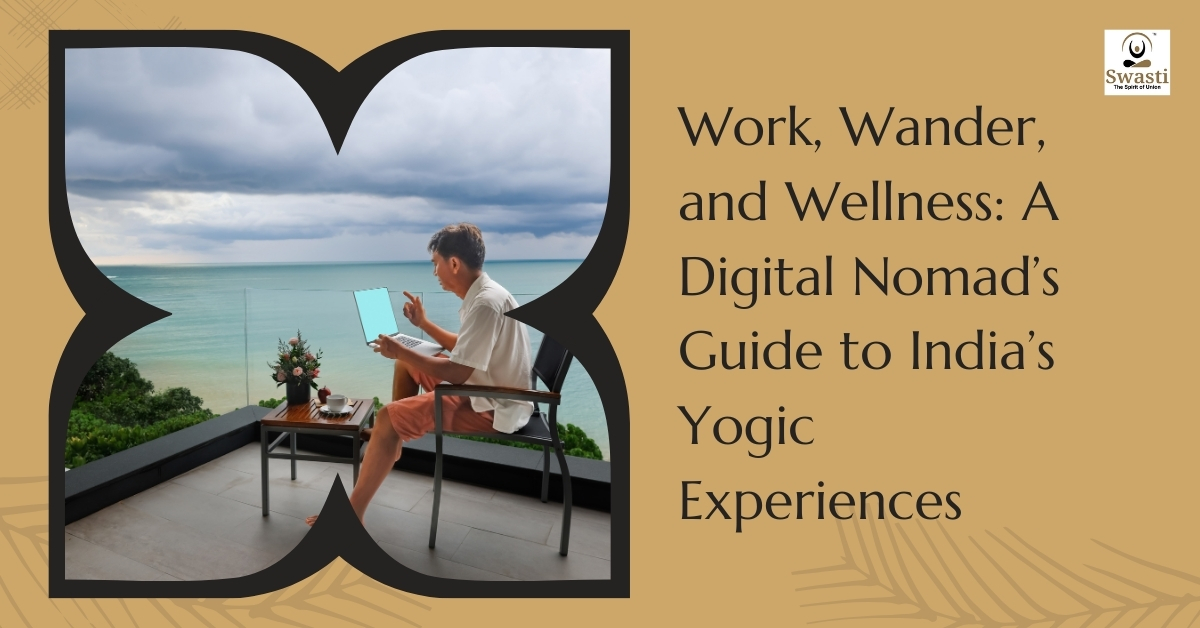
Work, Wander, and Wellness A Digital Nomadโ€™s Guide to Indiaโ€™s Yogic Experiences

Work, Wander, and Wellness: A Digital Nomadโ€™s Guide to Indiaโ€™s Yogic Experiences

The digital nomad lifestyle has become more popular than ever, with professionals seeking a balance between work, travel, and personal well-being. While working remotely offers freedom, it also brings challenges like stress, burnout, and the need for a structured routine. This is where yoga comes inโ€”not just as a physical exercise but as a way to enhance focus, improve mental clarity, and create a healthier lifestyle. India, the birthplace of yoga, is the perfect destination for digital nomads looking to integrate wellness into their daily lives. With affordable living costs, vibrant coworking spaces, and world-class yoga retreats, it provides the ideal setting to work, explore, and rejuvenate. Whether you prefer meditating by the Ganges, practicing yoga by the beach, or immersing yourself in Ayurveda, India has something for every nomad. Why India is the Ultimate Destination for Digital Nomads and Yoga Enthusiasts India is not just a country; itโ€™s an experience. For digital nomads seeking a holistic approach to work and well-being, it offers several key benefits. Affordable Cost of Living and Coworking Spaces India is one of the most budget-friendly destinations for remote workers. Whether you’re staying in a yoga ashram, renting a co-living space, or working from a cafรฉ, the cost of accommodation, food, and transport is significantly lower than in many Western countries. Major cities and tourist hubs have high-speed internet, making it easy to work while traveling. Authentic Yoga and Spiritual Experiences Unlike yoga classes in the West, yoga in India is deeply connected to its spiritual roots. Practicing yoga here allows you to learn from experienced teachers, study ancient scriptures, and explore meditation techniques that go beyond just physical postures. Many retreats offer a mix of Hatha, Ashtanga, and Kundalini yoga, along with pranayama and mindfulness practices. Diverse Landscapes and Cultural Immersion From the snow-capped Himalayas to the serene beaches of Goa, Indiaโ€™s diverse landscapes allow you to choose an environment that suits your lifestyle. You can experience the vibrant energy of a spiritual town, the peaceful solitude of a mountain retreat, or the tropical charm of a coastal yoga hub. Cultural immersion is also a big part of the experience, whether through traditional Indian food, music, or ancient rituals. Best Yoga Retreats and Wellness Hubs for Digital Nomads Finding the right location is key to balancing work, relaxation, and self-improvement. Here are some of the best places in India where digital nomads can thrive. Rishikesh: The Worldโ€™s Yoga Capital Rishikesh is a dream destination for yoga lovers and spiritual seekers. Located on the banks of the Ganges River, it is home to some of the best yoga ashrams in India. Many retreats offer long-term stays with structured schedules, including daily yoga, meditation, and Ayurvedic meals. The city also has cozy cafรฉs with Wi-Fi, making it easy to work between sessions. Goa: A Blend of Beach Life and Yoga Culture If you prefer a relaxed atmosphere, Goa is the perfect spot. It has a thriving digital nomad community, thanks to its coworking spaces, beachfront cafรฉs, and laid-back lifestyle. Yoga retreats in Goa range from intensive teacher training programs to wellness retreats that combine yoga with adventure activities like surfing and paddleboarding. Dharamshala: A Himalayan Escape for Deep Reflection Dharamshala, home to the Dalai Lama, is known for its Tibetan culture, scenic beauty, and peaceful environment. Itโ€™s an ideal destination for those looking to disconnect from the fast-paced world and focus on self-development. Yoga schools here offer meditation and mindfulness courses, and the cool mountain air makes it a great place to work without distractions. Kerala: Ayurveda and Yoga in a Tropical Paradise For those interested in Ayurveda, Kerala is a must-visit. Known for its lush greenery and backwaters, it offers authentic Ayurvedic therapies, detox programs, and yoga retreats that focus on holistic healing. Itโ€™s a great place for digital nomads who want to focus on both mental and physical well-being. Pune: A Hub for Traditional Yoga and Modern Living Pune is emerging as a hotspot for yoga enthusiasts who want to experience authentic yoga training in a city with excellent infrastructure. It has some of Indiaโ€™s best yoga institutes and wellness centers, offering everything from short retreats to full-fledged yoga teacher training programs. The city is well-connected, has reliable internet, and offers a blend of modern conveniences and traditional culture, making it an ideal choice for long-term stays. Balancing Work, Travel, and Wellness: A Digital Nomadโ€™s Guide Staying productive while traveling requires discipline and structure. Here are some ways to maintain a balanced lifestyle. Creating a Work-Wellness Routine A well-planned schedule helps digital nomads stay productive while making time for personal growth. Starting the day with yoga and meditation can improve focus and set a positive tone. Midday breaks can include a short walk or breathing exercises, and evening relaxation techniques can help manage stress. Yoga Practices to Boost Productivity Certain yoga postures and breathing techniques are particularly useful for digital nomads. Simple stretches like downward dog, spinal twists, and shoulder openers can relieve tension from long hours of sitting. Pranayama (breathing exercises) like alternate nostril breathing can enhance concentration and mental clarity. Best Coworking Spaces and Digital Nomad-Friendly Cafรฉs Many yoga hubs in India now have coworking spaces designed for remote workers. Places like Zostel Workation in Rishikesh, NomadGao in Goa, and 91springboard in Pune offer high-speed internet, comfortable workstations, and a community of like-minded professionals. Wellness Beyond Yoga: Ayurveda, Organic Living, and Mindful Travel Wellness in India goes beyond yoga. The country offers a holistic approach to health that includes Ayurveda, nutritious food, and sustainable travel practices. Ayurvedic Healing and Detox Programs Ayurveda, Indiaโ€™s ancient healing system, provides therapies that help restore balance in the body and mind. Many yoga retreats in Kerala and Rishikesh offer Panchakarma detox programs that include herbal treatments, diet adjustments, and lifestyle changes tailored to individual needs. The Importance of a Sattvic Diet Food plays a crucial role in well-being. A sattvic diet, which consists of fresh, plant-based, and minimally processed foods, is recommended for maintaining high

Read More ยป
Face Yoga for Anti-Aging Natural Ways to Look Younger

Face Yoga for Anti-Aging: Natural Ways to Look Younger

Aging is a natural process, but who doesnโ€™t want to look youthful for as long as possible? While many turn to expensive skin care products, Botox, or surgical procedures, face yoga is a natural and effective way to maintain a youthful glow. This simple yet powerful technique helps tone facial muscles, increases blood circulation, and reduces fine lines and wrinkles. Face yoga has gained popularity among beauty experts, celebrities, and wellness enthusiasts because of its noninvasive and holistic approach. If you want a way to achieve firm and glowing skin without chemicals or surgery, face yoga might be the perfect solution. Letโ€™s explore how it works, its benefits, and the best exercises to include in your daily routine. How Does Face Yoga Work for Anti-Aging? Face yoga is based on the principle that, just like the muscles in our body, facial muscles also need regular exercise to stay firm and toned. When you perform specific face yoga exercises, you stimulate blood flow, encourage collagen production, and strengthen the muscles under your skin. As we age, the skin loses elasticity, and the facial muscles weaken, leading to sagging skin, wrinkles, and fine lines. Regular practice of face yoga helps keep these muscles active, preventing premature aging, and giving your skin a naturally lifted appearance. Unlike skincare products that work only on the surface, face yoga works from within by improving muscle tone and circulation. It is a natural, non-toxic, and effective method to maintain a youthful and radiant look. Key Benefits of Face Yoga for Younger-Looking Skin 1. Reduces Wrinkles and Fine Lines Face yoga strengthens the underlying muscles, helping to reduce the appearance of wrinkles and prevent new ones from forming. It also naturally smooths out forehead lines, crowโ€™s feet, and smile lines. 2. Improves Skin Elasticity Regular face yoga stimulates collagen and elastin production, which are essential for keeping the skin firm and bouncy. This helps in preventing sagging and maintaining a youthful structure. 3. Lifts and Tones Facial Muscles Sagging skin is a common sign of aging, but face yoga works like a natural facelift. Strengthening the facial muscles, provides a more sculpted and lifted look, particularly around the jawline and cheeks. 4. Enhances Blood Circulation Better circulation means more oxygen and nutrients reach the skin, giving you a natural glow. It also helps in flushing out toxins, making your skin look healthier and more refreshed. 5. Reduces Puffiness and Dark Circles Face yoga promotes lymphatic drainage, which reduces water retention and puffiness around the eyes and cheeks. It also improves blood flow, reducing dark circles under the eyes. Best Face Yoga Exercises for Anti-Aging If you are new to face yoga, here are some easy and effective exercises to get started. Try to practice them daily for the best results. 1. Forehead Smoother Repeated facial expressions, stress, and tension often lead to deep forehead lines. Over time, these lines become more visible, making you look older. The forehead smoother exercise helps relax the forehead muscles, preventing frown lines, and reducing existing wrinkles. How to do it: Place your fingertips on your forehead and gently apply slight pressure. Raise your eyebrows while keeping your fingers in place to resist the movement. Hold for 10 seconds and relax. Repeat 3-5 times. 2. Cheek Lift As we age, the cheeks start to sag, making the face look tired and dull. The cheek lift exercise strengthens the cheek muscles, giving them a fuller and more lifted appearance. This exercise helps maintain plump, youthful cheeks and prevents hollowing of the face. How to do it: Take a deep breath and puff up your cheeks, holding the air inside. Move the air from one cheek to the other in a slow, controlled motion. Hold for 10 seconds and release. Repeat 5 times. 3. Jawline Definer A well-defined jawline is a sign of youth and attractiveness, but as we age, the skin around the jawline can start to sag, leading to a double chin or jowls. This exercise helps strengthen the jaw muscles, reducing sagging, and enhancing the definition of your lower face. How to do it: Tilt your head back and look towards the ceiling. Push your lower jaw forward and hold for 10 seconds. Relax and repeat 5 times. 4. Eye Rejuvenator The delicate skin around the eyes is one of the first areas to show signs of aging, such as crowโ€™s feet, puffiness, and dark circles. This exercise helps strengthen the eye muscles, improve circulation, and reduce fatigue, making the eyes look brighter and more youthful. How to do it: Place your index fingers on the outer corners of your eyes and middle fingers on the inner corners. Gently press while looking upward. Hold for 10 seconds and relax. Repeat 5 times. 5. Neck Tightener Neglecting the neck area can lead to loose skin and the appearance of a “turkey neck.” Since the skin on the neck is thinner, it tends to lose elasticity faster than the face. This exercise helps tighten the neck muscles, preventing sagging, and improving overall skin firmness. How to do it: Sit up straight and tilt your head back. Stick out your tongue and try to touch your nose with it. Hold for 10 seconds and relax. Repeat 5 times. Tips for Effective Face Yoga Practice For the best results, follow these tips while practicing face yoga: Be consistent: Perform face yoga daily for at least 5-10 minutes. The more consistent you are, the faster you will see results. Use a mirror: This helps in ensuring that you are performing the exercises correctly. Stay relaxed: Avoid putting too much pressure on your skin. The movements should be gentle and controlled. Hydrate your skin: Drink plenty of water and apply a light facial oil or serum before exercising to prevent friction. Combine with facial massage: A light massage after your routine can enhance circulation and relaxation. Face Yoga Success Stories & Testimonials Many people, including celebrities and influencers, have incorporated face yoga into their daily routines

Read More ยป
Why Swasti Yoga Center and Pune Are Safe for Solo Women Travelers and Yoga Students

Why Swasti Yoga Center and Pune Are Safe for Solo Women Travelers and Yoga Students?

More women today are embracing solo travel as a way to explore the world, gain independence, and experience personal growth. Yoga retreats, in particular, have become a popular choice for women looking for a safe and rejuvenating getaway. However, one of the biggest concerns for solo female travelers is safety. Why This Blog? If you’re considering traveling to India for yoga, you might be wondering which city and yoga center would be best for you. This blog will explore why Pune, a progressive and women-friendly city, and Swasti Yoga Center, a nurturing and secure yoga institute, are the perfect combination for solo women travelers and yoga students. The Rise of Solo Women Travelers and Yoga Enthusiasts Why More Women Are Choosing Solo Travel Solo travel among women has seen a massive rise over the past few years. Reports show that over 70% of solo travelers worldwide are women. More women are choosing to explore new places on their own, seeking experiences that help them grow personally and spiritually. The Growing Popularity of Yoga Retreats for Women Yoga retreats have become a preferred way for women to take a break from their busy lives, reconnect with themselves, and build inner strength. Many women seek out yoga retreats in India, the birthplace of yoga, to experience authentic teachings in a peaceful environment. However, the need for safety, community, and a welcoming atmosphere plays a huge role in choosing the right location. Pune โ€“ A Women-Friendly City A Progressive and Safe Destination Pune is known as one of Indiaโ€™s safest cities for women. It has a strong educational and cultural background, with many students and professionals creating a progressive and respectful society. Unlike larger cities, Pune offers a calm, clean, and organized environment where solo women travelers can feel secure. Safety Infrastructure in Pune The city has a well-connected transportation system, including app-based cabs, auto-rickshaws, and buses that are widely used and considered safe. There are active police patrols, and women-centric safety initiatives like the Bharosa Cell provide additional security. Many areas in Pune, such as Koregaon Park, Baner, and Kothrud, are known for being particularly safe for women. Community Resources for Women Travelers Pune is home to several women-focused organizations and social groups that offer support, workshops, and networking opportunities. Women can join travel communities, yoga groups, or expat meetups to find like-minded people and make their travel experience even safer and more enriching. Swasti Yoga Center โ€“ A Sanctuary for Safety and Wellness A Yoga School Built on Safety and Inclusivity Swasti Yoga Center is a highly respected yoga institute in Pune that prioritizes creating a safe, inclusive, and welcoming environment for all students, especially women traveling alone. It is not just a place to learn yoga but a community that supports personal growth and well-being. Comprehensive Yoga Programs Swasti Yoga Center offers a variety of programs, including Yoga Teacher Training Courses (TTC), wellness retreats, and specialized yoga workshops. Whether you are a beginner or an advanced practitioner, you will find a course suited to your needs. Strict Safety Measures at the Center To ensure the safety and comfort of students, Swasti Yoga Center has well-monitored premises, secure accommodation recommendations, and trained staff who are always available for assistance. The center has clear policies on respect, inclusivity, and maintaining a harassment-free learning environment. Testimonials from previous students often highlight the sense of security and belonging they felt while studying at Swasti. Empowerment Through Yoga and Community How Yoga Builds Inner Strength Yoga is not just about physical postures; it is a practice that builds confidence, mental clarity, and resilience. Many solo women travelers find that practicing yoga helps them become more self-aware, make better decisions, and navigate new environments with confidence. Building a Supportive Community at Swasti Yoga Center One of the best parts of joining Swasti Yoga Center is the opportunity to meet and connect with other like-minded women from around the world. The center organizes group activities, discussions, and cultural experiences that help students form meaningful connections and support each other throughout their journey. Practical Tips for Solo Women Travelers in Pune Pre-Travel Planning Before arriving in Pune, itโ€™s important to do some basic research. Book accommodations in well-reviewed hotels or hostels, learn about safe neighborhoods and save emergency contact numbers. Itโ€™s also a good idea to join local travel groups on social media to connect with other travelers before your trip. On-the-Ground Safety Tips Once in Pune, solo travelers should follow a few simple safety measures. They should always use app-based taxis like Uber or Ola, avoid isolated areas at night, and dress modestly to blend in with the local culture. Keeping a fully charged phone and sharing their travel plans with a trusted contact can also add an extra layer of security. Leverage the Swasti Yoga Center Community New to Pune? Swasti Yoga Center provides guidance on safe travel routes, reliable accommodations, and local recommendations. The center also organizes city tours and group activities, making it easy for students to explore the city safely. Conclusion Pune is one of the best cities in India for solo women travelers, offering a safe, progressive, and welcoming environment. Swasti Yoga Center further enhances this experience by providing a secure, structured, and inclusive space for women to practice yoga, build connections, and grow personally and spiritually. Swasti Yoga Center is the ideal choice for women looking to deepen their yoga practice in a safe and empowering environment. As India’s best yoga teacher training institute, it ensures high-quality education, a supportive community, and a transformative experience. Whether you’re here for a short retreat or a long-term teacher training program, you can be assured of a safe, welcoming, and enriching journey. Are you ready to embark on your yoga journey in a secure and inspiring space? Visit Swasti Yoga Center to explore courses, retreats, and more.

Read More ยป
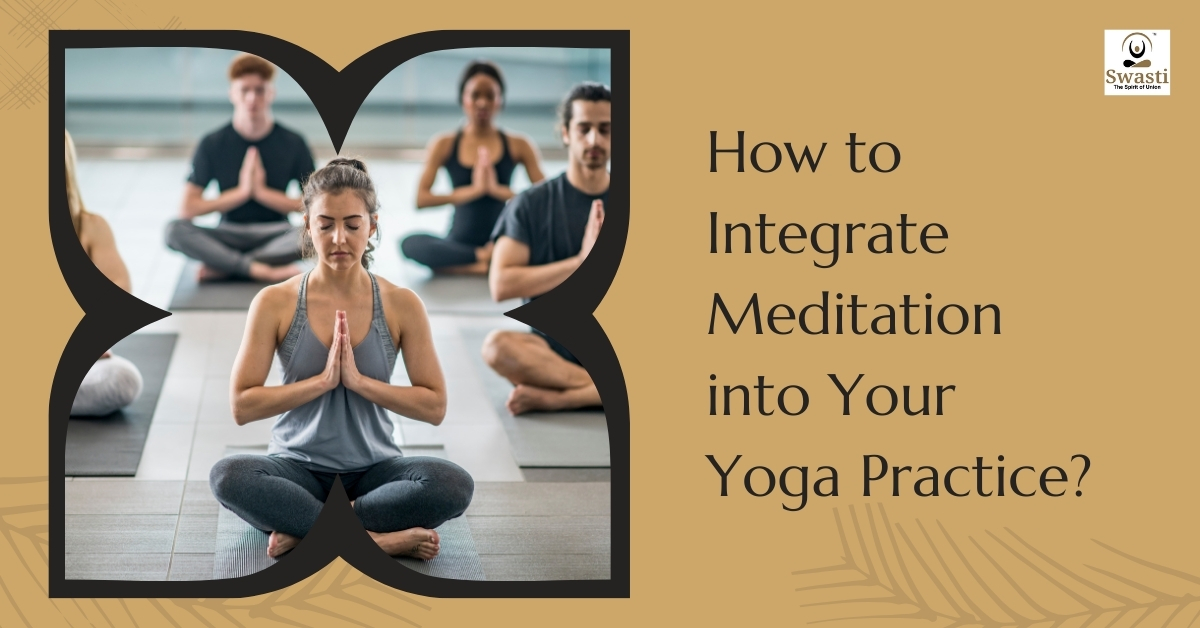
How to Integrate Meditation into Your Yoga Practice

How to Integrate Meditation into Your Yoga Practice?

Yoga and meditation are both incredibly powerful practices that have been used for centuries to enhance physical, mental, and spiritual well-being. While yoga focuses on the body through physical postures and breath control, meditation centers the mind, helping to achieve inner peace and clarity. When combined, these two practices create a holistic approach to wellness that can transform your life. In this blog, we will explore how you can integrate meditation into your yoga practice to experience deeper relaxation, focus, and mindfulness. Understanding the Basics of Yoga and Meditation Before we delve into the integration of these practices, letโ€™s first understand what each one entails. What is Yoga? Yoga is an ancient practice that combines physical postures (asanas), breath control (pranayama), and meditation to promote physical health, mental clarity, and emotional balance. The physical aspect of yoga focuses on strength, flexibility, and alignment, while the breathwork enhances the flow of energy throughout the body. Yoga can also lead to spiritual growth, helping individuals connect with their higher selves. What is Meditation? Meditation is a practice that involves focusing the mind to achieve a state of deep relaxation and heightened awareness. The goal is to quiet the mental chatter and achieve clarity, peace, and a sense of mindfulness. Meditation can take many forms, such as focusing on the breath, chanting mantras, or visualizing peaceful imagery. You may like to read: What Is Meditation and Why Does It Matter? The Synergy Between Yoga and Meditation While yoga primarily focuses on the body, meditation works with the mind. Together, they complement each other perfectly. Yoga prepares the body, making it more flexible and open, allowing you to sit in meditation for longer periods with greater comfort. Meditation, on the other hand, calms the mind, helping you focus on the present moment and deepen your yoga practice. The combination of both practices creates a powerful tool for achieving balance, health, and overall well-being. Benefits of Integrating Meditation into Yoga Practice Integrating meditation into your yoga routine brings many advantages. Here are some of the key benefits: 1. Enhanced Mindfulness One of the most significant benefits of combining yoga and meditation is the increased mindfulness that it fosters. Yoga helps you become more aware of your body and breath, while meditation trains you to be present with your thoughts and emotions. Together, these practices create a heightened awareness of your mind-body connection, allowing you to be more in tune with your physical and emotional states. 2. Improved Focus Yoga postures require concentration and focus on your breath and body movements. When you integrate meditation into your practice, this focus becomes more refined. Meditation trains the mind to stay focused, which translates into improved concentration during your yoga practice. This focused energy can carry over into your daily life, helping you to stay present and effective in everything you do. 3. Stress Relief Both yoga and meditation are known for their stress-relieving properties. Yoga works on the physical body, releasing tension from muscles, while meditation calms the mind and promotes relaxation. By integrating meditation into your yoga practice, you create a full-body and mind relaxation experience that reduces stress and encourages a sense of peace and tranquility. 4. Spiritual Growth Yoga and meditation both have spiritual components that go beyond just the physical and mental benefits. While yoga helps align the body with the mind, meditation encourages introspection and connection to your inner self. Together, they provide a pathway for spiritual growth, helping you to cultivate a deeper sense of meaning and purpose in life. How to Incorporate Meditation into Your Yoga Routine? Now that weโ€™ve covered the benefits, letโ€™s explore how you can start integrating meditation into your yoga practice. Here are some practical steps to help you get started: 1. Start with Breath Awareness Breath awareness is the foundation of both yoga and meditation. Begin your yoga practice with a few minutes of mindful breathing to calm your mind and prepare your body for movement. Focus on your breath as you inhale and exhale, noticing how it feels as it moves through your body. This simple practice sets the stage for a deeper connection to both your body and mind throughout your entire session. 2. Introduce Short Meditation Sessions You donโ€™t have to wait until the end of your practice to meditate. Try incorporating short meditation sessions between your yoga postures. For example, after completing a series of asanas, take a moment to sit quietly and focus on your breath for a minute or two. This can help reset your mind and prepare you for the next sequence of poses. 3. Incorporate Mantras or Affirmations Mantras or affirmations are powerful tools that can help you focus your mind and create a sense of inner peace. During your yoga practice, you can silently repeat a mantra, such as โ€œI am calmโ€ or โ€œI am strong,โ€ to stay focused. Similarly, you can incorporate affirmations while meditating to reinforce positive thoughts and intentions. 4. End with Guided Meditation or Savasana After completing your yoga practice, itโ€™s a great idea to end with a short meditation or deep relaxation session. Savasana, or corpse pose, is typically used to relax the body at the end of a yoga session, but it can also serve as a meditation practice. You can either meditate on your own or listen to a guided meditation. This final meditation helps to consolidate the benefits of your practice and brings a sense of completeness to your session. 5. Focus on Present Moment Awareness Throughout both your yoga and meditation practice, make an effort to stay present in the moment. Focus on your breath, the sensations in your body, and the thoughts in your mind without judgment. This will deepen your awareness and create a more meaningful practice. The more you practice mindfulness in yoga and meditation, the more you will carry this awareness into your everyday life. Tips for a Successful Integration Integrating meditation into your yoga practice can be a gradual process, and

Read More ยป
Yoga for Busy Moms Quick Routines to Recharge and Relax

Yoga for Busy Moms: Quick Routines to Recharge and Relax

Being a mom is one of the most rewarding yet challenging roles. Between managing family responsibilities, work commitments, and daily errands, itโ€™s easy for self-care to take a back seat. But amidst the chaos, one powerful tool that can help busy moms stay balanced and rejuvenated is yoga. Yoga is not only about flexibility and strengthโ€”itโ€™s also about calming the mind, reducing stress, and recharging your energy. In this blog, we will explore some quick and effective yoga routines that busy moms can do to recharge and relax, even with the busiest of schedules. The Benefits of Yoga for Busy Moms Yoga offers many benefits that can make a world of difference for busy moms who are constantly on the go. Whether youโ€™re looking for physical relief or mental clarity, yoga can support you. Stress Relief One of the most immediate benefits of yoga is its ability to relieve stress. The practice encourages deep breathing and mindfulness, which help calm the nervous system and reduce anxiety. As a busy mom, taking a few minutes for yoga daily can make a big difference in handling stress. Physical Benefits Yoga can also improve your physical health in many ways. It helps increase flexibility, strengthen muscles, and improve posture. For moms who spend a lot of time carrying children or sitting at a desk, yoga can alleviate back and neck pain, and improve overall body alignment. Emotional Balance In addition to physical benefits, yoga also helps nurture emotional well-being. It teaches you how to be present in the moment, which can be incredibly grounding for moms who are juggling multiple tasks. Yoga promotes mental clarity, allowing you to approach challenges with a calmer, more focused mindset. Convenience One of the most attractive aspects of yoga is that it doesnโ€™t require much time or special equipment. A few minutes on a mat is all you need to start feeling the benefits. This makes yoga a perfect choice for busy moms looking for a quick and effective way to take care of themselves. Tips for Making Time for Yoga as a Busy Mom As a busy mom, finding time for yoga may seem challenging, but with a few adjustments, it can become an easy part of your routine. Incorporating Yoga Into Your Daily Routine Yoga doesnโ€™t have to be a long practice to be effective. Short sessions can be just as beneficial. Try incorporating yoga into your daily routine during your kids’ nap time, before bed, or even while your children play. You donโ€™t need hours to feel rejuvenatedโ€”5 to 10 minutes can do wonders. Creating a Simple Yoga Space at Home You donโ€™t need a fancy studio to practice yoga. Set aside a small area in your home to roll out a mat and stretch. It could be in the living room, bedroom, or kitchenโ€”wherever you can find peace for a few minutes. Setting Realistic Expectations As a busy mom, itโ€™s important to set realistic expectations. Donโ€™t pressure yourself to have long yoga sessions every day. Instead, focus on short, consistent sessions. Even a quick 5-minute practice can significantly impact your mood and energy levels. Quick Yoga Routines for Busy Moms Now that weโ€™ve covered the benefits of yoga and how to fit it into your schedule, letโ€™s dive into some quick and effective yoga routines for busy moms. These routines can be done in just a few minutes and will help you recharge and relax. Routine 1: Morning Wake-Up Flow (5-7 minutes) Start your day with a short yoga flow to wake up your body and mind. Cat-Cow Pose (Marjaryasana-Bitilasana) โ€“ Begin on your hands and knees, alternating between arching and rounding your back. This will gently wake up your spine and release any tension. Downward Dog (Adho Mukha Svanasana) โ€“ From all fours, lift your hips up and back, forming an inverted โ€œVโ€ shape. This pose stretches your back, hamstrings, and calves while energizing your body. Childโ€™s Pose (Balasana) โ€“ Sit back on your heels and fold forward, resting your forehead on the ground. This calming pose stretches your lower back and hips, helping you feel grounded and centered. Routine 2: Midday Recharge (5-10 minutes) A quick midday session can help you reset and stay energized for the rest of your day. Seated Forward Fold (Paschimottanasana) โ€“ Sit with your legs extended, and slowly fold forward, reaching for your feet. This pose stretches your hamstrings, relaxes your body, and helps calm your mind. Standing Forward Bend (Uttanasana) โ€“ From standing, fold forward with your knees slightly bent. Let your head hang and feel your legs and lower back stretch. This pose helps release tension and stress. Neck and Shoulder Stretch โ€“ Sit or stand tall and gently tilt your head to one side, holding for a few breaths. Repeat on the other side. This stretch helps relieve tension in your neck and shoulders, especially from sitting at a desk or carrying children. Routine 3: Evening Relaxation (5-10 minutes) Use these poses to unwind after a long day and prepare your body for rest. Legs Up the Wall (Viparita Karani) โ€“ Sit with your side against a wall, then lie back and extend your legs up against the wall. This pose promotes relaxation, reduces swelling, and calms the nervous system. Seated Twist (Ardha Matsyendrasana) โ€“ Sit with one leg extended and the other crossed over. Twist your torso gently toward the bent knee, lengthening your spine. This pose helps release tension in the spine and shoulders. Savasana (Corpse Pose) โ€“ Lie on your back with your arms at your sides and your legs extended. Close your eyes and breathe deeply. This final relaxation pose helps calm your mind and promote deep rest. Tips for Maximizing Your Yoga Practice as a Busy Mom Focus on Your Breath Incorporating deep breathing into your yoga practice can help you relax more deeply. Take a few deep breaths before starting each pose and continue focusing on your breath throughout the session. This will enhance your yoga

Read More ยป

Add Yoga To Retain The Beauty Of Body And Mind

Vitae aliquam porta sed augue consectetuer. Parturient posuere sed habitasse quisque malesuada platea. Dis suspendisse integer ut facilisis maximus mus.