๐Ÿ‡ฎ๐Ÿ‡ณ India | ๐Ÿ‡บ๐Ÿ‡ธ USA | ๐Ÿ‡ซ๐Ÿ‡ท France | ๐Ÿ‡ฒ๐Ÿ‡ฝ Mexico | ๐Ÿ‡ฆ๐Ÿ‡ช UAE

๐Ÿ‡ฎ๐Ÿ‡ณ India | ๐Ÿ‡บ๐Ÿ‡ธ USA | ๐Ÿ‡ซ๐Ÿ‡ท France | ๐Ÿ‡ฒ๐Ÿ‡ฝ Mexico | ๐Ÿ‡ฆ๐Ÿ‡ช UAE

Blog

News & Articles

From Hormonal Chaos to Harmony The Yogic Path to Reversing PCOS Naturally

From Hormonal Chaos to Harmony: The Yogic Path to Reversing PCOS Naturally

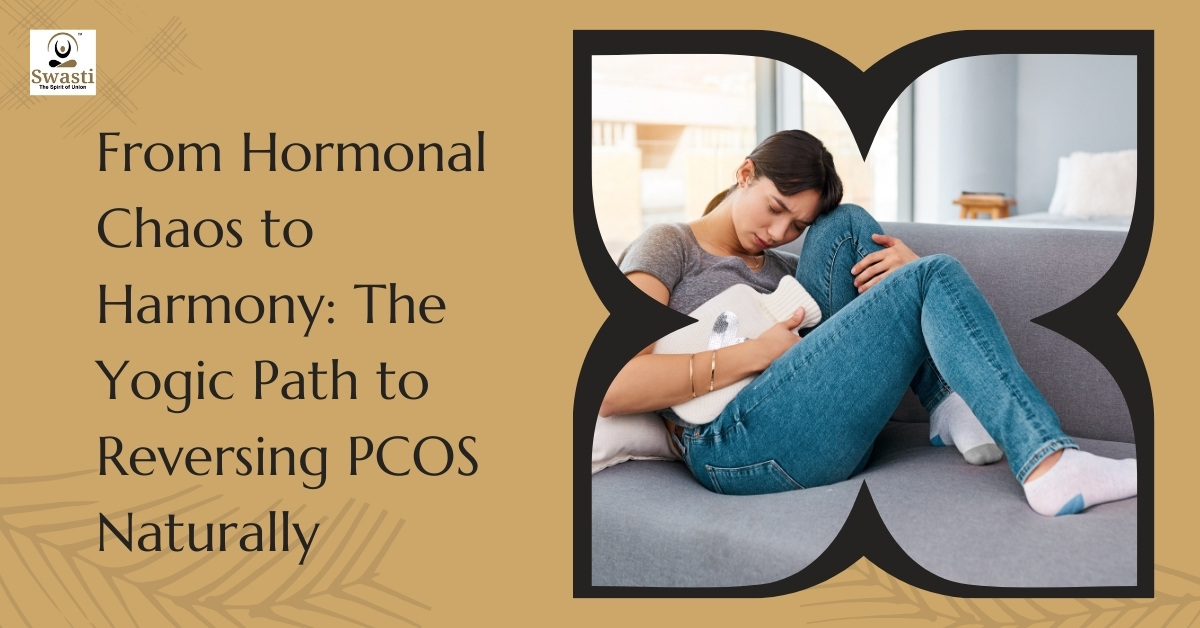
In todayโ€™s fast-paced world, conditions like Polycystic Ovarian Syndrome (PCOS), also known as Polycystic Ovarian Disease (PCOD), are rising at an alarming rate among women of reproductive age. With its roots in hormonal imbalance, PCOS is a multifaceted disorder that often goes undiagnosed and untreated, leading to physical, mental, and emotional distress. However, the ancient science of yoga offers a holistic, sustainable, and empowering approach to reversing PCOS naturally, restoring harmony where chaos once prevailed. Understanding PCOD: A Modern Lifestyle Disease PCOD is an endocrine disorder where multiple small cysts form on the ovaries due to a hormonal imbalance. It disrupts the normal ovulation cycle, leading to irregular periods, weight gain, acne, hirsutism (excess facial hair), mood swings, infertility, and insulin resistance. If left unmanaged, PCOD can lead to serious long-term complications like type 2 diabetes, cardiovascular disease, and endometrial cancer. Common symptoms include: Irregular or missed periods Unexplained weight gain, especially around the abdomen Acne and oily skin Excess hair growth on the face and body Hair thinning or male-pattern baldness Mood swings, anxiety, and depression Difficulty in conceiving What Triggers PCOD? While genetics plays a role, lifestyle is a major contributor. Modern sedentary habits, erratic sleep patterns, high stress levels, processed food consumption, and exposure to endocrine-disrupting chemicals (EDCs) in plastics and cosmetics exacerbate hormonal imbalances. Chronic stress, in particular, spikes cortisol, a stress hormone that indirectly disrupts the delicate balance of reproductive hormones. Yogic Approach to PCOD: Healing from Within Yoga, more than just physical exercise, is a profound science of inner transformation. It combines movement (asana), breath (pranayama), discipline (niyama), relaxation, and meditation (dhyana) to bring the body, mind, and hormones into a state of balance. Mechanism of Yoga in PCOD Management: Stress Reduction:Yoga activates the parasympathetic nervous systemโ€”the “rest and digest” stateโ€”thereby reducing cortisol and improving insulin sensitivity. Hormonal Regulation:Asanas that massage and stimulate the pelvic region (like Baddha Konasana, Supta Baddha Konasana, Bhujangasana, Dhanurasana, and Setu Bandhasana) enhance ovarian function, regulate periods, and improve fertility. Weight Management:Regular yoga improves metabolism and helps with healthy weight lossโ€”crucial for reversing PCOS. Improved Insulin Sensitivity:PCOS is often accompanied by insulin resistance. Dynamic yoga flows and pranayama practices like Kapalabhati and Bhastrika help in regulating blood sugar levels. Emotional Balance:Practices like Yoga Nidra and Anulom Vilom bring emotional calmness, reducing anxiety and depression commonly associated with PCOS. Scientific Evidence Supporting Yoga for PCOS Research published in journals like the International Journal of Yoga and Journal of Alternative and Complementary Medicine shows that yoga can significantly reduce testosterone levels, improve menstrual regularity, enhance insulin sensitivity, and reduce anxiety in women with PCOS. A 2012 study found that adolescents with PCOS who practiced yoga regularly showed improved endocrine parameters, lower anxiety scores, and better quality of life. The holistic approach of yoga addresses not only the symptoms but also the root cause of the disorder. How to Start Your Yogic Journey? Starting yoga doesnโ€™t require perfectionโ€”just dedication and consistency. Here are some simple tips: Begin with 20 minutes daily: Start with gentle asanas, breathing, and relaxation. Stay consistent: Make yoga a non-negotiable part of your day. Join a qualified program: Learning under a YCB certified teacher ensures safety and deeper understanding. Listen to your body: Donโ€™t push, be patient. Journal your journey: Track your mood, periods, and energy levels. Level 1 Yoga: Your Gateway to Daily Wellness If youโ€™re looking to integrate yoga into your daily life, the Level 1 Yoga Certification is a transformative starting point. This beginner-friendly program helps develop a strong foundation in yogic practices, values, and daily discipline tailored to your unique needs, including hormonal balance. Hereโ€™s how Level 1 helps you build a yogic lifestyle that lasts: Build a Daily Habit: Learn step-by-step practices that you can easily integrate into your morning and evening routines. Structured guidance ensures consistency even with a busy schedule. Improve Sleep Hygiene: Through breathwork, mindful movement, and relaxation techniques, yoga improves circadian rhythm, reduces nighttime overthinking, and promotes deeper, more restful sleep. Manage Stress Naturally: You’ll explore techniques like Yoga Nidra, Shavasana, and pranayama that calm the nervous system and help manage stress without reliance on medication. Develop a Yogic Attitude: Cultivating patience (kshama), contentment (santosha), and mindful eating (mitahara) enhances emotional well-being and leads to better lifestyle choices. Find Your Sangha (Community): One of the greatest strengths of Level 1 is joining a like-minded community of seekers. Being part of a supportive sangha keeps you motivated, inspired, and accountableโ€”key elements in any healing journey. Living the Yogic Lifestyle: Beyond the Mat Yoga is not just a practice; it is a way of life. The Yogic Dietโ€”sattvic (pure, seasonal, vegetarian), rich in fiber and natural foodsโ€”helps cleanse the system and balance hormones. Yogic values like: Ahimsa (non-violence): Choosing compassionate food and habits Brahmacharya (moderation): Avoiding overstimulation and indulgence Shaucha (cleanliness): Detoxing body and mind Santosha (contentment): Cultivating inner peace All these support sustainable healing and long-term reversal of PCOD. Ready to Take the First Step? If you’re struggling with PCOD or know someone who is, yoga offers more than symptom reliefโ€”it offers transformation. Begin with a Level 1 Yoga Certification, specially designed for women looking to take charge of their health naturally. This foundational course offers deeper insights into yogic practices, philosophy, and therapeutic applicationsโ€”empowering you to not just practice, but understand the ‘why’ behind the practices. Final Words PCOD is not a life sentence. With awareness, discipline, and a heart rooted in self-love, the hormonal chaos can transform into harmony. Yoga doesnโ€™t offer a magic pillโ€”it offers a path. A path to healing, a path to self-discovery, and a path to true, radiant health. Start where you are. Breathe. Move. Transform.Your journey to hormonal harmony begins on the mat.
Read More ยป
Bus Yoga The Next Big Thing in Corporate Wellness for Daily Commuters

Bus Yoga: The Next Big Thing in Corporate Wellness for Daily Commuters

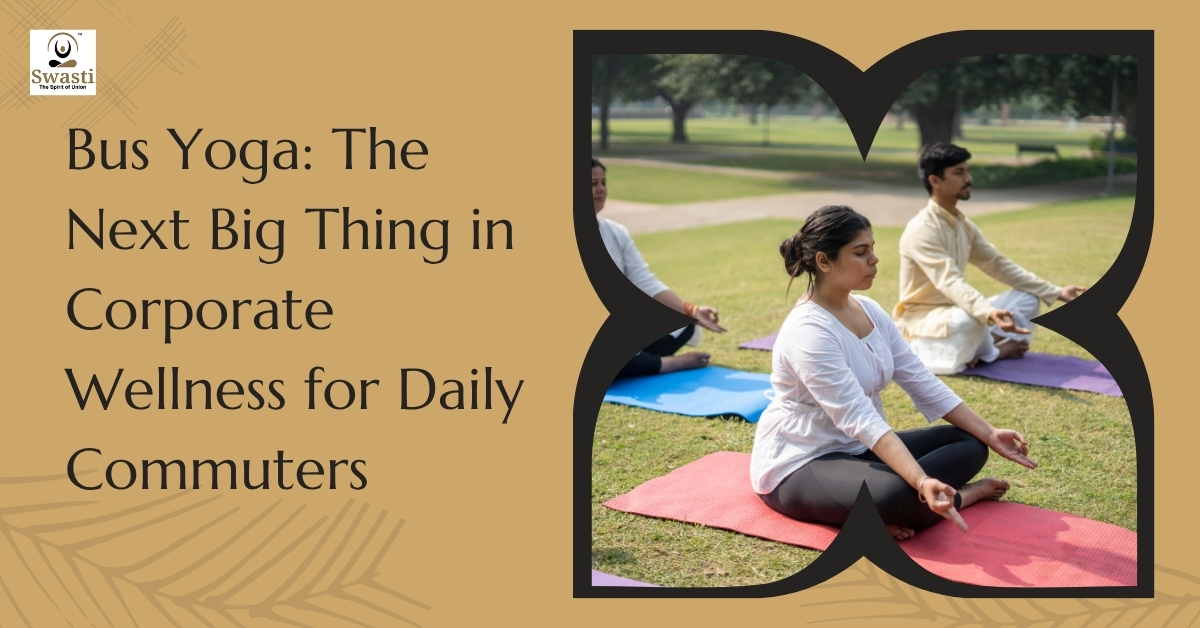
In todayโ€™s fast-paced world, corporate employees spend hours in traffic, often cramped in buses or cars, with little time left for self-care. Between back-to-back meetings, looming deadlines, and sedentary routines, health takes a backseat. But what if the solution to your workplace stress, back pain, and burnout was just one seat away, right in your daily commute? Welcome to the revolution of Bus Yogaโ€”a short, powerful wellness routine designed for corporate commuters to regain control of their health, mobility, and mental peaceโ€”all while traveling. ๐Ÿš Why Bus Yoga Is the Future of Urban Wellness? Research confirms that the average urban commuter spends 60โ€“90 minutes daily in transit. Studies by the World Health Organization (WHO) and the Indian Ministry of AYUSH show that prolonged sitting without movement contributes to: Increased risk of heart disease and diabetes Musculoskeletal disorders (especially back and neck pain) Mental fatigue and chronic stress Drop in productivity and increased absenteeism Bus Yoga, inspired by Indiaโ€™s national โ€œY-Breakโ€ (Yoga Break) program, is designed to reverse these effects in as little as 3โ€“5 minutes a day. ๐Ÿง˜โ€โ™€๏ธ What Is Bus Yoga? Bus Yoga is a modified form of the “Y-Break protocol”, created by the Ministry of AYUSH and Morarji Desai National Institute of Yoga (MDNIY), in collaboration with WHO. This protocol is a 5-minute workplace-friendly yoga routine developed for corporate settings to: Improve mental focus and reduce stress Promote joint and muscular mobility Enhance breathing and posture Bus Yoga adapts this scientifically validated protocol for commuters in transitโ€”you donโ€™t need a mat, room, or gym clothesโ€”just a seat and a few minutes. ๐Ÿ” The Science Behind Y-Break & Bus Yoga A recent study published in the Journal of Occupational Health Psychology showed that even 3-5 minutes of seated mindful movement significantly reduces stress hormone (cortisol) levels, improves cognitive clarity, and elevates mood. Moreover, research from Harvard Medical School confirms that deep breathing techniques, practiced during stressful commutes, can lower blood pressure, enhance parasympathetic nervous activity, and promote emotional balance. According to AYUSH-released data, regular use of the Y-Break protocol: Reduced self-reported stress by 41% in participating employees Increased alertness and work efficiency by 35% Helped improve back flexibility and muscular tone in 21 days Supported emotional resilience and team dynamics Bus Yoga extends these benefits to your commute, transforming dead time into wellness time, making your transition to and from work healthier and more intentional. ๐Ÿ’ผ Why Every Corporate Professional Needs This? Letโ€™s face itโ€”corporate life today is overwhelming. Top issues include: Chronic neck and back pain from prolonged sitting Eye strain and digital fatigue Sleep disturbances and anxiety Digestive problems due to a sedentary lifestyle and irregular meals Bus Yoga becomes your moving wellness zone, countering these problems and helping you start and end your workday with balance. ๐Ÿ”„ The 4-Minute Daily Bus Yoga Plan (Y-Break Inspired) Hereโ€™s a simple routine based on the official Y-Break protocol, adapted for travel: Minute 1: Grounding Breath Sit tall, feet grounded. Inhale deeply (4 counts), exhale slowly (6 counts). Focus on calming the nervous system. Minute 2: Neck & Shoulder Mobility Sukshma Vyayama Gently roll your neck clockwise and counterclockwise. Shrug shoulders to ears, hold, and release. Eases tension and improves posture. Minute 3: Seated Spinal Twist + Side Bend Sukshma Vyayama Hold the backrest, twist gently to each side. Lift one arm overhead and bend sideways. Keeps the spine supple and digestion active. Minute 4: Hand/Wrist Movements Sukshma Vyayama + Eye Palming Rotate wrists, open-close fists. Rub palms, place over closed eyes. Reduces computer fatigue and enhances circulation. Bonus: Mentally repeat an affirmation: โ€œI am calm, clear, and in control. Sohamโ€ ๐Ÿ›‘ Why People Quitโ€”and How to Stay Consistent? Many give up yoga or wellness practices because of: Unrealistic expectations (โ€œIโ€™ll feel better in 2 daysโ€) Overcomplicated routines Social discomfort practicing in public Lack of accountability How to Stay Consistent: Start with 2 minutes and build gradually Use Swasti audio recording Set a reminder before your usual commute Pair your practice with music or affirmations Remember, micro-consistency > macro-intensity. โœ… Doโ€™s & Donโ€™ts of Bus Yoga (and Y-Break Adaptations) Doโ€™s: Sit upright with both feet grounded Wear comfortable clothing when possible Focus on breath and posture Smileโ€”this is your me-time Donโ€™ts: Avoid complex or standing postures in moving vehicles Donโ€™t practice if the bus is overly crowded or bumpy Skip if youโ€™re feeling unwell, dizzy, or have injuries Respect co-passengers’ space โš ๏ธ Safety Guidelines If you have spinal, cardiac, or joint conditions, consult a doctor first Pregnant participants should use adapted routines Always be mindful of your environment and body signals Avoid abrupt movements while the vehicle is moving ๐ŸŒฟ Take the Practice Further with Swasti Yoga Center Once you feel the benefits of Bus Yoga, consider taking your wellness to the next level with certified training. Swasti Yoga Center, Puneโ€”a WHO-cited, YCB-certified, ISO 9001:2015 yoga instituteโ€”offers a flexible Level 1 Yoga Wellness Instructor Certification, available in self-paced or online formats. Learn the complete Y-Break protocol Explore therapeutic applications of yoga Empower yourself to teach wellness in corporate and community settings Visit www.swastiyogacenter.com to explore programs. Final Word In a world where time is the new currency, Bus Yoga offers the highest return on investmentโ€”a healthier body, clearer mind, and peaceful commute. With the backing of WHO and the Indian governmentโ€™s Y-Break protocol, this is more than a trendโ€”itโ€™s the future of accessible, sustainable wellness. Donโ€™t wait. Transform your ride to work into a ride toward health.

Read More ยป
Morning vs. Evening Yoga Which is More Effective

Morning vs. Evening Yoga: Which is More Effective?

Yoga is one of those beautiful practices that fit into almost any lifestyle. Some people love rolling out their mat just as the sun is rising, while others prefer winding down with a calming flow before bed. But if you have ever wondered whether morning or evening yoga is more effective, you are not alone. The truth is, there is no one-size-fits-all answer. It all depends on your personal goals, your daily routine, and how your body feels at different times of the day. In this blog, we will explore the benefits of both morning and evening yoga so you can find what works best for you. The Benefits of Morning Yoga 1. An Energizing Start to Your Day Morning yoga has a special kind of magic. When you step onto your mat first thing in the morning, it helps wake up your body and mind. Instead of reaching for coffee or rushing into the day, you give yourself a moment to stretch, breathe, and connect with yourself. This gentle activation can set a positive tone for everything that follows. 2. Boosts Mental Clarity and Focus Practicing yoga in the morning can sharpen your mental focus. After a night of sleep, your mind is often clearer and more open to intention-setting. Morning yoga gives you a chance to quiet any anxious thoughts and start your day feeling grounded and balanced. It is like giving your brain a fresh, calm canvas before you dive into work or daily responsibilities. 3. Easier to Build a Consistent Habit Morning routines often stick better than evening ones because there are fewer distractions early in the day. When you practice yoga in the morning, you are less likely to skip it due to last-minute plans, fatigue, or unexpected work. Many people find that making yoga part of their morning ritual helps them stay consistent over the long term. 4. Great for Stretching Stiff Muscles After sleeping for several hours, your body might feel a bit stiff or tight. Morning yoga is a gentle way to stretch out your muscles, get your blood flowing, and warm up your joints. This can help prevent injuries and make you feel more comfortable throughout the rest of your day. The Benefits of Evening Yoga 1. A Natural Way to De-Stress There is something incredibly soothing about an evening yoga session. After a busy day, your body and mind are often carrying stress and tension. Evening yoga provides a healthy way to release that buildup. Gentle stretches, mindful breathing, and calming poses can help you let go of the day’s worries and reconnect with yourself. 2. Promotes Better Sleep If you struggle with falling asleep or staying asleep, evening yoga might be your secret weapon. Certain poses and breathwork techniques activate the parasympathetic nervous system, which helps your body relax and prepare for rest. Instead of scrolling on your phone or watching TV right before bed, spending a few minutes on your mat can lead to deeper, more restorative sleep. 3. Your Body is More Flexible During the day, your muscles naturally warm up through movement and activity. This means that when you practice yoga in the evening, your body is usually more open and flexible compared to the morning. You might find that you can go deeper into stretches and hold poses with more ease. 4. Helps You Process Emotions Sometimes, it is not just physical tension we carry at the end of the day. Emotional stress can also build up without us realizing it. Evening yoga gives you a safe space to process your emotions, breathe through any challenges, and end your day on a more peaceful note. Key Factors to Consider When Choosing Your Yoga Time Your Personal Goals Think about what you want to achieve with your yoga practice. If you are looking for an energy boost, improved concentration, or a strong morning routine, practicing early might suit you better. If your goal is to relieve stress, sleep better, or work on flexibility, evening sessions could be ideal. Your Bodyโ€™s Natural Rhythm Everyone has a natural rhythm or internal clock known as the circadian rhythm. Some people naturally feel more energetic in the morning while others come alive at night. Paying attention to when your body feels its best can help you decide whether morning or evening yoga will be more enjoyable and sustainable for you. Your Daily Schedule Your yoga practice should fit comfortably into your life. If mornings are chaotic and rushed, squeezing in yoga might feel stressful rather than nourishing. If evenings are packed with activities or you often feel too tired, a morning practice might work better. Choose a time that feels realistic and supportive, not forced. The Type of Yoga You Want to Practice Some styles of yoga naturally align with different times of day. Dynamic and energizing practices like Vinyasa or Ashtanga are wonderful for mornings. Slower, more restorative styles like Yin Yoga or gentle Hatha are perfect for evenings. Matching the style to the time can enhance your experience and benefits. Morning vs. Evening Yoga: A Simple Comparison Hereโ€™s a simple table to understand the benefits at a glance: Feature Morning Yoga Evening Yoga Boosts Energy Yes No Relieves Stress Somewhat Very Much Builds Consistency Easier Moderate Improves Flexibility Gradually Quickly Supports Sleep Not Directly Strongly What Experts Say About Yoga Timing? Studies show that practicing yoga at different times of day can affect your body in unique ways. Morning yoga helps regulate cortisol levels, which naturally peak when you wake up. A morning practice can help balance your energy levels and keep stress in check throughout the day. On the other hand, evening yoga is linked to lower heart rates, reduced blood pressure, and better sleep quality. By calming the nervous system, evening yoga can help you unwind and fall asleep faster. Most experts agree that the best time to practice yoga is the time you can stick to consistently. Regular practice is far more important than

Read More ยป
Why Every Housewife Deserves 30 Minutes of Yoga Daily?

Why Every Housewife Deserves 30 Minutes of Yoga Daily?

The role of a housewife is among the most demanding, yet often goes unrecognized. From early morning until late at night, the list of tasks never seems to end. Whether it’s getting the children ready for school, preparing meals, organizing the home, or caring for elderly family members, the responsibilities are constant. Despite all this, housewives often overlook one very important person. Just 30 minutes a day can make a noticeable difference. Not only for the body, but for the mind and emotions as well. Yoga offers that opportunity. It is not a luxury or something reserved for fitness enthusiasts. It is a simple, accessible practice that every housewife genuinely deserves. The Unseen Load of Housewives Many people donโ€™t fully recognize the depth of what a housewife handles each day. There is physical effortโ€”cleaning, lifting, cooking, and caring for others. Then there is the mental load, keeping track of appointments, schedules, household needs, and family responsibilities. And there is the emotional layer worrying about everyoneโ€™s wellbeing, resolving conflicts, and supporting the moods of others. Despite the constant work, housewives are often left feeling unappreciated or invisible. The time to rest or pause is rare. Over time, this lifestyle can lead to physical strain, mental fatigue, and emotional exhaustion. This is why taking care of personal health is not optional is essential. You may like to read: Yoga for Busy Moms: Quick Routines to Recharge and Relax Why Yoga Is the Ideal Practice for Housewives Among all forms of self-care, yoga stands out because of its simplicity and flexibility. It requires no expensive equipment, no gym subscription, and no complex routines. A small corner of the home and a basic mat are enough to begin. Yoga offers an experience that adapts to each personโ€™s comfort level. Whether the goal is physical relief, emotional balance, or mental clarity, yoga can meet those needs with a calm and gentle approach. Even those who have never practiced before can start slow and feel the benefits, step by step. Physical Benefits of 30 Minutes of Yoga Housework can take a toll on the body, leading to sore backs, tight shoulders, aching legs, and general fatigue. Yoga helps release this tension by improving posture, flexibility, and overall strength. It encourages mindful movement and better alignment, reducing long-term physical strain. Regular practice can lead to: Relief from back pain, neck stiffness, and joint discomfort Improved posture and better body alignment Increased flexibility and strength in everyday movement Higher energy levels and reduced physical fatigue Better digestion and improved circulation Deeper, more restful sleep at night Gentle support for weight management and hormonal balance Even basic stretches, when done consistently, can bring noticeable physical ease. Mental and Emotional Benefits The mental load of running a household can be overwhelming. Constant thoughts, reminders, and emotional juggling leave little space for mental peace. Yoga offers tools to reset and refresh the mind through breathing techniques and mindfulness. This practice allows the nervous system to relax, bringing calmness and clarity. As the mind becomes more centered, decision-making improves, reactions soften, and patience grows. Emotional benefits of a consistent yoga routine include: Reduced stress, worry, and mental exhaustion A clearer, more focused, and calm mind Greater emotional balance and reduced irritability Improved patience and empathy in daily interactions Better mood and increased positivity A sense of control during chaotic or overwhelming moments Support in managing anxiety or preventing burnout These benefits are accessible even with a short daily practice, allowing housewives to approach the day with greater ease and confidence. Reclaiming ‘Me Time’ Without Guilt Taking time for personal care often feels like a luxury that cannot be afforded. There is a sense of guilt associated with stepping away from daily tasks for a few quiet moments. However, self-care is not selfish. It is a way to continue serving the family with energy and joy. Creating just 30 minutes of personal time can have a profound impact. It reminds the individual that their well-being matters too. Some benefits of reclaiming this time include: A daily moment to reconnect with the body and breath A healthier routine that places well-being on the map A deeper sense of self-worth and inner peace Freedom from guilt around rest and self-care More joy and less exhaustion while fulfilling responsibilities A feeling of personal control in the middle of daily demands A regular reminder that self-care is both valid and valuable By taking this time regularly, housewives begin to feel more balanced and more present in every aspect of life. Getting Started with Ease Starting yoga at home can feel intimidating, but it doesnโ€™t have to be. No prior experience or special ability is needed. The key is to begin gently. One can start with 10 minutes and gradually build up to 30. Simple poses like childโ€™s pose, mountain pose, gentle twists, or seated stretches are perfect for beginners. A few minutes of deep breathing or alternate nostril breathing can help calm the mind. Choose a quiet corner at home and keep it ready with a mat or cushion. Select a time that fits the daily schedule; early morning or late evening can work well. The important part is consistency, not perfection. Free online videos, beginner-friendly yoga guides, and mobile apps make it easy to follow along. Even without digital help, simple movement with breath awareness is a good start. Encouragement from Yogic Philosophy Yoga is more than physical exercise, it is a philosophy that guides balanced living. Concepts from yogic teachings can gently support everyday life. Ahimsa, or non-violence, teaches compassion. Not just toward others, but toward oneself. That means speaking kindly to oneself, moving gently, and allowing space for rest. Dharma, or duty, reminds everyone of their responsibilities. While duties toward family are noble, taking care of oneโ€™s health and well-being is also part of that dharma. A person who feels good can serve better. These principles help housewives create a life where both giving and receiving coexist peacefully. Conclusion The role of a

Read More ยป
Yoga for Exam Stress Poses Every Student Must Try

Yoga for Exam Stress: Poses Every Student Must Try

Exams can be stressful. The pressure to perform well, long study hours, and lack of proper rest can damage a studentโ€™s mental and physical health. Stress often leads to anxiety, lack of concentration, and even physical symptoms like headaches and fatigue. While feeling a little nervous before exams is natural, excessive stress can affect performance and overall well-being. Yoga is a simple yet powerful way to manage stress. It helps relax the mind, improves concentration, and energizes the body. By practicing yoga regularly, students can experience reduced anxiety, better focus, and improved memory. Letโ€™s explore how yoga can help and some easy poses that every student should try. How Yoga Helps in Reducing Exam Stress? Yoga is not just a physical exercise; it is a practice that connects the mind and body. It helps reduce cortisol, the stress hormone, which is responsible for anxiety and tension. The combination of controlled breathing, gentle stretching, and mindfulness helps release mental and physical stress. Regular yoga practice can: Calm the nervous system and reduce anxiety. Improve blood circulation, ensuring better oxygen supply to the brain. Enhance memory, focus, and cognitive function. Reduce fatigue caused by long study hours. Promote better sleep, helping students wake up refreshed and energized. Even a few minutes of yoga each day can make a big difference in handling exam stress. The key is consistency. Now, letโ€™s look at some yoga poses that can help students stay calm and focused during exams. Yoga Poses to Relieve Exam Stress 1. Balasana (Childโ€™s Pose) This is a simple resting pose that helps release tension from the back, neck, and shoulders. It encourages deep breathing, which calms the mind and relieves anxiety. How to do it: Kneel on the floor and sit back on your heels. Stretch your arms forward and rest your forehead on the ground. Breathe deeply and stay in this position for 30 seconds to a minute. 2. Viparita Karani (Legs Up the Wall Pose) Sitting for long hours while studying can cause leg pain and fatigue. This pose improves blood circulation, reduces stress, and calms the nervous system. How to do it: Lie on your back and place your legs up against a wall. Keep your arms relaxed by your sides. Close your eyes, breathe deeply, and stay in this pose for 5โ€“10 minutes. 3. Sukhasana with Pranayama (Easy Pose with Deep Breathing) Breathing exercises (pranayama) are highly effective in reducing stress and improving concentration. When combined with Sukhasana, it enhances mindfulness and focus. How to do it: Sit cross-legged on the floor with a straight spine. Place your hands on your knees and close your eyes. Take slow, deep breaths in through your nose and exhale slowly. Repeat this for 3โ€“5 minutes. 4. Adho Mukha Svanasana (Downward Facing Dog) This pose stretches the spine, releases tension, and improves blood flow to the brain. It helps refresh the mind and relieves stiffness caused by long hours of studying. How to do it: Start in a tabletop position with hands and knees on the ground. Lift your hips up, straightening your legs to form an inverted V shape. Keep your hands and feet firmly on the ground. Hold for 30 seconds while breathing deeply. 5. Setu Bandhasana (Bridge Pose) Stress and anxiety often cause stiffness in the back and shoulders. This pose helps relax the spine, improve flexibility, and promote relaxation. How to do it: Lie on your back with your knees bent and feet flat on the ground. Place your arms beside your body with palms facing down. Lift your hips while keeping your feet and shoulders on the floor. Hold for a few breaths and gently lower your body. 6. Savasana (Corpse Pose) Savasana is the ultimate relaxation pose that helps release tension and calm the mind. It is a great way to end a yoga session, leaving the mind refreshed and stress-free. How to do it: Lie on your back with arms relaxed by your sides. Close your eyes and focus on your breathing. Stay in this position for 5โ€“10 minutes. Breathing Techniques & Meditation 1. Nadi Shodhana (Alternate Nostril Breathing) This technique balances both hemispheres of the brain, improves focus, and reduces anxiety. How to do it: Sit comfortably and close your right nostril with your thumb. Inhale deeply through the left nostril, then close it with your fingers. Release the right nostril and exhale slowly. Repeat for 5 minutes. 2. Bhramari Pranayama (Bee Breath) This breathing technique soothes the nervous system and reduces stress. How to do it: Sit in a comfortable position and close your eyes. Take a deep breath in and as you exhale, make a humming sound like a bee. Repeat this 5โ€“7 times. 3. Guided Meditation for Exam Confidence A few minutes of meditation can help students visualize success, stay positive, and reduce exam fear. How to do it: Sit or lie down in a comfortable position. Close your eyes and take slow, deep breaths. Focus on positive affirmations like โ€œI am calm and confident.โ€ Stay in this state for 5โ€“10 minutes. Tips for Practicing Yoga During Exams Even short yoga sessions can be effective. A 10โ€“15 minute routine can help relieve stress and improve focus. Mornings are a great time to practice yoga to start the day with energy and clarity. Avoid practicing immediately after meals. Stay hydrated and eat nutritious foods to complement your yoga practice. Maintain consistency. Yoga is most effective when practiced regularly. Conclusion Exams can be challenging, but with the right approach, students can manage stress and perform well. Yoga offers a simple and natural way to stay calm, focused, and confident. By incorporating these easy yoga poses and breathing techniques into daily routines, students can enhance their concentration, reduce anxiety, and improve overall well-being. Join Yoga Classes for Beginners in India at Swasti Yoga Center If youโ€™re looking for a structured way to integrate yoga into your daily life, Swasti Yoga Center offers yoga classes for beginners in India. Our expert instructors guide

Read More ยป
Face Yoga for Anti-Aging Natural Ways to Look Younger

Face Yoga for Anti-Aging: Natural Ways to Look Younger

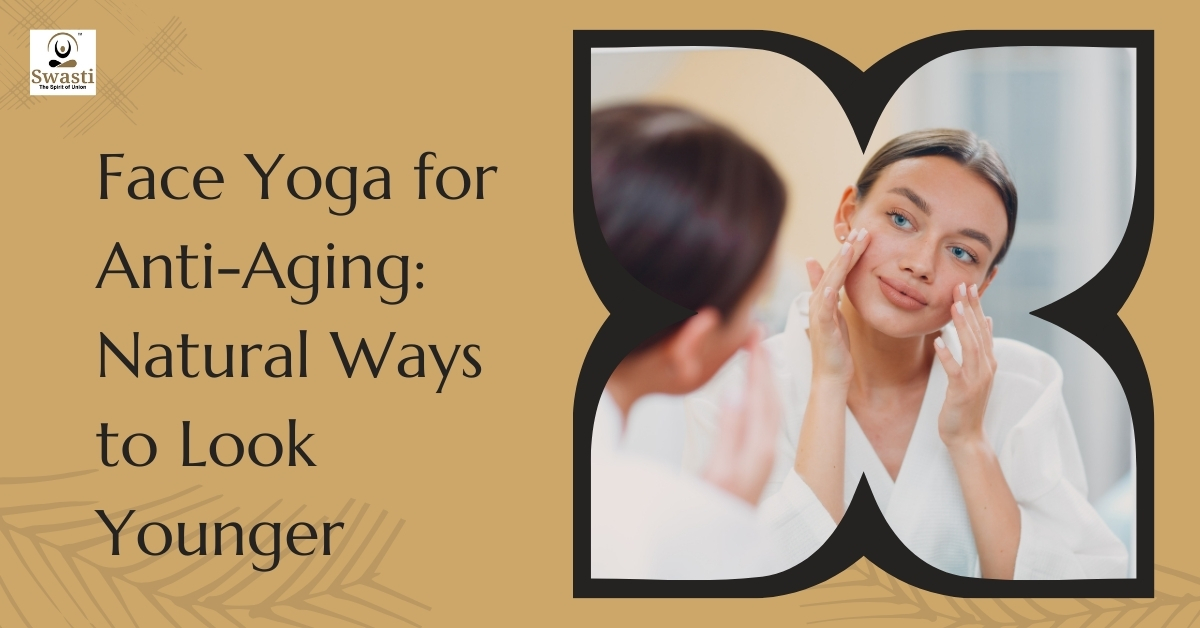
Aging is a natural process, but who doesnโ€™t want to look youthful for as long as possible? While many turn to expensive skin care products, Botox, or surgical procedures, face yoga is a natural and effective way to maintain a youthful glow. This simple yet powerful technique helps tone facial muscles, increases blood circulation, and reduces fine lines and wrinkles. Face yoga has gained popularity among beauty experts, celebrities, and wellness enthusiasts because of its noninvasive and holistic approach. If you want a way to achieve firm and glowing skin without chemicals or surgery, face yoga might be the perfect solution. Letโ€™s explore how it works, its benefits, and the best exercises to include in your daily routine. How Does Face Yoga Work for Anti-Aging? Face yoga is based on the principle that, just like the muscles in our body, facial muscles also need regular exercise to stay firm and toned. When you perform specific face yoga exercises, you stimulate blood flow, encourage collagen production, and strengthen the muscles under your skin. As we age, the skin loses elasticity, and the facial muscles weaken, leading to sagging skin, wrinkles, and fine lines. Regular practice of face yoga helps keep these muscles active, preventing premature aging, and giving your skin a naturally lifted appearance. Unlike skincare products that work only on the surface, face yoga works from within by improving muscle tone and circulation. It is a natural, non-toxic, and effective method to maintain a youthful and radiant look. Key Benefits of Face Yoga for Younger-Looking Skin 1. Reduces Wrinkles and Fine Lines Face yoga strengthens the underlying muscles, helping to reduce the appearance of wrinkles and prevent new ones from forming. It also naturally smooths out forehead lines, crowโ€™s feet, and smile lines. 2. Improves Skin Elasticity Regular face yoga stimulates collagen and elastin production, which are essential for keeping the skin firm and bouncy. This helps in preventing sagging and maintaining a youthful structure. 3. Lifts and Tones Facial Muscles Sagging skin is a common sign of aging, but face yoga works like a natural facelift. Strengthening the facial muscles, provides a more sculpted and lifted look, particularly around the jawline and cheeks. 4. Enhances Blood Circulation Better circulation means more oxygen and nutrients reach the skin, giving you a natural glow. It also helps in flushing out toxins, making your skin look healthier and more refreshed. 5. Reduces Puffiness and Dark Circles Face yoga promotes lymphatic drainage, which reduces water retention and puffiness around the eyes and cheeks. It also improves blood flow, reducing dark circles under the eyes. Best Face Yoga Exercises for Anti-Aging If you are new to face yoga, here are some easy and effective exercises to get started. Try to practice them daily for the best results. 1. Forehead Smoother Repeated facial expressions, stress, and tension often lead to deep forehead lines. Over time, these lines become more visible, making you look older. The forehead smoother exercise helps relax the forehead muscles, preventing frown lines, and reducing existing wrinkles. How to do it: Place your fingertips on your forehead and gently apply slight pressure. Raise your eyebrows while keeping your fingers in place to resist the movement. Hold for 10 seconds and relax. Repeat 3-5 times. 2. Cheek Lift As we age, the cheeks start to sag, making the face look tired and dull. The cheek lift exercise strengthens the cheek muscles, giving them a fuller and more lifted appearance. This exercise helps maintain plump, youthful cheeks and prevents hollowing of the face. How to do it: Take a deep breath and puff up your cheeks, holding the air inside. Move the air from one cheek to the other in a slow, controlled motion. Hold for 10 seconds and release. Repeat 5 times. 3. Jawline Definer A well-defined jawline is a sign of youth and attractiveness, but as we age, the skin around the jawline can start to sag, leading to a double chin or jowls. This exercise helps strengthen the jaw muscles, reducing sagging, and enhancing the definition of your lower face. How to do it: Tilt your head back and look towards the ceiling. Push your lower jaw forward and hold for 10 seconds. Relax and repeat 5 times. 4. Eye Rejuvenator The delicate skin around the eyes is one of the first areas to show signs of aging, such as crowโ€™s feet, puffiness, and dark circles. This exercise helps strengthen the eye muscles, improve circulation, and reduce fatigue, making the eyes look brighter and more youthful. How to do it: Place your index fingers on the outer corners of your eyes and middle fingers on the inner corners. Gently press while looking upward. Hold for 10 seconds and relax. Repeat 5 times. 5. Neck Tightener Neglecting the neck area can lead to loose skin and the appearance of a “turkey neck.” Since the skin on the neck is thinner, it tends to lose elasticity faster than the face. This exercise helps tighten the neck muscles, preventing sagging, and improving overall skin firmness. How to do it: Sit up straight and tilt your head back. Stick out your tongue and try to touch your nose with it. Hold for 10 seconds and relax. Repeat 5 times. Tips for Effective Face Yoga Practice For the best results, follow these tips while practicing face yoga: Be consistent: Perform face yoga daily for at least 5-10 minutes. The more consistent you are, the faster you will see results. Use a mirror: This helps in ensuring that you are performing the exercises correctly. Stay relaxed: Avoid putting too much pressure on your skin. The movements should be gentle and controlled. Hydrate your skin: Drink plenty of water and apply a light facial oil or serum before exercising to prevent friction. Combine with facial massage: A light massage after your routine can enhance circulation and relaxation. Face Yoga Success Stories & Testimonials Many people, including celebrities and influencers, have incorporated face yoga into their daily routines

Read More ยป
How to Integrate Meditation into Your Yoga Practice

How to Integrate Meditation into Your Yoga Practice?

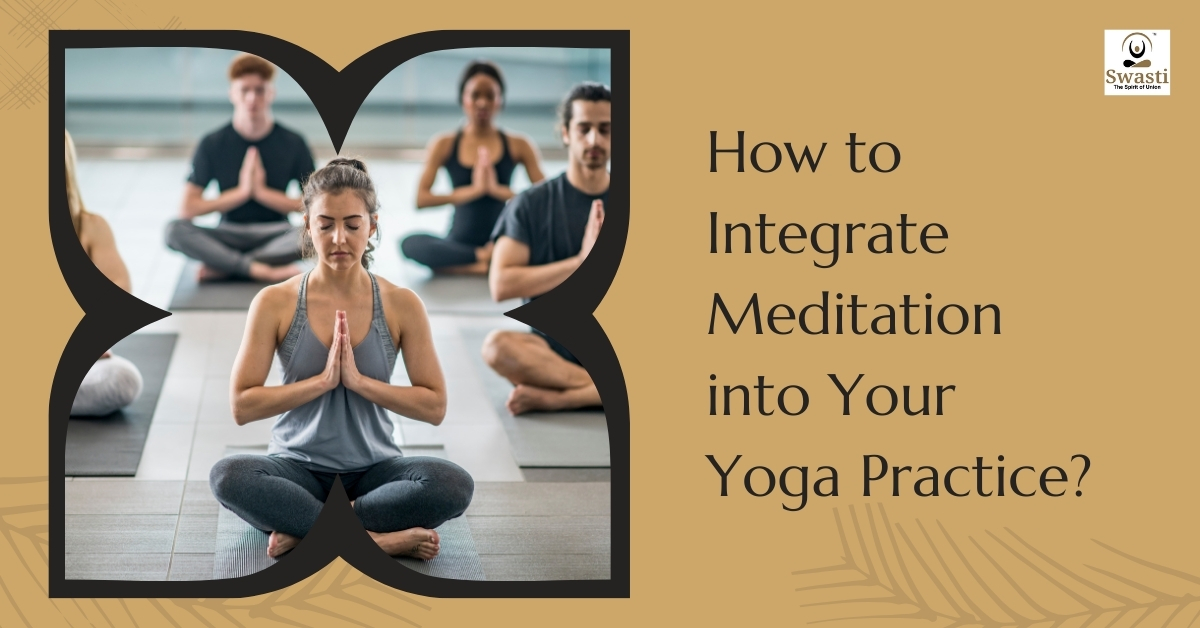
Yoga and meditation are both incredibly powerful practices that have been used for centuries to enhance physical, mental, and spiritual well-being. While yoga focuses on the body through physical postures and breath control, meditation centers the mind, helping to achieve inner peace and clarity. When combined, these two practices create a holistic approach to wellness that can transform your life. In this blog, we will explore how you can integrate meditation into your yoga practice to experience deeper relaxation, focus, and mindfulness. Understanding the Basics of Yoga and Meditation Before we delve into the integration of these practices, letโ€™s first understand what each one entails. What is Yoga? Yoga is an ancient practice that combines physical postures (asanas), breath control (pranayama), and meditation to promote physical health, mental clarity, and emotional balance. The physical aspect of yoga focuses on strength, flexibility, and alignment, while the breathwork enhances the flow of energy throughout the body. Yoga can also lead to spiritual growth, helping individuals connect with their higher selves. What is Meditation? Meditation is a practice that involves focusing the mind to achieve a state of deep relaxation and heightened awareness. The goal is to quiet the mental chatter and achieve clarity, peace, and a sense of mindfulness. Meditation can take many forms, such as focusing on the breath, chanting mantras, or visualizing peaceful imagery. You may like to read: What Is Meditation and Why Does It Matter? The Synergy Between Yoga and Meditation While yoga primarily focuses on the body, meditation works with the mind. Together, they complement each other perfectly. Yoga prepares the body, making it more flexible and open, allowing you to sit in meditation for longer periods with greater comfort. Meditation, on the other hand, calms the mind, helping you focus on the present moment and deepen your yoga practice. The combination of both practices creates a powerful tool for achieving balance, health, and overall well-being. Benefits of Integrating Meditation into Yoga Practice Integrating meditation into your yoga routine brings many advantages. Here are some of the key benefits: 1. Enhanced Mindfulness One of the most significant benefits of combining yoga and meditation is the increased mindfulness that it fosters. Yoga helps you become more aware of your body and breath, while meditation trains you to be present with your thoughts and emotions. Together, these practices create a heightened awareness of your mind-body connection, allowing you to be more in tune with your physical and emotional states. 2. Improved Focus Yoga postures require concentration and focus on your breath and body movements. When you integrate meditation into your practice, this focus becomes more refined. Meditation trains the mind to stay focused, which translates into improved concentration during your yoga practice. This focused energy can carry over into your daily life, helping you to stay present and effective in everything you do. 3. Stress Relief Both yoga and meditation are known for their stress-relieving properties. Yoga works on the physical body, releasing tension from muscles, while meditation calms the mind and promotes relaxation. By integrating meditation into your yoga practice, you create a full-body and mind relaxation experience that reduces stress and encourages a sense of peace and tranquility. 4. Spiritual Growth Yoga and meditation both have spiritual components that go beyond just the physical and mental benefits. While yoga helps align the body with the mind, meditation encourages introspection and connection to your inner self. Together, they provide a pathway for spiritual growth, helping you to cultivate a deeper sense of meaning and purpose in life. How to Incorporate Meditation into Your Yoga Routine? Now that weโ€™ve covered the benefits, letโ€™s explore how you can start integrating meditation into your yoga practice. Here are some practical steps to help you get started: 1. Start with Breath Awareness Breath awareness is the foundation of both yoga and meditation. Begin your yoga practice with a few minutes of mindful breathing to calm your mind and prepare your body for movement. Focus on your breath as you inhale and exhale, noticing how it feels as it moves through your body. This simple practice sets the stage for a deeper connection to both your body and mind throughout your entire session. 2. Introduce Short Meditation Sessions You donโ€™t have to wait until the end of your practice to meditate. Try incorporating short meditation sessions between your yoga postures. For example, after completing a series of asanas, take a moment to sit quietly and focus on your breath for a minute or two. This can help reset your mind and prepare you for the next sequence of poses. 3. Incorporate Mantras or Affirmations Mantras or affirmations are powerful tools that can help you focus your mind and create a sense of inner peace. During your yoga practice, you can silently repeat a mantra, such as โ€œI am calmโ€ or โ€œI am strong,โ€ to stay focused. Similarly, you can incorporate affirmations while meditating to reinforce positive thoughts and intentions. 4. End with Guided Meditation or Savasana After completing your yoga practice, itโ€™s a great idea to end with a short meditation or deep relaxation session. Savasana, or corpse pose, is typically used to relax the body at the end of a yoga session, but it can also serve as a meditation practice. You can either meditate on your own or listen to a guided meditation. This final meditation helps to consolidate the benefits of your practice and brings a sense of completeness to your session. 5. Focus on Present Moment Awareness Throughout both your yoga and meditation practice, make an effort to stay present in the moment. Focus on your breath, the sensations in your body, and the thoughts in your mind without judgment. This will deepen your awareness and create a more meaningful practice. The more you practice mindfulness in yoga and meditation, the more you will carry this awareness into your everyday life. Tips for a Successful Integration Integrating meditation into your yoga practice can be a gradual process, and

Read More ยป
Yoga for Busy Moms Quick Routines to Recharge and Relax

Yoga for Busy Moms: Quick Routines to Recharge and Relax

Being a mom is one of the most rewarding yet challenging roles. Between managing family responsibilities, work commitments, and daily errands, itโ€™s easy for self-care to take a back seat. But amidst the chaos, one powerful tool that can help busy moms stay balanced and rejuvenated is yoga. Yoga is not only about flexibility and strengthโ€”itโ€™s also about calming the mind, reducing stress, and recharging your energy. In this blog, we will explore some quick and effective yoga routines that busy moms can do to recharge and relax, even with the busiest of schedules. The Benefits of Yoga for Busy Moms Yoga offers many benefits that can make a world of difference for busy moms who are constantly on the go. Whether youโ€™re looking for physical relief or mental clarity, yoga can support you. Stress Relief One of the most immediate benefits of yoga is its ability to relieve stress. The practice encourages deep breathing and mindfulness, which help calm the nervous system and reduce anxiety. As a busy mom, taking a few minutes for yoga daily can make a big difference in handling stress. Physical Benefits Yoga can also improve your physical health in many ways. It helps increase flexibility, strengthen muscles, and improve posture. For moms who spend a lot of time carrying children or sitting at a desk, yoga can alleviate back and neck pain, and improve overall body alignment. Emotional Balance In addition to physical benefits, yoga also helps nurture emotional well-being. It teaches you how to be present in the moment, which can be incredibly grounding for moms who are juggling multiple tasks. Yoga promotes mental clarity, allowing you to approach challenges with a calmer, more focused mindset. Convenience One of the most attractive aspects of yoga is that it doesnโ€™t require much time or special equipment. A few minutes on a mat is all you need to start feeling the benefits. This makes yoga a perfect choice for busy moms looking for a quick and effective way to take care of themselves. Tips for Making Time for Yoga as a Busy Mom As a busy mom, finding time for yoga may seem challenging, but with a few adjustments, it can become an easy part of your routine. Incorporating Yoga Into Your Daily Routine Yoga doesnโ€™t have to be a long practice to be effective. Short sessions can be just as beneficial. Try incorporating yoga into your daily routine during your kids’ nap time, before bed, or even while your children play. You donโ€™t need hours to feel rejuvenatedโ€”5 to 10 minutes can do wonders. Creating a Simple Yoga Space at Home You donโ€™t need a fancy studio to practice yoga. Set aside a small area in your home to roll out a mat and stretch. It could be in the living room, bedroom, or kitchenโ€”wherever you can find peace for a few minutes. Setting Realistic Expectations As a busy mom, itโ€™s important to set realistic expectations. Donโ€™t pressure yourself to have long yoga sessions every day. Instead, focus on short, consistent sessions. Even a quick 5-minute practice can significantly impact your mood and energy levels. Quick Yoga Routines for Busy Moms Now that weโ€™ve covered the benefits of yoga and how to fit it into your schedule, letโ€™s dive into some quick and effective yoga routines for busy moms. These routines can be done in just a few minutes and will help you recharge and relax. Routine 1: Morning Wake-Up Flow (5-7 minutes) Start your day with a short yoga flow to wake up your body and mind. Cat-Cow Pose (Marjaryasana-Bitilasana) โ€“ Begin on your hands and knees, alternating between arching and rounding your back. This will gently wake up your spine and release any tension. Downward Dog (Adho Mukha Svanasana) โ€“ From all fours, lift your hips up and back, forming an inverted โ€œVโ€ shape. This pose stretches your back, hamstrings, and calves while energizing your body. Childโ€™s Pose (Balasana) โ€“ Sit back on your heels and fold forward, resting your forehead on the ground. This calming pose stretches your lower back and hips, helping you feel grounded and centered. Routine 2: Midday Recharge (5-10 minutes) A quick midday session can help you reset and stay energized for the rest of your day. Seated Forward Fold (Paschimottanasana) โ€“ Sit with your legs extended, and slowly fold forward, reaching for your feet. This pose stretches your hamstrings, relaxes your body, and helps calm your mind. Standing Forward Bend (Uttanasana) โ€“ From standing, fold forward with your knees slightly bent. Let your head hang and feel your legs and lower back stretch. This pose helps release tension and stress. Neck and Shoulder Stretch โ€“ Sit or stand tall and gently tilt your head to one side, holding for a few breaths. Repeat on the other side. This stretch helps relieve tension in your neck and shoulders, especially from sitting at a desk or carrying children. Routine 3: Evening Relaxation (5-10 minutes) Use these poses to unwind after a long day and prepare your body for rest. Legs Up the Wall (Viparita Karani) โ€“ Sit with your side against a wall, then lie back and extend your legs up against the wall. This pose promotes relaxation, reduces swelling, and calms the nervous system. Seated Twist (Ardha Matsyendrasana) โ€“ Sit with one leg extended and the other crossed over. Twist your torso gently toward the bent knee, lengthening your spine. This pose helps release tension in the spine and shoulders. Savasana (Corpse Pose) โ€“ Lie on your back with your arms at your sides and your legs extended. Close your eyes and breathe deeply. This final relaxation pose helps calm your mind and promote deep rest. Tips for Maximizing Your Yoga Practice as a Busy Mom Focus on Your Breath Incorporating deep breathing into your yoga practice can help you relax more deeply. Take a few deep breaths before starting each pose and continue focusing on your breath throughout the session. This will enhance your yoga

Read More ยป
How Yoga Can Help Arthritis Patients

How Yoga Can Help Arthritis Patients?

Arthritis is a condition that affects millions of people around the world, causing pain and stiffness in the joints. Whether itโ€™s osteoarthritis, rheumatoid arthritis, or any other form, the impact on daily life can be profound. From difficulty in walking to struggles with daily tasks, arthritis can significantly reduce mobility and quality of life. But thereโ€™s hopeโ€”yoga has proven to be a powerful tool in alleviating symptoms and improving mobility for arthritis patients. This blog will explore how yoga can help arthritis patients manage pain, improve joint function, and boost overall well-being. Understanding Arthritis and Its Challenges Arthritis is an umbrella term for over 100 conditions that affect the joints, causing inflammation, pain, and stiffness. The two most common types of arthritis are osteoarthritis (OA) and rheumatoid arthritis (RA). Types of Arthritis: Osteoarthritis (OA) – Osteoarthritis is the most prevalent form of arthritis and occurs due to the gradual breakdown of cartilage in the joints. This condition typically affects the knees, hips, hands, and spine, leading to stiffness, swelling, and pain. The discomfort often worsens with activity but can improve with gentle movement and stretching. Rheumatoid Arthritis (RA) – Rheumatoid arthritis is an autoimmune disorder where the immune system mistakenly attacks the lining of the joints, causing inflammation, pain, and even deformities over time. Unlike osteoarthritis, RA can affect multiple joints simultaneously and may also impact other organs, such as the heart and lungs. How does Arthritis Affect Joints and Movement? In both OA and RA, the joints experience pain and swelling, which makes movement difficult. Arthritis often leads to reduced range of motion, causing stiffness in the affected areas, and muscle weakness around the joints as they become less used. Limitations Arthritis Patients Face: Physical activities that many of us take for granted become challenging for arthritis patients. Walking, bending, or even lifting can be painful. As a result, patients may reduce their physical activity, which can further weaken muscles and decrease mobility, leading to a cycle of discomfort. Benefits of Yoga for Arthritis Patients Yoga is a holistic practice that focuses on gentle movement, breathing techniques, and mindfulness. It offers a comprehensive approach to pain management and mobility improvement. For arthritis patients, yoga provides numerous benefits: 1. Improves Flexibility & Joint Mobility Yoga gently stretches the body, which helps to improve flexibility. The practice can help loosen stiff joints and increase the range of motion, which is especially beneficial for those with arthritis. 2. Reduces Pain & Stiffness Certain yoga poses can help alleviate pain by improving circulation and reducing muscle tension. The practice of yoga also triggers the release of endorphins, the bodyโ€™s natural pain relievers. 3. Strengthens Muscles Around Joints Yoga helps to strengthen the muscles around the affected joints. Strengthening the muscles provides more support to the joints, reducing the load on them and potentially alleviating some of the pain caused by arthritis. 4. Enhances Balance & Coordination As arthritis can affect the lower body, balance and stability can become a challenge. Yoga poses that focus on balance help arthritis patients improve their stability, reducing the risk of falls. 5. Promotes Relaxation & Stress Reduction Chronic pain can lead to stress, and stress can make pain worse. Yoga incorporates deep breathing and mindfulness techniques that promote relaxation, helping to reduce stress levels and improving the overall quality of life. 6. Boosts Circulation & Reduces Inflammation Yoga improves circulation throughout the body, which can help reduce inflammation in the joints. It also supports the lymphatic system, aiding in the removal of toxins and promoting better health. Best Yoga Poses for Arthritis Relief When practicing yoga for arthritis, itโ€™s essential to focus on gentle, low-impact poses that donโ€™t strain the joints. Here are some effective yoga poses to help with arthritis relief: Gentle Stretches: Childโ€™s Pose: This restful pose gently stretches the back, hips, and knees, providing relief for stiff joints. Cat-Cow Stretch: This movement involves alternating between arching and rounding the spine, which helps improve mobility in the spine and neck. Low-Impact Strengthening Poses: Warrior II: This standing pose strengthens the legs and hips while improving balance. Bridge Pose: Helps strengthen the lower back, hips, and thighs, offering support to the knees and improving flexibility. Flexibility-Enhancing Poses: Seated Forward Bend: This pose gently stretches the back and legs, helping to release tension in the spine and hamstrings. Butterfly Pose helps open the hips and stretch the inner thighs, providing relief for lower body stiffness. Balance & Stability Poses: Tree Pose: This pose enhances balance and strengthens the legs, which is helpful for arthritis patients with mobility challenges. Chair Pose: Helps strengthen the legs and lower body, promoting stability and balance. Breathing & Relaxation Techniques: Pranayama: Deep breathing exercises help to relax the body and mind, reducing stress and enhancing overall well-being. Meditation: Meditation helps arthritis patients to focus on the present moment, reducing stress and pain perception. Yoga Modifications & Safety Tips for Arthritis Patients While yoga can be highly beneficial, itโ€™s important to practice safely. Here are some modifications and tips to ensure a safe practice for arthritis patients: 1. Using Props: Props such as blocks, straps, and chairs can help modify poses, making them more accessible for those with arthritis. For example, using a block under the hands during a forward bend can reduce strain on the wrists and shoulders. 2. Slow and Mindful Movements: Yoga should always be practiced slowly and mindfully. Focus on gentle movements, and donโ€™t push your body to its limits. Pay attention to how each pose feels and avoid any sharp pain. 3. Avoiding High-Impact Poses: Certain poses, such as deep squats or high-impact movements, should be avoided as they can strain the joints. Stick to low-impact poses that promote flexibility and strength without causing strain. 4. Listening to Your Body: Always listen to your body. If a pose feels uncomfortable or painful, stop immediately and modify the movement. Itโ€™s important not to force yourself into any position that doesnโ€™t feel right. 5. Consulting a Healthcare Provider: Before

Read More ยป
Why Every Parent Should Know About Suvarnaprashan Benefits for Kids?

Why Every Parent Should Know About Suvarnaprashan Benefits for Kids?

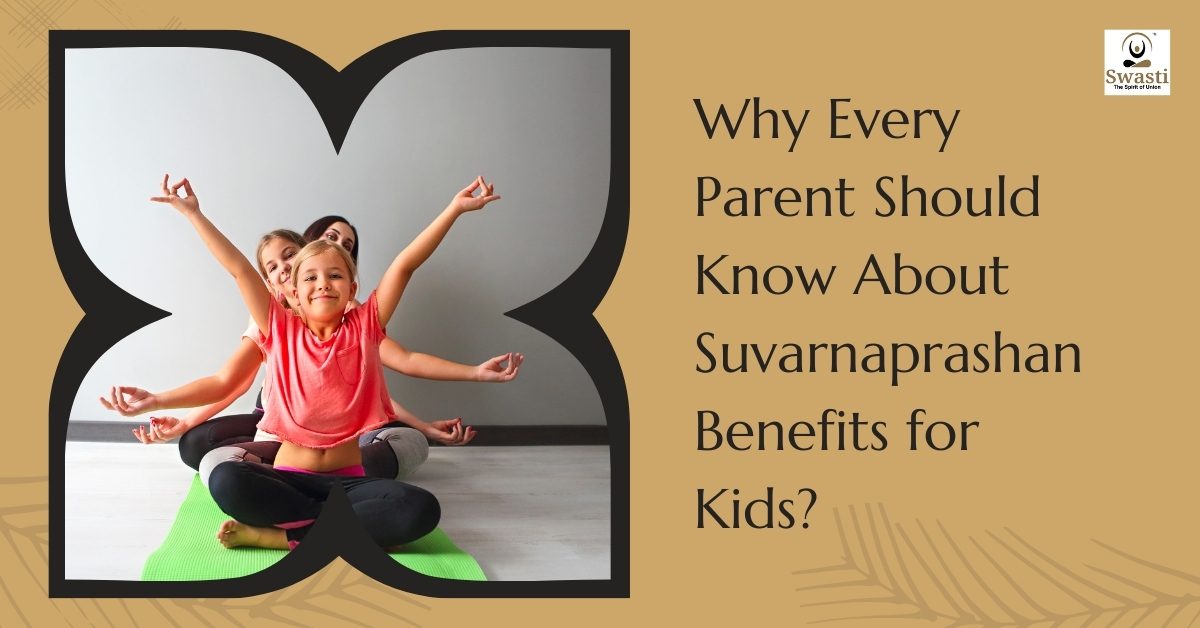
As parents, we are always searching for the best ways to enhance the growth, development, and overall well-being of our children. Among the many ancient practices, Suvarnaprashan stands out as an incredibly powerful Ayurvedic remedy with a range of benefits for kids. If youโ€™re not already familiar with it, youโ€™re about to discover why Suvarnaprashan should be on your radar. In this blog, weโ€™ll explore the key benefits of Suvarnaprashan, how it supports your childโ€™s health, and why every parent should consider it as part of their wellness toolkit. What Is Suvarnaprashan? Suvarnaprashan is a traditional Ayurvedic practice that involves administering a mixture of gold, herbs, and medicinal oils to children. It has been used for centuries in Ayurveda as a means to boost a child’s immunity, promote mental development, and support overall growth. The term “Suvarna” refers to gold, and “Prashan” means administering. In essence, Suvarnaprashan is a powerful formulation designed to enhance a childโ€™s health and development. The preparation of Suvarnaprashan includes gold particles (in the form of gold bhasma), ghee, and various herbal ingredients that are carefully selected for their health-promoting properties. Each of these ingredients has specific benefits that work synergistically to support your childโ€™s physical and mental well-being. The Incredible Benefits of Suvarnaprashan for Kids Suvarnaprashan offers a wide range of health benefits for children, making it a valuable addition to their wellness regimen. Letโ€™s dive deeper into some of the key benefits: Boosts Immunity and Physical Health One of the primary reasons Suvarnaprashan is so beneficial for children is its ability to strengthen the immune system. The herbal ingredients in Suvarnaprashan work to detoxify the body, purify the blood, and improve the functioning of vital organs. This makes it an excellent natural remedy to help children fight off infections, build resistance against common illnesses, and maintain overall health. Supports Mental and Cognitive Development Suvarnaprashan has a profound impact on a childโ€™s cognitive development. The gold particles used in the preparation are believed to enhance brain function, improve memory, and increase concentration. Regular administration of Suvarnaprashan can help children sharpen their mental faculties, improve focus, and even boost creativity. This can be especially beneficial during their formative years when their cognitive abilities are rapidly developing. Enhances Learning Abilities For growing children, learning is an essential part of their daily life. Suvarnaprashan helps in improving their learning abilities by stimulating the brain and increasing the capacity for retaining information. It also promotes clarity of thought and sharpens the intellect, which helps children perform better in their academic pursuits. Promotes Emotional Balance and Well-being Emotional development is as important as physical growth for children. Suvarnaprashan has calming properties that help regulate mood and emotions. It can reduce anxiety, stress, and irritability, helping children feel more balanced and content. A calmer, more focused child is better equipped to handle challenges, making them more resilient in their personal and academic lives. Improves Digestion and Metabolism Suvarnaprashan has been traditionally known for its digestive benefits. The herbs used in the mixture are known to improve digestion, enhance the appetite, and regulate the metabolism. Proper digestion is essential for overall health, as it ensures that nutrients are absorbed efficiently and waste is eliminated effectively from the body. A healthy digestive system leads to improved energy levels and overall vitality. The Right Time and Dosage for Suvarnaprashan While Suvarnaprashan is a powerful supplement, itโ€™s important to know when and how to administer it for maximum benefit. Generally, Suvarnaprashan is recommended for children aged 1 to 16 years, with the dosage typically varying according to the childโ€™s age and health needs. Recommended Age and Frequency The best time to start Suvarnaprashan is during the early childhood years, around the age of 1 to 3. However, it can be continued until the child reaches adolescence. The dosage is usually given once a month, but it can be administered more frequently during certain seasons, like the change of weather or in times of illness, to provide extra immunity support. Consultation with a Qualified Ayurvedic Practitioner Itโ€™s important to consult a qualified Ayurvedic practitioner before starting Suvarnaprashan, especially to determine the correct dosage based on your childโ€™s age, weight, and health condition. While it is generally considered safe, professional guidance ensures that your child receives the appropriate benefits without any adverse effects. How Suvarnaprashan Aligns with Holistic Wellness Practices Suvarnaprashan is not just about administering a remedy โ€“ itโ€™s about embracing a holistic approach to your childโ€™s overall well-being. When combined with other lifestyle practices like yoga, Suvarnaprashan can work even more effectively to promote long-term health. The Complementary Role of Yoga Incorporating yoga into your childโ€™s daily routine can amplify the benefits of Suvarnaprashan. Yoga is known for its ability to improve flexibility, build strength, and support mental clarity. When combined with the health-boosting effects of Suvarnaprashan, yoga provides a balanced, holistic approach to your childโ€™s health. Yoga also enhances concentration and emotional regulation, which aligns perfectly with the cognitive and emotional benefits of Suvarnaprashan. If you are already considering Suvarnaprashan for your child, why not take it a step further by enrolling them in yoga classes? Why Parents Should Enroll Their Kids in Yoga Classes at Swasti Yoga Center At Swasti Yoga Center, we understand the importance of nurturing a childโ€™s body and mind holistically. Thatโ€™s why we offer specialized Kid’s Yoga Classes designed to support physical fitness, emotional well-being, and mental focus. Yoga for kids is not just about postures; itโ€™s about creating a positive, mindful experience that helps children develop strong bodies, sharp minds, and balanced emotions. Benefits of Kids Yoga Classes at Swasti Yoga Center: Physical Strength and Flexibility: Our kidsโ€™ yoga classes are designed to improve physical strength, flexibility, and coordination in a fun, engaging way. Focus and Concentration: Through breathing exercises and mindful movements, kids develop better concentration, helping them excel in school and other activities. Emotional Balance: Yoga teaches children how to manage stress, reduce anxiety, and regulate their emotions, making them more resilient and balanced in

Read More ยป

Add Yoga To Retain The Beauty Of Body And Mind

Vitae aliquam porta sed augue consectetuer. Parturient posuere sed habitasse quisque malesuada platea. Dis suspendisse integer ut facilisis maximus mus.