๐Ÿ‡ฎ๐Ÿ‡ณ India | ๐Ÿ‡บ๐Ÿ‡ธ USA | ๐Ÿ‡ซ๐Ÿ‡ท France | ๐Ÿ‡ฒ๐Ÿ‡ฝ Mexico | ๐Ÿ‡ฆ๐Ÿ‡ช UAE

๐Ÿ‡ฎ๐Ÿ‡ณ India | ๐Ÿ‡บ๐Ÿ‡ธ USA | ๐Ÿ‡ซ๐Ÿ‡ท France | ๐Ÿ‡ฒ๐Ÿ‡ฝ Mexico | ๐Ÿ‡ฆ๐Ÿ‡ช UAE

Blog

News & Articles

Revitalize Your Well-being

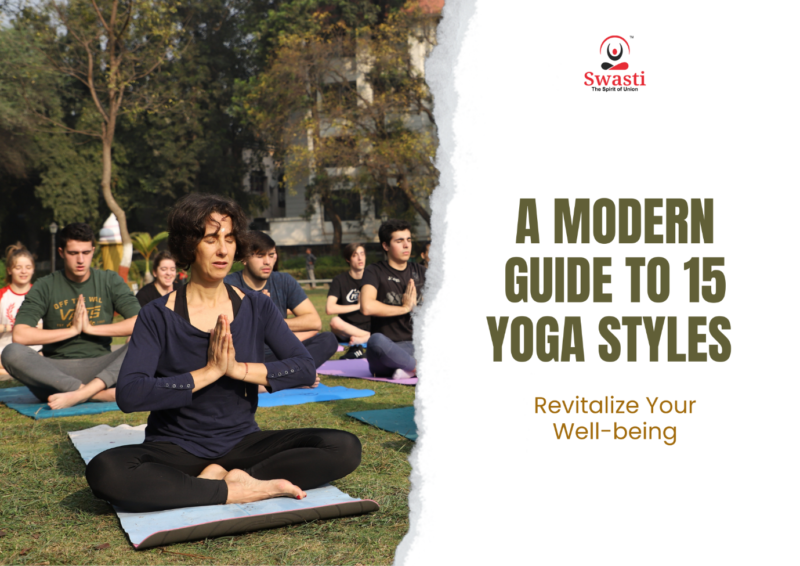
Revitalize Your Well-being A Modern Guide to 15 Yoga Styles and Their Health Transformations

In the dance of life, finding a rhythm that resonates with your inner being is essential. Enter the ancient practice of yoga โ€“ a symphony of body, mind, and spirit. While most are familiar with the physical aspects of yoga, there’s a rich tapestry of diverse styles, each weaving its unique magic into the fabric of well-being. ย  Karma Yoga – The Yoga of Selfless Action: Embrace the power of giving without expectation. Karma yoga teaches that selfless service not only benefits others but also harmonizes the mind, fostering a sense of purpose. ย  Bhakti Yoga – The Yoga of Devotion: Connect with the divine through devotion. Bhakti yoga cultivates love, surrender, and faith, leading to emotional balance and a heightened sense of spirituality. ย  Dnyan Yoga – The Yoga of Knowledge: Exercise your intellect and expand your consciousness. Dnyan yoga encourages the pursuit of wisdom, fostering mental clarity, and awakening the dormant potential of the mind. ย  Raj Yoga – The Royal Path: Embark on a journey of self-discovery. Raj yoga, also known as the path of meditation, focuses on calming the mind through meditation techniques, leading to profound inner peace. ย  Ashtanga Yoga – Eight-Limbed Path: Discipline meets spirituality. Ashtanga yoga is a dynamic practice that synchronizes breath with movement, promoting physical strength, flexibility, and mental focus. ย  Mantra Yoga – The Yoga of Sound: Harness the power of sound vibrations. Mantra yoga uses chanting and repetition to stimulate energy centers, promoting healing and spiritual awakening. ย  Kriya Yoga – The Yoga of Action: Elevate your consciousness through specific actions. Kriya yoga incorporates breath control and meditation techniques to purify the mind and body. ย  Hatha Yoga – The Balance of Opposites: Ground yourself in the fundamentals. Hatha yoga emphasizes physical postures and breath control, promoting overall well-being and balance. ย  Dhyan Yoga – The Yoga of Meditation: Silence the mind, find the stillness within. Dhyan yoga focuses on meditation, unlocking a profound sense of awareness and inner peace. ย  Chair Yoga – Seated Serenity: Adapt yoga for all abilities. Chair yoga brings the benefits of traditional poses to those with mobility challenges, enhancing strength and flexibility. ย  Aqua Yoga – Fluid Tranquility: Harmonize body and water. Aqua yoga, performed in water, combines the benefits of yoga with the soothing properties of aquatic environments. ย  Bal Yoga – Nurturing Young Spirits: Plant the seeds of mindfulness early. Bal yoga introduces children to the joy of movement, enhancing focus, flexibility, and emotional well-being. ย  Vruddha Yoga – Gentle Wisdom for Seniors: Embrace the golden years with grace. Vruddha yoga caters to the unique needs of seniors, promoting flexibility, balance, and overall vitality. ย  Yoga Therapy – Tailored Healing: Heal holistically with yoga therapy. This personalized approach addresses specific health concerns, combining yoga practices with medical knowledge for optimal well-being. ย  Matru Yoga – Nurturing the Mother: Embrace the transformative journey of motherhood. Matru yoga offers a nurturing space for pregnant women, promoting physical well-being and emotional balance. ย  As you explore these diverse paths of yoga, remember that each one is a gateway to self-discovery and well-being. Whether you seek physical strength, mental clarity, or spiritual awakening, there’s a yoga practice waiting to resonate with the unique symphony of your being. Dive in, breathe deep, and let the journey unfold on the mat and beyond.

Read More ยป
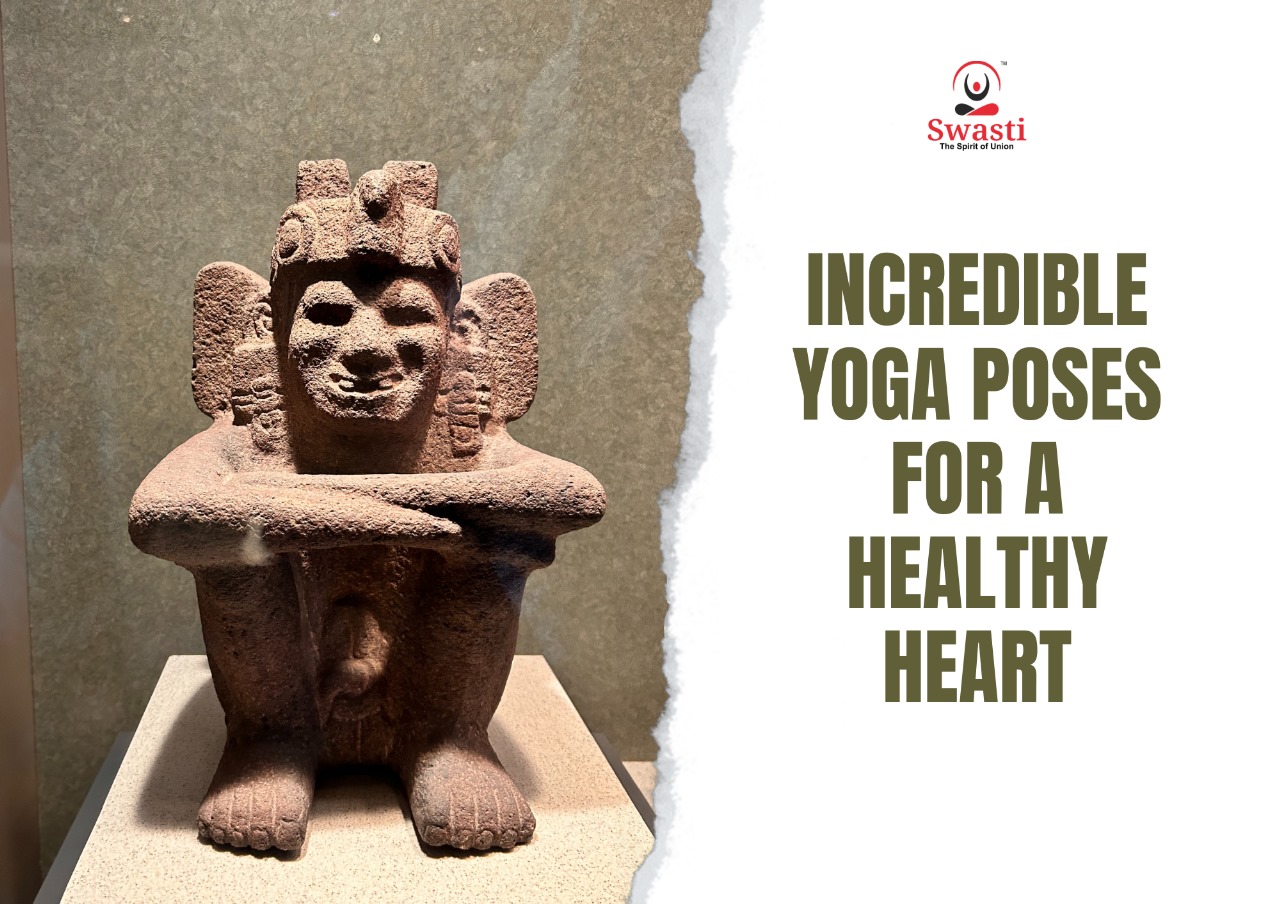
Heartful Asanas- 9 Incredible Yoga Poses for a Healthy Heart

Heartful Asanas: 9 Incredible Yoga Poses for a Healthy Heart

In the symphony of wellness, your heart plays a vital melody. Beyond its physical beats, it holds the key to a harmonious life. Explore the transformative world of yoga poses that not only stretch and strengthen but also keep your heart in tune with well-being. Let’s dive into these incredible asanas and embrace a heart-healthy journey without breaking a sweat. Mountain Pose (Tadasana): Stand tall, grounded, and connect with the earth. This foundational pose improves posture, circulation, and awareness โ€“ essential elements for a healthy heart. Downward-Facing Dog (Adho Mukha Svanasana): Stretch your entire body and encourage blood flow to the heart. This pose enhances flexibility, strengthens the core, and provides a refreshing boost to your cardiovascular system. Upward-Facing Dog (Urdhva Mukha Svanasana): Open your chest and lungs, invigorating the heart. This backbend improves posture, respiratory capacity, and stimulates the cardiovascular system. Tree Pose (Vrikshasana): Root down and find balance, promoting stability and concentration. Tree pose enhances circulation and encourages a steady flow of energy, benefitting your heart. Bridge Pose (Setu Bandhasana): Lift your heart towards the sky. Bridge pose strengthens the heart muscles, improves circulation, and relieves stress โ€“ a perfect blend for cardiovascular health. Seated Forward Bend (Paschimottanasana): Fold forward and calm the mind. This pose aids digestion, reduces stress, and indirectly supports heart health by promoting overall well-being. Fish Pose (Matsyasana): Open your heart and throat chakra. Fish pose not only stretches the chest and neck but also stimulates the organs, supporting heart health and respiratory function. Viparita Karani (Legs Up the Wall Pose): Invert and let gravity work its magic. This restorative pose enhances circulation, relieves tension, and promotes a sense of calmโ€”an ideal addition for heart health. Malasana (Garland Pose): Embrace a deep squat and connect with the earth. Malasana strengthens the lower back, improves digestion, and encourages a healthy heart rate. Incorporating these yoga poses into your routine can be a gentle yet powerful way to prioritize your heart health. Remember, it’s not just about the physical postures but the mindful connection to your breath and body. As you flow through these asanas, let the heartbeat of your practice resonate with the rhythm of a healthy heart. Your journey to cardiovascular well-being begins on the mat โ€“ embrace it with open arms.

Read More ยป
The Sanskrit Effect- Healing Powers of Ancient Language for Optimal Health and Wellbeing

The Sanskrit Effect: Healing Powers of Ancient Language for Optimal Health and Wellbeing

In the realm of holistic wellness, the influence of language on our health and mental wellbeing is a concept often overlooked. However, delving into the intricacies of ancient tongues like Sanskrit which is dying reveals a profound connection between language, health, consciousness, and overall vitality. 1. Vibrational Healing: Sanskrit, with its precise pronunciation and unique phonetic structure, emits powerful vibrations. These vibrations resonate with the body’s energy centers, or chakras, promoting balance and harmony. Chanting Sanskrit mantras or practicing yogic chants enhances the vibrational frequency within, fostering a sense of calm, reducing stress, and promoting emotional stability. 2. Stress Reduction and Mental Clarity: The rhythmic recitation of Sanskrit mantras has a calming effect on the mind. Regular practice of OM chanting has been linked to reduced stress levels and improved mental clarity. 3. Enhanced Mind-Body Connection: Sanskrit, being the language of yoga and meditation, strengthens the mind-body connection improving HPA axis in neuroendocrine system. When practitioners engage with Sanskrit terminology during yoga practice, it deepens the awareness of body movements and breath, fosters better body alignment, flexibility, and overall physical health. 4. Cognitive Benefits and Brain Health: Studies suggest that learning new languages can boost brain health. Sanskrit, with its complex structure and grammar, challenges the brain, promoting neural plasticity and cognitive agility. Engaging with Sanskrit exercises the brain, potentially delaying age-related cognitive decline and enhancing overall cognitive function. 5. Positive Affirmation and Self-empowerment: Sanskrit mantras often carry profound meanings, imbuing them with the power of positive affirmation. Regular chanting of these mantras instills a sense of self-empowerment, confidence, and inner strength. The practice encourages a positive mindset, promoting mental resilience, and fostering a strong sense of self-worth, all of which are vital components of overall wellbeing. Conclusion: “The Sanskrit Effect” transcends linguistic boundaries, delving deep into the realms of physical, mental, and spiritual wellness. By embracing the ancient language of Sanskrit, we embark on a transformative journey toward optimal health, vitality, and profound wellbeing. Embrace the Sanskrit Effect, and witness the transformative power of ancient language unfold in your life.

Read More ยป
How to Choose the Right Yoga Teacher Training for You

How to Choose the Right Yoga Teacher Training for You?

If you’re considering becoming a yoga teacher, one of the first steps is to find a yoga teacher training program that aligns with your goals and passions. The right program can unlock your potential as a yoga teacher, providing you with the knowledge and skills to lead safe and effective yoga classes. In this article, we’ll explore the key factors to consider when choosing a yoga teacher training program, as well as the benefits of becoming a certified yoga teacher. Yoga teacher training programs are designed to provide aspiring yoga teachers with the education, training, and certification they need to teach yoga classes. These programs range in length, location, and curriculum, and it’s important to find a program that fits your individual needs and preferences. Whether you’re looking to deepen your personal practice, advance your career, or share your passion for yoga with others, a yoga teacher training program can be an incredibly rewarding experience. Keep reading to learn more about choosing the right yoga teacher training program for you. Factors to consider when choosing a Yoga Teacher Training When choosing a yoga teacher training program, it’s important to consider a variety of factors to ensure that you find the best fit for your needs. Here are some key factors to keep in mind: Curriculum The curriculum of a yoga training program can vary widely, so it’s important to choose one that aligns with your interests and career goals. Look for a program that covers topics such as yoga philosophy, anatomy, teaching methodology, and practical teaching experience. Teaching Style There are many different styles of yoga, and each teacher has their own unique approach. It’s important to choose a program with a teaching style that resonates with you and matches your personal goals and interests. Credentials of Instructors Make sure that the instructors leading the program have the necessary credentials and experience to provide you with quality training. Look for instructors who are registered yoga teachers with extensive experience teaching and practicing yoga. Duration of the Program The duration of yoga training programs can range from a few weeks to several months. Consider your personal schedule and commitments to choose a program that fits your availability and learning style. Accreditation Choosing an accredited yoga teacher training program ensures that you receive quality education and are recognized as a certified yoga teacher upon completion. Look for programs that are accredited by nationally recognized accreditation bodies. Location and Cost Consider the location and cost of the program when making your choice. Look for programs that are conveniently located and that fit within your budget, while still providing quality training. Types of Yoga Teacher Training Programs Yoga teacher training programs come in a variety of formats, each with its unique advantages and disadvantages depending on your individual needs and circumstances. Here are three types of yoga teacher training programs you may want to consider: Intensive In-Person Programs Intensive in-person programs involve an immersive experience where you spend several weeks or months in a physical location. These programs typically require full-time dedication, and you will be expected to attend lengthy daily classes. Intensive programs offer an intimate and supportive environment that allows you to develop deep connections with your teachers and fellow students. The key benefits of an intensive in-person program include: Hands-on and personalized training Opportunities for personal growth and transformation An immersive experience with fellow students and teachers Keep in mind that intensive programs can be challenging and require significant discipline and dedication. They can also be expensive, as you will have to cover the cost of tuition, travel, and accommodation. Online Programs Online teacher training programs are perfect for those who can’t attend in-person classes due to time or geographical constraints. With online yoga teacher training, you can complete the course at your own pace and from the comfort of your home. Online training is often more affordable than in-person programs, and you have access to a wider range of courses and instructors. The main benefits of online yoga teacher training include: The flexibility to learn at your own pace and convenience Lower costs compared to in-person programs Access to a wide range of courses and instructors Specialized Courses In addition to traditional 200-hour programs, specialized yoga teacher training courses are available for those who want to expand their skills and knowledge in a specific area of yoga. These courses may focus on topics such as restorative yoga, prenatal yoga, or yoga for athletes. Some benefits of specialized courses include: Opportunities to deepen your knowledge in a particular area of interest The ability to tailor your training to your specific needs and goals Networking opportunities with like-minded individuals Keep in mind that specialized courses may not be sufficient to meet the requirements for yoga certification. However, they can provide valuable supplementary training for certified yoga teachers. Before selecting a specific training program, it’s essential to evaluate your learning style, goals, and availability. Our Program Coordinator can guide you in identifying courses that align with your strengths and learning skills, ensuring the best fit for your career aspirations. Choosing the Right Yoga School Choosing the right yoga school is a crucial decision when embarking on a yoga teacher training program. The school you select will shape your entire learning experience, so it’s important to carefully consider your options. Here are some factors to keep in mind when choosing a yoga school: Reputation: Look for schools with a good reputation. Do they have positive reviews from past students? Are they accredited by a reputable organization? Location: Consider the location of the school. Do you prefer a local or distant yoga school? Do you want to study in an urban or rural setting? Facilities: Assess the learning environment. Is the school equipped with suitable facilities, such as a yoga studio, props, and classrooms? Teachers: Take a look at the yoga teacher training schoolโ€™s faculty. What are their qualifications and teaching experience? Do they have a teaching style that resonates with you? Additional Resources:

Read More ยป
Embracing Yoga Philosophy: 5 Tips for Travelers

Embracing Yoga Philosophy: 5 Tips for Travelers

In a world filled with diverse cultures and traditions, yoga offers a universal path to connecting with others and fostering understanding. The philosophy of yoga transcends physical postures; it’s a way of life that promotes sustainability, productivity, and meaningful engagement, especially for travelers. Dr. Vikas Chothe and Dr. Shwetambari Chothe, the founders of Swasti Yoga Center, epitomize these principles during their world tour promoting yoga and Ayurveda. Their recent visit to London exemplifies how travelers can adopt yoga philosophy to make their journeys more enriching and culturally immersive. 1. Sustainable Living through Yoga: When the founders of Swasti Yoga Center traveled to London, they chose to stay with a local family of Ukrainian and Romanian descent. By sharing their knowledge of yoga philosophy, Ayurveda, and Indian traditions, they initiated a cultural exchange that went beyond language barriers. Through daily activities like preparing and sharing Indian recipes, playing OM card game, and teaching mindful eating practices, the hosts learned about the importance of spices like turmeric and cinnamon in maintaining health. This exchange not only enriched the lives of the hosts but also reinforced the founders’ commitment to sustainable living through mindful consumption and cultural appreciation. 2. Promoting Productivity and Mindfulness: Dr. Vikas Chothe and Dr. Shwetambari Chothe introduced the host family to yoga books, gifts, and the recently launched Bal Gita book. These materials not only facilitated the exchange of ideas about life and yoga but also encouraged spirituality in the workplace and home. By integrating yoga philosophy into their daily lives, the host family members experienced increased productivity, reduced stress, and improved overall well-being. ย  3. Fostering Meaningful Connections: The cultural exchange between the founders of Swasti Yoga Center and the local family helped bridge the gap between East and West. Through conversations and shared experiences, misconceptions, discrimination, and myths about different cultures were dispelled. This exchange aligns perfectly with the core tenet of yoga โ€“ union. By fostering meaningful connections, yoga promotes unity and understanding, breaking down barriers and strengthening the ties between countries and cultures. 4. Prioritize Sustainable Travel: To travel responsibly by reducing your environmental impact walking or cycling are better options. The founders choose walking at various places in London, local family accommodations, minimize plastic usage, and supported local businesses rather than big chains. This embraces the yogic principle of ahimsa (non-harm) by being mindful of the environment and local communities. 5. Inspiring Transformation: The impact of this cultural exchange was profound. The host family was so inspired by the founders’ teachings that they decided to visit India, the birthplace of yoga, to deepen their understanding of this ancient philosophy. Furthermore, they committed to integrating yoga into their daily routines, recognizing its transformative power to enhance both physical and mental well-being. In conclusion, the story of Dr. Vikas Chothe and Dr. Shwetambari Chothe’s visit to London serves as a testament that by embracing yoga principles during their travels, they not only enriched their own lives but also created a ripple effect, inspiring others to adopt a sustainable, productive, and engaging approach to travel. Through cultural exchange, meaningful connections, and shared experiences, yoga continues to fulfill its true purpose โ€“ promoting unity, understanding, and harmony among all people.

Read More ยป
Youth Zen Program: Empowering Leadership and Managing Stress through Yoga at IIT-Bombay

Youth Zen Program: Empowering Leadership and Managing Stress through Yoga at IIT-Bombay

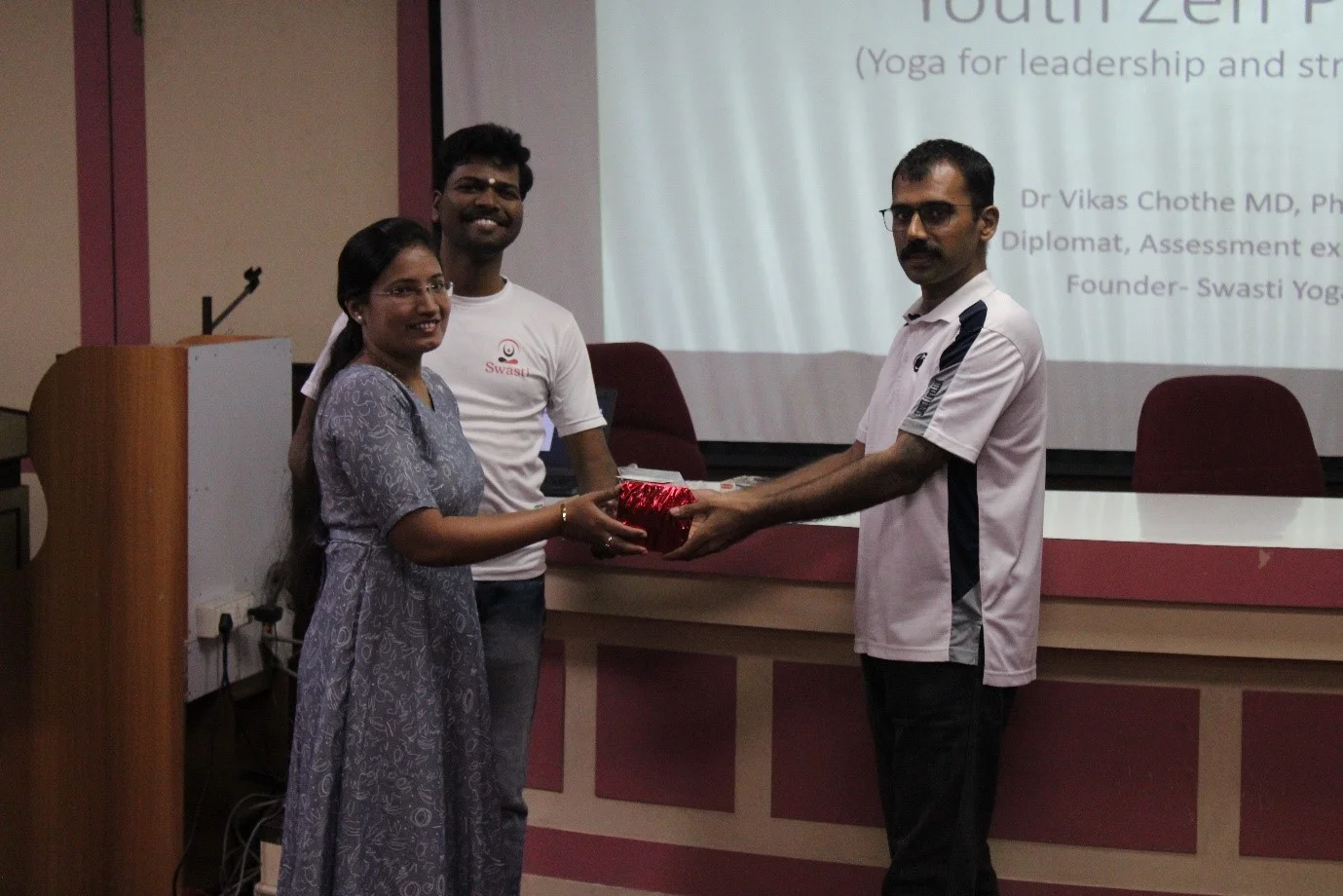
In a unique collaboration between Swasti Yoga Center and the prestigious Indian Institute of Technology, Bombay, (Yogastha Club) a transformative one-week course called the Youth Zen Program was conducted in preparation for the upcoming International Yoga Day. Aimed at fostering leadership skills and stress management through yoga, this program proved to be a life-changing experience for the students, professors, and staff of IIT-B. Prior to the program, participants underwent a comprehensive study to assess their levels of anxiety, stress, and depression. The results were alarming, indicating a pressing need for effective stress management strategies. Following the program, a similar study was conducted to measure the impact of the Youth Zen Program. The results of the post-program study were nothing short of remarkable. Participants reported feeling significantly healthier, both mentally and spiritually. The benefits of the week-long program were profound, providing a holistic approach to well-being. The Youth Zen Program encompassed various elements that contributed to its success. Participants engaged in daily morning practices, fostering discipline and a sense of routine. They delved into the philosophy and science behind yoga, gaining a deeper understanding of its profound impact on life. The program effectively changed their perspectives on yoga and how it can positively shape their lives. One standout activity was the Yoga card game “Om,” which not only helped participants relax but also taught them mindfulness and other yogic values. Art therapy and mindfulness meditation sessions provided moments of profound relaxation and self-reflection. Experts in the field, Dr. Shwetambari Chothe and Dr. Vikas Chothe, shared their knowledge and insights. Dr. Shwetambari Chothe’s session on women’s health shed light on the importance of holistic well-being, while Dr. Vikas Chothe’s session on Ayurveda in daily life provided practical wisdom for a balanced and harmonious existence. The program also introduced participants to yogic cleansing techniques like dhauti, jal neti, and kapalabhati. These practices offered a unique and enlightening experience, accompanied by numerous health benefits. One of the most spiritually enriching activities for the IITians was the taratak practice and full moon gazing. These practices allowed them to connect with their inner selves and find solace amidst the demanding academic environment. The experience served as a powerful tool for destressing and gaining spiritual enlightenment. The introspection that followed the Youth Zen Program proved to be invaluable. Participants reflected on their journey, realizing the profound impact that yoga had on their lives. The program not only equipped them with stress management tools but also inspired them to continue incorporating yoga into their daily lives. The success of the Youth Zen Program can be attributed to the unwavering dedication of Shachi Bajpayee, the head of Yogastha Club, and Professor Neeraj, who played instrumental roles in organizing and motivating the participants. Their passion for yoga and commitment to the well-being of the IIT-B community made this program a resounding success. The Youth Zen Program served as a powerful testament to the transformative power of yoga in managing stress and fostering leadership skills. It is an initiative that has undoubtedly left a lasting impact on the lives of those who participated, empowering them to navigate life’s challenges with renewed strength, clarity, and resilience.

Read More ยป
Yoga or Gym ?

Yoga or Gym ?

Youngsters still have this questions in mind and thinks that yoga is only meant for someone who is a sanyasi or senior citizen . I want to pen down the below differences to make it easy to understand and choose between the two.ย  – Anupama Khandelwal ย  Yoga ย Gymnasiums Yogaย works on your internal organs and helps detox the body from within. This leads to a feeling of balance, inner fulfilment, and mental relaxation. Gym sessions focus on boosting your cardiovascular health and toning, without any focus on the aspect of mental health. However, the rush of endorphins after exercising will definitely make you feel better. Cheaper classes Expensive training No machinery required Lot of machines are required Space only equivalent to the yoga mat lot of space is required to set up the machinery Easy to be picked up by beginners Need proper training and knowledge to use the gym equipment Yoga has been used since ancient times to heal lifestyle diseases and detox the body. Gym workouts donโ€™t get rid of any diseases that are developing internally Since yoga is gentle on the mind and body, you donโ€™t get a lot of cravings. You also end up eating mindfully since you feel emotionally healthy. The hard workouts help boost your appetite, but itโ€™s essential that you eat healthy right after your gym sessions to avoid binging on junk food.

Read More ยป
Yoga And Anxiety

Yoga And Anxiety

By Alba Cobos Durante la pandemia de COVID-19, tanto la salud fรญsica como la mental peligra. Los estudios muestran un incremento en trastornos mentales como la ansiedad y la depresiรณn. El estrรฉs estรก extendido por todo el mundo. Muchas personas sienten estrรฉs debido al impacto inmediato del virus en la salud o como consecuencia del aislamiento social. En la nueva normalidad, en la que los ciudadanos debemos de adaptarnos a la nueva realidad de coexistencia con el virus, las tรฉcnicas de control del estrรฉs y el soporte psicolรณgico serรกn una importante herramienta para mantener un estado de salud รณptimo. La ansiedad se caracteriza por un desagradable sentimiento de preocupaciรณn y temor. Se trata de la reacciรณn del cuerpo y de la menta a un estรญmulo percibido como estresante, peligroso o incluso, situaciones desconocidas. Un cierto nivel de ansiedad nos ayuda a estar alerta pero para aquellos que sufren del trastorno de ansiedad, se percibe como un estado anormal y muy debilitante. Hay diferentes trastornos de ansiedad, todos ellos tienen la misma sintomatologรญa y el miedo que cursa de manera irracional y excesiva. Unos cuantos ejemplos de trastornos de ansiedad son: los ataques de pรกnico, Fobia social, Trastorno obsesivo compulsivo, trastorno de ansiedad generalizado, etc. Los tratamientos a dichos trastornos pueden ser farmacolรณgicos, psicoterapรฉuticos y a travรฉs de tratamientos basados en mindfulness, como por ejemplo, la meditaciรณn y el yoga. Los tratamientos farmacolรณgicos, no son tan efectivos con todos los pacientes y ademรกs se ha observado diversos adversos efectos secundarios. Hay mucha investigaciรณn en el campo de la medicina y la psicologรญa para entender los efectos del yoga en la salud de sus practicantes. Si se contempla que el objetivo principal de la meditaciรณn (y el yoga es la prรกctica preparatoria a la meditaciรณn) es la autorregulaciรณn de pensamientos, y se comprende que la ansiedad se caracteriza por el pensamiento de tipo disfuncional (preocupaciรณn, pensamientos del tipo โ€œy siโ€ฆโ€), si se logra el objetivo de dicha prรกctica, como consecuencia se observa la reducciรณn de los pensamientos disruptivos y en relaciรณn, la reducciรณn en la severidad del trastorno. A travรฉs de diversas prรกcticas del yoga, es decir, asanas (posturas), relajaciรณn, pranayama (tรฉcnicas de respiraciรณn), y meditaciรณn se obtiene una mejora global del funcionamiento del individuo. Practicando yoga, se pueden observar cambios como: mejora a nivel fรญsico y mental, regulaciรณn emocional, tรฉcnicas de control del estrรฉs, mejora en la concentraciรณn y atenciรณn, aprendizaje de cรณmo vivir el โ€œahoraโ€, incremento en la resiliencia y metacogniciรณn. Propongo algunas prรกcticas del yoga para reducir el nivel de estrรฉs. En posturas por ejemplo, las inversiones son muy recomendables ya que relajan el sistema nervioso y aumentan la circulaciรณn sanguรญnea. Algunos ejemplos de inversiones son: Padangusthasana, Viparita Karani y Salamba Sarvangasana. Ustrasana es otra postura ideal ya que estimula el sistema nerviosos y expande la zona del pecho y hombros, mejora la circulaciรณn sanguรญnea y ayuda a centrar la mente en el cuerpo. La secuencia de Marjaryasana y Bitilasana alivia los sรญntomas del cansancio y acompasa el movimiento con la respiraciรณn, calmando y ralentizando la mente. Por รบltimo, Baddha Konasana, es ideal para estirar los mรบsculos y como postura para meditaciรณn.ย  Tambiรฉn, las tรฉcnicas de Pranayama (control de respiraciรณn) ayudan a regular la respiraciรณn a travรฉs de la activaciรณn del sistema nervioso parasimpรกtico. Algunas de estas prรกcticas son: Anulom Vilom y Respiraciรณn Completa Yรณguica. Voy a mostrar dos estudios en los que se obtuvieron resultados significativos sobre yoga y sus beneficios. En la investigaciรณn llamada โ€œPerfil de estados de รกnimo e รญndices biomรฉtricos relacionados con el estrรฉs en practicantes de yogaโ€ por Yoshihara K, Hiramoto T, Sudo N, and Kubo C, se encontrรณ que las personas que practican yoga desde hace tiempo,,ย  presentan menos niveles de tensiรณn, ansiedad, fatiga y hostilidad. En otra investigaciรณn, llamada โ€œYogaย reduce la ansiedad de actuaciรณn en mรบsicos adolescentesโ€por Khalsa SBS, Butzer B, Shorter SM. Reinhardt K, Cope S para la revista de Terapias alternativas en Salud, se obtuvo que este tipo de ansiedad redujo significativamente al final del programa de yoga. Si una de las caracterรญsticas mรกs relevantes de la ansiedad es el pensamiento disfuncional, tal vez analizando la definiciรณn de yoga que escribiรณ el sabio Patanjali, entendamos la relaciรณn y necesidad de yoga en el tratamiento de la ansiedad. La definiciรณn dice asรญ: โ€œYoga Chitta Vritti Nirodhaโ€, que se traduce por: completa cesaciรณnย  de los pensamientos.ย 

Read More ยป
What are the Benefits of Taking Online Yoga Teacher Training Course?

What are the Benefits of Taking Online Yoga Teacher Training Course?

In the current pandemic times, the demand for online yoga teacher trainingย (YTT) courses has soared due to frequent lockdowns and social distancing norms put in place by the governments. Therefore, most of the YTT courses are now available online. If you are a yoga enthusiast looking to learn the traditional Indian yogic practice right from your home, then enroll yourself for the bestOnline Yoga Teacher Training Course In India offered by Swasti Yoga Center, Pune. Listed below are some of the top benefits of taking our online yoga teacher training course. Top Benefits Of Online Yoga Teacher Training Course: Uninterrupted Learning:ย Due to the ongoing COVID-19 pandemic and social distancing restrictions, face-to-face physical training is not available to students currently. Therefore,ย Online Yoga Certification Courses In Indiaย provide students the opportunity for uninterrupted learning and pursue their interests without any physical barriers due to the pandemic. The Comfort Of Home: Another benefit is that yoga students can attend online lectures and practical sessions and get all the guidance from teachers remotely, sitting in the comfort of their homes. Cost-Effective:ย Online courses turn out to be more affordable than onsite courses as there is no travel, food, or accommodation costs involved. Available At All Locations: Online Yoga Teacher Training Course In Indiaย can be accessed by students from any location, even from the remotest part of the world. ย Students donโ€™t have to worry about any day-to-day travel or physical presence on-site to get trained. Convenient Batch Options:ย Online courses provide several options to students to choose a batch that best suits their availability and convenience. So, there are no time barriers. Access To The Best Yoga Teachers:ย Online YTT courses make it possible for top yoga gurus and teachers to impart training and guidance to students from their respective locations remotely, without any hassle. Government-Recognised Online Yoga Certification Courses In India If you are looking for an online YTT course that provides government certification from a recognised institution in India, consider Swasti Yoga Center, Pune. Our online courses follow the latest regulations issued by Yoga Alliance and provide certificates recognized by the Yoga Alliance. Moreover, our courses help you become a part of the Yoga Alliance Professionals community. Enrol yourself in the bestย Online Yoga Teacher Training Courseย with Swasti Yoga Center.ย Contact us or call us atย +91 9922916025ย orย 9545019322ย today!

Read More ยป

Add Yoga To Retain The Beauty Of Body And Mind

Vitae aliquam porta sed augue consectetuer. Parturient posuere sed habitasse quisque malesuada platea. Dis suspendisse integer ut facilisis maximus mus.